
Why Stretch Rod and Mold Maintenance Defines the ROI of Your ISBM Line
For procurement directors, plant managers, and tooling engineers responsible for PET, PP, PE, PLA, and PCTG container production, no two components carry more weight in the cost-per-bottle calculation than the stretch rod assembly and the injection–blow mold tooling. These two assemblies are responsible for transferring molten resin into a dimensionally precise preform, and then mechanically and pneumatically converting that preform into a finished container with controlled wall distribution, defined orientation, and repeatable bottom profile. When either of them drifts out of specification, the consequences cascade: scrap rates climb, cycle time extends, energy per bottle increases, and downstream filling lines reject containers for ovality, neck finish errors, or base inversion. A disciplined maintenance program is therefore not a cost center—it is the single largest lever a plant has to extend tool life, defend gross margin, and stabilize delivery commitments to brand owners.
This guide consolidates the field-tested maintenance protocols Ever-Power has developed over more than two decades of designing, building, and supporting single stage injection stretch blow molding machine platforms. It reflects the practical realities our service engineers encounter when they are called in to refurbish older systems, including the replacement of aoki injection stretch blow molding machines with modern four-station and six-station Ever-Power equivalents. Whether you operate a brand-new servo-controlled platform or a legacy two-station system that has been in service for fifteen years, the principles below will help your team protect tooling, predict wear, and extend the productive life of every stretch rod and every mold cavity in your facility.
Understanding the Mechanical Stress Environment
Before any maintenance protocol can be effective, the maintenance team must understand exactly what each component endures during a single production cycle. The injection stretch blow molding process imposes three distinct categories of stress on tooling: thermal, mechanical, and chemical. Thermal stress arises from the cyclical heating and cooling of preforms, the conditioning station, and the blow cavity surface, with temperature deltas of 80–120 °C occurring within seconds. Mechanical stress is generated by the stretch rod accelerating from rest to peak velocity within milliseconds and impacting the preform base, while clamp tonnage compresses the mold halves with forces measured in tens of metric tons. Chemical stress comes from PET hydrolysis byproducts, mold-release migration, demineralized cooling water, and atmospheric contaminants that condense onto polished cavity surfaces during dwell.
Each of these stress vectors degrades tooling differently. Thermal stress causes micro-cracking and dimensional drift; mechanical stress produces galling, scoring, and bushing wear; chemical stress generates corrosion, pitting, and surface haze that telegraphs onto the finished container as a cosmetic defect. A maintenance program that ignores any one of the three will eventually fail to protect the asset.
Stretch Rod Maintenance: A Component-Level Protocol
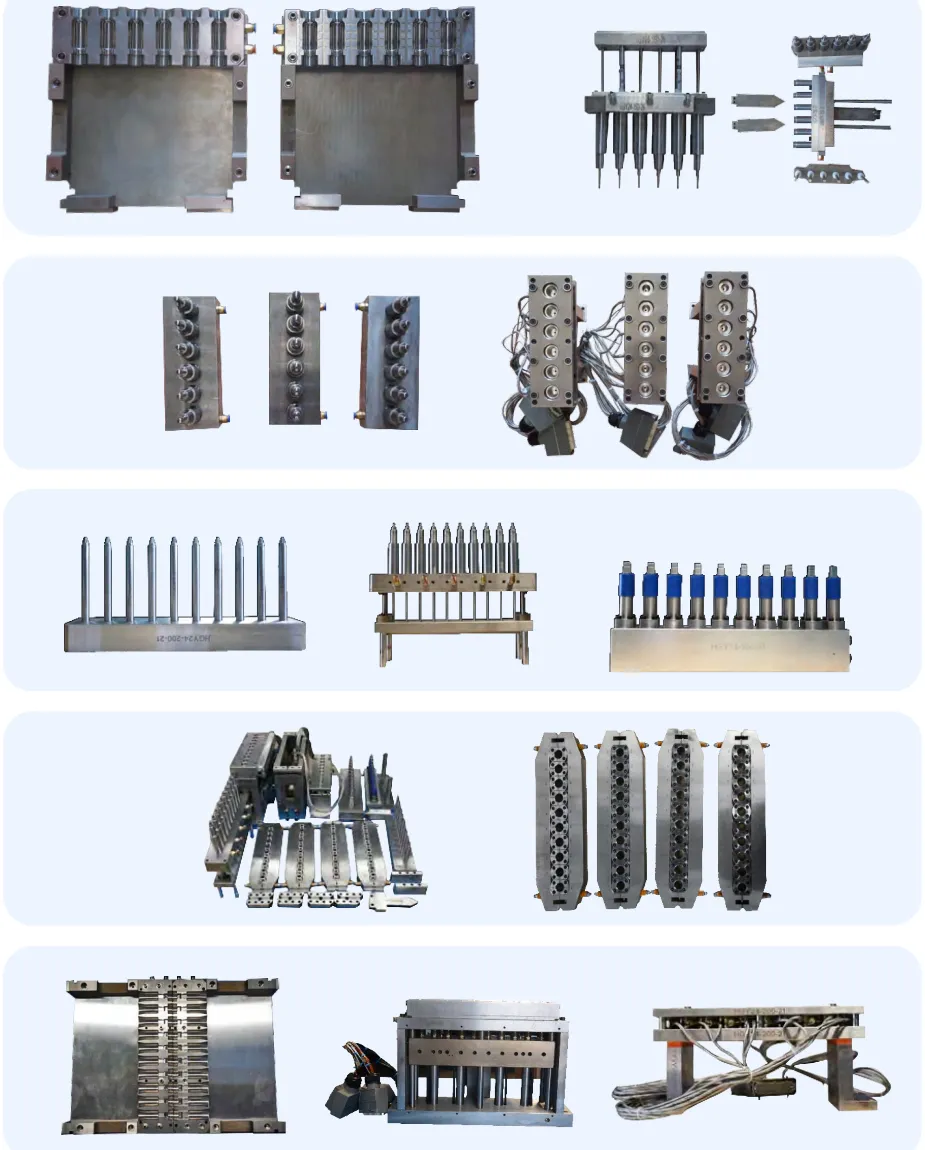
The stretch rod is arguably the most underappreciated precision component on the entire machine. It is a hardened, ground, and chrome-plated steel shaft that must travel through the preform neck, descend to the molded base, and apply controlled axial force at the precise moment that pre-blow air begins inflating the parison. Any deviation in straightness, surface finish, or actuation velocity translates directly into wall thickness asymmetry and eccentric base profile. The following protocol is the one Ever-Power service engineers use across all our four-station and six-station platforms.
1. Daily Visual and Tactile Inspection
At every shift change, an operator should retract the rod fully, wipe it down with a lint-free cloth dampened with a non-chlorinated solvent, and run a gloved hand from tip to bushing. Any roughness, discoloration, or transferred resin film must be documented before the rod is returned to service. Resin transfer indicates either an incipient surface scratch or a temperature mismatch in the heating zone—both of which will accelerate wear if uncorrected.
2. Weekly Straightness and Runout Verification
Once a week, mount the rod on V-blocks and verify total indicated runout (TIR) along its working length using a dial indicator with at least 0.01 mm resolution. Reject any rod with TIR exceeding 0.05 mm over its stretch travel. A bent rod cannot be straightened in the field; it must be replaced. Continuing to run a bent rod will gall the upper bushing within hours and eventually score the bushing bore beyond repair.
3. Lubrication of Bushings and Guide Bearings
Use only food-grade, NSF H1-registered lubricants approved for direct or incidental food contact, applied through the manufacturer’s specified grease points at intervals defined in the OEM manual—typically every 250,000 cycles for hydraulic actuation or every 500,000 cycles for fully servo-driven rods. Over-lubrication is as damaging as under-lubrication; excess grease migrates onto the rod surface, contaminates the preform interior, and shows up as a cosmetic defect on transparent containers.
4. Servo Tuning and Velocity Profile Verification
On servo-driven rods, monthly verification of the velocity profile against the master curve archived at machine commissioning is essential. A drift of more than 5% in peak velocity or 2 ms in time-to-peak indicates either belt stretch, encoder fouling, or a developing fault in the drive amplifier. Address these symptoms immediately; a stretch rod that decelerates prematurely will produce containers with thick bottoms and thin shoulders, and the operator will compensate by raising blow pressure—accelerating mold wear in the process.
5. Surface Re-Coating and Refurbishment
When the chrome plating begins to show micro-pitting under bright light inspection, the rod can typically be refurbished once or twice through professional re-grinding and re-plating before it must be retired. Document the refurbishment cycle for each rod by serial number; this history becomes invaluable for warranty discussions and for predicting when a fresh stretch rod inventory must be ordered.
Mold Maintenance: Protecting the Most Expensive Asset on the Machine
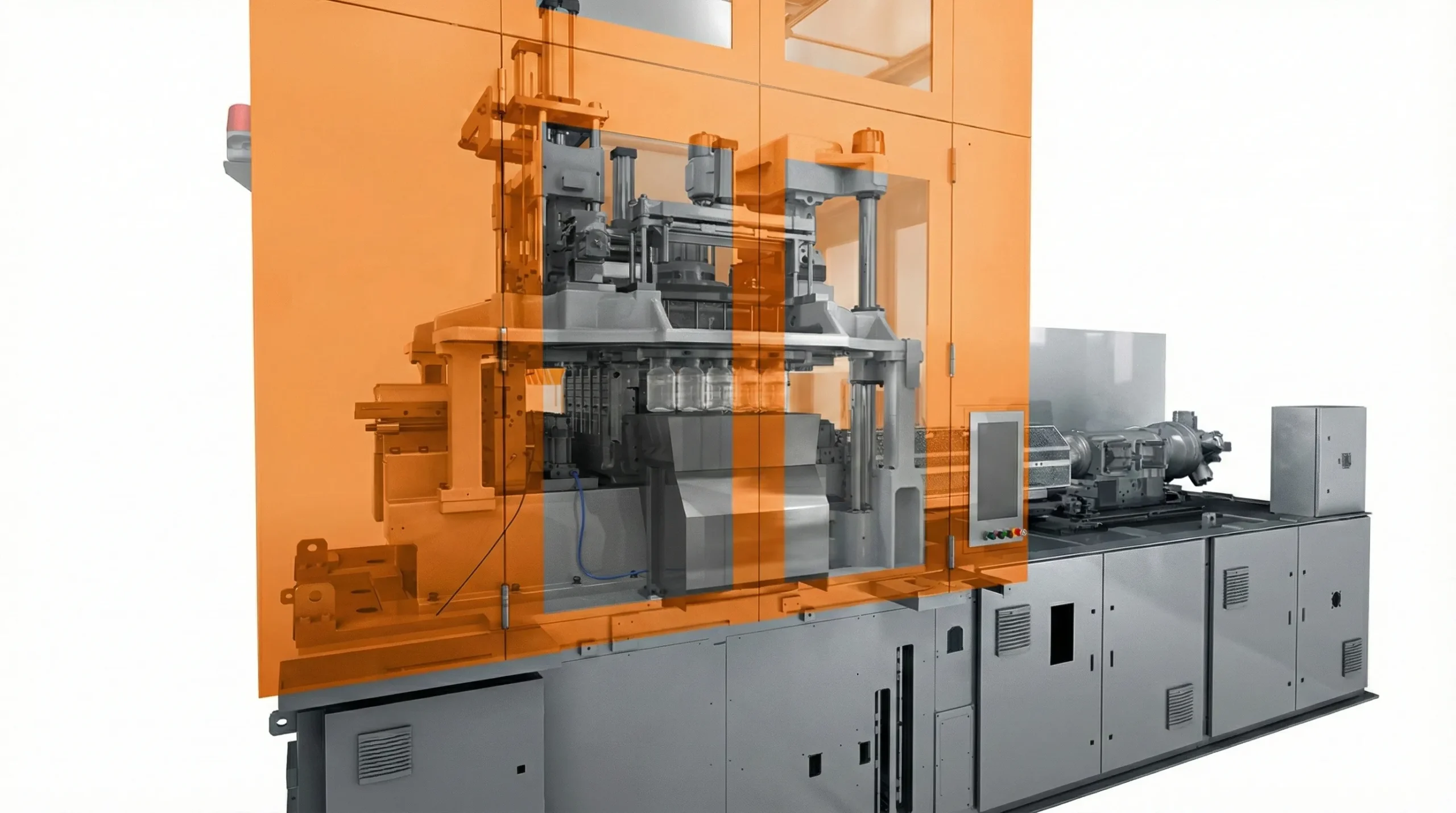
A complete set of injection and blow molds for a high-cavitation single stage injection stretch blow molding machine can represent 30–45% of the total capital cost of the line. Yet in audits conducted across more than 600 customer plants, Ever-Power engineers consistently find that mold maintenance receives a fraction of the attention given to the machine itself. This imbalance is the single largest preventable contributor to premature tooling retirement. The protocol below applies equally to preform injection cavities, conditioning shells, and blow cavities.
Cooling Circuit Hygiene
Cooling water quality is the silent killer of mold tooling. Untreated mains water contains calcium and magnesium carbonates that precipitate inside cooling channels at every thermal cycle. Within twelve months, a 6 mm cooling bore can be reduced to 4 mm of effective flow, raising cavity surface temperature by 8–14 °C and extending cycle time by 1.5–3 seconds per bottle. Use only deionized or softened water with a corrosion inhibitor maintained at the chemistry supplier’s specified concentration, and verify electrical conductivity weekly. Annually, descale every cooling channel using a circulating mild acid solution followed by a passivating rinse, then borescope-inspect critical bores to confirm full cross-section flow.
Parting Line and Vent Maintenance
The parting line is where contamination accumulates fastest. Resin flash, mold release residue, and carbonized lubricant build up imperceptibly over thousands of cycles, gradually preventing full mold closure. The result is flash on the finished bottle, premature wear of the clamp tonnage limit switches, and elevated stress concentrations at the cavity edge. At minimum once per week, open the mold at operating temperature, wipe the parting line with a soft brass brush followed by an isopropyl alcohol wipe, and verify that all venting slots remain clear. Vents clogged with carbonized polymer trap air during the blow phase, producing scorched marks and weak base profiles that fail top-load tests.
Cavity Surface Care
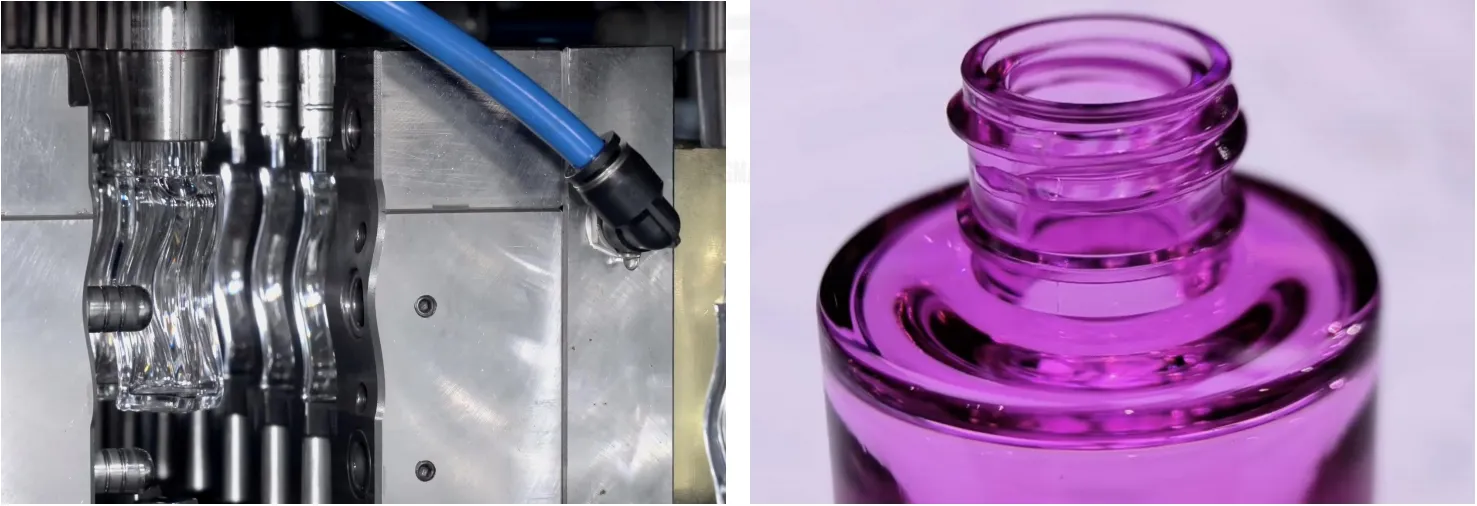
Polished mold cavities tolerate almost no abrasive contact. Never use steel wool, scotch pads, or chlorinated solvents on a working cavity surface. Cleaning is performed with cotton swabs, lint-free cloth, and approved cleaning agents only. When a defect such as a small scratch appears, document its location and depth using a portable surface profilometer; superficial marks under 5 micrometers can usually be polished out by a qualified mold technician, but anything deeper requires the cavity to be sent back to the manufacturer for re-machining. Keep this evaluation rigorous—operators who attempt to polish out deep marks in the field almost always make the defect worse.
Neck Insert and Bottom Cup Care
Two specific zones deserve dedicated inspection: the neck insert, which forms the threaded finish that mates with the closure, and the bottom cup, which forms the petaloid or champagne base. Both are subject to the highest mechanical loads in the cycle. Verify thread profile against the original drawing every quarter using a dedicated thread gauge or optical comparator, and replace neck inserts in matched sets to preserve dimensional consistency across cavities. Bottom cups should be inspected for fatigue cracks at the petaloid web roots; once cracking begins, replacement is the only safe response, since a failed bottom cup can deposit metal fragments into the production stream.
Building a Predictive Maintenance Schedule
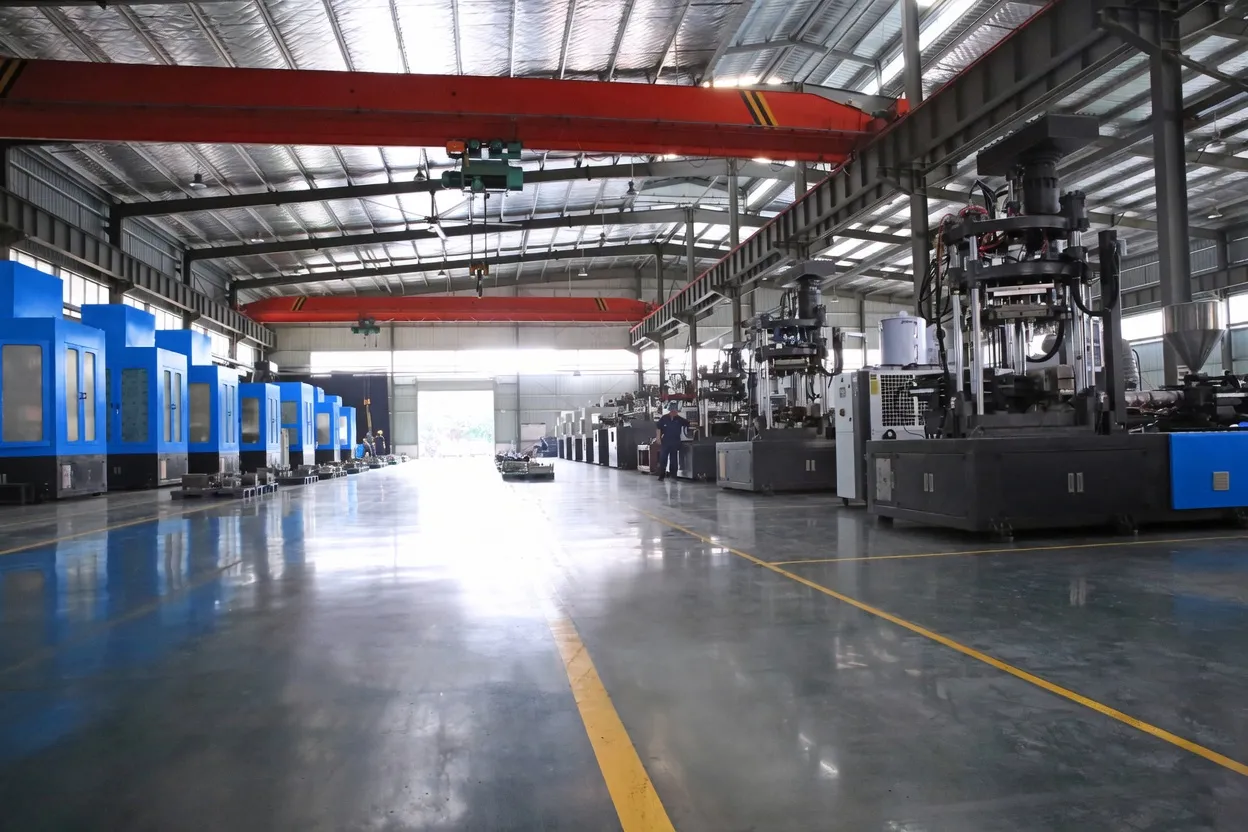
Reactive maintenance is the most expensive maintenance philosophy. Preventive maintenance is better. Predictive maintenance, anchored in real cycle counts and continuously updated by sensor data, is the gold standard for any modern injection stretch blow molding process. Ever-Power machines built since 2019 ship with cycle counters and condition-monitoring sensors as standard, allowing maintenance teams to shift from calendar-based intervals to true cycle-based or condition-based intervals.
A sound predictive program tracks at least the following indicators on a per-cavity, per-rod basis: cumulative cycle count, cumulative production hours, hydraulic system temperature trend, blow air dew point, cavity surface temperature variance, and mold opening force trend. When any indicator drifts beyond two standard deviations from its baseline, a maintenance ticket is generated automatically. This data-driven approach typically extends mold life by 25–40% and stretch rod life by 30–50% compared to calendar-only programs.
For plants evaluating a fleet upgrade or considering an isbm machine for sale on the secondary market, the maintenance history records described above are the single most valuable due-diligence document. A machine with a complete cycle log and sensor archive commands a 20–30% premium over an undocumented unit of identical age and configuration—because the documented machine carries far less hidden refurbishment risk.
The Five Most Common Avoidable Failures
Across thousands of service interventions, Ever-Power engineers report the same five root causes for stretch rod and mold failure. Every one of them is preventable.
Failure 1: Coolant Contamination
Mineral scale, biological fouling, and corrosion together account for nearly one-third of all premature mold retirements. A water treatment program with monthly chemistry verification eliminates the entire category.
Failure 2: Misalignment After Mold Change
Rushing a mold change without verifying tie-bar parallelism, platen flatness, and stretch rod centering produces uneven clamping forces that crack cavity inserts within weeks. A documented mold-change checklist prevents this entirely.
Failure 3: Operator-Initiated Polishing
Well-intentioned operators using inappropriate abrasives convert recoverable surface defects into permanent damage. Restrict cavity polishing to certified mold technicians with documented training.
Failure 4: Compressed Air Quality
Wet, oily, or particulate-laden blow air carries contaminants directly onto the cavity surface and accelerates corrosion. Maintain a -40 °C dew point and Class 1 oil content per ISO 8573-1 at every blow station.
Failure 5: Skipped Documentation
A mold or rod with no maintenance history cannot be diagnosed efficiently when it fails. Insist that every intervention—however minor—is logged with date, technician, action, and cycle count.
Choosing the Right OEM Partner Matters
Even the most disciplined maintenance program has limits. Sooner or later, every rod and every mold reaches the end of its economic life. At that point the value of working with a trusted produsen mesin isbm becomes clear—because tooling availability, drawing accuracy, dimensional traceability, and replacement lead time directly determine how long your line stays down. Ever-Power maintains complete drawing archives for every machine and every mold we have ever shipped, with twenty-five years of stocked spare parts inventory backing every active platform.
For plants currently running legacy equipment, the most cost-effective long-term answer is often a planned migration. As an experienced pemasok mesin cetak injeksi isbm, Ever-Power has delivered hundreds of platform replacements—including the replacement of aoki injection stretch blow molding machines with modern fully servo-driven systems that cut energy consumption by up to 40% and eliminate hydraulic-fluid contamination of the production environment entirely. Among injection stretch blow molding machine manufacturers operating at global scale, Ever-Power is one of the few that combines machine design, mold tooling design, and after-sales service under a single accountable team.
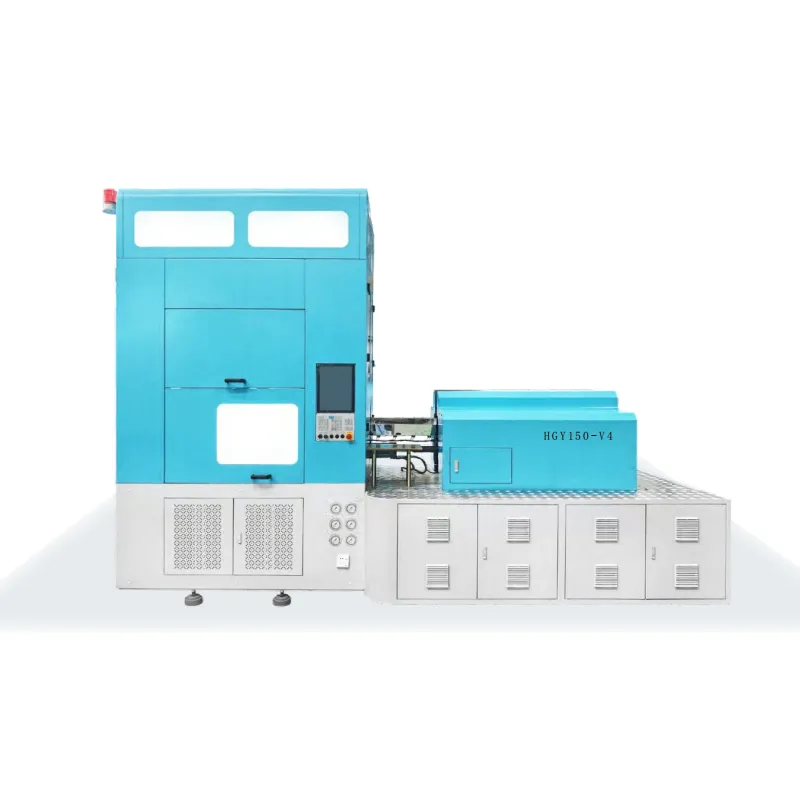
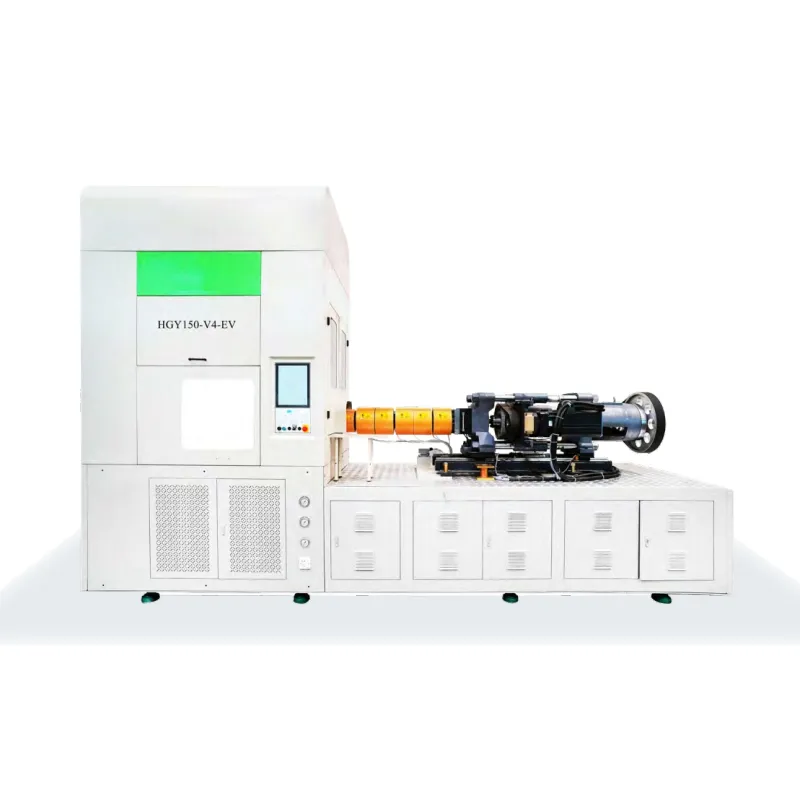
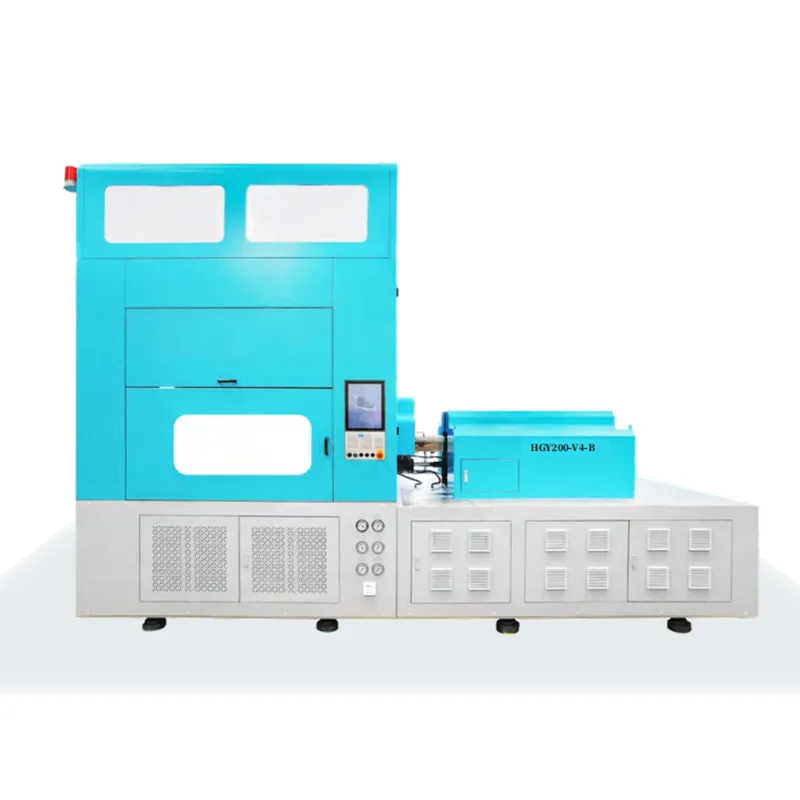
Produk Mesin ISBM Kami
Ever-Power’s complete portfolio of single stage injection stretch blow molding machines is engineered for tooling longevity from the first design review onward. Every model below incorporates hardened, ground, and chrome-plated stretch rod assemblies, food-grade lubrication systems, modular mold platforms with documented drawing archives, and predictive maintenance sensors as standard. From four-station compact platforms ideal for cosmetic and personal-care containers up to six-station high-output systems built for high-cavitation beverage production, every machine is supported by full OEM after-sales service and stocked spare-tooling inventory. The product line spans clamp tonnages and shot weights suitable for applications ranging from 5 ml pharmaceutical vials to 5-gallon water containers, and every unit ships with the maintenance documentation, sensor calibration certificates, and digital cycle-count logs that protect your tooling investment for years to come.
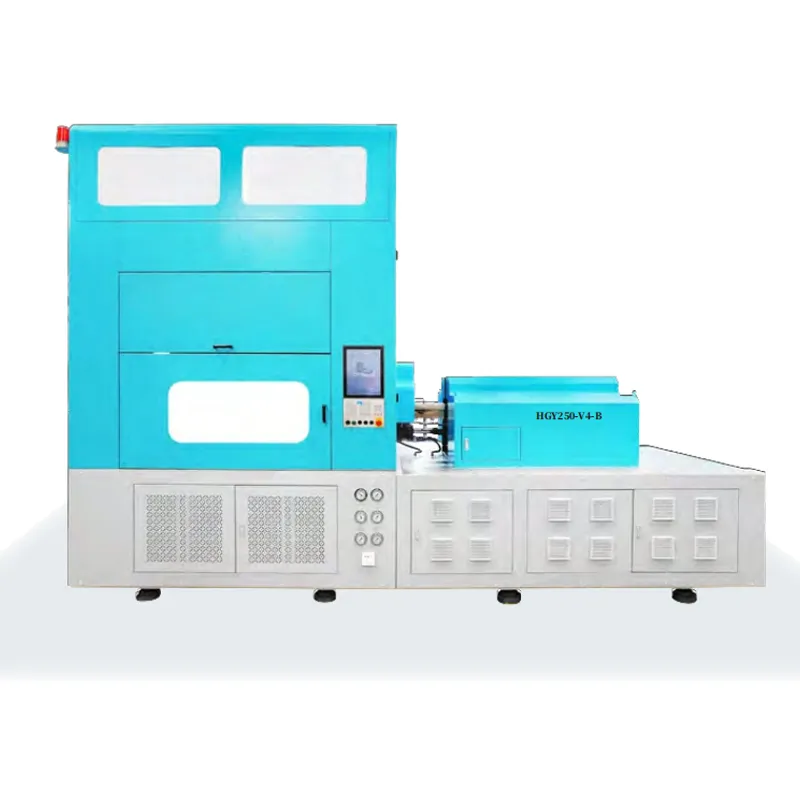
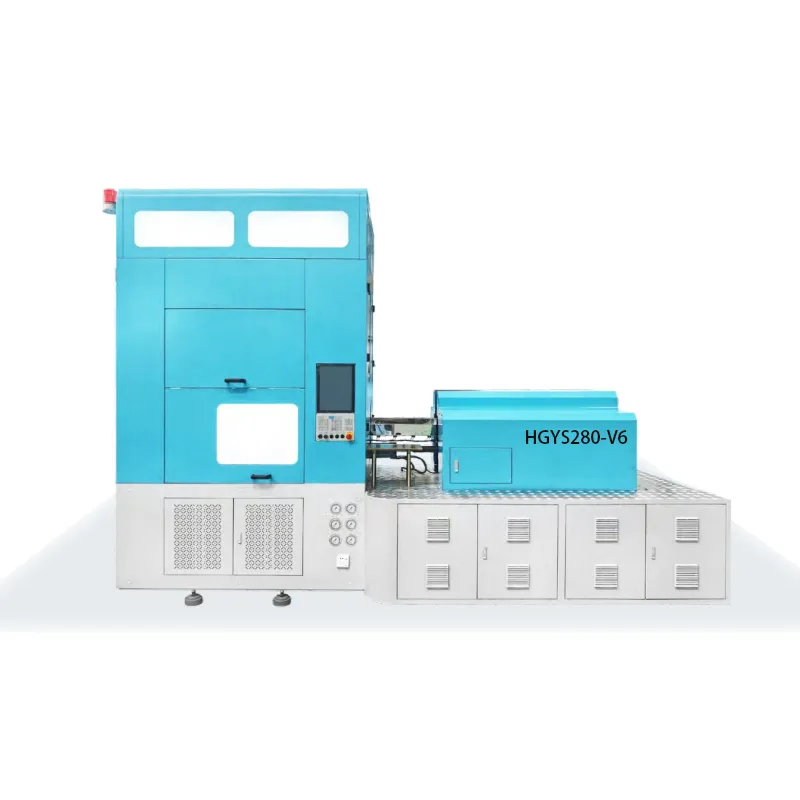
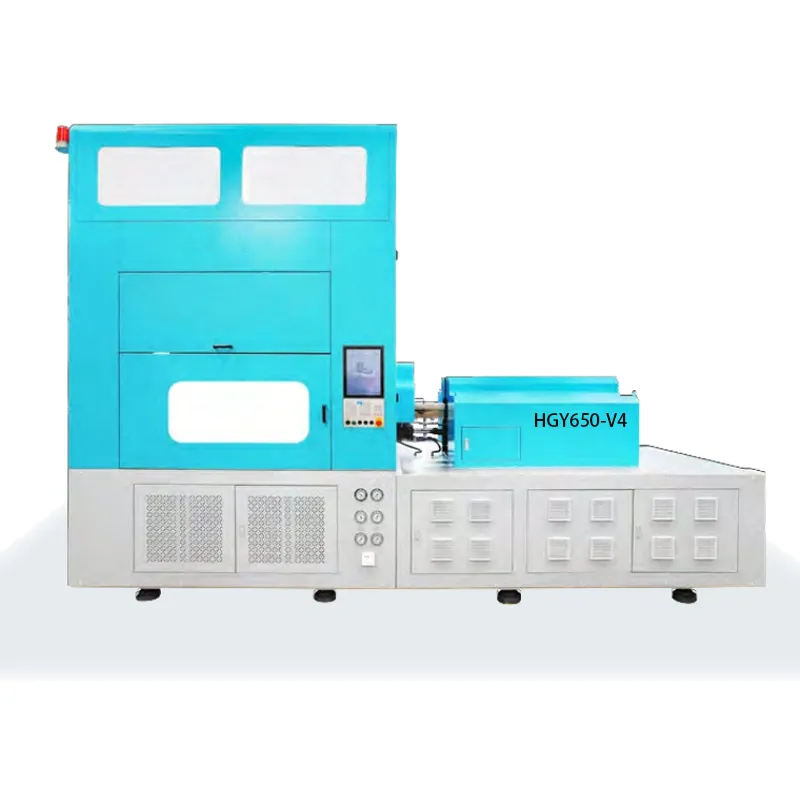
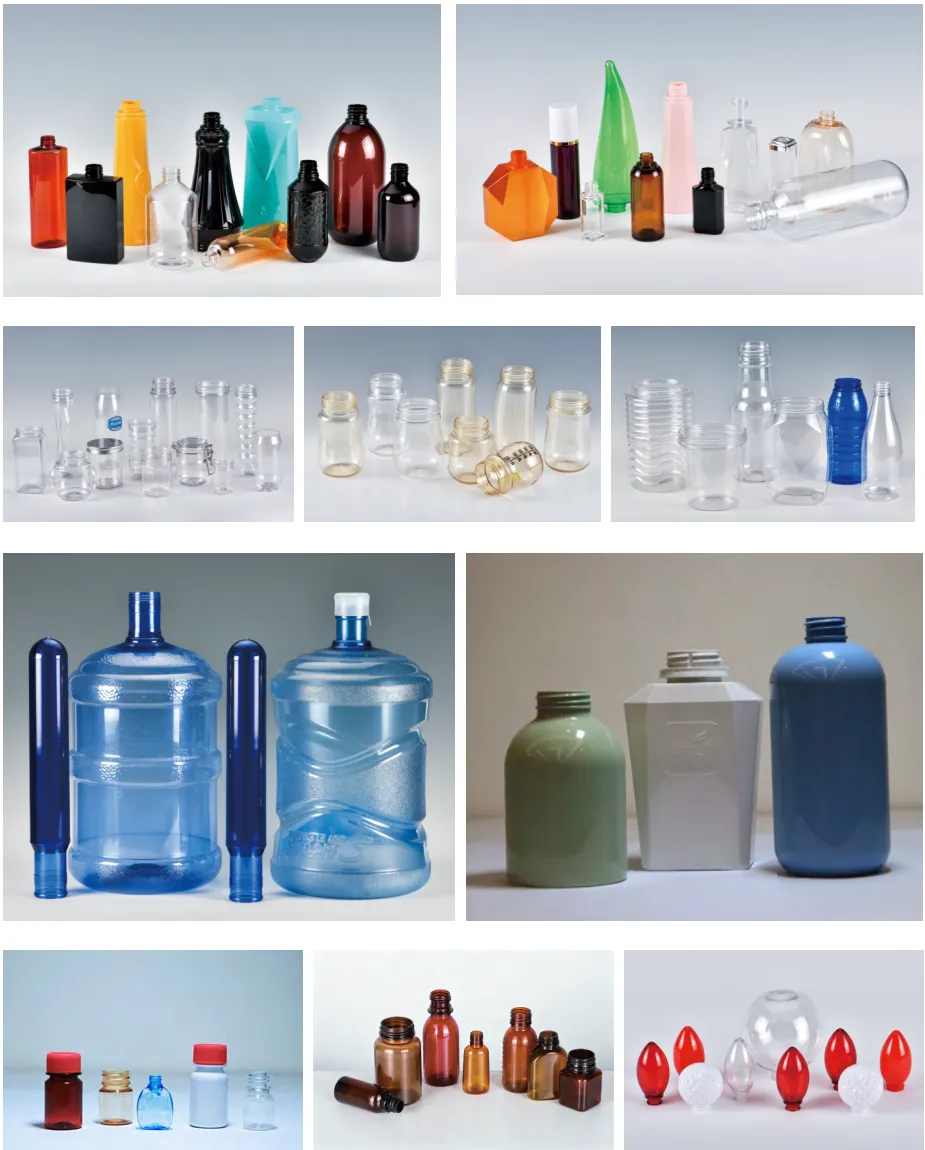
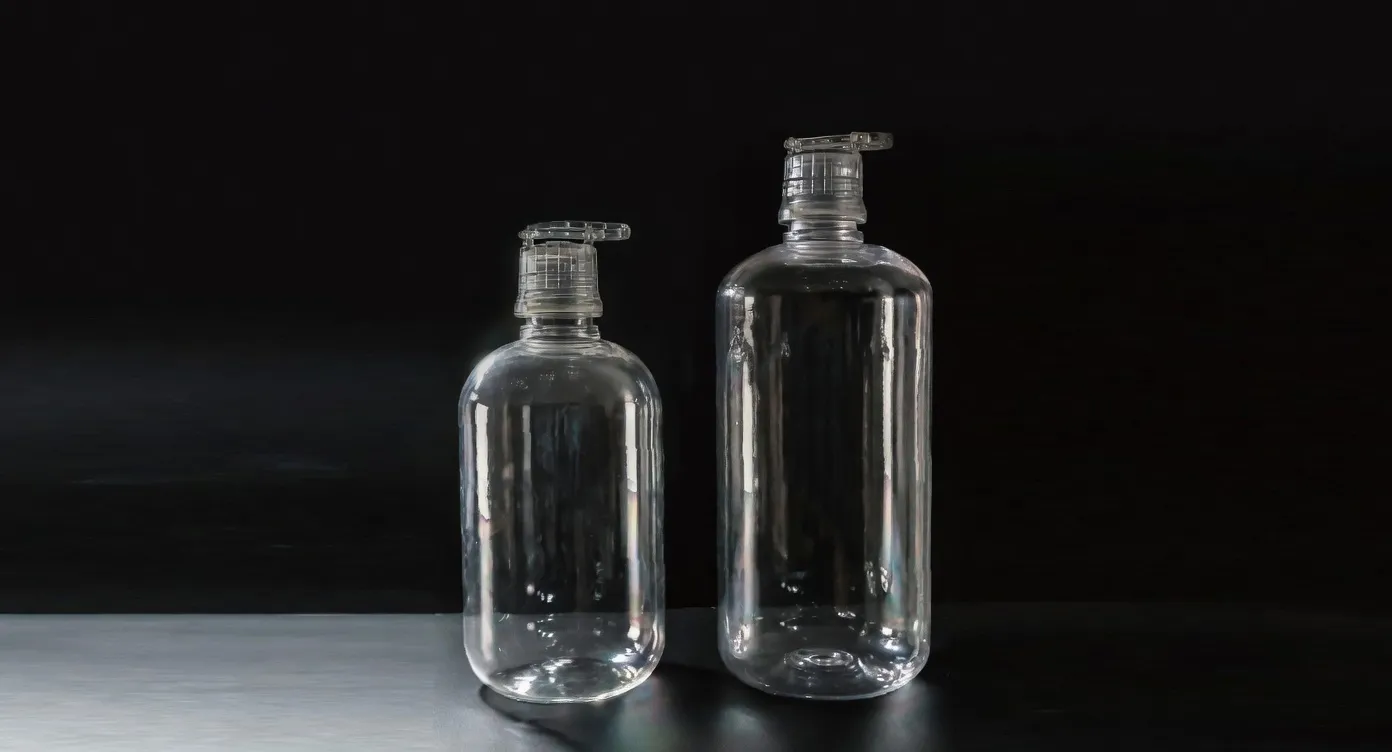
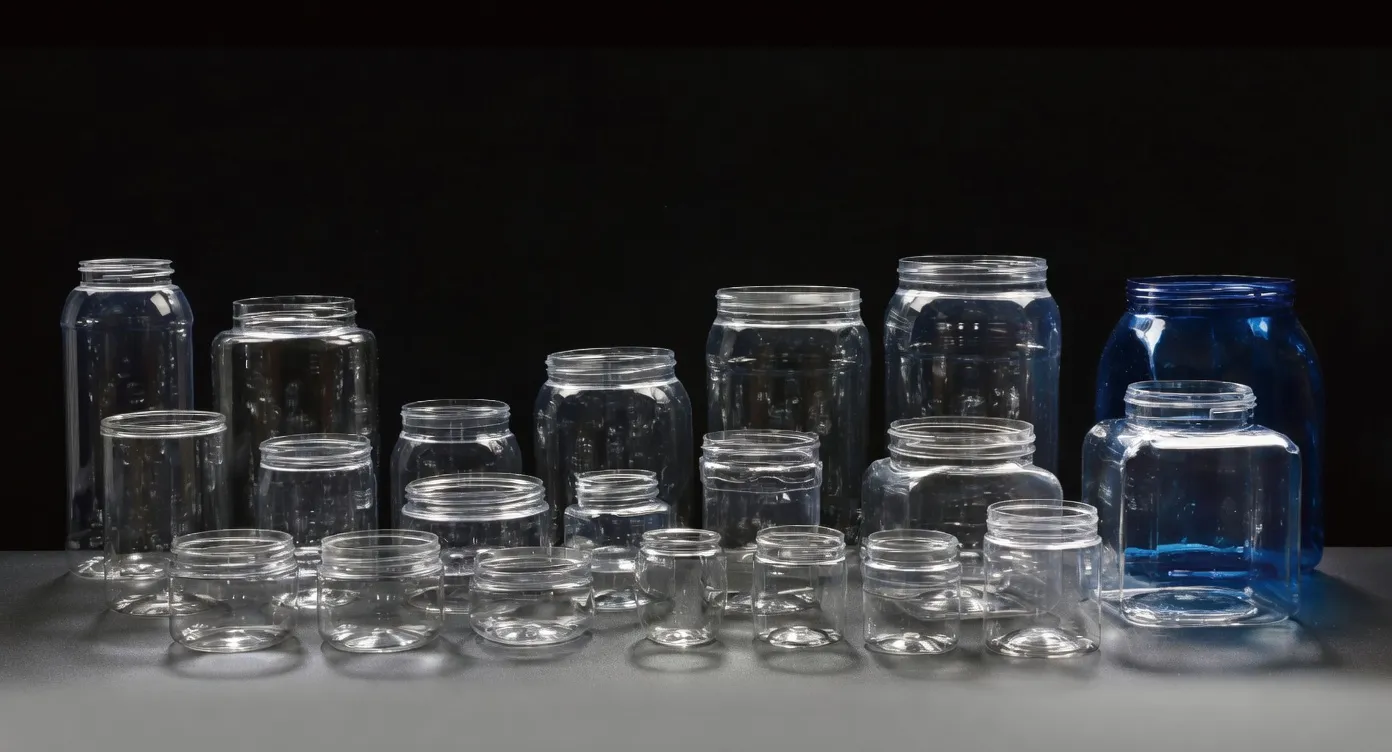
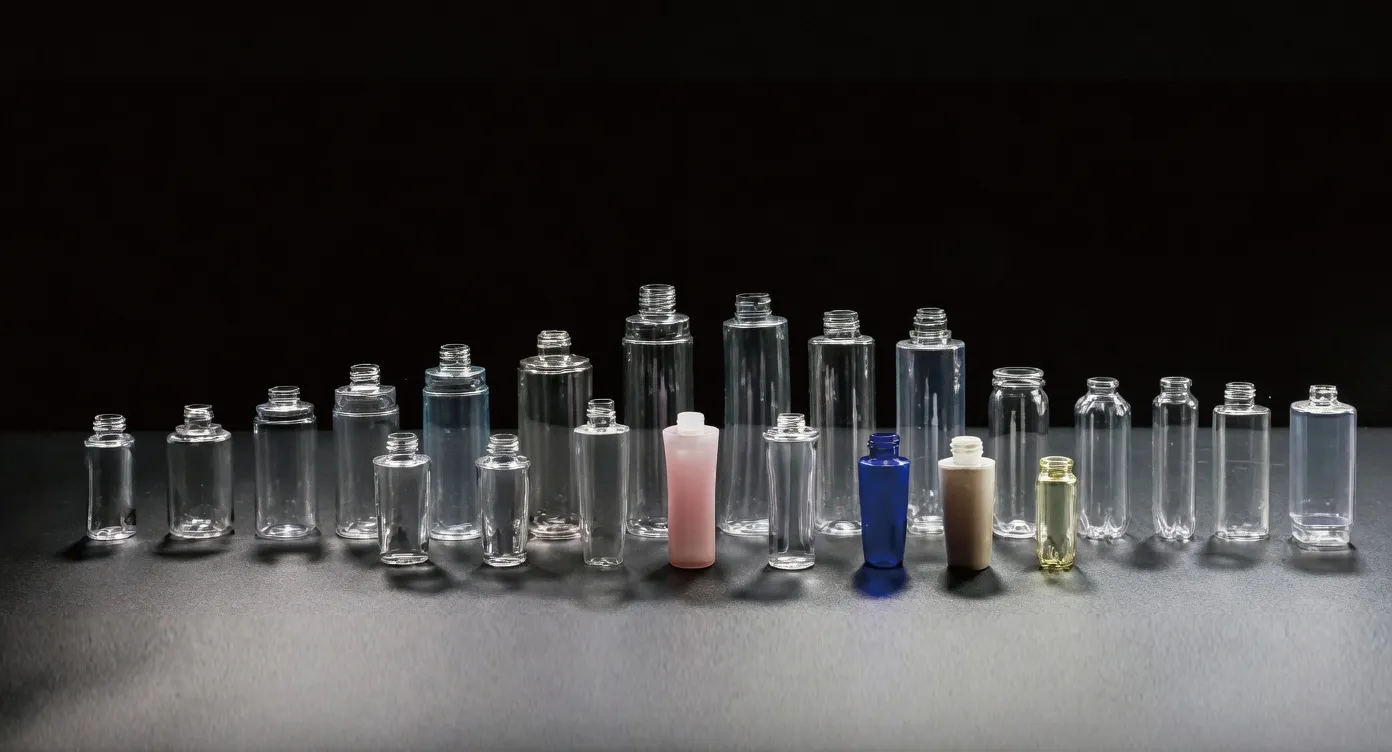
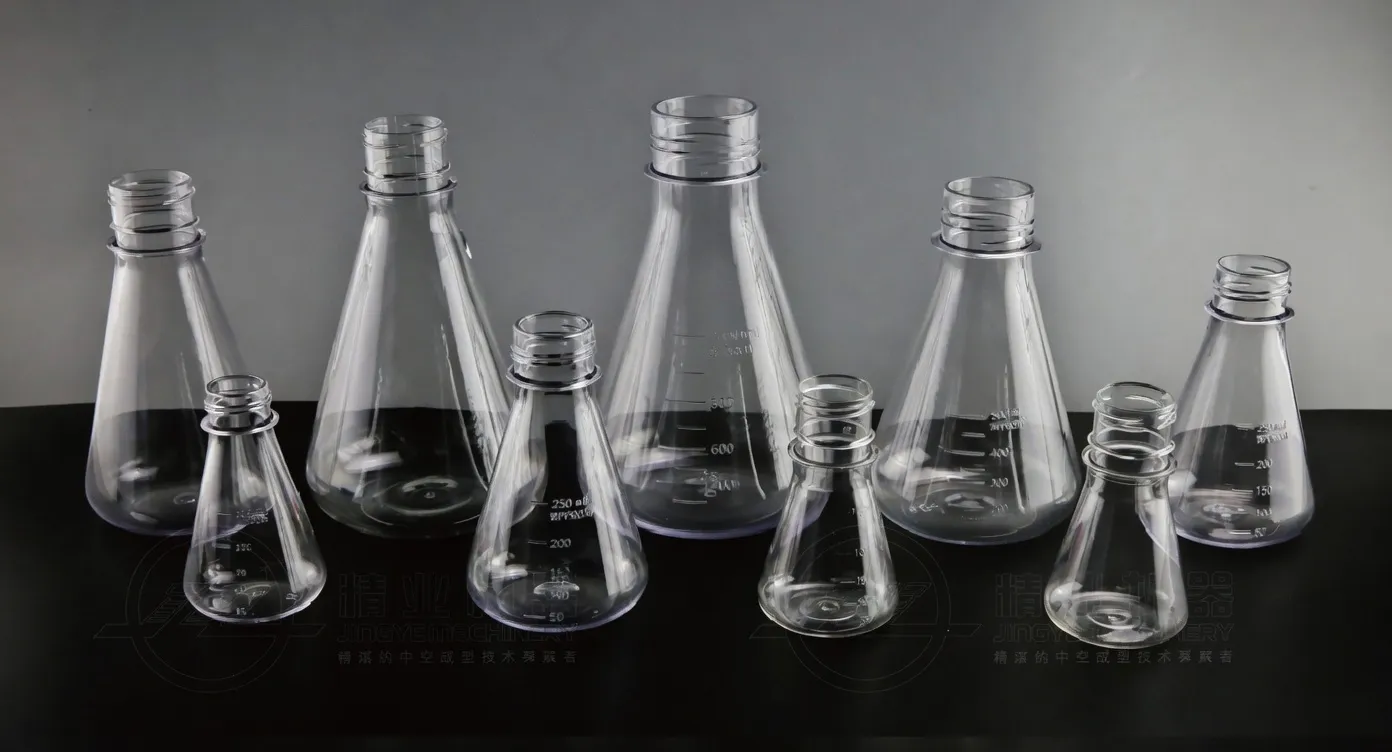
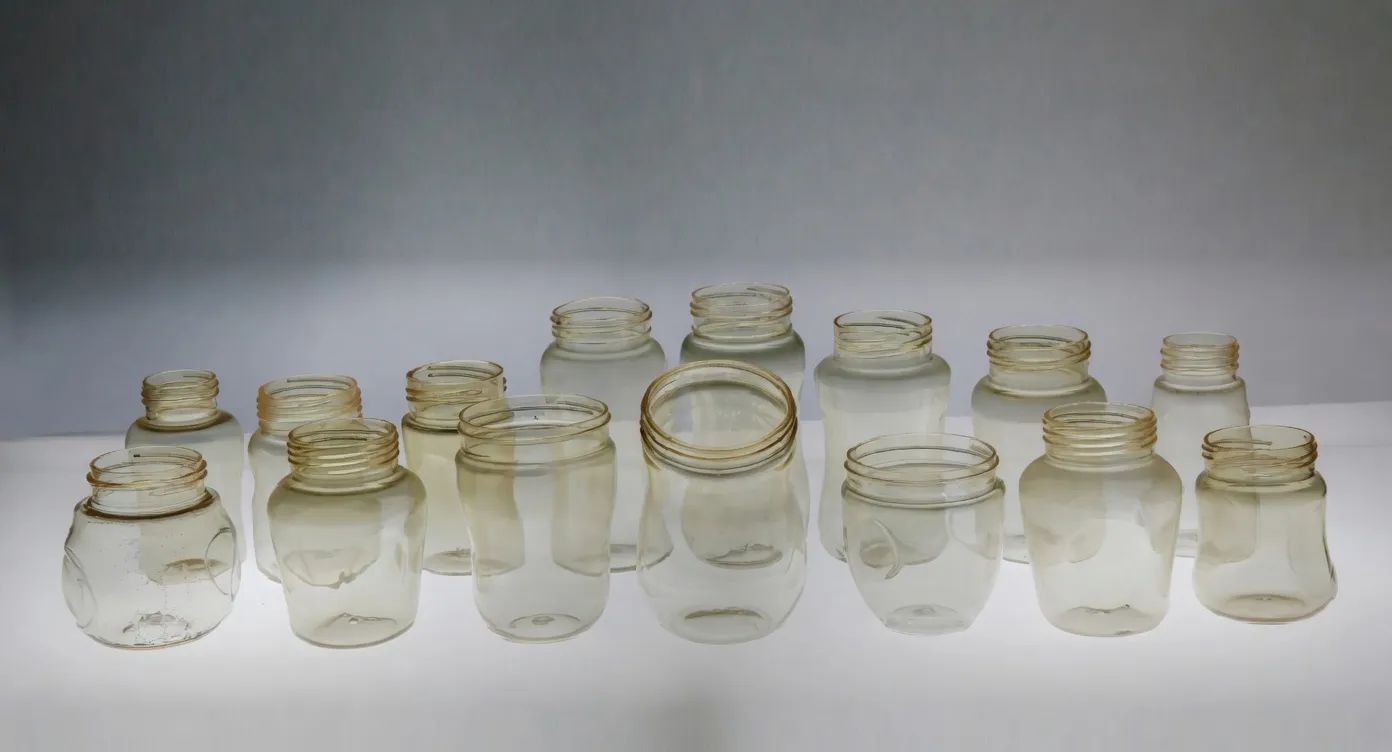
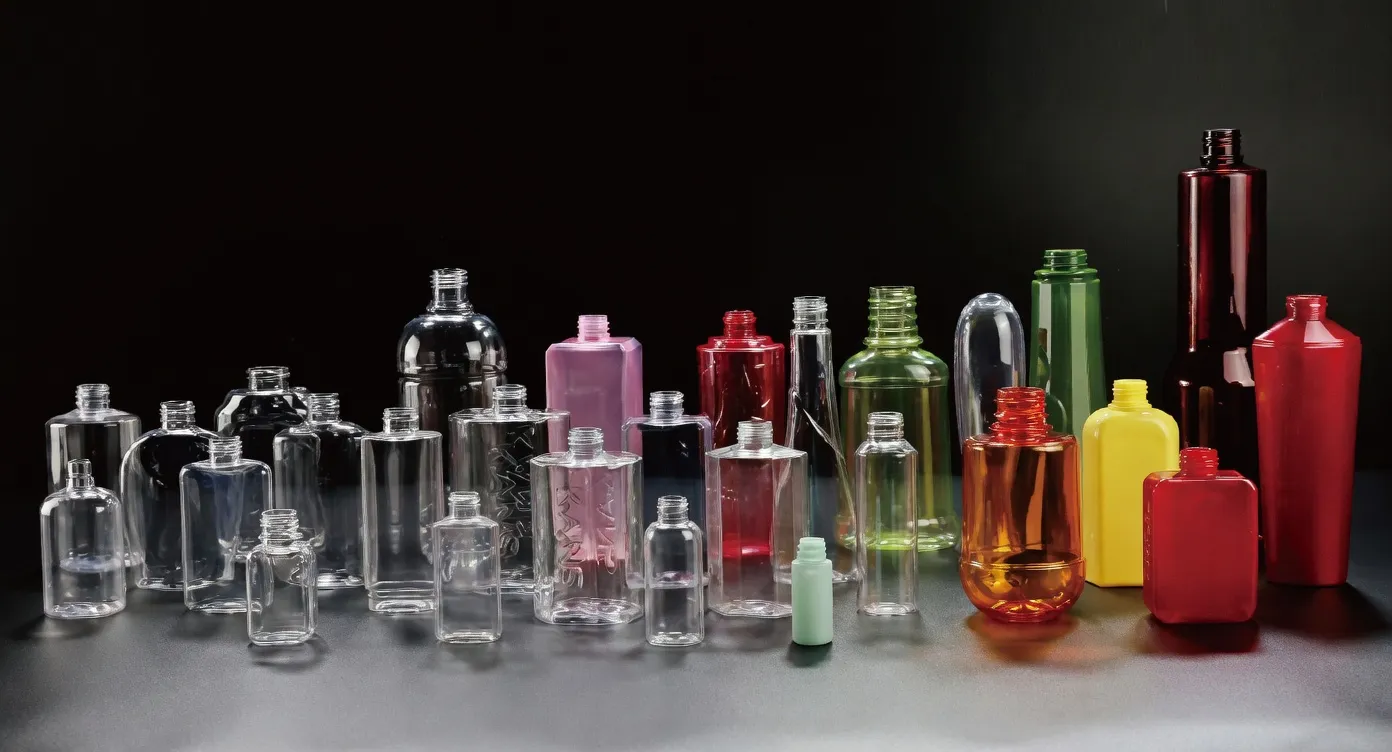
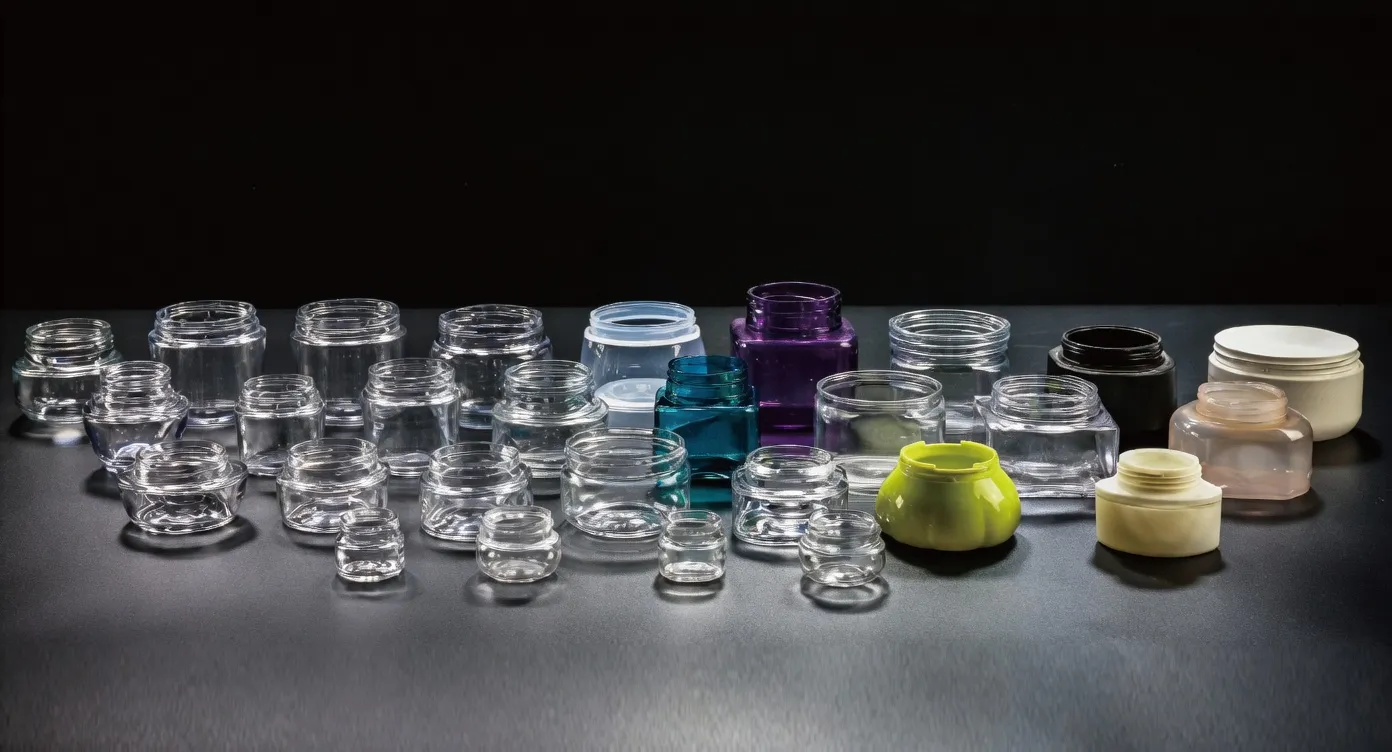
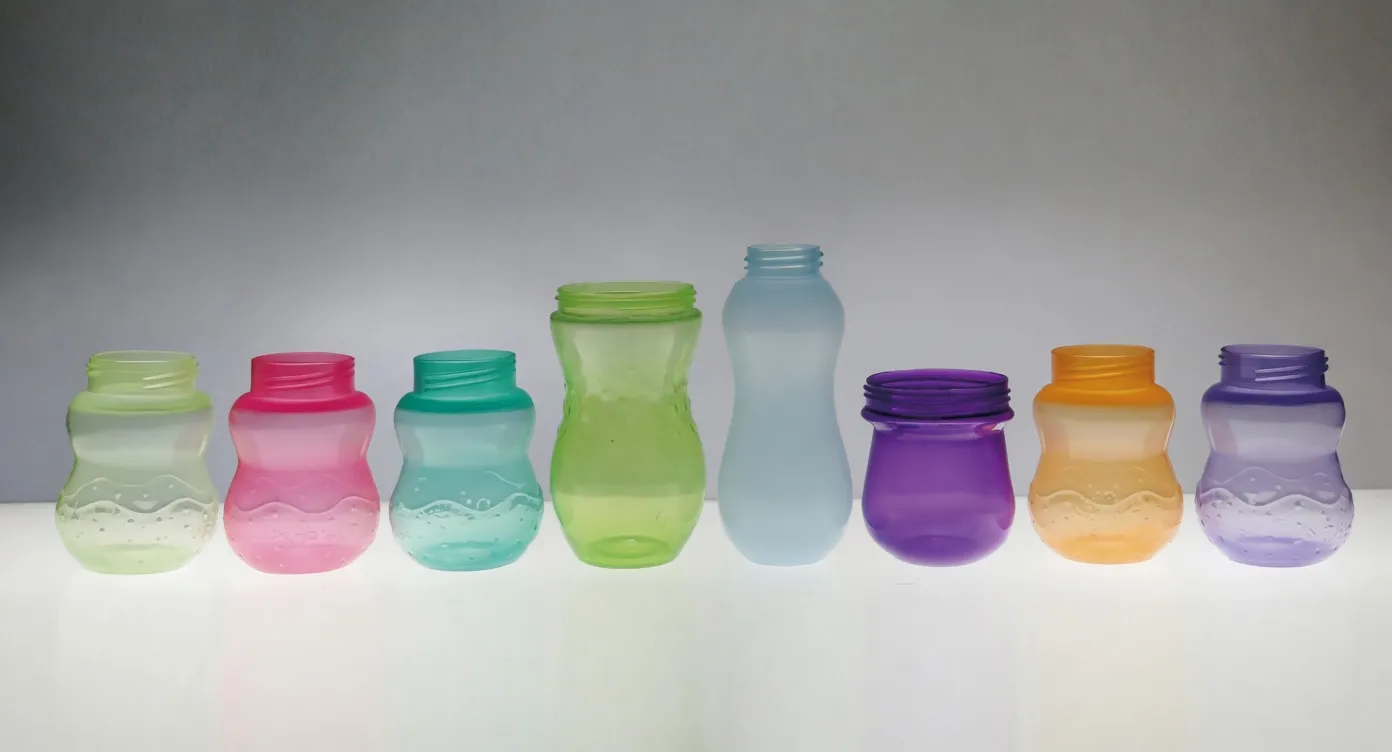
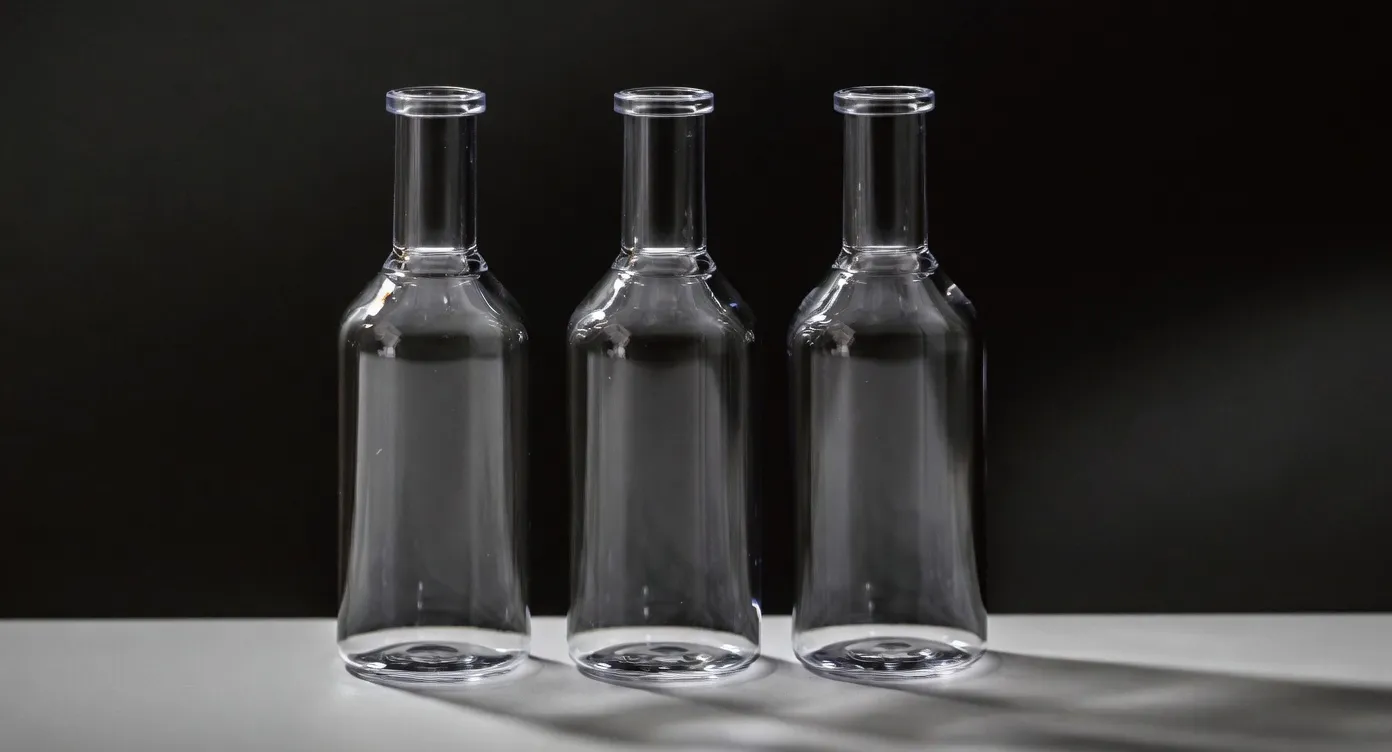
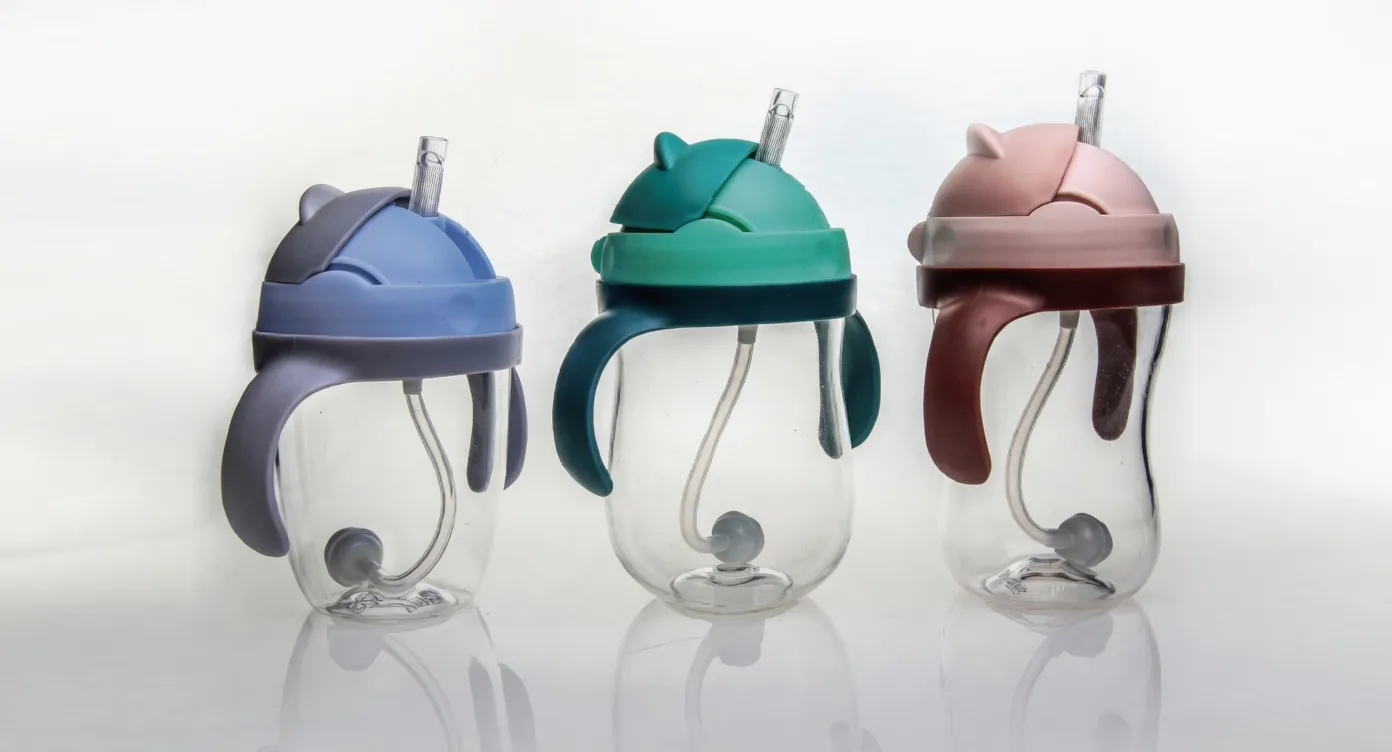
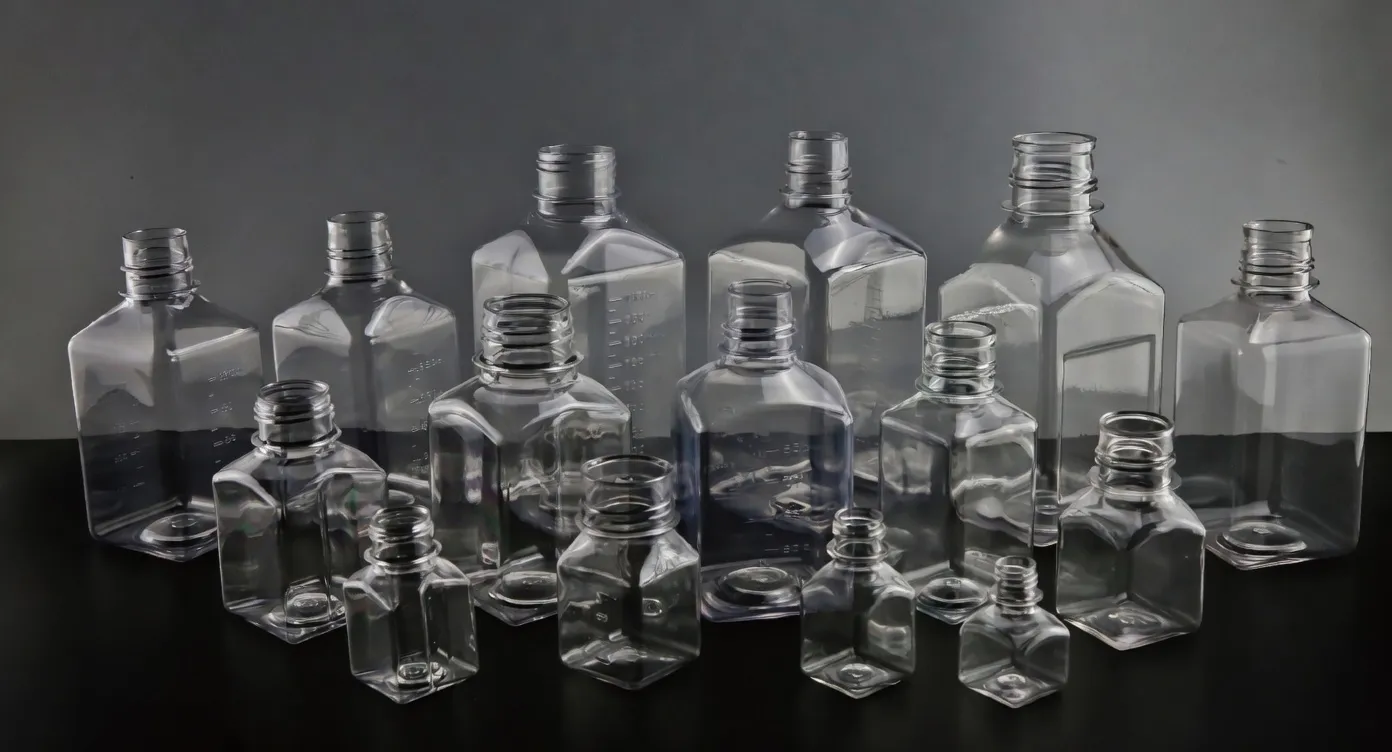
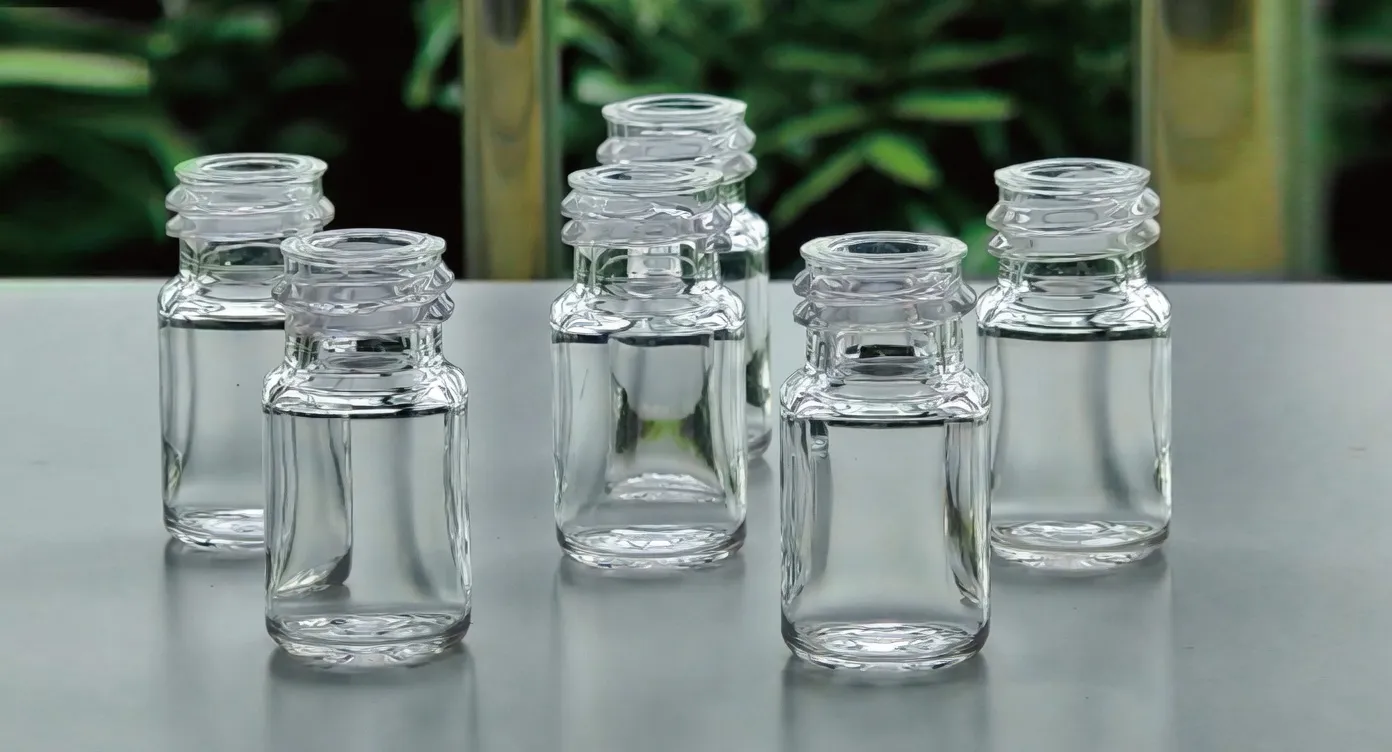
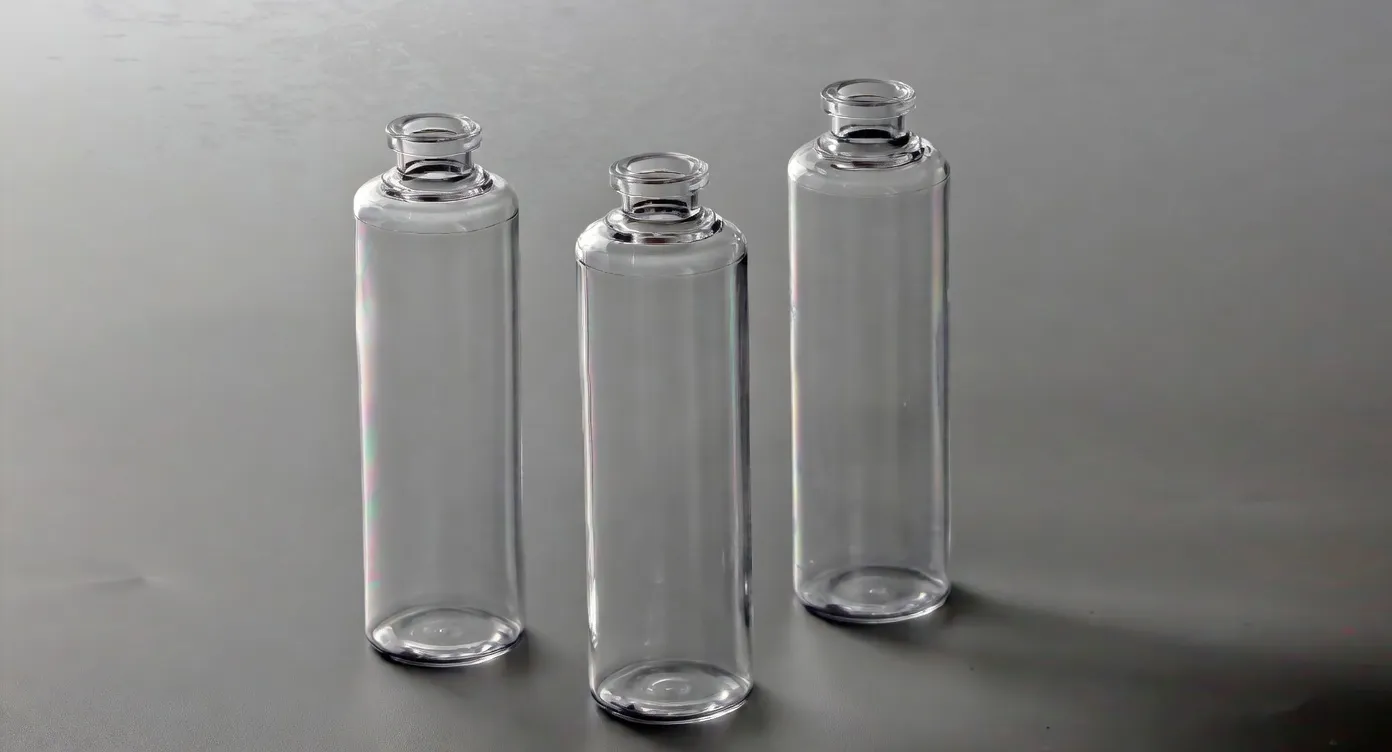
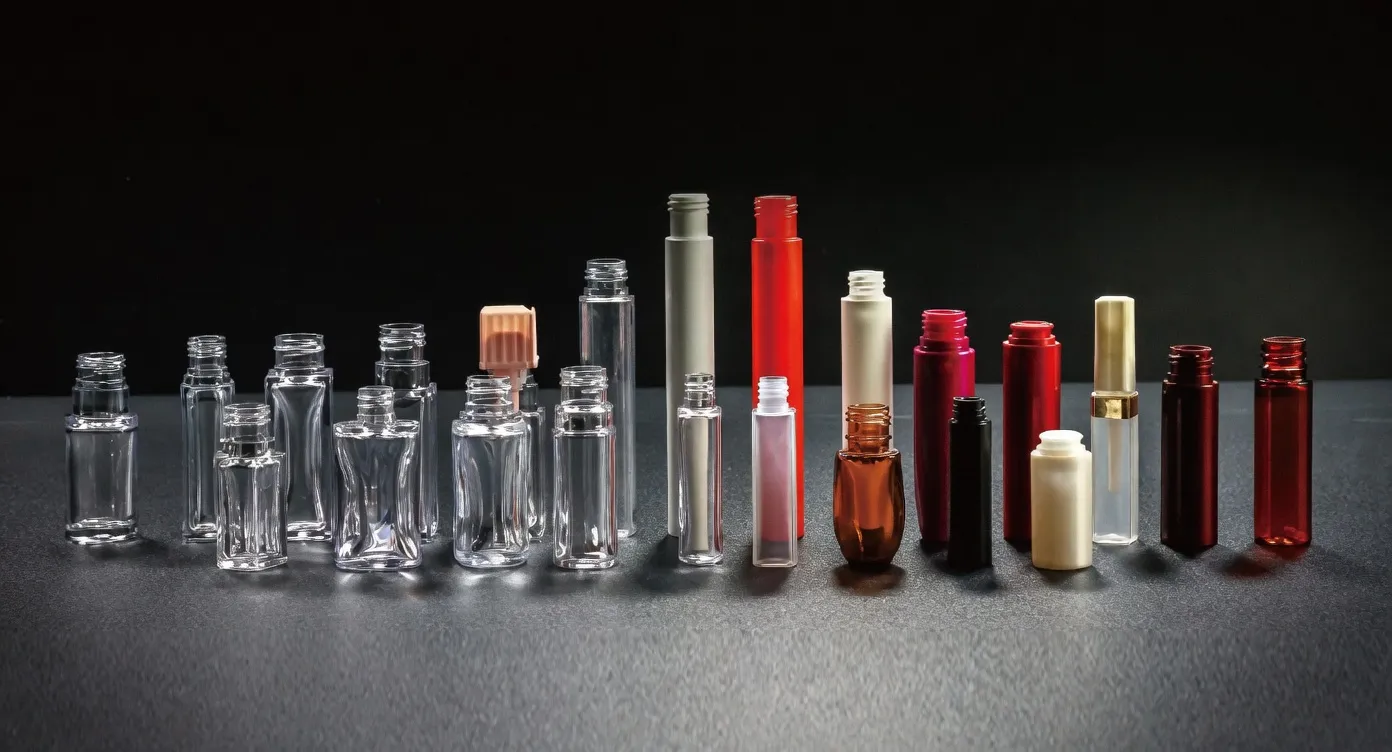
Bottle Samples Produced on Ever-Power ISBM Machines
A live snapshot of the diverse container geometries our customers produce every day.



The Human Factor: Training and Documentation
No protocol survives contact with an untrained operator. The longest-lived stretch rod and mold sets in our installed base belong to plants that invest seriously in operator training and that maintain rigorous shift-change documentation. Ever-Power offers structured training programs at customer sites, at our factory, and through remote video sessions, covering machine operation, mold change procedures, lubrication intervals, troubleshooting decision trees, and parts-ordering workflows.
Equally important is the maintenance log itself. A modern shop floor uses a digital maintenance management system (CMMS) integrated with the machine’s cycle counter, but even a well-kept paper log book delivers most of the benefit. The log must capture the date, the technician’s signature, the cycle count, the action taken, and any parts consumed. Over time this archive becomes the single most valuable asset for predicting failures, planning shutdowns, and negotiating with insurers and resin suppliers.
When you combine a disciplined operator team, a complete documentation archive, and a responsive OEM partner, the lifespan of your stretch rods and molds extends from the typical industry baseline of 12–18 million cycles toward 25–35 million cycles, and in some cases beyond. The economic difference between those two outcomes, on a single high-cavitation line, is measured in millions of dollars over a five-year horizon.
Final Takeaways for the Procurement Decision-Maker
Stretch rod and mold maintenance is not a single activity—it is a system of disciplined daily, weekly, monthly, and annual routines, supported by accurate documentation, calibrated instruments, food-grade consumables, treated cooling water, clean compressed air, and trained personnel. Plants that operationalize all of these elements achieve the longest tooling life, the lowest cost-per-bottle, and the most predictable production schedules in the industry.
Ever-Power’s commitment to our customers extends far beyond machine delivery. From specification engineering through commissioning, training, spare parts supply, and end-of-life refurbishment, our service team is structured to make sure every stretch rod and every mold cavity in your facility delivers the maximum possible return on your investment. To learn more about our complete portfolio, request a maintenance audit, or discuss a platform upgrade, our specialists are available to support procurement teams in every region we serve.
What Our Global Customers Say
Verified feedback from procurement and engineering teams across six continents.
Markus Hoffmann
★★★★★
Jerman
We replaced two aging units with Ever-Power EP-HGYS280-V6 machines eighteen months ago. Mold life has already exceeded our previous fleet by 35%, and the maintenance documentation provided at handover made staff training remarkably straightforward. The service response from their European team has been consistently excellent.
Priya Ramaswamy
★★★★★
India
Ever-Power delivered our EP-HGY650-V4 line two weeks ahead of schedule, which was critical for our seasonal water-bottle ramp-up. The stretch rod assemblies have run flawlessly through more than fourteen million cycles, and their engineers walked our maintenance team through every preventive procedure on-site. Outstanding partnership.
Carlos Mendoza
★★★★★
Meksiko
The EP-HGYS150-V4-EV all-electric platform reduced our energy consumption by nearly 40% compared with the hydraulic system it replaced. Mold cooling stability is exceptional, and the technical drawings provided with the machine made our in-house mold maintenance team immediately self-sufficient. Highly recommended supplier for any Latin American operation.
Sarah O’Connell
★★★★★
Australia
Our pharmaceutical division required validated documentation, FDA-compliant materials, and rigorous traceability. Ever-Power exceeded every requirement and shipped a fully documented EP-HGYS200-V4-B that passed our IQ/OQ qualification on the first attempt. Twelve months in, machine availability is consistently above 98 percent.
Jean-Philippe Laurent
★★★★★
France
Our cosmetics group has now standardized on Ever-Power for all new container lines. The stretch rod servo control on the EP-HGYS150-V4 is genuinely best-in-class, the optical clarity of our PETG bottles is consistent across cavities, and after-sales technical support responds within hours, not days. A truly professional supplier.
Ahmed Al-Sayed
★★★★★
Uni Emirat Arab
Operating in desert conditions is demanding on any precision equipment, but our EP-HGY250-V4-B has proven exceptionally robust. The cooling system handles high ambient temperatures without compromise, mold change cycles are remarkably fast, and Ever-Power’s stocked spare parts inventory has eliminated unscheduled downtime entirely throughout our second year of operation.