Why Preform Defects Are the Single Biggest Threat to ISBM Productivity
In any modern PET bottle production environment, the preform is the silent determinant of final quality. Whether you are producing cosmetic jars, edible oil containers, pharmaceutical bottles, or wide-mouth food jars, every defect on the finished bottle can almost always be traced back to a deviation in the preform stage. For B2B buyers evaluating a single stage injection stretch blow molding machine, understanding the root cause of preform defects — and the engineering safeguards that prevent them — is essential before signing any capital purchase order.
At Ever-Power, we have spent more than two decades engineering one-step ISBM platforms used in over 60 countries, and our service engineers have audited thousands of production lines worldwide. Two defect categories dominate every troubleshooting log we maintain: uneven wall thickness and the so-called “white bottom” (also referred to as crystallization haze or pearlescent base). Together, these two problems account for the majority of scrap rate complaints, OEE losses, and customer rejections in PET bottle factories.
This guide breaks down the physics, the process variables, the tooling factors, and the machine-side controls that allow a serious manufacturer to eliminate these defects systematically — not by trial and error, but by design.
Understanding the Injection Stretch Blow Molding Process at the Defect Level
The injection stretch blow molding process is fundamentally a sequence of four mechanical and thermal events: injection of molten PET into a preform cavity, conditioning (cooling and equilibration) of the preform, biaxial stretching with a stretch rod, and high-pressure blowing into the final bottle cavity. Each of these steps imposes its own thermal and mechanical signature on the polymer chain. When any one of them deviates from the design window, defects appear — but the defects are not always visible until the bottle is blown.
Uneven wall thickness, for example, almost never originates inside the blow station. It is set up earlier — in the injection phase, in the gate freeze-off behavior, in cavity-to-cavity temperature differentials, and in the conditioning station’s ability to deliver a uniform thermal profile. Likewise, white bottoms are not a “blow problem”; they are a thermomechanical signature of stretching cold material below the strain-induced crystallization window, or of localized over-stretching at the gate region.
The implication for procurement decision-makers is clear: a defect-free production line is not the result of a “good operator” or a “lucky mold.” It is the result of a machine architecture that controls every variable — temperature, pressure, timing, and mechanical motion — within tolerances tight enough to keep the polymer in its optimal processing window for every cycle, every cavity, every shift.
Defect Category 1: Uneven Wall Thickness
Symptom Profile
Uneven wall thickness presents in several distinct patterns: thin shoulders with thick bases, asymmetric side walls (one face thinner than the opposite), thin spots near the parting line, or thick rings circling the body. Each pattern points to a different root cause, and treating them as a single problem is the first mistake many operators make.
Root Cause 1 — Non-Uniform Preform Temperature
PET is highly sensitive to temperature gradients. A 2°C variation across the preform wall can shift the strain hardening curve enough to push more material to one side during the stretch phase. In four-station and six-station one-step ISBM platforms, the conditioning station is the critical equalization zone. Insufficient conditioning time, uneven contact with conditioning pots, or inadequate infrared compensation in zones near the neck and base will produce predictable wall-thickness asymmetry.
The engineering solution is multi-zone temperature control with closed-loop feedback. Our latest platforms use independently controlled conditioning pots with profiled cooling channels and servo-driven transfer arms, ensuring that each preform arrives at the blow station with a thermal profile within ±1°C of target across its full length.
Root Cause 2 — Stretch Rod Misalignment or Speed Variation
The stretch rod must descend along the geometric center of the preform at a controlled velocity profile. If the rod is even fractionally off-axis, or if the descent speed is not synchronized with the pre-blow timing, the polymer will stretch asymmetrically — material will accumulate on one side and thin on the other. Mechanical-cam-driven stretch systems can drift over time as bushings wear; servo-driven stretch rods, by contrast, deliver repeatable motion profiles measured in microns and milliseconds.
Root Cause 3 — Pre-Blow Pressure and Timing
Pre-blow is the low-pressure air phase that initiates the bubble before the high-pressure final blow. If pre-blow pressure is too low or starts too late, the stretch rod alone shapes the preform — leading to thick bases. If pre-blow is too high or too early, the bubble inflates before full axial stretch, producing thin shoulders and uneven hoop distribution. Modern injection stretch blow molding machine manufacturers address this with proportional pneumatic valves and microsecond-resolution timing controllers.
Root Cause 4 — Mold Cavity Imbalance
In multi-cavity tooling, even minor differences in cooling channel geometry, vent placement, or cavity surface finish can cause cavity-to-cavity wall thickness variation. Reputable suppliers verify cavity balance through hot runner flow analysis and CMM-validated cavity inspection before shipment. Buyers should always request cavity balance reports as part of their FAT (factory acceptance testing) protocol.
Defect Category 2: White Bottoms (Base Crystallization Haze)
What “White Bottom” Actually Is
A white or pearlescent bottom is not a contamination defect. It is stress whitening caused by cold stretching — that is, mechanical deformation of PET below its optimal stretching temperature window (approximately 95°C–115°C depending on the resin grade). When PET is stretched while too cold, the polymer chains craze rather than orient, scattering light and producing the characteristic milky or hazy appearance at the gate region.
Why It Concentrates at the Base
The gate region — the small disc directly below the injection nozzle on the preform — is the thickest part of the preform and therefore the most thermally inertial. It cools fastest at the surface but retains heat in its core. During reheat or conditioning, this region is the hardest to bring up to a uniform stretching temperature. If the conditioning system fails to deliver enough thermal energy to the gate area, the stretch rod tip will deform cold polymer at the base of the bottle, producing the white halo every quality engineer recognizes on sight.
Engineering Countermeasures
Eliminating white bottoms requires a coordinated set of measures. First, the preform design itself must be reviewed: a properly designed gate dome with a controlled wall thickness gradient distributes thermal mass more evenly. Second, the conditioning station must include a dedicated base-heating element — typically a contact-type bottom heater or a focused IR emitter — to raise the gate region into the stretchable window. Third, the stretch rod tip geometry should match the gate dome contour to avoid concentrated point stress.
Finally, stretch rod descent speed must be tuned to the resin’s strain hardening behavior. Faster rod descent with insufficient base heat will always produce white bottoms; slower descent paired with adequate thermal conditioning will not. Our servo-controlled platforms allow operators to store recipe-specific velocity profiles per bottle SKU, eliminating the guesswork that plagues older mechanical-cam machines.
Other Common Preform-Related Defects and Their Solutions
Crystallization Haze in the Body
Distinct from base whitening, body haze indicates that the entire preform was held above the cold crystallization temperature for too long, or that residence time in the injection unit was excessive. The fix is process-side: tighter screw recovery times, lower barrel temperatures within PET’s processing envelope, and shorter residence in the hot runner. Properly sized injection units — matched to shot weight rather than overspecified — avoid these issues by design.
Acetaldehyde Migration
For water and beverage applications, acetaldehyde (AA) levels are a critical food-contact concern. AA is generated when PET is overheated or held too long at injection temperature. The combination of low-shear screw geometry, short residence time, and tight barrel temperature control keeps AA below 10 ppb in finished preforms — a benchmark our customers routinely achieve on our platforms.
Sink Marks and Gate Vestige
Sink marks at the gate result from inadequate hold pressure or premature gate freeze-off. Gate vestige height — the small protrusion at the base — must be controlled both for aesthetics and for label adhesion. Hot runner valve gates with servo-actuated pin movement give the most precise control over both phenomena.
Neck Finish Distortion
The neck finish is formed in injection and must remain unchanged through conditioning and blowing. Distortion typically results from neck-cooling failure or from heat creeping up the preform during conditioning. Dedicated neck-cooling shrouds, integrated into the transfer arms, hold the neck below 60°C throughout the cycle and preserve dimensional accuracy to within ±0.05 mm.
The Machine Architecture That Prevents Defects by Design
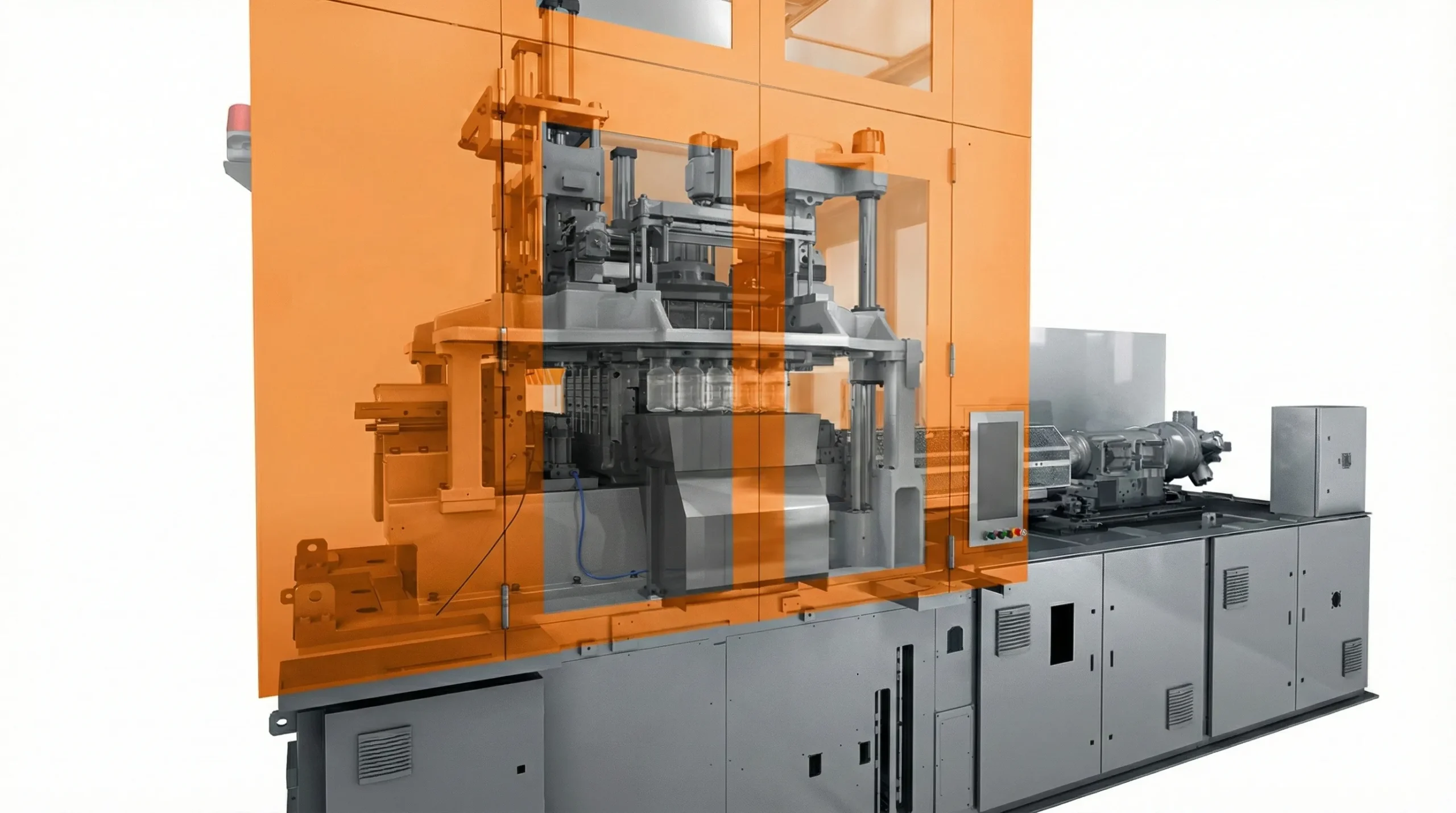
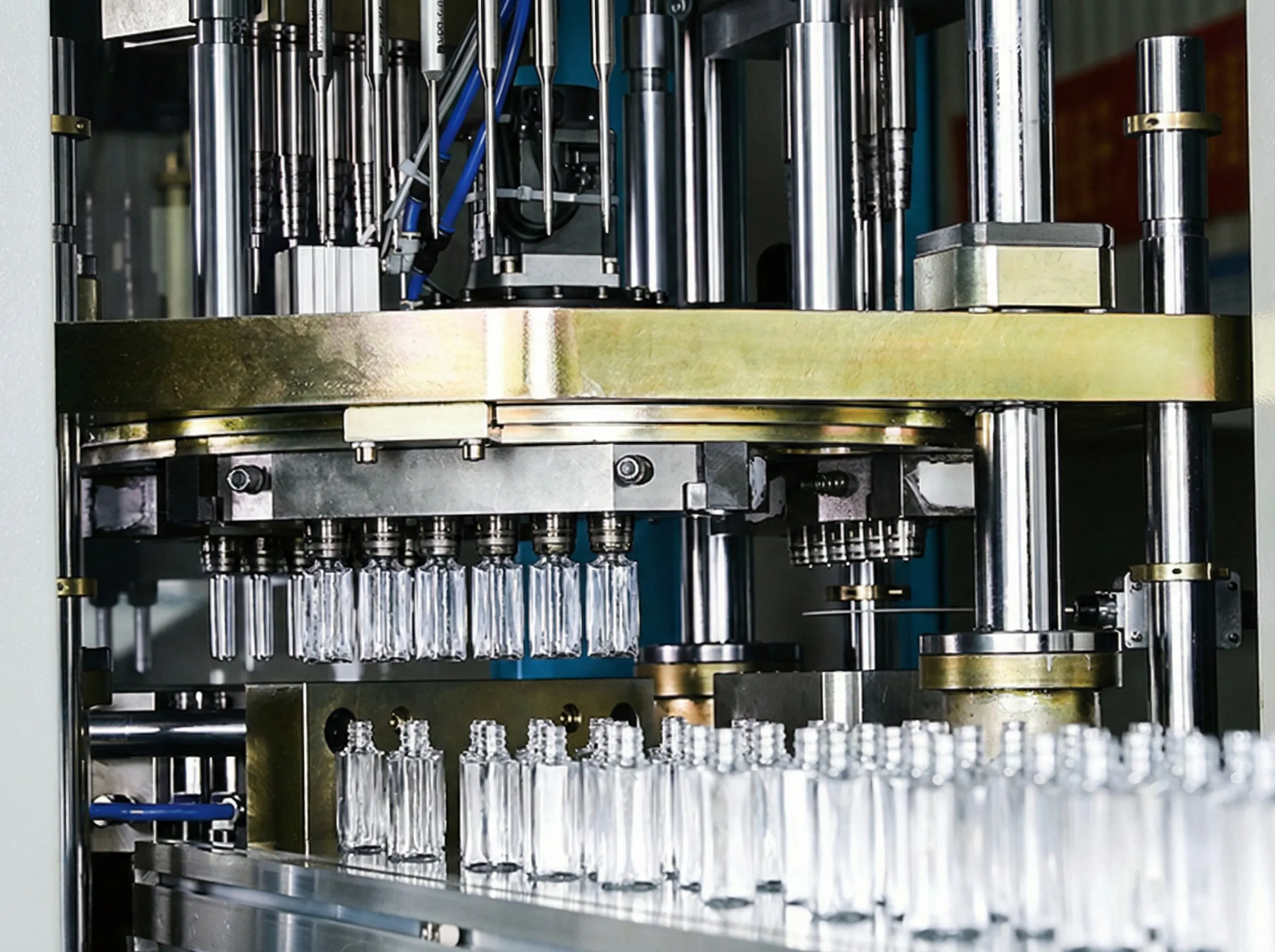
There is a meaningful difference between a machine that “can” produce defect-free bottles and a machine that produces them every cycle, every shift, for years. The difference is in the architecture. As an established isbm machine manufacturer, Ever-Power has built our four-station and six-station platforms around four engineering principles that directly target the defect categories above.
Independent Thermal Zones
Multi-zone preform conditioning with closed-loop PID control on every zone, including dedicated base and neck-region thermal management.
Servo-Driven Motion
All-servo stretch rods, transfer arms, and clamp motion deliver repeatability measured in microns — eliminating drift that plagues cam-driven legacy machines.
Recipe-Based Process Control
Every bottle SKU stored as a complete process recipe: temperatures, pressures, timings, motion profiles. Changeover takes minutes, not hours.
Inline Quality Feedback
Real-time monitoring of injection peak pressure, cushion, cycle time, and blow profile flags drift before it becomes scrap.
For factories evaluating the replacement of aoki injection stretch blow molding machines or other legacy single-stage equipment, these architectural advantages translate directly into measurable savings: lower scrap rates, shorter changeovers, less reliance on operator skill, and reduced energy consumption per bottle. Our customers consistently report scrap reductions of 40 to 70 percent after upgrading from cam-driven legacy platforms to our servo-controlled systems.
Our ISBM Machine Products
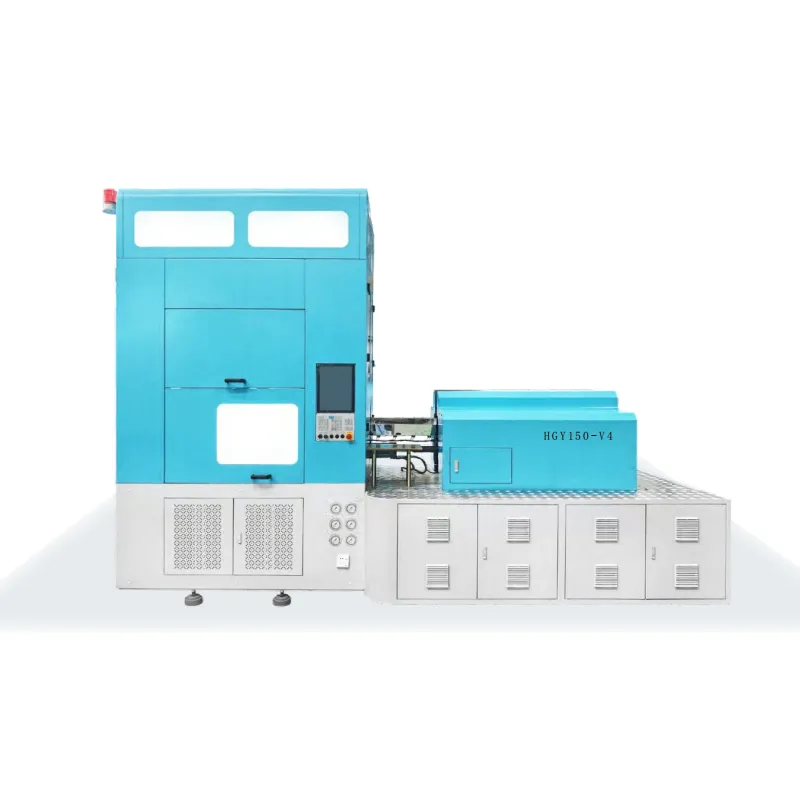
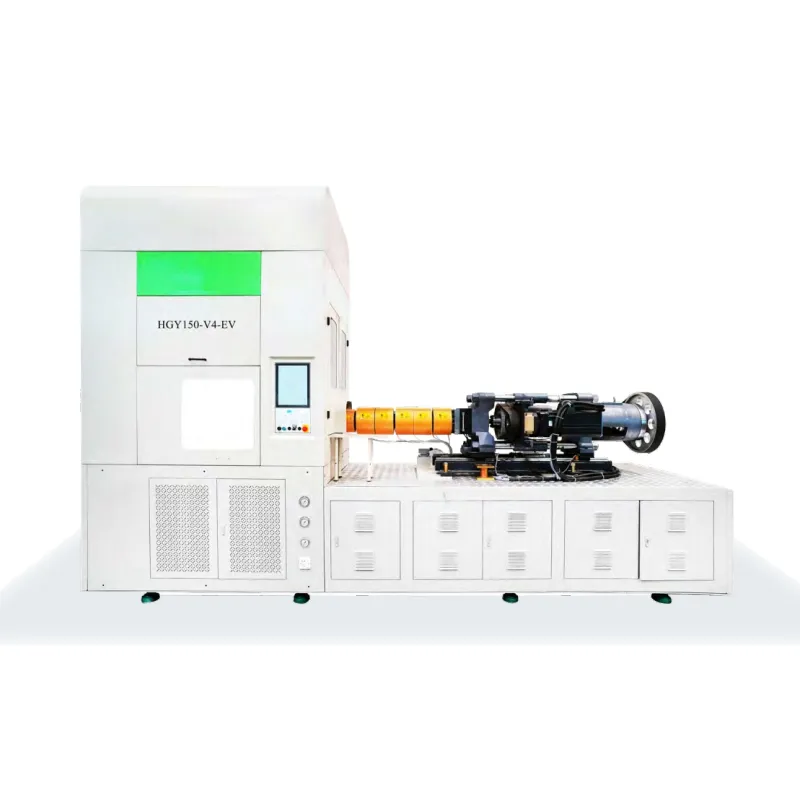
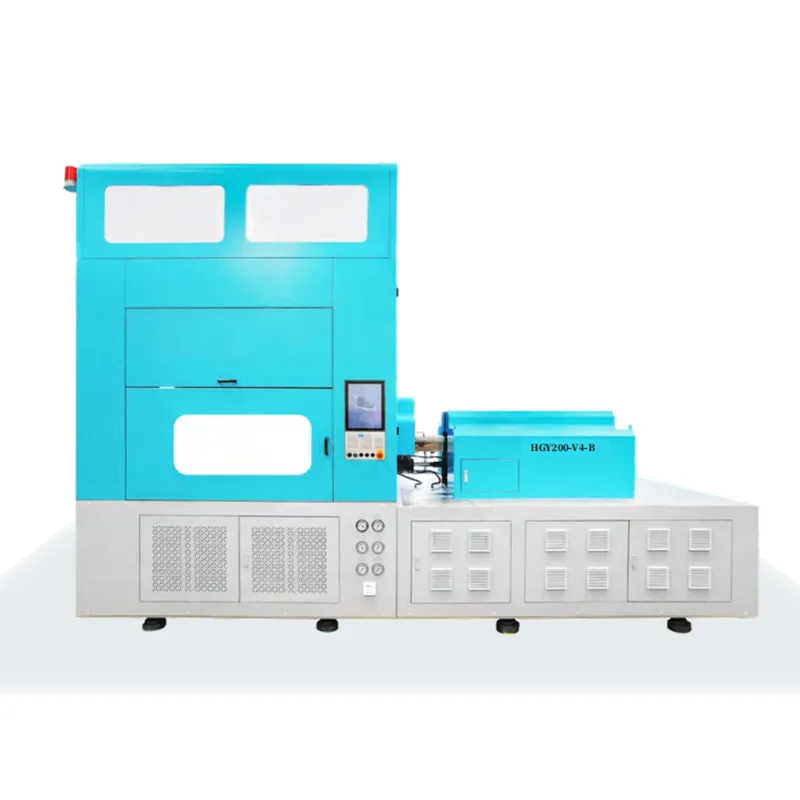
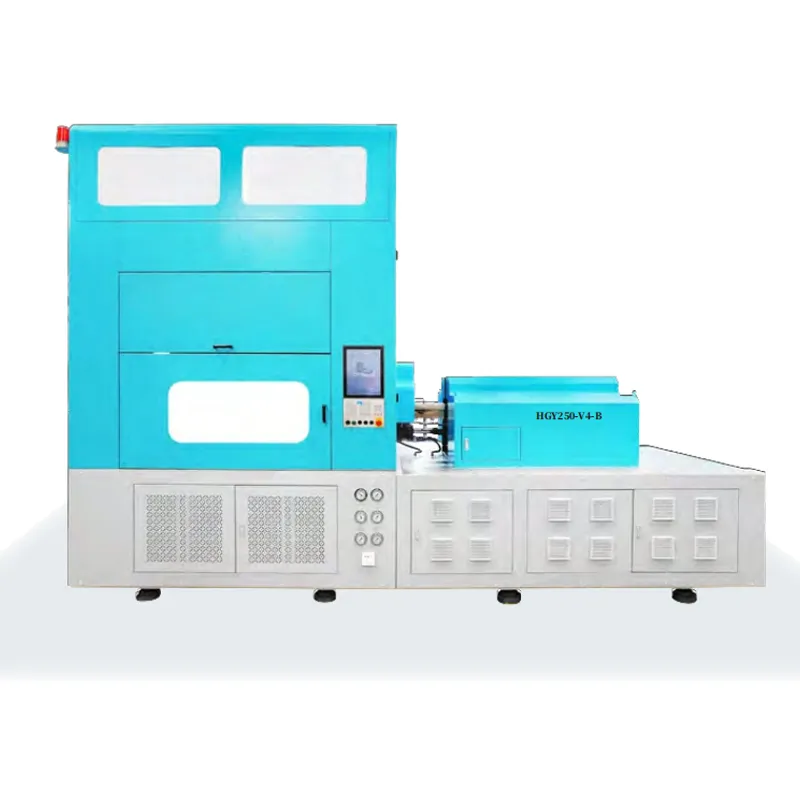
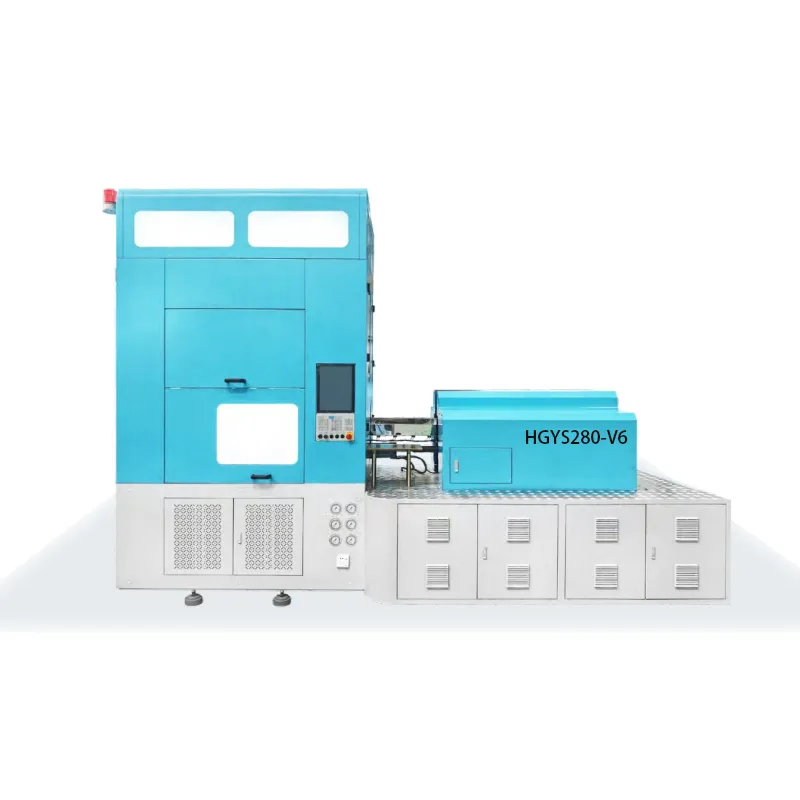
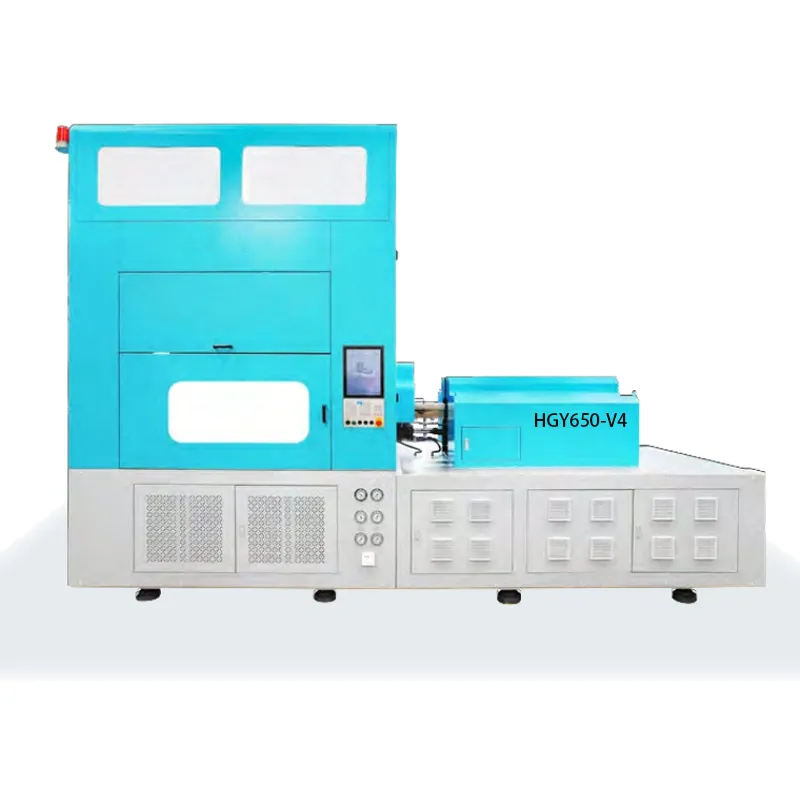
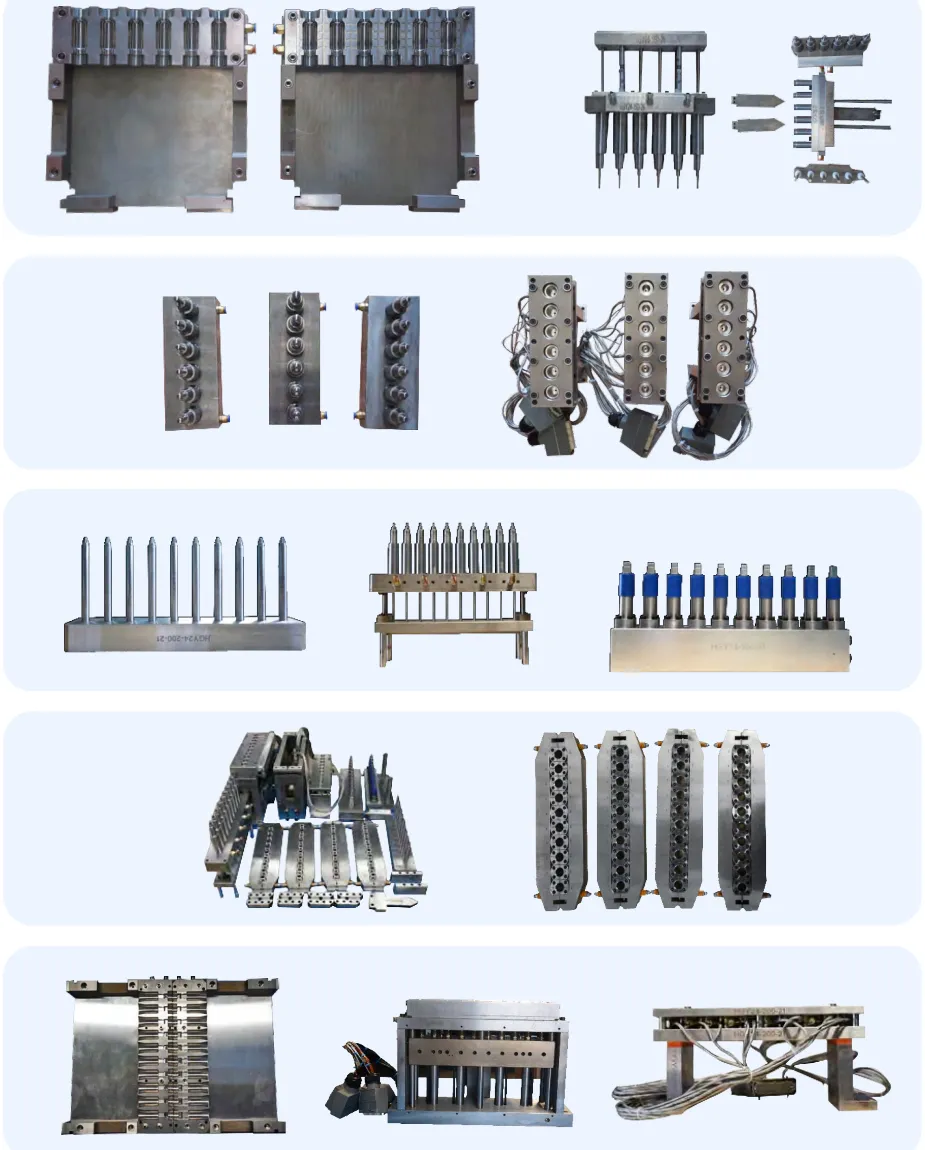
Ever-Power’s full line of one-step injection stretch blow molding machines covers production needs from small cosmetic and pharmaceutical bottles to large 5-gallon water containers. Each model is built on the same engineering principles described above — multi-zone conditioning, servo motion control, and recipe-driven process automation — to ensure that uneven wall thickness, white bottoms, and other preform defects are designed out of the production line from the start. Whether you are setting up a new facility or planning the replacement of aoki injection stretch blow molding machines already in service, the platforms below offer scalable capacity, low energy consumption, and proven stability across diverse PET bottle applications. Buyers searching for an isbm machine for sale with verified production data and global service coverage will find every key configuration represented in our six core models. As a trusted isbm mold injection machines supplier, we provide each unit with comprehensive documentation, on-site commissioning options, and dedicated technical training for your maintenance team.
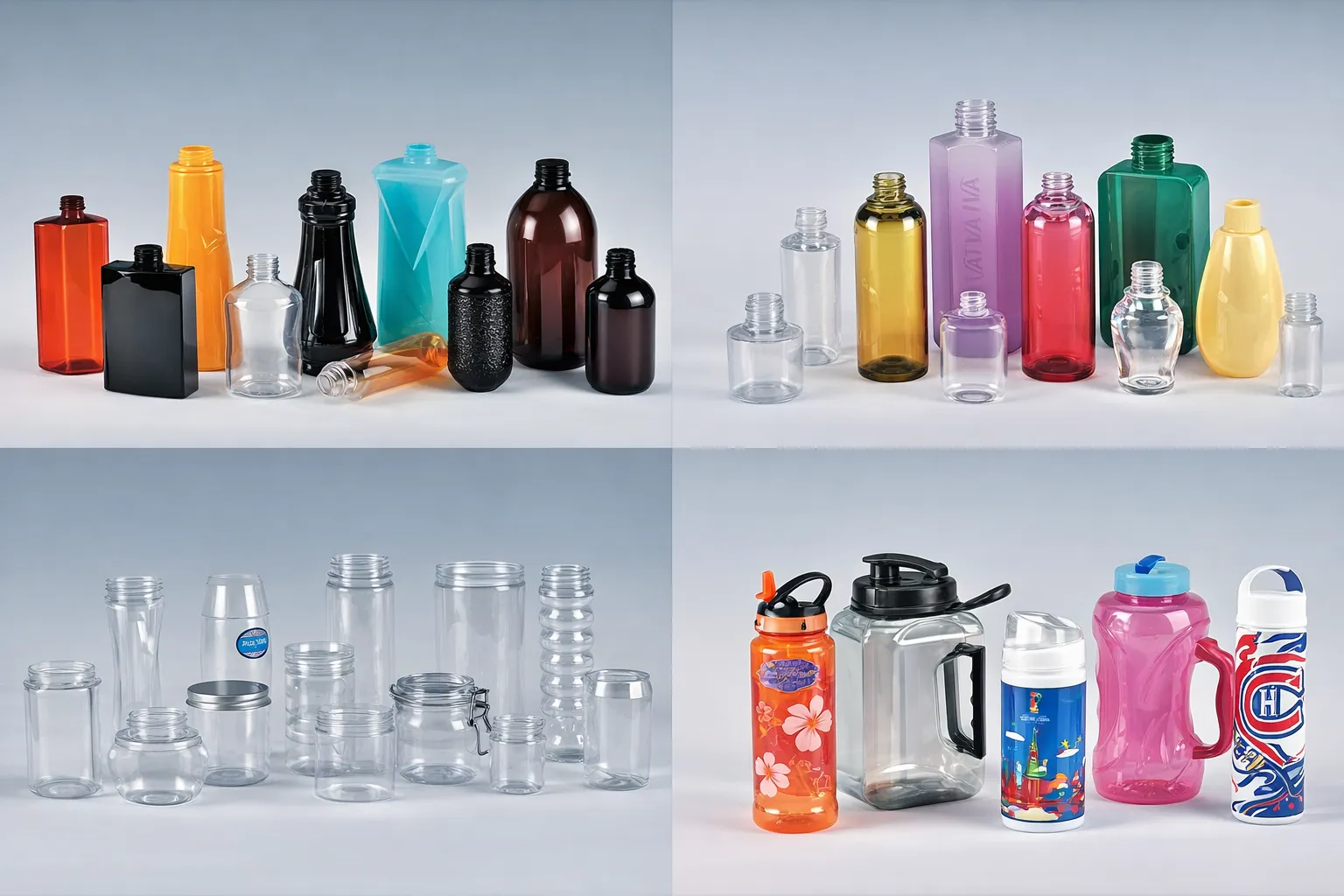
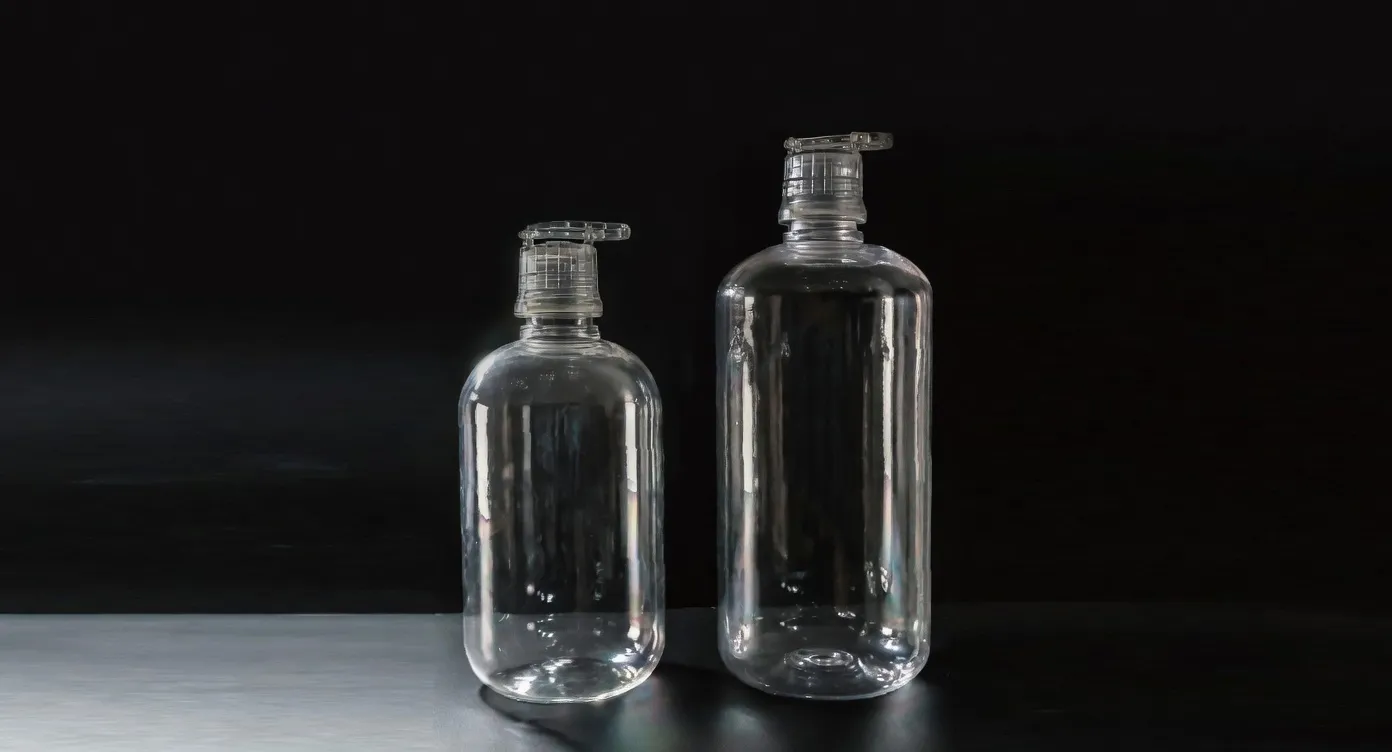
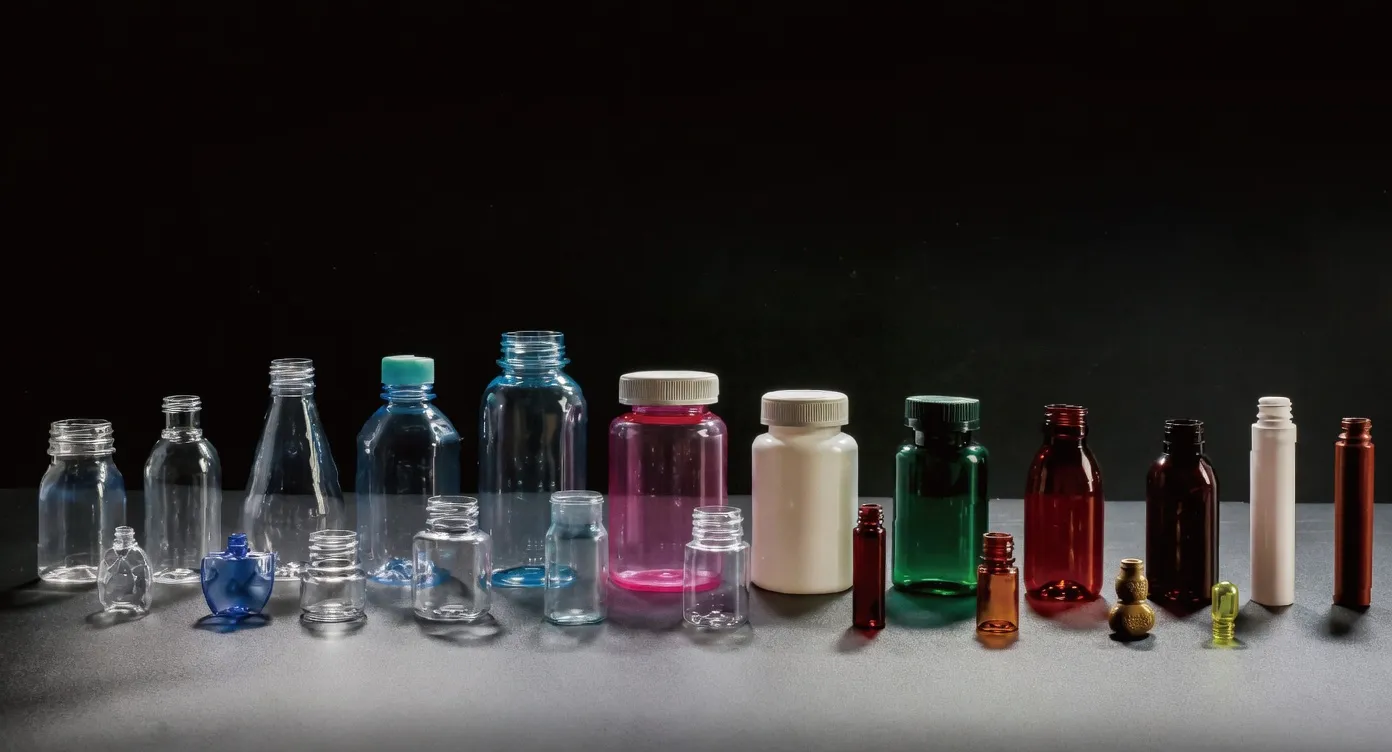
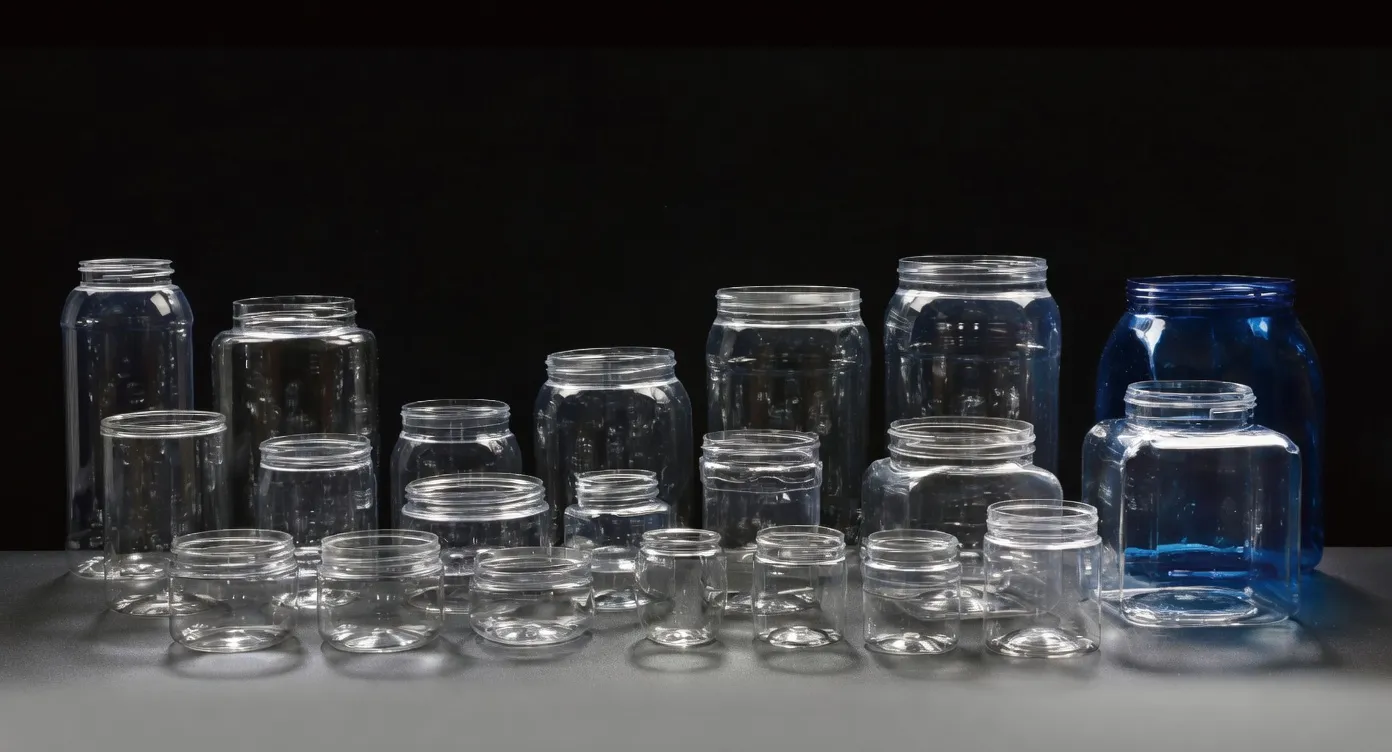
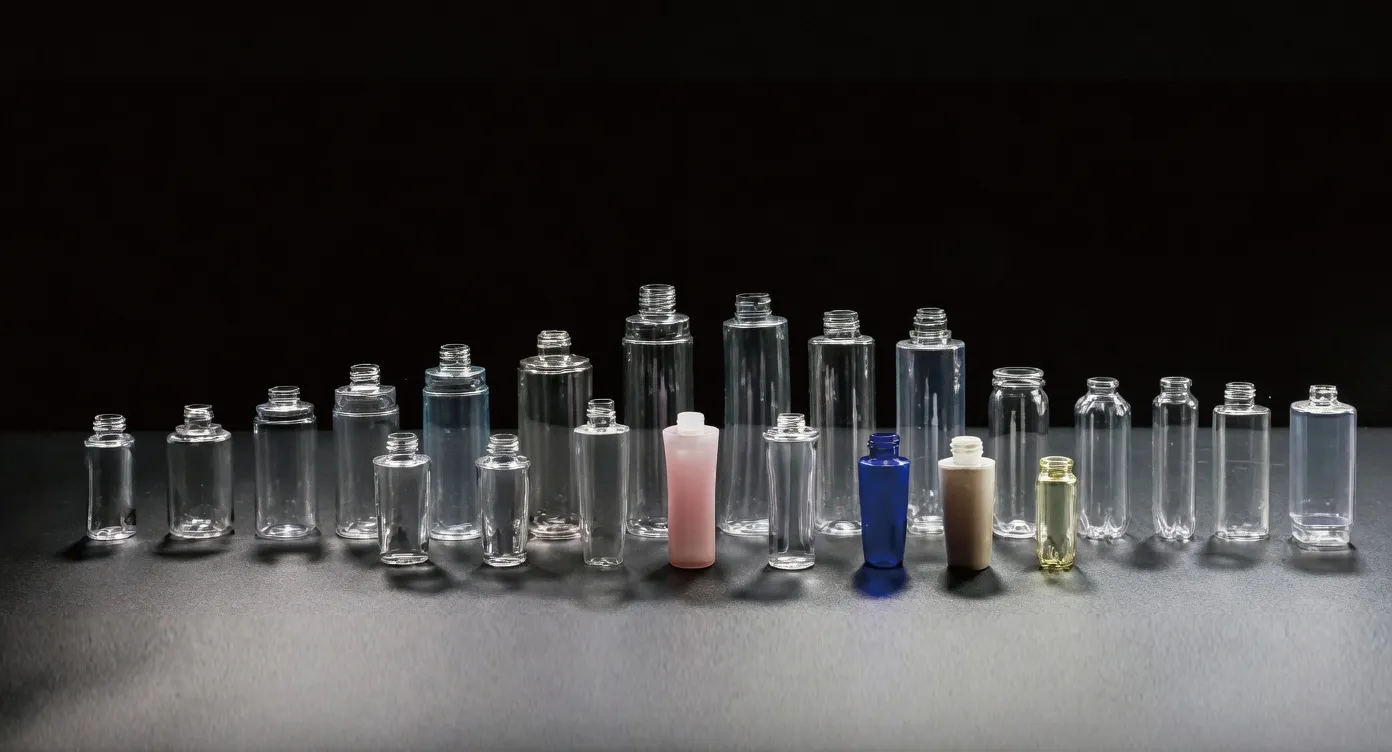
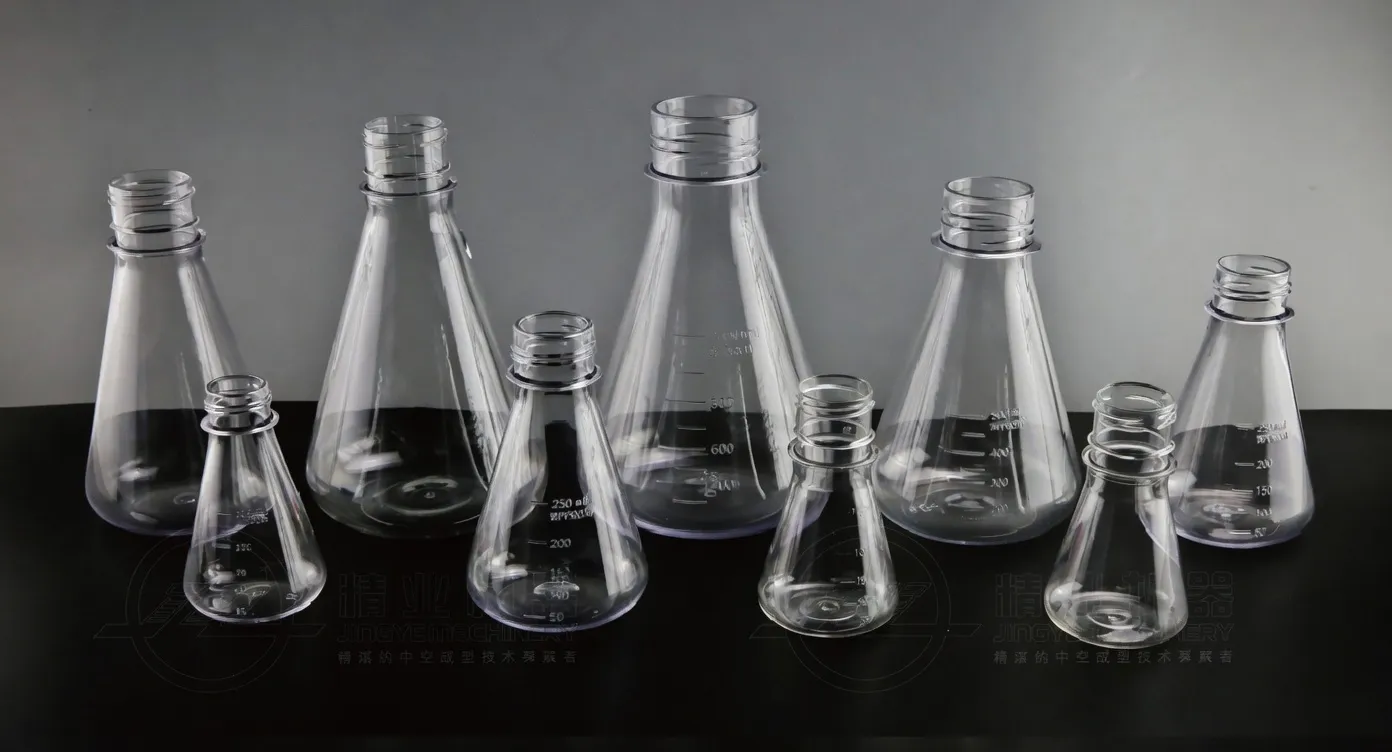
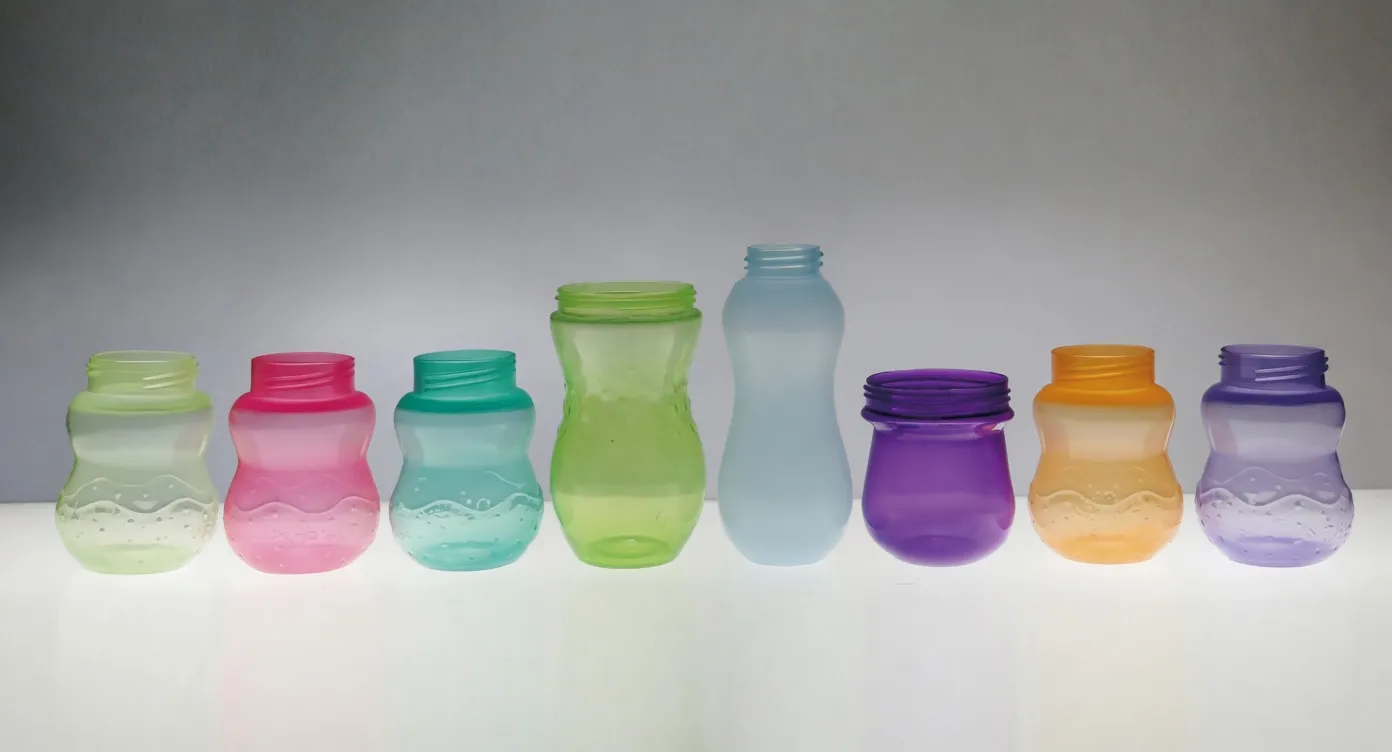
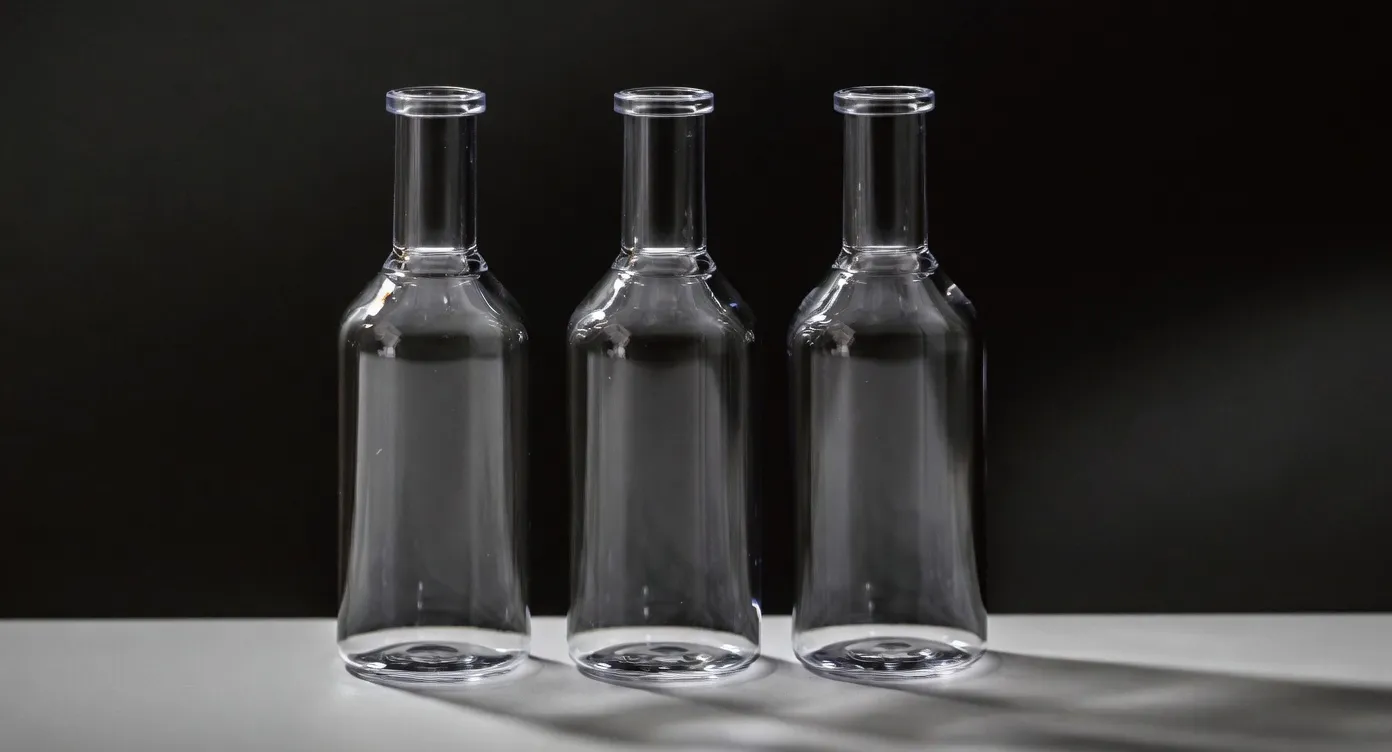
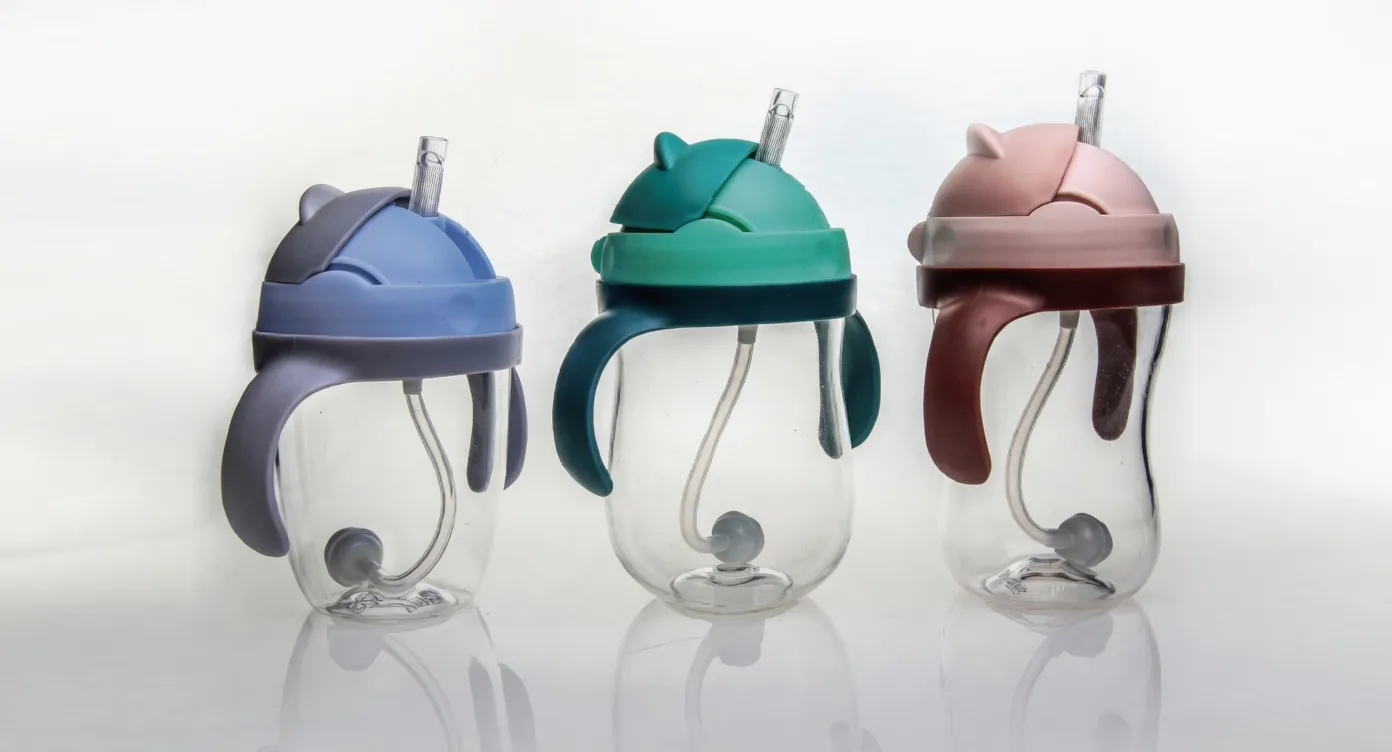
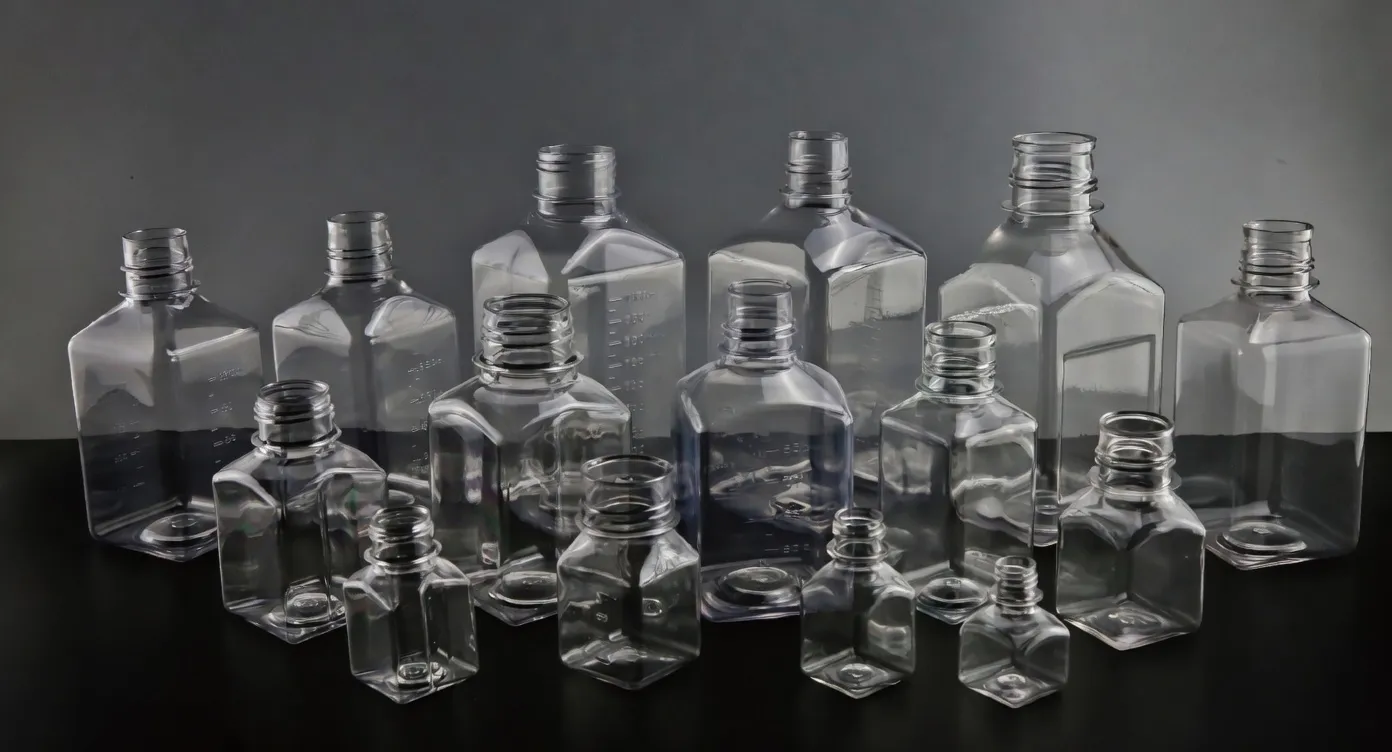
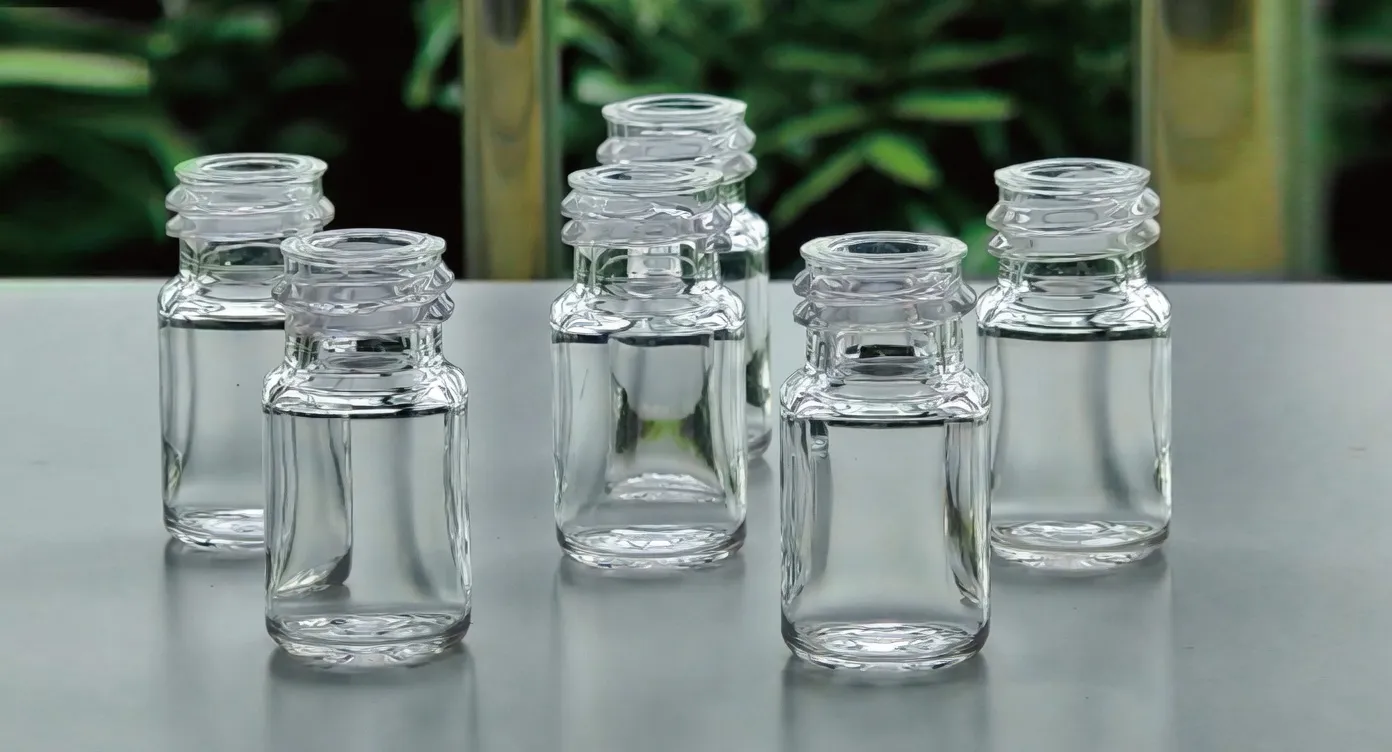
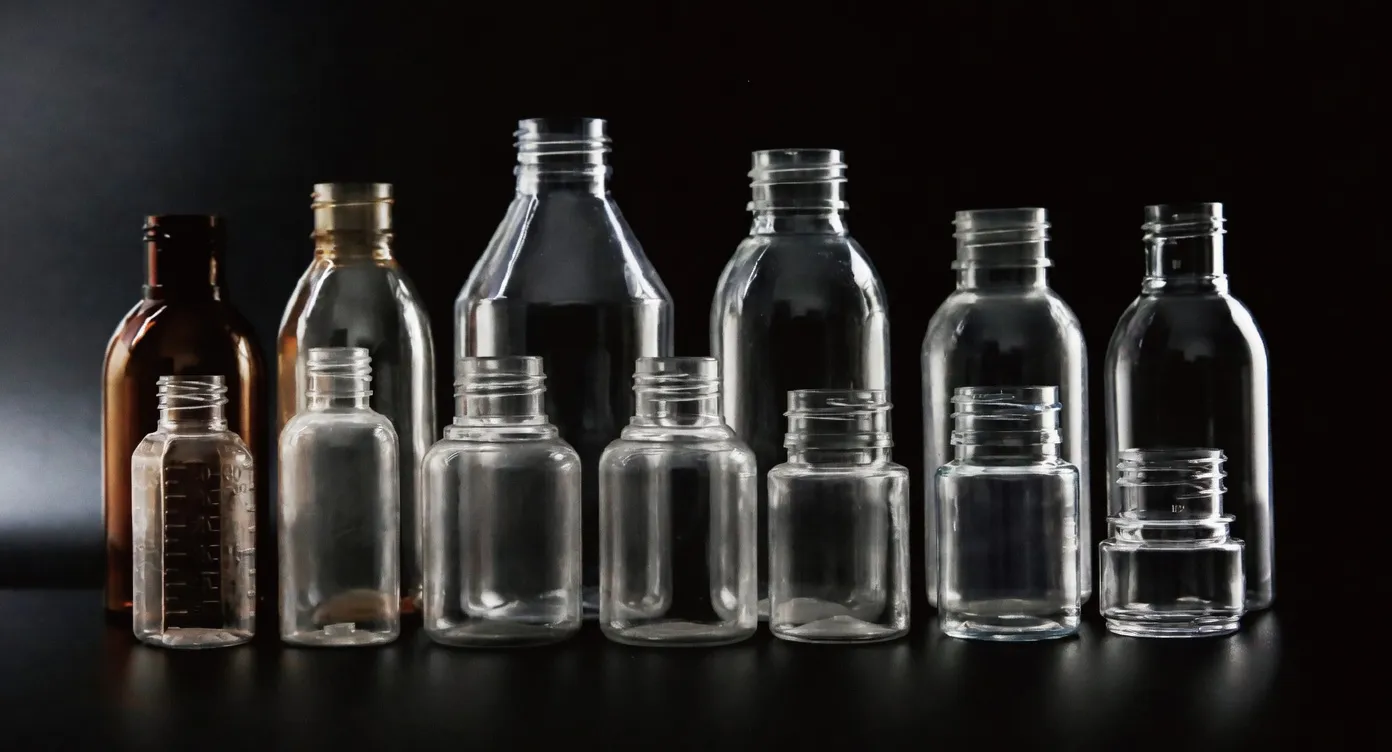
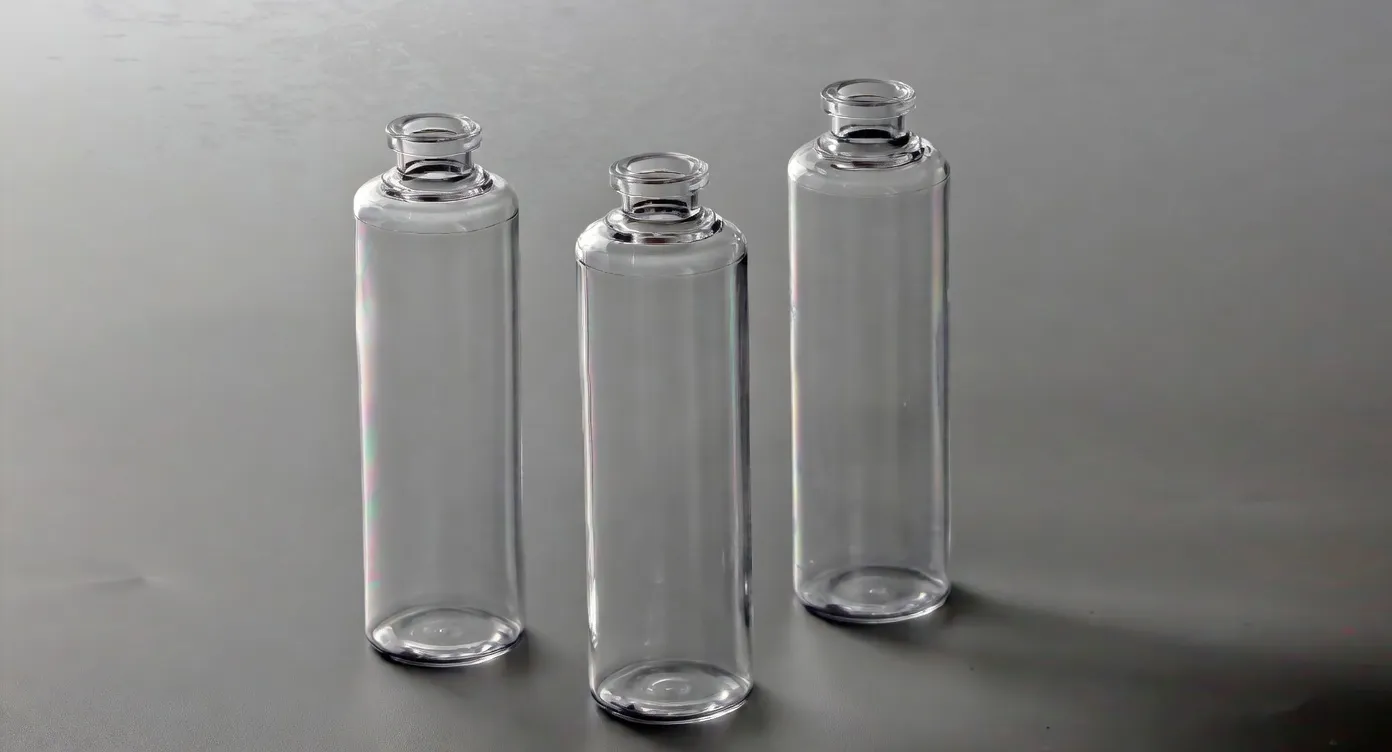
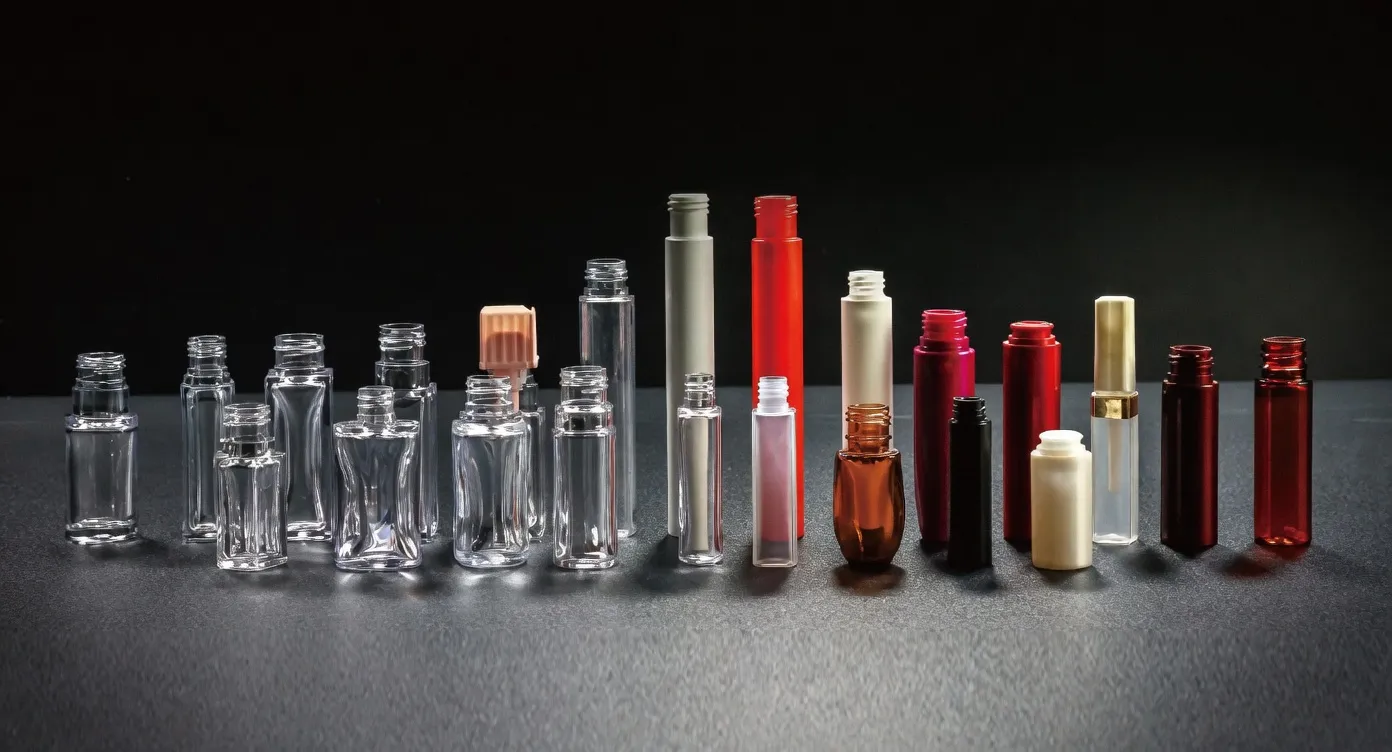
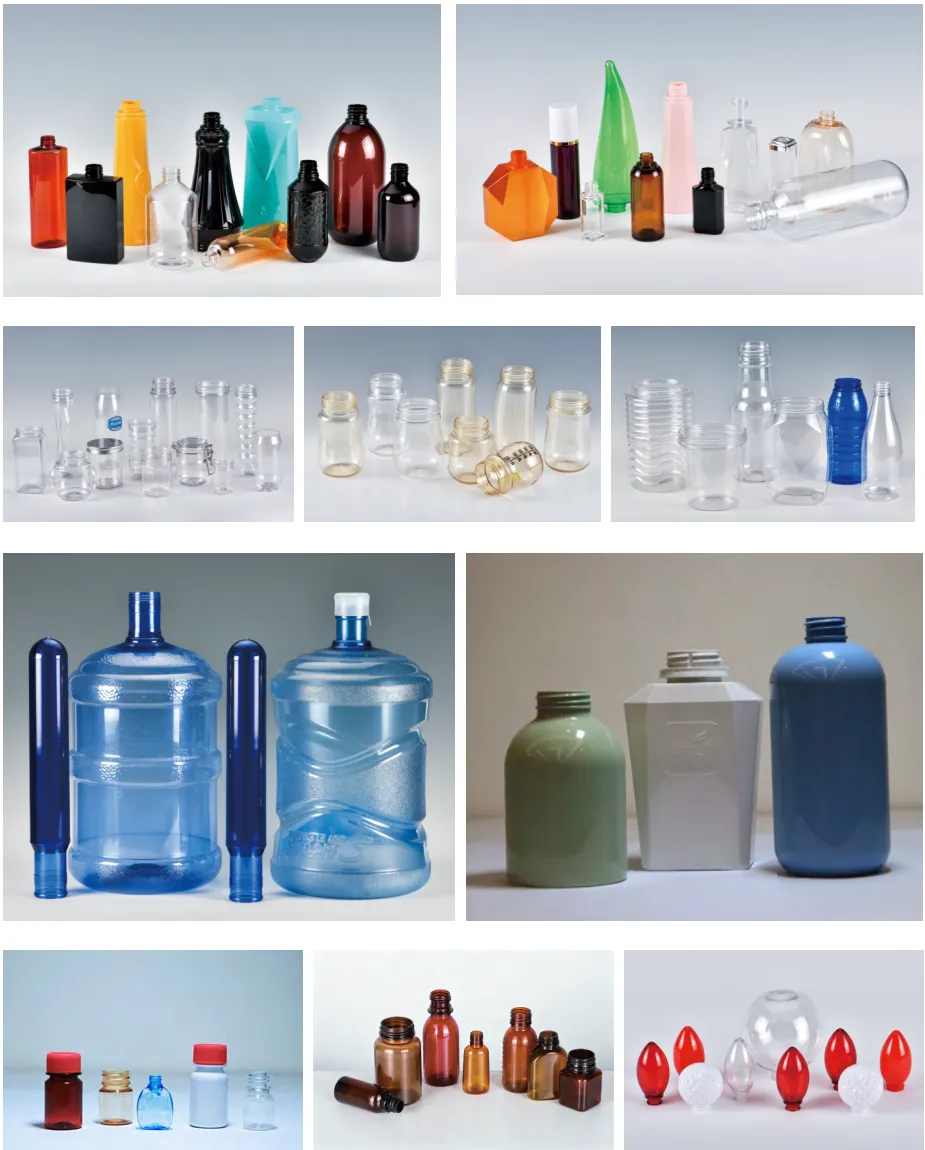
Bottle Samples Produced on Our ISBM Platforms
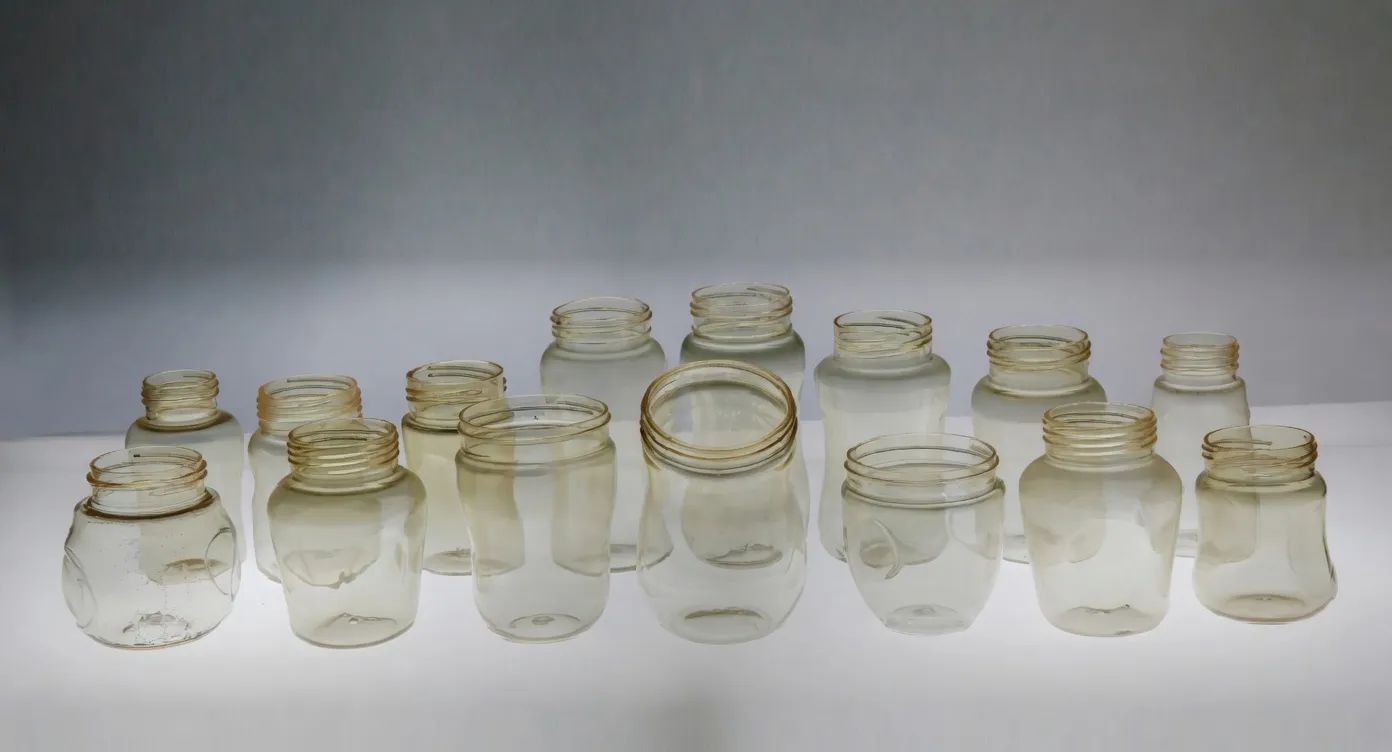
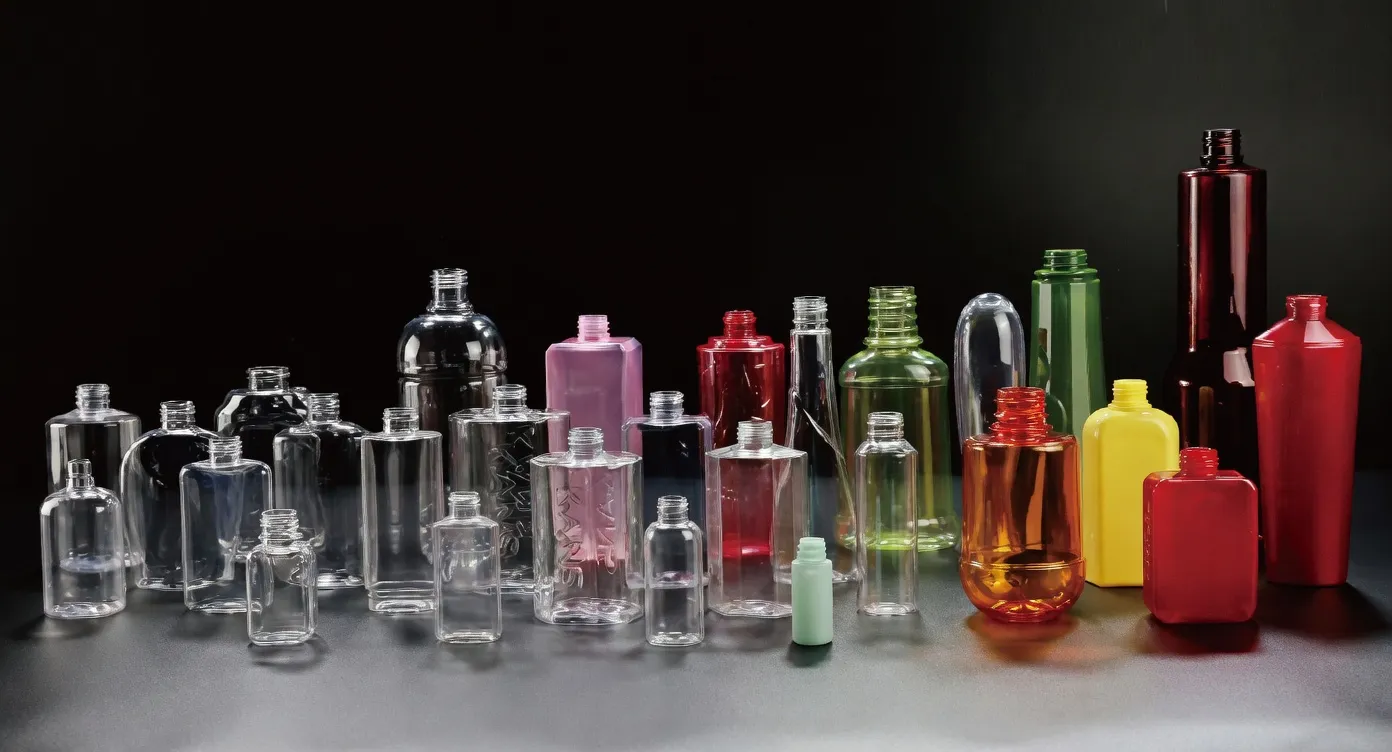
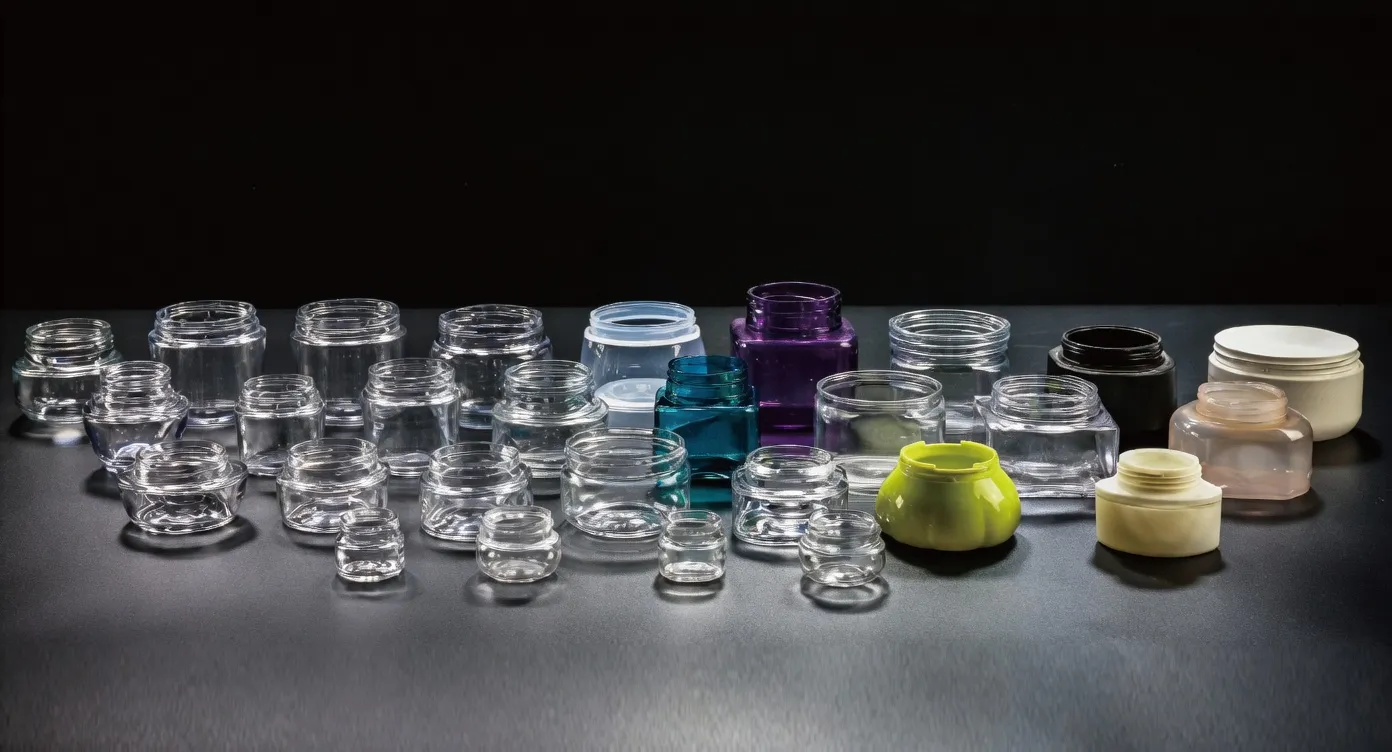
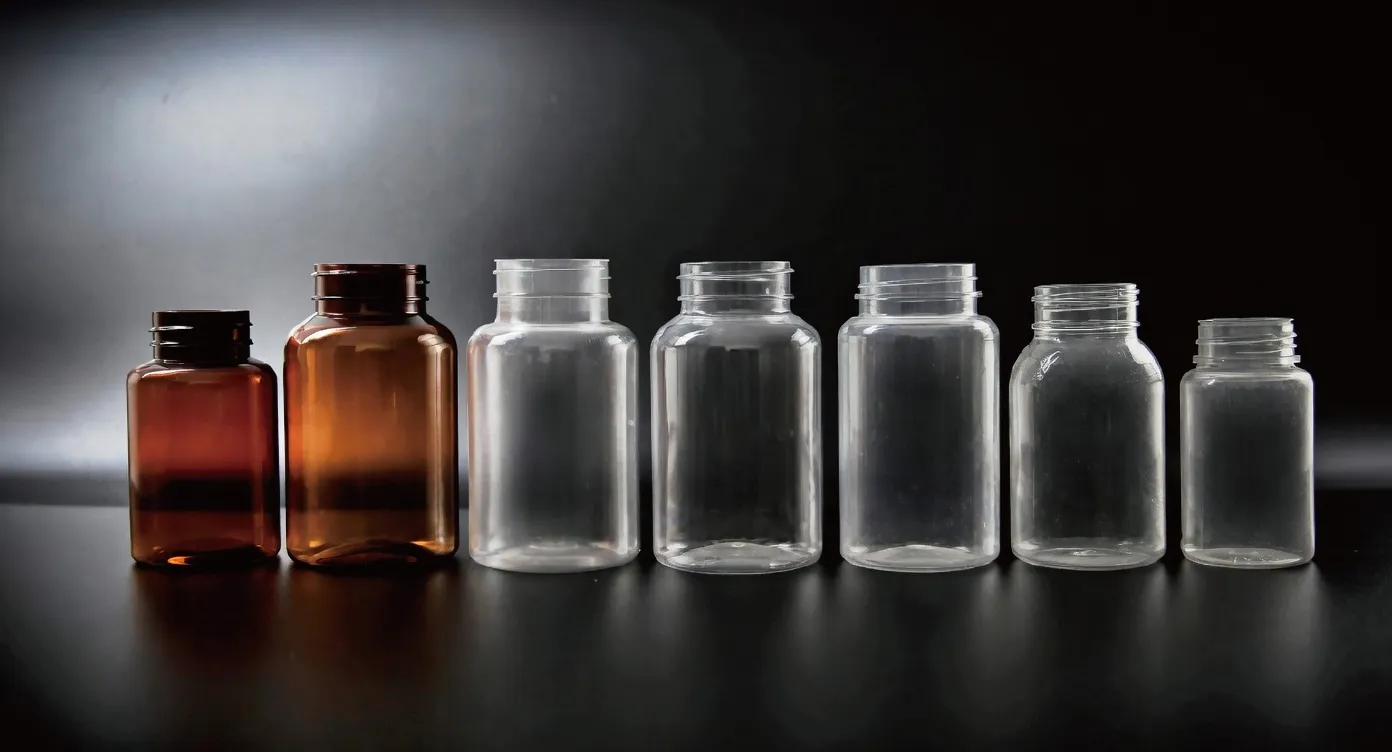
A representative sample of defect-free PET bottles produced for global customers across cosmetic, food, beverage, pharmaceutical, and industrial applications.
Process Optimization Checklist for Defect-Free Production
Procurement teams and plant managers can use the following checklist when commissioning a new line, troubleshooting an existing one, or specifying a replacement machine. Each item targets a specific defect mechanism discussed above.
- Verify multi-zone temperature uniformity: Map preform surface temperatures with a calibrated IR camera at the conditioning station exit; deviations greater than ±2°C indicate a conditioning issue.
- Audit stretch rod alignment: Use a dial indicator to confirm rod centrality within ±0.05 mm; misalignment is a leading cause of asymmetric wall thickness.
- Tune pre-blow pressure and timing: Begin with the resin manufacturer’s recommended values and adjust in 0.1 MPa and 5 ms increments while monitoring wall thickness distribution.
- Validate base heating: A separate IR or contact heater dedicated to the gate region is essential for eliminating white bottoms on thick-walled bottles.
- Document hot runner balance: Cavity-by-cavity weight measurements over 20 cycles should fall within ±0.5% of the mean.
- Maintain neck-cooling integrity: Confirm neck temperatures stay below 60°C through the full cycle to preserve thread dimensions.
- Track AA levels: For water and beverage applications, AA testing every shift catches barrel temperature drift before it becomes a customer complaint.
- Lock in process recipes: Once optimized, store the full parameter set under a unique SKU recipe; do not allow ad hoc operator adjustments without revalidation.
Following this checklist consistently is what separates plants running at 99%+ first-pass yield from those struggling with chronic 5–8% scrap rates. The discipline costs nothing; the absence of it can cost a factory hundreds of thousands of dollars per year in wasted resin, energy, and labor.
What to Look for When Selecting an ISBM Supplier
Capital equipment decisions in the PET bottle industry are 10-year decisions. The machine you commission today will define your cost structure, your quality ceiling, and your customer base well into the next decade. When evaluating suppliers, B2B buyers should weigh five criteria far more heavily than headline price.
1. Manufacturing Depth
Does the supplier machine its own critical components — toggle clamps, hot runner manifolds, conditioning pots — or does it assemble outsourced parts? In-house machining capability translates to tighter tolerances, faster spare parts delivery, and better long-term consistency.
2. Reference Installations
Ask for a list of installations producing bottles similar to yours, in similar climates, at similar volumes. A serious supplier will arrange video calls with reference customers without hesitation.
3. Service Coverage
A 24-hour technical hotline, multilingual service engineers, and regional spare parts depots are non-negotiable for mission-critical production equipment. Verify these capabilities — do not accept marketing claims without evidence.
4. Process Engineering Support
The best suppliers do not just sell hardware; they help customers optimize the injection stretch blow molding process for each new bottle SKU. Look for suppliers offering preform design review, mold flow analysis, and on-site process tuning during commissioning.
5. Warranty and Total Cost of Ownership
A two-year machine warranty backed by transparent spare parts pricing matters far more than a low headline price. Calculate energy consumption per 1,000 bottles, expected scrap rate, and projected MTBF (mean time between failures) — these figures determine real cost over the equipment’s life.
Frequently Asked Questions
Why does my bottle have uneven wall thickness even though my mold is new?
A new mold rules out wear-related cavity imbalance, so the issue is almost certainly process-side. Check preform conditioning temperature uniformity first, then stretch rod alignment, then pre-blow timing. In four out of five cases, the root cause is a thermal gradient across the preform.
Are white bottoms always caused by cold stretching?
In the vast majority of cases, yes. Less commonly, white bottoms can result from contamination of the regrind stream or from moisture in the resin. Always verify dryer dew point and resin moisture before troubleshooting the stretching process.
How long does commissioning typically take for a new ISBM line?
Mechanical installation runs 3–5 days for a four-station machine. Process commissioning — bringing the line to stable production on the first SKU — adds another 5–10 days depending on bottle complexity. Subsequent SKU changeovers, once recipes are established, take under one hour on our servo platforms.
Can a one-step ISBM produce all bottle types?
One-step systems excel at small to medium runs of complex shapes — cosmetic, pharmaceutical, wide-mouth jars, and specialty containers. For ultra-high-volume water and CSD production, two-step systems remain the cost leader. Match the machine type to your product mix and run lengths.
What is the typical lead time for an Ever-Power ISBM machine?
Standard configurations ship in 60–90 days. Custom mold tooling adds 30–45 days depending on bottle complexity. We maintain a strategic inventory of long-lead components to keep delivery times competitive.
What Our Global Customers Say
Verified feedback from B2B partners across six continents who have integrated Ever-Power ISBM platforms into their production lines.
“After replacing two legacy single-step machines with the EP-HGYS200-V4-B, our scrap rate dropped from 6.2% to under 1.4% within the first month. The wall thickness uniformity is genuinely impressive, and Ever-Power’s commissioning engineers stayed on-site until every recipe was dialed in. A serious upgrade for any cosmetic bottle producer.
“We sourced the EP-HGYS280-V6 to expand our edible oil bottle capacity. Delivery was three days ahead of schedule, the documentation was thorough, and the machine has run continuously for fourteen months with zero unplanned downtime. The base heating system completely solved our recurring white-bottom issue we had with our previous supplier.
“The full-servo EP-HGYS150-V4-EV cut our energy bill by roughly 38% compared to the older hydraulic machine it replaced. After-sales support has been excellent — we had a sensor question on a Sunday and an engineer was on a video call within two hours. Very pleased with the partnership and the technical depth of their team.
“We compared four suppliers before selecting Ever-Power for our pharmaceutical bottle line. The EP-HGY250-V4-B has held tolerances within ±0.04 mm on neck finish for over eighteen months. The recipe management system makes SKU changeovers genuinely fast, and the build quality of the toggle clamp is noticeably more robust than competitors we tested.
“The EP-HGY650-V4 handles our 5-gallon water containers with stability we did not expect at this price point. Cycle times have been consistent across seasonal temperature swings in our facility, which was a chronic issue with our older equipment. Spare parts arrived in five days when we needed a replacement encoder. Highly recommended for industrial PET applications.
“Our project manager was skeptical about sourcing from outside Europe, but Ever-Power proved every concern wrong. The EP-HGYS150-V4 was delivered on time, commissioned in nine days, and our first-pass yield exceeded 99% by week three. The technical training they provided to our maintenance team has paid for itself many times over already.
Ready to Eliminate Preform Defects from Your Production Line?
Whether you are commissioning a greenfield PET bottle facility or planning a strategic equipment upgrade, Ever-Power’s engineering team is ready to support your evaluation with technical specifications, reference visits, and customized process simulations.