
Injection Stretch Blow Molding Troubleshooting: A Systematic Reference for Production Engineers
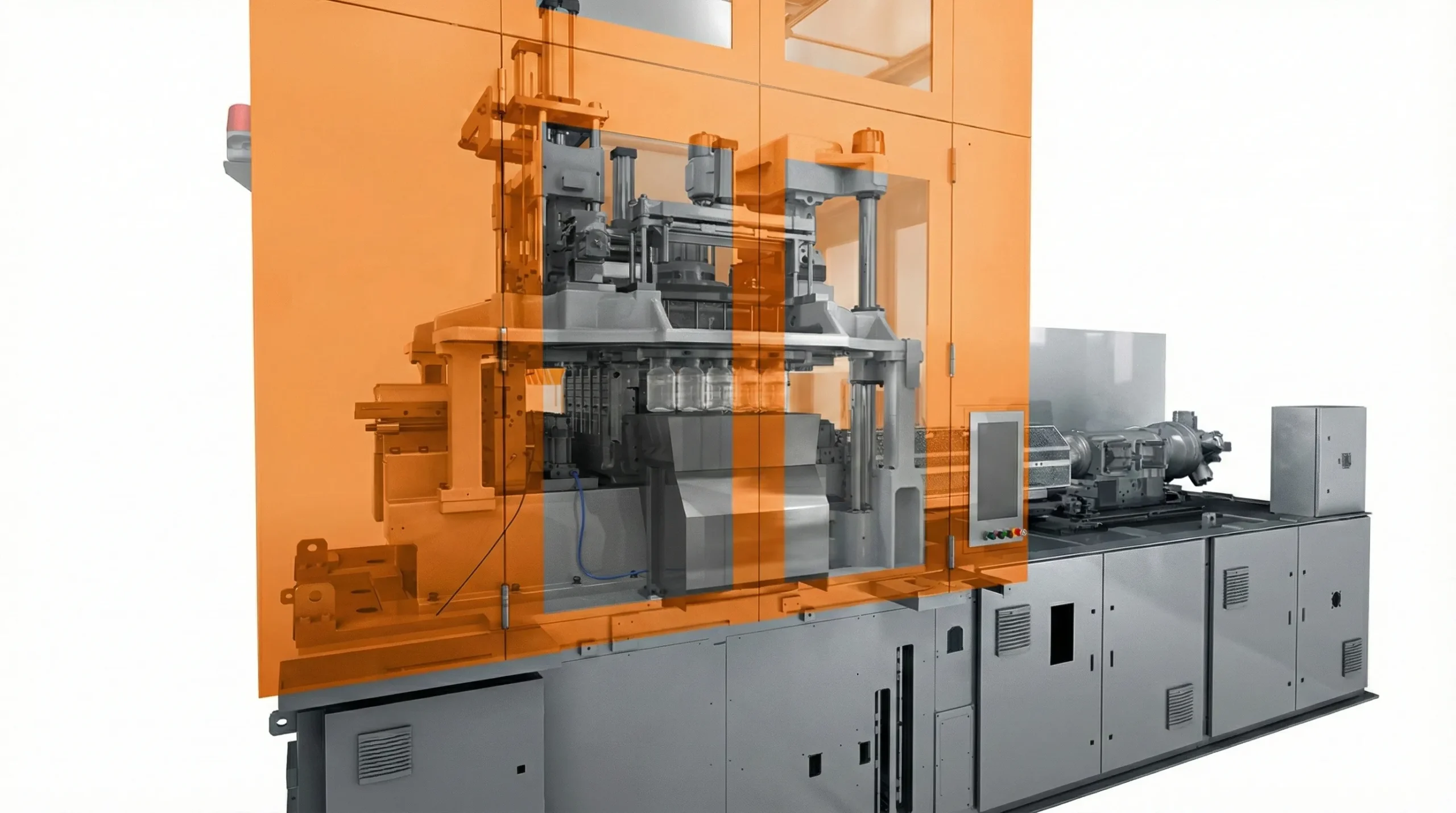
Injection stretch blow molding troubleshooting is the discipline of systematically diagnosing production quality problems and machine faults, attributing them to specific root causes, and implementing corrective actions that restore stable, on-specification production. Unlike simpler blow molding processes, ISBM involves multiple interacting subsystems — injection unit, rotary indexing table, conditioning station, blow station, stretch rod mechanism, and control system — that each contribute independent variables to container quality outcomes.
The complexity of ISBM troubleshooting means that experienced process engineers follow structured diagnostic methodologies rather than relying on intuition. A well-documented troubleshooting reference accelerates diagnosis by providing a systematic checklist of root causes for each observed symptom, prioritised by likelihood and ease of verification.
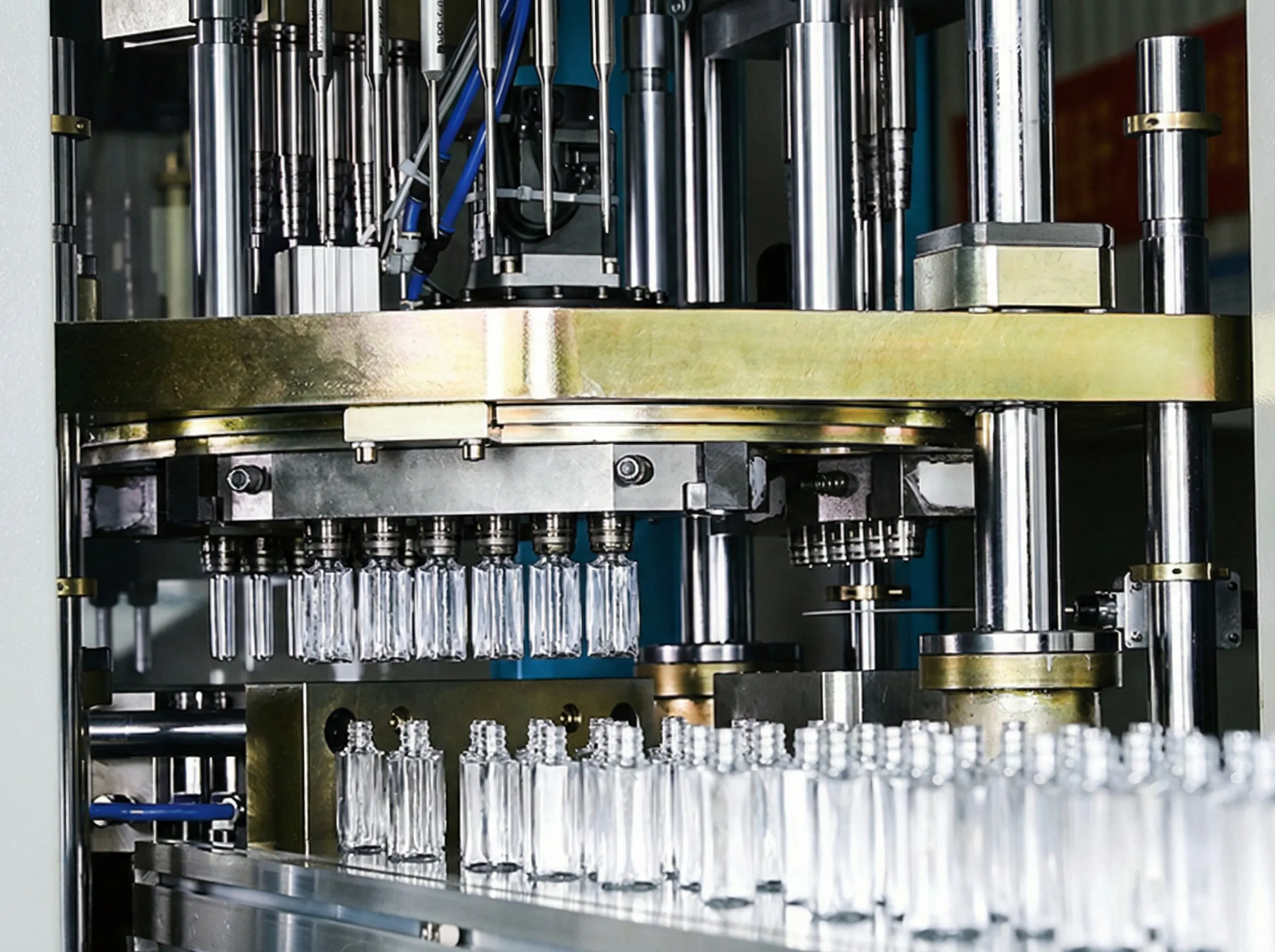
This guide is structured as a production engineer’s working reference: for each category of quality problem or machine fault, it documents the likely root causes, the diagnostic checks that confirm or exclude each cause, and the corrective parameter adjustments or maintenance actions that resolve it. It covers troubleshooting across the injection stretch blow molding process from preform quality through to finished container dimensional compliance.
Troubleshooting Methodology: First Steps Before Parameter Adjustment
Before attempting parameter-based troubleshooting, a structured observation protocol ensures that diagnosis is based on accurate problem characterisation rather than assumptions.
Define the Defect Precisely
Document the defect’s appearance, location on the container (base, sidewall, shoulder, neck), the proportion of containers affected, whether all cavities are affected equally, and whether the defect appeared suddenly or developed gradually. Each of these characteristics constrains the root cause significantly.
Correlate with Process Changes
Review the machine’s process data log for parameter changes — intentional or alarm-triggered — in the period before the defect appeared. Temperature setpoint drift, pressure deviations, and cycle time extensions are often identifiable from the data log before they become visible as container defects.
Check for Pattern
Determine whether the defect is consistent across all cavities or cavity-specific. A defect in one cavity points to a tooling or cavity-specific conditioning issue. A defect in all cavities points to a machine-level parameter or upstream material issue.
Verify Auxiliary Systems
Before adjusting machine parameters, verify that auxiliary systems are operating within specification — mold temperature controllers set and stable, dryer temperature and dew point correct, compressed air pressure stable and contamination-free. Auxiliary system deviations cause ISBM problems that cannot be resolved by machine parameter adjustment alone.
Document Before Changing
Record all current process parameters before making any adjustment. This ensures that a corrective adjustment that makes things worse can be reversed, and that a successful correction is documented for the validated process parameter record.
Collect Defective Samples
Retain samples of defective containers with documentation of the process conditions under which they were produced. Physical samples support remote troubleshooting by machine supplier engineers and provide reference material for future defect recurrence prevention.
Troubleshooting Guide: Injection Stage Problems
Symptom: Short Shot / Incomplete Preform Fill
Observation: The preform is visibly underfilled — either too short, with an incomplete base, or with voids visible through the preform wall. Downstream, this produces containers with irregular wall distribution, thin zones, or blow-out failures.
Root cause checklist: (1) Injection speed set too low — increase in 10% increments and observe. (2) Barrel temperature too low — the melt is too viscous to fill the cavity at the set injection speed; verify all barrel zone temperatures and their stability. (3) Shot size too small — verify the shot size setting against the preform weight specification. (4) Check valve worn or contaminated — a worn check valve allows back-leakage during injection, reducing effective shot delivery; inspect and replace if worn. (5) Material bridging in hopper — inspect hopper and throat for bridging, particularly with hygroscopic resins stored in humid conditions.
Symptom: Preform Weight Variation (Cavity-to-Cavity)
Observation: Preform weight is inconsistent between cavities in a multi-cavity tool. This produces wall thickness variation in the blown container that may cause structural failures in thin-wall cavities or excess weight in others.
Root cause checklist: (1) Unbalanced runner system — verify that the hot runner system or cold runner layout is geometrically balanced; thermal mapping of runner tip temperatures may reveal imbalance. (2) Hot runner temperature variation — individual hot runner zone temperature deviations of even 5–10°C can produce significant fill rate differences between cavities. (3) Gate wear — worn injection gates deliver inconsistent melt flow; inspect gate dimensions against drawing.
Symptom: Preform Yellowing or Discolouration
Observation: Preforms are visibly yellowed or have brown streaks. This indicates thermal degradation of the resin, typically PET or PP. Root cause checklist: (1) Barrel temperature too high for the resin grade — reduce by 5°C increments; confirm against resin supplier’s recommended processing window. (2) Residence time too long — if cycle rate is slower than normal, residence time in the barrel increases; at sub-optimal production rates, purge the barrel more frequently. (3) Purging incomplete after a resin or colour change — incomplete purge leaves degraded material from the previous run in the barrel’s dead zones.
Troubleshooting Guide: Conditioning and Blow Stage Problems
Symptom: Pearlescence (Opacity / Milky Haze in Blown Container)
Observation: The blown container sidewall has a pearl-like opacity rather than transparency. In PET, this is caused by strain-induced crystallisation occurring before adequate biaxial orientation is achieved. In HDPE and PP, it indicates premature crystallisation in the conditioning stage.
Root cause checklist and corrective actions: (1) Conditioning station temperature too low — increase conditioning temperature by 2–3°C increments and evaluate. (2) Blow timing too late — the preform is cooling in the blow station before air is introduced; reduce the dwell before blow. (3) Conditioning dwell time insufficient — increase conditioning dwell on the HMI and evaluate. (4) Indexing speed too fast — excessive indexing speed reduces effective conditioning dwell; reduce index speed by 5–10% and evaluate.
Symptom: Uneven Wall Thickness (Systematic, All Containers)
Observation: Wall thickness gauging shows consistent non-uniformity — thicker on one side, thinner on the opposite — across all containers from the production run.
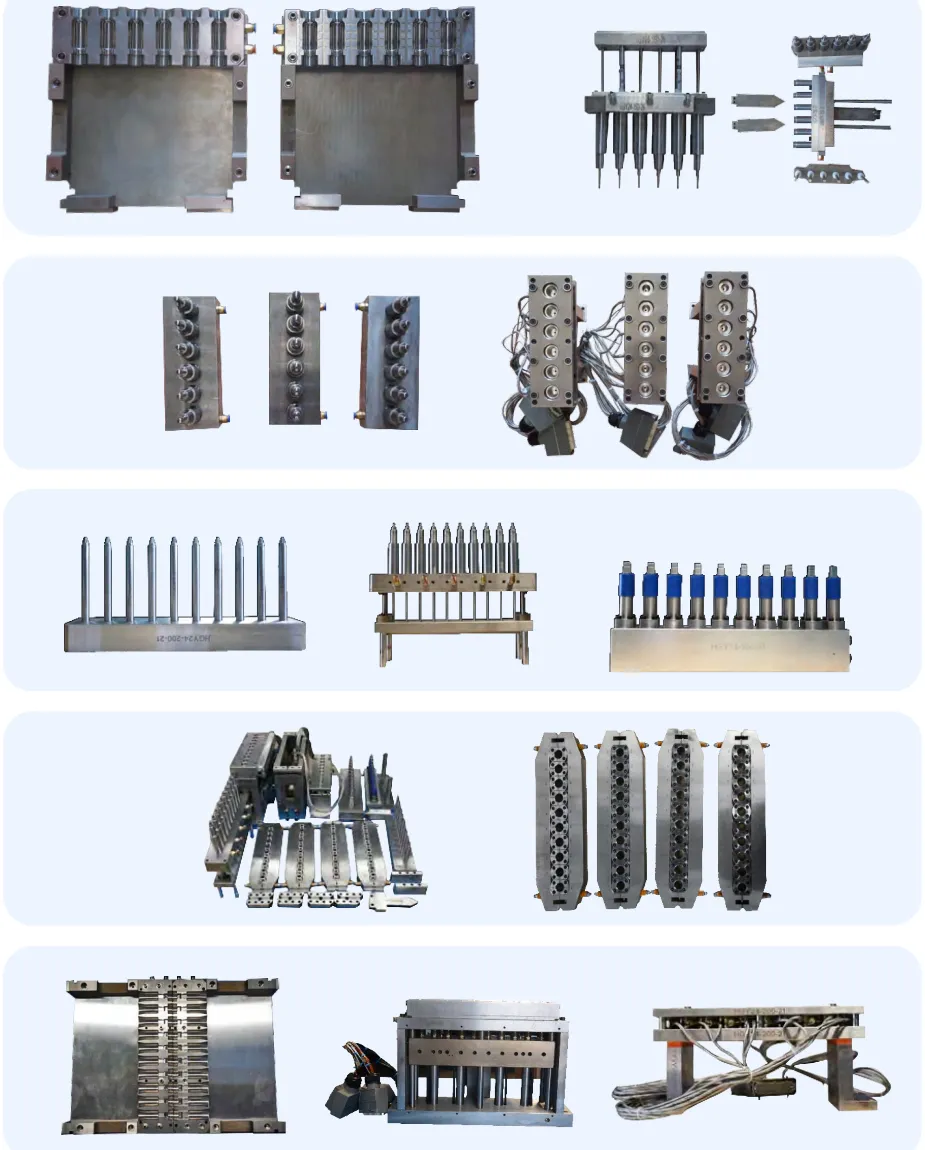
Root cause checklist: (1) Conditioning tooling temperature asymmetry — if one side of the conditioning mandrel or pot is hotter than the other, the preform will have an asymmetric temperature profile at the blow station; verify conditioning tooling temperature uniformity. (2) Stretch rod off-centre — check stretch rod alignment relative to blow mold cavity centre; even 0.5mm off-centre can produce a measurable wall thickness shift. (3) Blow mold cooling asymmetry — a blocked or underperforming cooling circuit on one side of the blow mold produces a wall temperature differential that affects blow distribution.
Symptom: Blow-Out / Burst Preform
Observation: The preform ruptures in the blow station rather than expanding uniformly into the mold cavity. This is typically localised at a weak region of the preform — gate vestige, a thin region, or the stretch rod contact point.
Root cause checklist: (1) Blow pressure introduced before stretch rod reaches target extension — synchronisation fault; verify stretch rod vs. blow air timing sequence in the machine controller. (2) Blow pressure too high for the preform temperature — reduce low-pressure pre-blow pressure and delay the transition to high pressure. (3) Stretch ratio too high — the preform wall is being stretched beyond its stable orientation limit; reduce stretch rod travel or adjust preform geometry if structurally possible. (4) Contamination in the preform wall — a localised low-molecular-weight inclusion or void is the failure initiation site; review resin quality and purging practices.
Troubleshooting Guide: Machine Faults and Mechanical Issues
Machine faults — as distinct from container quality problems — have their own troubleshooting methodology. Most modern ISBM machines generate alarm codes that direct the operator to the fault location, but root cause diagnosis still requires systematic verification.
Symptom: Indexing Table Positioning Error / Alarm
The rotary indexing table fails to reach its commanded position within the allowed time window, triggering an alarm and stopping the cycle. Root causes: (1) Servo drive fault — inspect drive status indicators and event log; power cycle and re-home if no hardware fault is present. (2) Mechanical obstruction — a misplaced tool component, flash build-up, or foreign object is preventing free rotation; inspect the table and all stations. (3) Encoder feedback fault — verify encoder connection and signal integrity; encoder failure causes erratic positioning and repeated alarms.
Symptom: Blow Pressure Not Reaching Setpoint
The blow station air pressure fails to reach the set high-pressure target, resulting in incompletely blown containers. Root causes: (1) Compressor output insufficient — verify that the compressor is delivering the rated pressure and flow; check for compressor faults or excessive demand from other circuits. (2) Blow circuit leak — inspect all fittings, hoses, and the blow pin seal for air leaks; a leak audible during blowing confirms this cause. (3) Blow valve fault — the solenoid valve controlling blow air may be partially closing before full pressure is achieved; check valve response time against specification.
As a dedicated isbm machine manufacturer, Ever-Power equips all machines with remote access capability, enabling our technical team to review machine data logs, process parameters, and alarm histories directly and provide root cause guidance within hours of a reported fault. As a committed isbm mold injection machines supplier, we also provide mold-specific troubleshooting guidance covering injection mold, conditioning tooling, and blow mold issues.
Troubleshooting for Common ISBM Resin-Specific Challenges
HDPE — Narrow Processing Window for Biaxial Orientation
HDPE presents the most challenging blow window management of the common ISBM resins. The temperature range between insufficient softness for blowing and excessive softness causing sag or uneven distribution is narrower than for PET. For HDPE troubleshooting, the conditioning station is almost always the primary area of investigation. Conditioning temperature stability of ±1°C or better is required for consistent HDPE orientation. If HDPE containers exhibit orientation inconsistency — variable opacity, inconsistent wall distribution, or erratic ESCR test results — verify conditioning tooling temperature uniformity across the preform surface before adjusting blow parameters.
The replacement of aoki injection stretch blow molding machines programs that are common in the HDPE container industry often reveal that legacy machine conditioning station temperature control capability was significantly less precise than current servo-electric machines. Operators transitioning to modern ISBM platforms from legacy equipment may need to revise their troubleshooting mental models, as many quality problems that required parameter compensation on older machines are simply absent on machines with tighter conditioning temperature control.
PP — Temperature Sensitivity and Haze Risk
PP is the most thermally sensitive of the common ISBM resins. Its crystallisation rate is high, and its blow window is narrow. PP troubleshooting frequently focuses on conditioning dwell time and temperature, stretch rod speed, and blow pressure ramp timing. PP pearlescence — haze in the blown container — is almost always a conditioning temperature problem. PP blow-out — preform rupture — is almost always a stretch timing or stretch ratio problem. The two-variable nature of most PP quality issues makes it important to change only one parameter at a time when troubleshooting.
PET — Acetaldehyde Generation in Pharmaceutical Containers
For pharmaceutical and food-grade PET ISBM containers, acetaldehyde (AA) content is a critical quality parameter — AA migrates into the container contents and can produce an off-taste in water or interact with sensitive active pharmaceutical ingredients. AA generation is driven by thermal degradation of PET, primarily in the injection barrel. Troubleshooting high AA: (1) Reduce barrel temperature by 5°C increments; (2) Reduce back pressure; (3) Reduce screw speed; (4) Minimise residence time by matching shot size to plasticising rate. Low-AA PET resin grades are available and are the preferred material for pharmaceutical and sensitive food applications where AA specification is tight.
Frequently Asked Questions
What is the first thing to check when an ISBM machine produces defective containers after a period of stable production?
The first check should always be whether anything changed — in machine parameters (review the data log), in material (new lot, different moisture content, different lot number), in auxiliary systems (compressor pressure, mold temperature controller settings, dryer dew point), or in the mold (recent maintenance, mold change, tooling wear). Most ISBM quality problems that appear suddenly after stable production are traceable to a specific change event. Identifying that event is faster than systematically adjusting parameters from scratch.
How do you troubleshoot a quality problem that affects only one cavity in a multi-cavity ISBM mold?
A single-cavity defect points directly to a cavity-specific cause: (1) Check the hot runner tip temperature for that cavity against others — a temperature deviation of 5°C can cause differential fill. (2) Inspect the cavity surface for wear, damage, or contamination. (3) Check the conditioning tooling segment corresponding to that cavity position for temperature deviation. (4) Verify that the cooling circuit serving that cavity is flowing at the correct rate and temperature. A single-cavity defect almost never has a machine-level root cause.
Is remote troubleshooting support effective for ISBM machine faults?
Yes — modern ISBM machines with remote access capability allow the supplier’s engineering team to review process data logs, alarm histories, and real-time parameter values in detail. The majority of process quality issues and machine faults can be diagnosed and resolved remotely without a field service visit. Ever-Power’s remote support team is available with defined response time commitments for customers operating our machines. For faults that require physical intervention — mechanical wear, component replacement, mold adjustment — remote diagnosis prepares the engineer for an efficient on-site visit by identifying the required parts and tools in advance.
Our ISBM Machine Products
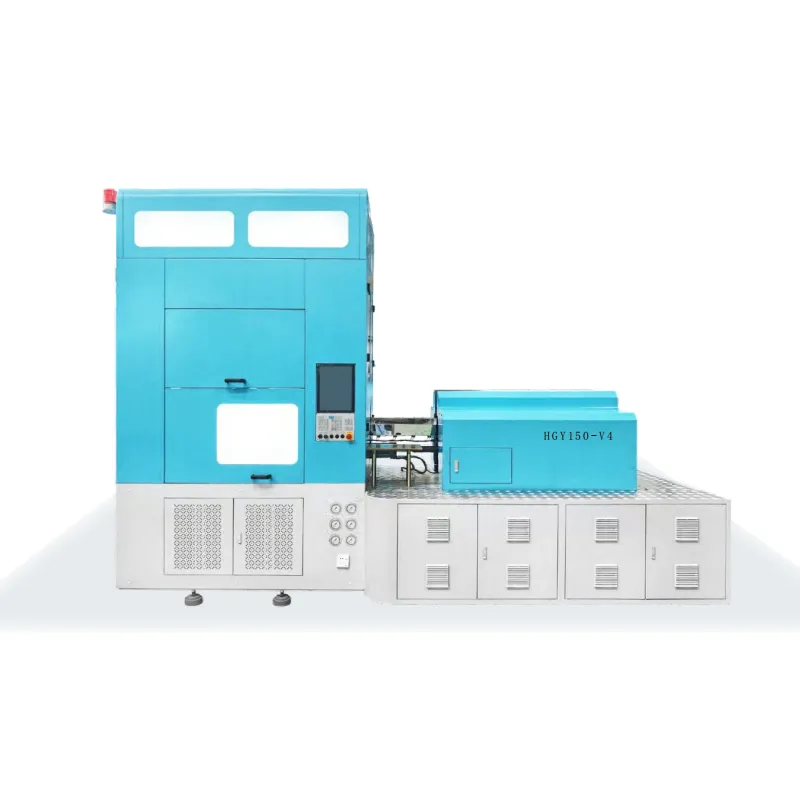
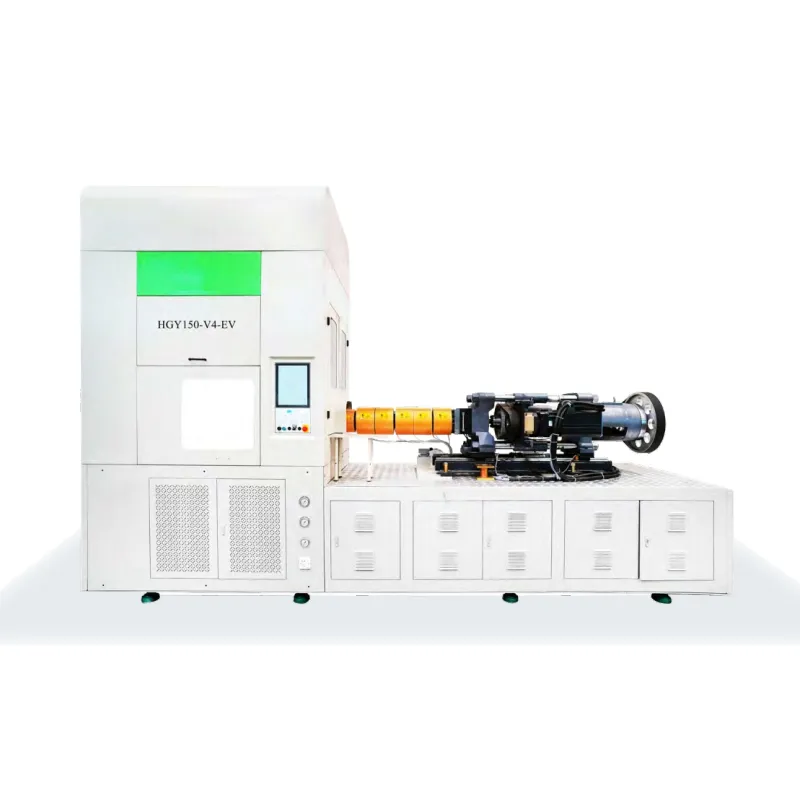
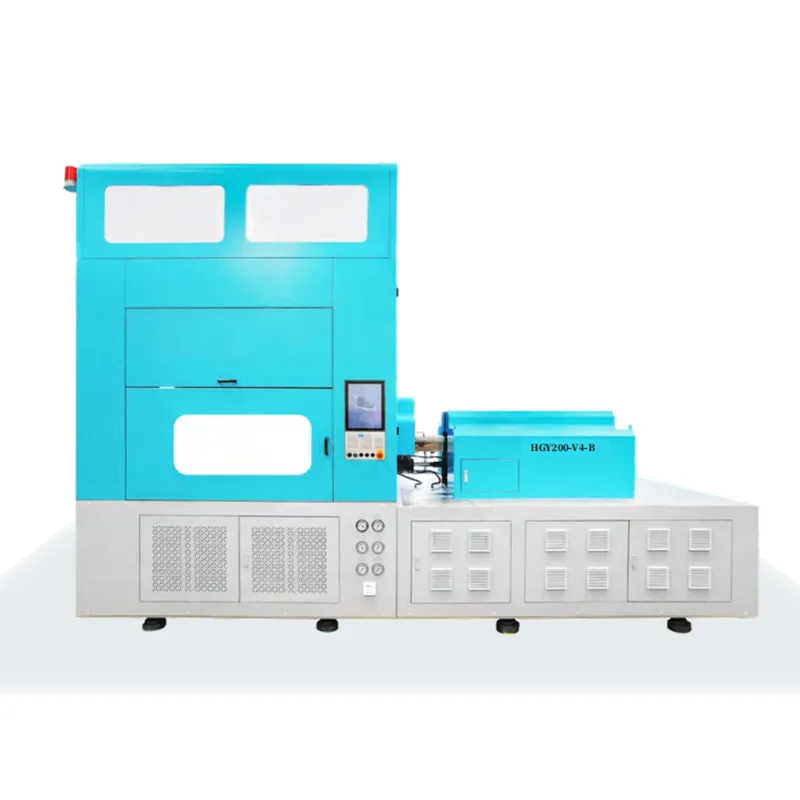
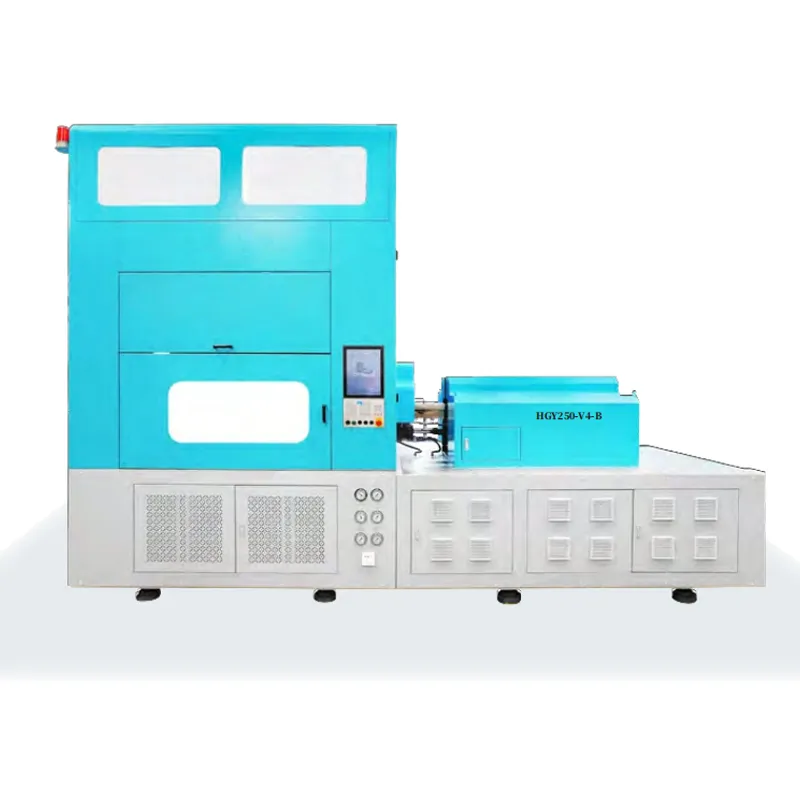
Ever-Power’s complete range of single-stage injection stretch blow molding machines — from personal care to large industrial container applications.
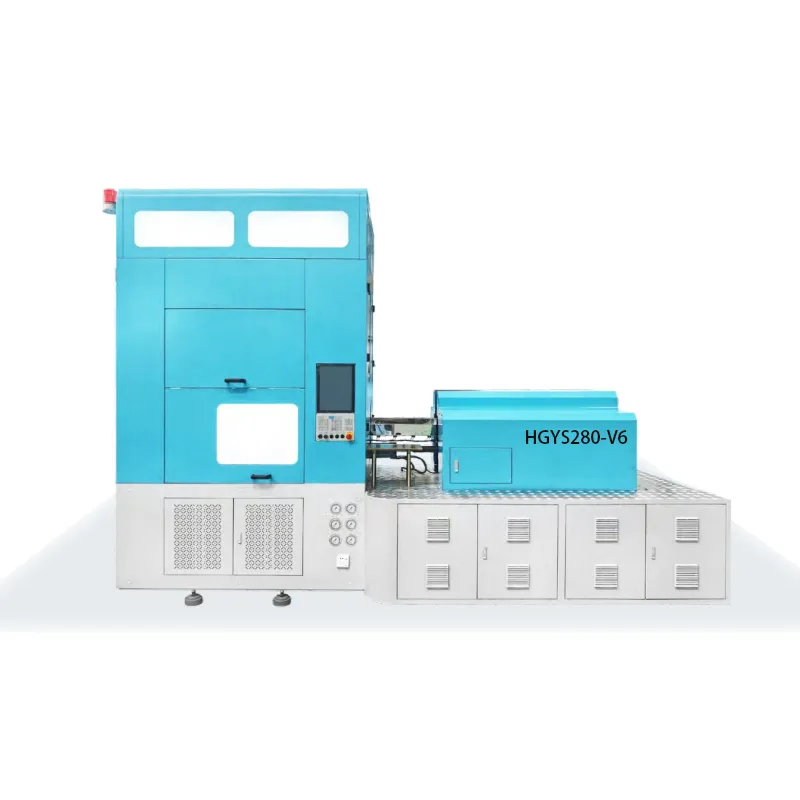
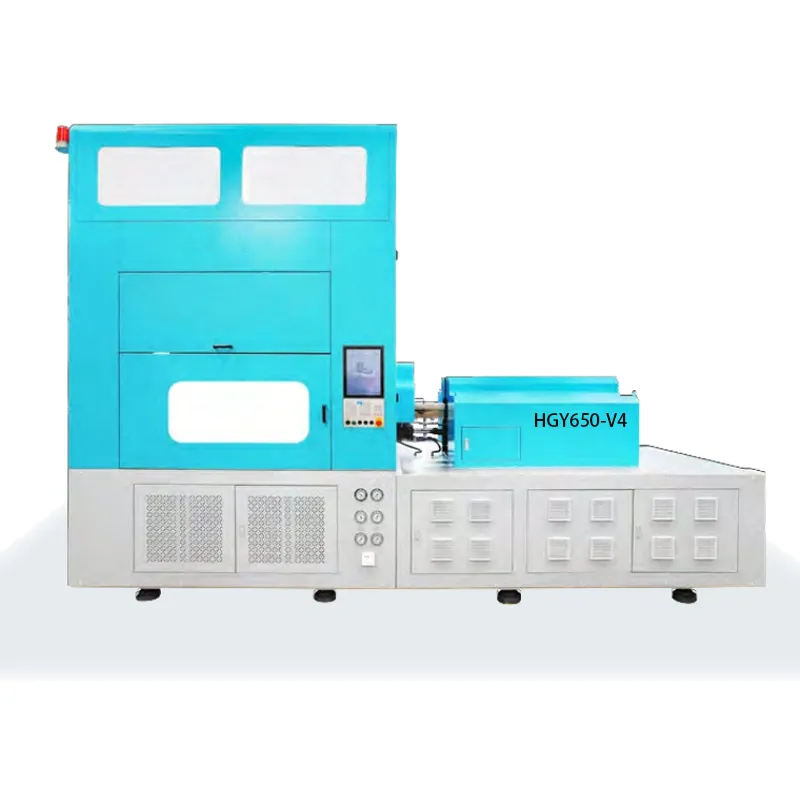
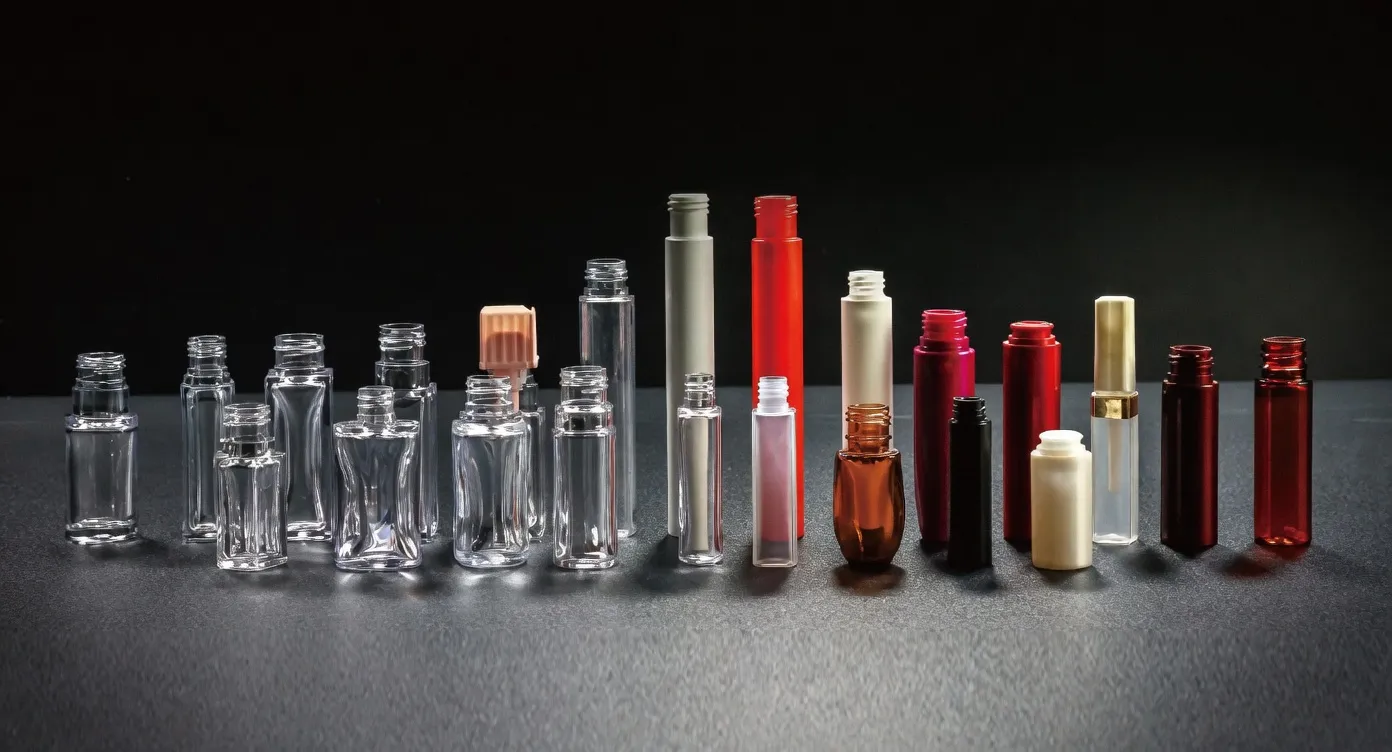
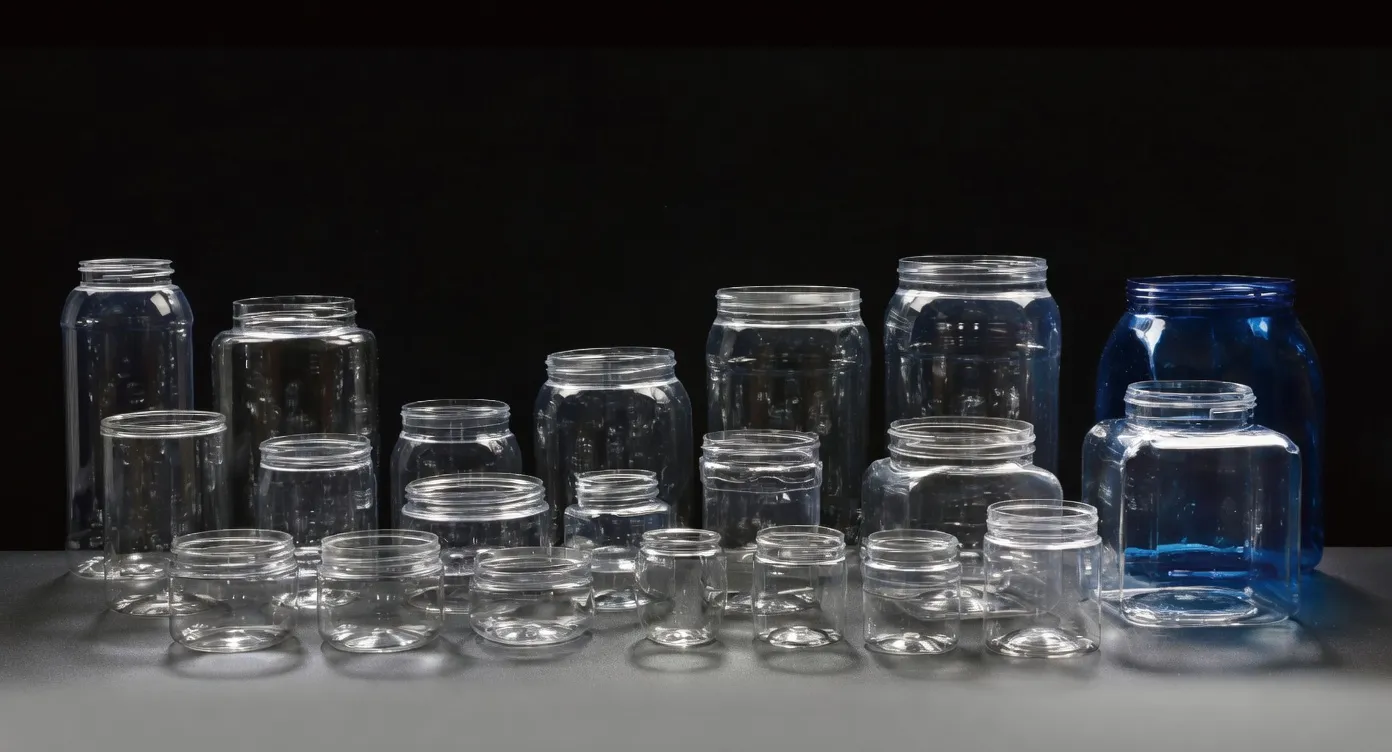
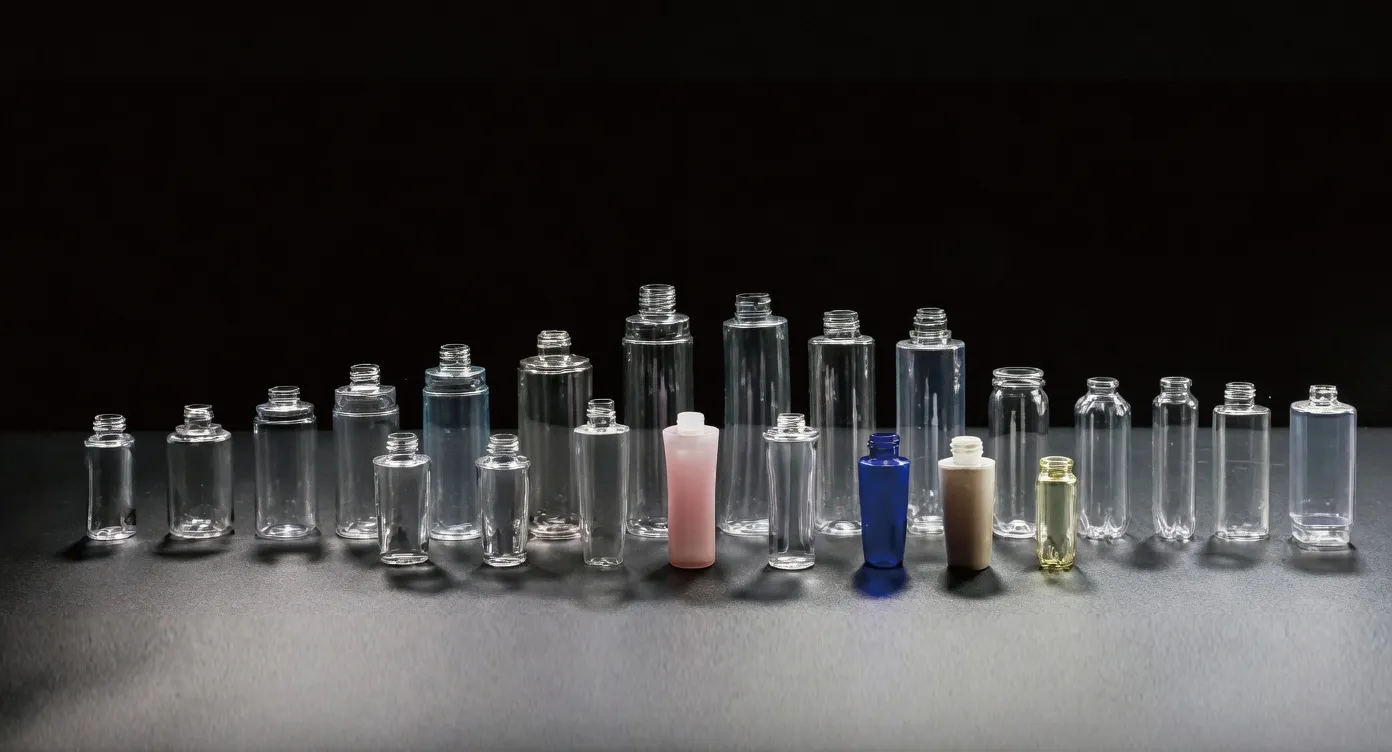
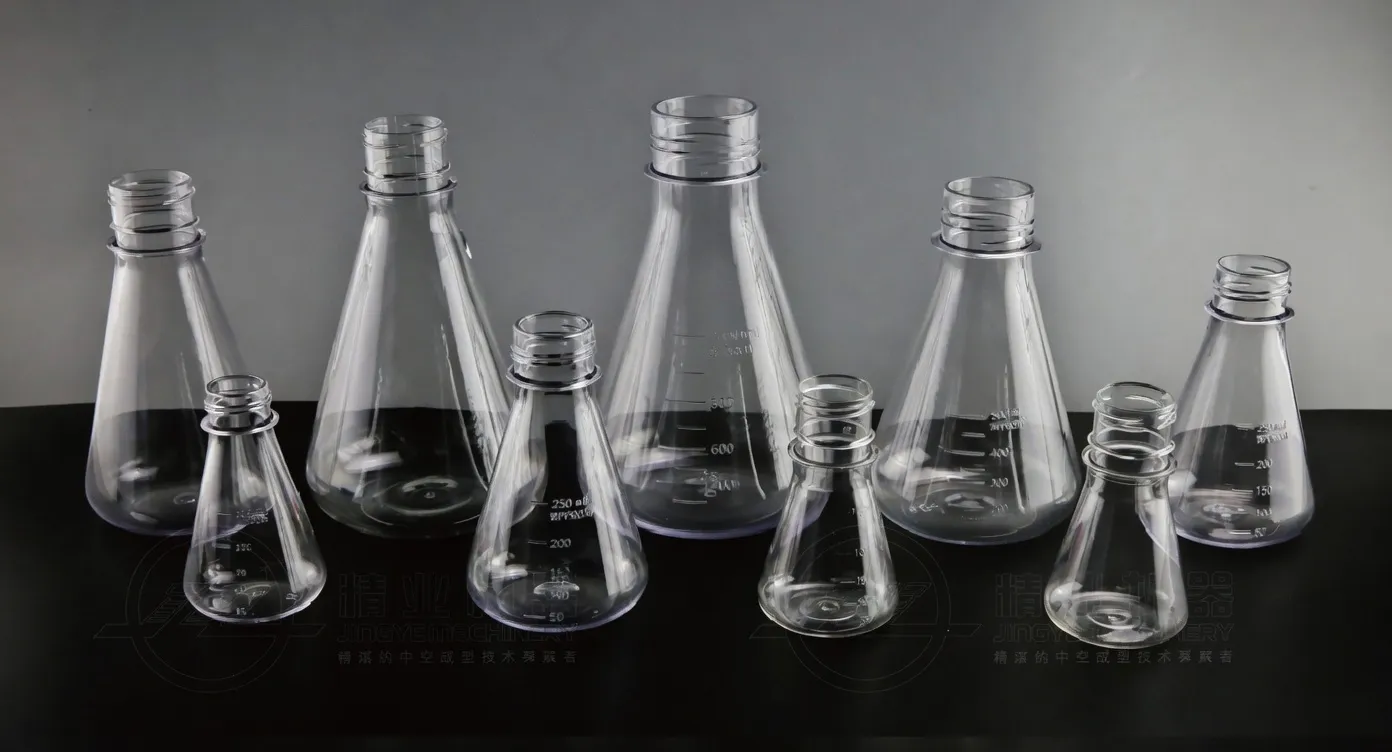
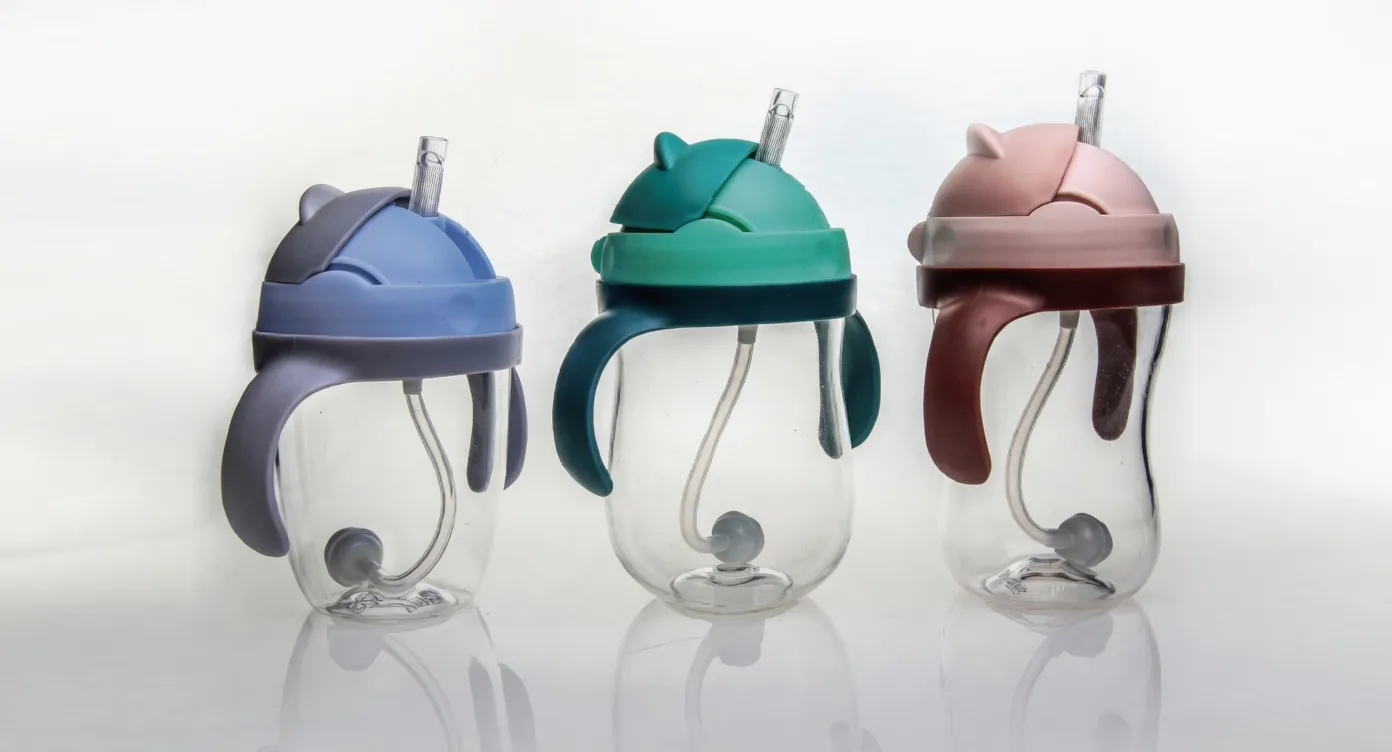
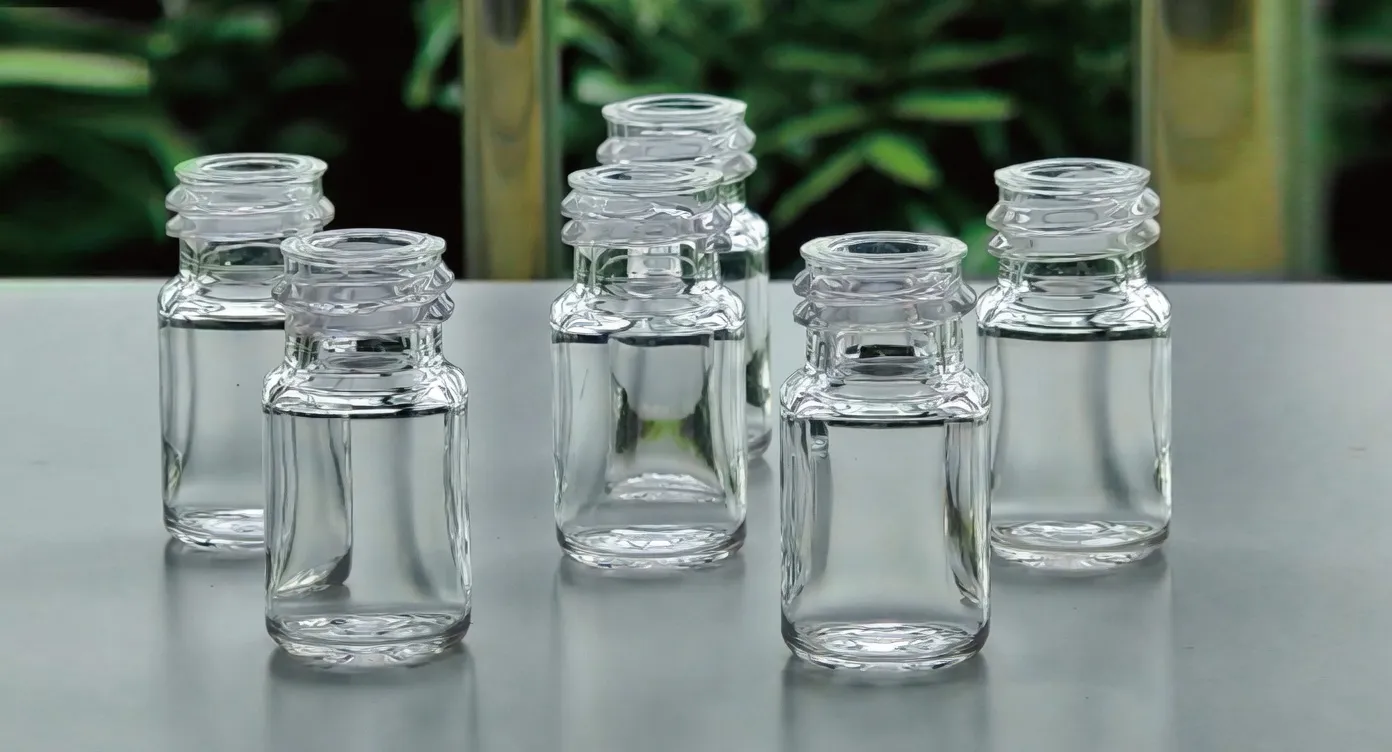
Bottle Sample Gallery
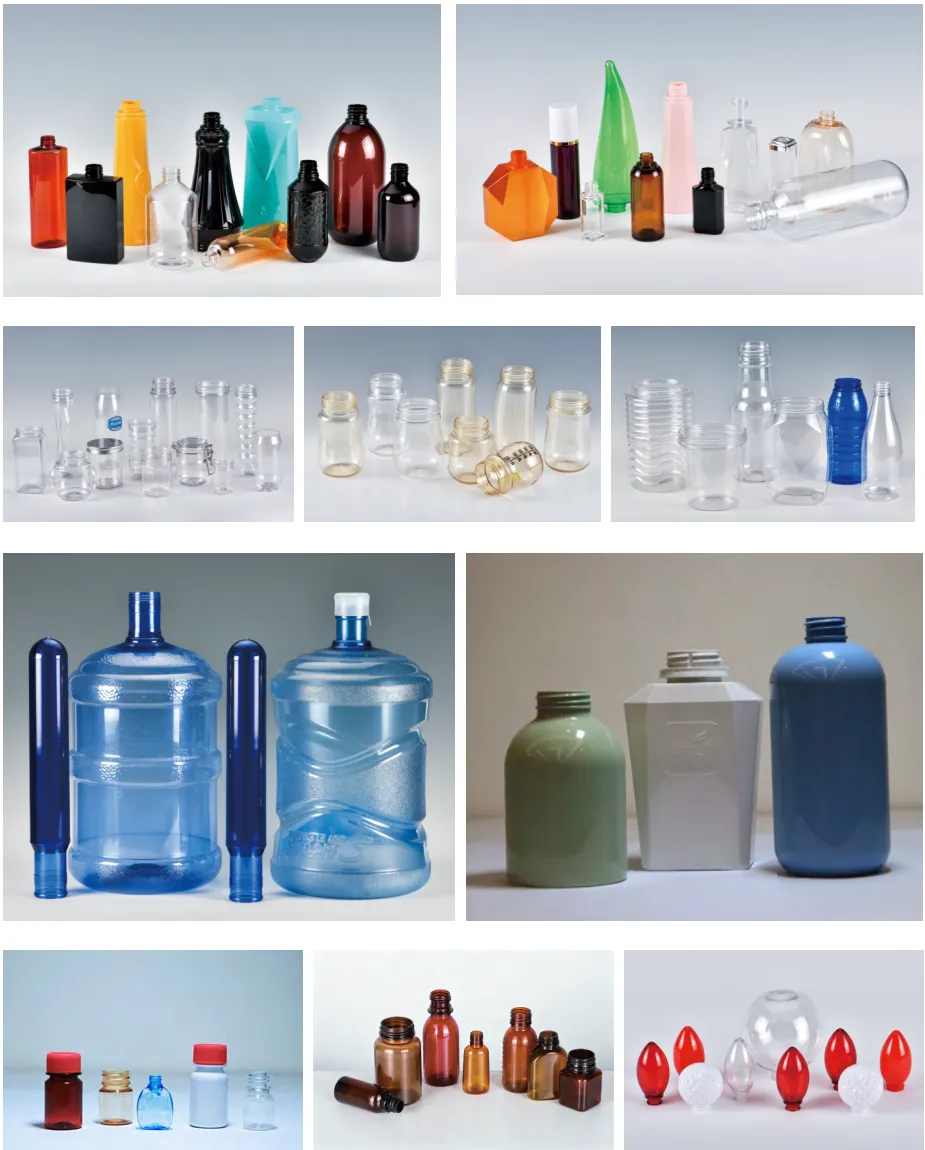
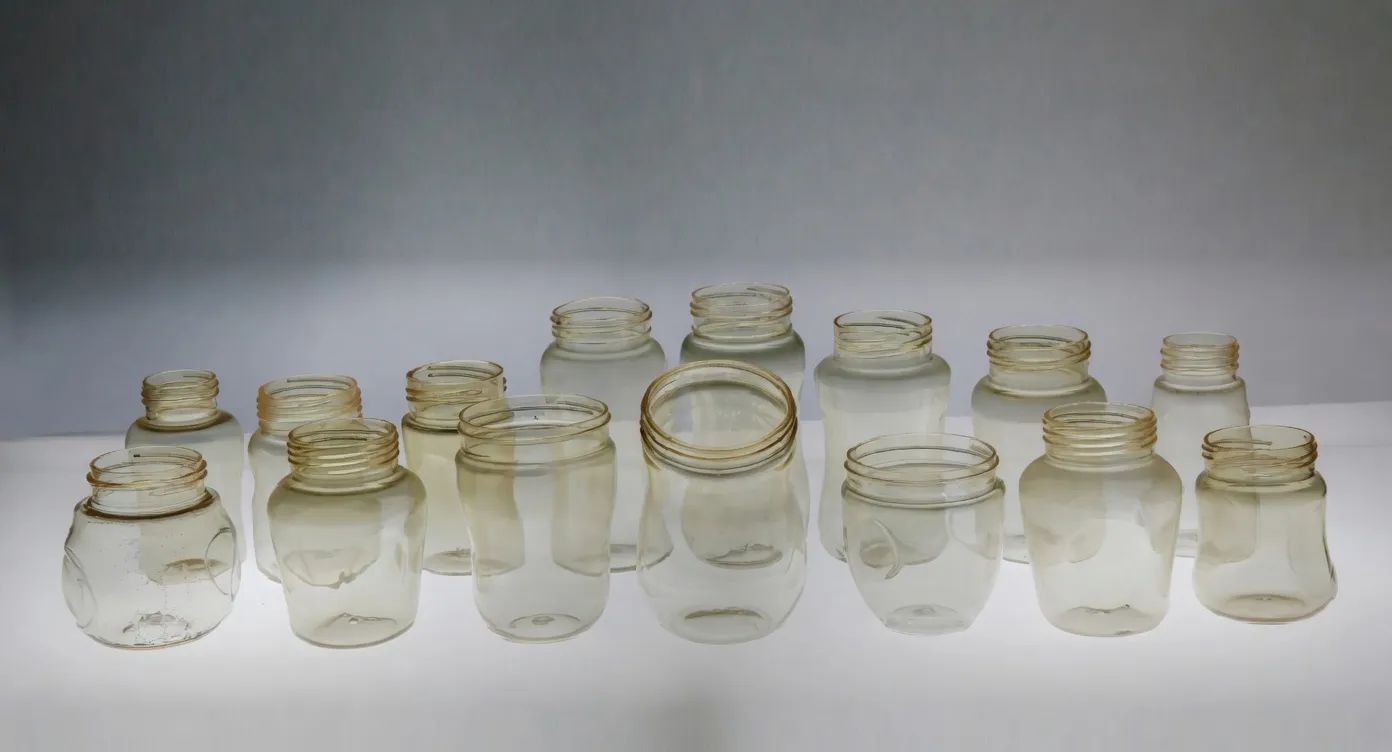
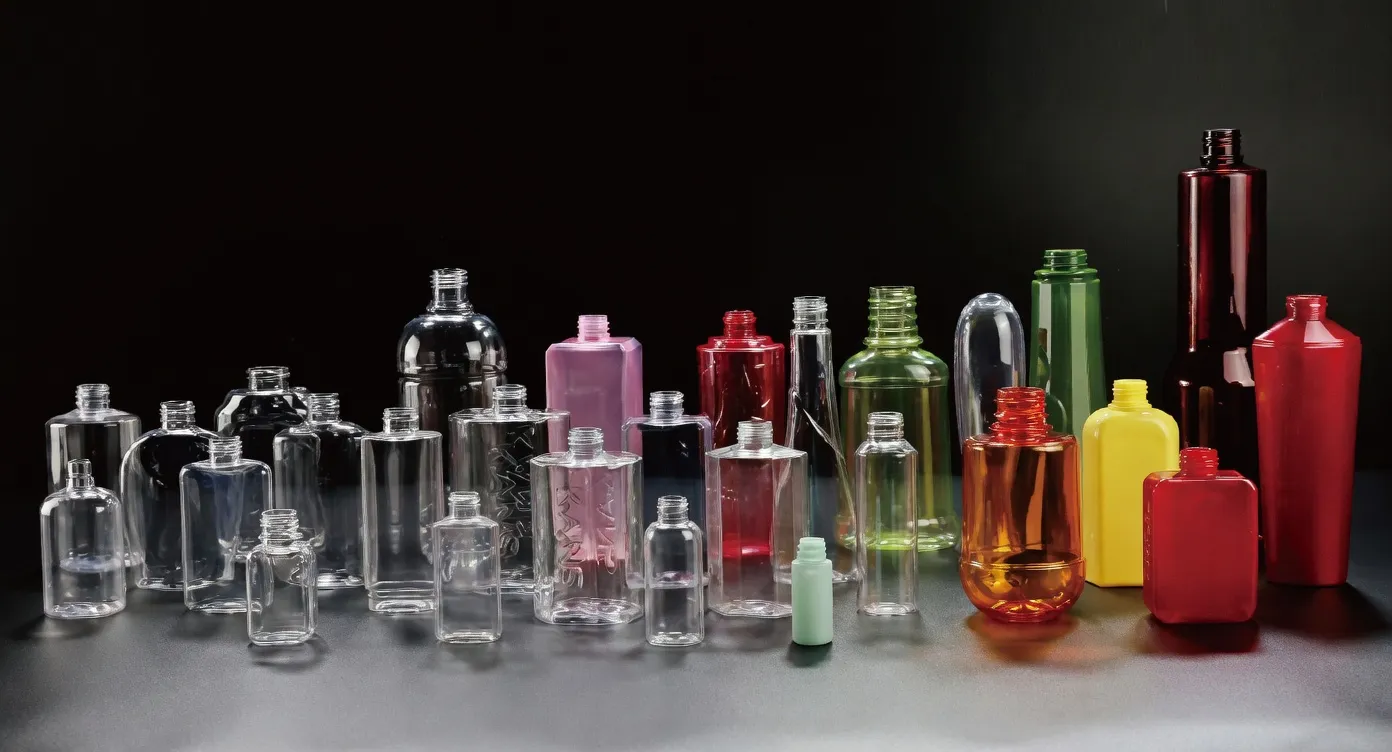
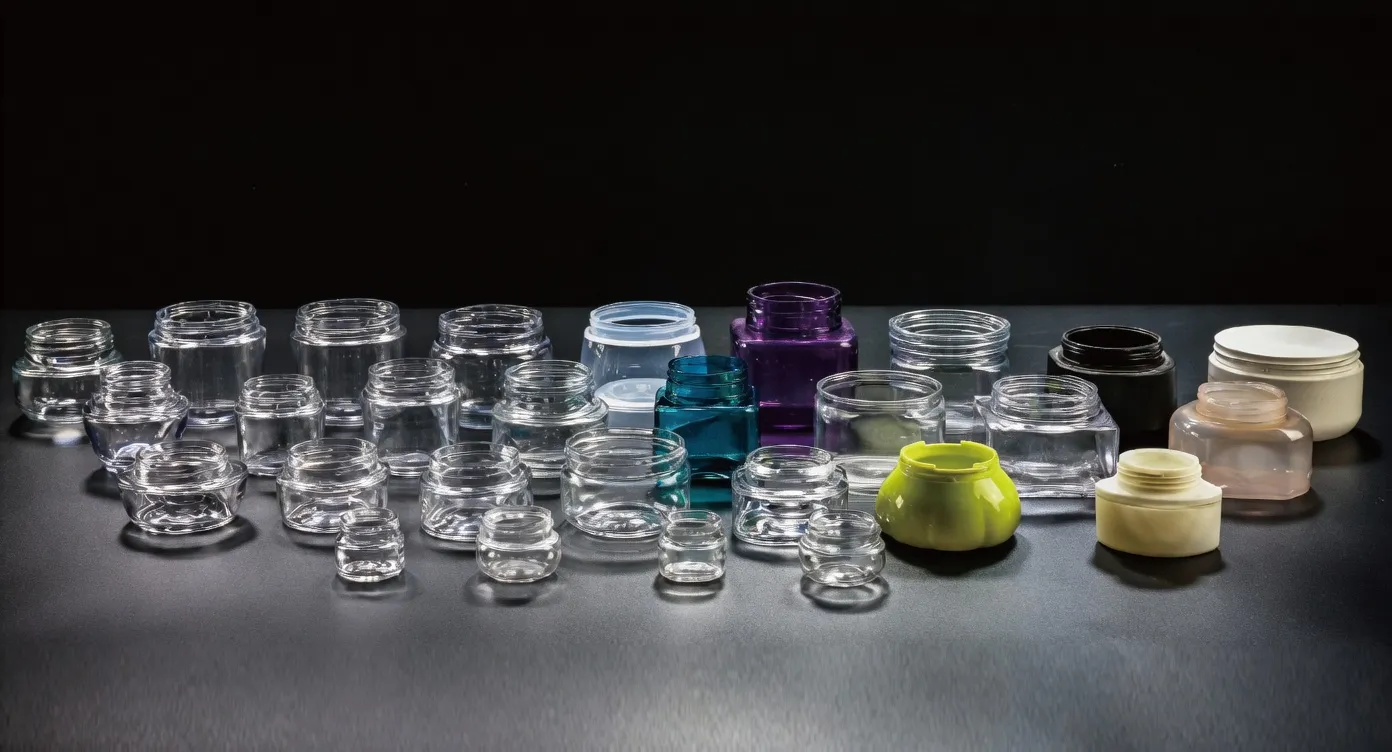
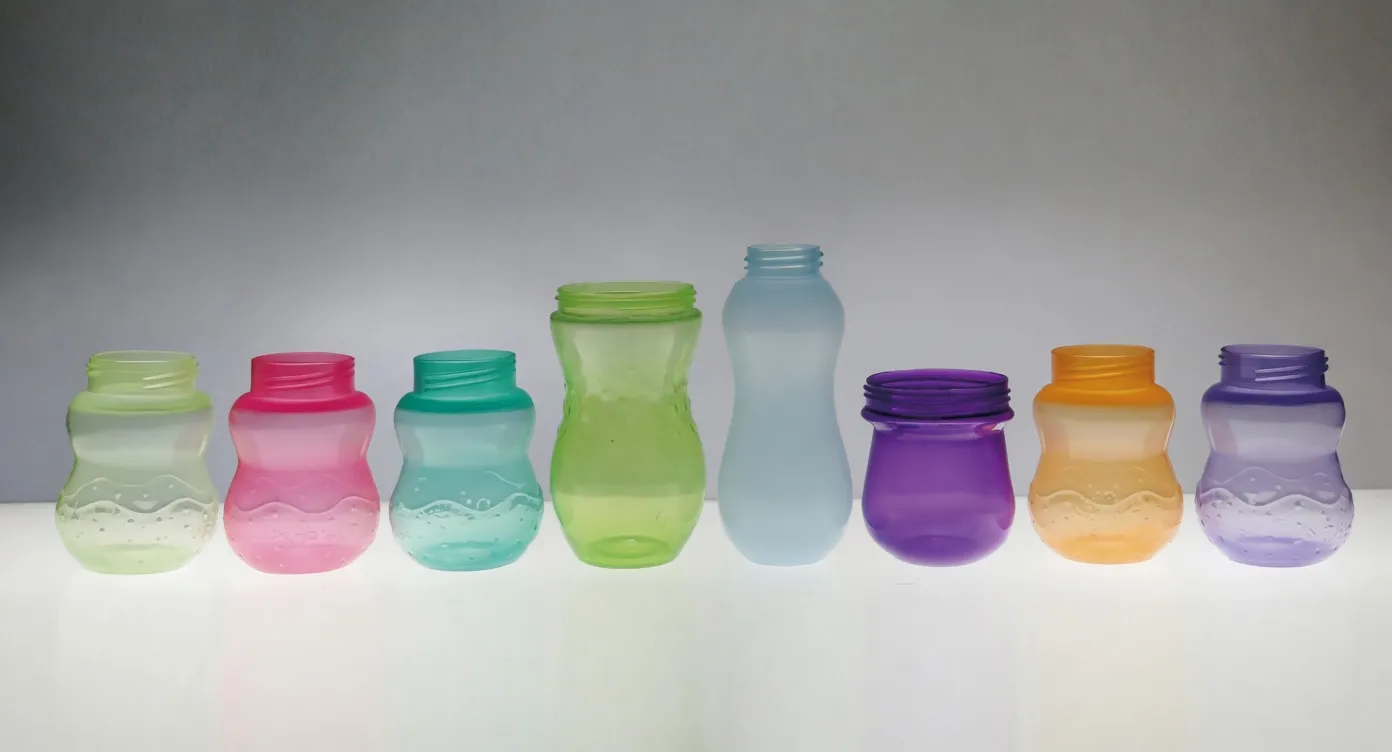
Containers produced on Ever-Power ISBM machines across global applications
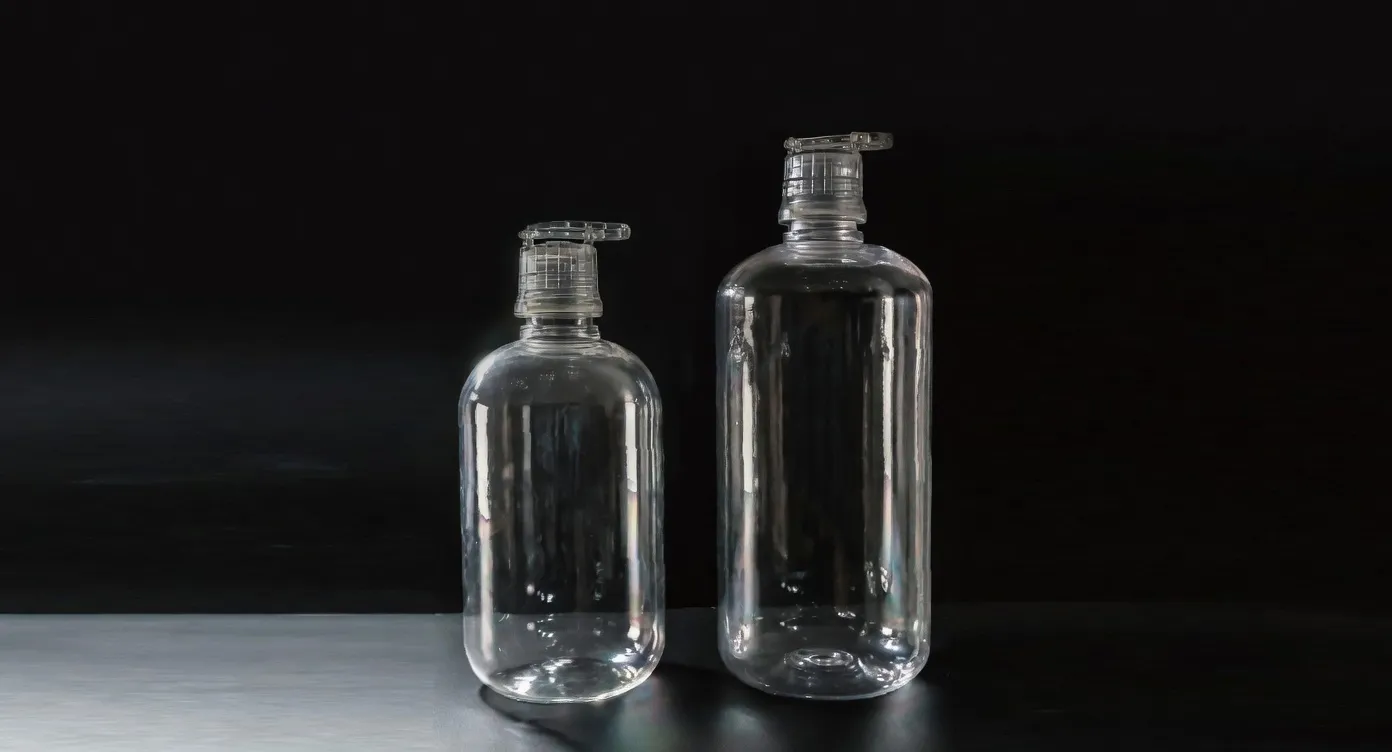

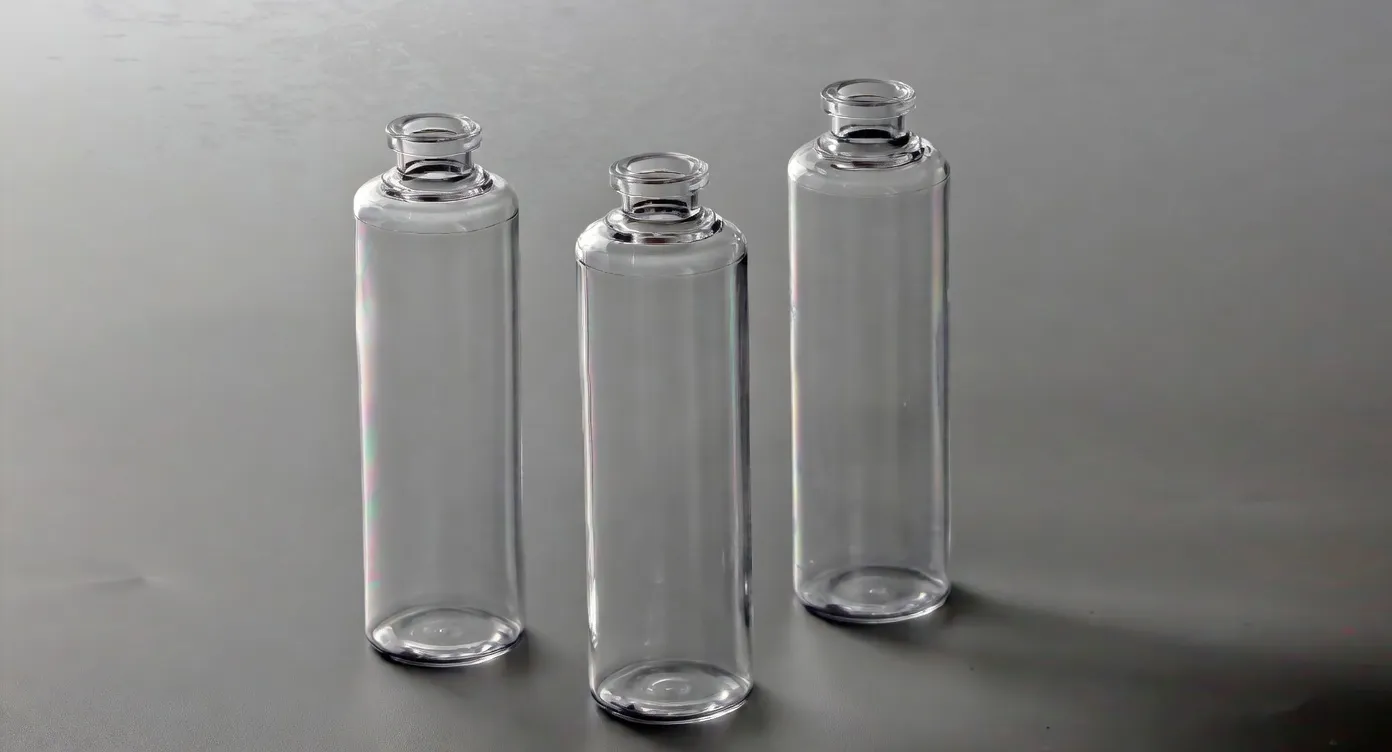




What Our Customers Say
“When we had a persistent wall thickness issue on our HDPE containers, Ever-Power’s remote engineer connected to our machine and diagnosed a conditioning tooling temperature imbalance of 4°C between two quadrants. He walked our engineer through the adjustment procedure. The issue was resolved in under two hours without a service visit.”
“The troubleshooting documentation Ever-Power provided as part of our machine delivery package is genuinely comprehensive. When we encountered a pearlescence issue on our PET bottles, we found the exact symptom documented with a root cause checklist and corrective action sequence. Problem solved in one shift by our own team.”
“Our blow-out problem on PP containers was intermittent and difficult to reproduce for diagnosis. Ever-Power’s engineer reviewed our machine’s stretch rod position and blow air timing log data remotely and identified a cycle-to-cycle variation in stretch rod initiation timing that was causing the issue. A servo parameter adjustment resolved it.”
“After replacing our old ISBM machine with the Ever-Power servo-electric model, several quality issues we had spent years managing with parameter compensations simply disappeared. The better conditioning temperature stability and servo injection consistency eliminated three recurring defects without any specific troubleshooting action needed.”
“We had an AA content issue on our pharmaceutical water bottles that was borderline specification. Ever-Power’s process team provided a detailed parameter optimisation sequence — barrel temperature, back pressure, and screw speed adjustments — that brought AA levels well within specification. Their expertise in PET processing was apparent.”
“Our maintenance team now uses Ever-Power’s troubleshooting reference guide as a standard document in our quality management system. Having a structured root cause checklist for each defect type has significantly reduced our mean time to repair for quality deviations on the ISBM line.”
Get Expert ISBM Troubleshooting Support from Ever-Power
Contact Ever-Power’s process engineering team for remote diagnostic support, process parameter guidance, and on-site technical service for your ISBM production.