Introduction: Why ISBM Matters for Wide-Mouth Packaging
The packaging industry has evolved rapidly in recent years, and one of the most frequently asked questions among packaging engineers, cosmetic brand owners, and contract manufacturers is whether the injection stretch blow molding process can deliver the precision and clarity required for wide-mouth jars and cosmetic containers. The short answer is yes — but the full picture involves a rich understanding of material science, mold design, machine capability, and end-use requirements that together determine whether ISBM is truly the right fit for your specific product line.
Wide-mouth jars occupy a unique position in the packaging landscape. Unlike standard narrow-neck bottles used for beverages, wide-mouth containers demand uniform wall thickness, high optical clarity, and consistent thread finishes — all of which directly affect consumer perception, shelf appeal, and product safety. In the cosmetics sector, these expectations are amplified further. Premium skincare brands, for instance, need containers that feel luxurious, look flawless, and protect sensitive formulations from degradation.
Over the past decade, injection stretch blow molding has matured into a technology that addresses these challenges with remarkable efficiency. At Ever-Power, we have worked closely with cosmetic and pharmaceutical brands worldwide, helping them transition from traditional packaging methods to ISBM-based production. The results consistently speak for themselves: improved quality, reduced material waste, and faster time-to-market. This article will walk you through the technical factors, practical advantages, and real-world considerations that determine whether ISBM is the right solution for your wide-mouth jar and cosmetic container requirements.
⚡ Key Takeaway
ISBM offers the unique combination of injection-molded precision at the neck finish and biaxially oriented clarity in the body — making it one of the most capable technologies available for wide-mouth jars and cosmetic containers that require both function and aesthetics.
Understanding the ISBM Process in Detail
Before evaluating suitability, it helps to understand what makes injection stretch blow molding different from other forming processes. ISBM is a multi-stage process that begins with the injection molding of a preform — a test-tube-shaped piece of plastic that already includes the fully formed neck and thread profile. This preform is then conditioned to a precise temperature window and transferred to a blow mold station, where a stretch rod physically elongates the preform while compressed air inflates it into the final container shape.
This biaxial stretching — stretching simultaneously in both the axial and radial directions — is what gives ISBM containers their characteristic strength, transparency, and barrier performance. The molecular chains of the polymer align during stretching, creating a material structure that is significantly stronger and more gas-resistant than un-oriented plastic of the same wall thickness.
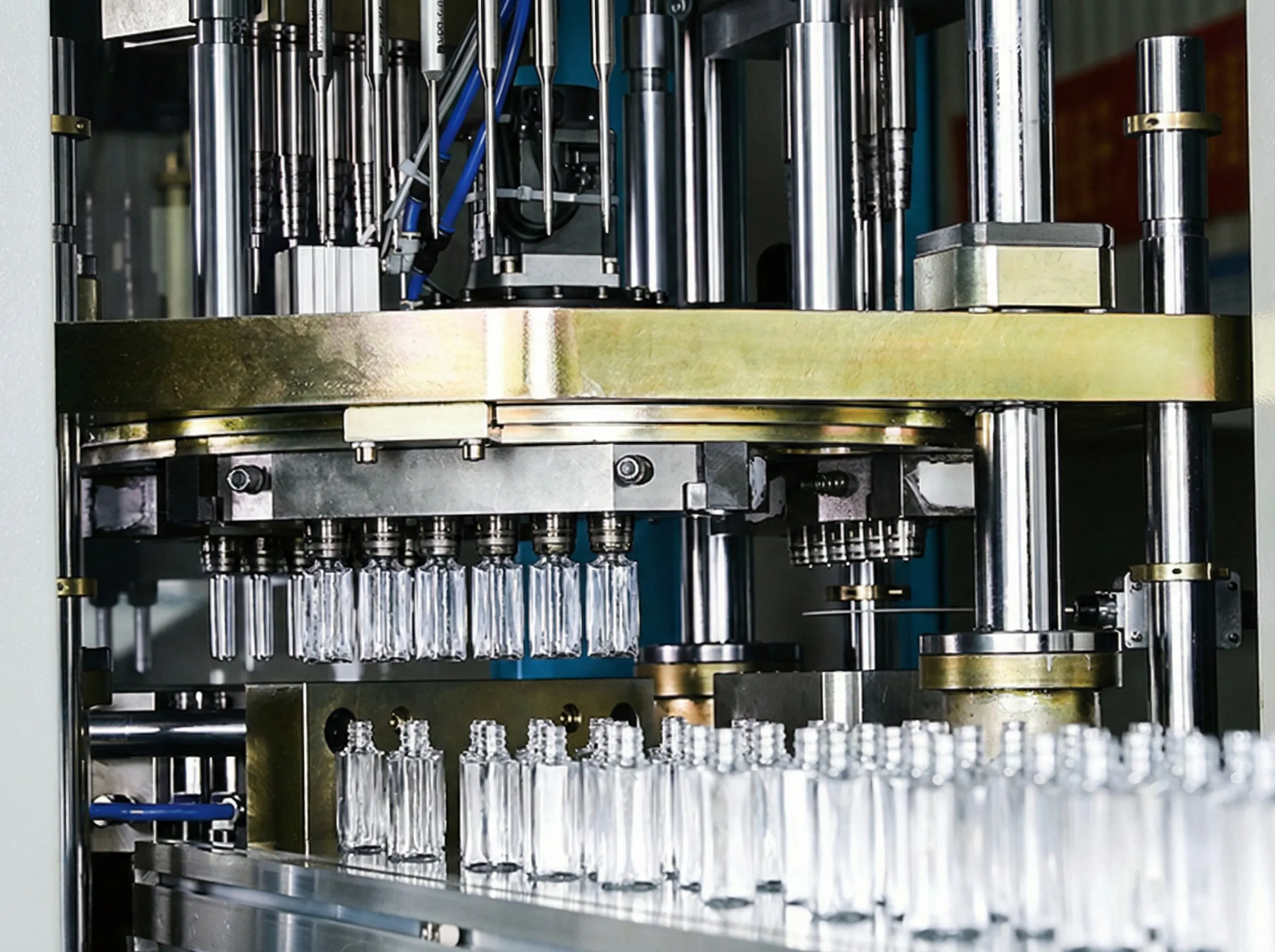
A single stage injection stretch blow molding machine integrates all of these steps — injection, conditioning, stretching, blowing, and ejection — into one continuous platform. This eliminates the need to transport preforms between separate machines, reduces contamination risk, and allows for tighter process control. Single-stage machines are especially popular for specialty packaging, medical-grade containers, and, notably, cosmetic jars where every surface detail matters.
⚙️
Step 1: Injection
Molten resin is injected into a preform mold, creating a precise blank with a fully finished neck, thread, and sealing surface.
🌡️
Step 2: Conditioning
The preform is thermally conditioned to the optimal stretch temperature, ensuring even material distribution during blowing.
💨
Step 3: Stretch & Blow
A stretch rod elongates the preform axially while high-pressure air expands it radially into the final container geometry.
Why Wide-Mouth Jars Demand a Different Approach
The fundamental challenge with wide-mouth containers lies in geometry. In a standard narrow-neck PET bottle, the stretch ratio between the preform and the finished container is typically between 8:1 and 14:1 — meaning the material stretches considerably, achieving strong molecular orientation throughout the body. With wide-mouth jars, however, the diameter of the opening relative to the body diameter is much larger, which naturally limits how much the material can stretch. This lower stretch ratio means the processor must carefully balance preform design, conditioning temperatures, and blowing parameters to still achieve acceptable orientation and wall thickness uniformity.
The neck finish itself presents another challenge. Wide-mouth jars often require robust thread profiles capable of sealing against thicker gaskets or tamper-evident closures. In extrusion blow molding, the neck is formed by pinching and blowing — a method that frequently produces inconsistencies in thread geometry, sealing surface flatness, and trim quality. ISBM avoids this entirely because the neck is injection molded with precision tooling, resulting in a finish that is dimensionally accurate, burr-free, and ready for reliable closure application without secondary trimming operations.
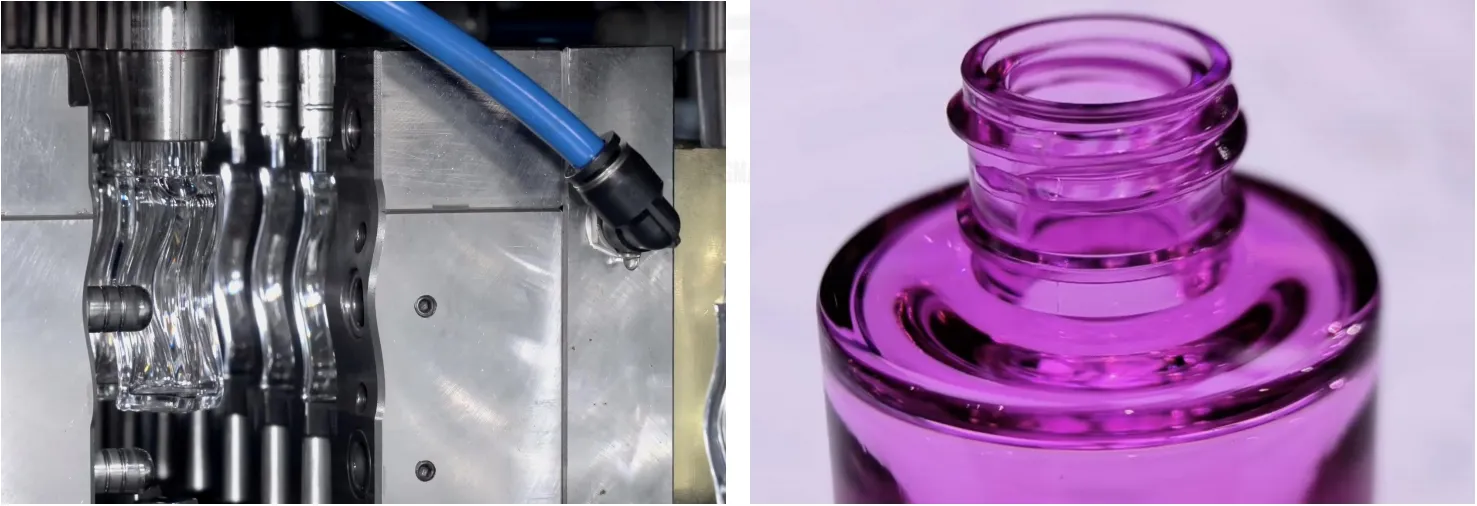
Additionally, wide-mouth jars are frequently used for products that demand contact clarity — meaning the consumer looks directly through the jar at the product inside. Think face creams, body butters, hair masks, protein powders, and gourmet food items. Any haze, flow lines, or material inconsistency in the jar wall becomes immediately visible and detracts from the perceived quality of the product. The biaxial orientation achieved through ISBM produces a level of optical transparency that is virtually impossible to match with other single-step forming methods, particularly for PET and some PP grades.
Weight reduction is yet another consideration. Cosmetic and personal care brands are under growing pressure to reduce their packaging footprint. ISBM enables significantly lighter containers without sacrificing structural performance, because oriented material is inherently stronger per unit of wall thickness. This means a wide-mouth PET jar produced by ISBM can weigh 30 to 50 percent less than a comparable injection-molded jar while maintaining equivalent top-load strength and drop resistance.
Advantages of ISBM for Cosmetic Containers
The cosmetics industry places some of the most demanding requirements on packaging. Here is why ISBM continues to gain ground in this segment.
✨
Crystal-Clear Transparency
Biaxial orientation eliminates haze and creates glass-like clarity that showcases premium formulations at their best. This is particularly valuable for transparent cream jars and serum containers where visual presentation drives purchasing decisions at the retail shelf.
🔒
Precision Neck Finish
Injection-molded threads ensure airtight sealing with every closure type, including flip-top caps, screw lids, and disc-top closures. Dimensional accuracy is maintained across millions of production cycles without the variability associated with trimmed flash lines.
♻️
Sustainability Benefits
Lighter containers mean less resin per unit, lower shipping emissions, and improved recyclability. ISBM produces zero flash waste during normal operation, further reducing material consumption and scrap costs for high-volume cosmetic packaging runs.
The surface quality of ISBM containers also lends itself to high-end decoration techniques. Because the jar body has a smooth, oriented surface free from weld lines or parting seams that run through visible areas, techniques such as screen printing, hot stamping, metallization, and pressure-sensitive labeling all achieve superior adhesion and visual results. Many luxury cosmetic brands specifically require ISBM containers because the surface consistency enables flawless branding that reflects the premium positioning of their products.
Another often overlooked advantage involves chemical compatibility. Certain cosmetic formulations — including those containing essential oils, alpha-hydroxy acids, or retinol-based actives — can interact with poorly oriented or residually stressed plastic, causing environmental stress cracking over time. The superior molecular orientation in ISBM jars significantly reduces susceptibility to stress cracking, extending shelf life and preserving container integrity throughout the product’s useful life.
Material Selection for Wide-Mouth ISBM Containers
Choosing the right resin is arguably just as important as choosing the right machine. The materials most commonly used for ISBM wide-mouth jars include PET, PP, PETG, Tritan copolyester, and, in some niche applications, PEN. Each material brings a distinct set of properties to the table, and the choice depends on factors such as product compatibility, shelf-life requirements, sterilization needs, and target cost per unit.
PET (polyethylene terephthalate) remains the dominant choice for cosmetic jars produced by ISBM. It offers excellent clarity, good chemical resistance, and well-understood processing behavior. Standard bottle-grade PET resins with an intrinsic viscosity (IV) of 0.80 to 0.84 dL/g are typically suitable for wide-mouth applications, although some processors prefer slightly lower IV grades to improve flow into the relatively thick preform walls required for larger-diameter jars.
Polypropylene (PP) is gaining momentum in the wide-mouth segment, particularly for containers that need to withstand hot-fill processes or microwave sterilization. PP ISBM jars exhibit a frosted appearance rather than the glass-like clarity of PET, but many cosmetic brands use this aesthetic deliberately to communicate a natural or organic brand identity. Random copolymer PP grades with clarifying agents can also achieve surprisingly good transparency when processed with precise conditioning control.
PETG and Tritan are often selected when the brand requires BPA-free certification, higher impact resistance, or the ability to produce complex shapes without crystallization-related issues. These materials are particularly well-suited for luxury cosmetic packaging where the container itself is a design statement. However, they are not biaxially orientable in the same way as PET, so the processor needs to adapt stretching parameters accordingly, and the resulting containers typically rely more on wall thickness than molecular orientation for their structural performance.
ISBM vs. Alternative Molding Technologies for Wide-Mouth Jars
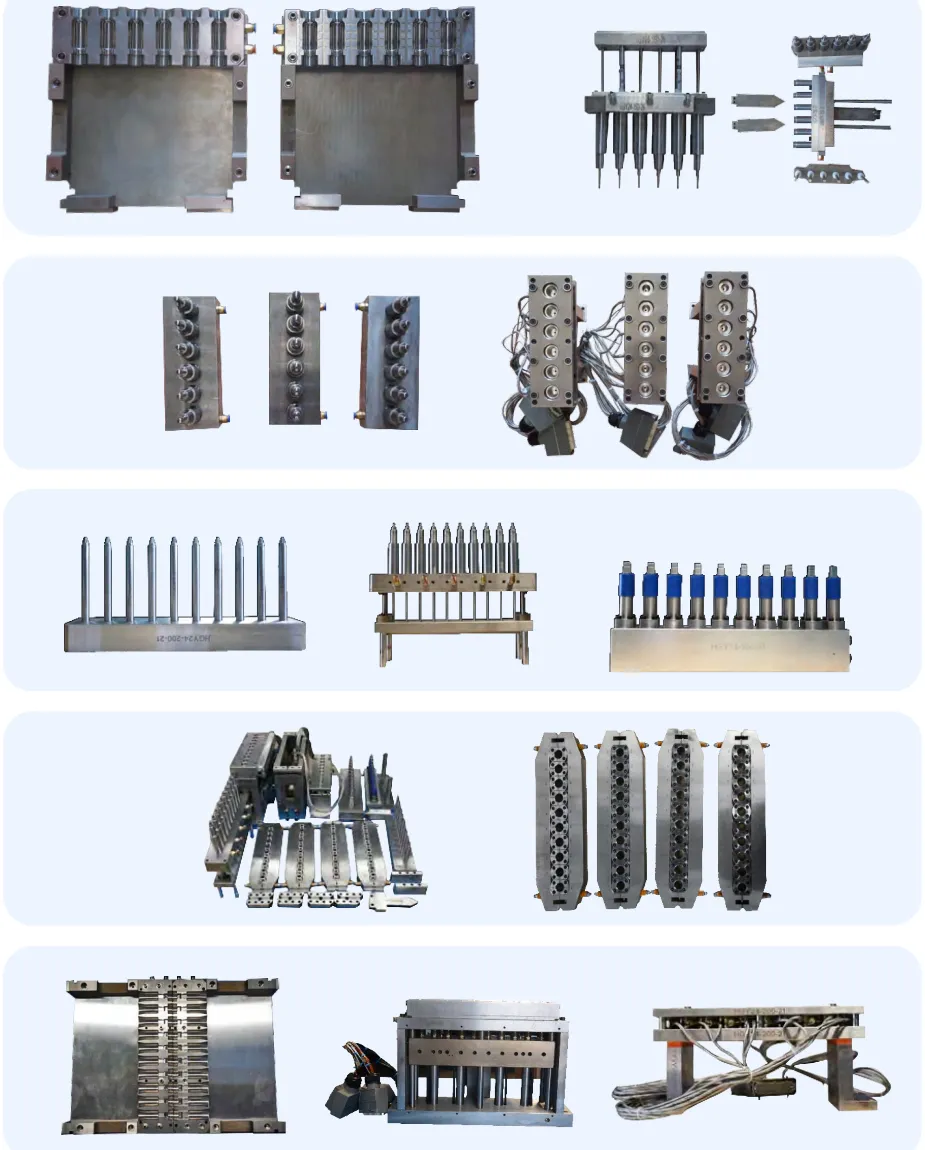
To truly appreciate why ISBM has become the preferred method for premium wide-mouth packaging, it is helpful to compare it against the main alternative technologies: extrusion blow molding (EBM), injection blow molding (IBM), and straight injection molding.
Extrusion blow molding creates containers by extruding a tube of molten plastic (parison), capturing it in a mold, and inflating it with air. While EBM is excellent for large-volume applications like HDPE household product containers, it struggles with the optical clarity, wall uniformity, and precise neck finishes that wide-mouth cosmetic jars require. The flash generated at the parting line must be trimmed, leaving a visible seam, and the uncontrolled wall thickness from the extrusion process often results in heavier containers with inconsistent material distribution.
Injection blow molding (IBM) shares the injection-molded preform advantage with ISBM, but it omits the stretching step. The preform is simply inflated at elevated temperature without axial stretching, which means the final container lacks the biaxial orientation that gives ISBM jars their characteristic strength and clarity. IBM is suitable for small pharmaceutical containers and some simple cosmetic bottles, but it generally cannot match the performance that modern cosmetic brands demand from wide-mouth jars.
Straight injection molding, where the entire jar is formed in a single injection shot with no blowing or stretching involved, produces the heaviest containers of all. Injection-molded jars have thick walls, consume significantly more resin, and while they offer excellent dimensional precision, their weight and material cost make them increasingly uncompetitive against ISBM alternatives — especially as brands pursue sustainability-driven lightweighting strategies. Many companies that previously relied on injection-molded acrylic or PETG jars are now actively seeking an isbm machine manufacturer who can help them achieve equivalent aesthetics with a fraction of the material.
Technology Comparison at a Glance
| Feature | ISBM | EBM | IBM | Injection Molding |
|---|---|---|---|---|
| Optical Clarity | Excellent | Fair | Good | Good |
| Neck Precision | Excellent | Poor | Excellent | Excellent |
| Material Efficiency | Excellent | Good | Good | Poor |
| Stress Crack Resistance | Excellent | Fair | Good | Good |
| Container Weight | Lightest | Medium | Medium | Heaviest |
Technical Design Factors for Wide-Mouth ISBM Jars
Designing a wide-mouth jar for ISBM production requires close collaboration between the container designer, the preform engineer, and the machine operator. Several technical parameters must be optimized simultaneously to ensure consistent quality across a production run.
The stretch ratio is arguably the most critical parameter. For wide-mouth jars, the overall planar stretch ratio typically falls between 3:1 and 8:1, depending on the jar diameter relative to the neck diameter. Lower stretch ratios require thicker preform walls to achieve the target container wall thickness, and the conditioning temperature must be carefully controlled to prevent under-stretching (which causes thick spots and haze) or over-stretching (which causes thinning and potential blowouts).
Preform gate design is another critical consideration. Wide-mouth jar preforms are typically center-gated, but the gate diameter and cooling configuration must be carefully selected to avoid crystalline gate vestige that can compromise the base clarity and create a weak point in the container. Some advanced preform designs use a recessed gate area that allows the gate mark to sit inside a concave base profile, rendering it invisible to the consumer.
The transition zone between the oriented body and the un-oriented neck is a region that demands special attention. In wide-mouth jars, this transition occurs over a relatively short distance, creating a zone where the wall thickness changes abruptly from the thick, amorphous neck to the thin, oriented body. Improper design of this transition can lead to stress concentration, whitening during impact testing, or cracking during internal pressure tests. Experienced injection stretch blow molding machine manufacturers work closely with their customers to develop preform and mold geometries that manage this transition smoothly.
Base design deserves particular attention as well. Wide-mouth jars used for cosmetics often have flat bases to provide stable standing, but the center of a flat base in an ISBM container tends to be the thickest and least oriented region. Process optimization may involve using profiled push-up base geometries, controlled stretch rod depth, and precise blowing pressure timing to ensure the base is neither excessively thick (wasting material and slowing cycle time) nor excessively thin (creating a weak point susceptible to impact failure).
Real-World Applications Across Industries
While cosmetics represent one of the fastest-growing segments for ISBM wide-mouth containers, the technology serves a remarkably diverse range of industries. Understanding these applications provides useful context for brands evaluating whether ISBM fits their own product requirements.
Personal Care & Cosmetics
Face creams, body lotions, hair masks, lip scrubs, and powder jars all benefit from the clarity, lightweight construction, and premium surface quality of ISBM containers. Brands are replacing heavy acrylic and glass jars with ISBM PET alternatives to cut both cost and environmental impact without sacrificing the luxurious look and feel their customers expect.
Pharmaceutical & Healthcare
Vitamin supplements, protein powders, nutraceutical capsules, and OTC medications are commonly packaged in wide-mouth ISBM jars. The injection-molded neck ensures reliable child-resistant closure performance, while the oriented body provides superior barrier properties that protect moisture-sensitive products.
Food & Beverage
Honey jars, peanut butter containers, spice jars, and specialty confectionery packaging represent a growing food-grade segment. PP ISBM jars offer hot-fill compatibility and excellent chemical resistance, while PET versions provide see-through clarity that lets consumers evaluate the product before purchase.
The versatility of ISBM extends to industrial and technical applications as well. Laboratory sample containers, environmental test bottles, and chemical reagent jars all leverage the dimensional consistency and chemical resistance of ISBM wide-mouth containers. This broad applicability underscores a key point: the technology is not limited to any single market segment but rather offers a flexible platform that can be adapted to a wide range of requirements by adjusting material selection, preform geometry, and process parameters.
Choosing the Right ISBM Equipment Partner
Selecting the right machinery is one of the most consequential decisions a converter or brand owner will make when entering the wide-mouth ISBM space. The equipment determines not only the quality of the containers produced but also the flexibility to develop new products, the total cost of ownership over the machine’s lifespan, and the level of technical support available when challenges inevitably arise during production.
For decades, Japanese-made machines dominated the high-precision ISBM segment, and many manufacturers still operate legacy equipment from that era. However, the landscape has shifted considerably. The demand for replacement of Aoki injection stretch blow molding machines has grown steadily as these aging machines reach the end of their productive lifespan and spare parts become increasingly scarce. Converters are finding that modern Chinese and European machines can match or exceed the precision of legacy Japanese equipment at significantly lower capital costs and with substantially better energy efficiency.
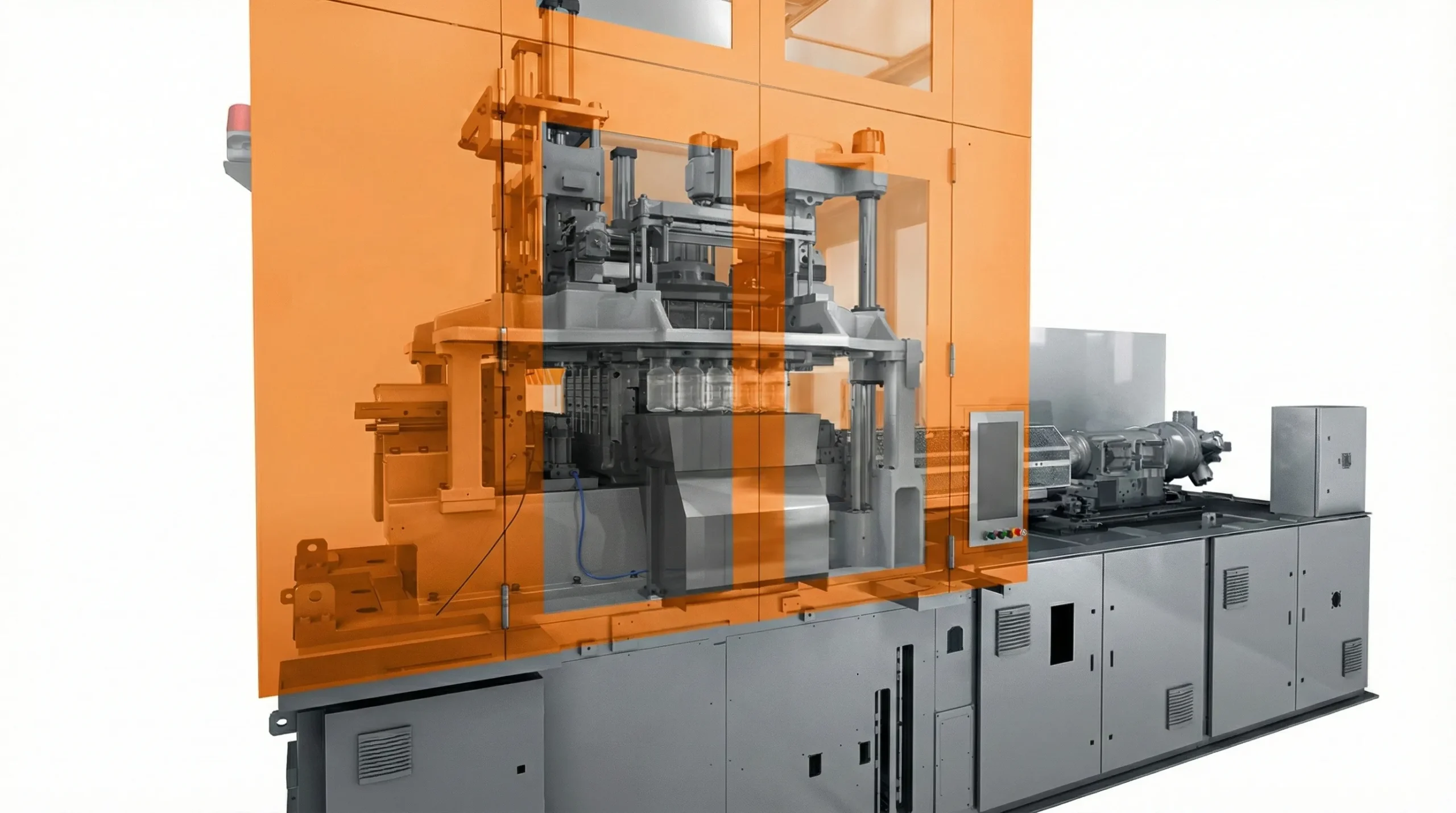
At Ever-Power, we have invested heavily in developing ISBM platforms specifically optimized for wide-mouth applications. Our three-station and four-station machines feature servo-driven stretch systems, high-precision hydraulic clamping, and advanced temperature control modules that collectively ensure the repeatable quality that cosmetic and pharmaceutical packaging demands. As a trusted isbm mold injection machines supplier, we also design and manufacture the preform and blow molds in-house, which means our customers benefit from integrated tooling and machine optimization rather than having to coordinate between separate vendors.
When evaluating an isbm machine for sale, potential buyers should consider several factors beyond the purchase price. The total cost of ownership includes energy consumption per cycle, mold changeover time between products, maintenance intervals and spare part availability, and the supplier’s ability to provide ongoing technical support for process optimization. A machine that costs less upfront but consumes more energy, requires frequent downtime for maintenance, or cannot efficiently handle product changeovers may ultimately cost far more than a premium machine that delivers trouble-free operation year after year.
It is also wise to evaluate the supplier’s track record in your specific application area. A company that has successfully deployed machines for wide-mouth cosmetic jars will have accumulated valuable process knowledge around preform design, conditioning profiles, and mold engineering that a newcomer to this segment may lack. Ask for sample containers, visit the factory if possible, and speak with existing customers in similar industries before making a final commitment.
Quality Standards and Regulatory Compliance
Cosmetic containers and wide-mouth jars used in pharmaceutical or food applications must comply with a range of regulatory standards depending on the target market. In the United States, FDA regulations under 21 CFR specify the types of polymers and additives that may contact food, drugs, and cosmetics. In Europe, the EU Framework Regulation (EC) No 1935/2004 establishes general safety requirements for food contact materials, while specific plastic regulations under (EU) No 10/2011 define migration limits and approved substance lists.
ISBM containers manufactured from virgin food-grade PET or PP resins generally comply with these regulations without difficulty, but it is the container manufacturer’s responsibility to maintain documentation, conduct migration testing where required, and ensure traceability from raw material to finished product. Reputable suppliers maintain ISO 9001 quality management systems and, for medical or pharmaceutical applications, may also hold ISO 15378 or ISO 13485 certification.
At Ever-Power, our production facility operates under strict quality protocols that encompass incoming raw material inspection, in-process monitoring of critical dimensions and wall thickness, and final inspection using automated vision systems. We provide comprehensive documentation packages including material certificates, dimensional reports, and migration test data to support our customers’ regulatory submissions. This commitment to verifiable quality is a fundamental part of what makes us a reliable partner for brands that cannot afford to compromise on compliance.
The Art and Science of Preform Engineering
The preform is the DNA of every ISBM container. Its design determines the weight, wall thickness profile, clarity, and structural performance of the finished jar. For wide-mouth applications, preform engineering is both more complex and more consequential than for standard narrow-neck bottles.
A wide-mouth preform typically has a shorter body relative to its diameter compared to a bottle preform. The wall thickness must be carefully profiled to account for the differential stretching that occurs during the blow molding step. Areas near the neck, which stretch less, require thinner preform walls to avoid excessive thickness in the finished container. Conversely, the base region and the transition zone below the neck often need thicker preform sections to ensure adequate material distribution after stretching.
Modern preform simulation tools allow engineers to model the stretching and blowing process virtually, predicting wall thickness distribution, molecular orientation patterns, and potential trouble spots before a single piece of steel is cut. At Ever-Power, our engineering team uses these simulation tools extensively to develop optimized preform designs for each new wide-mouth jar project, reducing the number of prototype iterations needed and accelerating the time from concept to production-ready tooling.
The injection phase of preform production is equally critical. Melt temperature, injection speed profile, packing pressure, and cooling time all influence the quality of the preform and, by extension, the finished container. Under-packed preforms can develop sink marks that transfer to the container surface, while over-packed preforms may exhibit residual stress that causes warpage or cracking during conditioning. Precise, repeatable injection parameters are essential, and this is one area where the quality of the ISBM machine itself plays a decisive role in overall product quality.
Sustainability and the Future of ISBM Packaging
Sustainability is no longer optional in packaging — it is a business requirement. Consumers, retailers, and regulators are all pushing for packaging that uses less material, generates less waste, and is easier to recycle. ISBM technology aligns naturally with these goals in several important ways.
First, the lightweighting capability of ISBM directly reduces the amount of plastic entering the waste stream. A cosmetic jar that weighs 15 grams instead of 40 grams uses 62 percent less resin, which translates to proportional reductions in raw material extraction, transportation energy, and end-of-life disposal burden. When multiplied across millions of units in a large brand’s annual production volume, the cumulative environmental benefit is substantial.
Second, ISBM produces minimal process waste. Unlike extrusion blow molding, which generates flash at every cycle that must be reground and reintroduced into the process stream (potentially degrading material properties), ISBM forms the preform and container without flash. This zero-scrap characteristic simplifies production, reduces material handling costs, and eliminates the quality variability associated with regrind incorporation.
Third, mono-material design is increasingly achievable with ISBM. By producing both the container body and the closure from the same polymer family (for example, PP body and PP closure), brands can create fully recyclable packaging systems that meet the design-for-recycling guidelines promoted by organizations such as the Ellen MacArthur Foundation and the Association of Plastic Recyclers (APR). ISBM’s ability to process both PET and PP on the same machine platform — with appropriate tooling changes — gives converters the flexibility to offer mono-material solutions across multiple product lines.
Looking ahead, the incorporation of recycled content — particularly post-consumer recycled PET (rPET) — into ISBM wide-mouth jars is an active area of development. While processing rPET in ISBM presents challenges related to intrinsic viscosity variation, contamination, and color consistency, progress is being made through improved washing and decontamination technologies, better resin blending strategies, and machine features designed to handle the wider process window that recycled materials demand. As a recognized industry leader, Ever-Power is actively developing machine features to support rPET processing for customers who are committed to increasing their recycled content use.
Why Brands Trust Ever-Power for Wide-Mouth ISBM Solutions
Ever-Power has established itself as a comprehensive packaging machinery partner that delivers not just equipment but complete solutions. Our approach begins with understanding the customer’s specific product requirements — the container geometry, the material, the target weight, the annual volume, and the regulatory environment — and then engineering a machine and tooling package that meets those requirements with measurable, verifiable performance guarantees.
Our machines are designed and built entirely in-house, giving us full control over every aspect of quality from the casting and machining of major structural components through the assembly, testing, and commissioning of the complete system. This vertical integration also means we can respond quickly to custom engineering requests, whether that involves adapting a machine for an unusual container size, integrating a downstream automation system, or developing a specialized preform cooling strategy for a challenging material.
We serve customers across more than 60 countries and maintain a global network of service engineers and spare parts warehouses to ensure that our machines deliver maximum uptime wherever they are installed. Whether you are a contract manufacturer looking to expand your wide-mouth jar capability, a cosmetic brand bringing packaging production in-house for the first time, or an existing ISBM operator seeking modern equipment to replace aging legacy machines, Ever-Power offers the technology, the expertise, and the commitment to help you succeed.
Frequently Asked Questions
What is the maximum jar diameter achievable with ISBM?
Most commercial ISBM machines can produce wide-mouth jars with body diameters up to approximately 120 mm, though some specialized platforms can exceed this. The practical limit depends on the machine’s clamp tonnage, mold size capacity, and the stretch ratio achievable for the specific resin being used. Ever-Power’s four-station machines accommodate jar diameters suitable for the vast majority of cosmetic and personal care applications.
Can ISBM handle non-round jar shapes?
Yes, but with certain limitations. Oval, rectangular, and other non-round cross-sections can be produced by ISBM, though the material distribution becomes more complex because different sections of the container stretch at different rates. The preform design and conditioning profile must be specifically engineered for the target shape, and some asymmetric shapes may require non-uniform preform wall thickness to compensate for differential stretching. Ever-Power’s engineering team has extensive experience developing tooling for non-round wide-mouth jars used in premium cosmetic packaging.
How does cycle time for wide-mouth jars compare to standard bottles?
Wide-mouth jars typically have slightly longer cycle times than narrow-neck bottles of similar volume because the thicker preform walls require more cooling time in the injection station and more careful conditioning before stretching. However, the difference is usually modest — on the order of 2 to 5 seconds per cycle — and the higher per-unit value of cosmetic containers easily justifies this small throughput reduction. Multi-cavity tooling can further offset cycle time impacts for higher-volume production.
Is it possible to produce colored or opaque jars with ISBM?
Absolutely. Color concentrates, pigments, and opacifying agents can be added to the base resin during the injection stage to produce containers in virtually any color. Opaque white ISBM jars are extremely popular in the cosmetics industry for products such as moisturizers and night creams where light protection is important. Pearl, metallic, and gradient color effects are also achievable through specialized masterbatch formulations and precise dosing control.
What kind of support does Ever-Power provide after machine delivery?
Our after-sales support includes on-site installation and commissioning, operator training, process optimization assistance, preventive maintenance programs, and priority spare parts supply. We also offer remote diagnostic support through our connected machine monitoring platform, which allows our engineers to analyze production data and provide troubleshooting guidance in real time. This comprehensive support ecosystem ensures that our customers achieve maximum productivity from day one and maintain it throughout the machine’s operational life.
Conclusion: ISBM Is the Clear Choice for Premium Wide-Mouth Packaging
To return to the original question: is injection stretch blow molding suitable for wide-mouth jars and cosmetic containers? The evidence overwhelmingly says yes. ISBM delivers the optical clarity, dimensional precision, material efficiency, and surface quality that today’s cosmetic brands, pharmaceutical companies, and food packaging producers need. It handles PET, PP, and specialty copolyesters with equal competence, and it produces containers that are lighter, stronger, and more sustainable than those made by competing technologies.
The technology does require careful attention to preform design, process optimization, and equipment selection — wide-mouth jars are not simply oversized bottles, and treating them as such will lead to suboptimal results. But when partnered with a knowledgeable and experienced equipment supplier, the transition to ISBM production for wide-mouth containers is straightforward, and the quality and cost benefits are realized quickly.
Ever-Power brings decades of accumulated expertise as a dedicated ISBM technology partner to every customer engagement, combining advanced machine technology with deep application knowledge to deliver complete solutions for wide-mouth jar production. Whether you are exploring ISBM for the first time, expanding an existing production line, or seeking a reliable partner to upgrade legacy equipment in your facility, we invite you to contact our team to discuss how we can help bring your wide-mouth packaging vision to life.
🚀
Ready to Explore ISBM for Your Wide-Mouth Containers?
Contact Ever-Power today for expert consultation, sample evaluation, and customized machine recommendations tailored to your specific production needs.