
The packaging manufacturing industry is under constant pressure to improve output quality, reduce labor dependency, and lower per-unit production costs. For buyers investing in a single stage injection stretch blow molding machine, the level of automation built into the platform is no longer a luxury — it is a primary procurement criterion. Whether you are expanding an existing facility, replacing aging equipment, or building a greenfield production line, understanding the full spectrum of automation options available on modern ISBM platforms will directly determine your return on investment.
This guide is written specifically for procurement engineers, plant managers, and operations directors evaluating injection stretch blow molding systems. We cover every major automation module — from upstream preform handling to downstream quality inspection — and explain how each one contributes to measurable gains in OEE (Overall Equipment Effectiveness), cycle consistency, and workforce cost reduction.
At Ever-Power, we have worked with customers across the personal care, beverage, pharmaceutical, and consumer goods sectors. The insights below reflect real-world implementation experience, not specification-sheet theory.
Why Automation Is Central to ISBM Machine Procurement Decisions
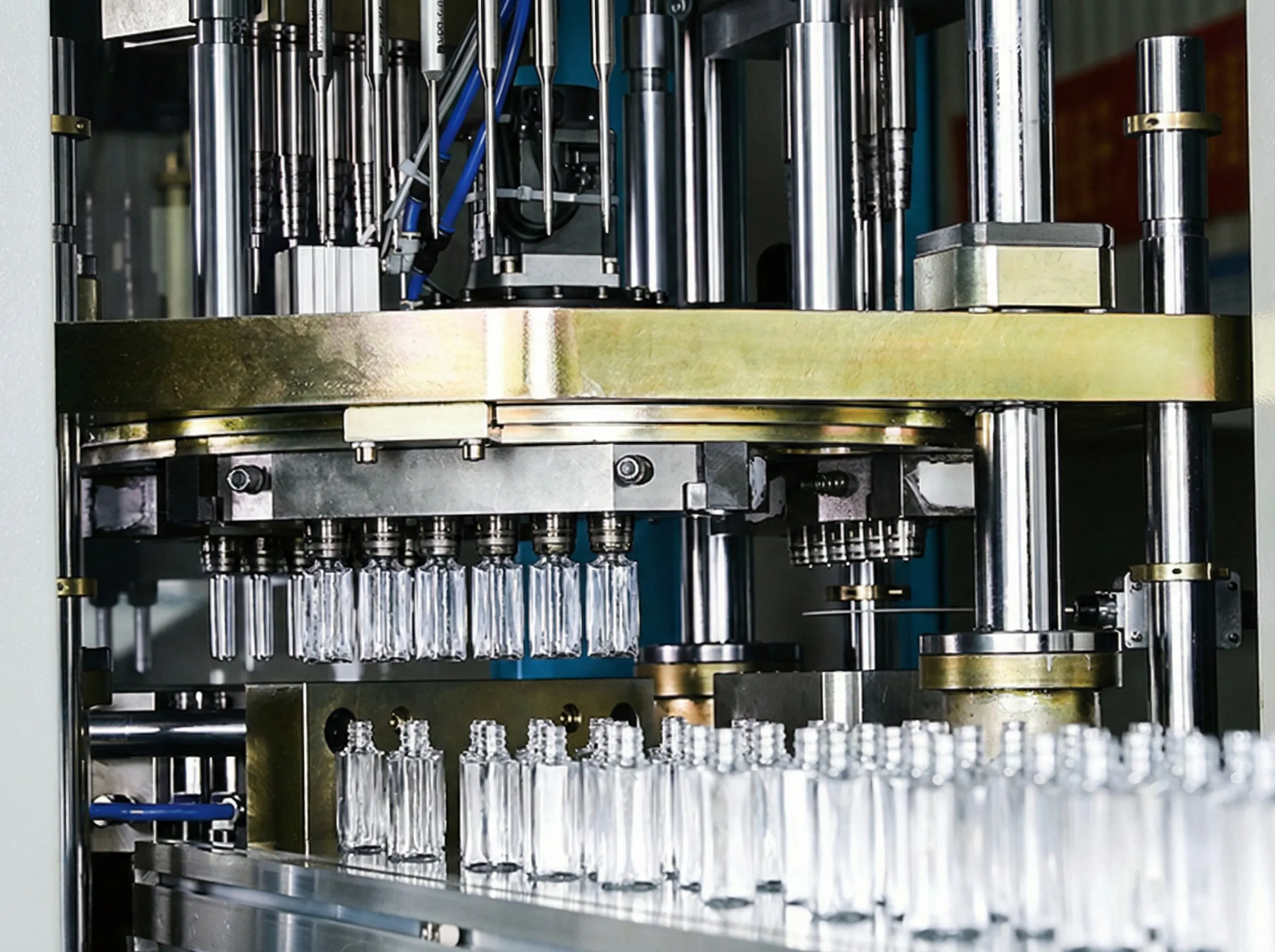
A modern injection stretch blow molding process integrates multiple manufacturing stages — resin plasticization, preform injection, conditioning, stretch-blow expansion, and bottle ejection — within a single machine frame. The inherent multi-station nature of this process creates numerous touchpoints where manual intervention has historically been required. Automation targets each of these touchpoints systematically.
Industry data consistently shows that plants operating fully automated ISBM lines achieve 15–30% higher throughput compared to semi-manual configurations, while simultaneously reducing defect rates by 20–40%. For high-volume applications — particularly in personal care packaging where label placement, bottle neck finish, and wall thickness uniformity are tightly toleranced — automation is the only reliable path to consistent quality at speed.
Automatic Preform Loading Systems
For two-stage REHEAT systems, auto preform loading is a foundational automation module. However, on true one-step ISBM platforms — where preforms are injection-molded in-situ before being indexed to the blow station — the equivalent concept is automatic resin metering and plasticization control. This distinction matters greatly for buyers who may be evaluating both process architectures.
On ISBM platforms, resin is gravity-fed from a hopper, conveyed pneumatically, and precisely dosed by a servo-controlled screw-barrel assembly. Advanced systems integrate inline desiccant dryers with automated moisture monitoring, ensuring PET resin arrives at the injection barrel within a tight moisture window (typically <50 ppm). This matters because over-dried or under-dried PET produces preforms with different crystallinity profiles, which in turn destabilizes the blow molding stage.
Key features in fully automated preform handling/resin feed systems include:
- Gravimetric blending: Automatic dosing of colorant masterbatch or regrind at precise ratios, eliminating manual weighing errors.
- Hopper-level sensors: Optical or capacitive sensors trigger automatic material replenishment, preventing starvation shutdowns.
- Screw speed closed-loop control: Shot weight repeatability within ±0.1 g, critical for producing preforms with consistent wall distribution.
- Barrel temperature profiling: Multi-zone PID control with deviation alarms eliminates manual temperature checks during production runs.
Robotic Take-Out & Finished Bottle Extraction
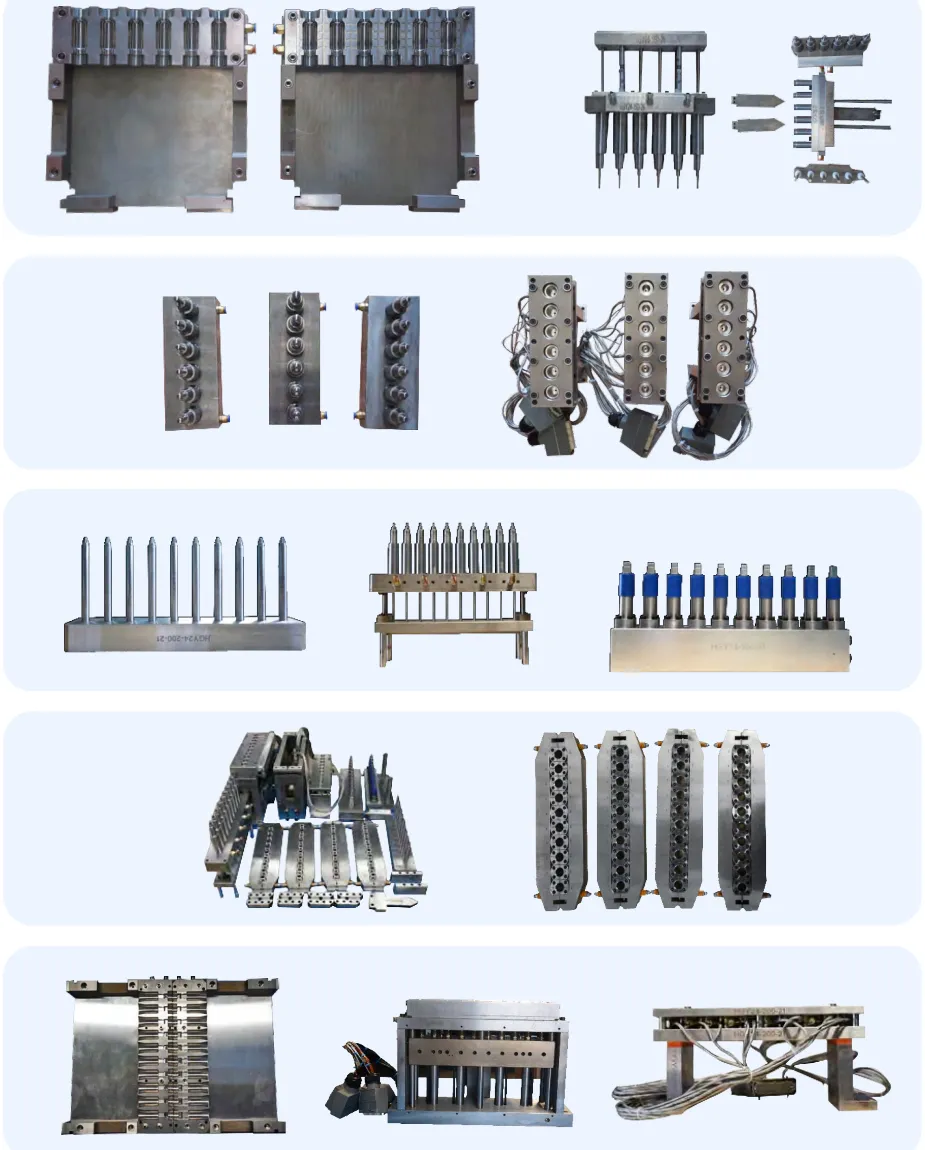
Robotic take-out — the automated extraction of finished bottles from the blow station — is one of the highest-impact automation investments available for ISBM lines. Manual bottle removal creates multiple production risks: cycle time variability of 1–3 seconds per cycle (compounding to thousands of minutes per shift), bottle surface contamination from hand contact, and operator fatigue-related handling damage.
Modern robotic take-out systems for ISBM machines use servo-driven Cartesian or SCARA robot arms synchronized with the machine’s main PLC. The robot receives a signal when the blow mold opens, executes a pre-programmed trajectory to grip or vacuum-lift finished bottles, and transfers them directly to a downstream conveyor, cooling tunnel, or inspection station — all within the dead time of the machine’s index cycle.
Types of Robotic Take-Out Configurations
Integrated Servo Arm (In-Machine)
Built directly into the ISBM frame; the arm swings into the blow cavity on mold open and retracts before the next cycle. Eliminates floor space requirements and requires no separate robot controller. Typical cycle contribution: <0.4 seconds.
External SCARA / 6-Axis Robot
A standalone industrial robot positioned at the machine’s discharge side. Offers greater flexibility for downstream placement — directly into packing trays, vision inspection systems, or multi-lane conveyors. Preferred for cleanroom or pharmaceutical applications.
Vacuum-Gripper Plate Systems
For machines producing multiple cavities simultaneously (4–16 cavities), a vacuum gripper plate lifts all bottles in one motion, placing them onto a defined pitch layout for downstream labeling or leak testing. Eliminates the need for individual bottle handling robotics.
Full Servo-Electric Drive: The Foundation of Precision Automation
A decisive automation upgrade for any ISBM machine is the transition from hydraulic actuation to full servo-electric drive across all axes. Hydraulic systems, while powerful, introduce variability through oil temperature sensitivity, seal wear, and flow regulation tolerances. Servo-electric systems eliminate all of these factors, delivering positional repeatability of ±0.01 mm and speed repeatability of ±0.1% across millions of cycles.
On a fully servo-controlled ISBM platform, every major motion — clamping, injection, core retraction, index rotation, blow mold opening/closing, and bottle ejection — is independently programmable. This means operators can store dozens of product recipes and switch between them with a single touchscreen command, without mechanical readjustment. For contract manufacturers running multiple SKUs or frequent product changeovers, this capability directly impacts line utilization rates.
Energy consumption is another tangible advantage. Servo motors draw power only during active motion phases, typically reducing energy consumption by 30–50% compared to hydraulic systems running constant-speed pumps. Over a 10-year machine life, this difference can represent significant operational cost savings.
Servo Automation Advantages at a Glance
Inline Vision Inspection & Automated Quality Control
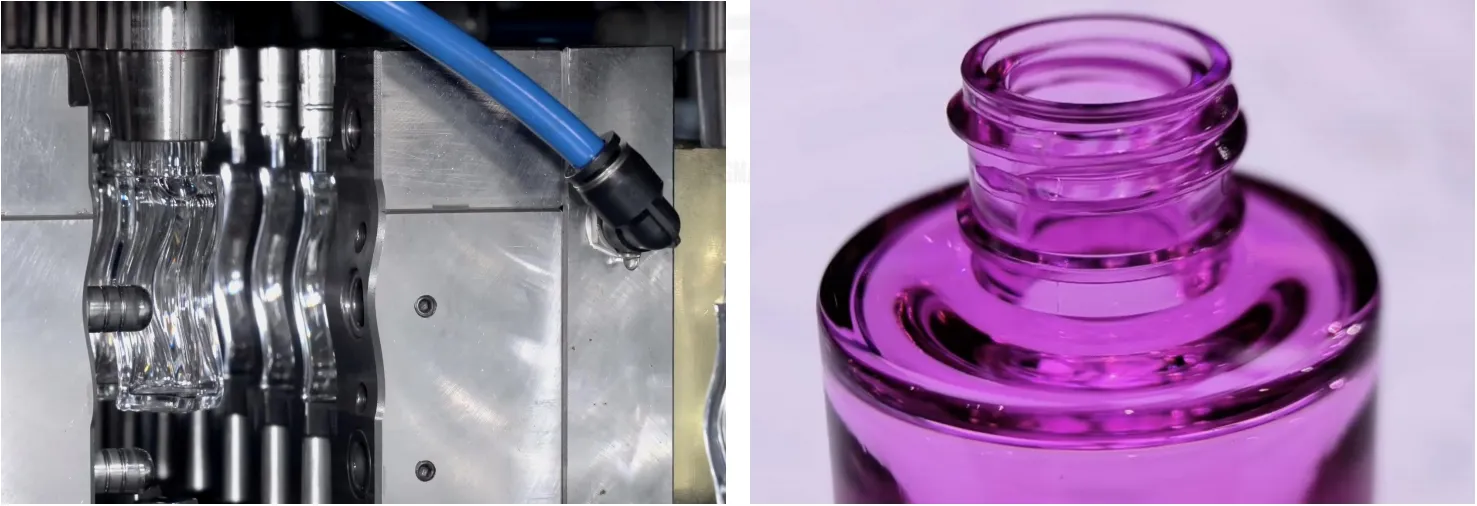
Inline vision systems represent one of the most impactful automation additions to a modern ISBM line. Rather than relying on periodic manual sampling, machine-vision cameras inspect 100% of produced bottles at production speed. Systems can check for neck finish defects, wall thickness distribution anomalies, base gate quality, color variation, and dimensional compliance — all within the transfer time between machine stations.
Advanced vision platforms use multi-axis LED illumination and high-speed CMOS sensors capable of capturing images at frame rates exceeding 500 fps. AI-powered defect classification algorithms — increasingly common on premium ISBM installations — learn from historical defect libraries and improve detection accuracy over time without reprogramming.
When a non-conforming bottle is detected, the automated rejection system activates a pneumatic diverter or servo-driven paddle to redirect the defective bottle to a quarantine bin — without stopping the machine or interrupting cycle flow. Reject events are logged with timestamp, cavity number, and defect classification, feeding directly into the machine’s SPC (Statistical Process Control) dashboard.
Typical Vision Inspection Parameters
- Neck finish & thread geometry: Checks that cap sealing surfaces meet tolerances for leak-free closure.
- Wall thickness mapping: Polarized-light or IR sensors measure thickness distribution across all bottle zones.
- Gate point quality: Detects stress cracks, sink marks, or flow lines at the injection gate location.
- Overall dimensional conformance: Height, diameter, label panel flatness checked against 3D reference models.
- Clarity & haze measurement: Spectrophotometric analysis for bottles requiring optical clarity specifications.
Automated Process Monitoring, MES Integration & Industry 4.0 Connectivity
Automation in modern ISBM machines extends far beyond mechanical motion. The HMI (Human-Machine Interface) on advanced platforms now functions as a full production management terminal, logging hundreds of process variables per cycle — injection pressure profiles, mold temperature by zone, blow pressure curves, cycle time breakdowns, and cavity-by-cavity weight data.
OPC-UA and MQTT protocol support enables seamless integration with plant-level MES (Manufacturing Execution Systems) and ERP platforms. This means production supervisors can view live OEE metrics, shift production counts, and alarm histories from a central control room or via mobile dashboard — without physically being present at the machine. Remote process adjustment — for example, modifying a blow pressure profile in response to an ambient temperature change — can be executed via secured VPN access, reducing reliance on on-site process engineers.
Predictive maintenance algorithms use vibration sensors, motor current signatures, and temperature drift patterns to flag potential failures 48–72 hours before they occur. This shifts maintenance from reactive (costly emergency downtime) to planned (scheduled during shift changes), a distinction that can be worth hundreds of thousands of dollars annually in high-volume facilities.
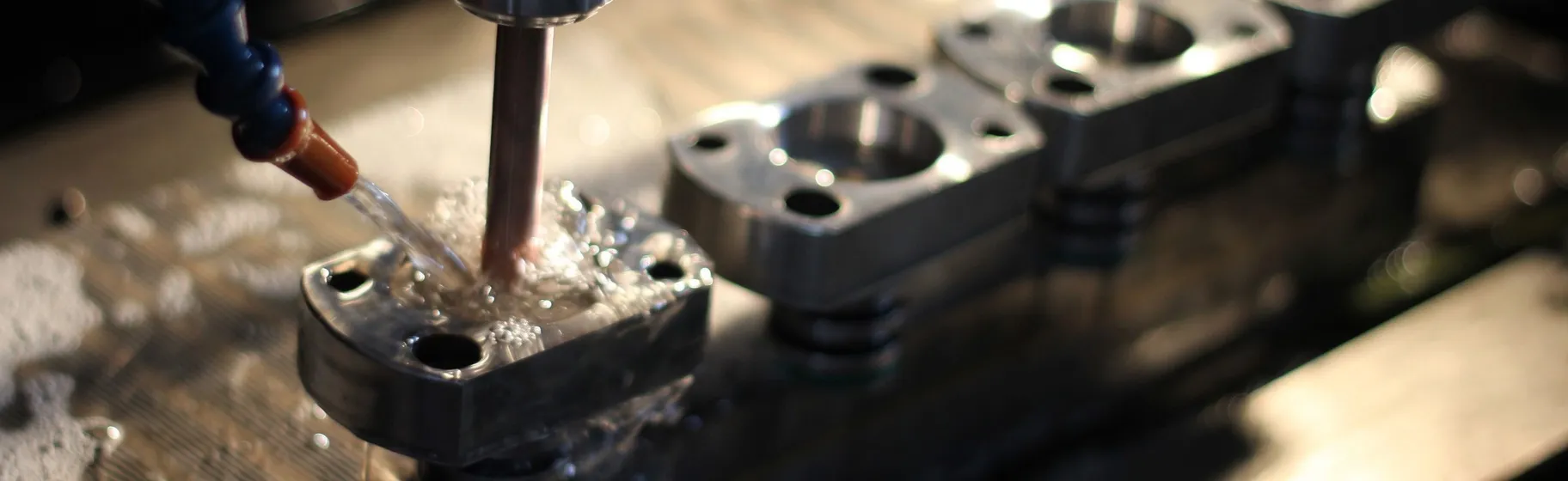
Automated Mold Temperature Control & Fast-Changeover Systems
Mold conditioning — maintaining precise, stable temperatures across injection and blow mold tooling — is a critical but often underappreciated automation domain on ISBM machines. Temperature instability directly causes preform warpage, blow ratio inconsistency, and final bottle crystallinity variations that compromise downstream filling and sealing performance.
Automated temperature control units (TCUs) linked to the main PLC manage independent cooling circuits for the injection mold core, cavity, and neck ring, plus separate circuits for the blow mold halves. Each circuit is individually PID-controlled with ±0.5°C stability. On startup, the machine follows an automated warm-up protocol — ramping temperatures in a defined sequence and holding until all circuits are within tolerance before permitting production to begin, eliminating the operator judgment calls that historically caused early-cycle scrap.
Rapid tooling changeover is another automation area receiving significant engineering attention. Quick-release mold clamping systems — using hydraulic or servo-actuated clamps rather than bolted fixings — can reduce mold swap time from 4–6 hours to under 60 minutes. Combined with recipe-stored process parameters that auto-load when a mold ID is scanned, changeover-to-first-good-part time is dramatically compressed, directly improving asset utilization for short-run production.
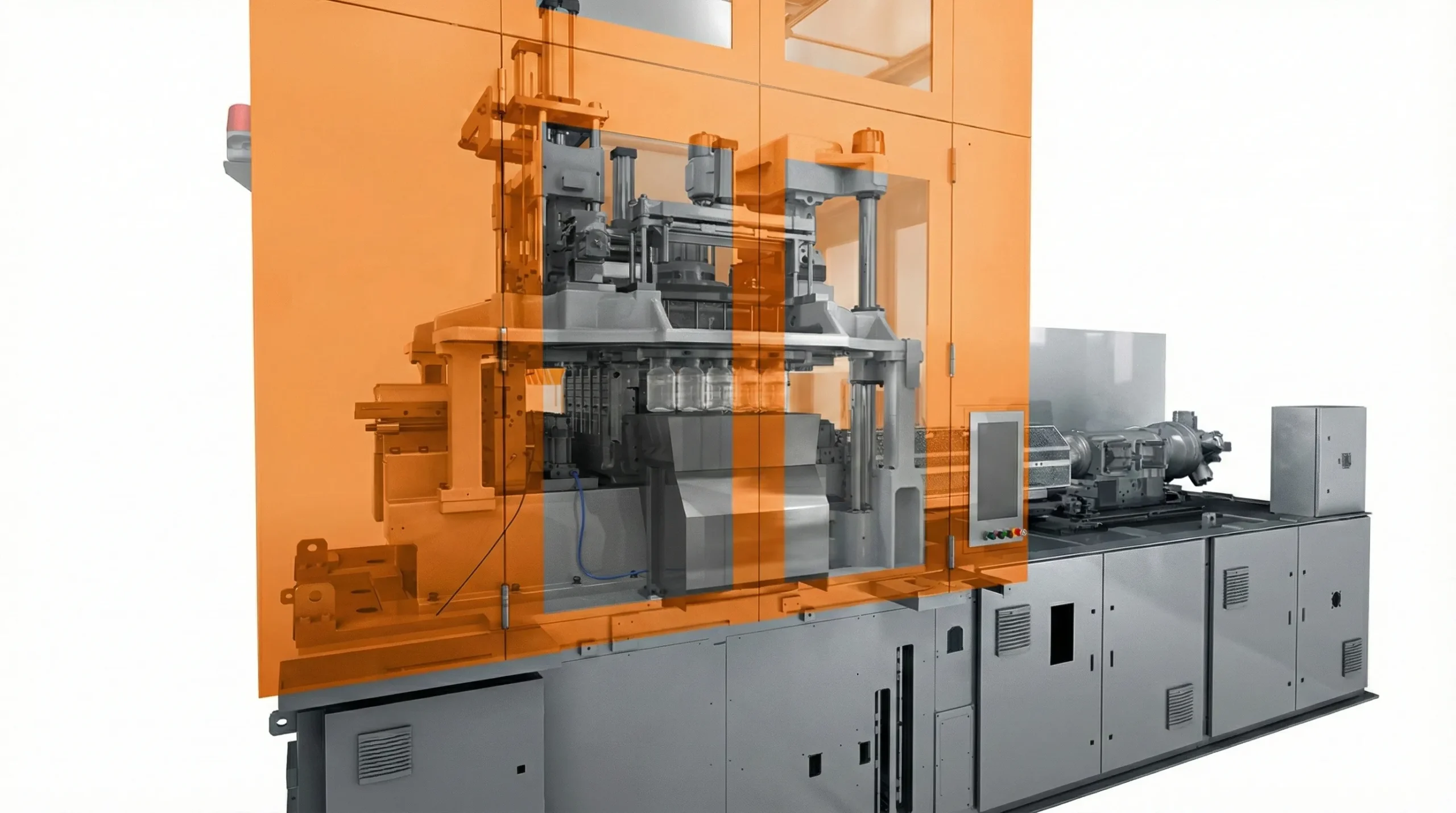
Evaluating Injection Stretch Blow Molding Machine Manufacturers for Automation Depth
The automation capabilities offered by different injection stretch blow molding machine manufacturers vary widely, and the specification sheet rarely tells the full story. A machine may claim “full servo control” but apply servo drives only to three of eight motion axes, leaving the remaining axes hydraulic. Similarly, “vision inspection ready” can mean anything from a simple transmitted-light sensor to a full 3D machine-vision platform. When issuing RFQs, buyers should request specific disclosure of which machine axes are servo-driven, which inspection parameters the vision system addresses, and what data formats are supported for MES integration.
A growing procurement trend involves the replacement of Aoki injection stretch blow molding machines with modern alternatives. Plants originally equipped with Aoki ISBM systems — often installed in the 1990s through 2010s — find that their machines lack servo-electric drives, have proprietary control systems with no MES integration, and cannot support modern vision inspection retrofits. Transitioning to a current-generation ISBM platform unlocks all the automation capabilities described in this guide while delivering significant improvements in energy efficiency and maintenance cost.
When selecting an isbm machine manufacturer, the following evaluation criteria are essential for procurement teams prioritizing automation capability:
- Full drive axis disclosure: Confirm which specific axes are servo-driven with documentation, not just marketing statements.
- Control system openness: Prefer platforms with Siemens, Beckhoff, or Mitsubishi PLCs over proprietary black-box controllers, as these support long-term spare part availability and third-party integration.
- Automation roadmap: Can the machine accept future automation upgrades (vision, robot, MES) without major structural modifications?
- Reference installations: Request visits to customer sites running similar production volumes and bottle types, specifically to observe automation performance under real-world conditions.
- After-sales engineering support: Automation systems require commissioning expertise that goes beyond mechanical installation. Evaluate the supplier’s application engineering team depth and geographic service coverage.
Partnering with a qualified isbm mold injection machines supplier with demonstrated expertise in both machine design and automation systems integration is one of the most impactful decisions a packaging plant management team can make. It directly determines how much of the theoretical performance gain you will actually realize in production.
What to Check When Evaluating an ISBM Machine for Sale
For buyers sourcing an ISBM machine for sale — whether new, refurbished, or used — the automation specification checklist should be a non-negotiable part of the technical due diligence process. Price comparisons between machines are only meaningful when the automation configurations are equivalent. A machine quoted at 20% lower price but equipped with only partial servo control, no integrated vision, and a legacy HMI will generate significantly higher operating costs over its production life than a fully automated alternative.
When reviewing machine specifications for automation content, use the following minimum checklist:
Confirm number of servo axes; identify any remaining hydraulic circuits and their functional impact.
Identify PLC brand and model; confirm HMI supports recipe storage, alarm logging, and remote access.
Vision system specifications: number of cameras, frame rate, defect parameters inspected, rejection mechanism type.
Confirm integrated or external take-out robot; review end-effector design and synchronization method with machine cycle.
OPC-UA / MQTT support; confirm which data fields are exposed to external systems and update frequency.
Confirm factory-supported upgrade modules available; check whether add-ons require structural machine modifications.
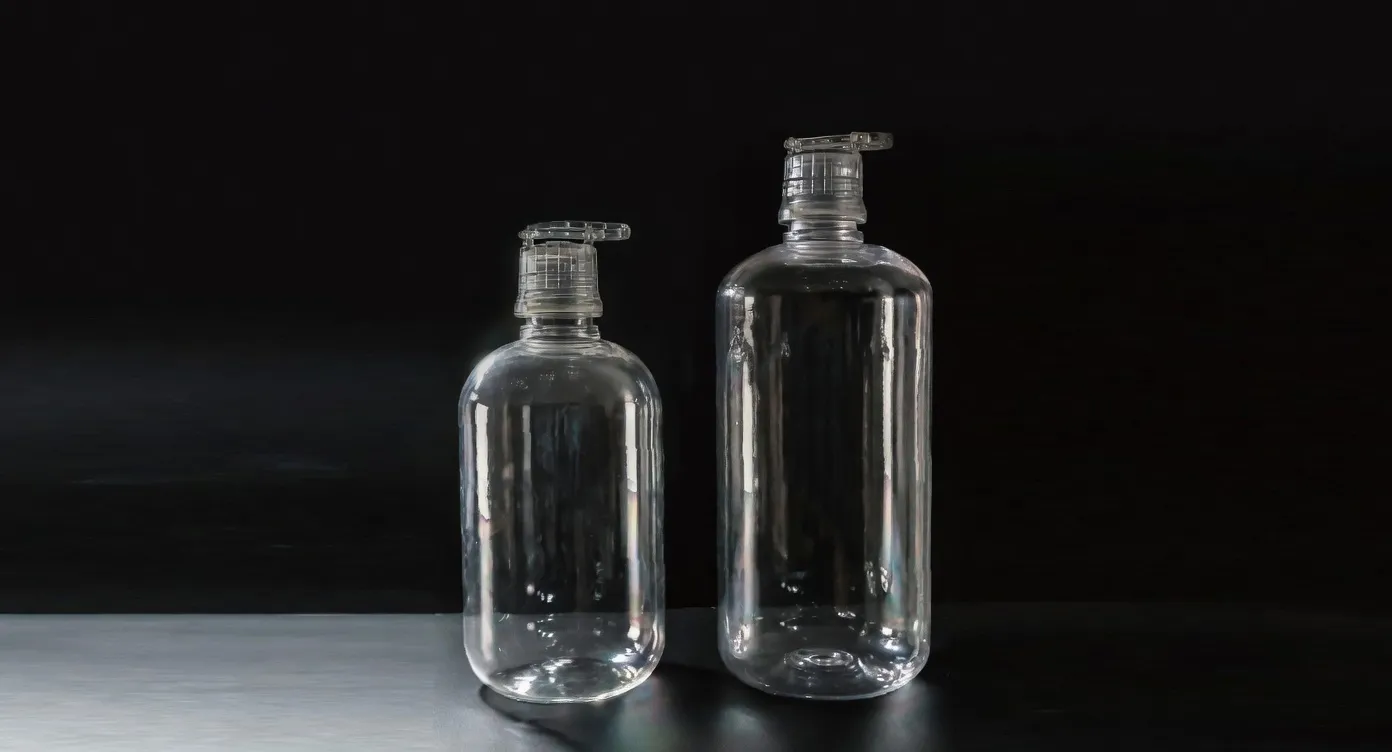
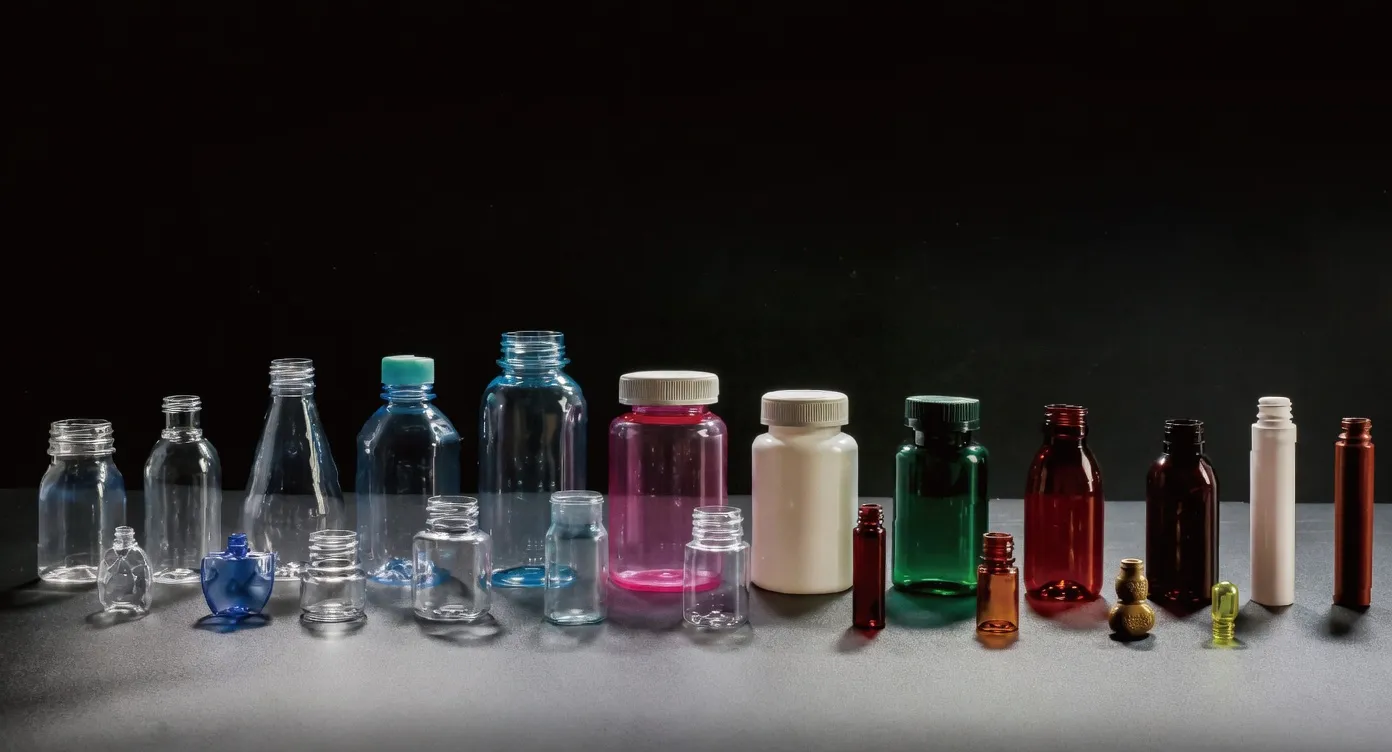
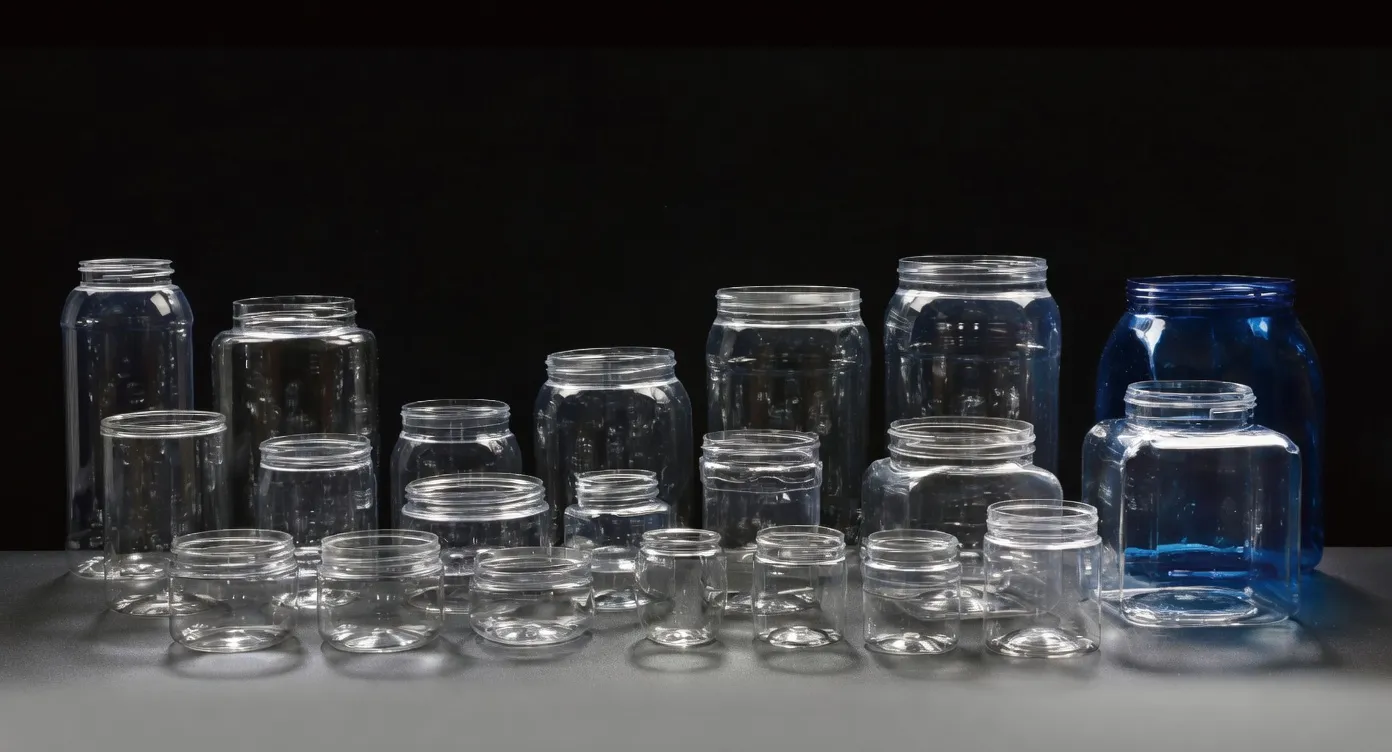
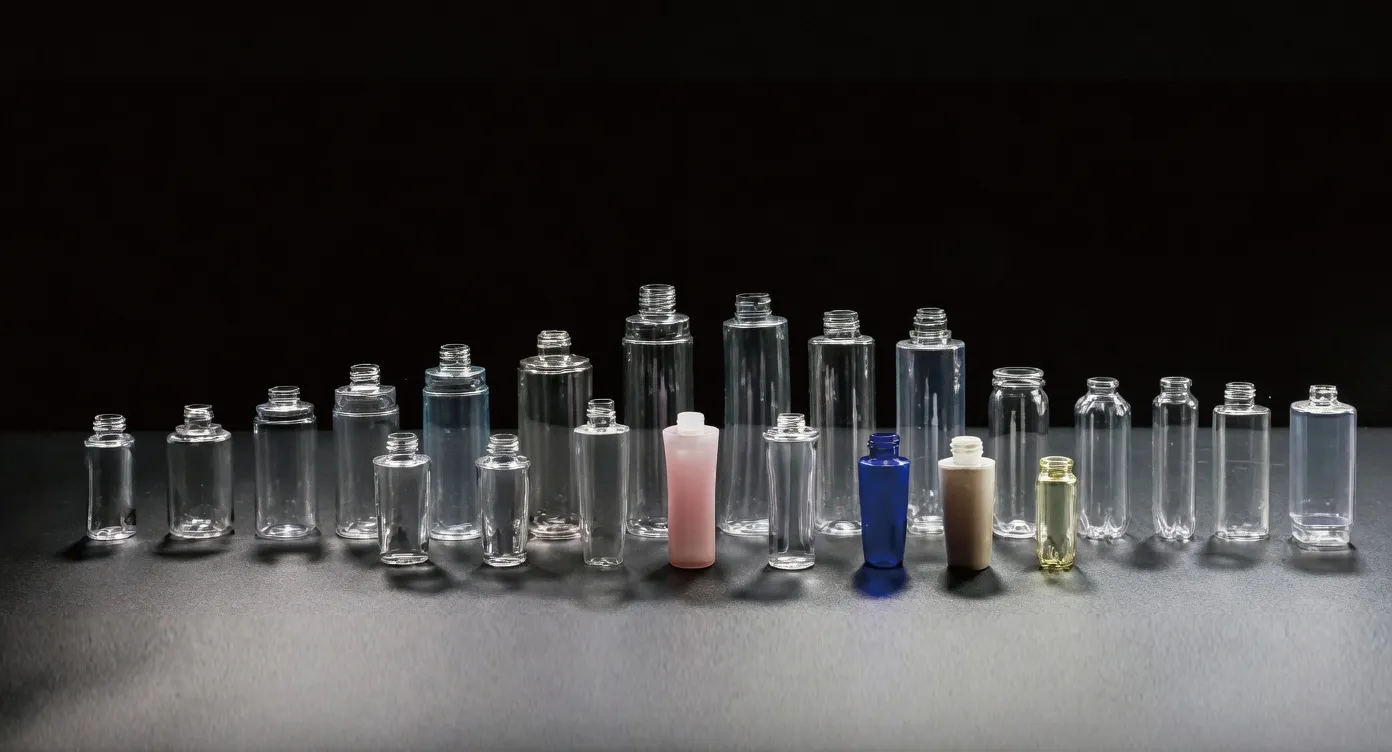
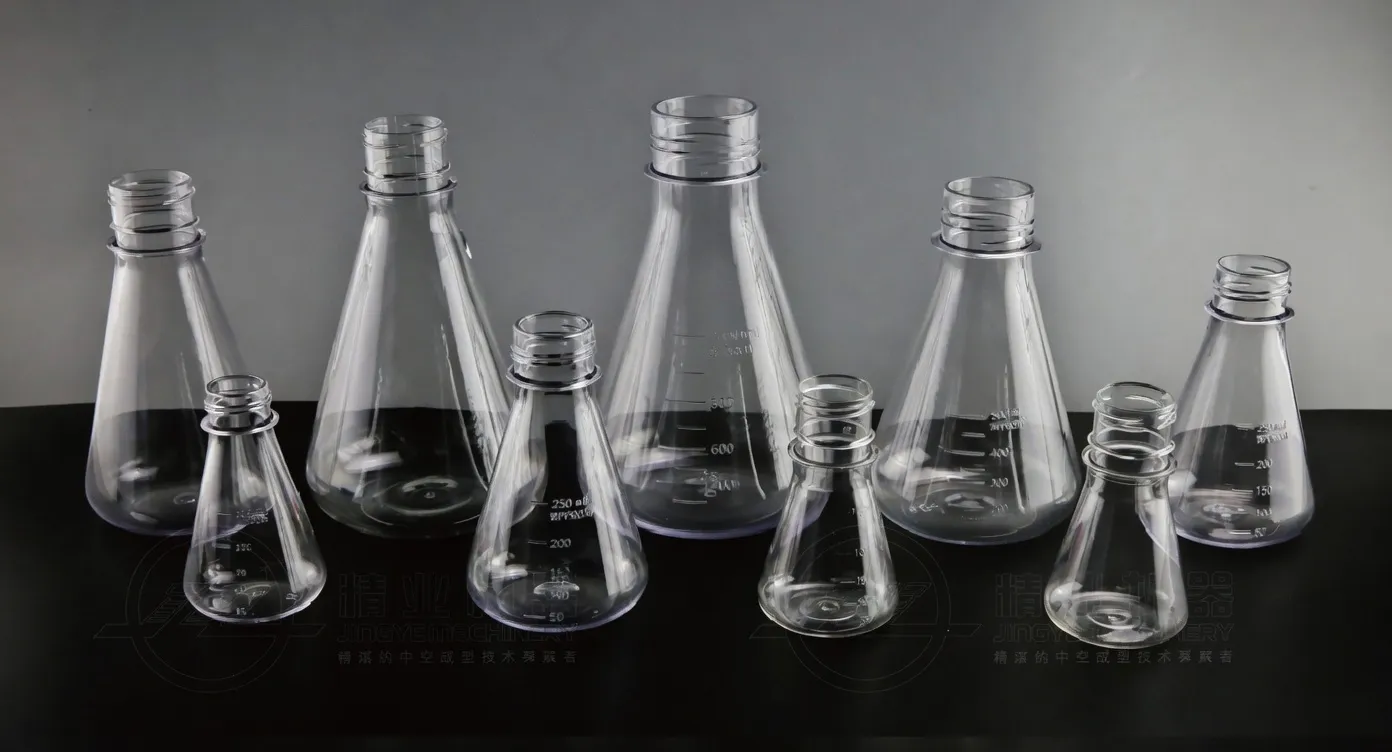
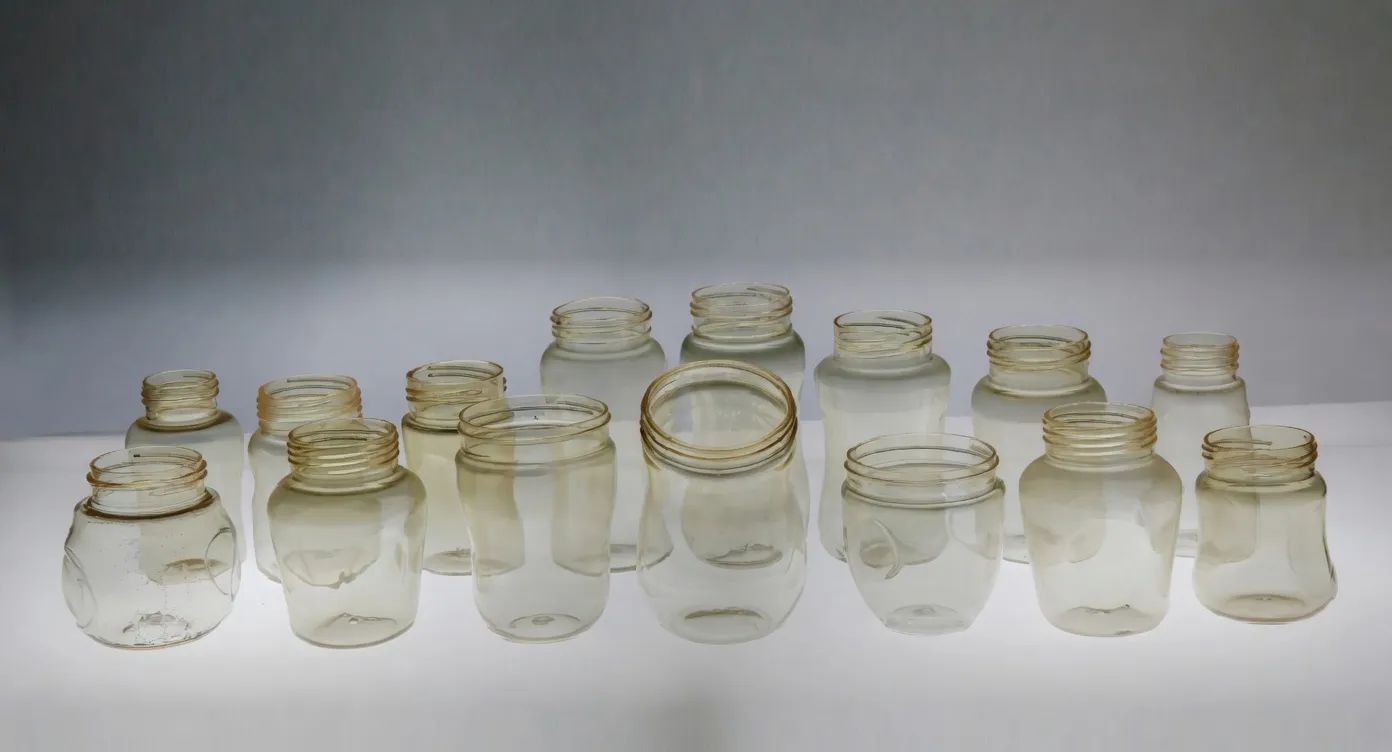
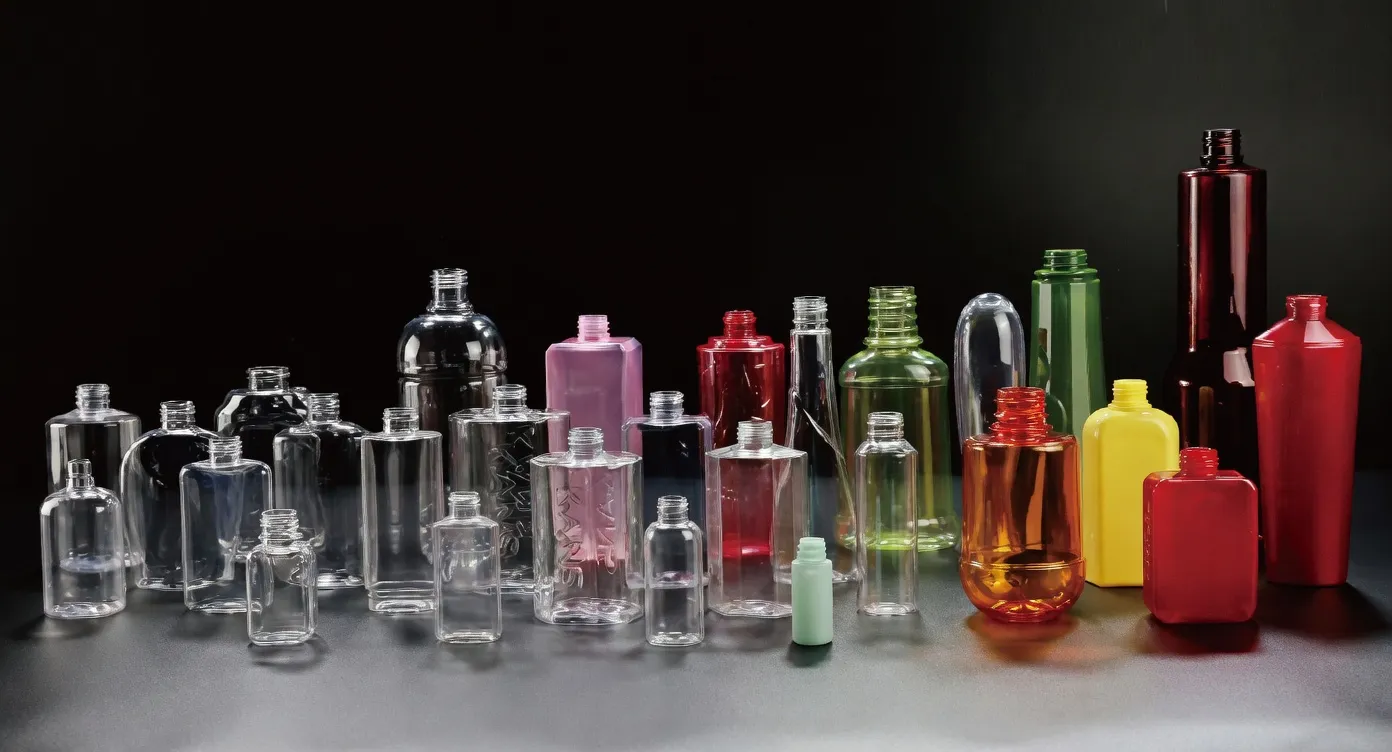
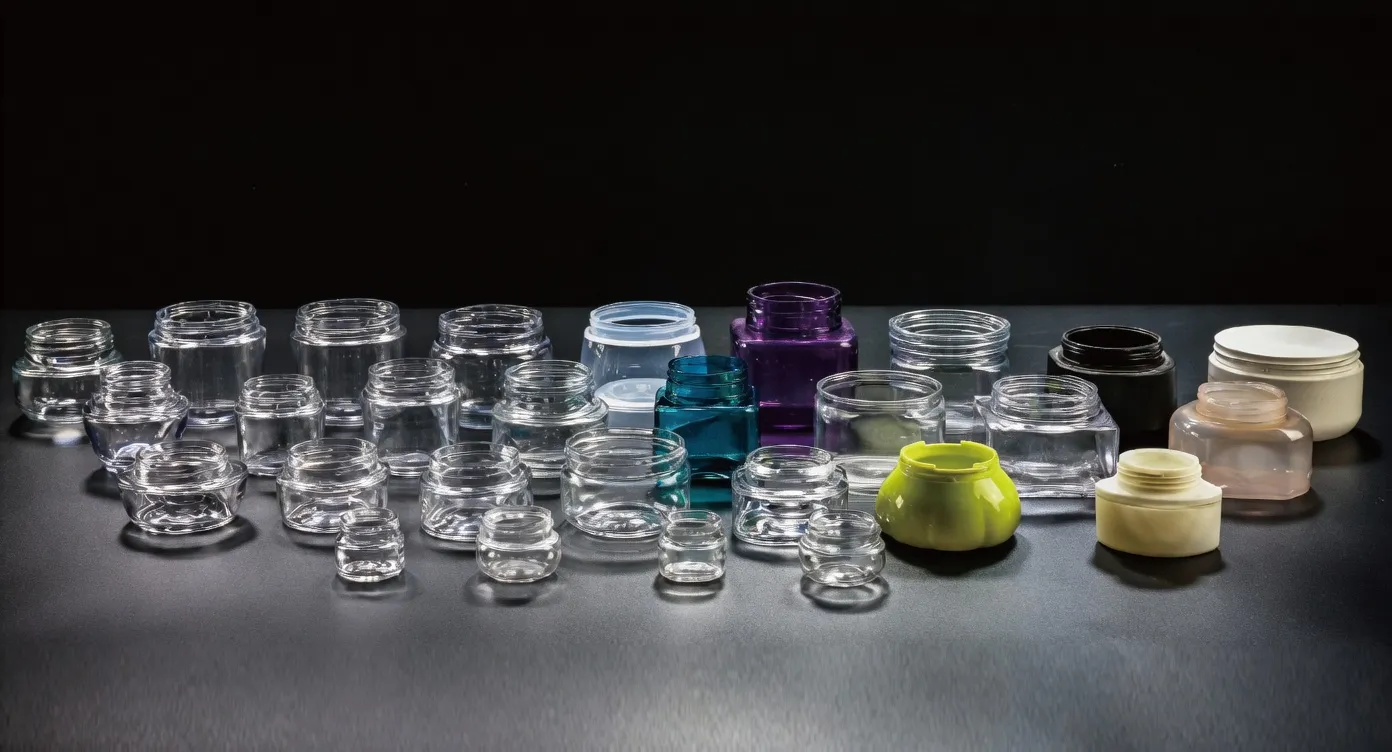
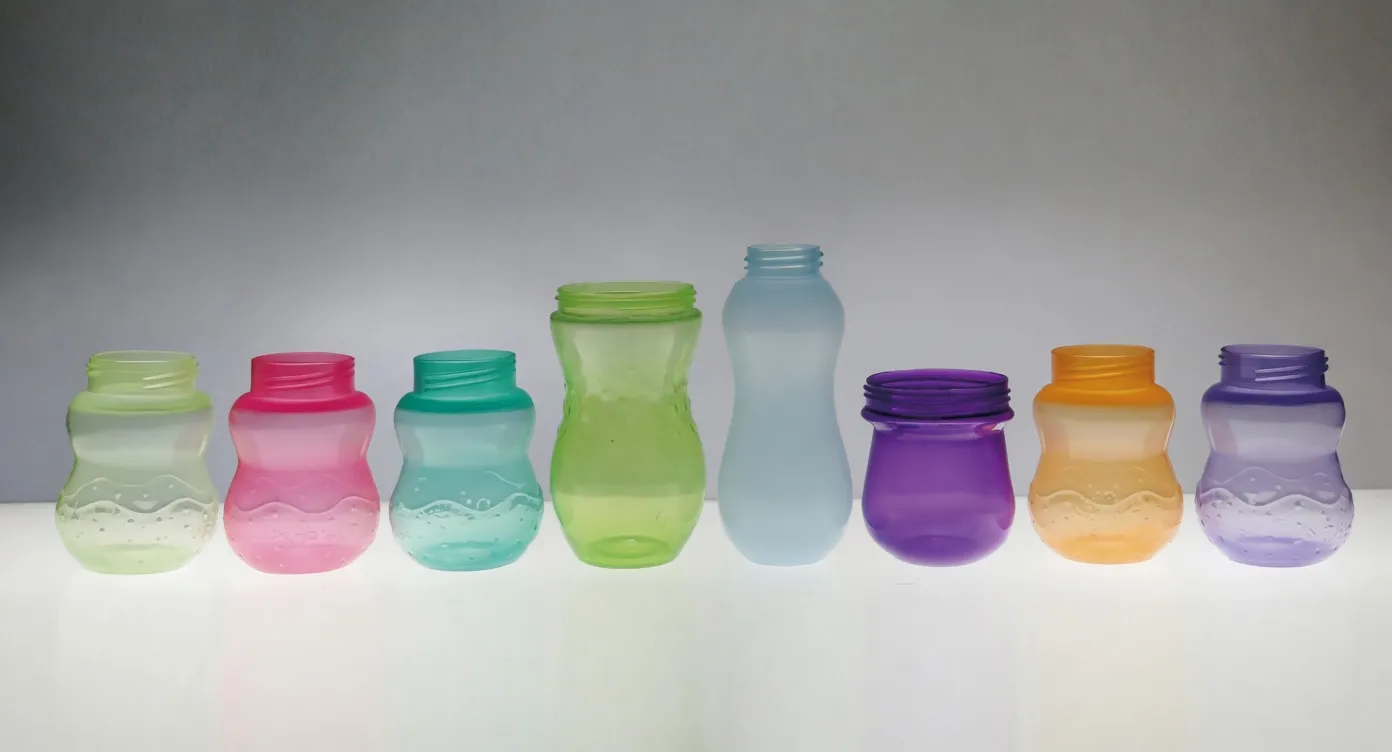
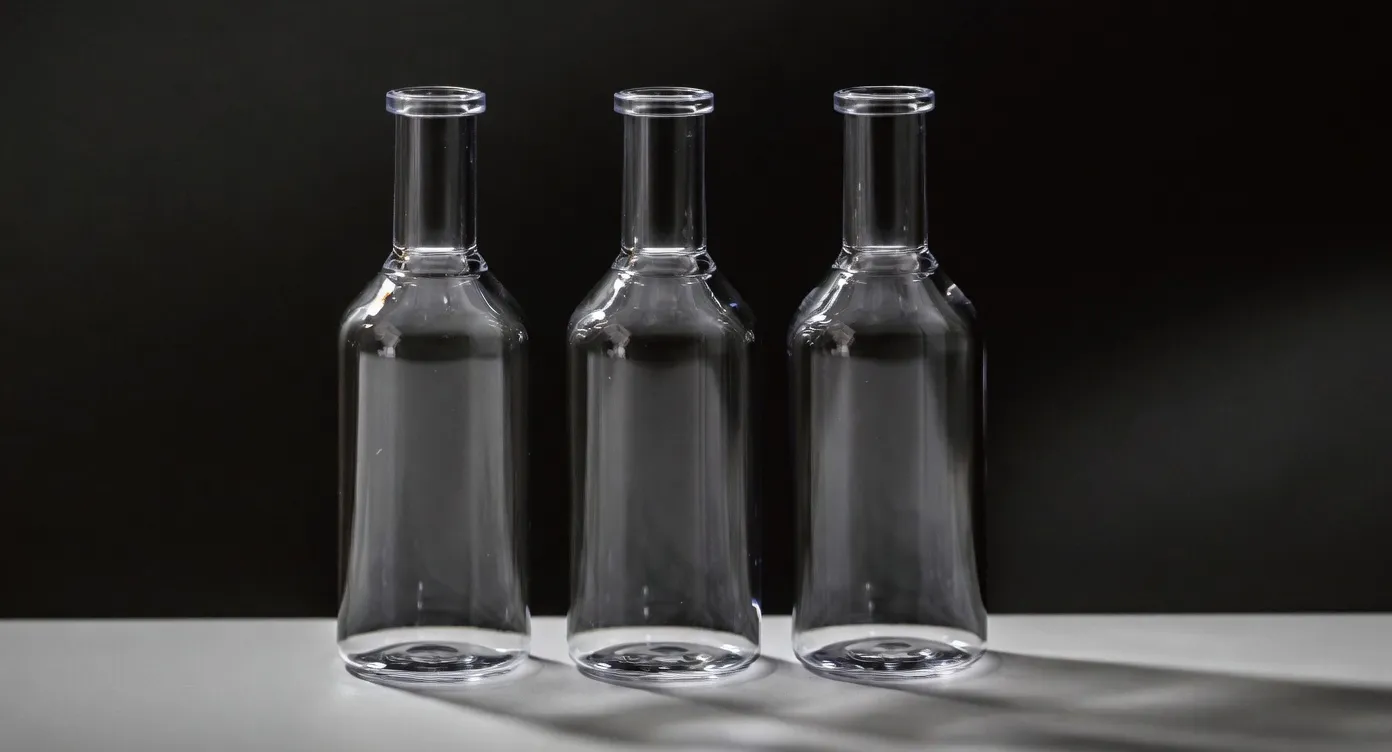
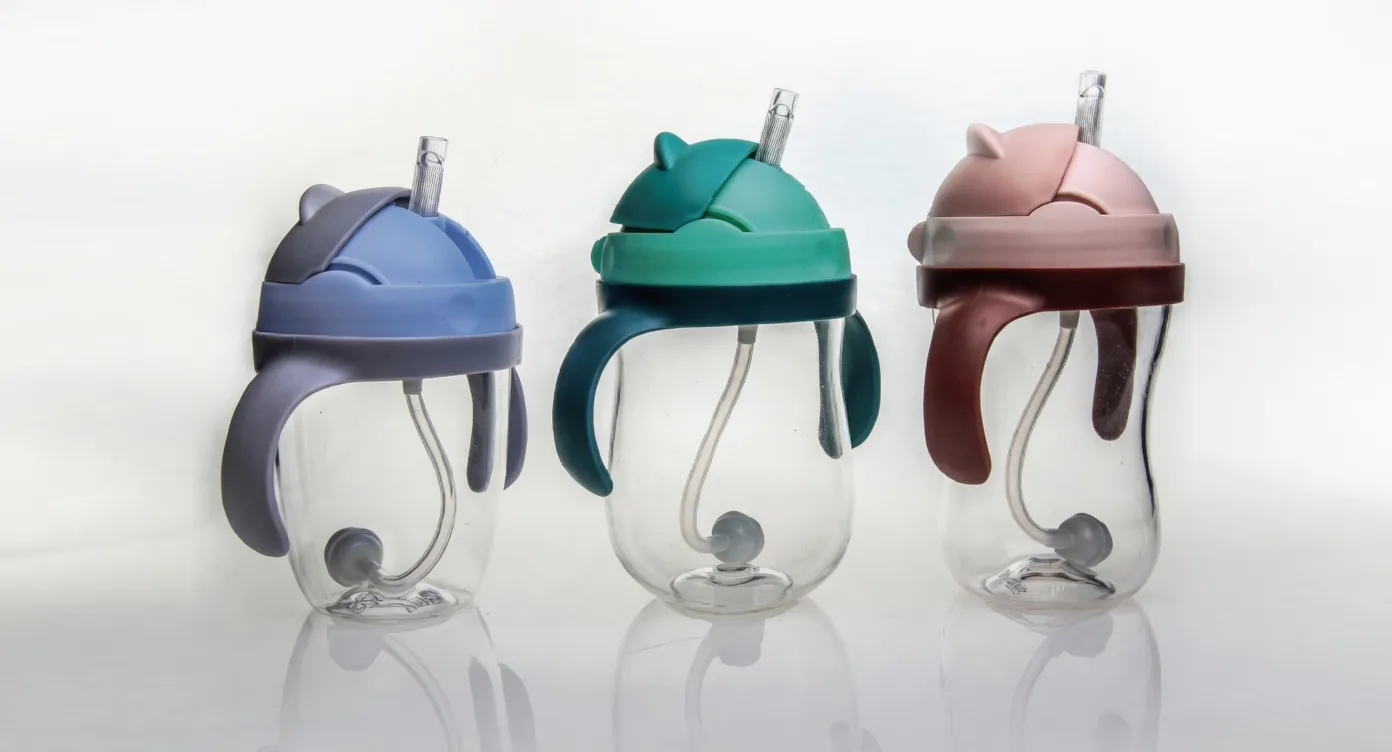
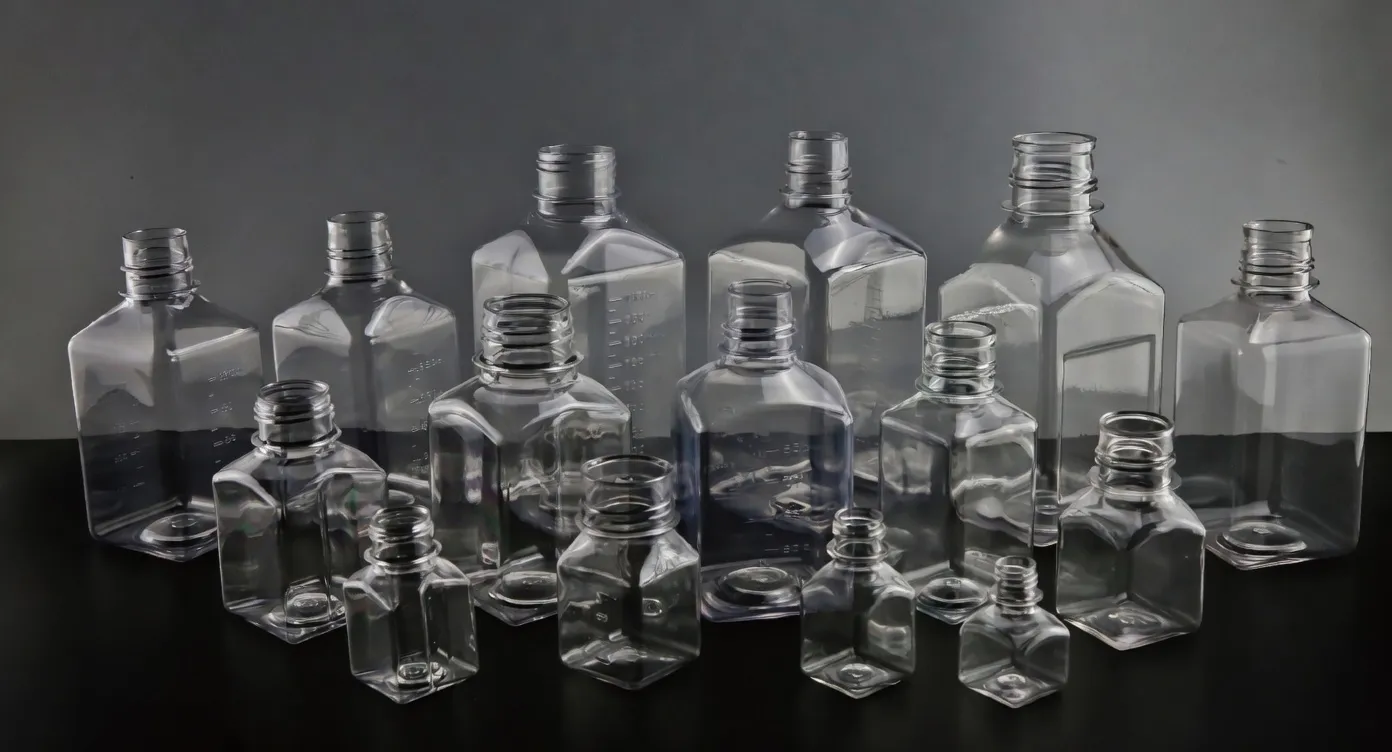
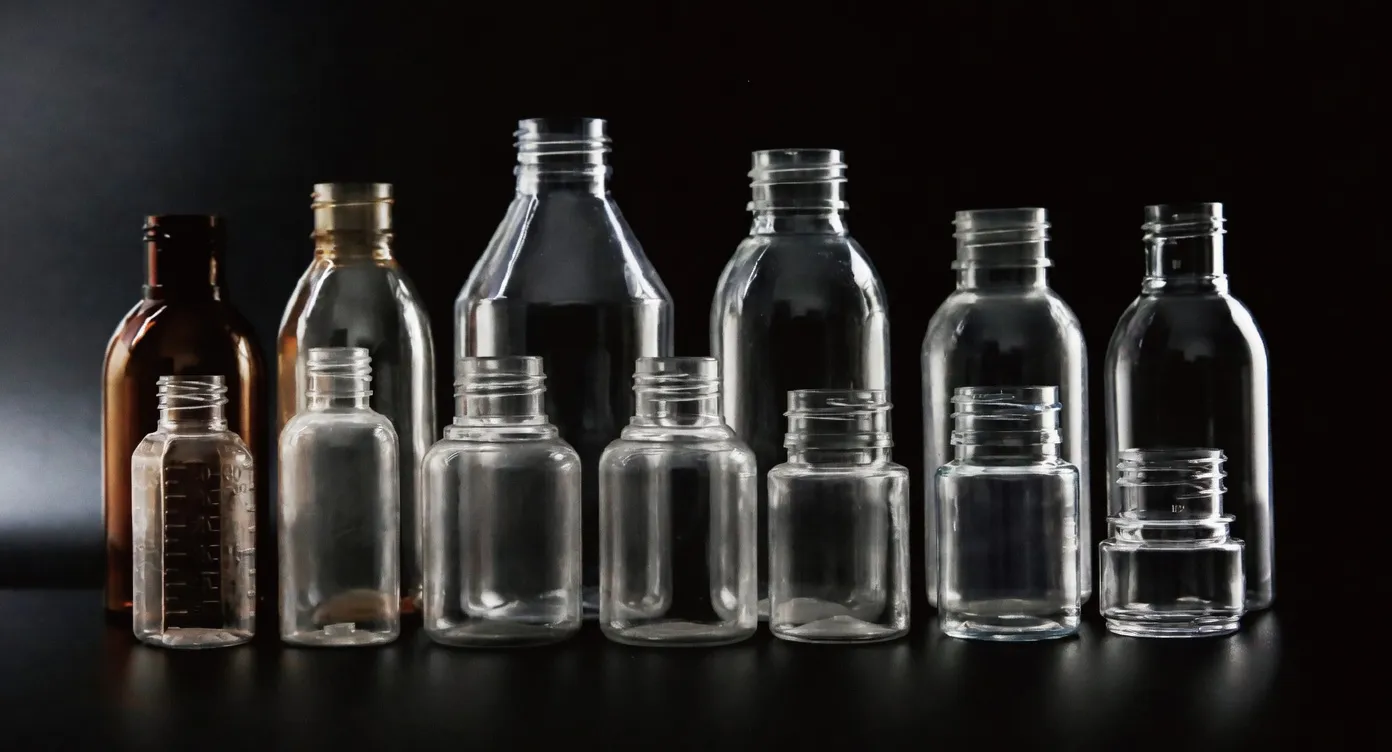
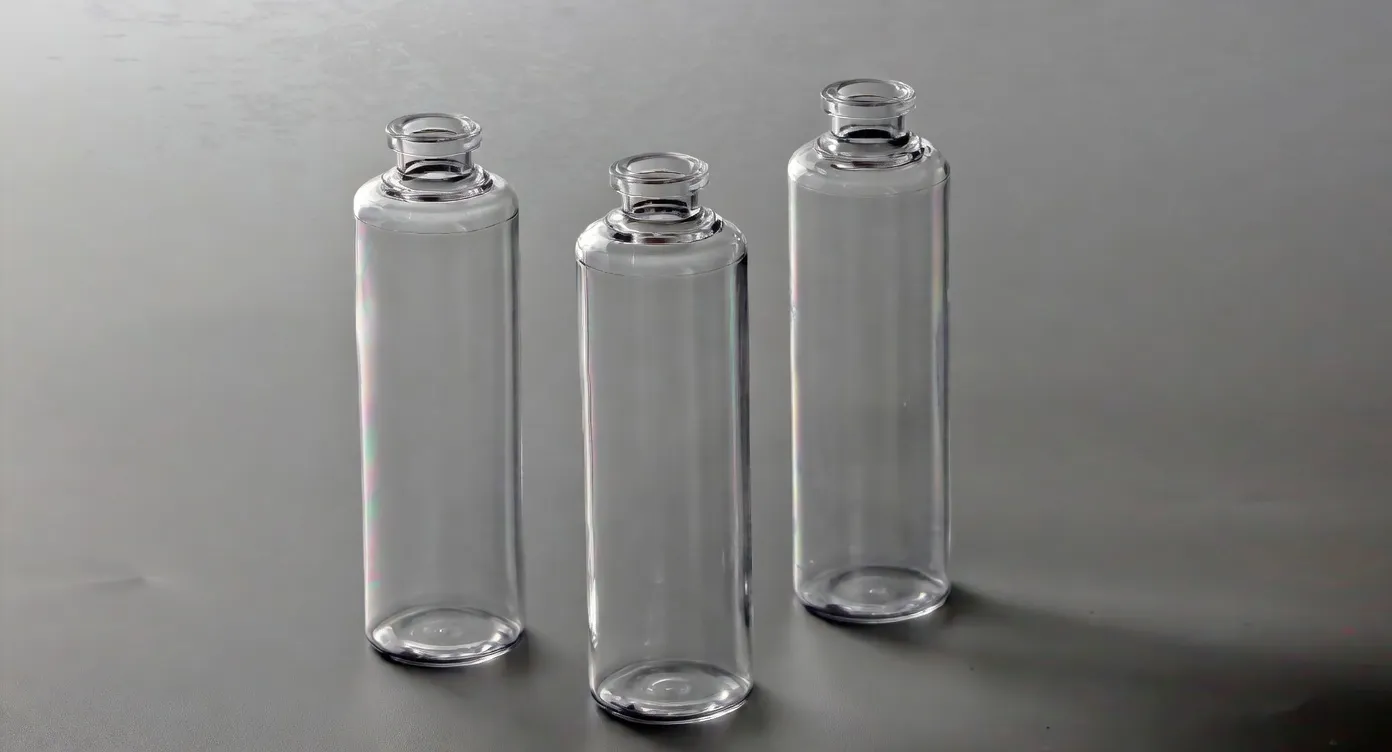
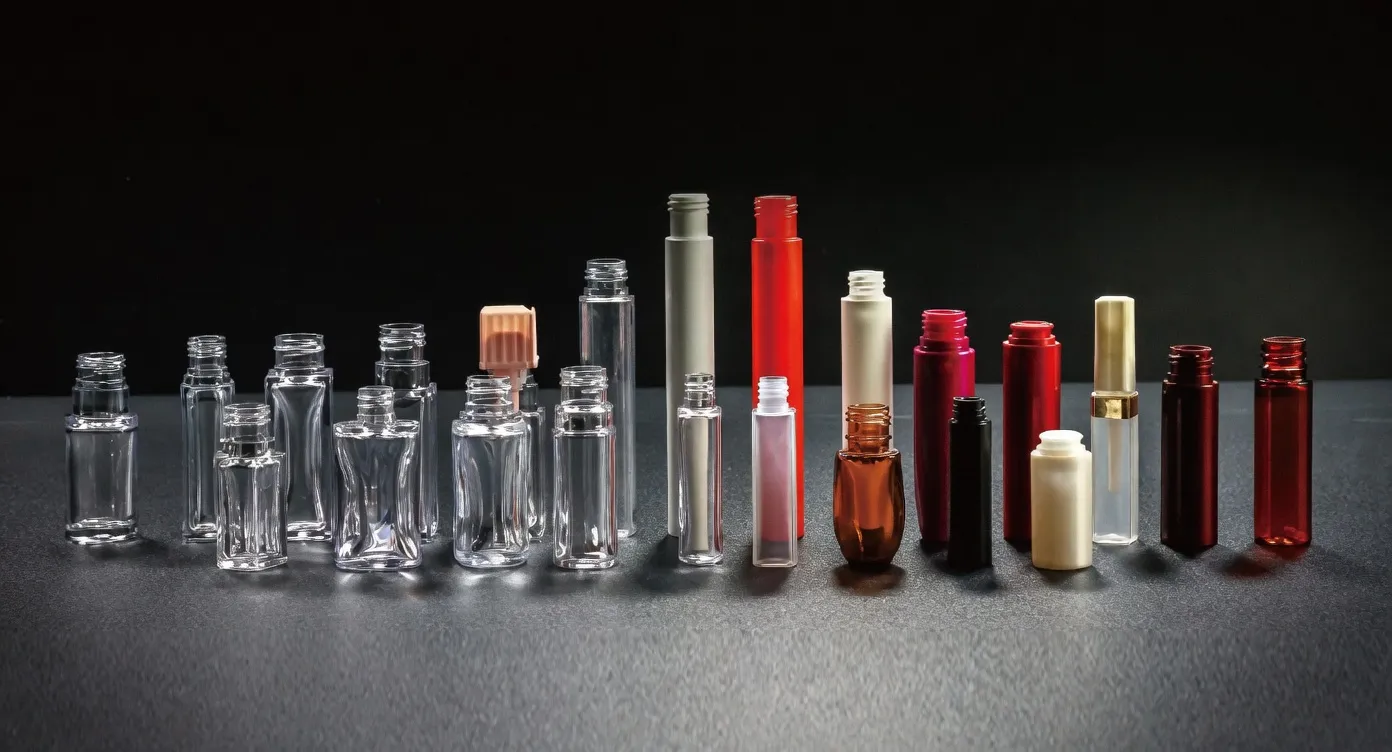
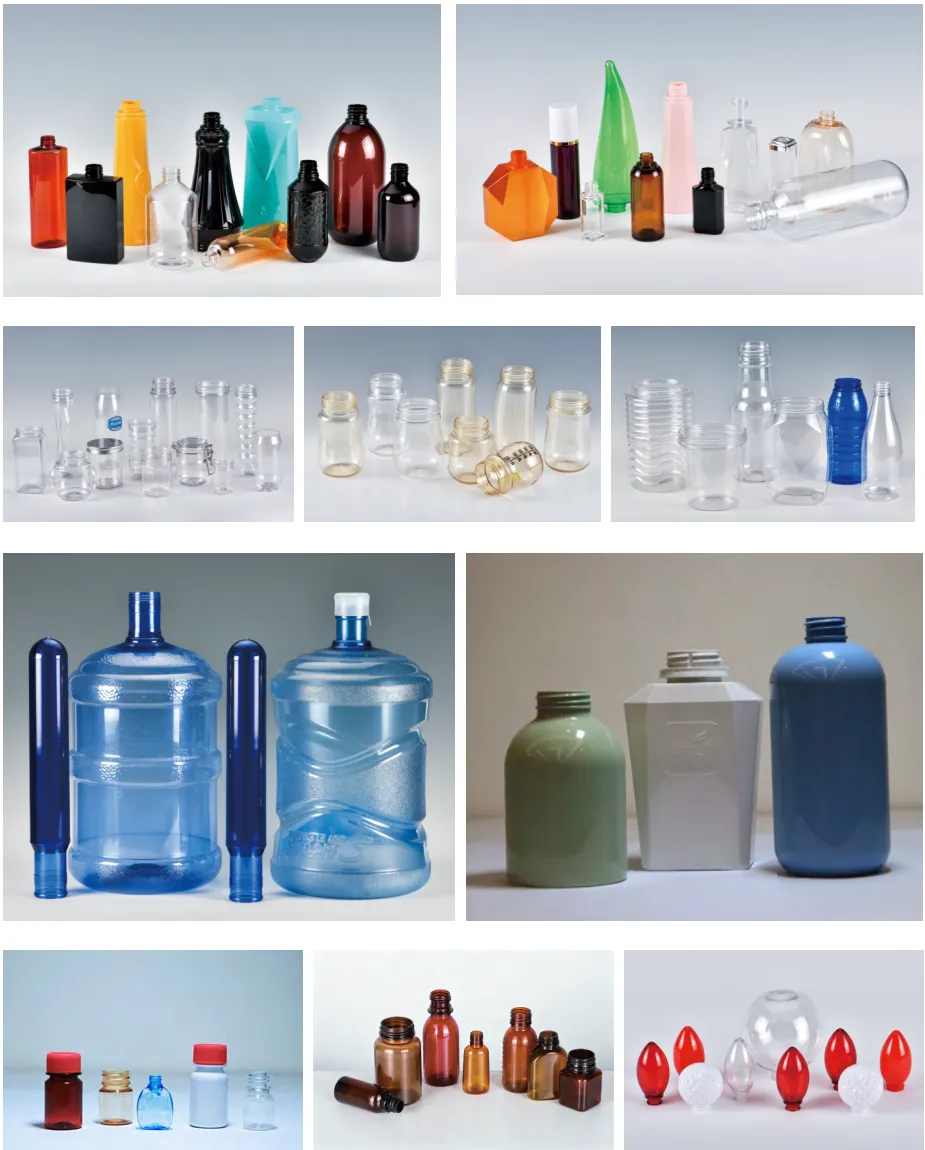
Bottle Samples Produced by Our ISBM Machines
Wide variety of container shapes, sizes, and applications — all produced with precision and consistency


Our ISBM Machine Products
Ever-Power designs and manufactures a comprehensive range of one-step injection stretch blow molding machines for applications ranging from personal care and cosmetic containers to pharmaceutical bottles and wide-mouth jars. Each platform in our lineup is engineered with the automation features described in this guide — full servo-electric drive, integrated mold temperature control, recipe-based HMI, and modular vision and robotic take-out compatibility. Whether you are running a high-volume single-SKU line or a flexible multi-product operation, our machines deliver the cycle time, consistency, and connectivity that modern packaging facilities require.
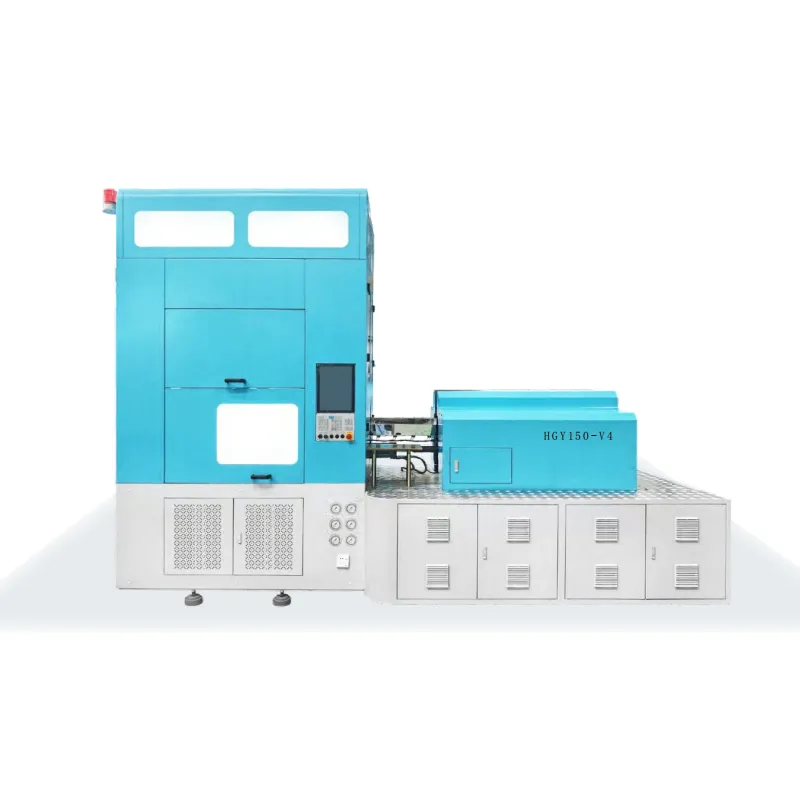
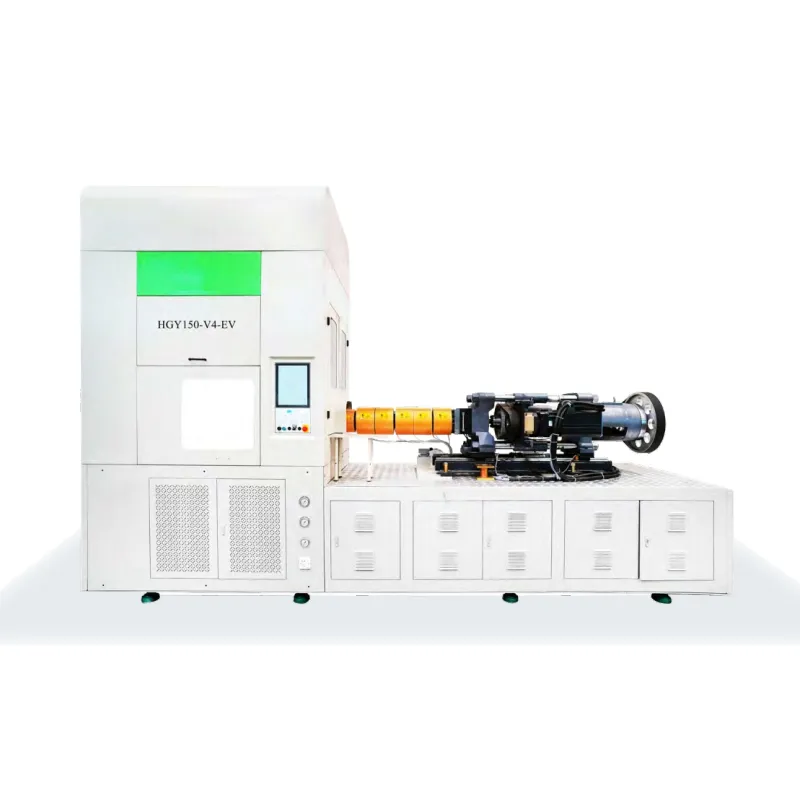
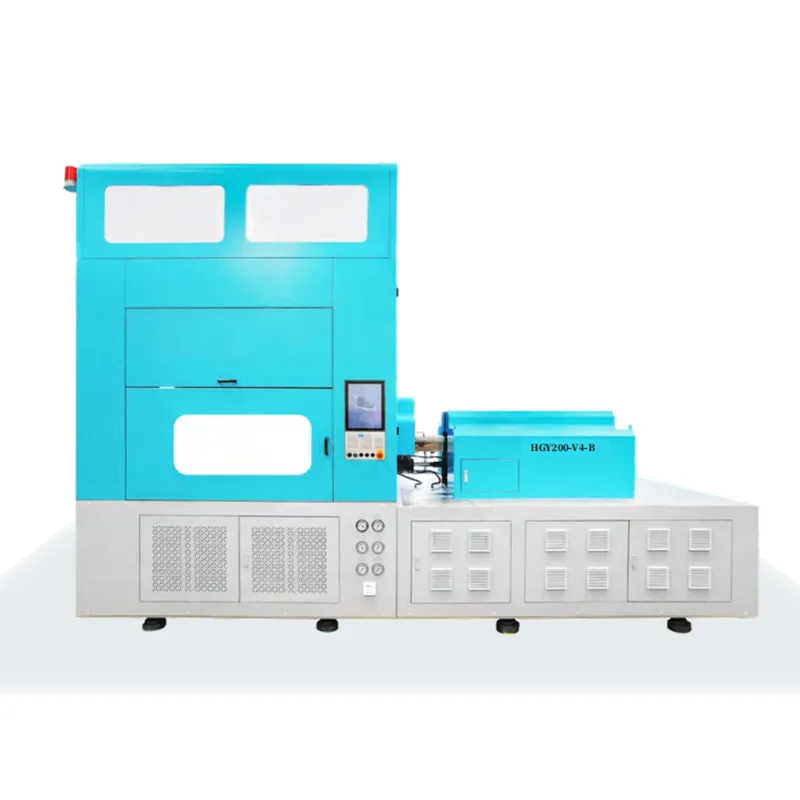
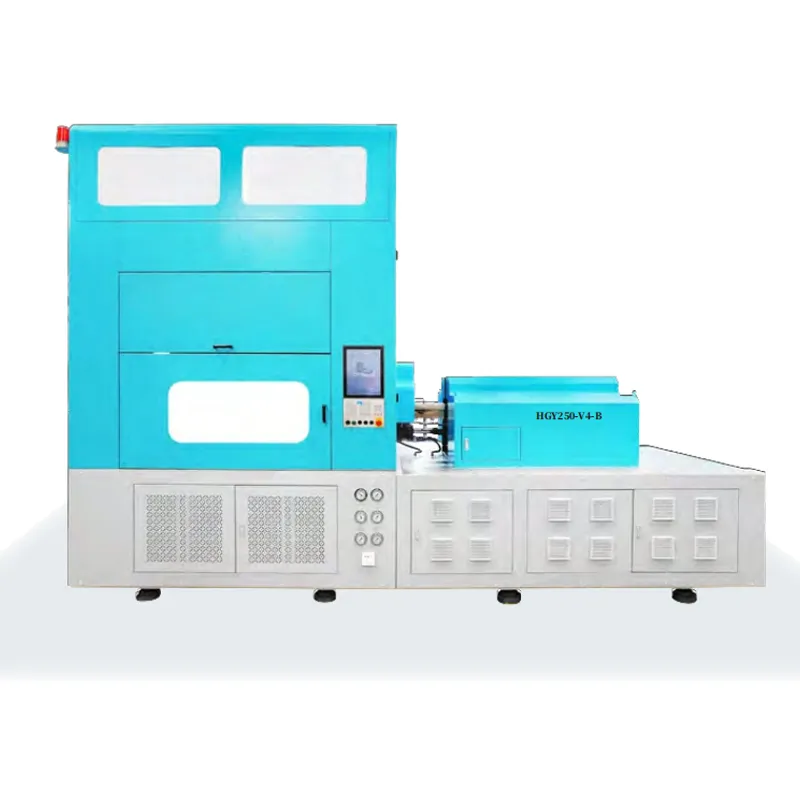
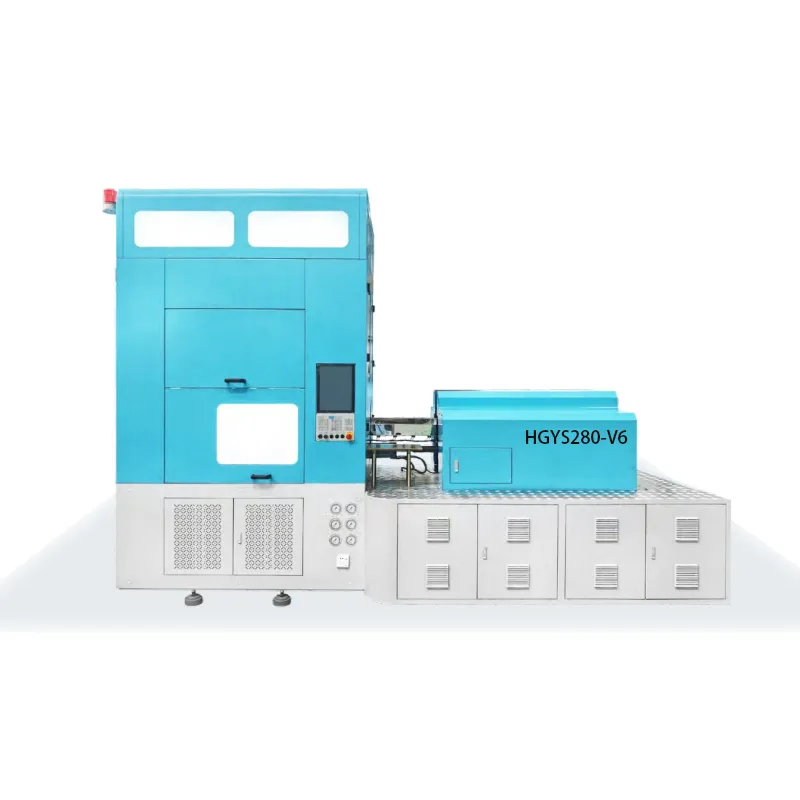
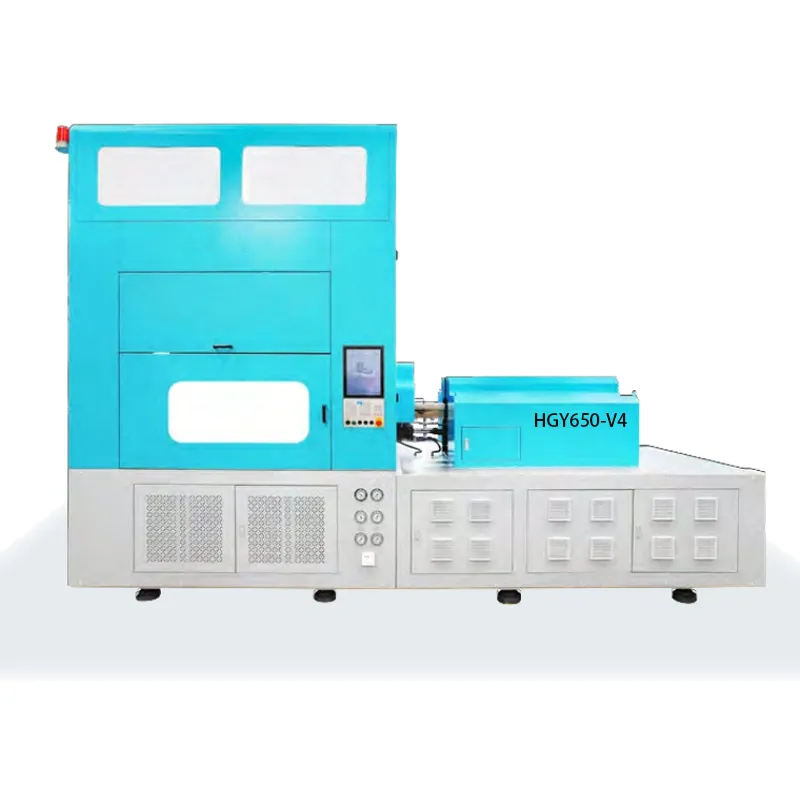
Ever-Power manufacturing facility — where each ISBM machine is assembled, tested, and validated before delivery.
What Our Customers Say
Real feedback from packaging manufacturers around the world
“We replaced an aging Aoki machine with the EP-HGYS150-V4-EV and the difference in cycle consistency was immediately obvious. The full servo control means we no longer have the shot weight drift we used to see over long production runs. Quality rejections have dropped significantly.”
“Delivery was on schedule and the commissioning engineer stayed on-site for two full weeks until every automation module was running perfectly. The after-sales support has been responsive even for technical questions we raised months after installation. Very satisfied with the overall partnership.”
“The integrated vision inspection system on our EP-HGYS280-V6 has been a game changer for our pharmaceutical bottle line. 100% inline inspection means we no longer run end-of-line AQL sampling. Our Quality team approved the change without hesitation once they reviewed the defect-catch data.”
“Machine stability over long production runs is exceptional. We run 22-hour daily shifts and the OEE figures we are achieving — consistently above 94% — are the best we have seen across all equipment in our plant. Energy savings compared to our previous hydraulic ISBM are also measurable and meaningful.”
“We were initially concerned about the changeover time for our multi-SKU personal care line, but the recipe-based HMI makes product switching fast and error-free. Operators no longer have to manually re-enter parameters. The quick-change mold system lives up to its specification — we are under 55 minutes per changeover.”
“From quotation to machine acceptance took exactly 14 weeks, which matched the commitment made at contract signing. The technical documentation package was thorough and our maintenance team was able to complete the first scheduled PM independently using the supplied manuals. Build quality is clearly at a high level.”
Ready to Discuss Your Automation Requirements?
Our application engineers are available to evaluate your production requirements, bottle specifications, and automation goals — and to recommend the right ISBM platform and automation configuration for your specific application.