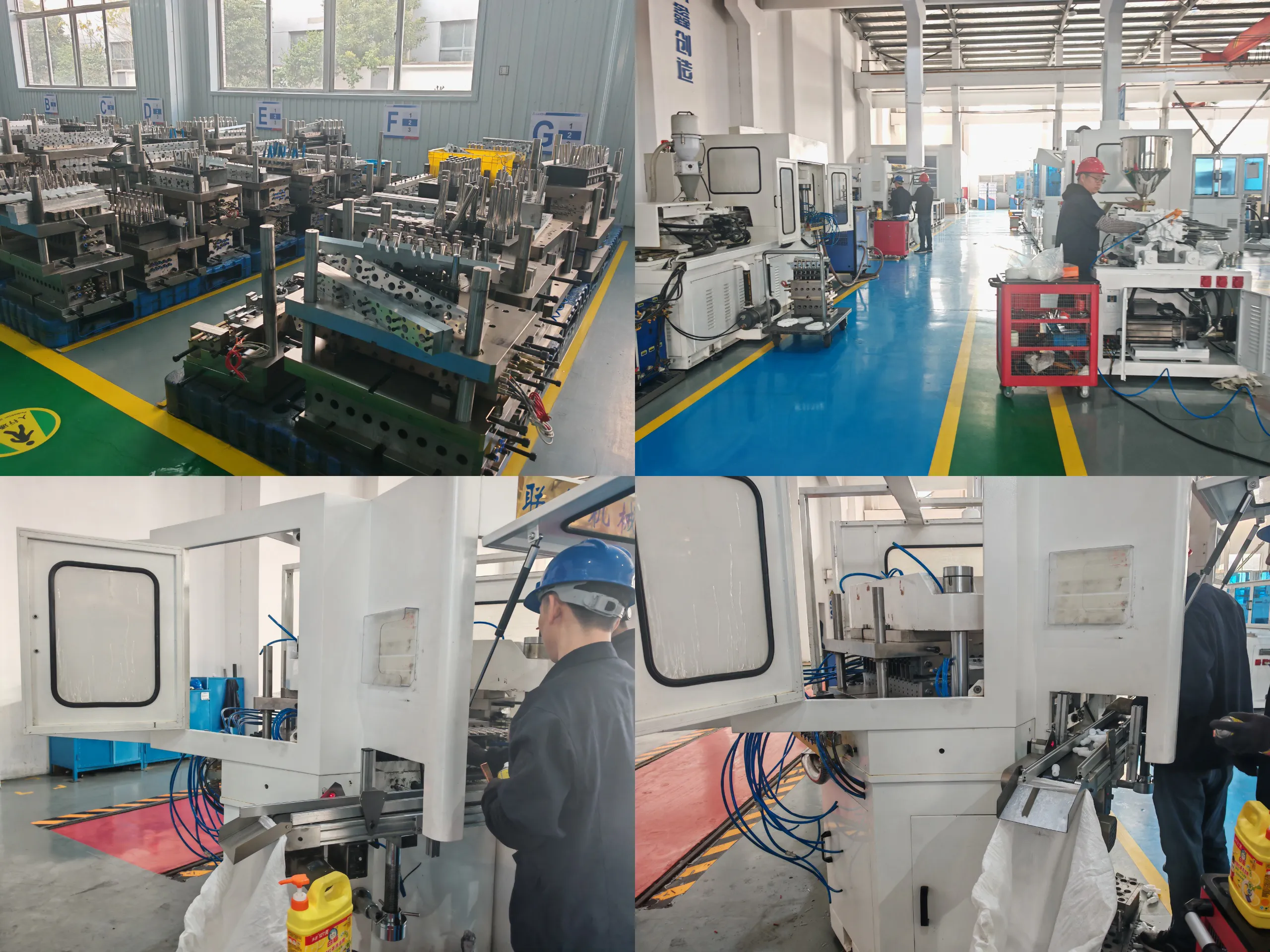
Understanding Injection Stretch Blow Molding and Its Product Range
Injection stretch blow molding, commonly abbreviated as ISBM, is a specialized plastic forming process that combines injection molding, mechanical stretching, and blow molding into a single integrated workflow. The technology has been around for decades, yet its relevance keeps growing as global demand for precision containers escalates across pharmaceutical, cosmetic, food, beverage, and industrial sectors. If you have ever wondered exactly what kinds of products come off these machines, you are in the right place.
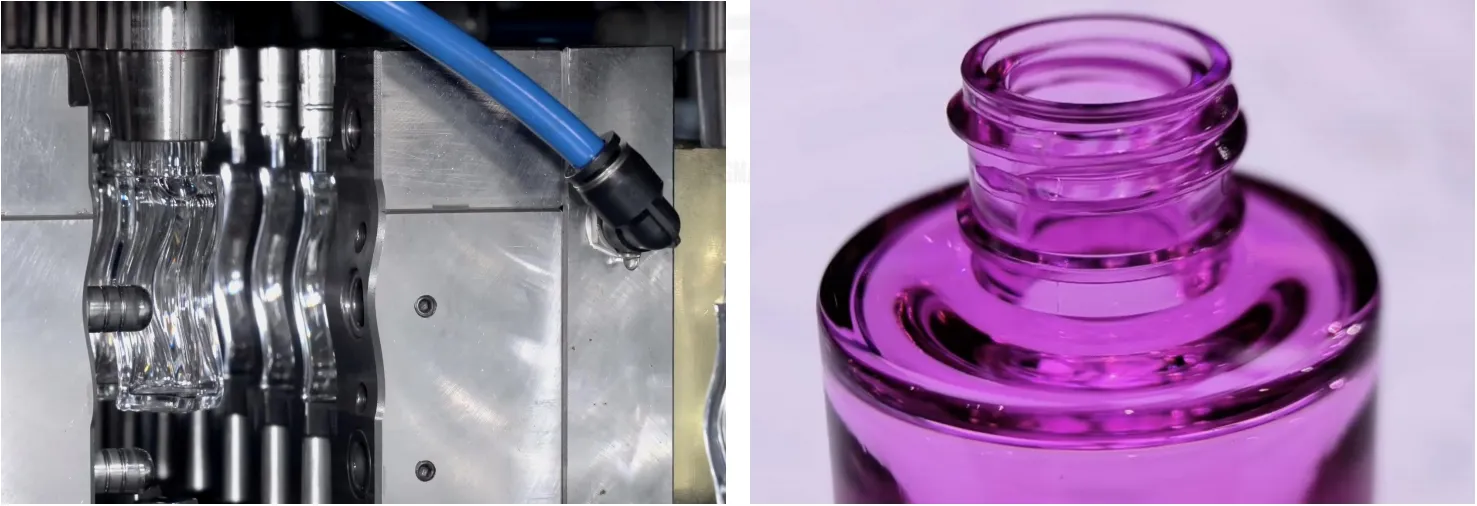
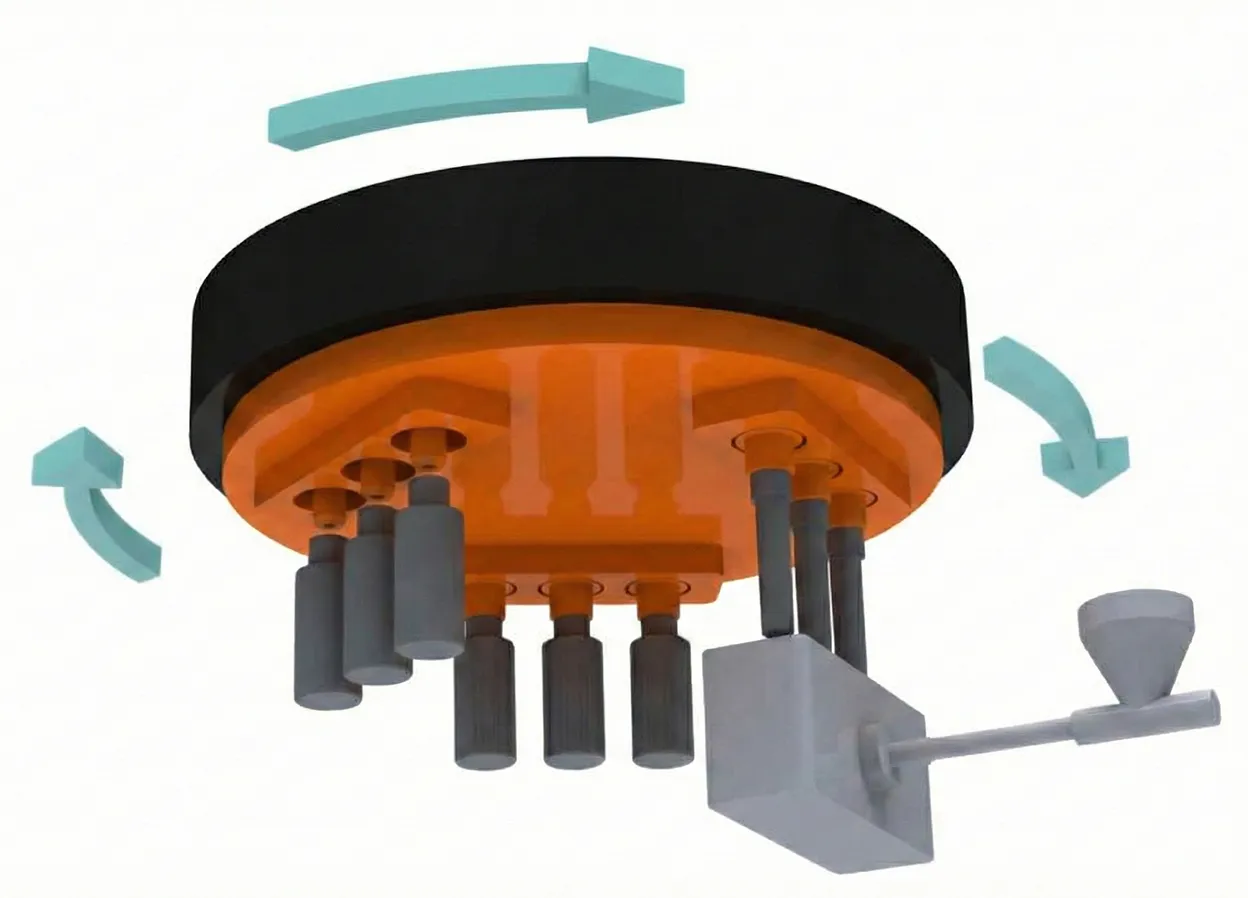
Unlike traditional extrusion blow molding, the ISBM process starts by injection-molding a preform — a small, test-tube-shaped piece of plastic that already carries the finished neck threads and dimensions. That preform is then conditioned to the right temperature, mechanically stretched along its vertical axis by a core rod, and simultaneously inflated with pressurized air to fill a blow mold cavity. The result is a biaxially oriented container with outstanding clarity, uniform wall thickness, and superior mechanical strength. This dual-axis stretching is the secret behind the crystal-clear appearance and gas-barrier properties that ISBM containers are known for.
At Ever-Power, our engineering team has spent over two decades refining these machines so that they can handle more than twenty resin types — PET, PP, PC, Tritan, PETG, PMMA, PPSU, and others — while maintaining tight tolerances that satisfy FDA, GMP, and CE requirements. The versatility of our equipment is precisely what makes the product list so extensive. Below, we break down every major product category in detail.
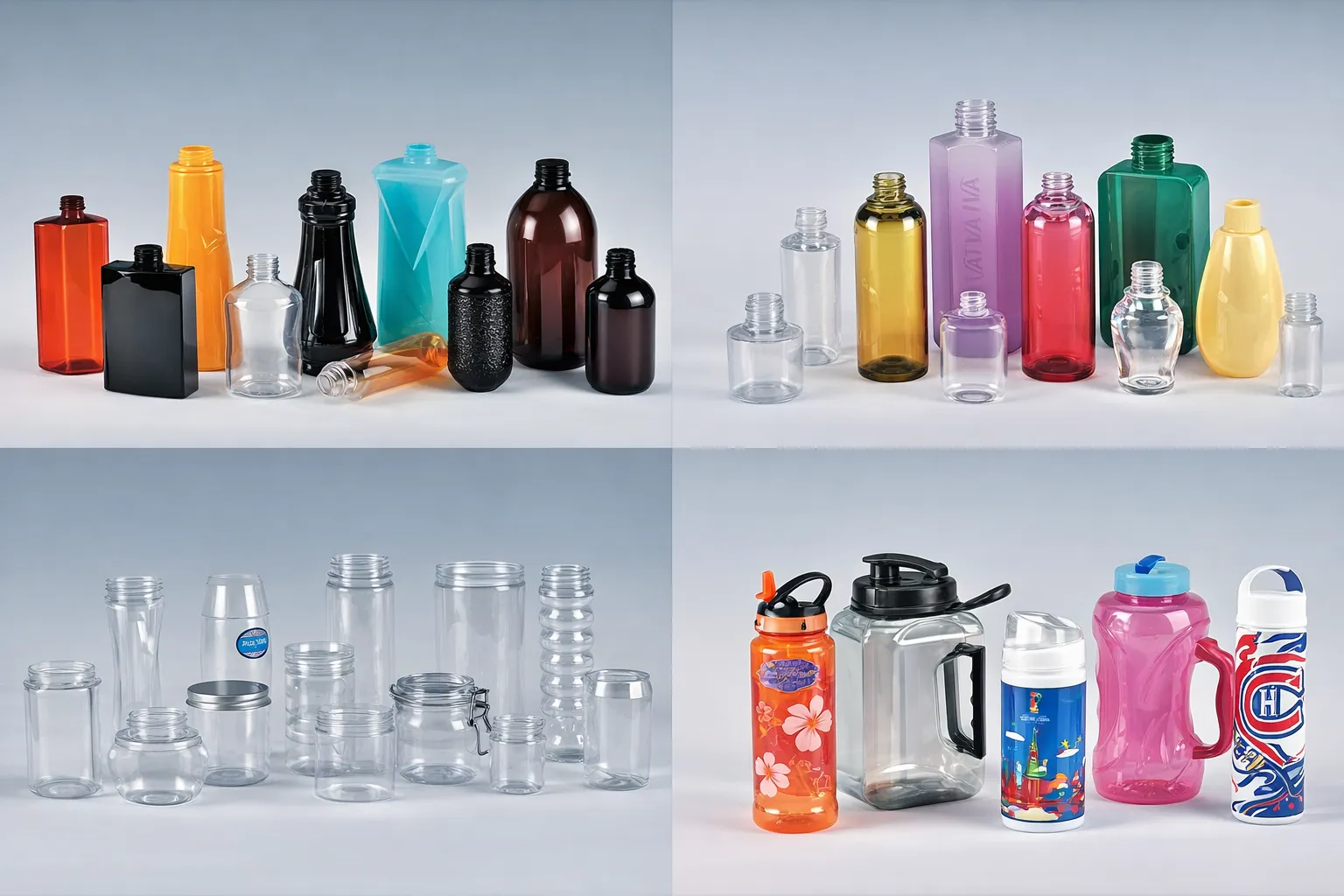
💊 Pharmaceutical and Healthcare Containers
The pharmaceutical sector demands the highest levels of cleanliness and dimensional accuracy. Because ISBM is a “melt-to-bottle” process — meaning the plastic goes from raw resin to a finished container in a single enclosed cycle — there is virtually no chance of contamination from handling, storage, or transport of preforms. This makes ISBM the preferred method for producing packaging that must meet stringent GMP and FDA standards.
Oral Liquid and Syrup Bottles
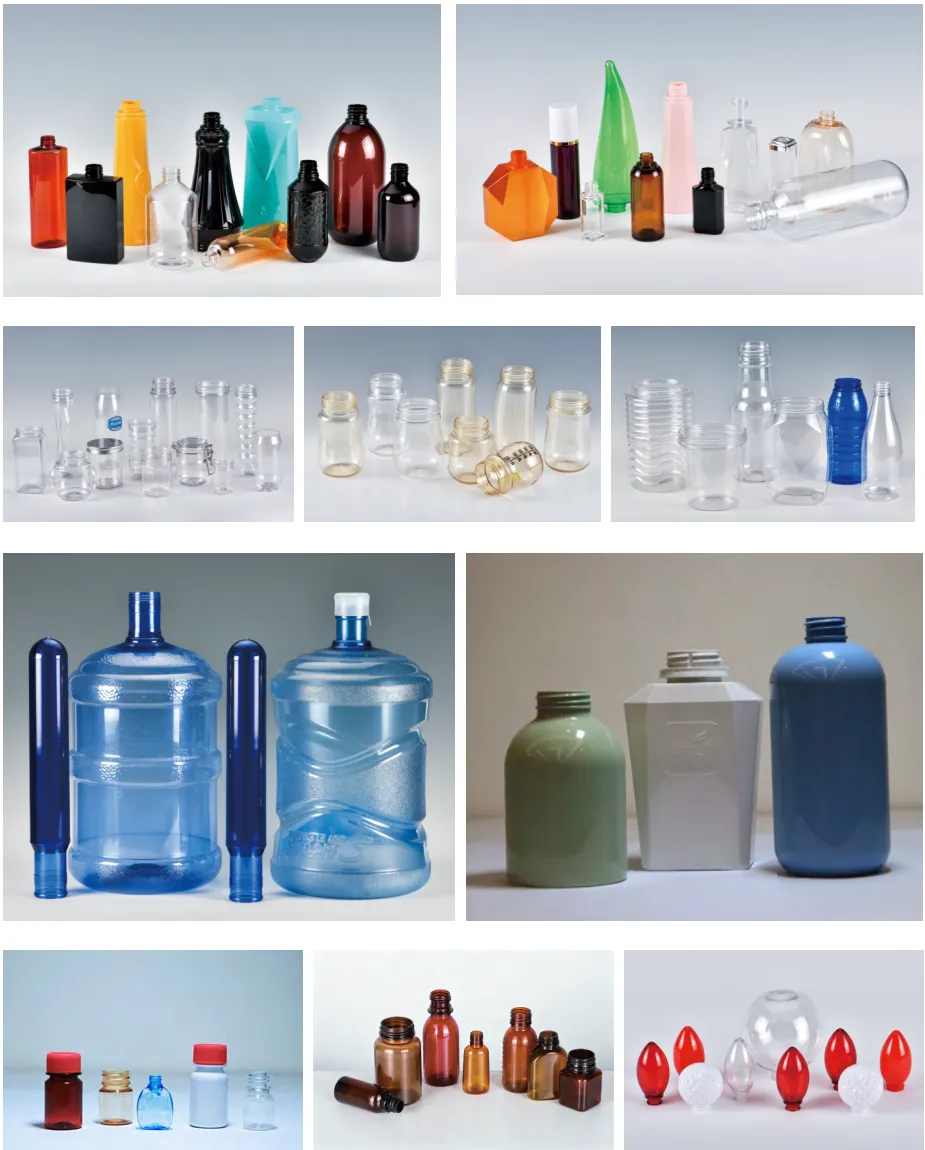
Cough syrups, pediatric medicines, and herbal tonics are commonly packaged in PET or PETG bottles ranging from 30 ml to 500 ml. The ISBM process delivers a neck finish so accurate that tamper-evident closures seat perfectly every time, eliminating leakage — a non-negotiable requirement in pharmaceutical packaging. The transparency of PET allows patients and pharmacists to visually verify the content level and color of the medication.
Eye-Drop and Nasal-Spray Bottles
Small-volume containers for ophthalmic solutions, nasal sprays, and ear drops present unique challenges: the nozzle geometry must be extremely precise, and the squeeze response of the bottle wall must be consistent. A single stage injection stretch blow molding machine excels here because the preform is molded, stretched, and blown without ever leaving the machine, which preserves the thermal profile needed for uniform wall thickness and consistent squeeze feel across every unit.
Pill, Tablet, and Capsule Jars
Wide-mouth PET and PETG jars for vitamins, supplements, and prescription tablets are another staple. These jars benefit from the ISBM process because their neck threads are injection-molded — not cut or trimmed — ensuring a perfectly round and dimensionally stable opening for child-resistant closures. Because the container walls are biaxially oriented, the jars resist impact better than those produced by conventional blow molding.
IV Fluid and Infusion Containers
Intravenous solution bottles made from PP or copolyester require absolute sterility and transparency for visual inspection. ISBM machines used in cleanroom environments produce these containers in a completely enclosed process, and many leading hospital supply companies worldwide rely on this technology to guarantee patient safety. The single-step nature of the process eliminates the risk of particulate contamination that can occur when preforms are stored, shipped, and reheated in a two-stage system.
Hand Sanitizer and Disinfectant Bottles
Since 2020, global demand for hand sanitizer packaging has surged. PET bottles produced through ISBM provide the chemical resistance needed for alcohol-based formulations while maintaining a premium, transparent appearance on retail shelves. Volumes from 50 ml travel-size bottles to one-liter dispensers are all within the capabilities of modern ISBM lines.
✨ Cosmetics and Personal Care Products
The beauty industry places an enormous premium on packaging aesthetics. Brands like Estée Lauder, L’Oréal, and Shiseido use ISBM containers because the technology produces a glass-like surface finish without the weight and fragility of actual glass. Here is a closer look at the specific product types.
Perfume and Fragrance Bottles
High-end perfume bottles are perhaps the most demanding application for ISBM. The containers must be optically clear, free of any surface blemish, and capable of supporting intricate decorative processes such as metallization, UV printing, or hot stamping. Because ISBM produces bottles directly from resin without any intermediate handling steps, the exterior surfaces arrive at the decorating station in pristine condition — no scratches, scuffs, or fingerprints. Materials commonly used include PETG and PMMA for their exceptional clarity and light-refraction properties.
Skincare Serum and Lotion Bottles
Airless pump bottles, dropper bottles for facial serums, and toner bottles ranging from 15 ml to 200 ml are routinely manufactured on ISBM lines. The precision neck finish is critical here because these bottles often mate with specialized dispensing pumps that must create an airtight seal to preserve active ingredients. Any dimensional variation in the neck can cause pump malfunction or leakage — problems that ISBM essentially eliminates.
Thick-Wall Cream and Cosmetic Jars
Heavy-wall PMMA and PETG jars for face creams, body butters, and hair masks represent a growing segment. These jars can weigh 30 to 60 grams and feature walls several millimeters thick. The ISBM process handles this challenge well because the temperature conditioning station ensures the thick preform reaches a uniform thermal profile before stretching and blowing, which prevents internal stress marks and ensures a flawless, gem-like clarity that premium brands demand.
Shampoo, Conditioner, and Body Wash Bottles
While most mainstream shampoo bottles are produced through extrusion blow molding, the premium tier of the market — think salon brands and luxury hotel amenities — often specifies ISBM bottles for their superior surface gloss and ability to support high-quality labeling and screen printing. PET and Tritan are the materials of choice here.
Nail Polish and Makeup Containers
Small cosmetic containers such as nail polish bottles, lip gloss tubes, and mascara vials can also be produced on ISBM machines fitted with multi-cavity molds. The precise injection-molded neck thread accepts specialty closures with integrated applicator brushes, and the small volume per container (typically 5 ml to 20 ml) makes the high-cavity layout economically attractive for mass production.
🍺 Food and Beverage Bottles
The food and beverage industry remains one of the largest consumers of ISBM technology worldwide. While high-output two-stage systems dominate the mass-market water bottle segment, single-stage ISBM machines carve out significant share in specialty beverages and premium food packaging where quality, design complexity, or small-to-medium run sizes justify the process.
Juice and Smoothie Bottles
Cold-pressed juice brands and smoothie companies frequently choose ISBM-produced PET bottles for their outstanding clarity. The biaxial orientation also enhances the oxygen barrier, extending shelf life for products that are sensitive to oxidation. Bottle sizes from 250 ml to one liter are standard in this segment, and the process accommodates a wide variety of body shapes — round, square, and custom contours.
Sports and Reusable Water Bottles
BPA-free Tritan and PC sports bottles — the kind you see at gyms and outdoor retailers — are commonly produced on ISBM machines. These bottles require high impact resistance and the ability to withstand repeated washing and use. The biaxial orientation achieved during stretching makes the molecular structure significantly tougher than non-oriented alternatives, which is why premium brands specify ISBM for this product category. Among leading injection stretch blow molding machine manufacturers, Ever-Power has built specialized mold tooling for a range of sports bottle geometries, including those with built-in handles and wide-mouth openings.
Honey, Sauce, and Condiment Containers
PET squeeze bottles for honey, ketchup, mustard, and salad dressing take advantage of the ISBM process for two reasons. First, the transparent body lets consumers see the product inside. Second, the uniform wall thickness ensures a consistent squeeze response — no one wants a ketchup bottle that dispenses unevenly. Hot-fill-grade PET can also be processed on ISBM machines to handle sauces that are filled at temperatures up to 85 °C.
Edible Oil and Vinegar Bottles
Premium olive oil, avocado oil, and flavored vinegar producers often select ISBM PET bottles because the process yields containers with excellent barrier properties against UV light when tinted or coated. The injection-molded neck accepts tamper-evident closures and pour spouts that consumers appreciate for controlled dispensing.
Carbonated Beverage Bottles
Biaxial stretching fundamentally changes the molecular structure of PET, making it far less permeable to carbon dioxide. This is why the vast majority of carbonated soft drink bottles worldwide are made using stretch blow molding. Although high-volume soft drink production typically uses two-stage systems, craft soda and specialty carbonated beverage brands increasingly turn to single-stage ISBM for shorter runs with unique bottle shapes.
🍼 Baby Feeding Bottles and Childcare Products
Few product categories carry as much emotional weight as baby feeding bottles. Parents rightly insist on BPA-free materials, absolute clarity to verify the milk level, and the kind of durability that survives being dropped on tile floors repeatedly. ISBM is the go-to technology for this segment.
PPSU and Tritan Baby Bottles
PPSU (polyphenylsulfone) baby bottles, recognized by their warm amber tone, and Tritan baby bottles, known for water-clear transparency, are both manufactured on ISBM machines. The injection-molded neck provides a perfectly consistent seating surface for anti-colic nipple assemblies, and the biaxially oriented body resists cracking and crazing even after hundreds of sterilization cycles. These bottles typically range from 120 ml to 330 ml.
Sippy Cups and Training Cups
The transition from bottle to cup is a milestone for toddlers, and the containers that facilitate that transition — sippy cups, spout cups, and straw cups — often come from ISBM production lines. The precise neck dimension is essential because these cups use interchangeable lid systems, and any deviation from specification can result in leaks that frustrate both parents and brand reputation alike.
🗺 Household, Chemical, and Industrial Containers
Beyond consumer-facing products, ISBM technology plays a significant role in the packaging of household chemicals, industrial liquids, and agrochemicals. The containers must resist aggressive contents, stack efficiently, and survive rough handling during distribution.
Cleaning Agent and Detergent Bottles
Bottles for dish soap, laundry detergent, all-purpose cleaners, and window sprays are among the highest-volume household products made on ISBM machines. PET and PP both perform well with surfactant-based formulations, and the injection-molded neck finish is compatible with trigger sprayers, pump dispensers, and flip-top closures alike.
Agrochemical and Pesticide Containers
HDPE and PET containers for herbicides, fungicides, and insecticides must meet strict UN packaging standards for leak resistance and drop impact performance. ISBM machines produce these containers with the wall thickness consistency and neck sealing precision needed to pass regulatory testing. Companies seeking a dependable replacement of Aoki injection stretch blow molding machines for agrochemical packaging frequently choose Ever-Power equipment for its compatibility with Aoki-style molds and its advanced servo-driven systems that reduce energy consumption.
Jerry Cans and Wide-Mouth Industrial Jars
Larger ISBM machines can produce containers up to several liters in capacity, including jerry cans for automotive fluids, laboratory reagent bottles, and wide-mouth jars for powdered chemicals or food-service ingredients. The ability to control wall distribution through precise stretch ratios ensures these heavier containers maintain structural integrity even when fully loaded.
💡 LED Lamp Covers, Diffusers, and Specialty Hollow Parts
One of the less obvious but rapidly growing applications for ISBM technology is the production of lighting components. LED bulb housings, lampshades, and decorative diffuser globes need to be optically translucent, heat-resistant, and perfectly uniform in wall thickness to ensure even light distribution.
PC (polycarbonate) is the material of choice for most lighting products because of its heat resistance and impact strength. ISBM machines mold the preform with the threaded or bayonet-fit base already formed, then stretch and blow it into the rounded globe shape. Sizes range from small candelabra covers around 30 mm in diameter to large decorative globes exceeding 300 mm. The lotus-petal lamp covers popular in the Asian market are also produced this way, and the complex geometry would be nearly impossible to achieve with traditional blow molding techniques.
Safety bulb housings for outdoor and industrial environments, where polycarbonate’s shatter-resistant properties are essential, represent yet another application. As a respected ISBM machine manufacturer, Ever-Power provides dedicated mold solutions for these technical products alongside our broader packaging-focused lines.
🍷 Drinkware: Wine Goblets, Beer Mugs, and Tumblers
A relatively niche yet high-value application is the production of unbreakable plastic drinkware. Outdoor concert venues, cruise ships, poolside bars, and airlines have all shifted toward shatter-proof alternatives to glassware, and ISBM is the technology that delivers the look and feel closest to real glass.
Tritan wine goblets, champagne flutes, beer pints, and cocktail tumblers produced by ISBM exhibit crystal-clear transparency, a smooth surface that feels premium in the hand, and exceptional resistance to repeated dishwasher cycles. The injection-molded base and stem can be designed with considerable complexity, including textured patterns, brand logos, and weight-adding features that mimic the heft of glass stemware.
For businesses interested in entering this growing market, our team provides turnkey solutions — from container design and 3D prototyping all the way through mold fabrication and machine commissioning. As a trusted ISBM mold injection machines supplier, Ever-Power serves clients on every continent who are producing premium drinkware for the hospitality sector.
⚙️ Materials That Drive Product Versatility
The breadth of products achievable with ISBM technology is tightly linked to the range of resins that modern machines can process. Here is a quick look at the primary materials and what they bring to the table.
| Material | Key Characteristics | Typical Products |
|---|---|---|
| PET | High clarity, good barrier, recyclable | Beverage bottles, pharma bottles, food jars |
| PP | Chemical resistance, hot-fill capable | IV fluid bottles, sauce bottles, detergent containers |
| PC | Impact strength, heat resistance, optical clarity | LED lamp covers, water cooler bottles, safety containers |
| Tritan | BPA-free, dishwasher safe, glass-like | Baby bottles, sports bottles, wine goblets |
| PETG | Excellent clarity, easy to mold, chemical resistant | Cosmetic jars, perfume bottles, premium packaging |
| PMMA | Highest optical clarity, scratch resistant | Luxury cream jars, high-end cosmetic containers |
| PPSU | Autoclave safe, high-temp resistant | Baby feeding bottles, medical containers |
The ability to switch between these materials on the same machine — with tooling adjustments rather than major mechanical changes — is one of the biggest operational advantages of ISBM. Manufacturers that serve multiple markets can use a single production platform to cover pharmaceutical, cosmetic, food, and industrial applications simply by changing the mold set and resin type.
Why Manufacturers Choose ISBM Over Other Molding Methods
Understanding the product range is helpful, but it is equally important to know why ISBM wins the specification over extrusion blow molding (EBM) or two-stage stretch blow molding in so many applications. The advantages that really matter in day-to-day production include the following.
Precise Neck Finish: Because the neck is injection-molded rather than blown, it comes out of the machine with thread dimensions that hold tolerances within hundredths of a millimeter. This is critical for tamper-evident closures, child-resistant caps, and specialized dispensing systems.
Zero Scrap: ISBM produces no flash and no tail — the process is inherently waste-free at the container level. By contrast, extrusion blow molding always creates trim scrap that must be reground and reprocessed.
Biaxial Orientation: The combination of axial stretching and radial blowing orients the polymer chains in two directions. This molecular alignment increases tensile strength, improves gas barrier performance, and produces the high-clarity, glass-like finish that customers in the cosmetic and beverage industries demand.
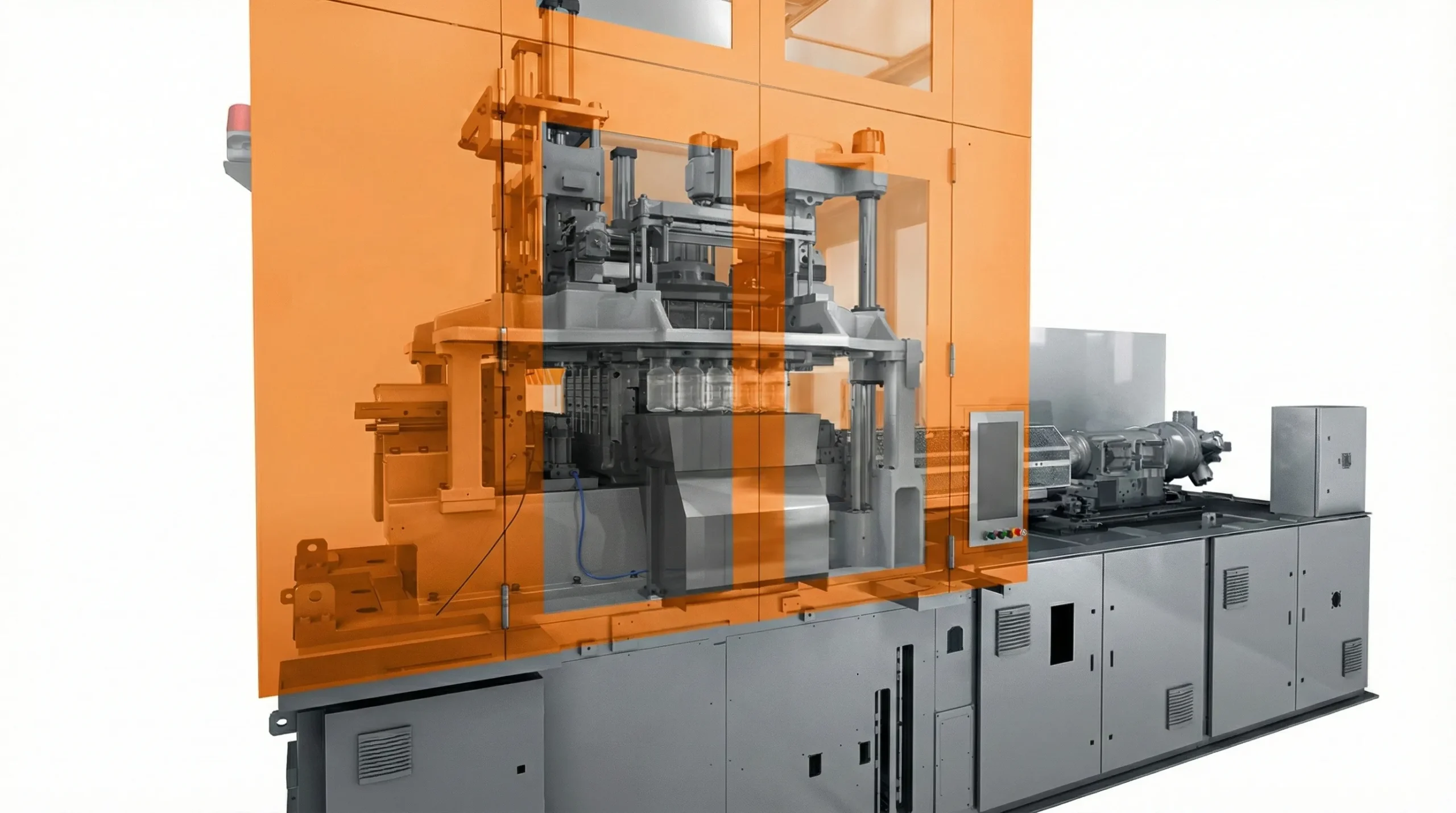
Single-Machine Footprint: The entire melt-to-bottle process happens in one machine, which drastically reduces factory floor space, eliminates the need for separate preform storage, and lowers labor requirements. One operator can typically oversee multiple machines simultaneously.
Energy Efficiency: Because the preform is still warm from injection when it enters the stretch-blow station, there is no need for the energy-intensive reheating step required in two-stage processes. Modern all-electric servo-driven machines — like the EP-series from Ever-Power — push energy savings even further by eliminating hydraulic systems entirely.
Emerging and Specialized Applications
The ISBM product universe is expanding. Engineers and product designers continue to find new applications that leverage the unique capabilities of this process. A few worth noting:
Laboratory and Diagnostic Consumables
Sample collection bottles, reagent containers, and centrifuge tubes made from PET or PP on ISBM machines offer the dimensional accuracy that laboratory instruments require. The single-step enclosed process supports cleanroom manufacturing, which is increasingly mandated for in-vitro diagnostic consumables.
Cannabis and CBD Packaging
As legalized cannabis markets grow across North America and Europe, the demand for child-resistant, opaque, and precisely sealed containers has surged. ISBM machines produce these jars and bottles with injection-molded neck finishes that are specifically designed for CR (child-resistant) closures, meeting ASTM D3475 and 16 CFR 1700 testing standards.
Automotive and Technical Hollow Parts
Beyond packaging, ISBM is finding applications in producing technical hollow components for the automotive sector — including fluid reservoirs, duct fittings, and sensor housings — where the combination of precision neck geometry and oriented wall structure offers performance advantages over conventional blow molding.
Sustainable Packaging with rPET
Recycled PET (rPET) and post-consumer resin (PCR) up to 100% can now be processed on advanced ISBM machines. As brands commit to circular economy targets, the ability to produce high-clarity, food-safe containers from recycled material — without sacrificing aesthetics or performance — is becoming a decisive competitive advantage. Some ISBM machines can even process PET flakes directly, eliminating the need to pelletize recycled material first.
Key Production Considerations When Choosing ISBM
Deciding which products to manufacture on an ISBM line involves several factors beyond simply knowing that the technology can handle a certain container type. Here are the practical considerations that experienced manufacturers weigh when evaluating whether ISBM is the right fit for a specific product.
Volume and Cavitation
Single-stage ISBM machines are ideal for production volumes ranging from a few hundred to roughly 20,000 containers per hour, depending on cavitation. Multi-cavity molds with 4, 6, 8, or even 12 cavities can be configured to match market demand. For very high volumes — say, millions of identical water bottles per day — a two-stage system may be more cost-effective, but for anything that requires design flexibility, shorter runs, or premium quality, single-stage ISBM is the superior choice.
Container Size Range
Modern ISBM machines can produce containers from as small as 1 ml — think single-dose vials — up to 20 liters for water cooler bottles. The machine model and clamping tonnage determine the maximum container size. Ever-Power’s EP-150V4 handles containers up to about 750 ml, while the EP-250V4 accommodates larger volumes and heavier preforms.
Mold Compatibility and Changeover
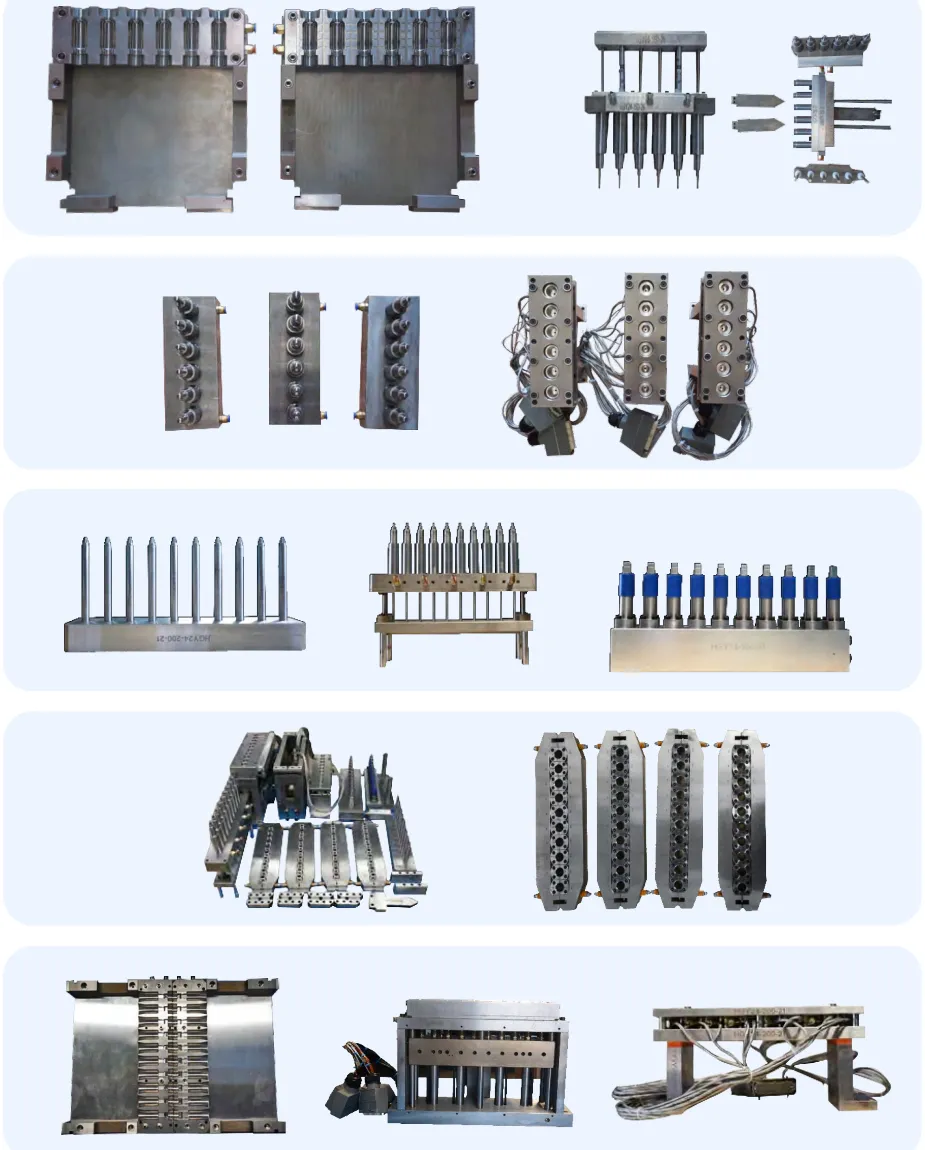
Manufacturers who are exploring an ISBM machine for sale should evaluate mold compatibility carefully. Machines from different manufacturers sometimes use incompatible mold mounting systems, but Ever-Power has engineered its equipment to accept molds from leading global brands — including ASB and Aoki — which protects existing tooling investments and simplifies the transition. Quick-change mold systems reduce changeover time to under an hour, making it economically viable to switch between product types within a single shift.
Quality Assurance and Regulatory Compliance
Every product category discussed in this article operates under its own set of regulatory requirements. Pharmaceutical containers must meet pharmacopeial standards (USP, EP, JP) for extractables and leachables. Food-contact packaging must comply with FDA 21 CFR and EU Regulation 10/2011. Cosmetic containers follow ISO 22716 GMP guidelines. And baby products are subject to some of the strictest consumer safety standards in existence.
ISBM technology inherently supports compliance with all of these frameworks because the single-step, enclosed process minimizes the risk of contamination, and the injection-molded neck guarantees dimensional consistency that closure suppliers can rely on. However, the machine itself is only part of the equation. The mold steel grade, the hot-runner system, the resin drying and conveying equipment, and the downstream inspection systems all contribute to the final quality of the container.
At Ever-Power, we supply complete production cells — not just machines. Our scope includes resin dryers, mold temperature controllers, compressed-air treatment systems, and optional vision inspection modules. This integrated approach ensures that when you receive an ISBM line from us, it is ready to produce containers that satisfy even the most demanding auditors.
Real-World Applications: What Our Clients Are Producing
The best way to appreciate the breadth of ISBM products is to look at what our customers are actually making. Here are a few representative examples from our client base across different continents.
A pharmaceutical company in Southeast Asia uses our EP-150V4 to produce 60 ml PET eye-drop bottles at a rate of 3,600 bottles per hour. The containers are produced in an ISO Class 8 cleanroom and go directly to the filling line without any intermediate storage. Their previous two-stage process required a separate preform supplier, three days of preform lead time, and an additional reheating step — all of which have been eliminated.
A European cosmetics brand runs our machines to make 50 ml PETG perfume bottles and 150 ml PMMA cream jars on the same line. By swapping mold sets, they can alternate production between the two products within the same day, which dramatically reduces inventory requirements and accelerates their time-to-market for seasonal collections.
A beverage startup in North America chose our equipment to produce custom-shaped 350 ml Tritan juice bottles because no stock bottle on the market matched their brand vision. The entire development cycle — from concept sketch to first production-quality bottle — took under ten weeks, including mold design, fabrication, and machine commissioning.
Frequently Asked Questions
What is the smallest container an ISBM machine can produce?
Most commercial ISBM machines can produce containers as small as 1 ml to 5 ml, which is common in the pharmaceutical sector for single-dose vials and diagnostic reagent bottles. The limiting factor is usually the mold precision and the clamping force available for multi-cavity layouts at such small sizes.
Can ISBM machines produce non-round containers?
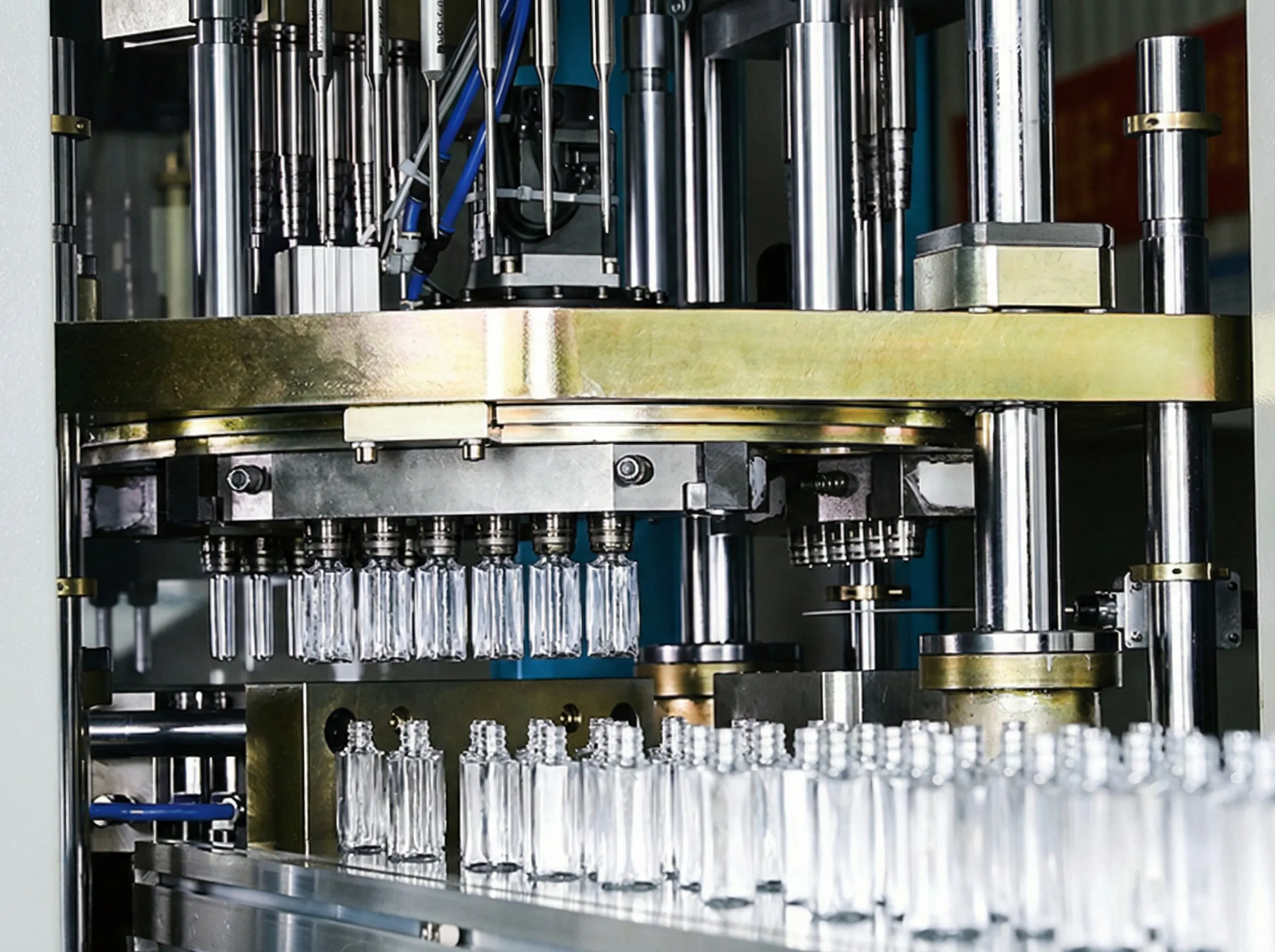
Yes. While round containers are the most common, ISBM machines routinely produce oval, square, rectangular, and custom-contoured bottles. The key is that the preform must be conditioned to a uniform temperature so that the material distributes evenly into the non-round blow mold cavity. Our four-station machines include a dedicated temperature-conditioning station specifically designed for this purpose.
What materials work best for food-contact containers?
PET is the most widely used food-contact material for ISBM containers due to its FDA and EU approval, excellent clarity, and recyclability. PP is preferred for hot-fill applications like sauces and dairy. Tritan is popular for reusable food storage and drinkware because it is BPA-free and dishwasher safe. All three are standard materials for ISBM processing.
How does ISBM compare to extrusion blow molding for container quality?
ISBM produces containers with significantly better clarity, more uniform wall thickness, and precisely molded neck finishes. Extrusion blow molding is better suited for large containers, handles, and asymmetric shapes. The two technologies serve different segments of the market, and many manufacturers operate both types of equipment for different product lines.
Is it expensive to switch between products on an ISBM machine?
Modern ISBM machines with quick-change mold systems can switch between product types in 30 to 60 minutes. The mold is typically the largest investment per product, but preform molds for common neck finishes can sometimes be shared across multiple bottle shapes, reducing overall tooling costs. Our engineering team helps clients design mold families that maximize component sharing.
Partner with Ever-Power for Your Next ISBM Project
Whether you are a startup exploring your first custom bottle design or an established manufacturer looking to expand your product portfolio, Ever-Power provides the machines, molds, and technical expertise to bring your vision to production. With over two decades of ISBM experience, patented technology, and clients across six continents, we are committed to helping you succeed.
From initial container design and 3D prototyping through mold fabrication, machine manufacturing, installation, and ongoing after-sales support, we deliver a genuine one-stop ISBM solution. Our team is ready to discuss your project requirements, recommend the right machine configuration, and provide a detailed proposal.