Understanding Material Versatility in ISBM Technology
One of the most frequently asked questions by packaging engineers and production managers is: which materials can an injection stretch blow molding machine actually process? The answer might be broader than you expect. Modern ISBM systems have evolved significantly from the early days when polyethylene terephthalate (PET) was essentially the only game in town. Today, a well-engineered single stage injection stretch blow molding machine can handle a diverse portfolio of thermoplastic resins, each bringing unique performance characteristics to the finished container.
At Ever-Power, we have spent over two decades refining our one-step ISBM equipment to accommodate an ever-expanding range of polymers. Our engineering team works directly with resin suppliers and packaging converters worldwide to ensure that each machine platform we offer delivers optimal results across multiple material families. Whether you are producing pharmaceutical vials from polypropylene, crystal-clear cosmetic jars from polycarbonate, or high-volume beverage bottles from PET, the underlying machine technology must be calibrated to match the unique thermal and rheological properties of every resin.
This article offers a thorough, experience-based overview of the primary materials processed on injection stretch blow molding equipment, practical processing insights for each, and guidance on selecting the right machine configuration for your specific resin and application needs. We will cover the well-known materials like PET, PP, and PC, and also explore specialty resins such as PETG, PCTG, Tritan, PLA, and others that are gaining traction across the global packaging landscape.
PET (Polyethylene Terephthalate) — The Industry Standard
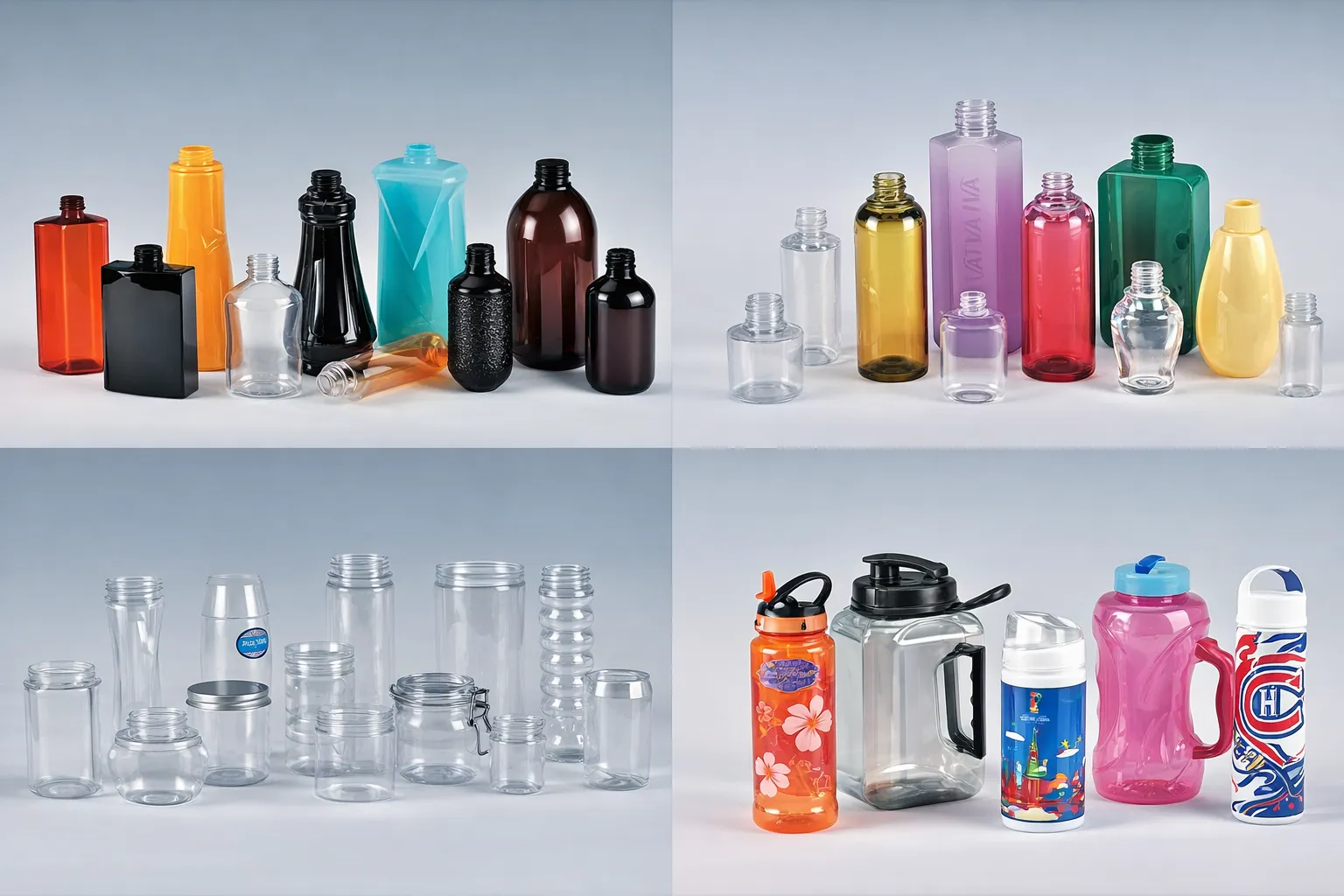
PET remains the most widely processed resin on ISBM machinery worldwide, and for good reason. Its combination of optical clarity, lightweight strength, excellent barrier properties, and outstanding stretch-blow processability makes it the preferred choice for beverages, food packaging, pharmaceutical containers, and personal care bottles. When processed through a one-step ISBM cycle, PET undergoes biaxial molecular orientation during the stretch-blow phase. This orientation dramatically improves the tensile strength, impact resistance, and gas barrier performance of the finished container compared to an un-oriented preform.
Typical injection temperatures for PET on our machines range from 265 °C to 285 °C, depending on the specific grade and intrinsic viscosity of the resin. The conditioning station then brings the preform temperature down to the optimal stretch window of approximately 95 °C to 110 °C. Precise temperature control at this stage is essential, because even a few degrees of deviation can result in uneven wall distribution, haze in the finished bottle, or premature whitening caused by crystallization.
From an industry perspective, PET is recyclable, lightweight, and shatter-resistant, which aligns well with the global push toward sustainable packaging. Many of our clients who previously relied on glass containers have transitioned to PET on our ISBM lines, achieving significant savings in shipping weight and breakage costs while maintaining the premium aesthetic their brands require.
Key PET Processing Parameters on ISBM Equipment
- 🌡️Injection Temp: 265–285 °C depending on IV grade
- 💨Blow Pressure: 2.5–3.8 MPa for optimal orientation
- 📦Applications: Beverages, pharmaceuticals, cosmetics, food
- ♻️Recyclability: Fully recyclable (resin code #1)
PP (Polypropylene) — Heat Resistance Meets Versatility
Polypropylene is the second most commonly processed material on injection stretch blow molding machines. PP is favored in applications where heat resistance is critical, such as hot-fill juice bottles, microwave-safe food containers, and medical packaging that must withstand autoclave sterilization. Unlike PET, which has a relatively narrow stretch-blow processing window, PP is a semi-crystalline polymer that requires careful temperature conditioning to achieve meaningful orientation. The stretch temperature window for PP on our ISBM lines typically falls between 120 °C and 140 °C.
One notable challenge with PP is achieving the same level of optical clarity as PET. Standard homopolymer PP tends to produce containers with a slight haze. However, the development of clarified and nucleated PP grades in recent years has significantly narrowed this gap. When processed on a well-tuned ISBM system with precise temperature zoning in the conditioning station, modern clarified PP can yield bottles with impressive transparency — close enough to PET that many consumers cannot tell the difference on the shelf.
PP also offers a significant cost advantage over PET in many markets, along with better chemical resistance to fats and oils. This makes it a popular choice for salad dressing bottles, condiment containers, and personal care products that contain essential oils or other aggressive formulations. Our Ever-Power machines feature dedicated PP processing profiles that adjust injection speed, hold pressure, and conditioning temperatures to optimize wall distribution and minimize sink marks in the finished container.
PC (Polycarbonate) — Unmatched Clarity and Durability
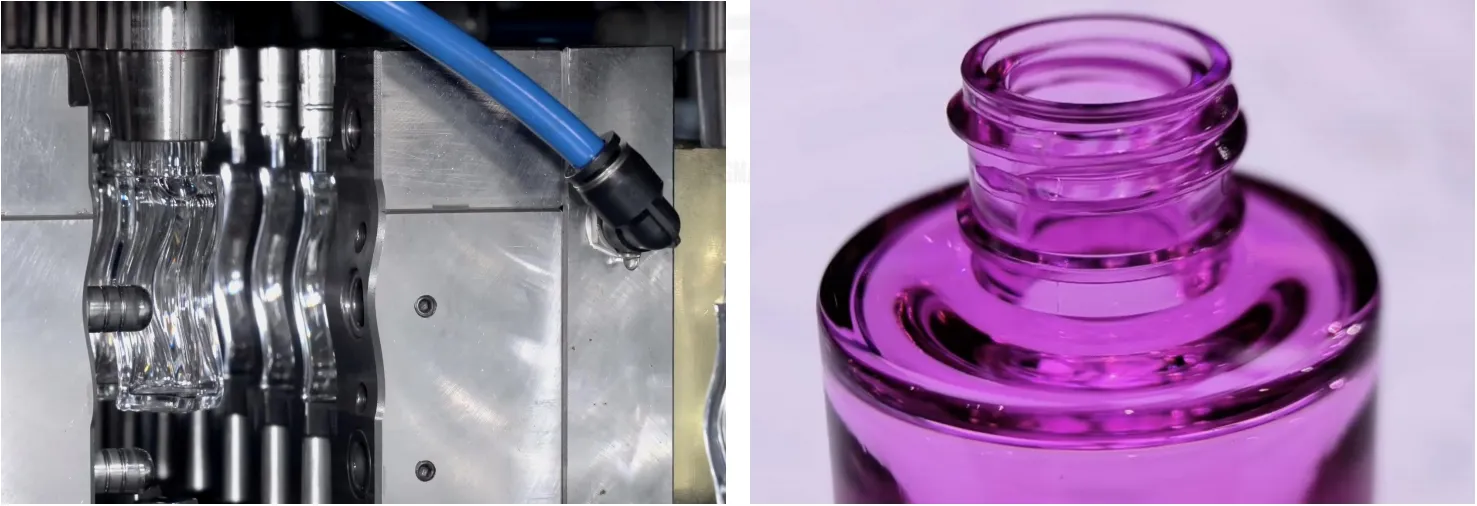
Polycarbonate has long been the material of choice for reusable water bottles, baby feeding bottles (in BPA-free formulations), laboratory containers, and premium spirits packaging. Its extraordinary impact resistance — approximately 250 times that of glass — combined with exceptional optical clarity makes it uniquely suitable for applications where durability and aesthetics must coexist.
Processing PC on an ISBM machine requires higher melt temperatures (typically 280 °C to 310 °C) and more robust clamping systems compared to PET or PP. The material is also more sensitive to moisture, so thorough drying of the resin (usually 4 to 6 hours at 120 °C in a dehumidifying dryer) is essential before processing. Failure to adequately dry PC resin will result in bubbles, splay marks, and degraded mechanical performance in the finished bottle.
Ever-Power machines designed for PC processing incorporate reinforced barrel assemblies, high-torque screw drives, and advanced temperature control systems to manage the demanding thermal requirements of this engineering thermoplastic. Our servo-driven stretch rod systems provide the precise speed and force control necessary to orient PC without cracking or stress whitening.
Tritan (Copolyester) — The BPA-Free Revolution
Eastman Tritan copolyester has emerged as one of the fastest-growing materials in the ISBM sector, particularly for baby bottles, sports water bottles, kitchen appliance components, and premium cosmetic packaging. Tritan was developed as a direct response to consumer concern about bisphenol A (BPA) in polycarbonate products. It offers glass-like clarity, excellent toughness, and inherent chemical resistance — all without any BPA, BPS, or other bisphenol compounds.
From a processing standpoint, Tritan behaves somewhat differently than PET. It requires lower injection temperatures (around 240 °C to 270 °C), a slightly wider conditioning temperature range, and generally lower stretch ratios. The material has a broad processing window, which makes it forgiving for operators who are transitioning from PET or PC molds. However, because Tritan does not crystallize the way PET does, achieving uniform wall thickness requires careful attention to the preform design and the conditioning temperature profile.
Many leading injection stretch blow molding machine manufacturers now offer Tritan-specific tooling packages, and Ever-Power is no exception. Our machines are fully validated for Tritan processing, and we have collaborated with brand owners across Asia, Europe, and the Americas to develop high-cavity Tritan molds that deliver consistent results at production speed.
PETG and PCTG — Specialty Copolyesters for Premium Packaging
PETG (polyethylene terephthalate glycol-modified) and PCTG (polycyclohexylenedimethylene terephthalate glycol-modified) are amorphous copolyesters that offer crystal-clear transparency without the haze risk associated with crystallization in standard PET. These materials are increasingly popular in the premium cosmetics market, where brands demand containers that look and feel like glass while providing the safety and design freedom of plastic.
PETG processes at slightly lower temperatures than PET (typically 220 °C to 250 °C for injection) and has a wider stretch-blow temperature window. This broader window makes it a relatively easy material to work with on ISBM equipment. PCTG, meanwhile, offers even better impact resistance and chemical resistance than PETG, making it attractive for cosmetic containers that must survive drop tests and exposure to alcohols, essential oils, and other aggressive ingredients found in personal care formulations.
Because both PETG and PCTG are amorphous, they do not undergo the stress-induced crystallization that complicates PET processing. This characteristic allows for thicker-walled, heavier containers with a premium heft that mimics glass jars, which is exactly what luxury beauty brands are looking for. Our Ever-Power ISBM platforms handle both materials with ease, and our mold design team has extensive experience creating multi-cavity tooling optimized for copolyester processing.
PLA, PS, SAN, and Other Emerging ISBM Materials
Beyond the mainstream polymers discussed above, the ISBM process is increasingly being applied to niche and emerging materials that serve specialized market segments. Polylactic acid (PLA), a bio-based and compostable polymer derived from corn starch or sugarcane, has generated enormous interest from brands that want to position their packaging as environmentally friendly. PLA can be stretch-blow molded on ISBM equipment at relatively low temperatures (180 °C to 210 °C injection, 65 °C to 80 °C conditioning), but it requires careful moisture control and slower cycle times due to its sensitivity to thermal degradation.
Polystyrene (PS) and styrene acrylonitrile (SAN) are other materials that find occasional use on ISBM machines, primarily for cosmetic jars and small containers where a rigid, crystal-clear appearance is desired. PS offers excellent clarity at low cost but has limited impact resistance, while SAN provides improved chemical resistance and a slight yellowish tint that some premium brands actually prefer for their aesthetic collections.
More exotic polymers such as cyclic olefin copolymer (COC), polyetheretherketone (PEEK), and thermoplastic polyurethane (TPU) have also been successfully processed on specialized ISBM configurations. COC, for instance, is valued in pharmaceutical packaging for its extremely low extractables and excellent moisture barrier, while PEEK containers are used in demanding aerospace and laboratory applications. These specialty materials typically require custom screw designs, specialized barrel coatings, and tailored temperature profiles that go beyond standard machine configurations.
For manufacturers exploring the replacement of aoki injection stretch blow molding machines with modern, multi-material-capable equipment, Ever-Power offers a compelling solution. Our machines are designed to accommodate a wide range of resins with quick-changeover tooling and software-driven process parameter management, reducing the time and cost associated with switching between materials.
Material Comparison at a Glance
Choosing the right material for your ISBM application depends on a complex interplay of factors — from the product’s functional requirements and regulatory environment to consumer perception and total cost of ownership. The following comparison highlights the key attributes of each material family to help guide your decision-making process.
How the One-Step ISBM Process Adapts to Different Materials
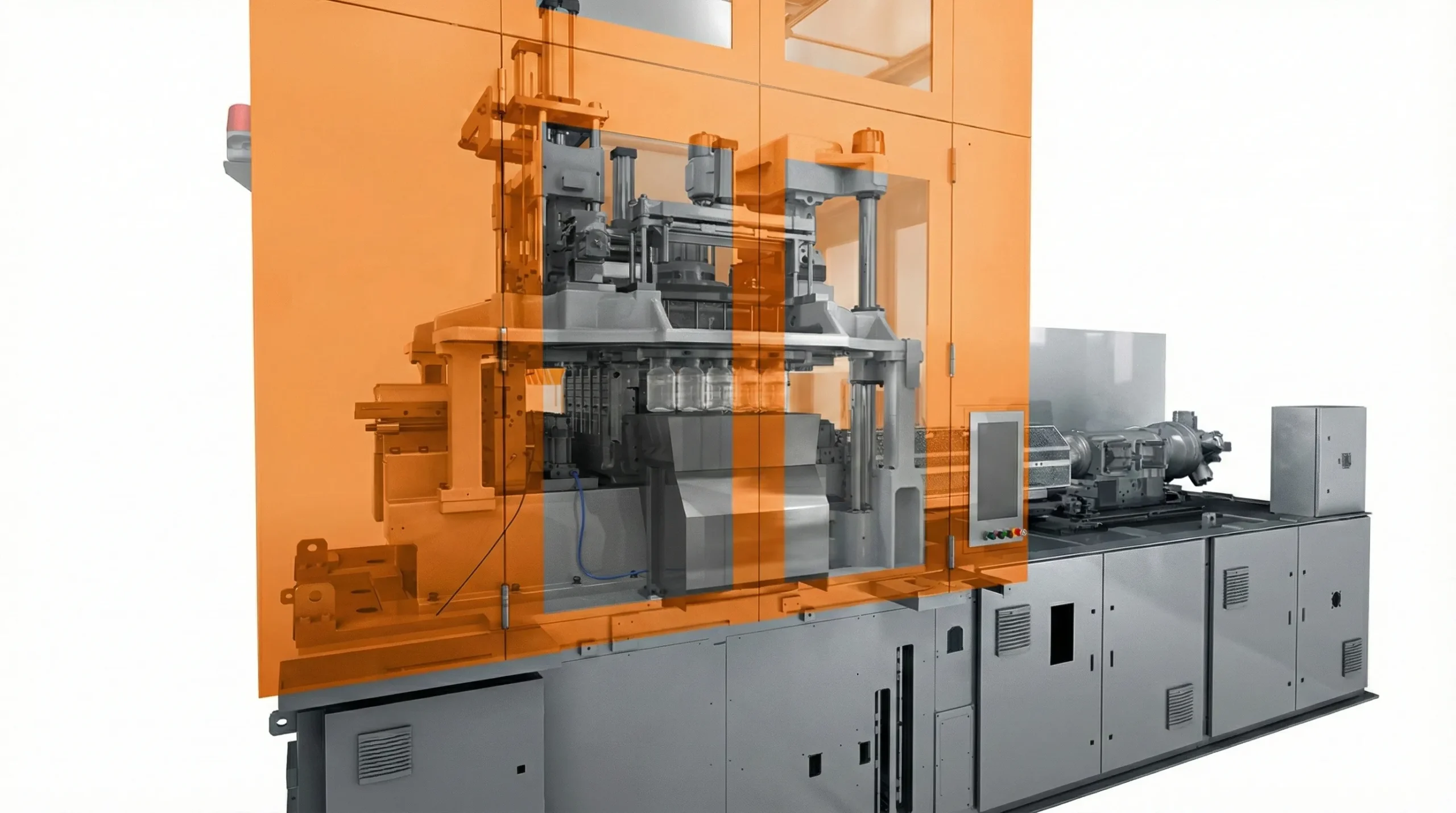
The genius of the one-step injection stretch blow molding process lies in its ability to control the entire container formation cycle — from raw resin pellet to finished bottle — within a single piece of equipment. This integrated approach eliminates the preform reheating step required in two-stage systems, which is not only a source of energy waste but also a potential cause of inconsistency in wall distribution. By retaining the latent heat from the injection phase and using precision conditioning to bring the preform to the ideal stretch-blow temperature, one-step ISBM machines can adapt to the unique thermal characteristics of each material with remarkable precision.
For example, switching from PET to PP on an Ever-Power four-station ISBM machine involves changing the mold, adjusting the barrel temperature profile, modifying the conditioning station heating zones, and recalibrating the stretch rod speed and blow pressure. On our latest servo-driven platforms, these adjustments are managed through recipe-based software controls, where pre-saved parameter sets for each material can be loaded with a few taps on the touchscreen HMI. This dramatically reduces changeover time compared to older hydraulic machines, where manual valve adjustments and mechanical re-calibration could consume hours of production time.
The conditioning station is perhaps the most material-sensitive component of the entire ISBM system. For PET, it must carefully lower the preform temperature into the narrow orientation window without triggering premature crystallization. For PP, it must maintain a higher temperature to keep the semi-crystalline structure in a stretchable state. For amorphous materials like PETG and Tritan, the conditioning station has more latitude, but still needs precise zoning to ensure that thicker sections of the preform receive adequate heat penetration.
The stretch-blow station must also be adapted for each material. The stretch ratio — the relationship between the preform length and the final bottle height — varies by resin. PET typically uses stretch ratios of 2.5:1 to 3.5:1 in the axial direction, while PP and Tritan may use lower ratios of 1.5:1 to 2.5:1. The blow pressure setting also varies, with PET requiring higher pressures (up to 3.8 MPa) for full orientation, while PETG and Tritan can be blown at lower pressures (1.5 to 2.5 MPa).
Selecting the Right ISBM Machine for Your Material Needs
When evaluating ISBM equipment for a multi-material production environment, there are several critical factors that go beyond basic tonnage and cavity count. The plasticizing unit must be versatile enough to handle the full range of melt temperatures your material portfolio requires. For operations that process both PET (high-temperature) and PLA (low-temperature), a screw design with a general-purpose compression ratio and effective mixing geometry is typically preferred over material-specific designs that optimize for a single resin.
Clamping force is another important consideration. PC and some grades of PP require higher injection pressures than PET, which means the machine must have sufficient clamping tonnage to prevent flash at the parting line during the injection phase. Our Ever-Power three-station and four-station machines are available in multiple tonnage configurations, allowing customers to select the optimal clamping force for their specific material and container size requirements.
As a trusted isbm machine manufacturer, Ever-Power designs every machine with multi-material flexibility as a core engineering principle. Our modular conditioning systems, interchangeable screw assemblies, and adaptive servo controls enable rapid changeovers between resins without sacrificing production quality or cycle time efficiency.
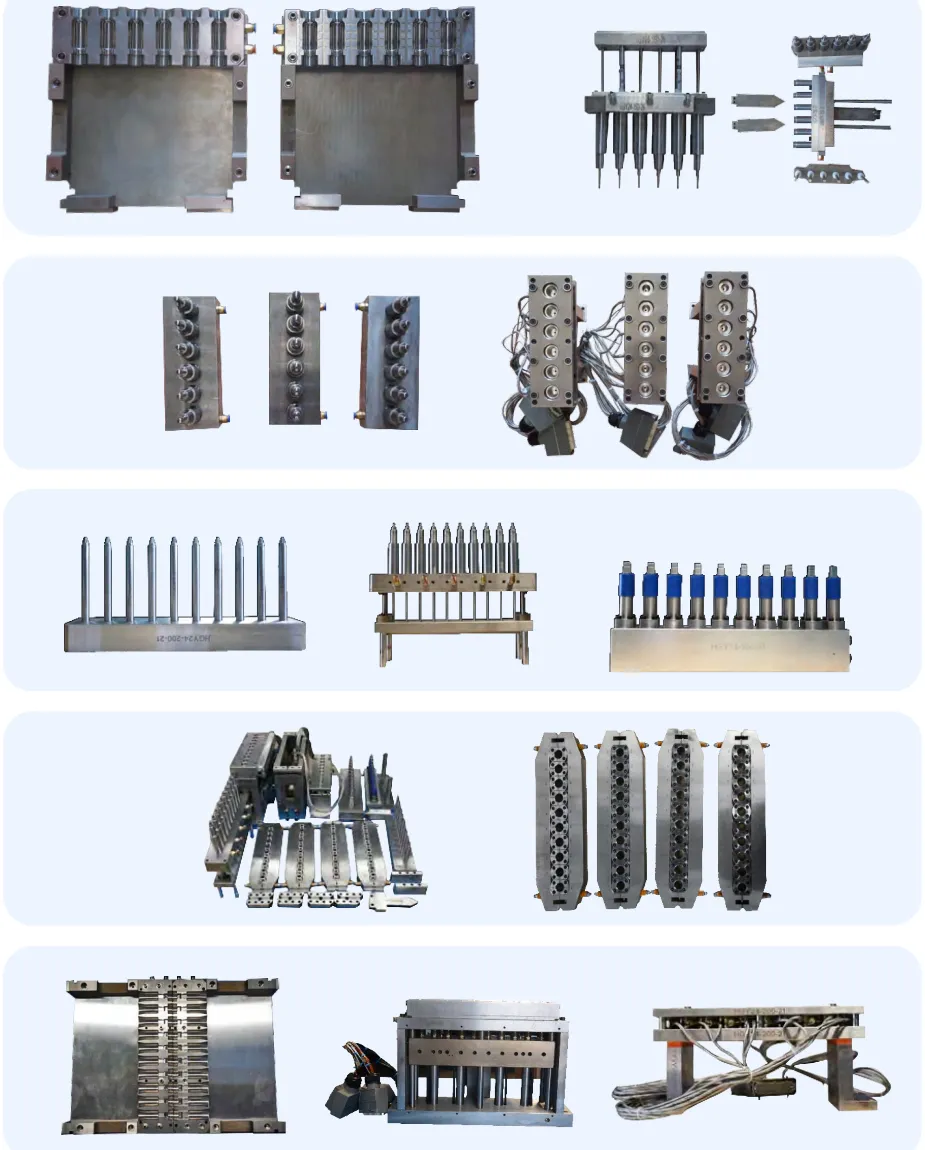
It is worth noting that mold compatibility plays a significant role in multi-material operations. The thermal expansion characteristics, gate design, and venting requirements vary between materials. A mold designed for PET may not produce optimal results with PP or Tritan without modifications. This is why we always recommend consulting with our mold engineering team during the project planning phase, especially for operations that intend to run three or more different resins on the same machine platform.
Industry-Specific Material Applications and Trends
💊
Pharmaceutical Packaging
The pharmaceutical sector demands the highest levels of material purity and container consistency. PET and PP dominate this space, with PP being preferred for containers that must be autoclaved. COC is gaining ground for premium ophthalmic and injectable drug packaging due to its ultra-low extractable profile. All materials used in pharma ISBM applications must comply with stringent regulations including FDA 21 CFR, EU Regulation 10/2011, and regional pharmacopeia standards.
✨
Cosmetics and Personal Care
Cosmetics packaging is where material diversity truly shines in ISBM. Premium brands frequently use PETG and PCTG for their glass-like clarity and thick-wall capability. PET remains the workhorse for mass-market personal care, while Tritan is carving a niche in reusable cosmetic containers and travel-size bottles. The ability to process multiple copolyesters on a single ISBM line gives cosmetic contract manufacturers enormous flexibility to serve diverse brand requirements.
🍼
Baby Products and Food Contact
The baby products market has largely shifted away from PC toward Tritan and PPSU (polyphenylsulfone) for feeding bottles and sippy cups. These BPA-free alternatives offer the durability and transparency that parents expect while meeting the strictest global food contact regulations. PP remains popular for baby food containers and wide-mouth jars. Ever-Power’s machines have been validated for all of these materials and are trusted by some of the world’s leading baby product brands.
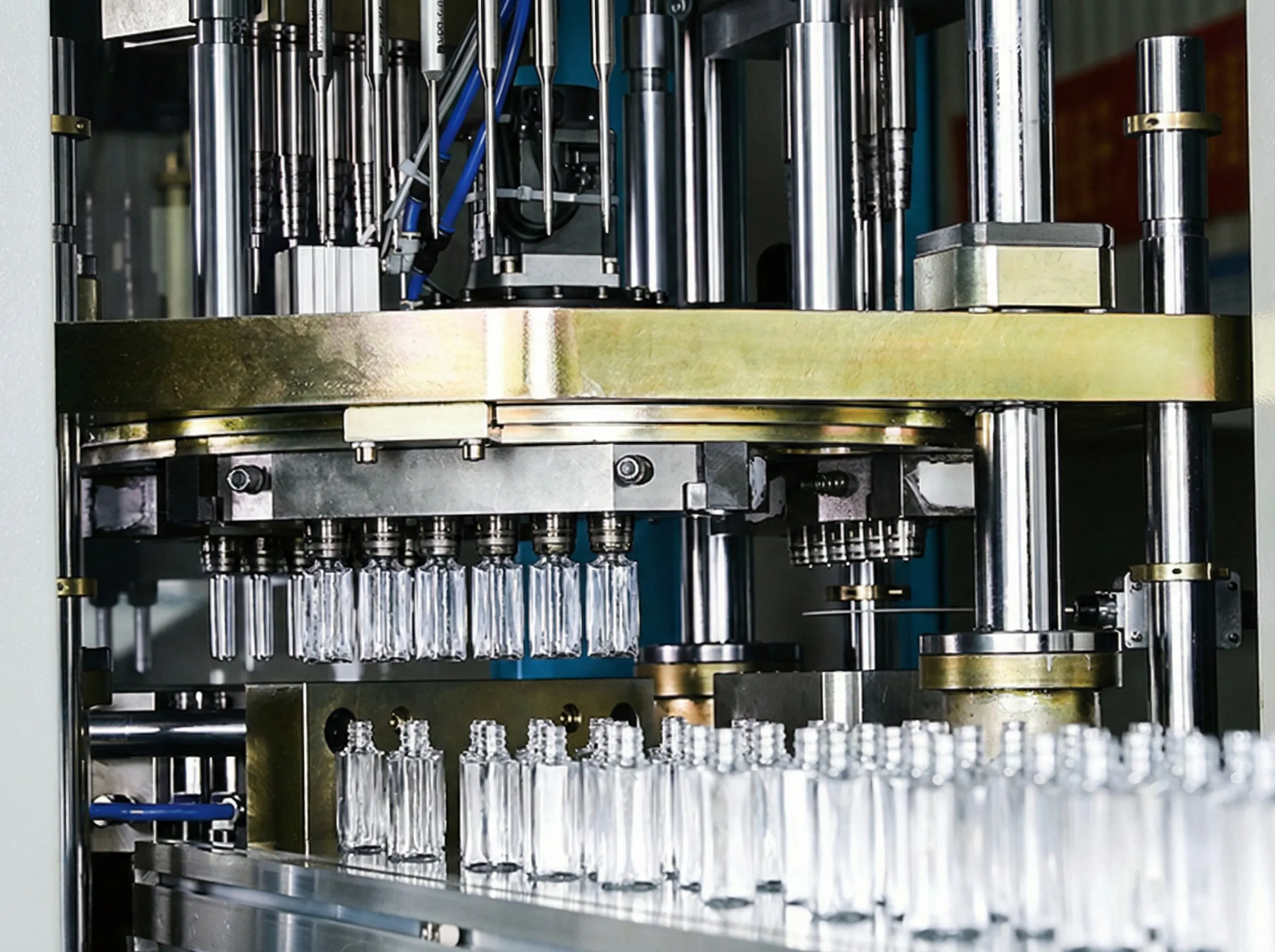
Beverage packaging continues to be dominated by PET, but the segment is becoming more nuanced. Functional beverages, premium water brands, and small-batch craft drinks are driving demand for distinctive bottle shapes and custom materials like colored PET, recycled PET (rPET), and even PLA for environmentally conscious brands. The one-step ISBM process is particularly well suited for short and medium production runs because it eliminates the need for preform inventory, enabling quick changeovers between bottle designs and materials.
As a reliable isbm mold injection machines supplier, Ever-Power supports beverage customers with complete turnkey solutions that include machine, mold, and process development for their specific resin and bottle design.
Material Sustainability and Recycled Content in ISBM
The global packaging industry is under increasing pressure to incorporate recycled content and bio-based materials into production. This trend is reshaping the material landscape for ISBM operators. Recycled PET (rPET) is now widely available in food-contact-approved grades and can be processed on standard ISBM equipment with minor adjustments to account for variations in intrinsic viscosity and potential contaminants. Many of our European and North American clients are already running 25 percent to 100 percent rPET content on their Ever-Power machines, meeting regulatory requirements and corporate sustainability targets.
Recycled PP (rPP) is a more challenging material to work with in ISBM applications due to variability in melt flow index and potential odor issues. However, improvements in sorting technology and decontamination processes are gradually making rPP a viable option for non-food applications. Bio-based PET, derived from sugarcane-based monoethylene glycol, is chemically identical to petroleum-based PET and processes exactly the same way on ISBM equipment.
PLA, as mentioned earlier, offers full compostability but has limitations in heat resistance and barrier properties that restrict its use to cold-fill, short-shelf-life applications. Emerging materials like polyhydroxyalkanoates (PHA) and polyethylene furanoate (PEF) are being explored as next-generation sustainable alternatives with improved performance characteristics, though they are not yet commercially available at scale for ISBM processing.
Material Preparation: Drying Requirements and Pre-Processing Best Practices
Proper material preparation is a critical factor in achieving consistent, high-quality results on any ISBM machine, regardless of the resin being processed. Most thermoplastics used in ISBM are hygroscopic to varying degrees, meaning they absorb moisture from the ambient environment. If this moisture is not removed through proper drying before processing, it will cause defects ranging from cosmetic blemishes (bubbles, splay marks, haze) to structural weaknesses in the container wall.
PET is perhaps the most moisture-sensitive material commonly used in ISBM. It must be dried to below 50 ppm moisture content, which typically requires 4 to 6 hours in a dehumidifying dryer at 160 °C to 175 °C. PC requires similar drying conditions at 120 °C for 4 to 6 hours. PETG and Tritan are somewhat more forgiving but still require thorough drying at 65 °C to 70 °C for 4 to 8 hours to achieve optimal clarity and mechanical performance.
PP is the least moisture-sensitive of the common ISBM materials, but drying is still recommended, particularly for clarified grades where even minor moisture content can cause haze. A drying cycle of 2 to 3 hours at 80 °C to 90 °C is usually sufficient for PP. PLA, despite its bio-based origin, requires aggressive drying protocols similar to PET — failure to adequately dry PLA will result in rapid molecular weight degradation and severely compromised mechanical properties.
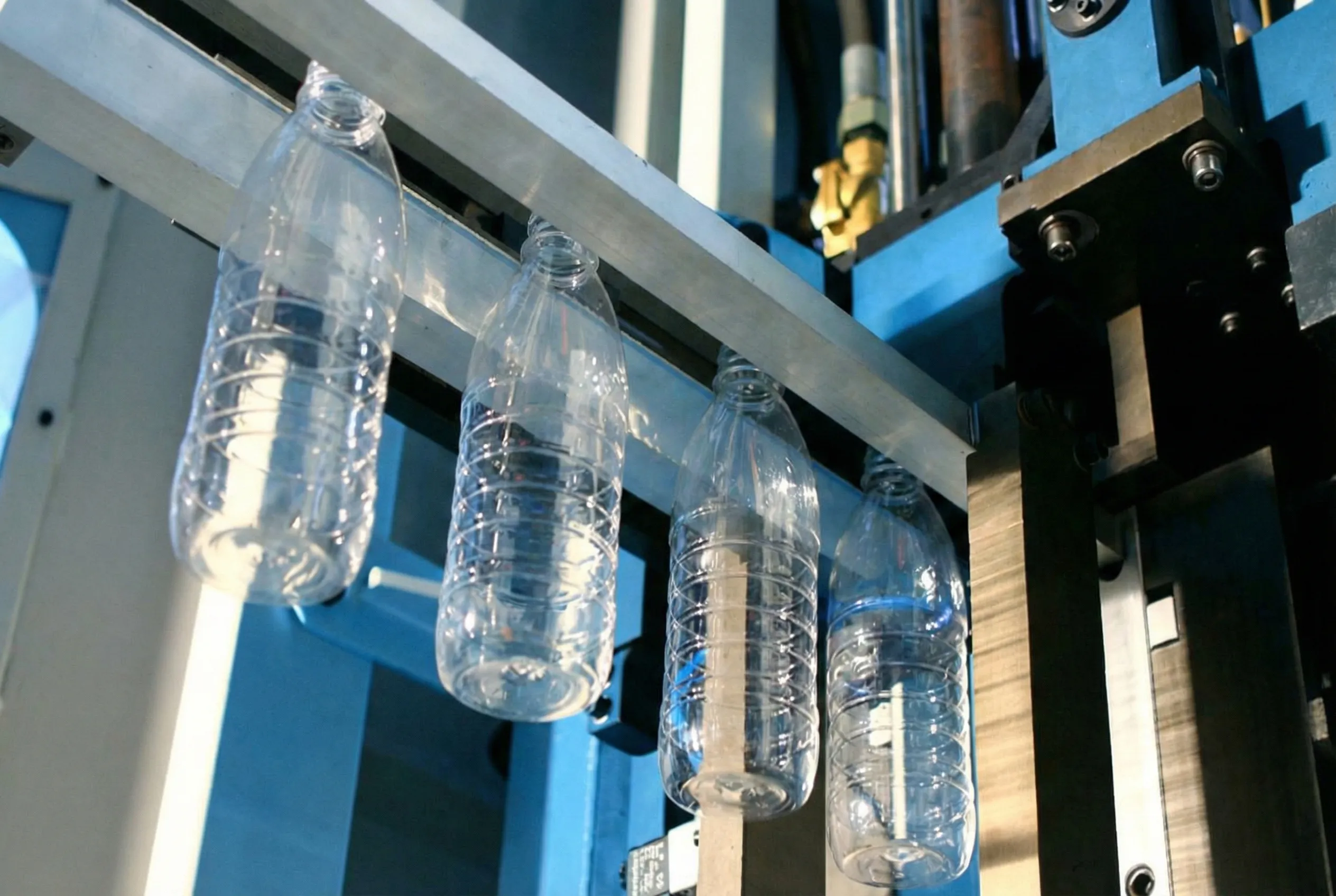
Beyond drying, material handling practices also matter. Contamination with dust, metal particles, or other resins can cause defects in the finished container and damage sensitive mold surfaces. We always recommend dedicated material handling systems with magnetic separators and in-line metal detectors for high-end ISBM applications, particularly in pharmaceutical and baby product manufacturing where zero-defect production is the expectation.
Colorants and additives must also be carefully selected and dosed for ISBM applications. Liquid color systems are generally preferred over masterbatch for ISBM because they distribute more evenly throughout the preform and do not affect the stretch-blow behavior of the base resin. UV stabilizers, nucleating agents, and anti-static additives can also be incorporated, but their compatibility with the base resin and their impact on the stretch-blow process must be validated through testing before production runs.
Why Choose Ever-Power for Multi-Material ISBM Production?
With more than twenty years of focused experience in one-step injection stretch blow molding, Ever-Power has built a deep well of material processing knowledge that directly benefits our customers. We do not simply sell machines — we partner with our clients to develop optimized processing solutions for their specific material and container requirements. Our engineering team has hands-on experience with more than twenty different thermoplastic resins across thousands of container designs, from 5 ml eye dropper bottles to 5-liter wide-mouth jars.
20+
Years of ISBM Expertise
20+
Compatible Resin Types
20,000+
m² Production Facility
Our machines feature full compatibility with Japanese ASB machine molds, which means manufacturers who are currently running ASB equipment can transition to Ever-Power machines without the expense and lead time of new tooling. This capability is particularly valuable for operations that have invested heavily in existing mold assets and need a cost-effective upgrade path to modern, energy-efficient equipment. If you are currently looking at an isbm machine for sale, we invite you to explore our full product range and discuss your specific material processing requirements with our engineering team.
Our global presence includes production facilities, warehousing, and service networks across Asia, Europe, and the Americas. We provide comprehensive after-sales support including on-site installation, operator training, spare parts supply, and remote diagnostic services through our smart machine monitoring platform. Whether you are a startup exploring ISBM for the first time or an established converter looking to expand your material processing capabilities, Ever-Power has the technology, experience, and service infrastructure to help you succeed.
Frequently Asked Questions About ISBM Materials
Can I process both PET and PP on the same ISBM machine?
Yes, most modern one-step ISBM machines, including all Ever-Power models, are designed for multi-material processing. Switching between PET and PP requires a mold change and adjustment of the temperature profile, injection parameters, and stretch-blow settings. On our servo-driven machines, these adjustments can be loaded from saved recipes, reducing changeover time to approximately 60 to 90 minutes depending on the mold configuration.
Is Tritan more difficult to process than PET on ISBM equipment?
Tritan is actually considered slightly easier to process than PET in many respects because it has a broader stretch-blow temperature window and does not undergo crystallization. However, achieving optimal wall distribution in Tritan containers requires careful preform design and conditioning station calibration. Our engineering team provides comprehensive process support for Tritan applications, including preform geometry optimization and full process parameter development.
Can recycled PET (rPET) be used in one-step ISBM machines?
Absolutely. Food-contact-approved rPET can be processed on standard ISBM equipment with minor parameter adjustments to accommodate variations in intrinsic viscosity. Many of our customers in Europe and North America are successfully running blends containing 30 percent to 100 percent recycled content. The key is to source high-quality, consistent rPET from reputable suppliers and to ensure thorough drying before processing.
What is the maximum bottle size achievable with these materials?
The maximum container size depends on both the material and the machine platform. PET bottles up to 5 liters are routinely produced on larger ISBM machines. PP and PC containers tend to be smaller, typically up to 2 liters, due to the higher material costs and different stretch characteristics. PETG and Tritan containers are most commonly produced in sizes ranging from 30 ml to 1 liter, which aligns with their primary use in cosmetics and baby products.
How do I determine which material is best for my specific application?
Material selection depends on multiple factors including the product being packaged (temperature, chemical compatibility), regulatory requirements, desired aesthetic (clarity, color, surface finish), mechanical performance (drop resistance, squeeze flexibility), sustainability goals, and cost targets. We recommend starting with a consultation with our applications engineering team. We can provide sample bottles in different materials for your evaluation and conduct laboratory testing to verify compatibility with your specific product formulation.
Ready to Explore Multi-Material ISBM Solutions?
Whether you need to produce PET beverage bottles, Tritan baby bottles, or PETG cosmetic containers, Ever-Power has the machine technology and material expertise to help you achieve outstanding results. Contact our team today for a personalized consultation and discover why leading brands worldwide trust Ever-Power as their preferred ISBM partner.