
The Decision That Shapes Your Per-Unit Economics
When B2B procurement teams evaluate container manufacturing technologies, the choice between injection stretch blow molding and rotary stretch blow molding often comes down to one practical question: which process delivers the best combination of efficiency, quality, and cost control at volumes ranging from 100,000 to 10 million units per year? This article provides production managers, plant engineers, and purchasing directors with a clear, evidence-based framework for making that decision — without the ambiguity that typically surrounds comparative technology assessments.
The global PET container market continues to expand across sectors including personal care, pharmaceuticals, food and beverage, and household chemicals. With growing pressure to reduce waste, shorten lead times, and maintain tight tolerances on container geometry, the selection of the right molding technology is no longer a secondary consideration — it is a core competitive differentiator.
Both technologies produce biaxially oriented, stretch-blown containers. Both can work with PET, PP, and similar thermoplastic resins. Both are capable of producing containers that meet demanding mechanical and optical performance criteria. But the architectures, workflows, capital structures, and operating economics of injection stretch blow molding (ISBM) and rotary stretch blow molding diverge significantly — and those divergences matter enormously when your production volumes sit in the small-to-medium range.
This guide examines both technologies in depth, compares them across the dimensions that matter most for capital allocation decisions, and explains why — for the majority of B2B manufacturers operating below 10–15 million containers per year — the ISBM platform consistently delivers superior outcomes.
Understanding the Two Technologies
Injection Stretch Blow Molding (ISBM)
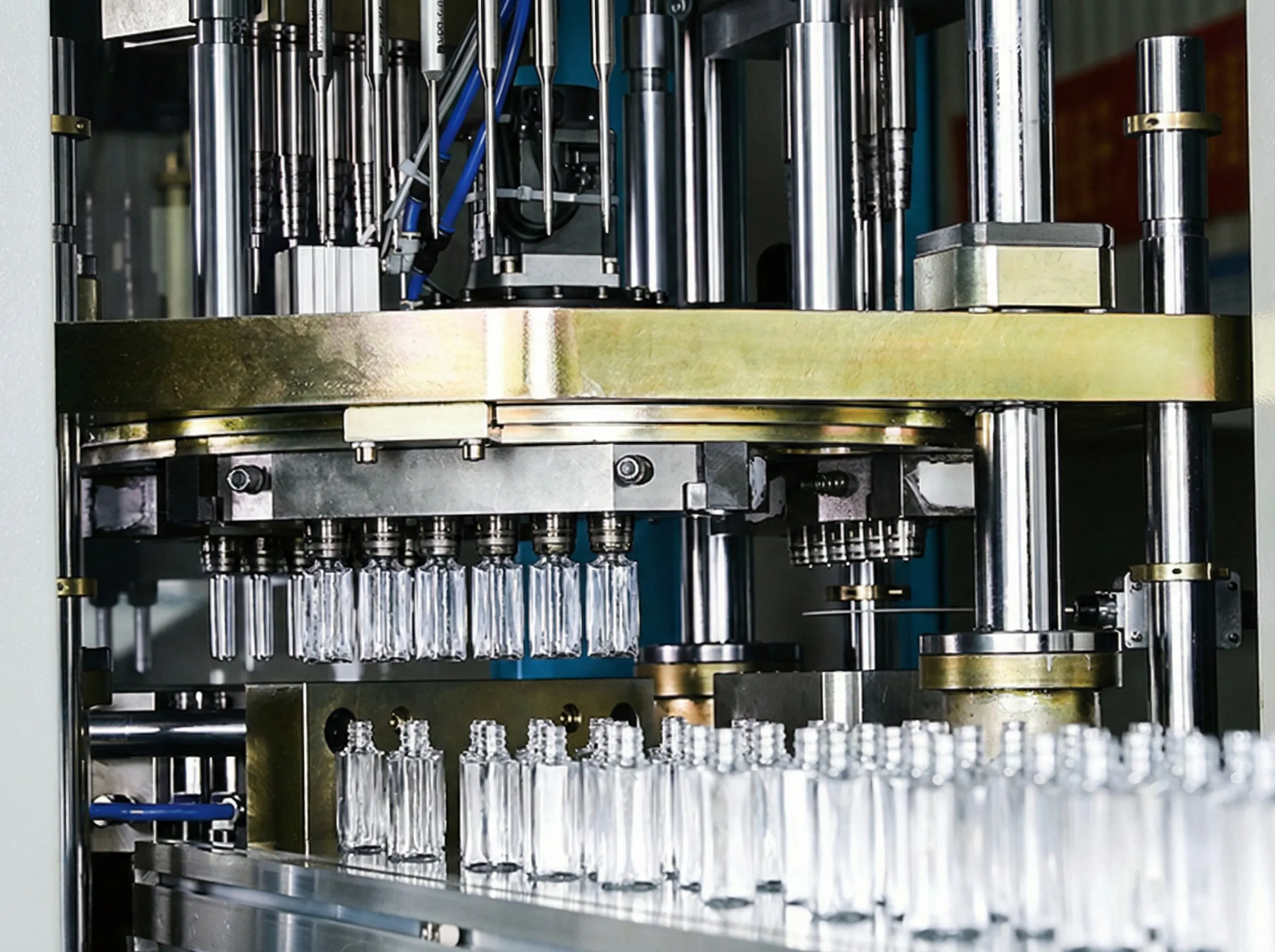
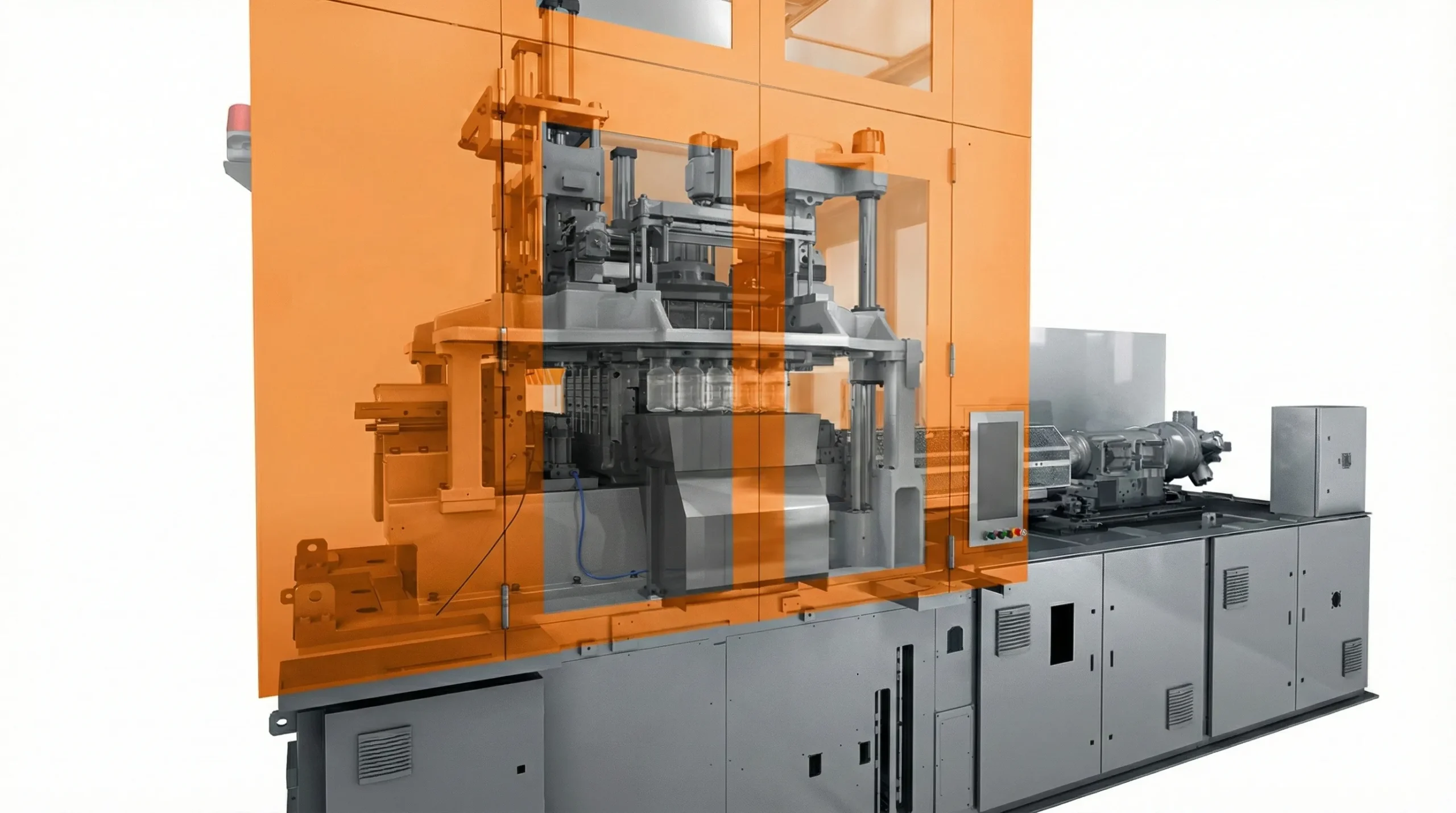
ال عملية التشكيل بالنفخ والتمديد بالحقن integrates three operations — preform injection, temperature conditioning, and blow molding — into a single, synchronized machine cycle. Unlike two-stage reheat stretch blow molding, the ISBM approach eliminates the need to separately manufacture, cool, store, transport, and reheat preforms. The preform is injected, thermally conditioned to the precise blow temperature, and immediately transferred to the blow station — all within the same machine, within one continuous cycle. A ماكينة نفخ وتشكيل بالحقن أحادية المرحلة typically operates on a rotary or linear indexing platform with three, four, or six stations, each performing a dedicated function: injection, conditioning, stretching and blowing, and ejection.
Rotary Stretch Blow Molding
Rotary stretch blow molding, commonly referred to as two-stage SBM, separates preform production and container blowing into entirely distinct operations. Preforms are injection-molded on a separate machine — often at a different facility or on a different production line — and then reheated in a linear infrared oven before entering a rotary blow wheel. These systems are engineered primarily for very high-volume applications, typically above 10–15 million bottles per year per mold cavity set. The continuous rotation of the blow wheel allows modern rotary machines to achieve impressive absolute throughput figures. However, this speed advantage comes with significant infrastructure costs, changeover complexity, and minimum economic run lengths that make rotary SBM financially impractical for small to medium production volumes.
Why Thermal Continuity Is a Decisive Advantage
The thermal continuity inherent to the injection stretch blow molding process is one of the most consequential — and most frequently underestimated — technical advantages the platform holds over two-stage alternatives. In ISBM, the preform never fully cools before blowing. The polymer chains are oriented under uniform, precisely controlled thermal conditions. The result is a container with more consistent mechanical properties: better top-load strength, improved barrier characteristics, and tighter dimensional tolerances.
In rotary SBM, the preform is produced on a separate injection molding machine — often days or weeks before blowing. Preform storage conditions (temperature, humidity, UV exposure) can affect blow performance and finished container properties, introducing a category of process variability that ISBM inherently avoids. When the preform arrives at the infrared oven for reheating, it must return to a precise blow temperature from ambient, a process that demands careful oven zone calibration and is inherently less precise than the integrated conditioning station of an ISBM machine — particularly for short preforms, wide-mouth containers, and materials with narrow processing windows such as PETG or PET/PEF blends.
“The single-stage ISBM approach eliminates reheat variability entirely — the preform goes from injection to blow in a single thermal journey, producing containers with more uniform wall thickness distribution and superior optical clarity compared to two-stage processes.”
This thermal precision is especially critical in regulated industries. For pharmaceutical container applications, where container geometry directly affects dosing accuracy and closure performance, the dimensional consistency delivered by ISBM machines provides a measurable, auditable advantage over rotary SBM alternatives.
The Production Economics of Small to Medium Runs
For volumes between 100,000 and 10 million containers per year, ISBM consistently outperforms rotary SBM across the metrics that matter most.
Capital Efficiency
The all-in capital requirement for a rotary SBM installation — including the preform injection press, ancillary cooling systems, preform storage infrastructure, reheat oven, and blow machine — is substantially higher than a comparable ISBM installation. For manufacturers producing 2–5 million bottles per year across multiple SKUs, a single four-station ISBM machine frequently delivers a more favorable return on invested capital than a rotary line engineered for peak throughput at a single container geometry.
Tooling & SKU Flexibility
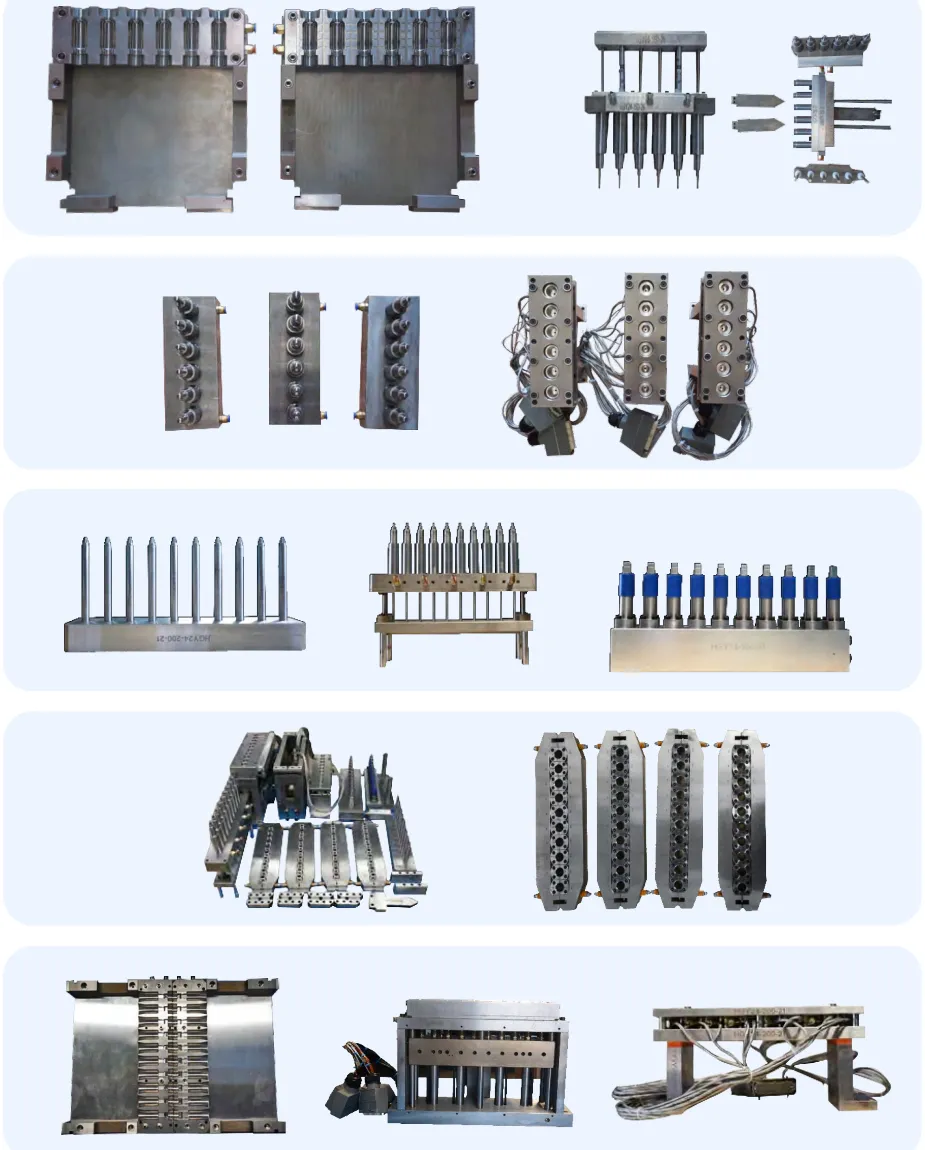
ISBM molds integrate the injection cavity, core, and blow cavity within a single tooling package. This integration reduces the number of separate mold components that must be sourced, validated, inventoried, and maintained. For manufacturers managing 5–20 active container SKUs simultaneously, this tooling simplicity translates directly into faster changeovers, lower tooling inventory costs, and reduced risk of mold misalignment between preform injection and blow stages.
Energy Consumption
The thermal efficiency of the single stage ISBM process is demonstrably superior to two-stage approaches. By eliminating the reheat cycle — which requires substantial electrical energy to bring preforms from ambient temperature back to blow temperature — ISBM machines consume significantly less energy per container. This benefit compounds as energy costs rise and carbon reporting obligations become more stringent across supply chains.
Floor Space & Infrastructure
A complete rotary SBM line — from preform injection through final container output — typically requires two to three times the floor area of an equivalent ISBM installation. For manufacturers operating in leased facilities or planning brownfield expansions, this spatial efficiency can be a decisive factor in technology selection. ISBM requires no separate preform storage area, no oven infrastructure, and no inter-machine conveyor systems.
Process Comparison: Stage-by-Stage Analysis
To fully evaluate the ISBM platform against rotary SBM, it is useful to examine each production stage in detail. The differences are not merely architectural — they have direct implications for container quality, process reproducibility, and the ability to serve demanding end-market specifications.
Stage 1: Preform Injection
In ISBM, preform injection occurs at the first station of an integrated machine. The mold clamp force, injection pressure, and cooling time are precisely calibrated to produce a preform of exact weight, wall distribution, and neck geometry. There is no transfer, handling, or storage step that could introduce dimensional variability or contamination. The preform proceeds directly to the next station under controlled mechanical transfer.
In rotary SBM, the preform is produced on a separate injection molding machine — often days or weeks before blowing. Preform storage conditions such as temperature, humidity, and UV exposure can affect blow performance and finished container properties, adding process variability that single-stage ISBM inherently avoids.
Stage 2: Thermal Conditioning
ISBM machines include an integrated conditioning station where preform temperature is actively managed prior to the blow cycle. This station can apply differential heating to specific zones of the preform, enabling precise control over the final container wall profile. This capability is particularly valuable for containers with complex geometry — wide-mouth jars, offset necks, and highly asymmetric shapes that require non-uniform preform wall distribution.
Rotary SBM relies on linear infrared ovens for preform reheating. While modern infrared ovens offer zone-controlled heating, the reheat process is inherently less precise than the integrated conditioning station of an ISBM machine — particularly for materials with narrow processing windows such as PETG, PET/PEF blends, and clarified polypropylene grades.
Stage 3: Stretch and Blow
Both technologies apply simultaneous axial stretching via a stretch rod and radial inflation via blow air to biaxially orient the container walls. The stretch-to-blow sequence, pressure profiles, and timing parameters are functionally comparable. The primary difference lies in the thermal state of the preform at the moment of blowing: in ISBM, the preform arrives at the blow station at a precisely controlled temperature directly from the conditioning station; in rotary SBM, the preform arrives from an oven that introduces a brief temperature equilibration delay and higher inter-unit variability.
The consequence of this difference is visible in wall thickness distribution measurements and optical haze values. Container lots produced on ISBM machines typically show narrower standard deviations in wall thickness measurements compared to equivalent containers produced on rotary SBM equipment — a difference that matters substantially in lightweight container programs where material savings depend on consistent minimum wall thickness achievement.
Stage 4: Ejection and Downstream Handling
ISBM machines eject finished containers directly to a conveyor or accumulation table. The absence of preform handling, oven transfer, and blow machine loading sequences reduces the number of potential contact and contamination points, simplifying GMP compliance in pharmaceutical and cosmetic applications. This single-step ejection architecture also reduces the number of potential pinch points and mechanical failure modes in the production line, contributing to higher overall equipment effectiveness (OEE) values under sustained production conditions.
Quality Outcomes and Design Flexibility
Container quality is a multidimensional metric that encompasses optical properties, mechanical performance, dimensional accuracy, and regulatory compliance. Across all four dimensions, the integrated architecture of the ISBM platform delivers consistent advantages for small to medium production runs.
🔍 Optical Clarity
The thermal continuity of the ISBM process minimizes crystallinity gradients in the container wall, resulting in exceptional optical clarity. This is particularly important in cosmetic, personal care, and beverage applications where shelf impact depends on the visual quality of the container. Comparative haze measurements consistently favor ISBM-produced containers.
💪 Mechanical Performance
Biaxial orientation achieved under controlled thermal conditions produces containers with superior top-load strength, drop impact resistance, and internal pressure performance. These mechanical advantages directly support light-weighting programs that reduce per-unit material costs while maintaining performance specifications.
📏 Dimensional Accuracy
Because injection and blowing occur within the same thermal cycle, ISBM machines produce neck finishes with exceptional dimensional accuracy. This is particularly important in pharmaceutical, cosmetic, and specialty food applications where container neck geometry directly affects closure performance, dosing accuracy, and downstream filling line compatibility.
🧴 Design Versatility
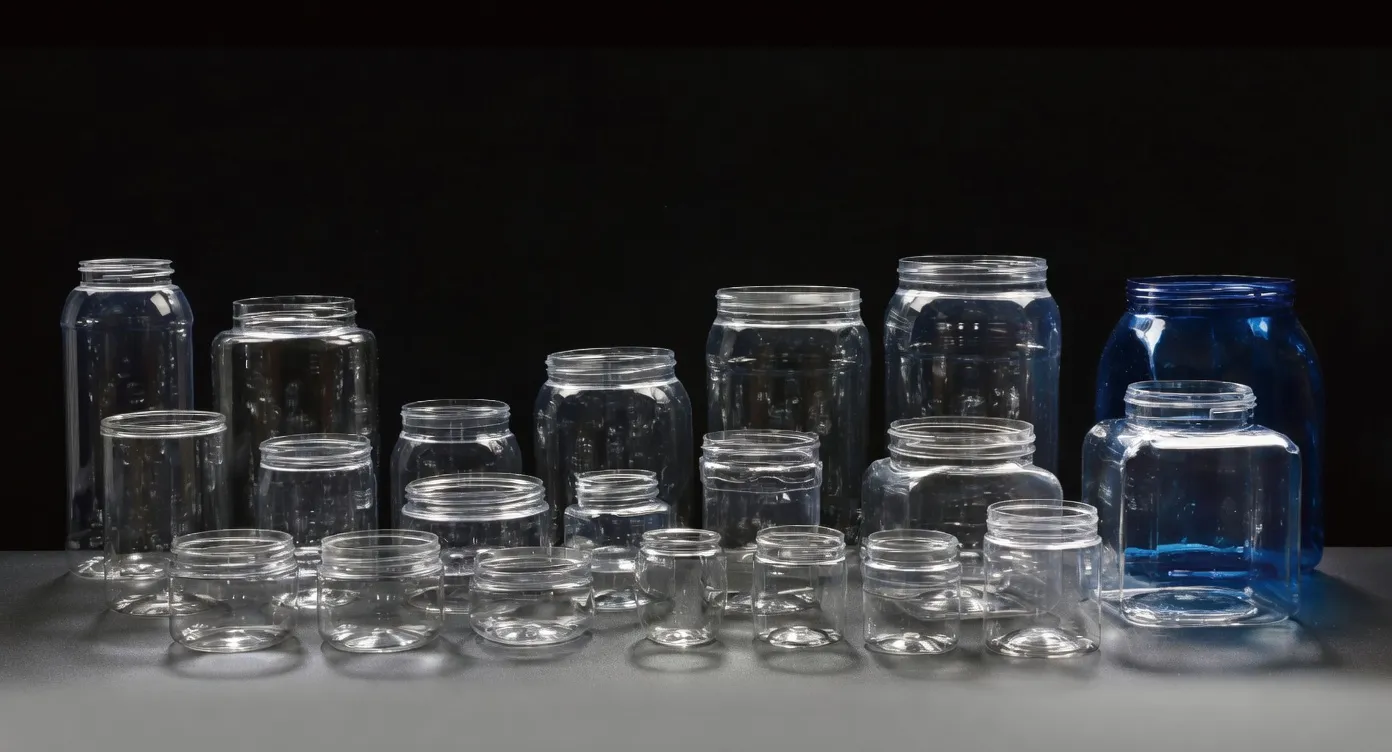
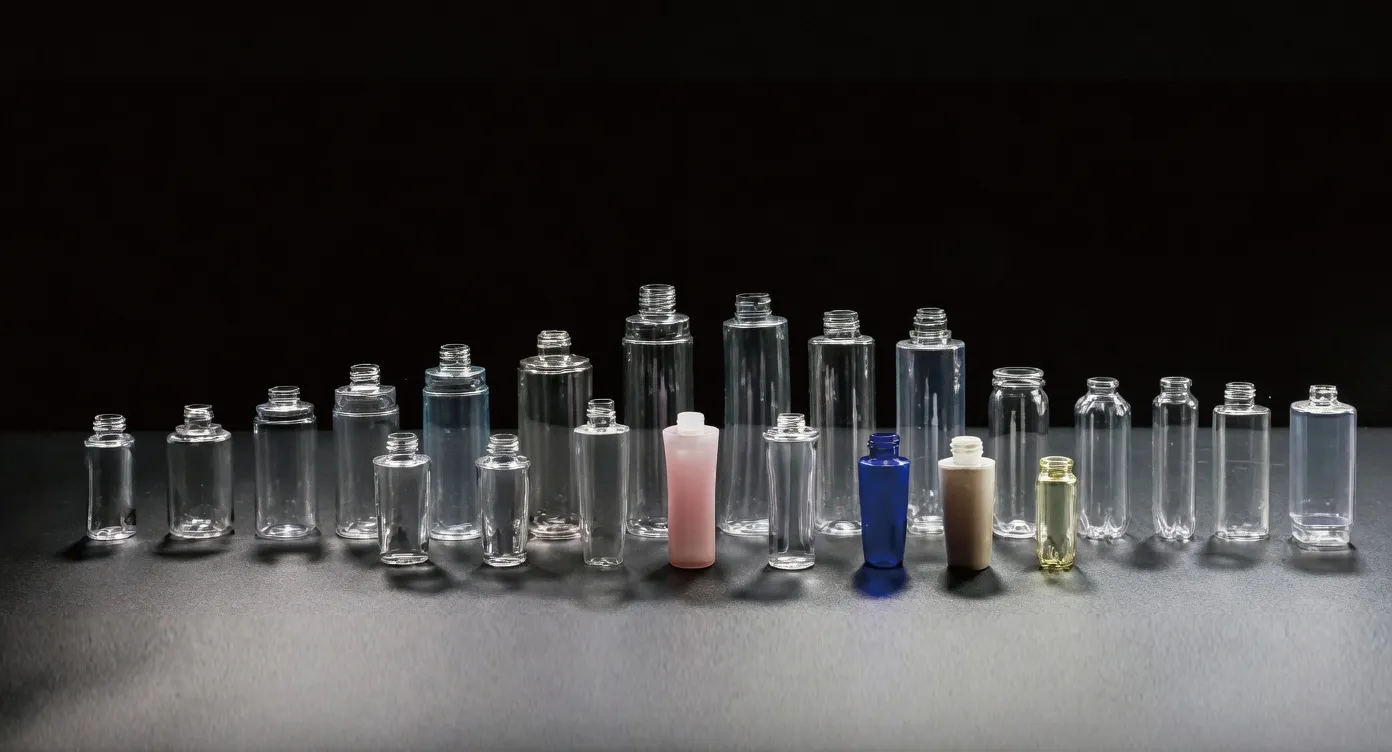
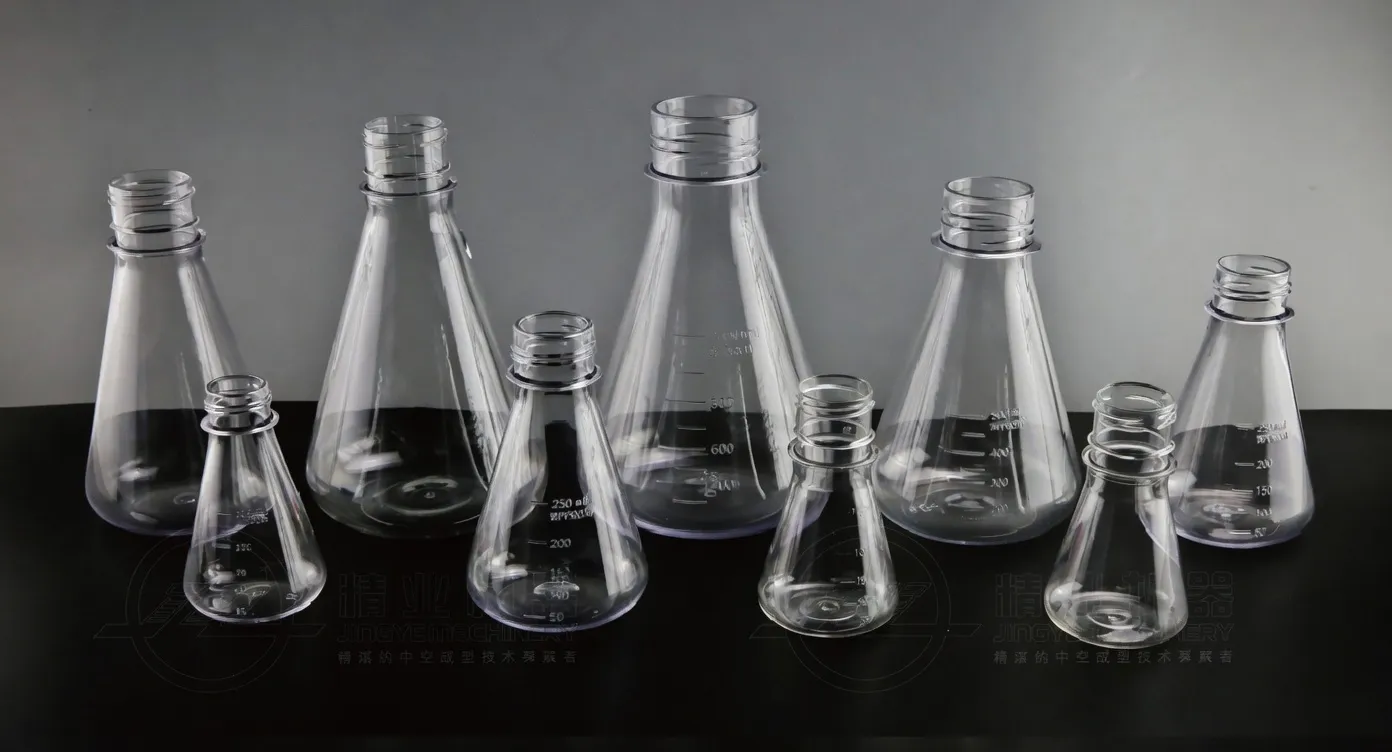
ISBM tooling supports a wider range of container geometries than rotary SBM, including wide-mouth jars, non-round cross-sections, integral handles, and containers with complex shoulder or base profiles. This geometric versatility makes ISBM the preferred choice for manufacturers serving premium or specialty market segments.
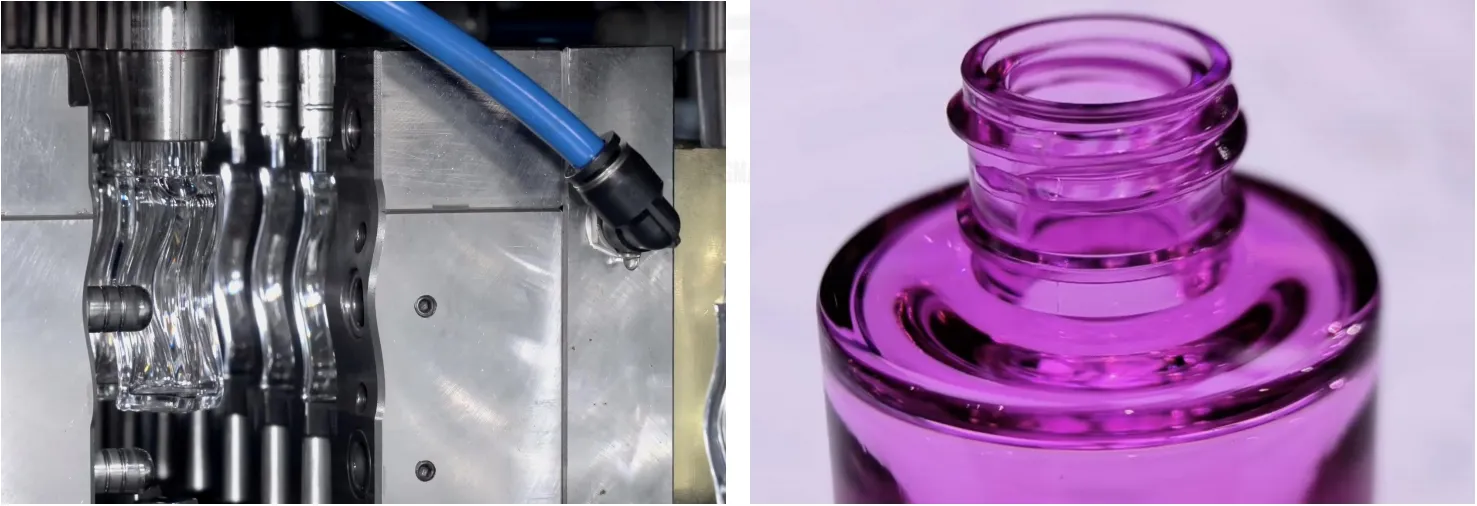
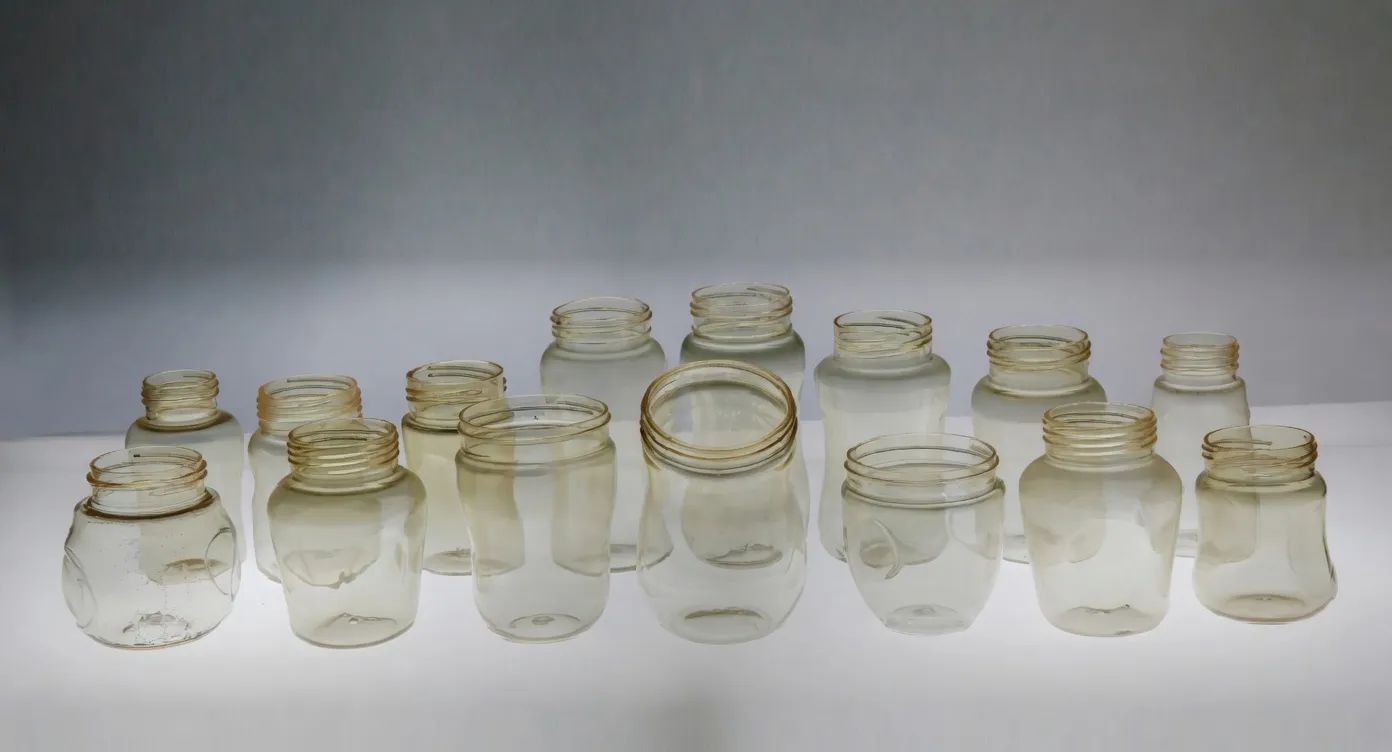
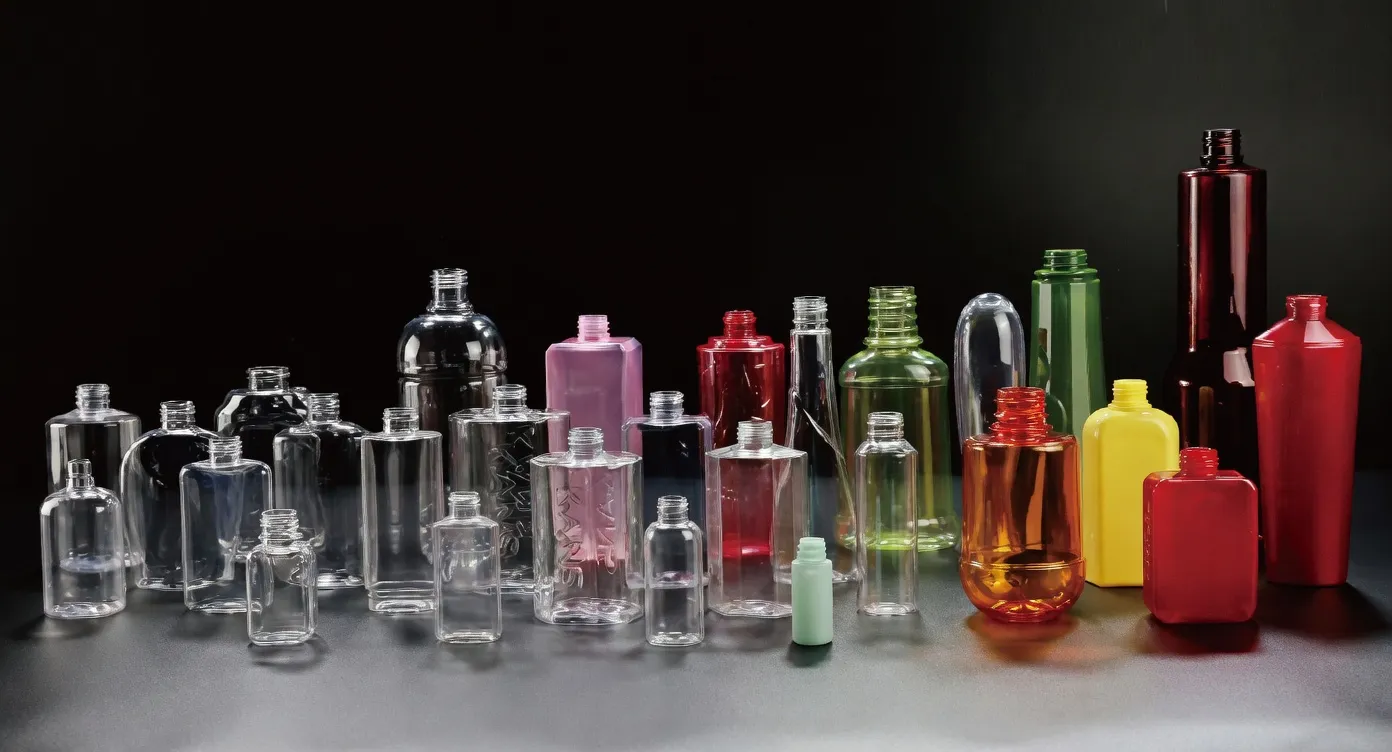
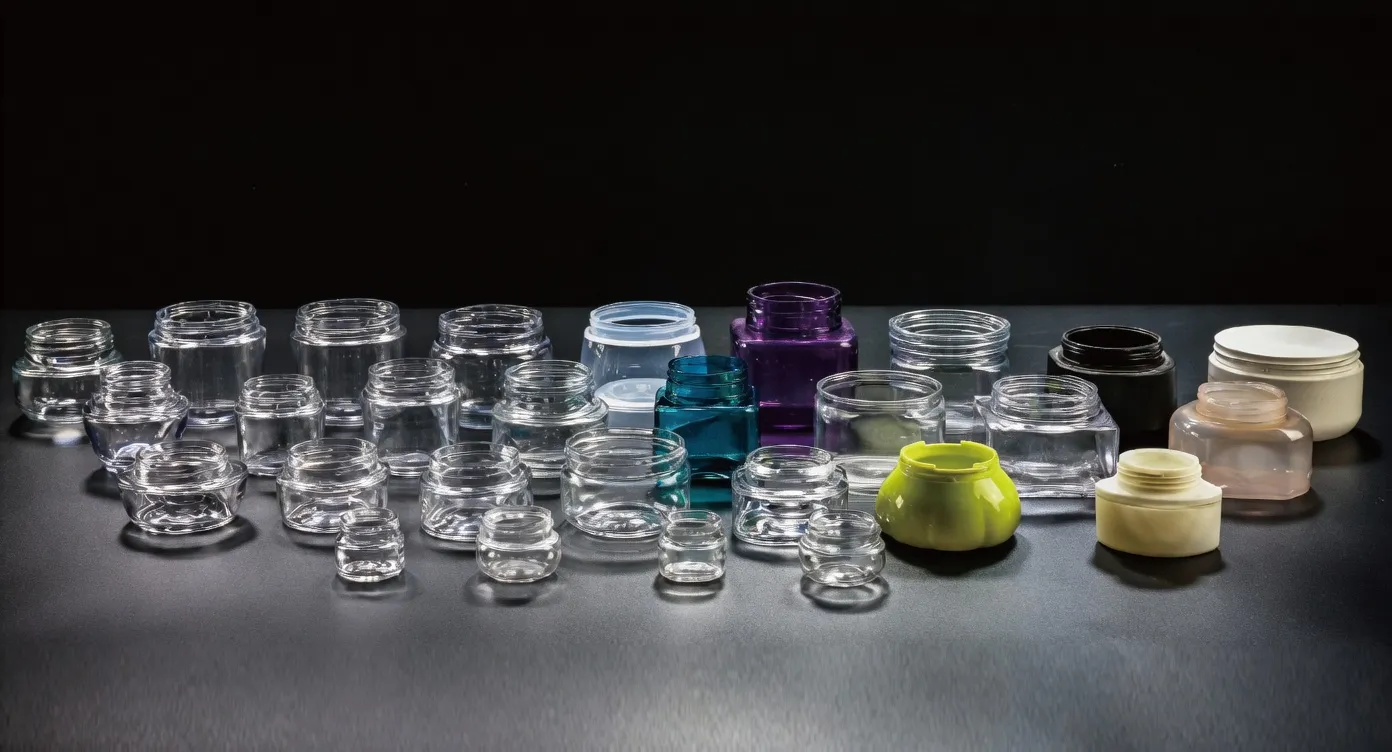
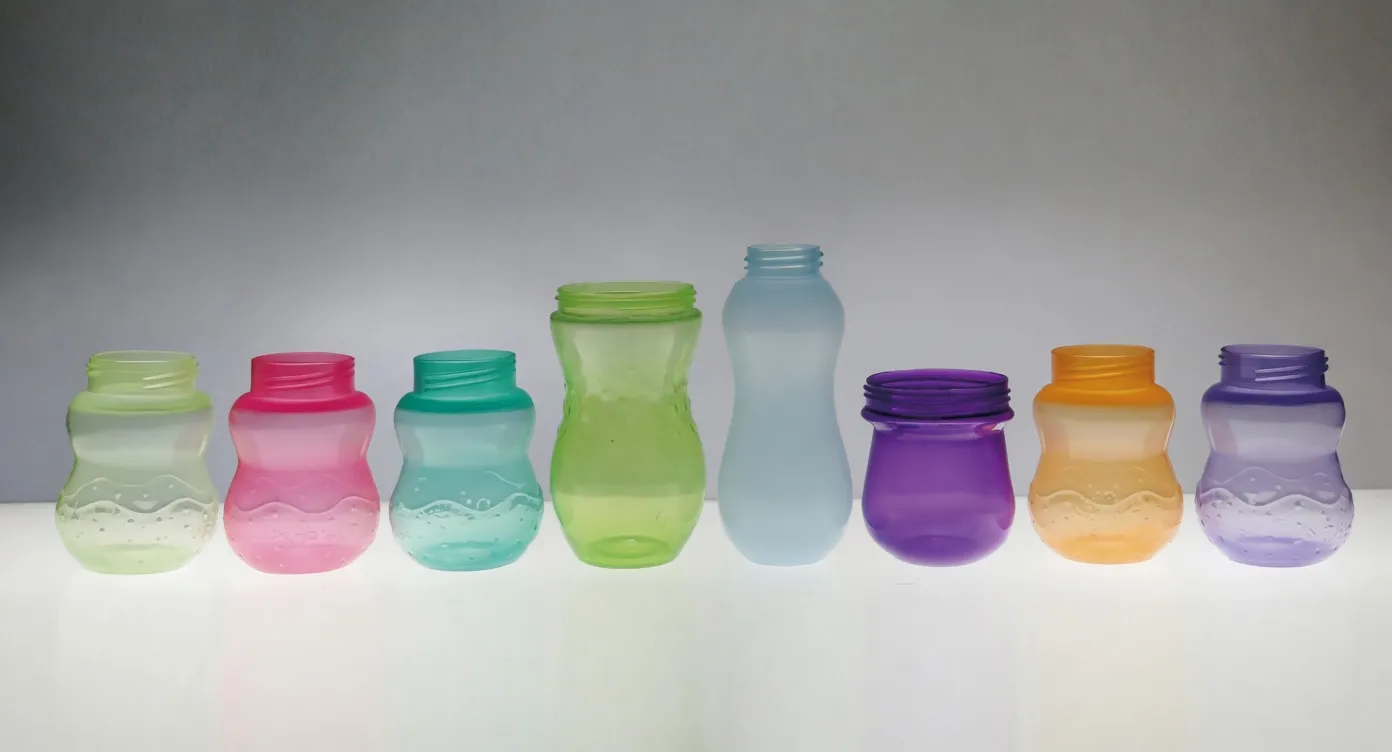
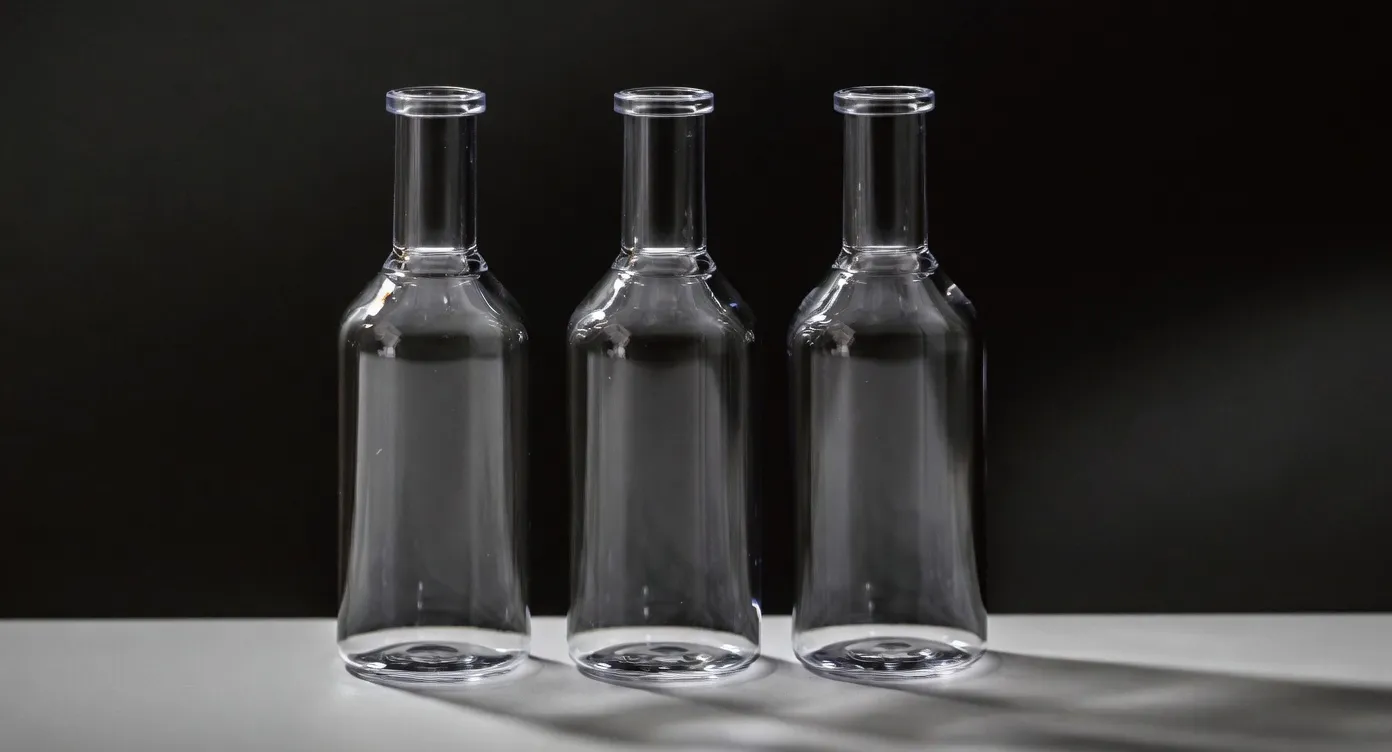
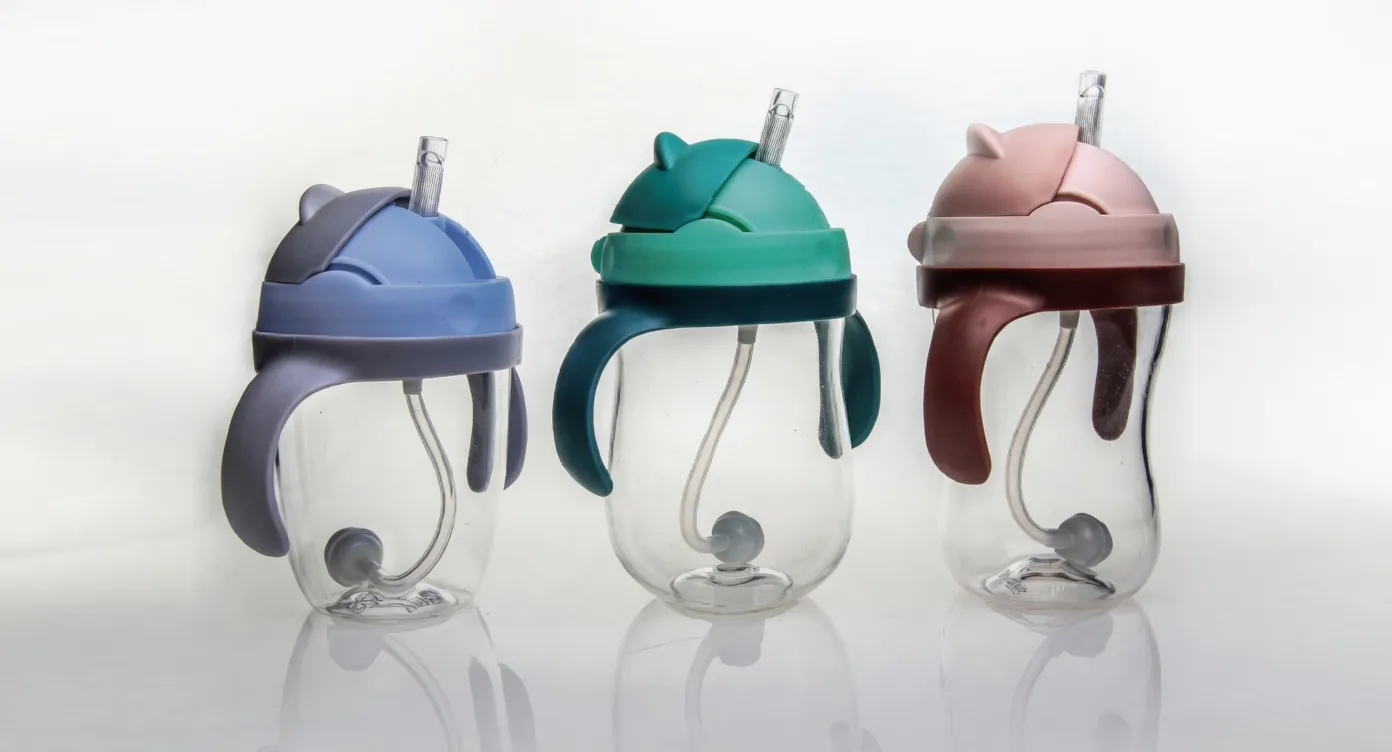
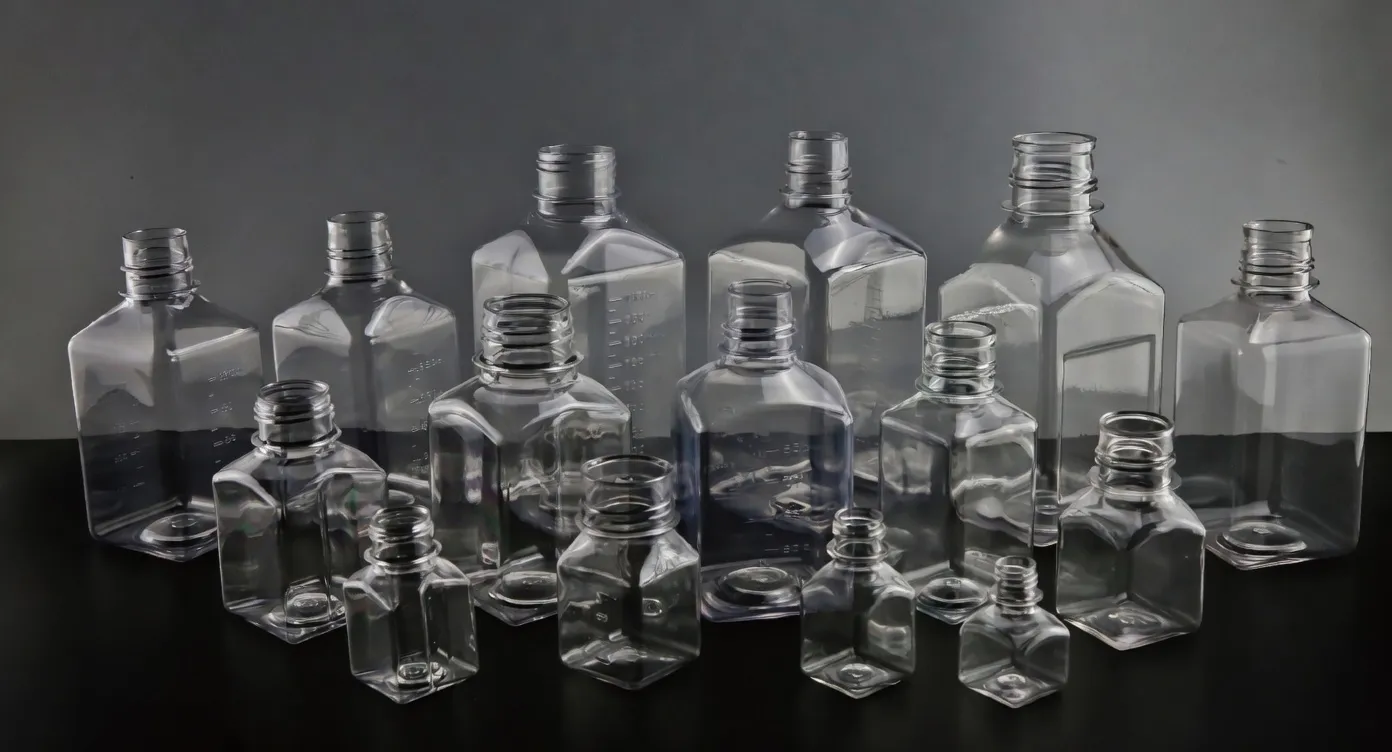
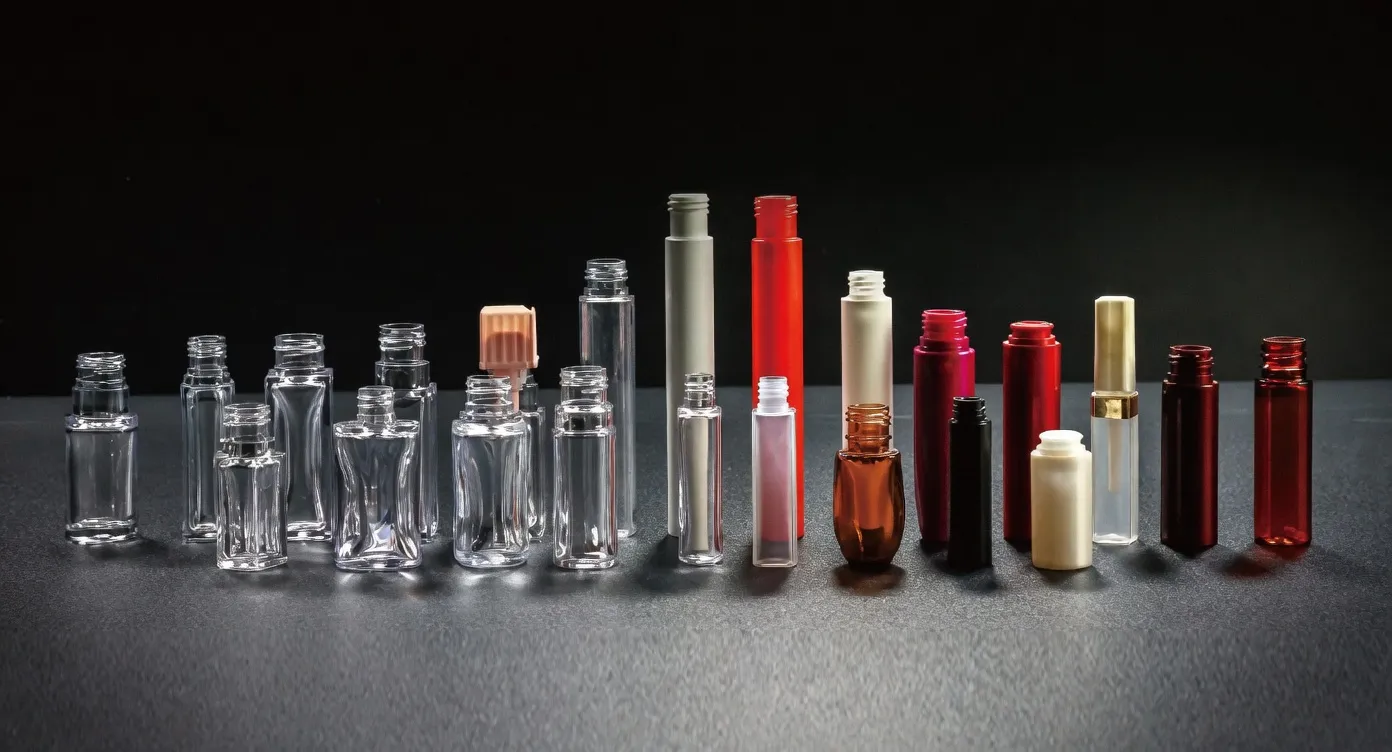
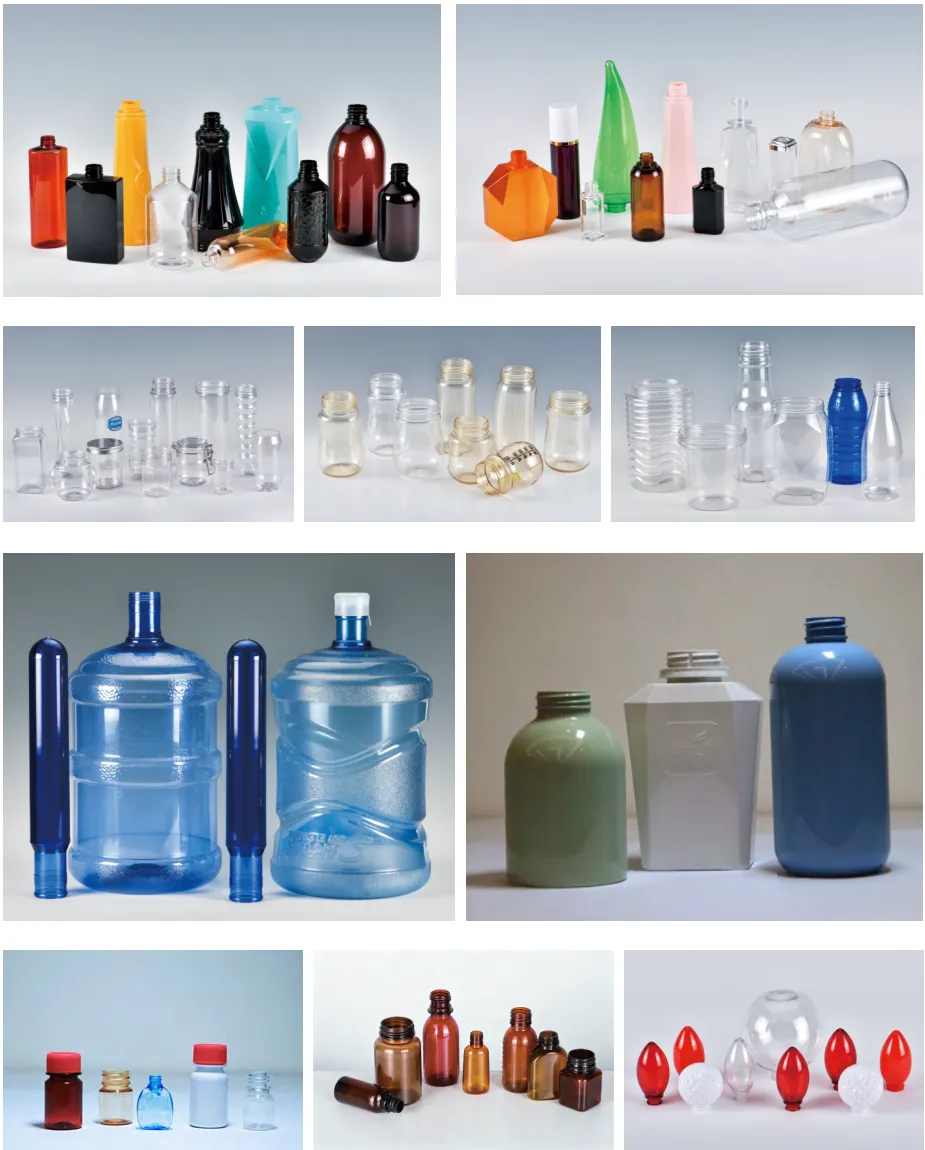
Bottle Samples Produced by Our ISBM Machines
A diverse range of container geometries, neck finishes, and volumes — all produced on Ever-Power ISBM machines






Machine Replacement and Upgrade Considerations
Many manufacturers currently operating older single-stage equipment are actively evaluating the استبدال آلات نفخ وحقن القوالب من نوع أوكي with modern alternatives. Aoki machines, while historically well-regarded for their mechanical robustness, are no longer in production and face increasing challenges in spare parts availability, PLC software compatibility, and energy performance benchmarks. Modern ISBM machines from established مصنعي آلات حقن وتشكيل القوالب بالنفخ offer fully servo-driven axes, integrated digital process monitoring, real-time quality feedback systems, and energy recovery capabilities that deliver measurable improvements in operating cost and container quality compared to earlier-generation equipment.
When evaluating a machine replacement program, manufacturers should assess several critical dimensions: tooling compatibility between the old and new machine platforms; the availability of on-site technical commissioning support from the new supplier; demonstrated machine performance data on equivalent container specifications; and the total cost of ownership over a 10-year horizon rather than simply the initial capital outlay.
Key Evaluation Criteria for Machine Replacement
- Clamp force range and compatibility with existing mold dimensions
- Servo-electric versus hydraulic drive architecture and energy consumption benchmarks
- PLC platform and HMI interface modernization
- Integration capability with Industry 4.0 production monitoring systems
- Commissioning support scope and training provision
- Spare parts logistics and guaranteed supply chain continuity
- Reference sites with equivalent container applications and verifiable performance data
Leading machine suppliers now offer tooling adaptation programs and extended commissioning support to minimize the production impact of a machine replacement project. For manufacturers producing specialty containers in regulated industries — pharmaceutical, cosmetic, food contact — these support programs can be the decisive factor in supplier selection, outweighing machine price differences of 10–15%.
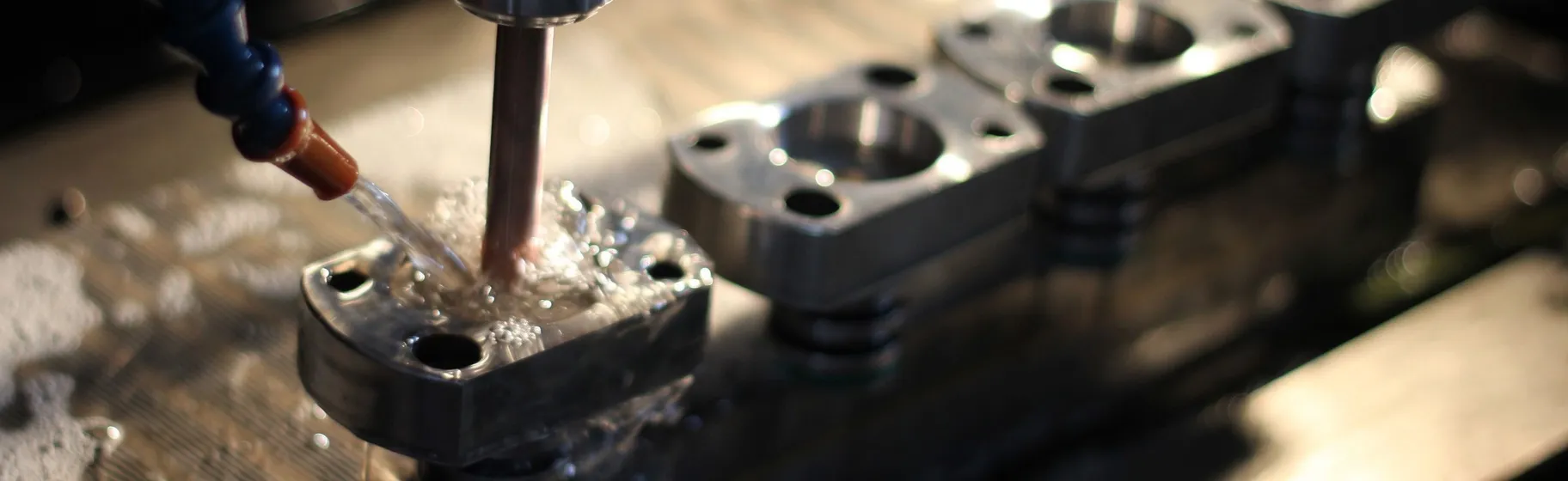
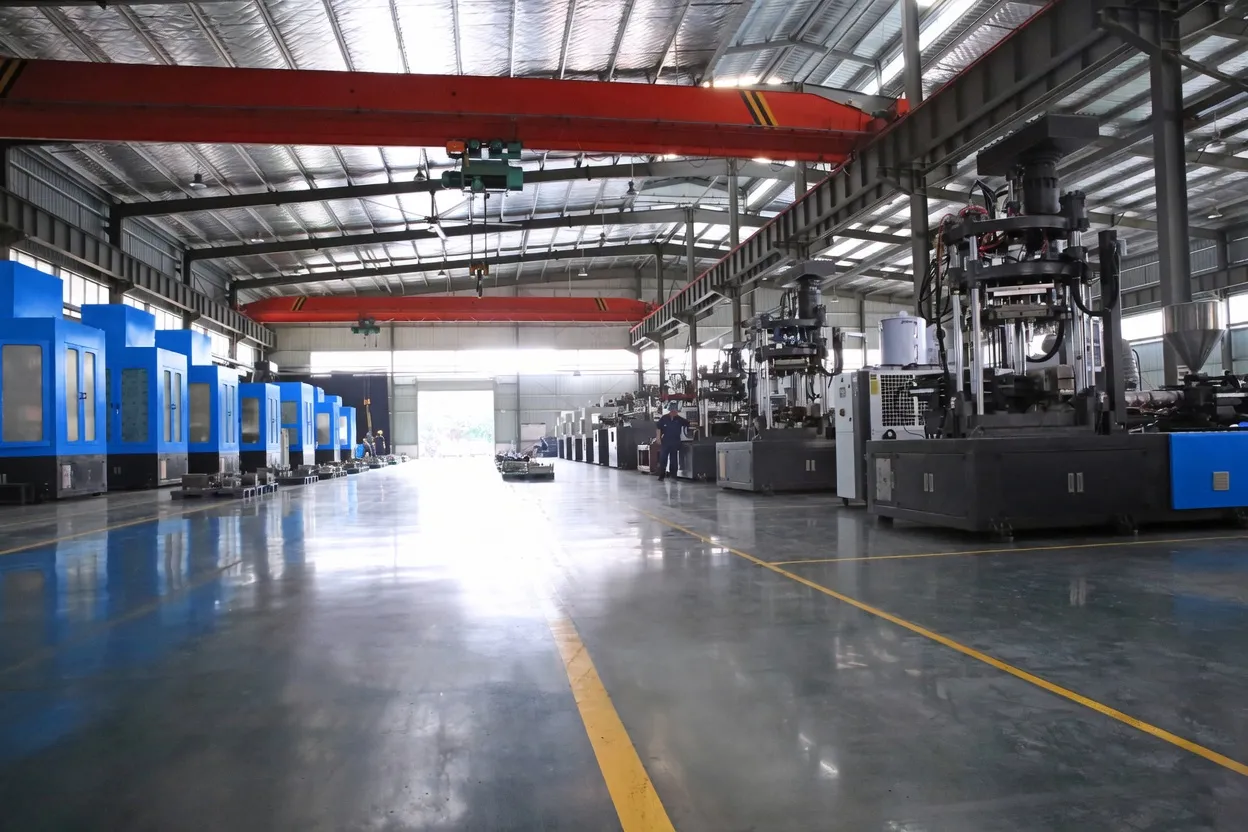
Our Manufacturing Capability
Selecting the Right ISBM Machine Partner
The selection of an شركة تصنيع آلات ISBM should be evaluated on a multi-dimensional scorecard that extends well beyond machine price. The total value equation encompasses machine performance consistency, mold platform breadth, process support capability, spare parts availability, and the supplier’s demonstrated track record across industries and container types comparable to your own application requirements.
Machine architecture and clamping technology are primary considerations. Four-station versus six-station designs suit different production volume and SKU diversity profiles. All-electric servo drive systems offer energy efficiency and process repeatability advantages over hydraulic platforms, though hydraulic machines retain competitive advantages in certain high-tonnage applications. The clamp force range of the selected machine must comfortably encompass the full portfolio of container geometries and cavity counts that you anticipate producing over the machine’s operational lifetime — not just the initial target application.
Mold platform compatibility and tooling availability are equally important. Evaluate the breadth of the supplier’s existing mold library, the cost and lead time for custom mold development, and the availability of quick-change tooling systems if your operation requires frequent SKU changeovers. An established مورد آلات حقن القوالب من شركة ISBM with a proven track record across multiple industries will typically offer a significantly lower total cost of ownership than a lower-priced alternative with limited mold support infrastructure.
سوق آلة ISBM للبيع has expanded significantly in recent years, with qualified machines available from manufacturers in Asia, Europe, and North America. Prospective buyers should carefully distinguish between genuinely capable production machines — backed by verifiable factory acceptance test (FAT) protocols, process validation documentation, and comprehensive after-sales support — and lower-cost alternatives that may not meet the process consistency requirements of demanding applications in regulated markets.
Process control and digitalization capabilities increasingly differentiate machine platforms. Evaluate the availability of integrated process monitoring, remote diagnostics capability, OEE reporting interfaces, and compatibility with Industry 4.0 connectivity standards. For manufacturers supplying to multinational customers with transparency requirements across their supply chains, these digital capabilities are shifting from differentiated features to table-stakes requirements.
The Verdict: ISBM Wins for Small to Medium Runs
For the overwhelming majority of manufacturers operating in the small to medium production volume range — broadly defined as 100,000 to 10 million containers per year — injection stretch blow molding delivers a compelling combination of capital efficiency, process control, tooling flexibility, and energy performance that rotary stretch blow molding cannot match at comparable investment levels.
The integrated single-stage ISBM architecture eliminates multiple process steps, reduces variability across every quality dimension, and provides the geometric and material flexibility needed to address a broad range of container applications across diverse end markets. The decision is not absolute — for manufacturers committed to a single container specification at volumes consistently above 15–20 million units per year, rotary SBM may offer lower per-unit cost at peak throughput. But for the broader universe of B2B container manufacturers serving fragmented, multi-SKU markets with evolving container requirements, the single stage ISBM platform is the more versatile, more capital-efficient, and more future-ready manufacturing investment.
The right question is not merely “which technology is faster” — it is “which technology delivers the best economic outcomes for my specific volume, SKU diversity, quality requirements, and capital structure.” For the vast majority of B2B manufacturers, the answer is clear: ISBM.
Our ISBM Machine Products
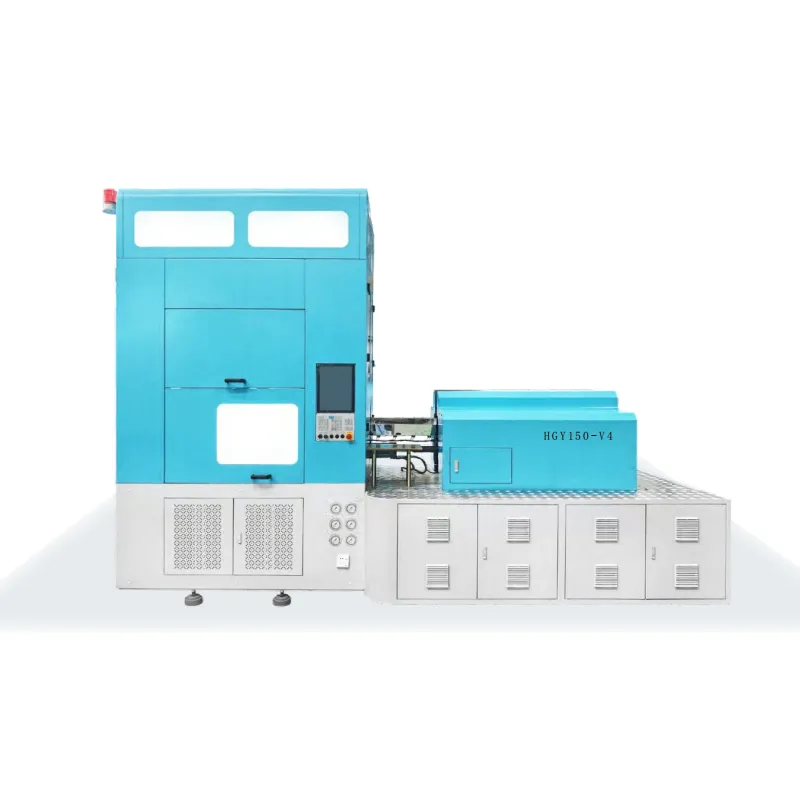
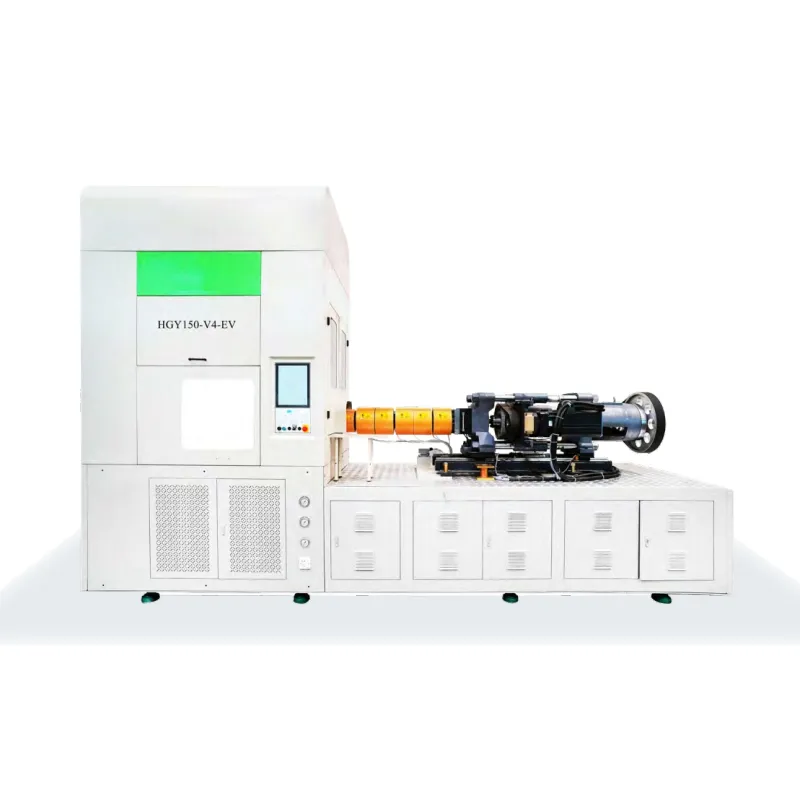
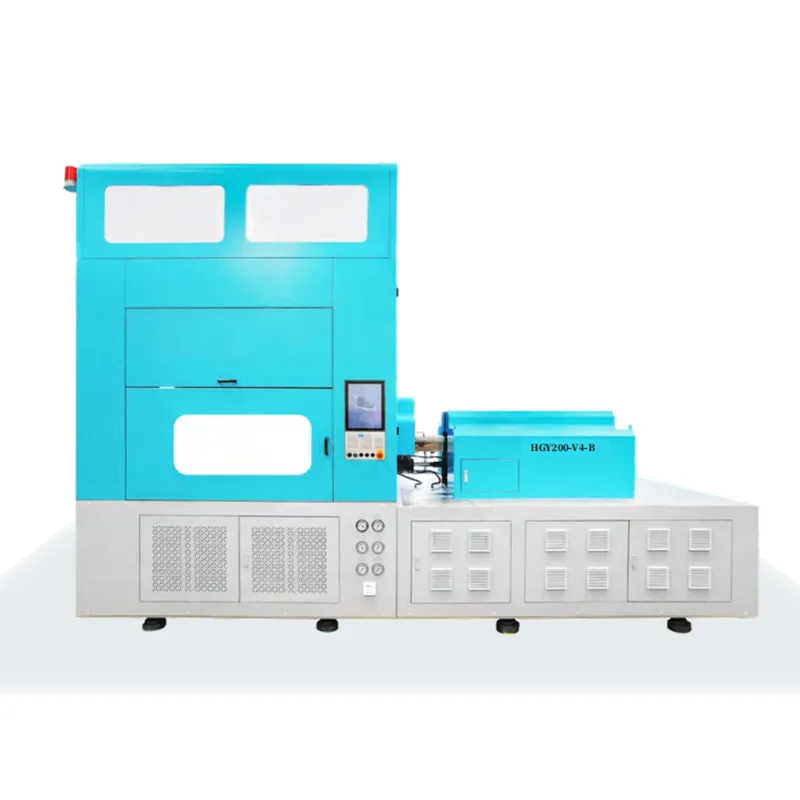
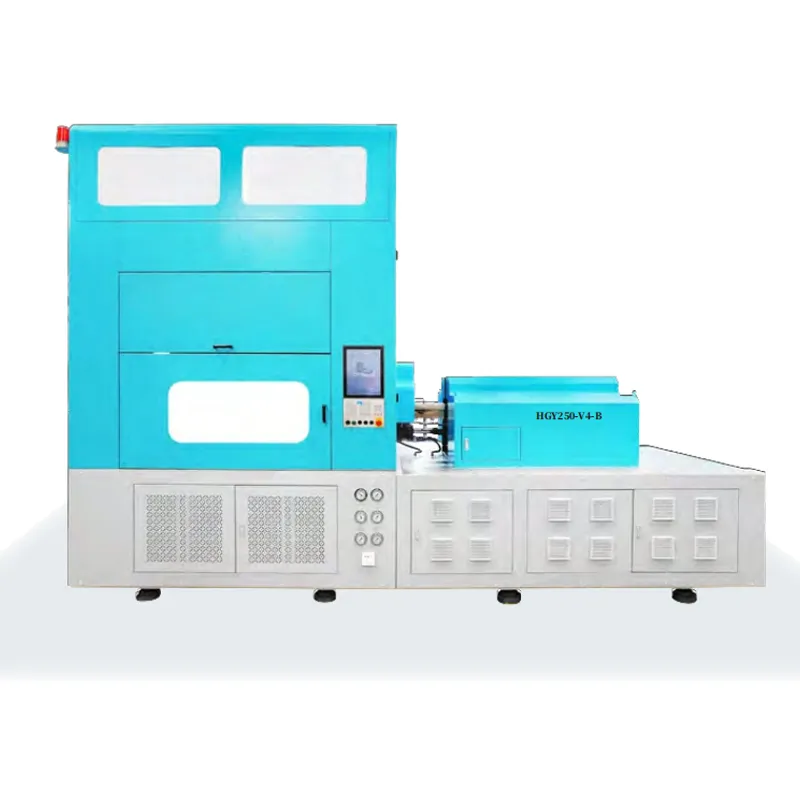
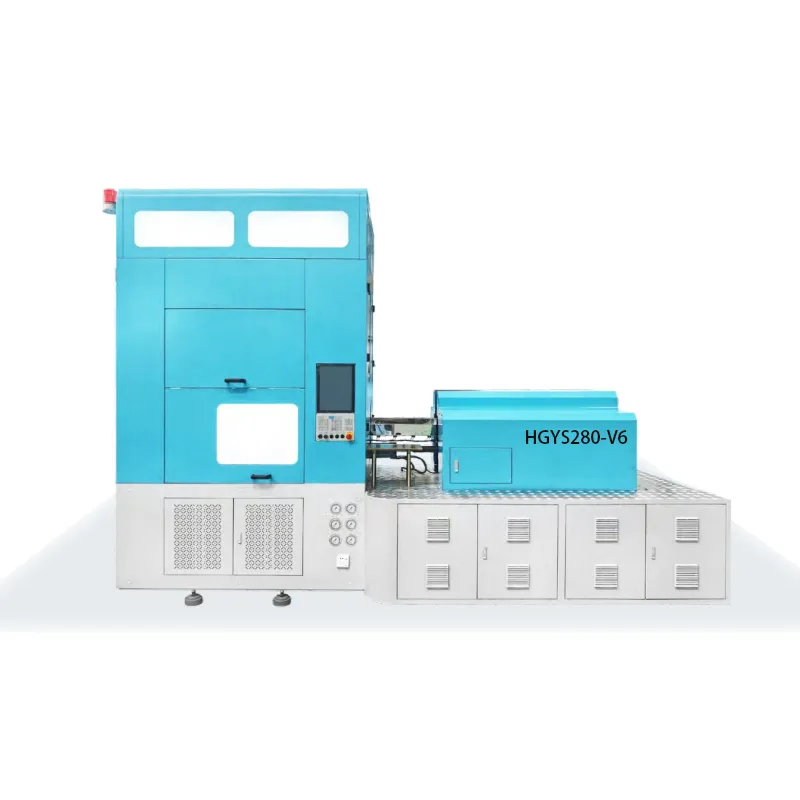
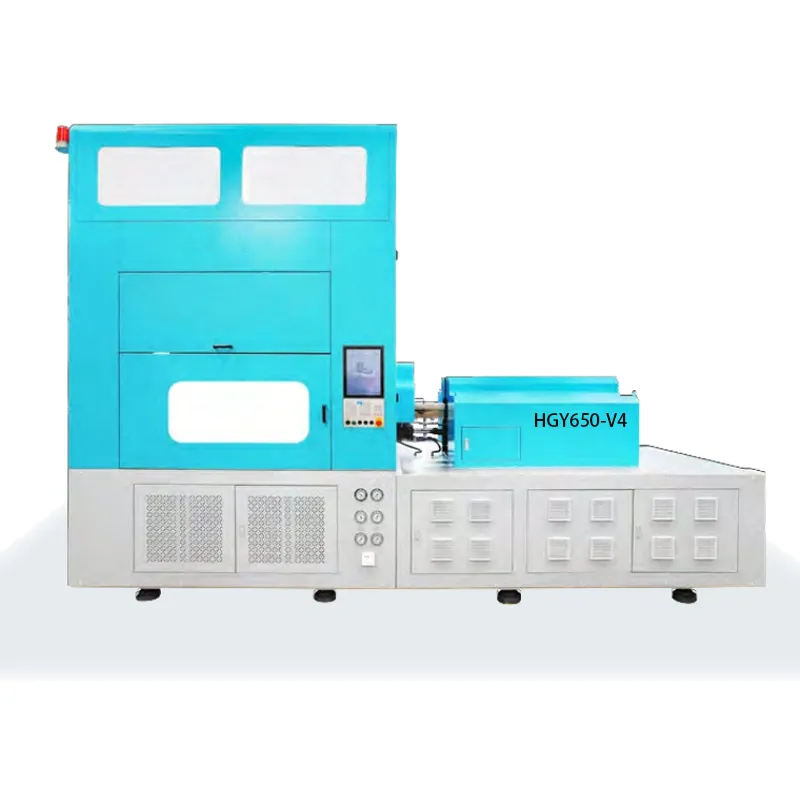
Ever-Power manufactures a comprehensive range of one-step injection stretch blow molding machines for diverse container applications, volume requirements, and automation levels. Each machine is engineered for superior process stability, energy efficiency, and long-term reliability.
ما يقوله عملاؤنا
Verified feedback from B2B customers across industries and geographies
“We replaced two aging single-stage machines with the EP-HGYS150-V4 and immediately saw a 22% reduction in energy consumption per 1,000 containers. The wall thickness consistency on our 100ml cosmetic bottles improved significantly — our quality rejection rate dropped by over 60% within the first production quarter.”
“We produce pharmaceutical-grade containers for the GCC market and needed a machine that could meet our dimensional tolerance requirements. The EP-HGYS200-V4-B has been running for 18 months without a single unplanned downtime incident. Ever-Power’s remote diagnostics service resolved a parameter issue within two hours — outstanding after-sales support.”
“We evaluated four ISBM machine manufacturers before selecting Ever-Power. The delivery was completed exactly on the committed timeline — 14 weeks from order to factory acceptance test. The machine arrived fully pre-assembled, reducing our installation time by nearly half. Optical clarity on our clear PET bottles is exceptional and consistently outperforms our previous supplier’s equipment.”
“We operate 12 ISBM machines in our facility and recently upgraded three to Ever-Power EP-HGY650-V4 units. The mechanical stability is impressive — running 24/7 across three shifts for seven months without a major maintenance event. The servo control system gives us precise repeatability that our quality team has confirmed through SPC data. A genuinely reliable machine built for industrial production demands.”
“We switched from a two-stage SBM setup to the EP-HGYS280-V6 for our mid-volume personal care line. The tooling changeover between SKUs now takes under 90 minutes compared to over five hours on our old two-machine line. The integrated mold design has also simplified our preventive maintenance schedule considerably. A much smarter investment for our production volumes.”
“We purchased the EP-HGYS150-V4-EV fully servo model specifically for its energy efficiency profile. Our facility has strict sustainability KPIs and this machine helped us achieve a 30% reduction in per-container energy consumption compared to our hydraulic machine. The onboarding training provided by Ever-Power’s engineering team was thorough and professionally delivered — our operators were fully confident within the first week.”