
Ruiskutuspuhallusmuovausprosessin kokeellinen tutkimus: prosessiparametrit, karakterisointimenetelmät ja teolliset näkemykset
Ruiskutuspuhallusmuovausprosessia ohjaa monimutkainen joukko vuorovaikutuksessa olevia parametreja – ruiskutusnopeus, sulan lämpötila, vakiointiaseman lämpötila, venytyssauvan nopeus, puhallusilman paine ja puhallusajoitus – jotka yhdessä määräävät valmiin säiliön kaksiaksiaalisen suunnan ja siten sen mekaaniset ominaisuudet ja suojaominaisuudet. Näiden prosessimuuttujien ja niiden tuottamien säiliön ominaisuuksien välisen suhteen ymmärtäminen on kokeellisen prosessitutkimuksen kohteena, ja tällaisesta työstä saadut havainnot ovat suoraan sovellettavissa kaupallisen tuotannon optimointiin.
Tässä artikkelissa tarkastellaan ISBM-prosessin kokeellisessa tutkimuksessa käytettyjä päämenetelmiä, kokeellisen työn avulla määritettyjä keskeisiä prosessi-ominaisuussuhteita sekä tämän tiedon käytännön vaikutuksia ISBM-linjoja kaupallisesti käyttäville tuotantoinsinööreille ja konesuunnittelijoille. Se on kirjoitettu teknisesti suuntautuneille lukijoille – prosessi-insinööreille, T&K-pakkausalan ammattilaisille ja laatupäälliköille – jotka haluavat ymmärtää päivittäin hallitsemiensa prosessiparametrien tieteellisen perustan.
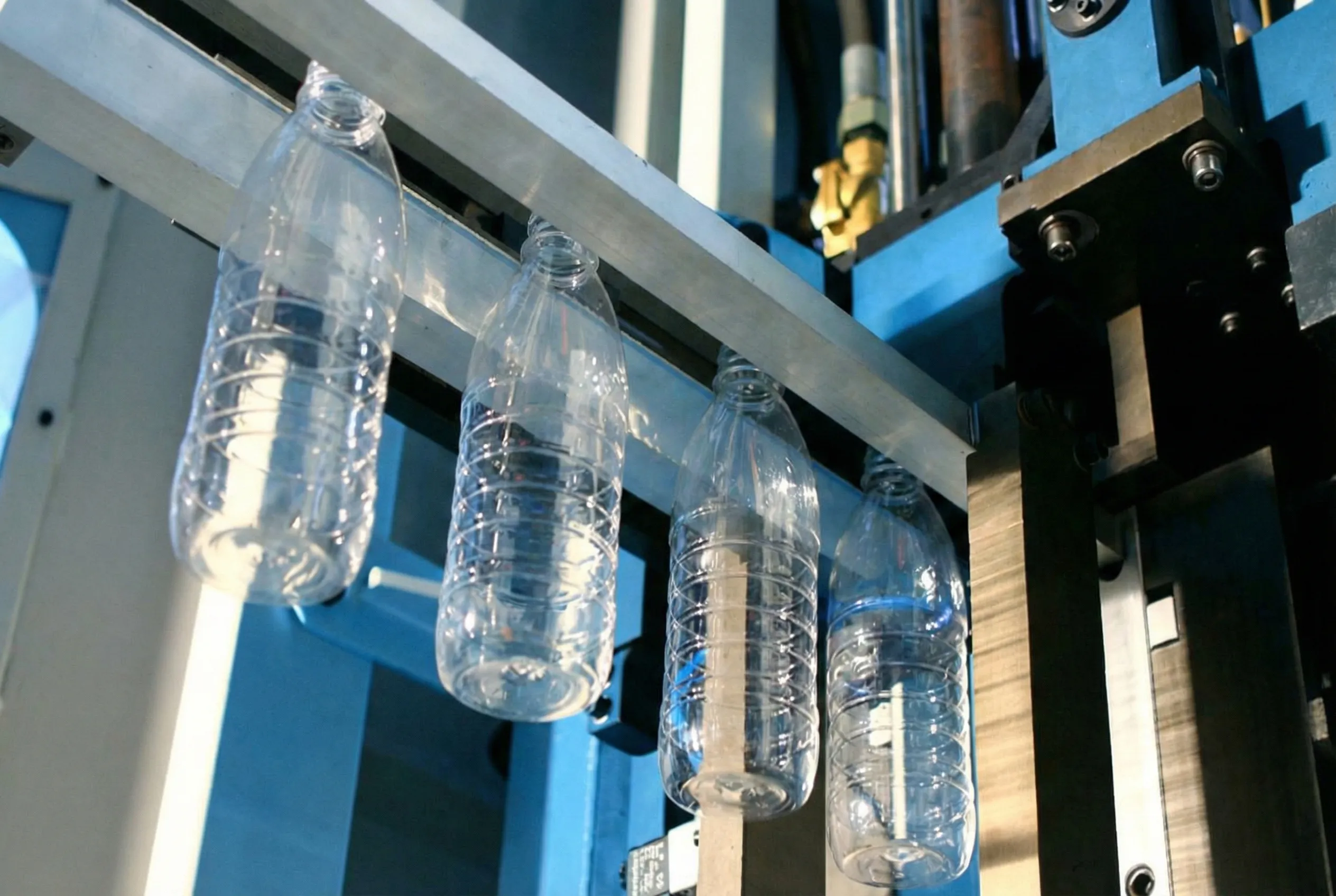
Se osoittaa myös, miksi ruiskutuspuhallusmuovausprosessi toteutettu nykyisessä sukupolvessa yksivaiheinen ruiskuvalukone suunnittelu heijastaa vuosikymmenten kokemusta prosessitieteestä ja sitä, miksi johtavien valmistajien tarjoamat servosähkökonearkkitehtuurit ruiskutuspuhallusmuovauskoneiden valmistajat ovat kokeellisen tutkimuksen kautta kehitettyjen prosessitiedon suora kaupallinen ilmentymä.
Mitä kokeelliset ISBM-tutkimukset mittaavat
Kokeelliset ISBM-prosessitutkimukset pyrkivät tyypillisesti karakterisoimaan yhtä tai useampaa seuraavista tulosmuuttujista prosessin syöttöparametrien funktiona.
Seinän paksuuden jakauma
Säiliön seinämän paksuuden spatiaalinen jakauma on ISBM-prosessin ensisijainen geometrinen tulos. Ultraäänipaksuusmittarilla tai rikkovalla leikkausmenetelmällä mitattu seinämän paksuuden jakauma on suora osoitin venytyssuhteen tasaisuudesta ja muotin täyttökäyttäytymisestä tutkituissa puhallusolosuhteissa.
Kaksiaksiaalisen suuntautumisen aste
Puhalletun säiliön seinämän molekyyliorientaatioaste kvantifioidaan kahtaistaittomittauksella (optinen hidastuminen seinämän läpi), laajakulmaröntgendiffraktiolla (kiteisyys puolikiteisille hartseille) ja polarisoidulla IR-spektroskopialla (orientaatiosuhde). Nämä tekniikat paljastavat, miten eri prosessiparametrit vaikuttavat säiliön eri kohdissa saavutettuun orientaatiotasoon.
Mekaaniset ominaisuudet
Vetolujuutta, murtovenymää, yläkuormituksen puristuslujuutta, iskunkestävyyttä ja ESCR-arvoa mitataan eri prosessiolosuhteissa valmistetuilla säiliöillä kvantitatiivisten prosessi-ominaisuussuhteiden määrittämiseksi.
Suojausominaisuudet
PET- ja monikerroksisten ISBM-säiliöiden hapensiirtonopeus (OTR) ja hiilidioksidin pidättyvyys mitataan prosessiparametrien funktiona, koska esteen suorituskyky on herkkä suuntautumistasolle ja tasaisuudelle.
Lämpöprofiili esimuotissa
Esimuotin pinnan infrapunatermografia tai termoelementtimittaus puhallusaseman sisääntulokohdassa kuvaa lämpötilaa kaksiaksiaalisessa suunnassa ja määrittää käsittelyparametrien ja puhallusikkunan sijainnin välisen suhteen.
Kokeellisen työn avulla määritetyt keskeiset prosessi-ominaisuussuhteet
Lämpötilan ja seinämän paksuuden tasaisuuden suhde
Kokeelliset tutkimukset osoittavat johdonmukaisesti, että vakiointiaseman lämpötila on ensisijainen säätömuuttuja seinämän paksuusjakaumalle yksivaiheisessa ISBM:ssä. Kun esimuotin lämpötila puhallusasemalla on optimaalisen puhallusikkunan alapuolella – liian lähellä lasittumislämpötilaa amorfisille hartseille tai liian lähellä kiteytymisen alkamispistettä puolikiteisille hartseille – esimuotti vastustaa epätasaista venymistä, jolloin muodostuu paikallisia paksuja alueita, joissa materiaali on jäätynyt ennen riittävän orientaation saavuttamista.
Tutkimukset, joissa on käytetty infrapunatermografiaa aihion pintalämpötilan kartoittamiseen puhallusaseman sisäänkäynnillä, ovat osoittaneet, että jopa 5–8 °C:n epäsymmetria vakiointilämpötilassa aihion kehän yli tuottaa mitattavan seinämän paksuuden epäsymmetrian puhallussäiliössä. Tämä herkkyys vakiointilämpötilan tasaisuudelle on ensisijainen syy siihen, miksi johtavat koneenvalmistajat suunnittelevat vakiointiasemia, joissa on monivyöhykkeinen riippumaton lämpötilan säätö ja suorakontaktityökalut konvektiivisen lämmityksen sijaan.
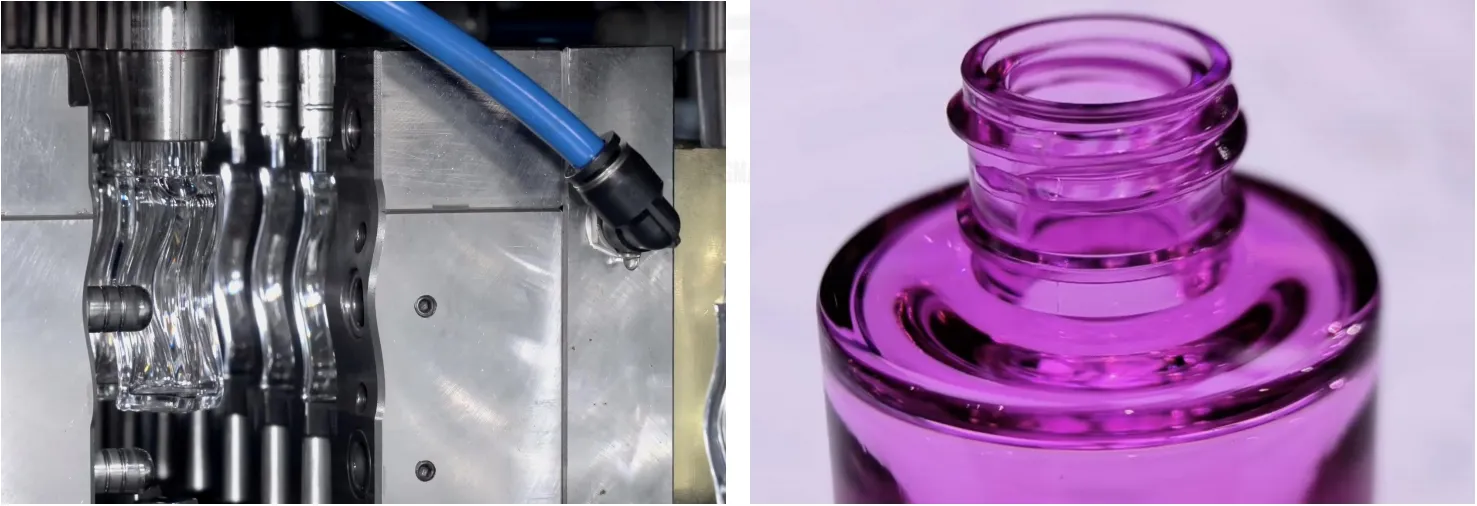
Venytyssauvan nopeus vs. aksiaalinen suunta
Venytystangon nopeusvaikutusten kokeelliset tutkimukset osoittavat, että jokaiselle hartsi-aihioyhdistelmälle on optimaalinen venytystangon nopeusalue. Tämän alueen alapuolella materiaali muuttaa muotoaan liian hitaasti ja rentoutuu osittain ennen kuin kaksiaksiaalinen suuntaus voidaan korjata jäähdyttämällä puhallusmuottia vasten. Tämän alueen yläpuolella nopea muodonmuutos voi käynnistää paikallisen kuroutumisen tai ennenaikaisen kiteytymisen venytyssuunnassa. Optimaalinen alue on tyypillisesti 50–200 mm/s kaupallisissa säiliösovelluksissa, mutta se vaihtelee merkittävästi hartsin molekyylipainon ja käsittelylämpötilan mukaan.
Puhallusilman paine ja ajoitus vs. suunnan tasaisuus
Venytyssauvan ojennuksen ja puhallusilman syötön välinen ajoitussuhde on yksi ISBM:n prosessiherkimmistä parametreista, ja sitä on tutkittu useissa kokeellisissa tutkimuksissa, joissa on käytetty nopeaa valokuvausta aihion muodonmuutoksen visualisoimiseksi puhalluksen aikana. Tutkimukset ovat osoittaneet, että optimaalinen orientaation tasaisuus saavutetaan, kun matalapaineista esipuhallusilmaa syötetään, kun venytyssauva on saavuttanut noin 60–70% täydestä liikeradastaan, mikä estää aihion paisumisen ennen kuin venytyssauva voi ohjata aksiaalista muodonmuutosta. Korkeapaineisen siirtymän ajoitus määrittää sitten säteittäisen venytyssuhteen ja lopullisen seinämäjakauman.
Kokeelliset karakterisointitekniikat ISBM-prosessitutkimuksessa
Kahtaistaittuvuuden mittaus
Kahtaistaittavuus – taitekertoimen ero säiliön seinämän orientaatiosuunnan ja poikittaissuunnan välillä – on ISBM-tutkimuksessa yleisimmin käytetty tekniikka molekyyliorientaation kvantifiointiin. Suurempi kahtaistaittavuus osoittaa korkeampaa orientaatiota. Kahtaistaittavuuskartoitus säiliön korkeuden ja kehän poikki paljastaa orientaatiogradientit, jotka korreloivat seinämän paksuuden epätasaisuuden ja mekaanisten ominaisuuksien vaihtelun kanssa.
Differentiaalinen pyyhkäisykalorimetria (DSC)
DSC:tä käytetään kokeellisissa puolikiteisten hartsien – erityisesti HDPE:n ja PP:n – ISBM-tutkimuksissa säiliön seinämän kiteisyyden karakterisoimiseksi prosessiparametrien funktiona. Koska ISBM:n kiteisyys määräytyy sekä orientaatiomekanismin että puhallussyklin lämpöhistorian perusteella, DSC tarjoaa suoraa näyttöä siitä, miten vakiointilämpötila, venytyssuhde ja puhallusmuotin lämpötila yhdessä vaikuttavat kiteen morfologiaan ja siten valmiin säiliön suojaus- ja mekaanisiin ominaisuuksiin.
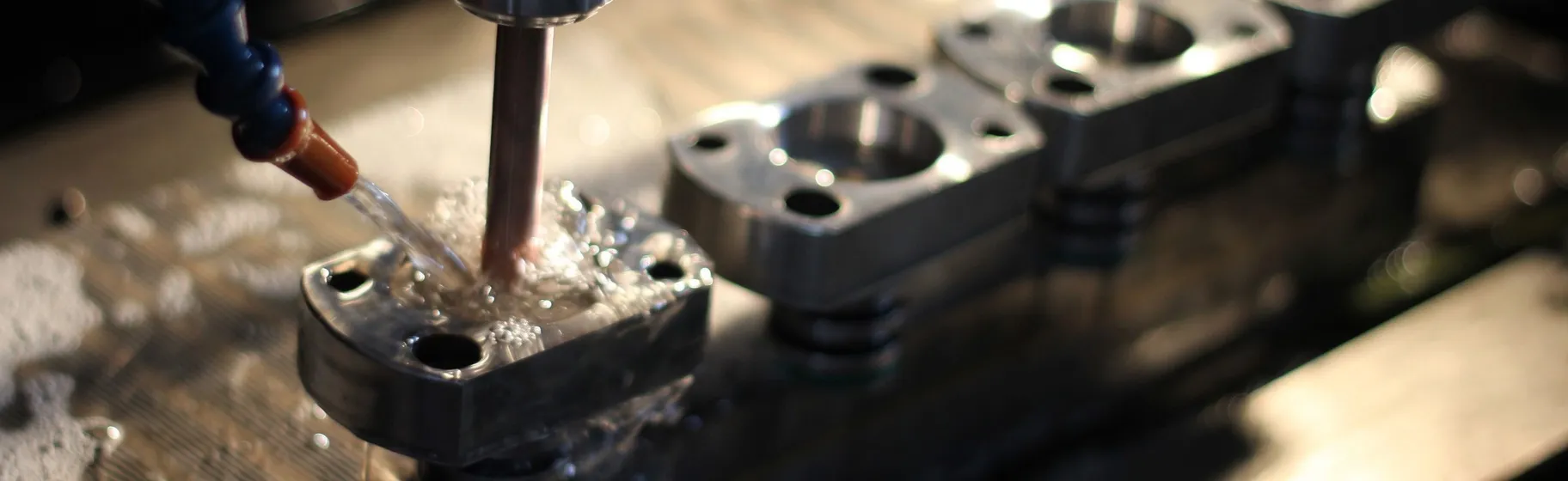
Kokeiden suunnittelun (DoE) lähestymistavat
Teollisissa kokeellisissa ISBM-tutkimuksissa käytetään yleisimmin koesuunnittelun menetelmiä – faktorisuunnitelmia, keskitettyjä komposiittisuunnitelmia tai vastepintamenetelmiä – moniulotteisen prosessiparametriavaruuden tehokkaaseen kartoittamiseen minimaalisella määrällä kokeellisia ajoja. DoE-lähestymistavat mahdollistavat parametrien välisten vuorovaikutusvaikutusten tunnistamisen – esimerkiksi vakiointilämpötilan ja puhallusilmanpaineen välisen vuorovaikutuksen seinämän paksuuden tasaisuuteen – jotka jäisivät huomaamatta yhden muuttujan kerrallaan -lähestymistavoissa.
Nopea valokuvaus ja elementtimenetelmäanalyysi
Puhallusvaiheen aikaisen aihion muodonmuutoksen nopea kameravisualisointi tarjoaa suoraa kokeellista näyttöä puhalluskäyttäytymisestä, mikä täydentää valmiiden säiliöiden ominaisuusmittauksia. ISBM-puhallusvaiheen elementtimenetelmämallinnus (FEM) – jossa käytetään hartsin mekaanisen käyttäytymisen kokeellisilla mittauksilla venytyspuhallusolosuhteissa kalibroituja materiaalimalleja – antaa prosessi-insinööreille mahdollisuuden ennustaa uusien säiliögeometrioiden seinämän paksuusjakaumaa ennen työkalujen käyttöönottoa.
Teolliset vaikutukset: Kokeellisten näkemysten soveltaminen tuotantoon ISBM
Kokeellisen ISBM-prosessitieteen käytännön arvo piilee sen muuntamisessa tuotantoprosessitietämykseksi – validoiduiksi prosessi-ikkunoiksi, parametrien herkkyysluokituksiksi ja vianmäärityskehyksiksi, joita tuotantoinsinöörit voivat soveltaa suoraan koneiden toimintaan.
Kokeellinen havainto, jonka mukaan vakiointilämpötila on ensisijainen muuttuja seinämän paksuuden tasaisuudelle yksivaiheisessa ISBM-koneessa, vaikuttaa suoraan koneen suunnittelueritelmiin: vakiointiaseman lämpötilan säätötarkkuus ±1 °C tai parempi, usean vyöhykkeen itsenäinen lämpötilan säätö ja reaaliaikainen lämpötilan valvonta ovat teknisiä vaatimuksia, jotka johtuvat suoraan prosessitieteestä. Johtavien valmistajien nykyisen sukupolven servosähköiset ISBM-koneet toteuttavat nämä ominaisuudet vakiona, ja niiden tuottamat tuotannon laadun parannukset ovat kvantitatiivisesti yhdenmukaisia kokeellisten prosessitutkimusten ennustamien vaikutusten kanssa.
Vastaavasti venytystangon nopeuden ja ajoituksen vaikutusten kokeellinen karakterisointi vaikutti suoraan siirtymiseen hydraulisesta venytystangon toiminnasta – jossa sijainti ja nopeus määräytyvät hydraulisten virtausominaisuuksien mukaan, jotka vaihtelevat öljyn lämpötilan, venttiilin kunnon ja järjestelmäpaineen mukaan – servosähköisiin venytystangon käyttöjärjestelmiin, joissa sijainti ja nopeus ovat tarkasti ohjelmoitavissa ja syklin toistettavissa suuruusluokkaa tiukempien toleranssien mukaisesti kuin hydraulisissa vaihtoehdoissa.
Omistautuneena isbm-koneiden valmistajaEver-Powerin koneensuunnittelufilosofia perustuu prosessitieteeseen – jokainen ohjausjärjestelmän ominaisuus, jokainen servoakselin spesifikaatio ja jokainen kunnostustyökalun suunnittelupäätös heijastaa vakiintuneita prosessi-ominaisuussuhteita, jotka kokeellinen ISBM-tutkimus on kvantifioinut. Täyden palvelun yrityksenä isbm-muottien ruiskutuskoneiden toimittaja, hyödynnämme tätä prosessiosaamista muottisuunnittelussa, aihiogeometrian optimoinnissa ja työkalujen kunnostusspesifikaatioissa. Organisaatioille, jotka arvioivat isbm-kone myytävänä vaihtoehtoina tarjoamme prosessien kykydokumentaatiota, joka osoittaa, kuinka konesuunnittelumme muuntaa kokeellisen prosessitieteen tuotannon suorituskyvyksi.
Usein kysytyt kysymykset
Millä prosessiparametreilla on suurin vaikutus ISBM-säiliöiden mekaanisiin ominaisuuksiin?
Kokeelliset tutkimukset osoittavat johdonmukaisesti, että vakiointiaseman lämpötila, venytyssauvan nopeus ja liike sekä puhallusilman ajoitus vaikuttavat eniten kaksiaksiaalisen orientaation tasoon ja siten mekaanisiin ominaisuuksiin. Vakiointilämpötila ohjaa puhallusikkunan sijaintia (lämpötila, jossa kaksiaksiaalinen orientaatio saavutetaan), venytyssauvan nopeus ja liike määrittävät aksiaalisen orientaation asteen, ja puhallusilman ajoitus suhteessa venytyssauvan sijaintiin määrittää radiaalisen orientaation ja seinämän jakautumisen tasaisuuden. Ruiskutusparametrit vaikuttavat aihion laatuun, joka puolestaan määrittää lähtömateriaalin tilan orientointivaihetta varten.
Kuinka tutkijat voivat tutkia ISBM-prosessia tuhoamatta säiliöitä tuotannossa?
Rikkomattomat karakterisointimenetelmät ovat tärkeitä ISBM-prosessitutkimuksessa. Kahtaistaittokartoitus käyttää polarisoitua valoa, joka läpäisee säiliön seinämän leikkaamatta. Ultraääniseinämän paksuuden mittaus mittaa seinämän jakautumisen ilman leikkausta. Infrapunatermografiakartoitus määrittää lämpötilan ei-invasiivisesti. Mekaanista testausta vaativille ominaisuuksille – vetolujuus, yläkuorma, ESCR – tutkijat tuottavat tyypillisesti erillisiä kokeellisia eriä ja uhraavat säiliöt standardoiduilla testausmenetelmillä. Nopea valokuvaus puhallusvaiheen aikana tarjoaa muodonmuutosprosessin suoran ja rikkomattoman visualisoinnin.
Onko olemassa standardoituja testausmenetelmiä ISBM-konttien laadun kuvaamiseksi?
Kyllä. Useita ASTM- ja ISO-standardeja sovelletaan ISBM-säiliöiden karakterisointiin: ASTM D2659 (yläkuormituksen puristus), ASTM D2911 (sulkimien mittatoleranssi), ASTM D1693 ja F1473 (ESCR polyeteenille), ASTM D638 (muovien vetolujuusominaisuudet), ISO 2554 (muovipullot) ja ASTM D7191 (polymeeripakkausten seinämien ultraäänimittaus). Erityisesti PET:n osalta ASTM D5265 kattaa kahtaistaittumisen mittausmenetelmän. Lääkesäiliöt karakterisoidaan lisäksi USP- ja EP-monografioiden mukaisesti.
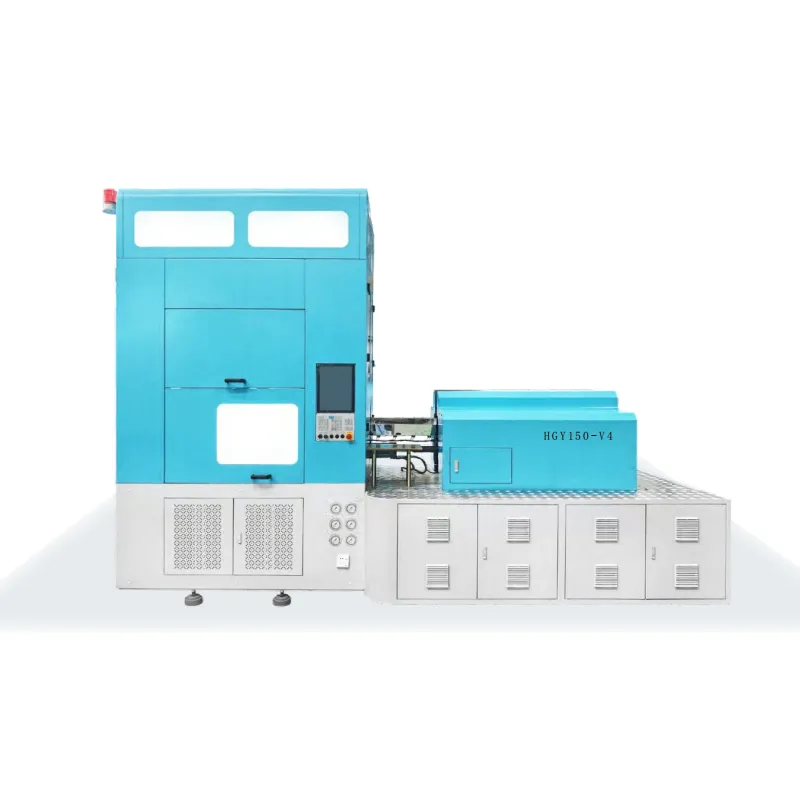
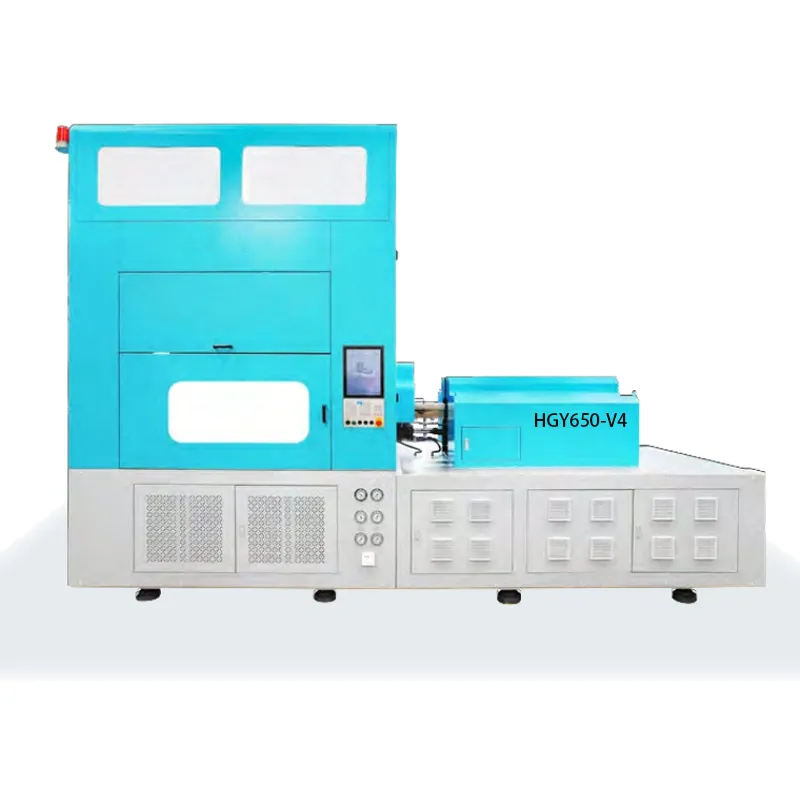
ISBM-konetuotteemme
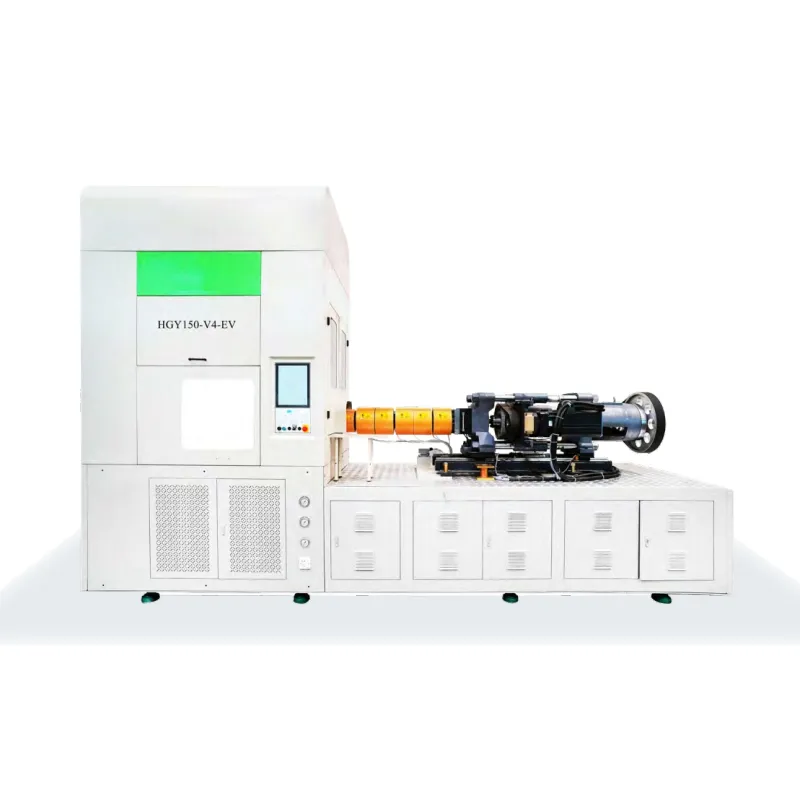
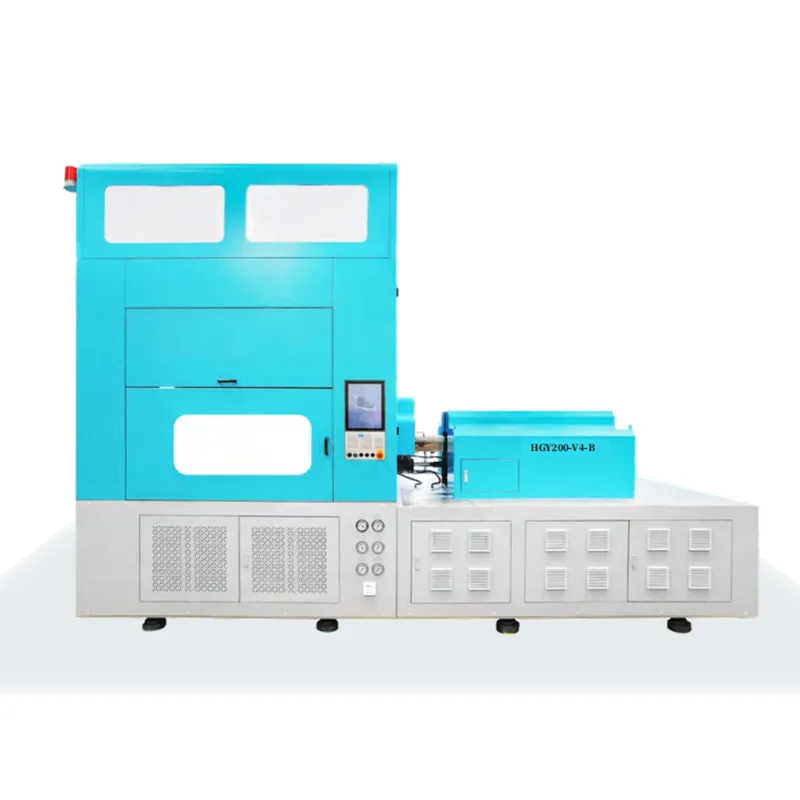
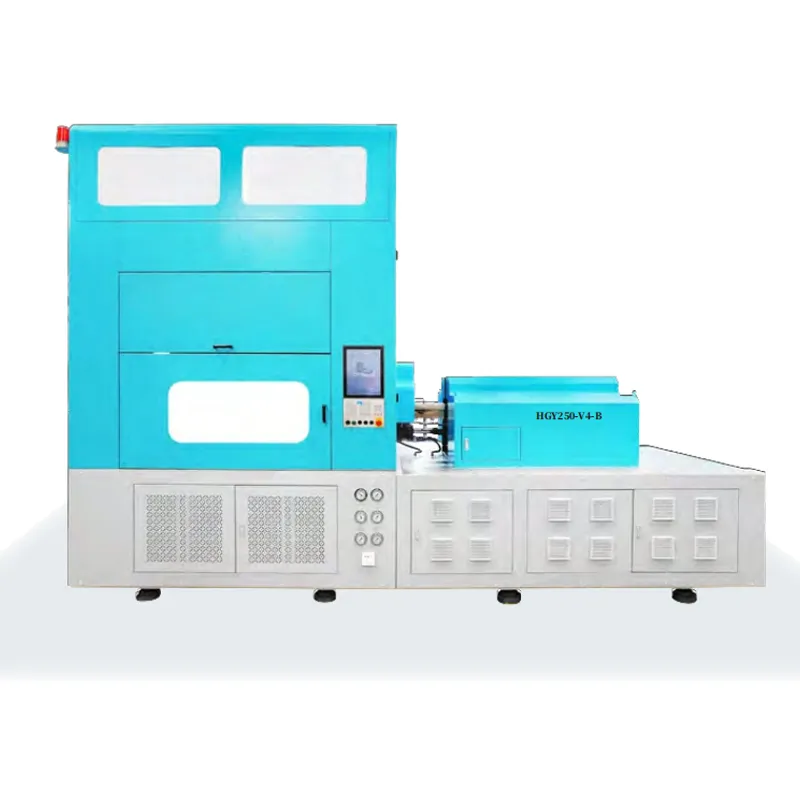
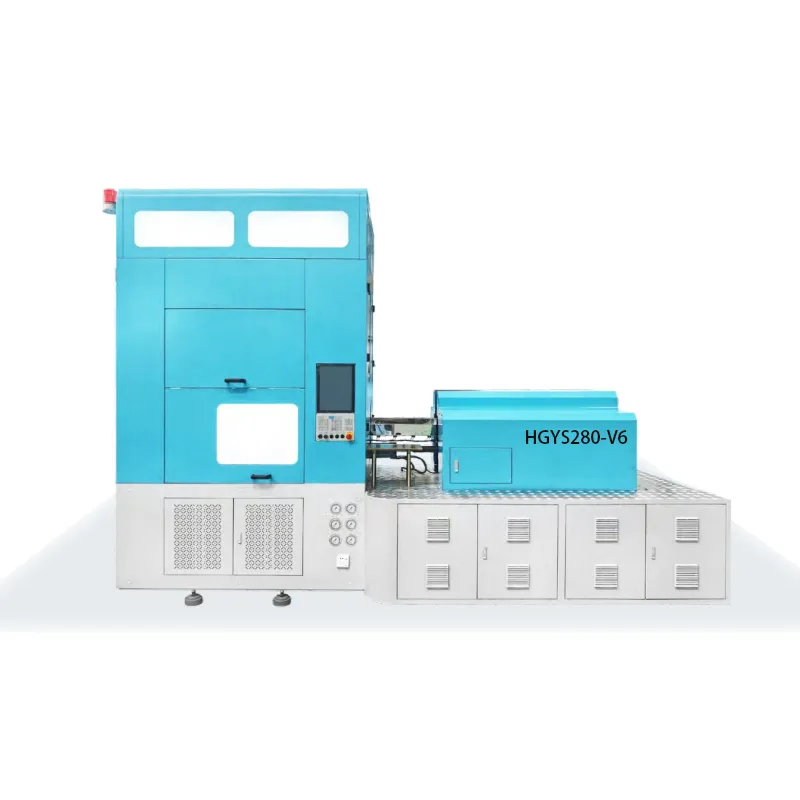
Ever-Powerin täydellinen valikoima yksivaiheisia ruiskupuhallusmuovauskoneita – henkilökohtaisen hygienian tuotteista suuriin teollisuussäiliöihin.
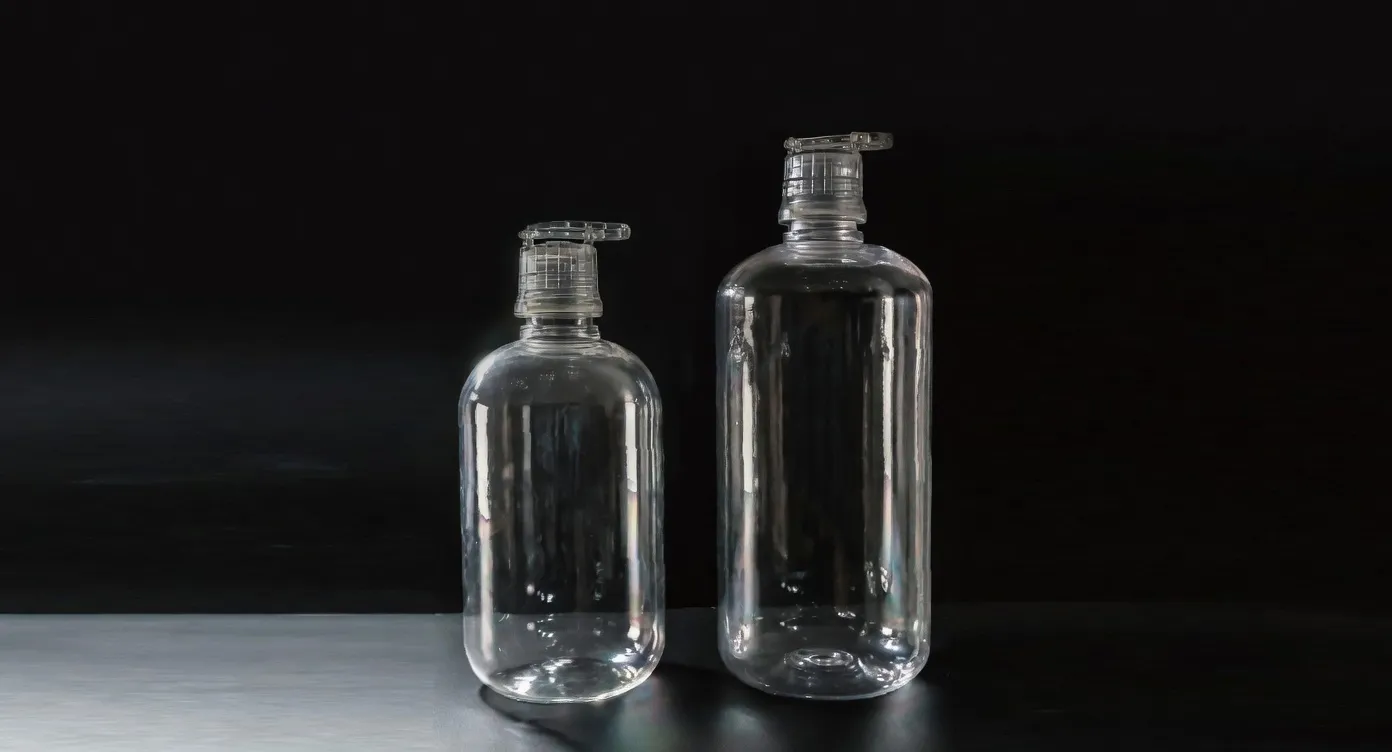
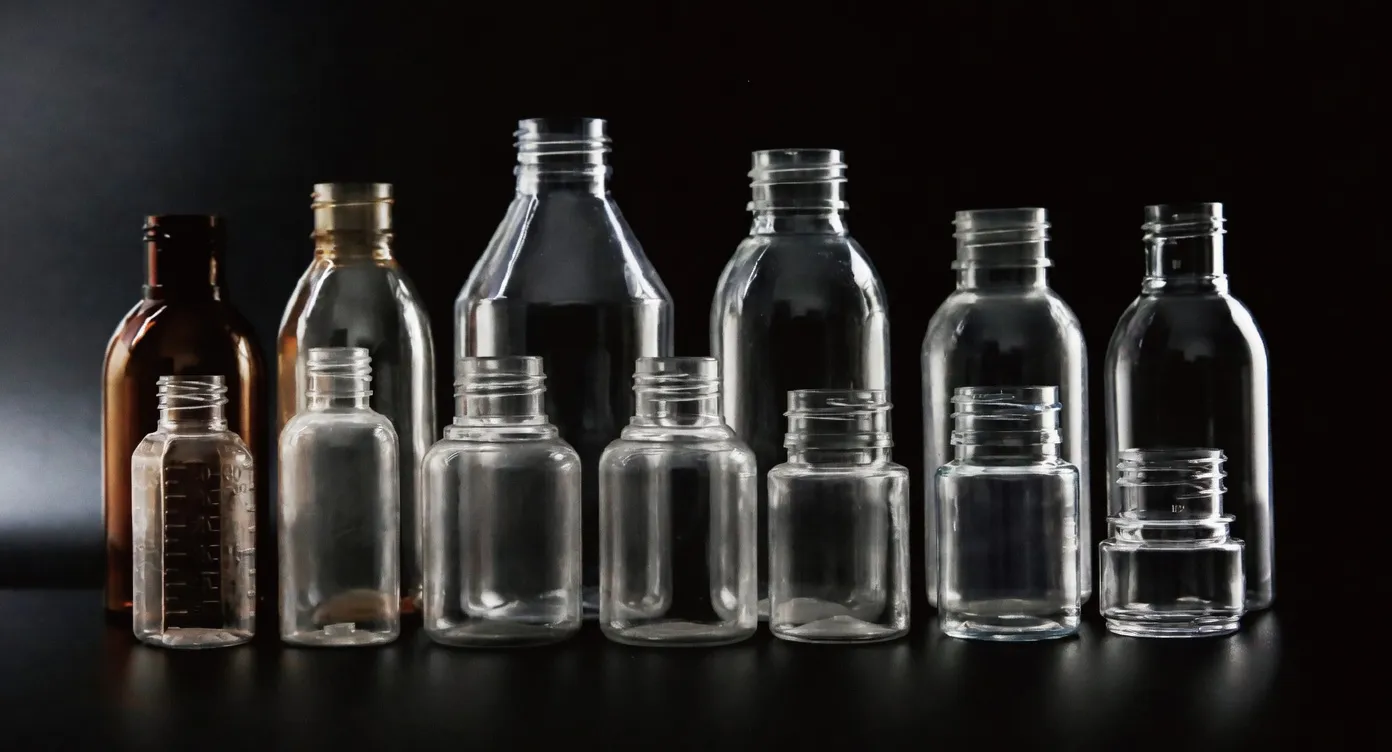
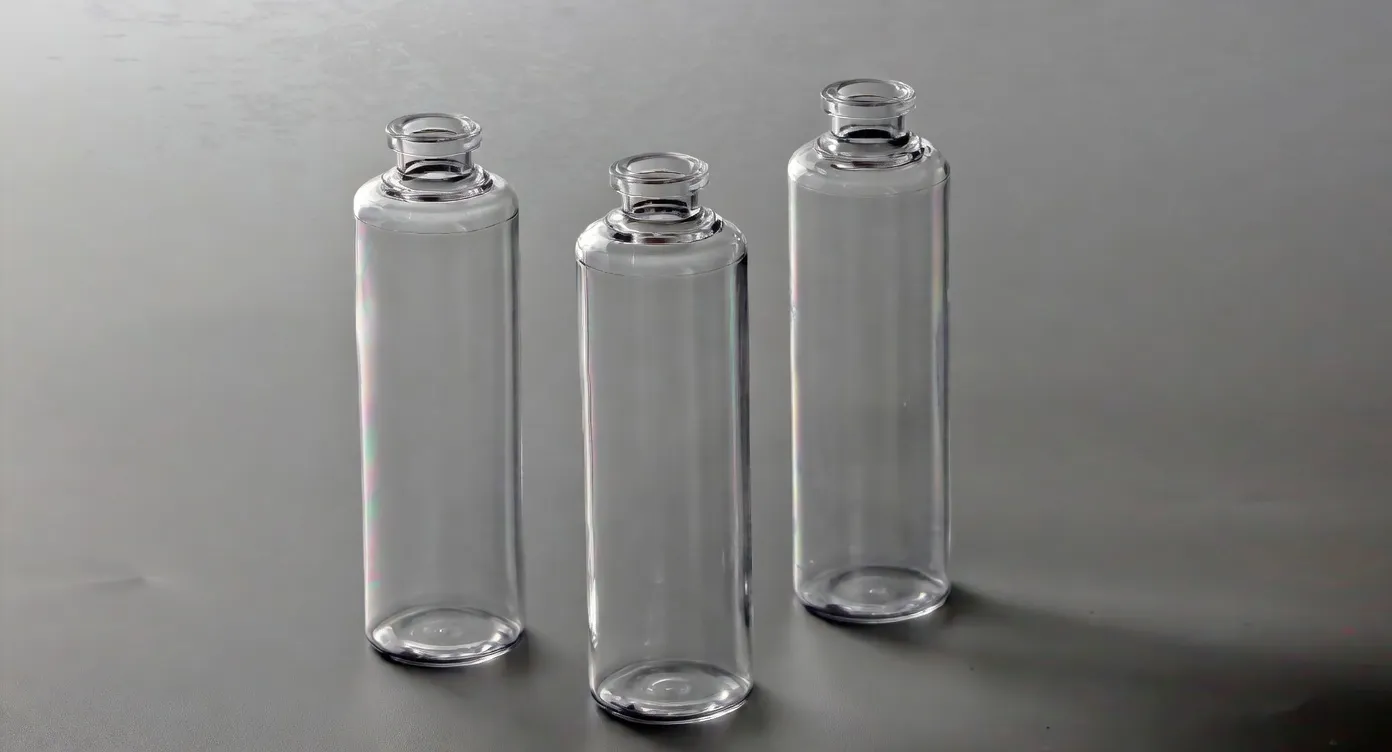
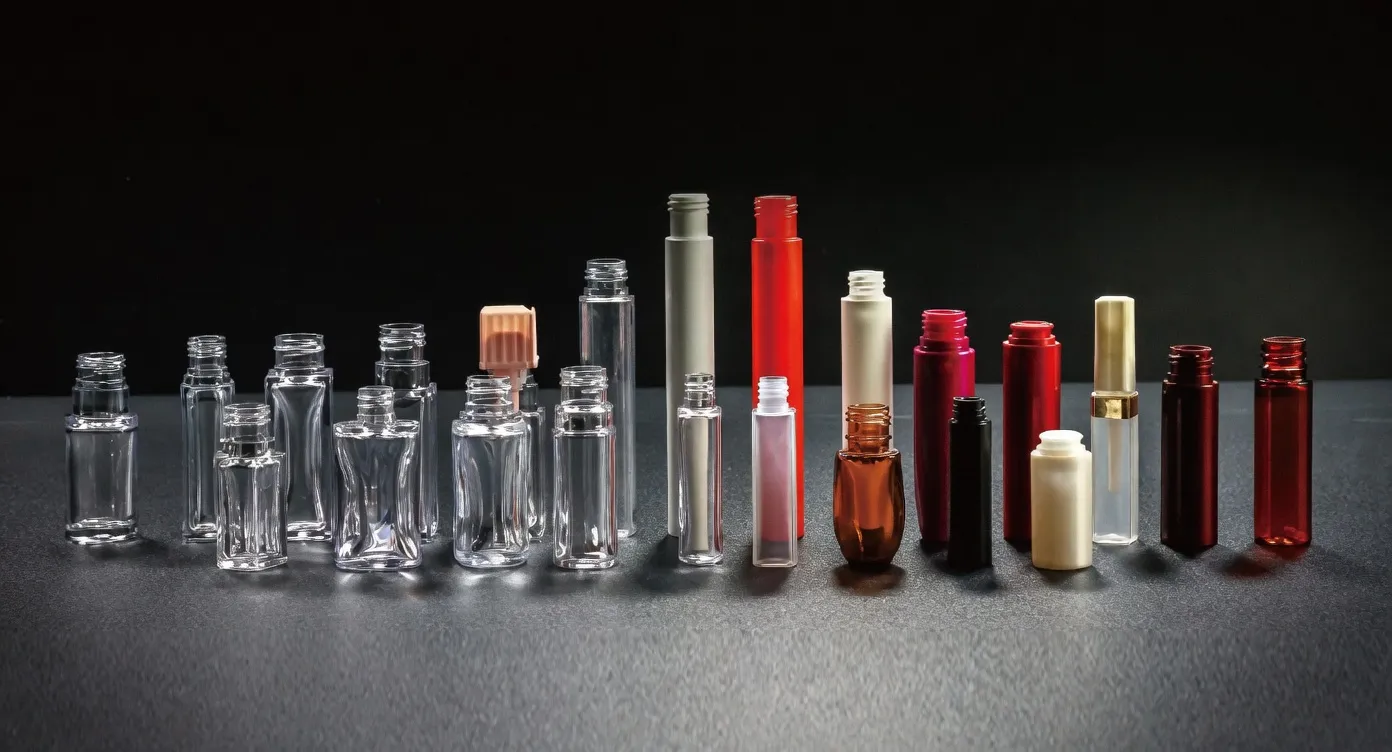
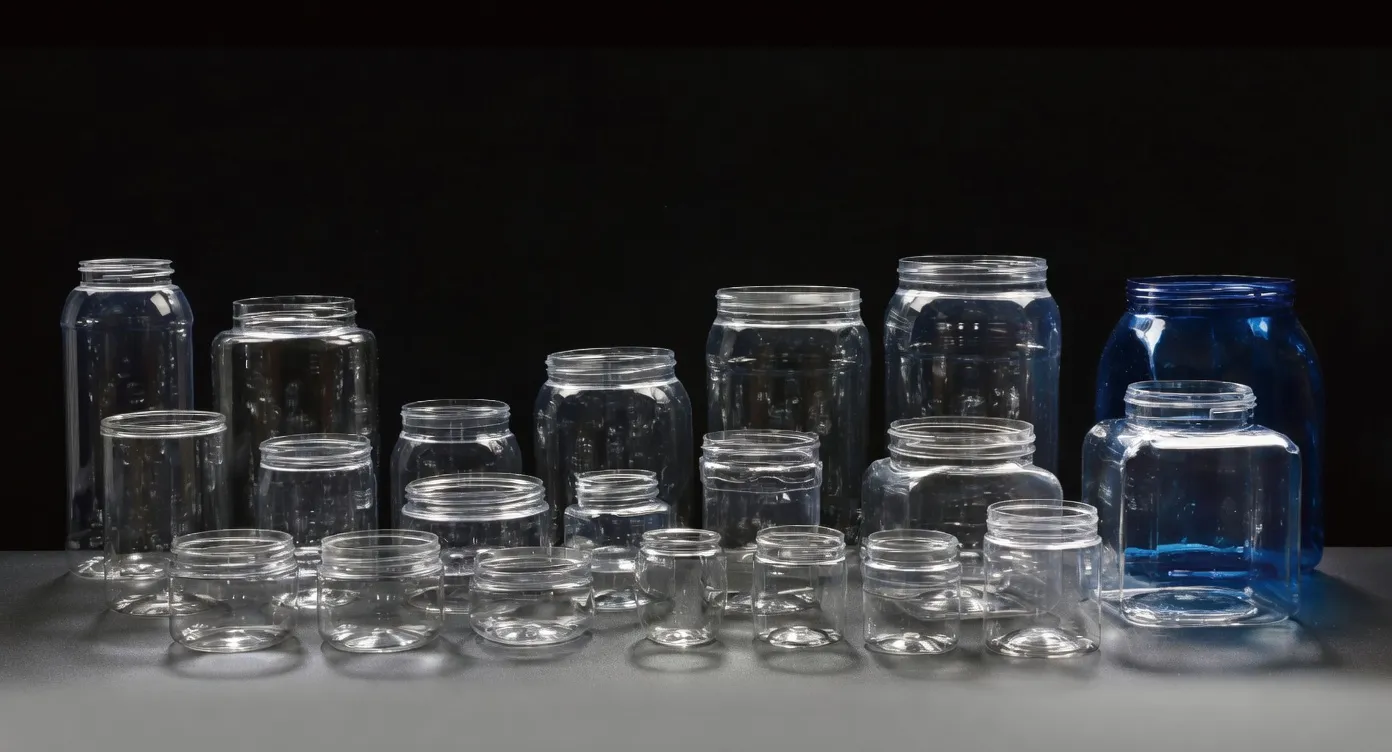
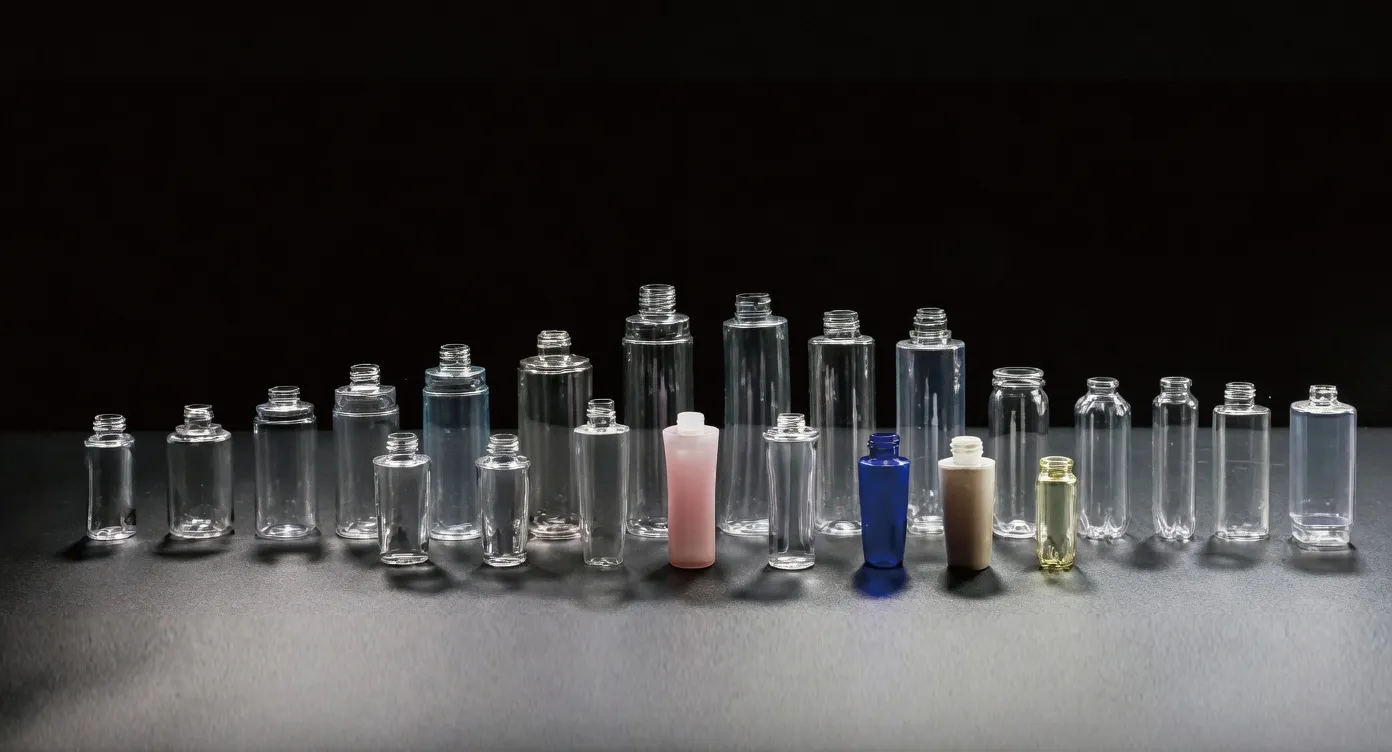
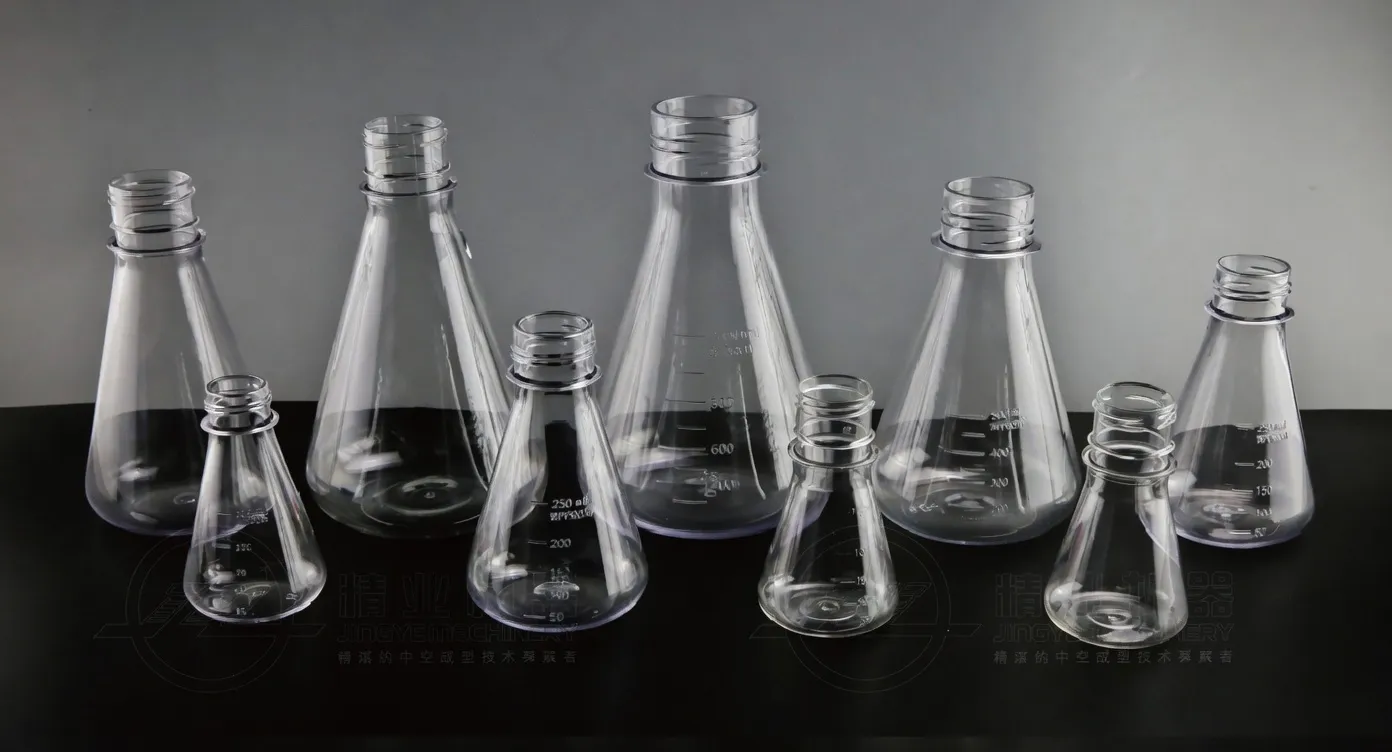
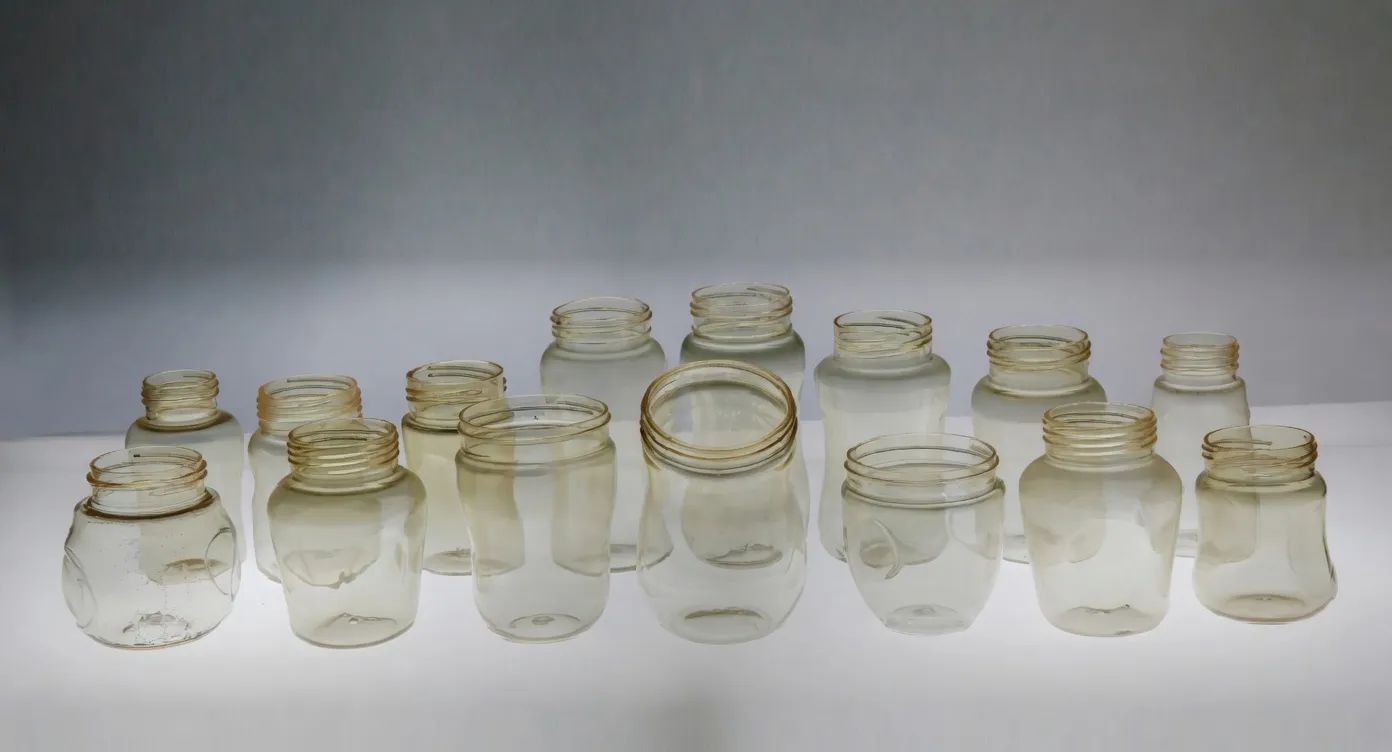
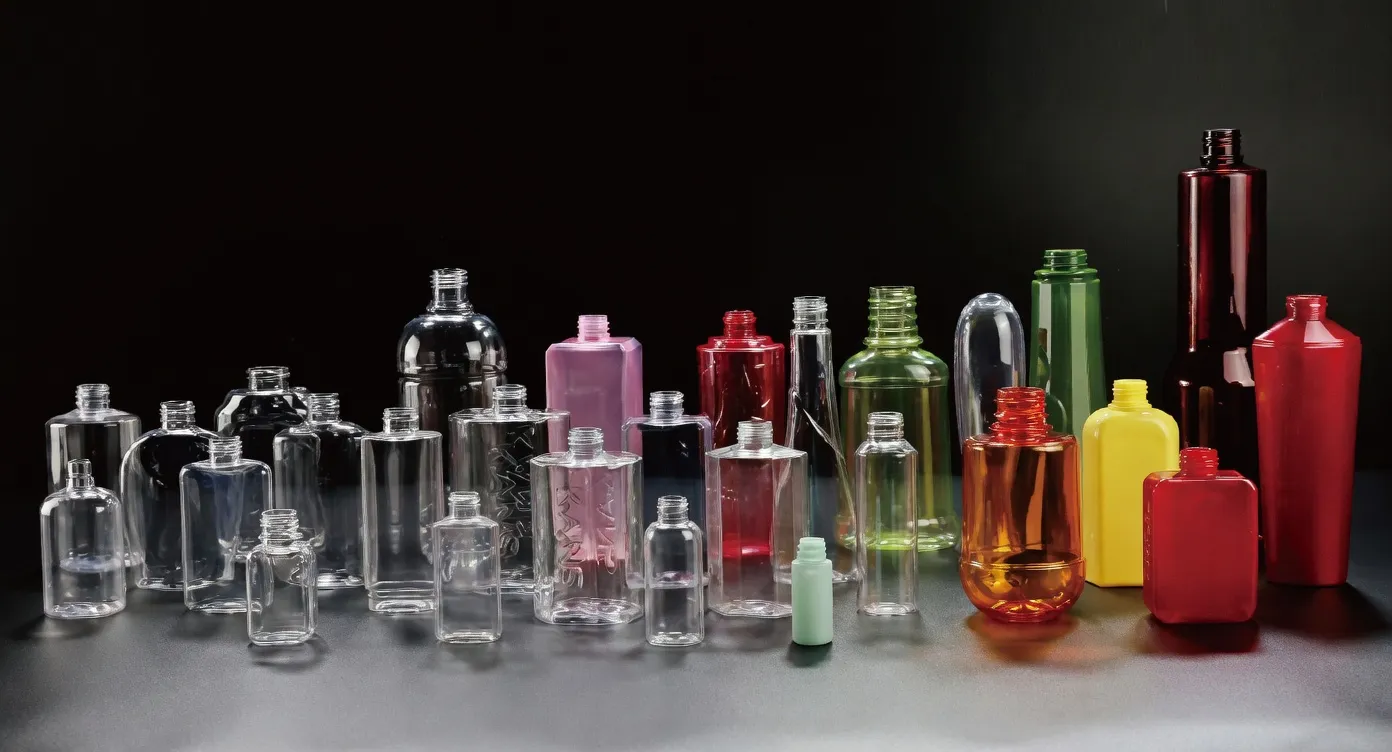
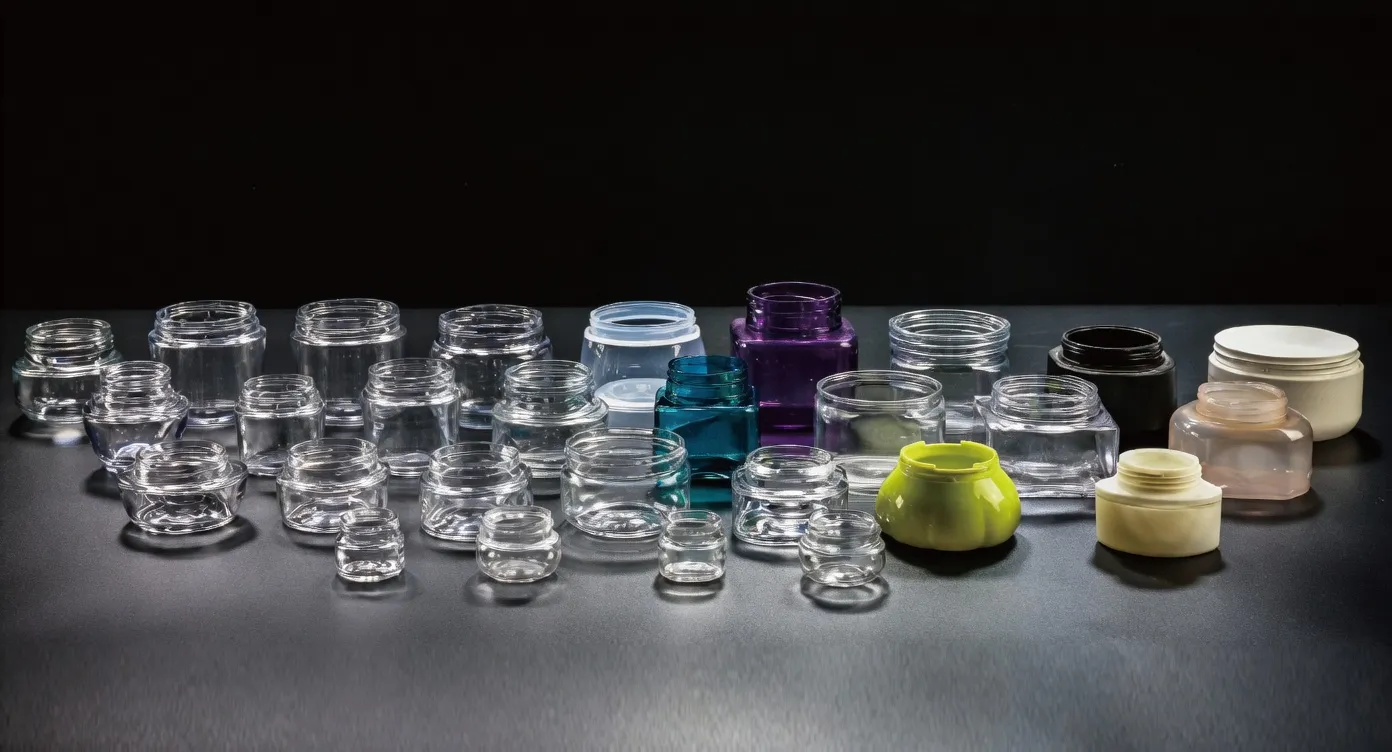
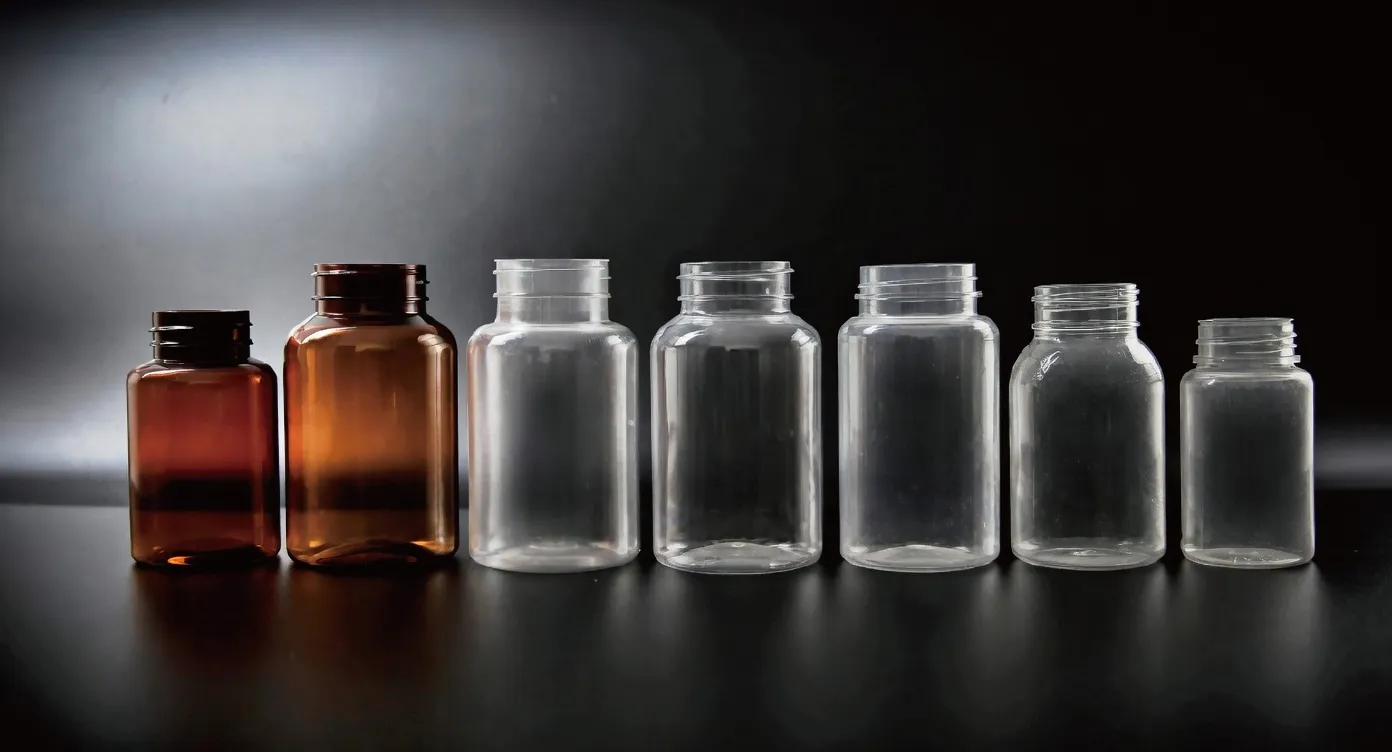
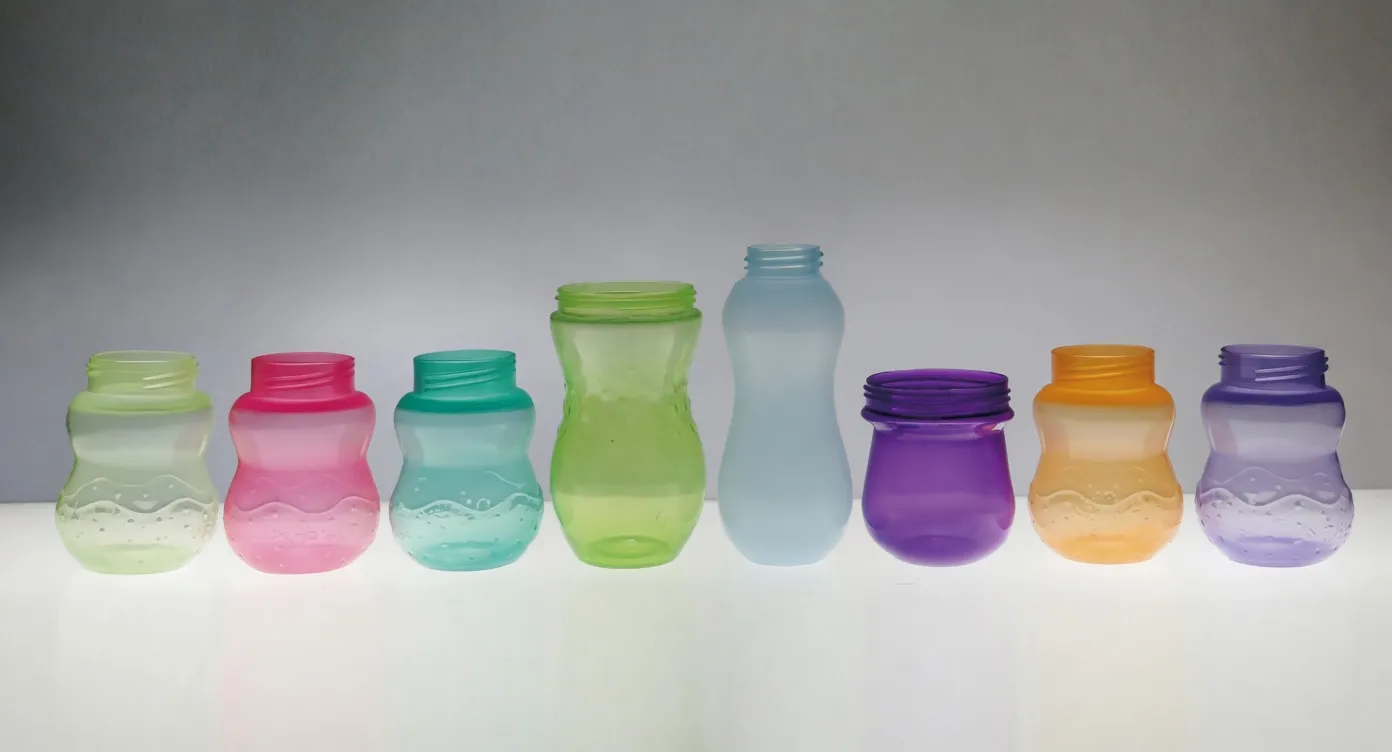
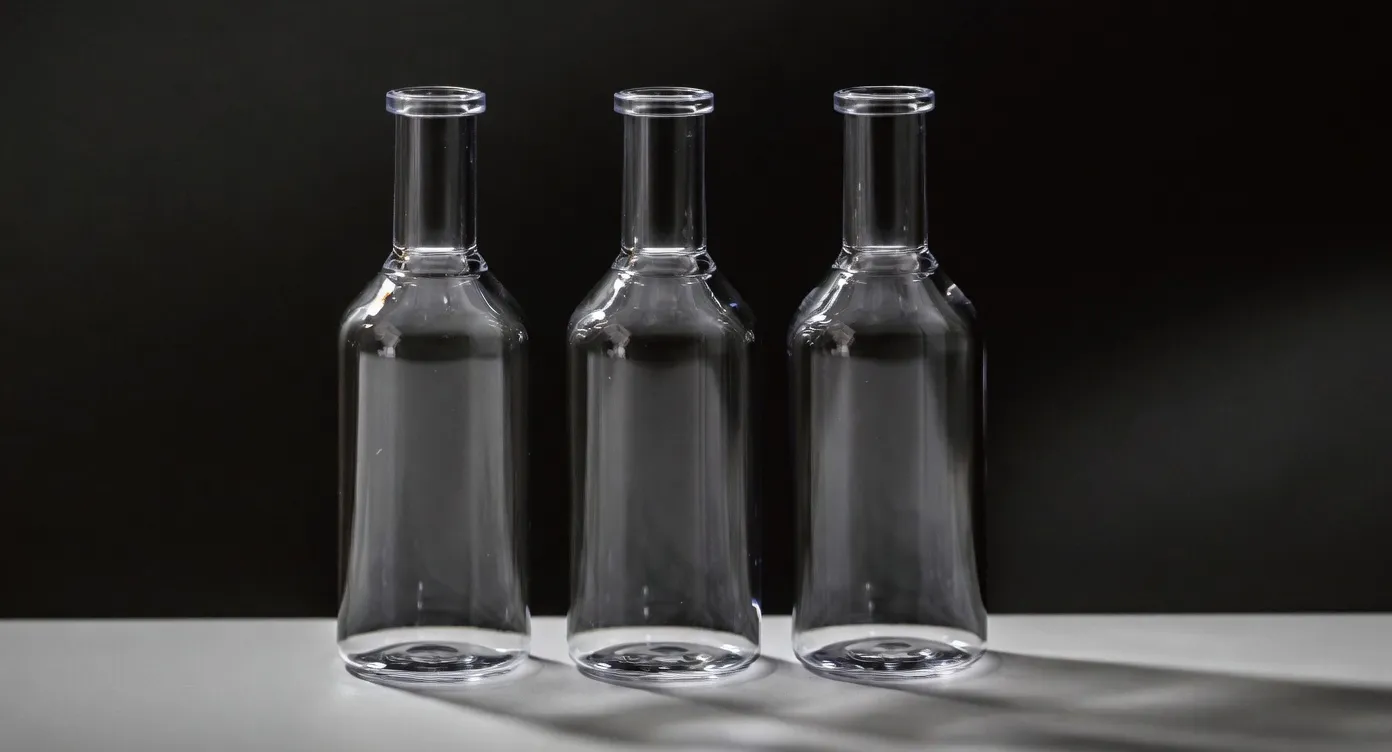
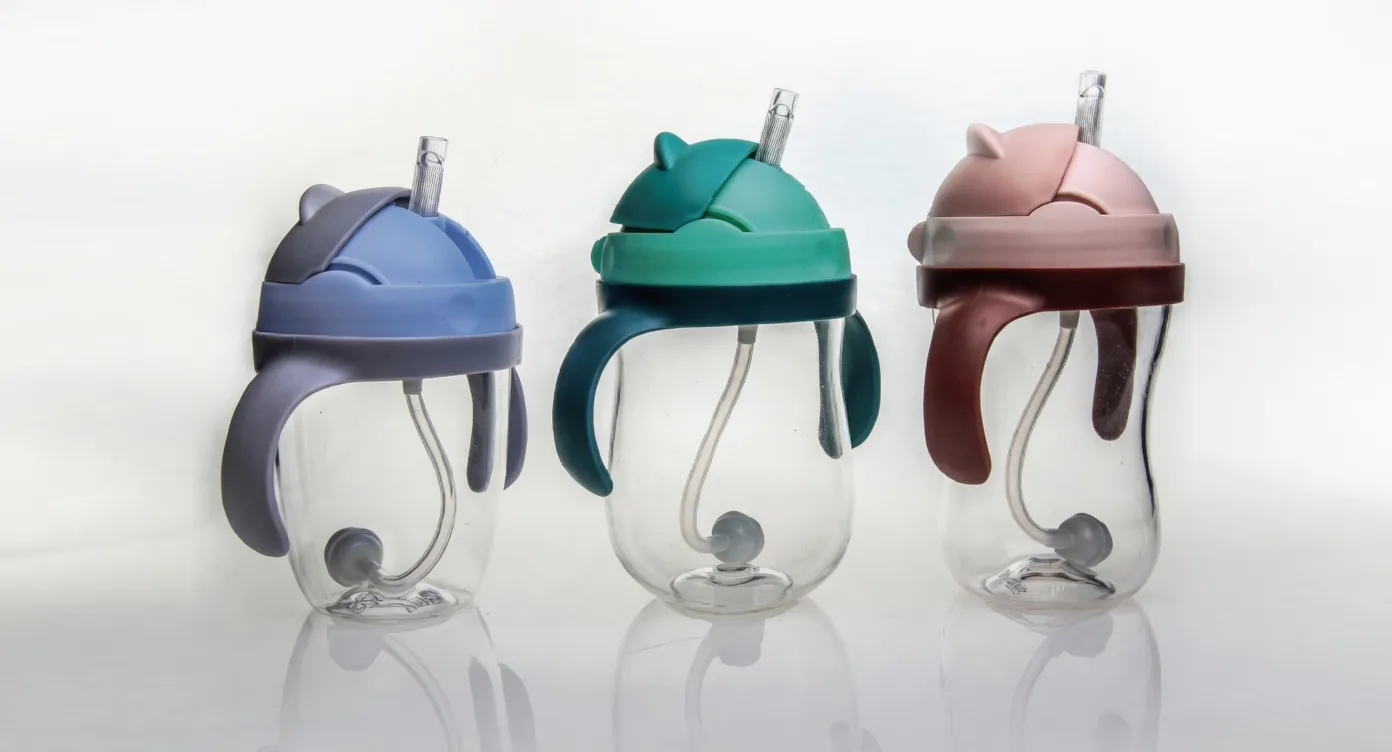
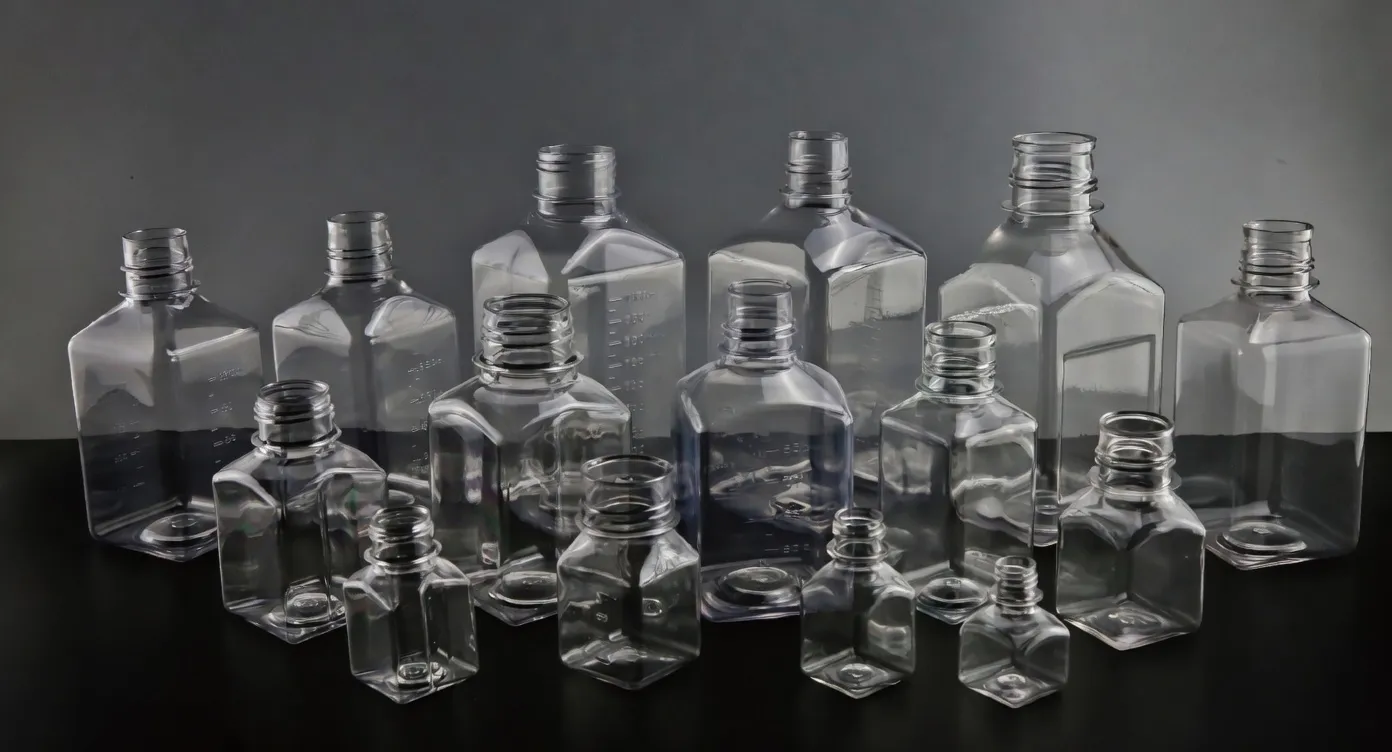
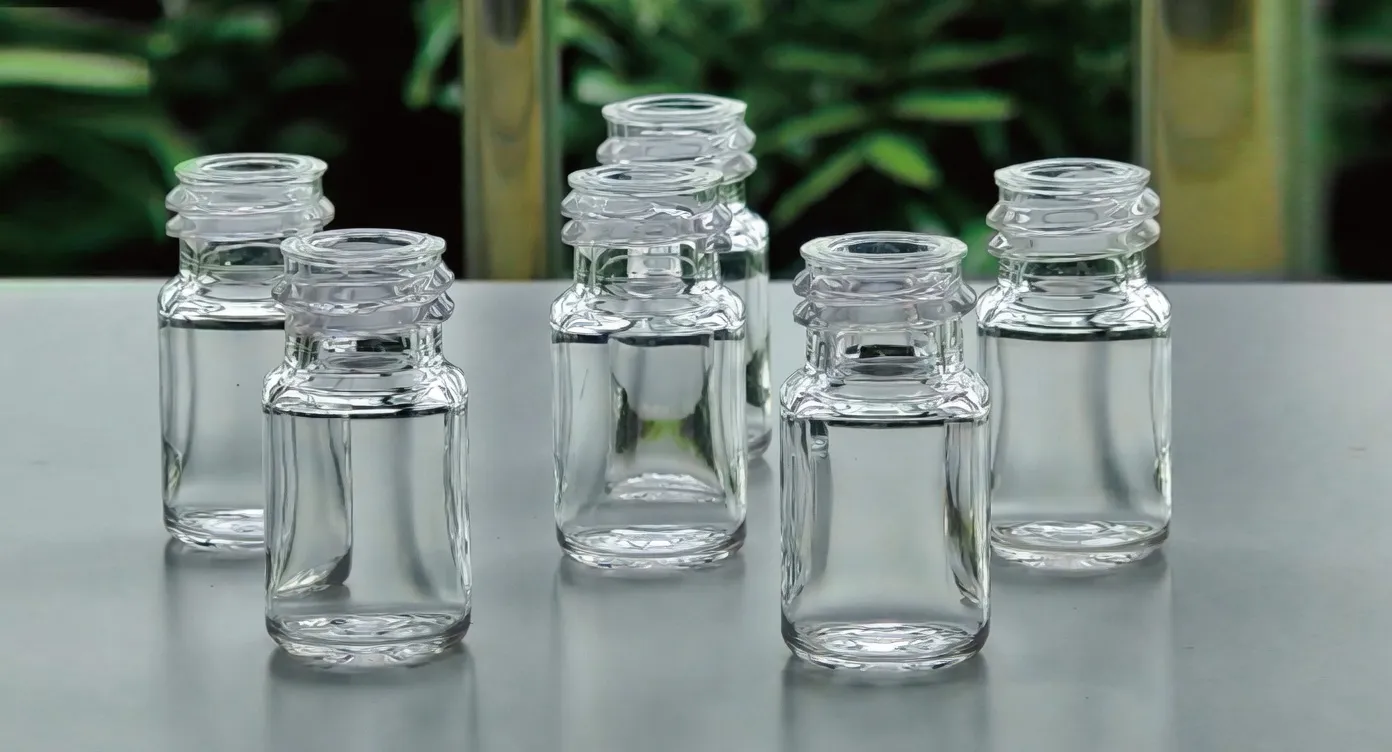
Pullonäytegalleria
Ever-Power ISBM -koneilla valmistettuja kontteja maailmanlaajuisesti

Mitä asiakkaamme sanovat
”Tutkimus- ja kehitystiimimme työskenteli Ever-Powerin prosessi-insinöörien kanssa suunnitellakseen kokeellisen tutkimuksen HDPE-käsittelyparametreistamme uutta säiliöspesifikaatiota varten. Heidän systemaattinen lähestymistapansa – DoE-rakenne, mittausprotokolla ja data-analyysi – tuotti validoidun prosessi-ikkunan puolessa budjetoimastamme ajasta. Todella vaikuttavaa prosessiosaamista.”
”Käytimme kahtaistaittomittausta Ever-Power-koneellamme valmistettujen säiliöiden orientaation kuvaamiseen verrattuna aiempaan hydrauliseen koneeseemme. Servosähköisen venytyssauvan ohjauksen aikaansaama orientaation tasaisuuden parannus oli selvästi mitattavissa – orientaation jakauma oli huomattavasti tasaisempi säiliön korkeudella. Tätä eroa tukeva prosessitiede näkyy suoraan datassamme.”
”Ever-Powerin prosessitiimi auttoi meitä ymmärtämään, miksi HDPE-säiliöidemme ESCR-tulokset vaihtelivat. Heidän selityksensä käsittelylämpötilan ja orientaation välisestä suhteesta – jota tukivat viittaukset julkaistuihin prosessitutkimuksiin – antoi laatutiimillemme mekanistisen ymmärryksen puuttua perimmäiseen syyhyn sen sijaan, että vain säätäisi parametreja empiirisesti.”
”Ever-Powerin suosittelema DoE-lähestymistapa uuden konttiprosessin kehittämiseen tiivisti kuukausien kokeilun ja erehdyksen kolmen viikon strukturoituun kokeiluun. Meillä on validoitu prosessi-ikkunadokumentti jokaiselle neljälle konttityypillemme, ja ymmärrämme tarkalleen, mitä parametreja kunkin kohdalla seurataan.”
”Pakkaustutkimustiimimme arvosti sitä, että Ever-Powerin insinöörit puhuvat samaa teknistä kieltä kuin tutkimus- ja kehitysryhmämme. Kahtaistaittavuus, puhallusikkuna ja venytyssuhde – nämä eivät ole heille vain operatiivisia termejä. Heidän rakentamansa kone heijastaa selvästi syvällistä ymmärrystä taustalla olevasta prosessifysiikasta.”
”Määrittelimme uuden säiliögeometriamme elementtimenetelmämenetelmällä ennen työkalujen käyttöönottoa yhteistyössä Ever-Powerin suunnittelutiimin kanssa. FEM-ennusteet seinämän paksuusjakaumasta vastasivat ensimmäisen artikkelin mittauksiamme 8%:n tarkkuudella – huomattavasti odotettua tarkempi. Mallinnusinvestointi säästi meidät täydelliseltä muotin uudistukselta.”
Sovella prosessitiedettä ISBM-tuotantoosi Ever-Powerin avulla
Ota yhteyttä Ever-Powerin prosessisuunnittelutiimiin saadaksesi DoE-pohjaista prosessien kehitystukea, validoitua prosessi-ikkunoiden dokumentointia ja konttien suorituskyvyn optimointia.