
Experimental Study of the Injection Stretch Blow Molding Process: Process Parameters, Characterisation Methods, and Industrial Insights
The injection stretch blow molding process is governed by a complex web of interacting parameters — injection speed, melt temperature, conditioning station temperature, stretch rod velocity, blow air pressure, and blow timing — that collectively determine the biaxial orientation achieved in the finished container and therefore its mechanical and barrier properties. Understanding the relationship between these process variables and the container properties they produce is the subject of experimental process study, and the insights from such work are directly applicable to commercial production optimisation.
This article surveys the principal methods used in experimental study of the ISBM process, the key process-property relationships that have been established through experimental work, and the practical implications of this knowledge for production engineers and machine specifiers operating ISBM lines commercially. It is written for technically oriented readers — process engineers, R&D packaging professionals, and quality managers — who want to understand the scientific underpinning of the process parameters they manage daily.
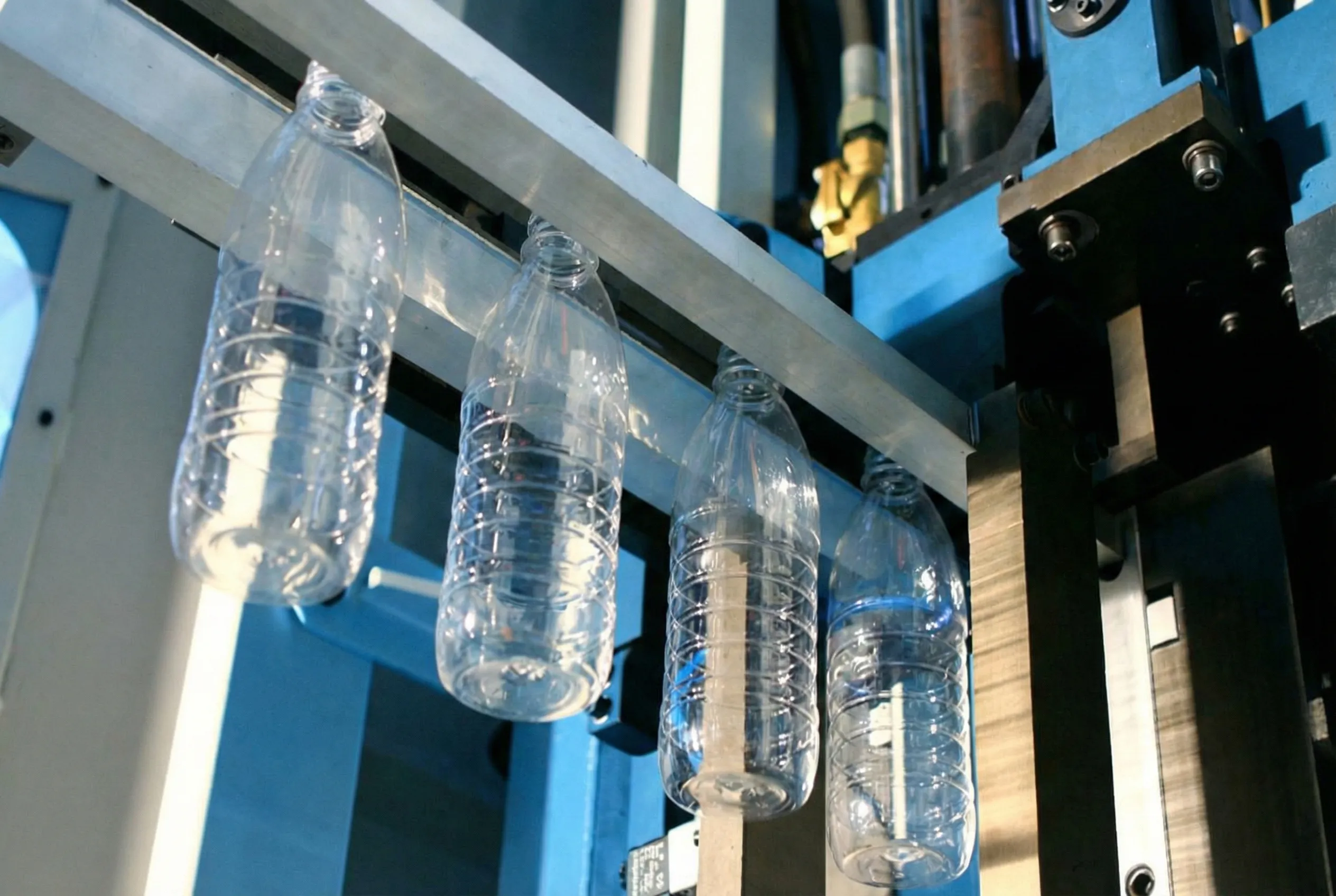
It also demonstrates why the injection stretch blow molding process implemented on current-generation single stage injection stretch blow molding machine designs reflects decades of accumulated process science, and why the servo-electric machine architectures now offered by leading injection stretch blow molding machine manufacturers are the direct commercial embodiment of process insights developed through experimental research.
What Experimental ISBM Studies Measure
Experimental ISBM process studies typically seek to characterise one or more of the following output variables as a function of process input parameters.
Wall Thickness Distribution
The spatial distribution of wall thickness across the container is the primary geometric output of the ISBM process. Measured by ultrasonic thickness gauge or destructive sectioning, wall distribution is a direct indicator of stretch ratio uniformity and mold filling behaviour under the blow conditions studied.
Biaxial Orientation Degree
The degree of molecular orientation in the blown container wall is quantified by birefringence measurement (optical retardation through the wall), wide-angle X-ray diffraction (crystallinity for semi-crystalline resins), and polarised IR spectroscopy (orientation ratio). These techniques reveal how different process parameters affect the orientation level achieved at different locations in the container.
Mechanical Properties
Tensile strength, elongation at break, top load crush strength, drop impact resistance, and ESCR are measured on containers produced under different process conditions to establish quantitative process-property relationships.
Barrier Properties
For PET and multi-layer ISBM containers, oxygen transmission rate (OTR) and carbon dioxide retention are measured as functions of process parameters, since barrier performance is sensitive to orientation level and uniformity.
Thermal Profile in Preform
Infrared thermography or thermocouple instrumentation of the preform surface at the blow station entry characterises the thermal state entering biaxial orientation, establishing the relationship between conditioning parameters and blow window positioning.
Key Process-Property Relationships Established by Experimental Work
Conditioning Temperature vs. Wall Thickness Uniformity
Experimental studies consistently demonstrate that conditioning station temperature is the primary control variable for wall thickness distribution in single-stage ISBM. When preform temperature at the blow station is below the optimal blow window — too close to the glass transition temperature for amorphous resins or too close to the crystallisation onset for semi-crystalline resins — the preform resists stretching non-uniformly, producing localised thick zones where material has frozen before adequate orientation was achieved.
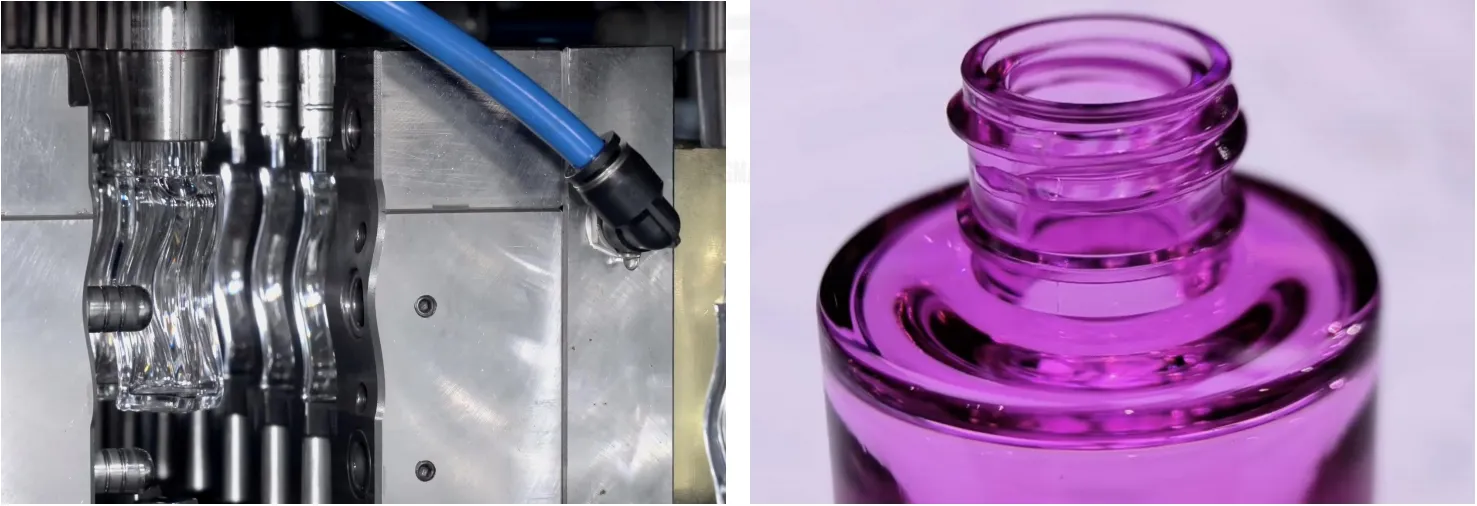
Studies using infrared thermography to map preform surface temperature at the blow station entry have shown that even a 5–8°C asymmetry in conditioning temperature across the preform circumference produces measurable wall thickness asymmetry in the blown container. This sensitivity to conditioning temperature uniformity is the primary reason that leading machine manufacturers design conditioning stations with multi-zone independent temperature control and direct-contact tooling rather than convective heating approaches.
Stretch Rod Speed vs. Axial Orientation
Experimental studies of stretch rod velocity effects demonstrate that there is an optimal stretch rod speed range for each resin-preform combination. Below this range, the material deforms too slowly and relaxes partially before biaxial orientation can be fixed by cooling against the blow mold. Above this range, the rapid deformation can initiate localised necking or premature crystallisation in the stretch direction. The optimal range is typically 50–200mm/s for commercial container applications, but varies significantly by resin molecular weight and processing temperature.
Blow Air Pressure and Timing vs. Orientation Uniformity
The timing relationship between stretch rod extension and blow air introduction is one of the most process-sensitive parameters in ISBM, and has been the subject of multiple experimental studies using high-speed photography to visualise preform deformation during blowing. Studies have established that optimal orientation uniformity is achieved when low-pressure pre-blow air is introduced when the stretch rod has reached approximately 60–70% of its full travel, preventing the preform from ballooning before the stretch rod can guide axial deformation. High-pressure transition timing then determines the radial stretch ratio and final wall distribution.
Experimental Characterisation Techniques in ISBM Process Research
Birefringence Measurement
Birefringence — the difference in refractive index between the orientation direction and the transverse direction in the container wall — is the most widely used technique for quantifying molecular orientation in ISBM research. Higher birefringence indicates higher orientation. Birefringence mapping across the container height and circumference reveals orientation gradients that correlate with wall thickness non-uniformity and mechanical property variation.
Differential Scanning Calorimetry (DSC)
DSC is used in experimental ISBM studies of semi-crystalline resins — particularly HDPE and PP — to characterise the crystallinity of the container wall as a function of process parameters. Since crystallinity in ISBM is induced by both the orientation mechanism and the thermal history of the blow cycle, DSC provides direct evidence of how conditioning temperature, stretch ratio, and blow mold temperature collectively influence the crystal morphology and therefore the barrier and mechanical properties of the finished container.
Design of Experiments (DoE) Approaches
Industrial experimental ISBM studies most commonly use design of experiments methodology — factorial designs, central composite designs, or response surface methodology — to efficiently map the multi-dimensional process parameter space with a minimum number of experimental runs. DoE approaches allow the identification of interaction effects between parameters — for example, the interaction between conditioning temperature and blow air pressure on wall thickness uniformity — that would be missed by one-variable-at-a-time approaches.
High-Speed Photography and Finite Element Analysis
High-speed camera visualisation of preform deformation during the blow stage provides direct experimental evidence of blow-up behaviour that complements property measurements on finished containers. Finite element modelling (FEM) of the ISBM blow stage — using material models calibrated by experimental measurements of resin mechanical behaviour under stretch-blow conditions — allows process engineers to predict wall thickness distribution for new container geometries before tooling is committed.
Industrial Implications: Applying Experimental Insights to Production ISBM
The practical value of experimental ISBM process science lies in its translation into production process knowledge — validated process windows, parameter sensitivity rankings, and troubleshooting frameworks that production engineers can apply directly to machine operation.
The experimental finding that conditioning temperature is the primary variable for wall thickness uniformity in single-stage ISBM directly informs the machine design specification: conditioning station temperature control precision of ±1°C or better, multi-zone independent temperature control, and real-time temperature monitoring are engineering requirements that flow directly from process science. Current-generation servo-electric ISBM machines from leading manufacturers implement these features as standard, and the production quality improvements they deliver are quantitatively consistent with the effects predicted by experimental process studies.
Similarly, the experimental characterisation of stretch rod speed and timing effects directly informed the transition from hydraulic stretch rod actuation — where position and velocity are determined by hydraulic flow characteristics that vary with oil temperature, valve condition, and system pressure — to servo-electric stretch rod drive systems where position and velocity are precisely programmable and cycle-repeatable to tolerances an order of magnitude tighter than hydraulic alternatives.
As a dedicated isbm machine manufacturer, Ever-Power’s machine design philosophy is grounded in process science — every control system feature, every servo axis specification, and every conditioning tooling design decision reflects the established process-property relationships that experimental ISBM research has quantified. As a full-service isbm mold injection machines supplier, we bring this process knowledge to mold design, preform geometry optimisation, and conditioning tooling specification. For organisations evaluating isbm machine for sale options, we provide process capability documentation that demonstrates how our machine design translates experimental process science into production performance.
Frequently Asked Questions
What process parameters have the greatest influence on ISBM container mechanical properties?
Experimental studies consistently identify conditioning station temperature, stretch rod velocity and travel, and blow air timing as the parameters with the greatest influence on biaxial orientation level and therefore mechanical properties. Conditioning temperature controls the blow window positioning (the thermal state entering biaxial orientation), stretch rod velocity and travel determine axial orientation degree, and blow air timing relative to stretch rod position determines the radial orientation and wall distribution uniformity. Injection parameters influence preform quality, which determines the starting material state for the orientation stage.
How do researchers study the ISBM process without destroying containers in production?
Non-destructive characterisation methods are important in ISBM process research. Birefringence mapping uses polarised light transmitted through the container wall without cutting. Ultrasonic wall thickness gauging measures wall distribution without sectioning. Infrared thermography maps preform temperature non-invasively. For properties that require mechanical testing — tensile strength, top load, ESCR — researchers typically produce dedicated experimental batches and sacrifice containers in standardised test procedures. High-speed photography during the blow stage provides non-destructive direct visualisation of the deformation process.
Are there standard test methods for characterising the quality of ISBM containers?
Yes. Several ASTM and ISO standards apply to ISBM container characterisation: ASTM D2659 (top load compression), ASTM D2911 (dimensional tolerance for closures), ASTM D1693 and F1473 (ESCR for polyethylene), ASTM D638 (tensile properties of plastics), ISO 2554 (plastics bottles), and ASTM D7191 (ultrasonic measurement of polymer packaging walls). For PET specifically, ASTM D5265 covers birefringence measurement methodology. Pharmaceutical containers are additionally characterised against USP and EP monographs.
Our ISBM Machine Products
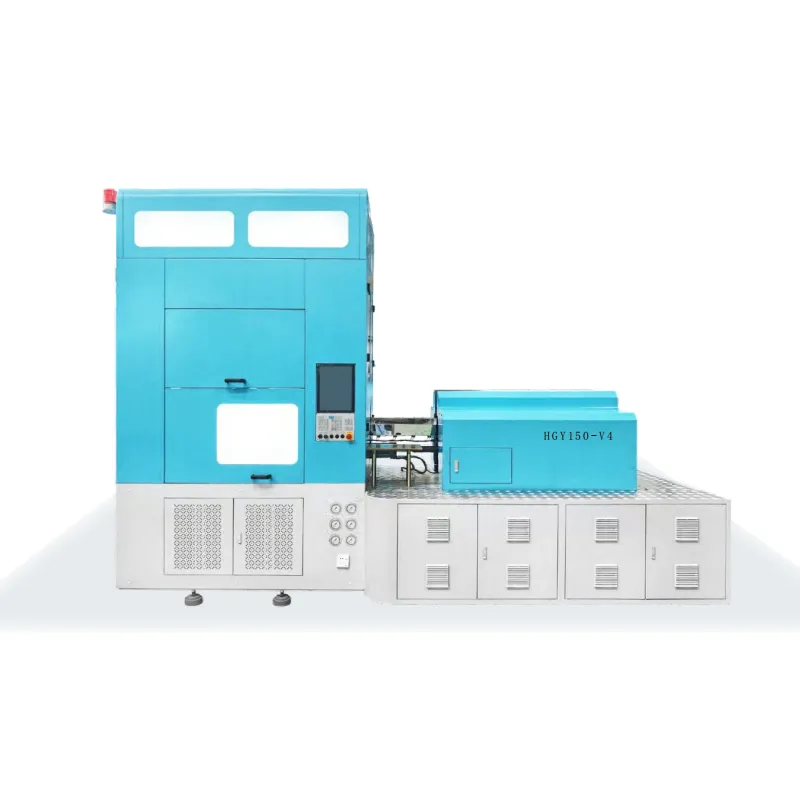
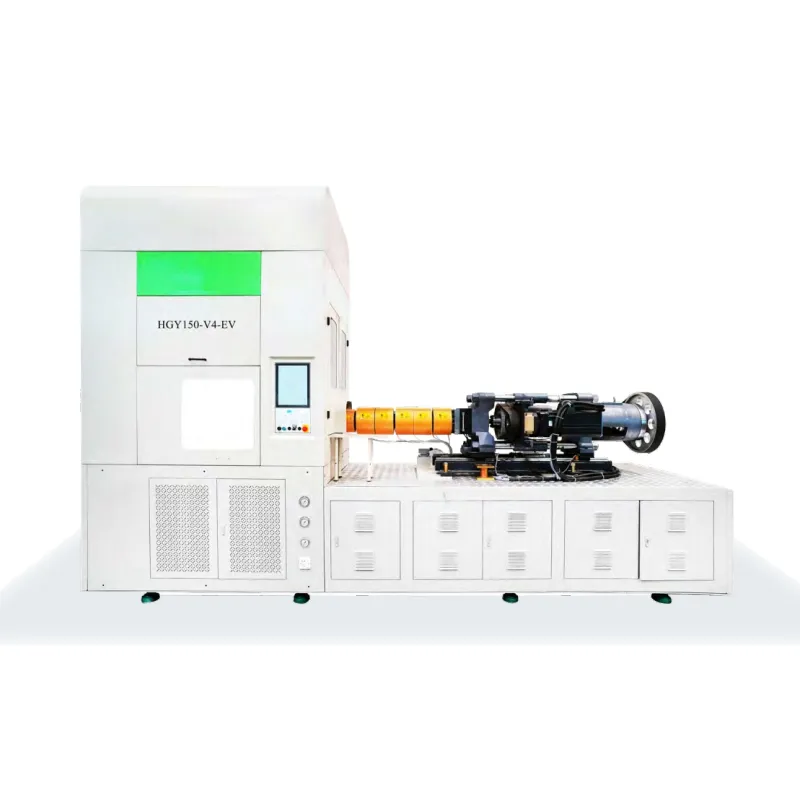
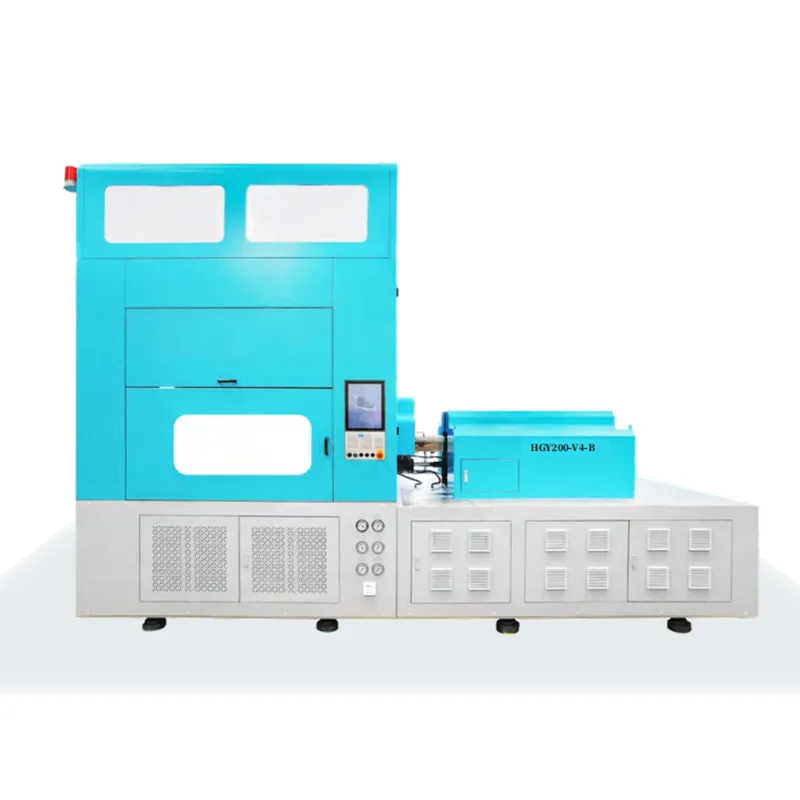
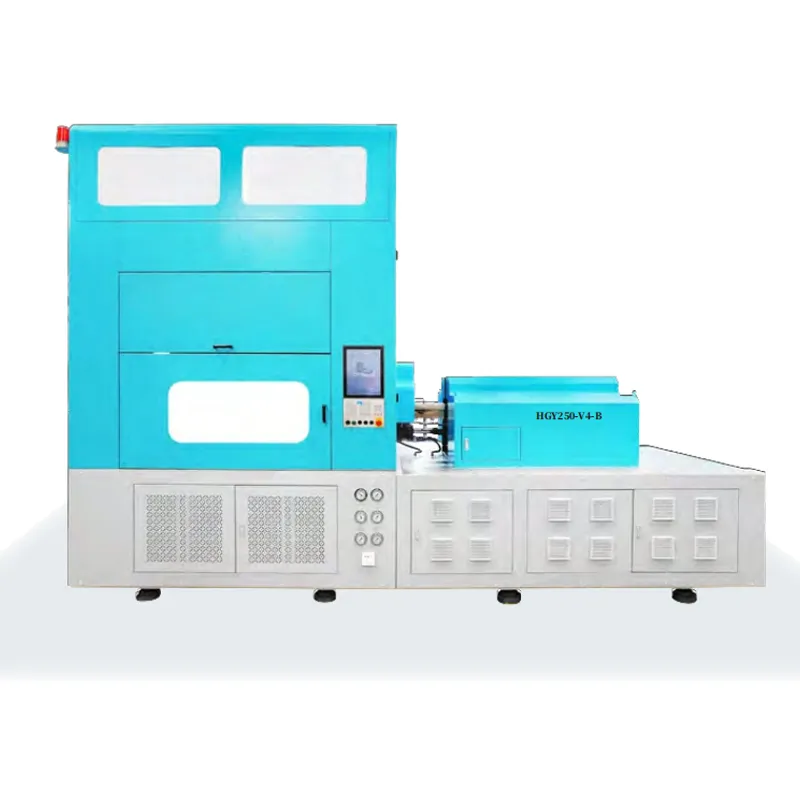
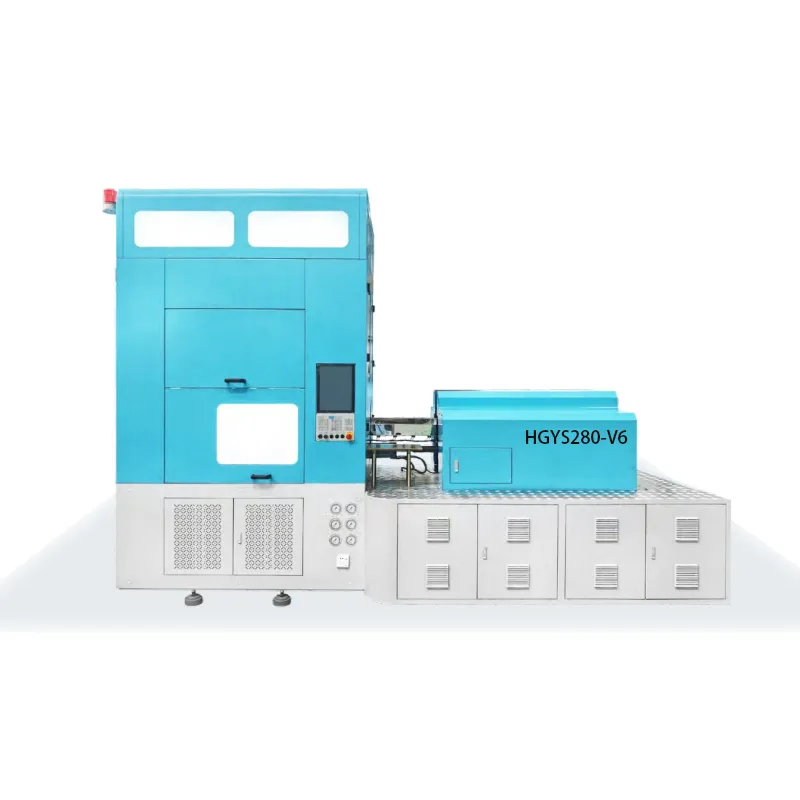
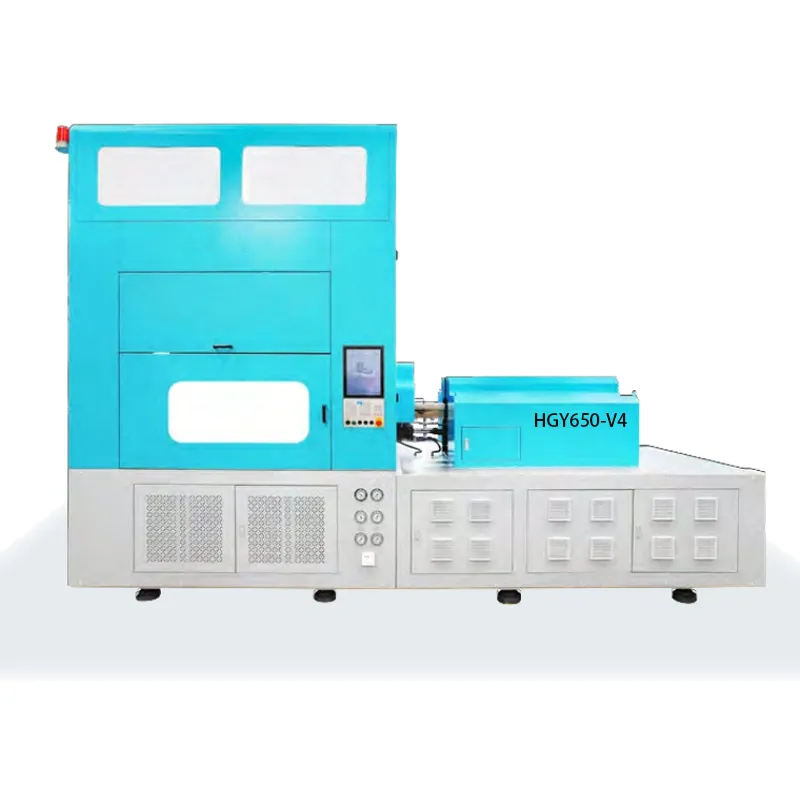
Ever-Power’s complete range of single-stage injection stretch blow molding machines — from personal care to large industrial container applications.
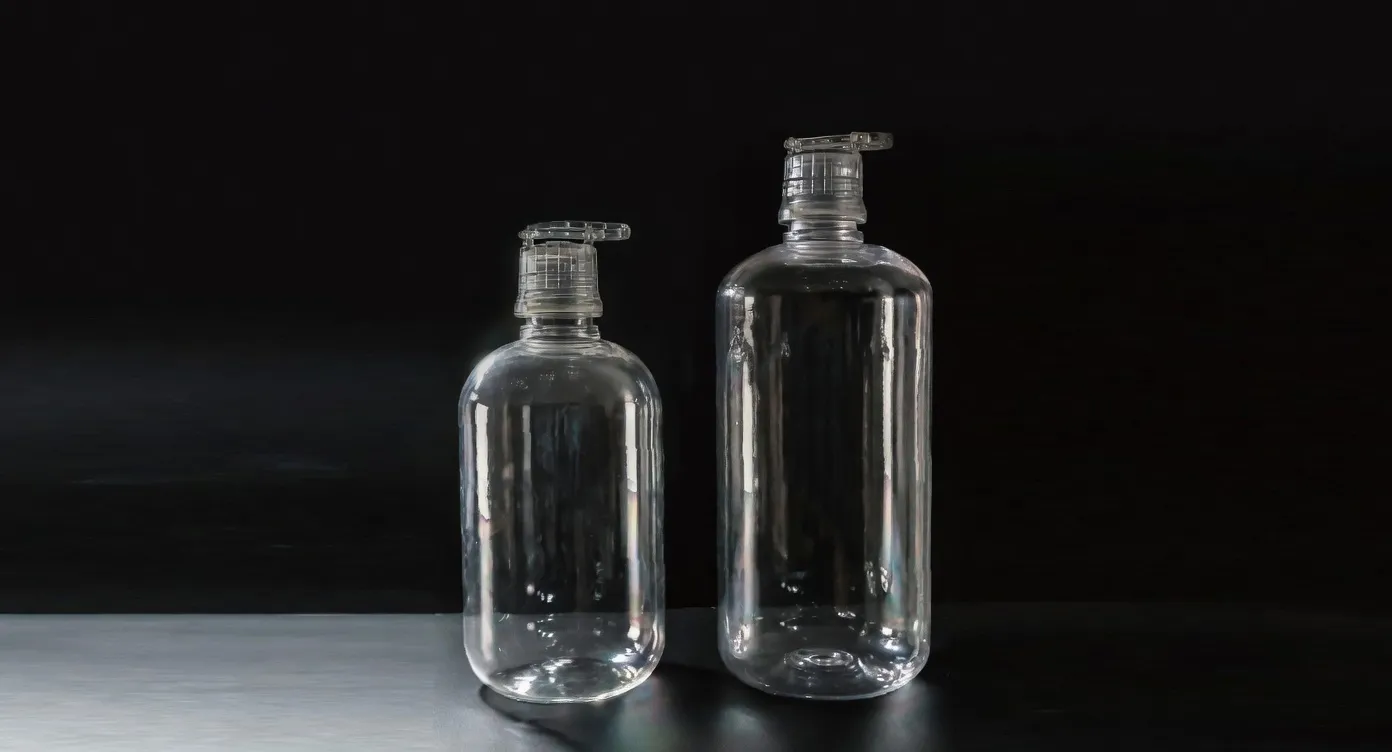
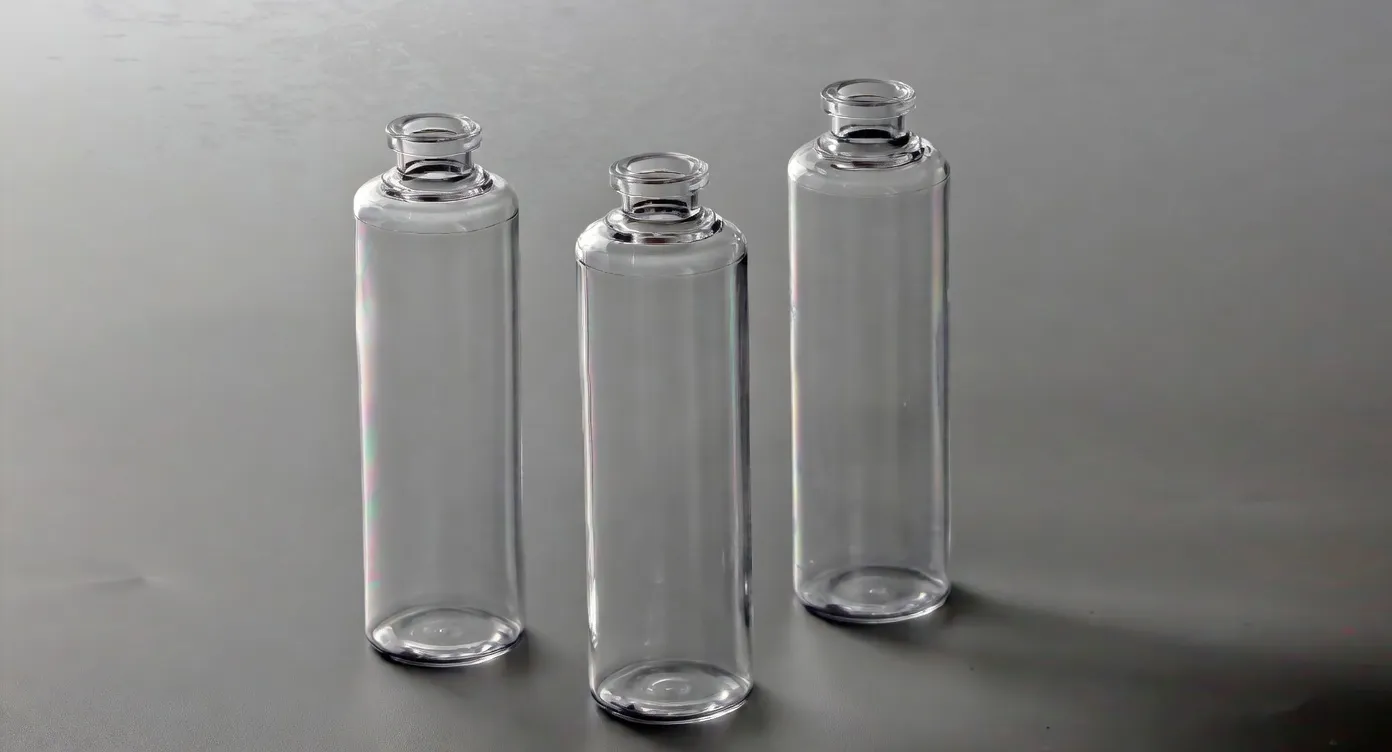
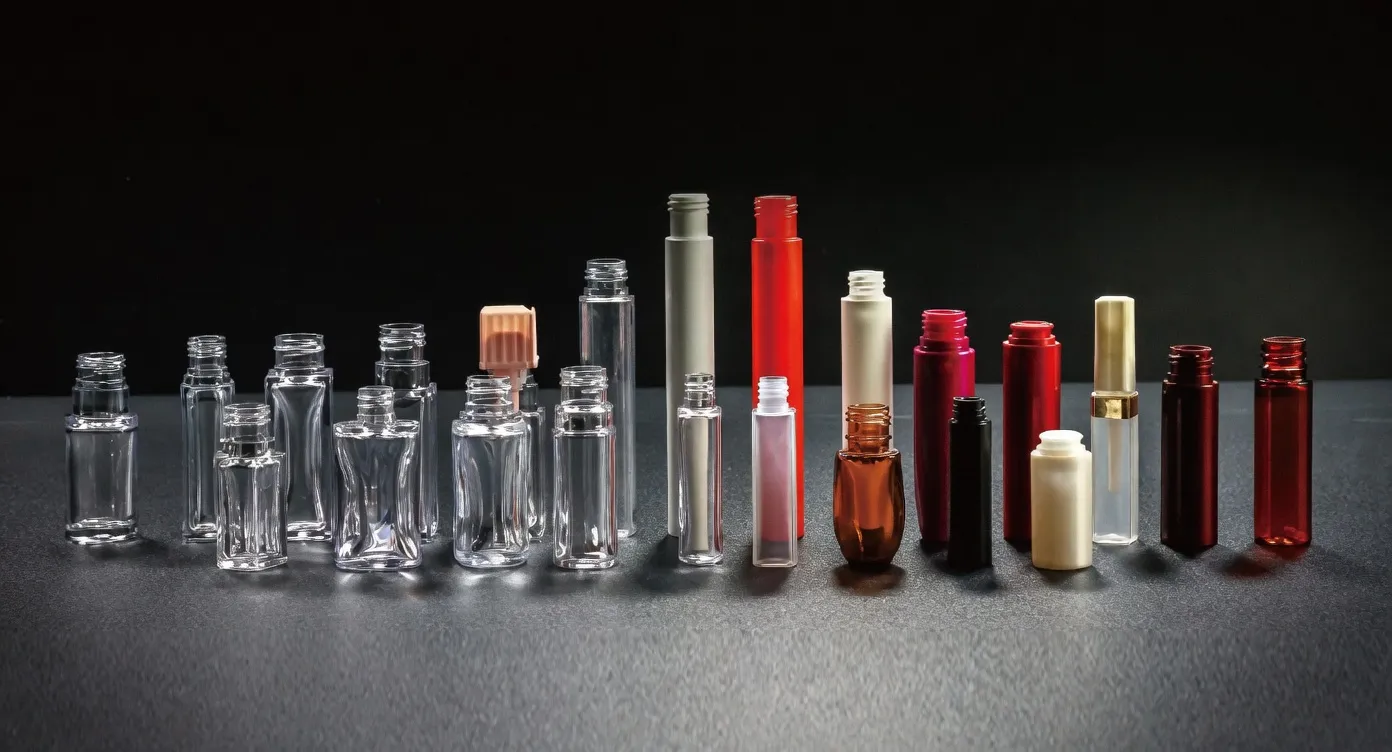
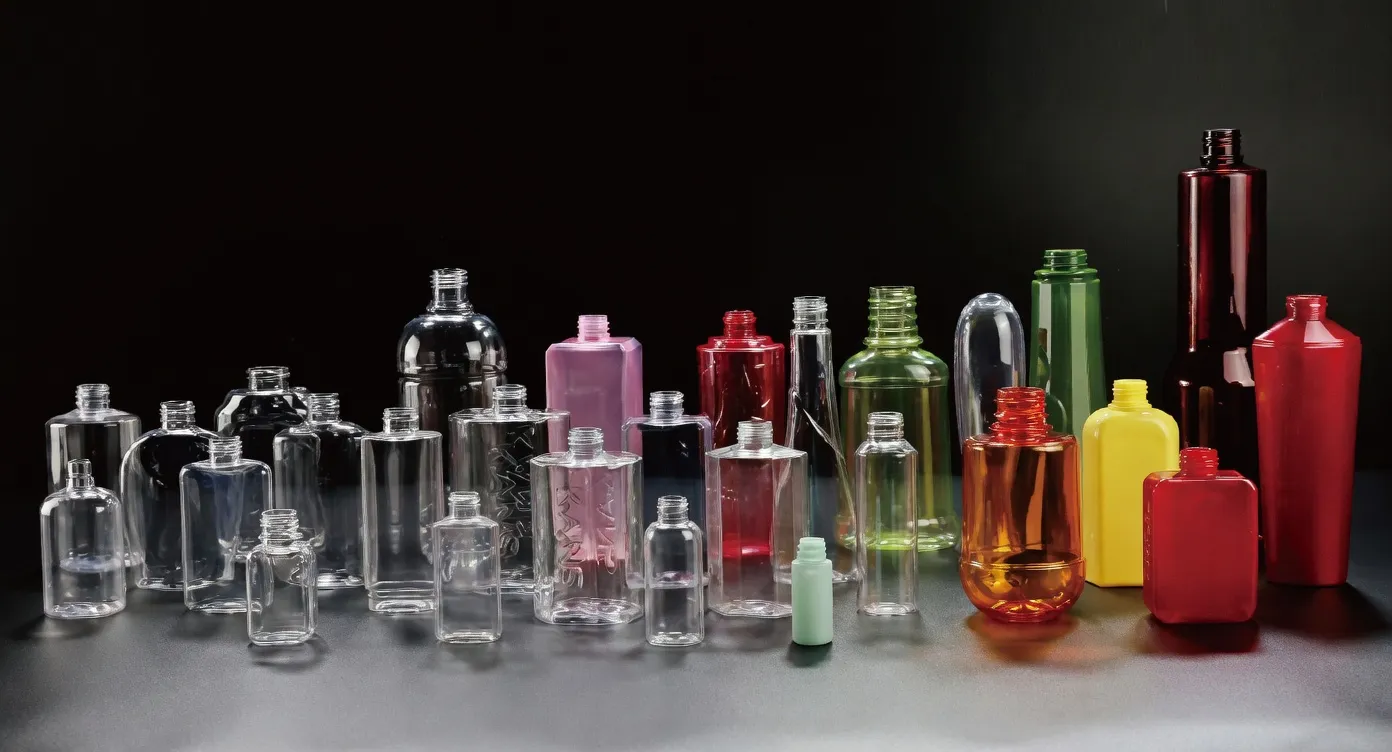
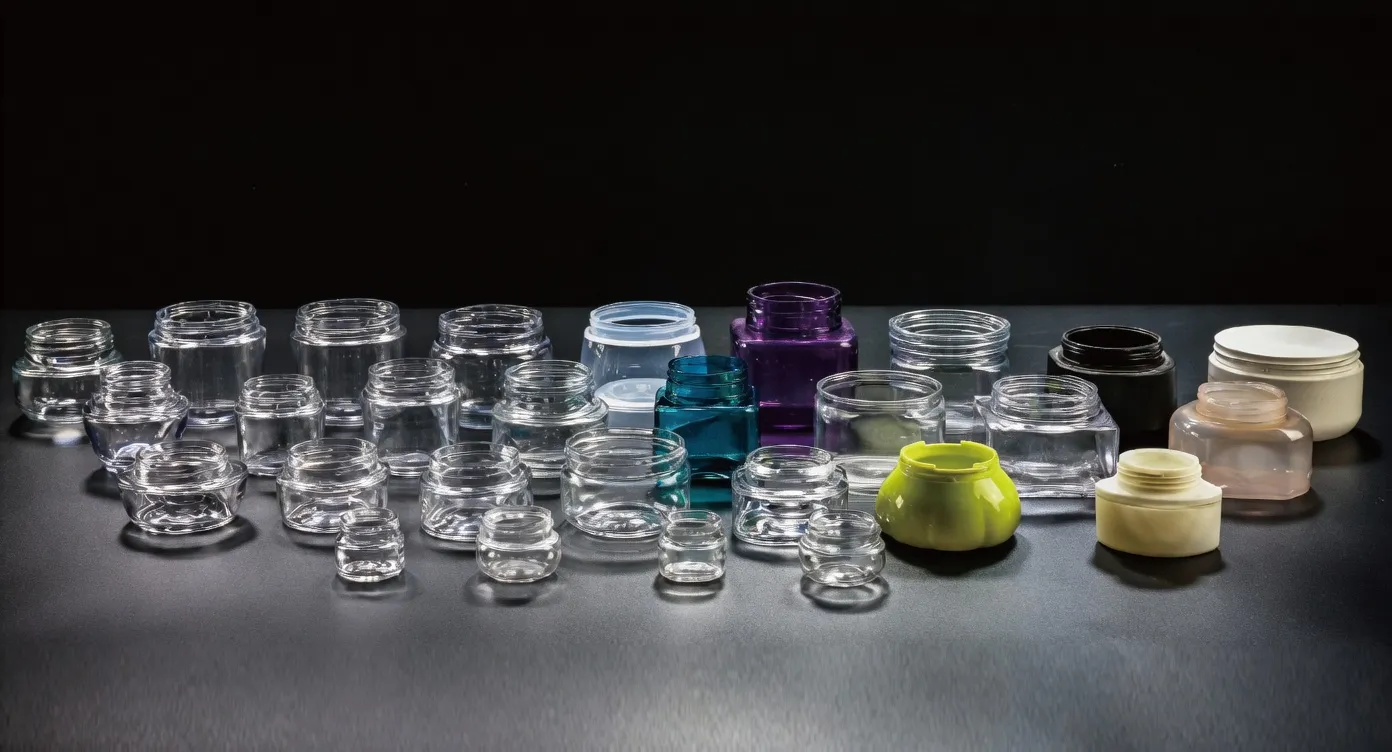
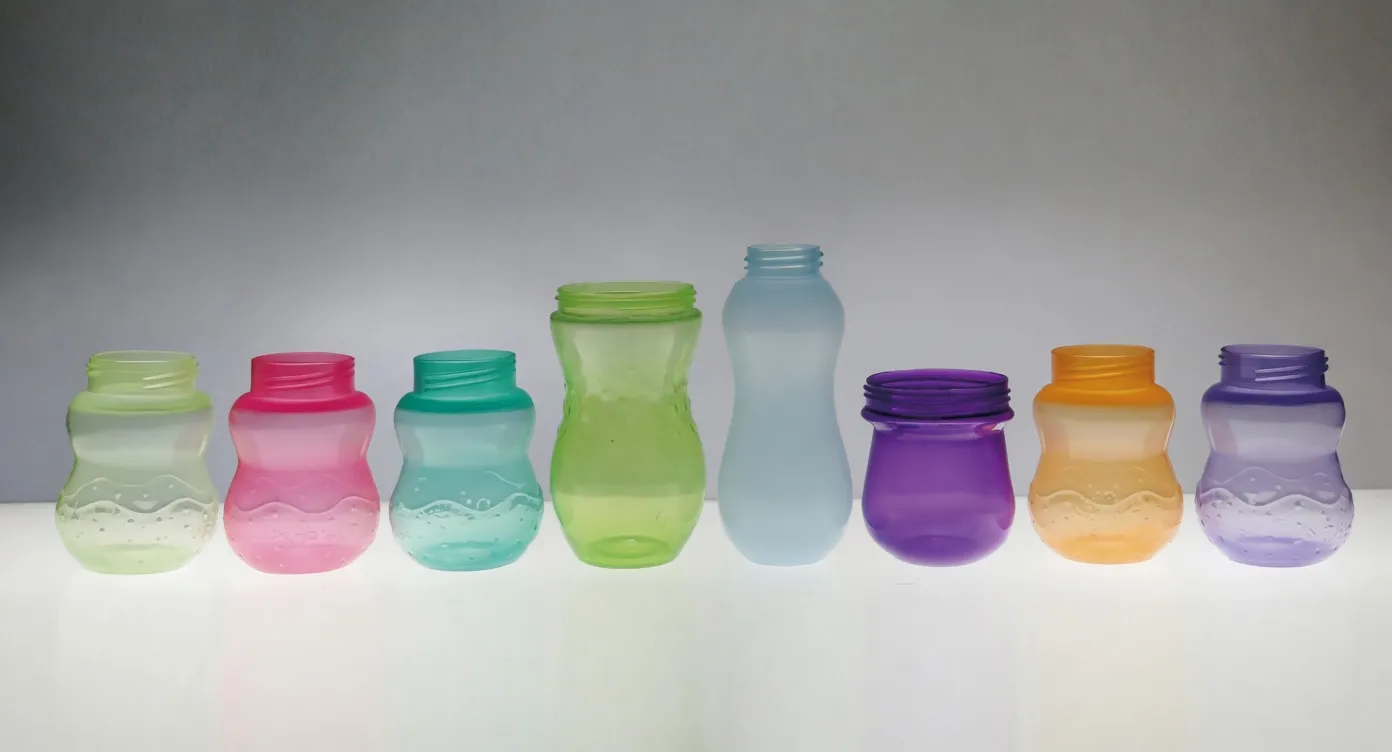
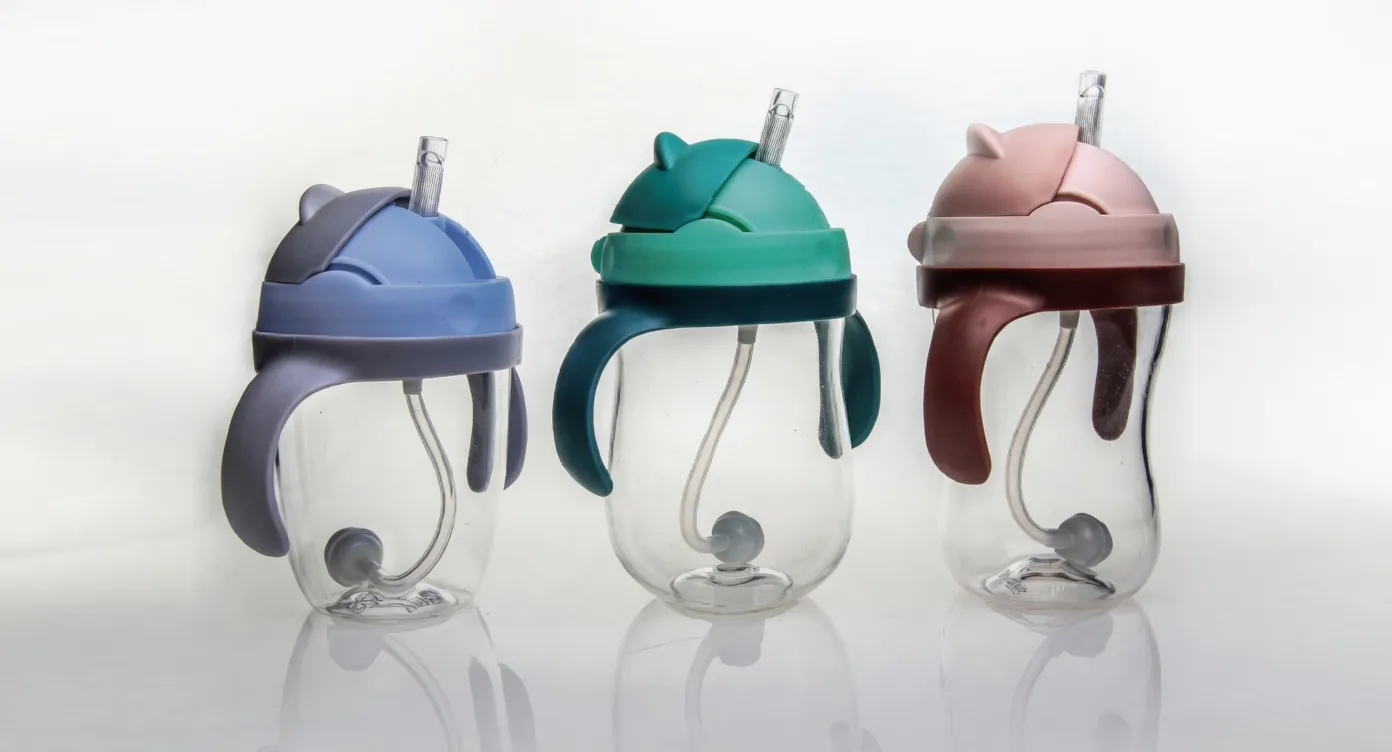
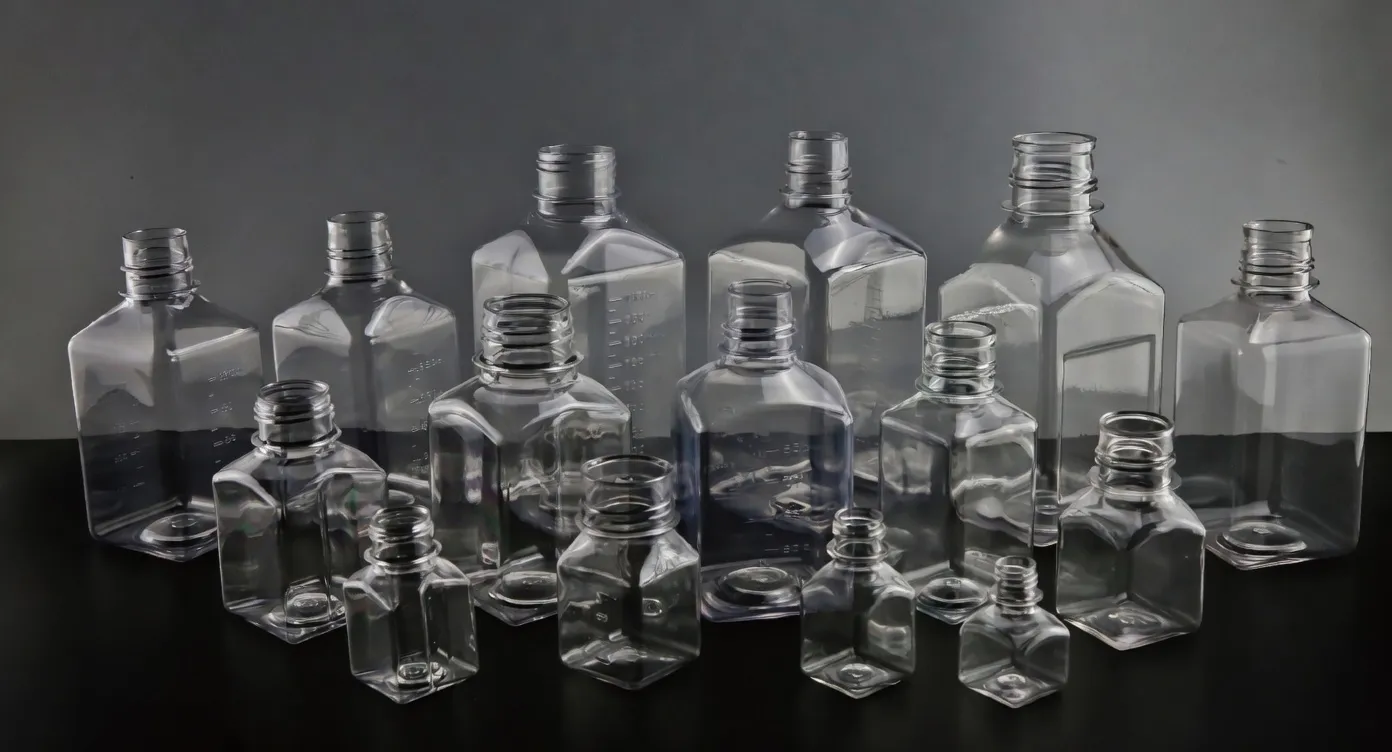
Bottle Sample Gallery
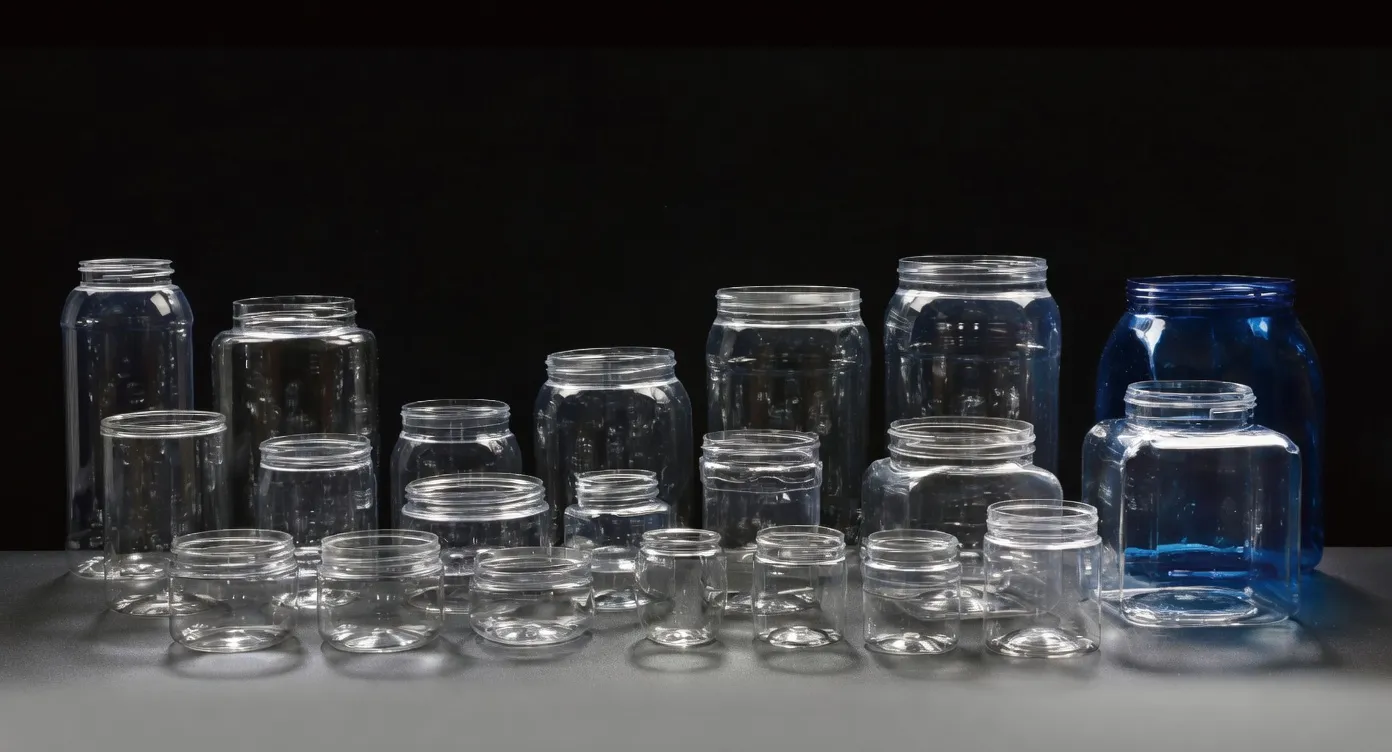
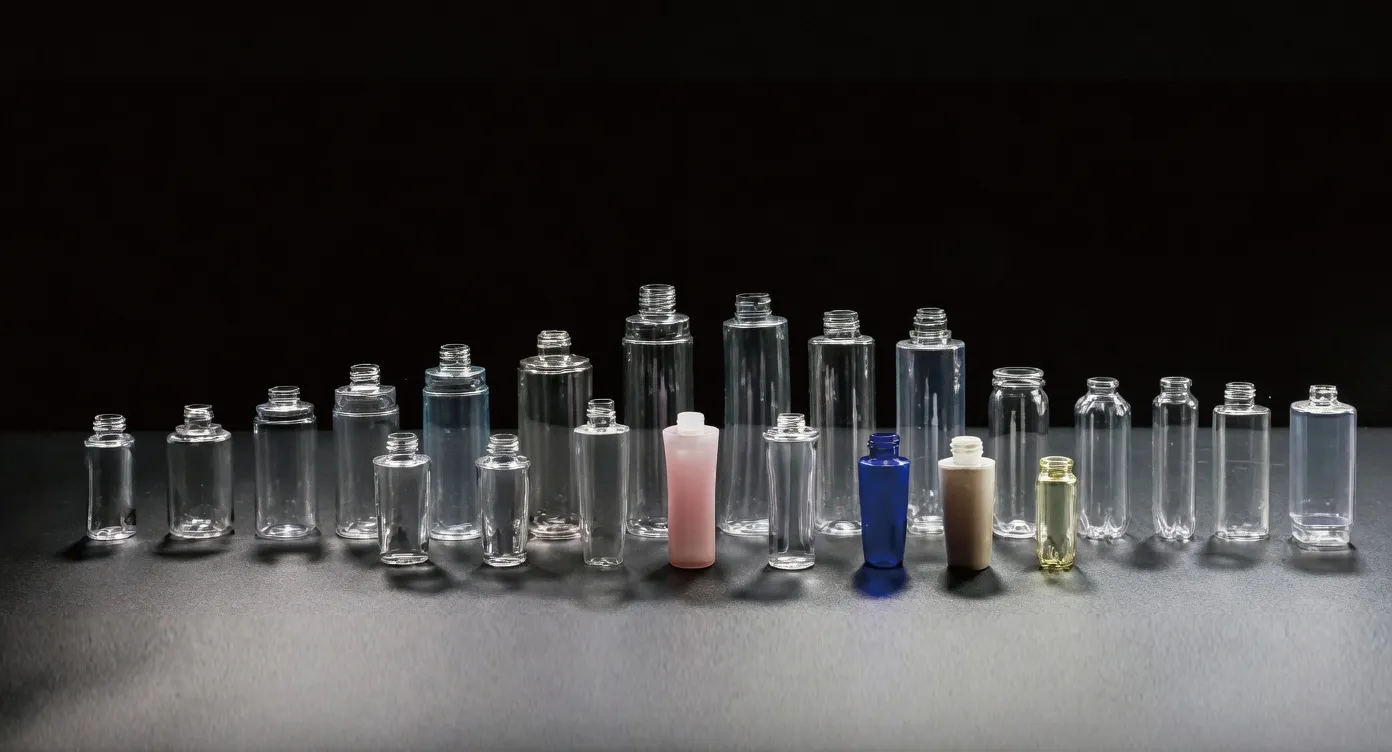
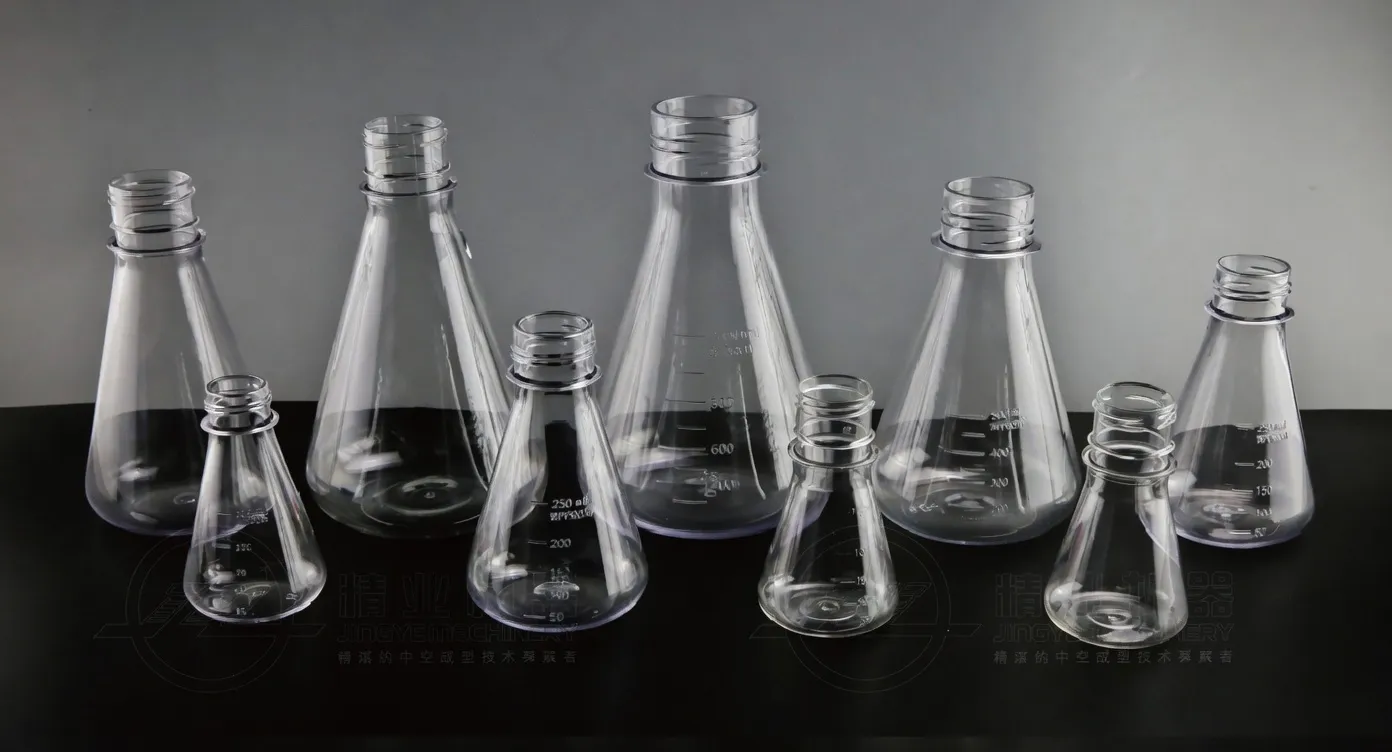
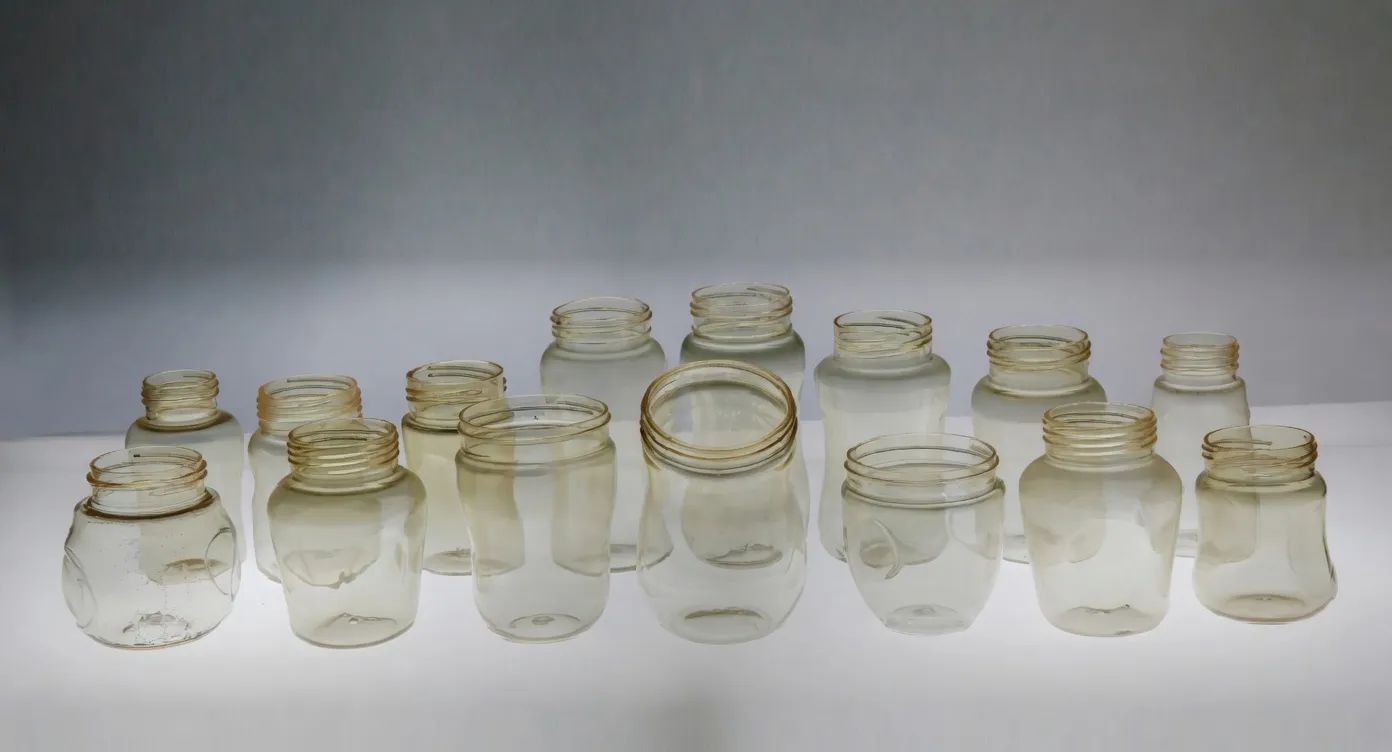
Containers produced on Ever-Power ISBM machines across global applications





What Our Customers Say
“Our R&D team worked with Ever-Power’s process engineers to design an experimental study of our HDPE conditioning parameters for a new container specification. The systematic approach they brought — DoE structure, measurement protocol, and data analysis — produced a validated process window in half the time we had budgeted. Genuinely impressive process knowledge.”
“We used birefringence measurement to characterise orientation in containers from our Ever-Power machine versus our previous hydraulic machine. The orientation uniformity improvement from servo-electric stretch rod control was clearly quantifiable — significantly more uniform orientation distribution across the container height. The process science backing this difference is directly visible in our data.”
“Ever-Power’s process team helped us understand why our HDPE containers were showing variable ESCR results. Their explanation of the conditioning temperature-to-orientation relationship — supported by references to published process studies — gave our quality team the mechanistic understanding to address the root cause rather than just adjusting parameters empirically.”
“The DoE approach Ever-Power recommended for our new container process development compressed what would have been months of trial-and-error into three weeks of structured experimentation. We have a validated process window document for each of our four container types, and we understand exactly which parameters to monitor for each.”
“Our packaging research team appreciated that Ever-Power’s engineers speak the same technical language as our R&D group. Birefringence, blow window, stretch ratio — these are not just operational terms to them. The machine they build clearly reflects a deep understanding of the underlying process physics.”
“We specified finite element analysis of our new container geometry before tooling commitment, working with Ever-Power’s engineering team. The FEM predictions of wall thickness distribution matched our first-article measurements to within 8% — significantly better accuracy than we expected. The modelling investment saved us a complete mold revision.”
Apply Process Science to Your ISBM Production with Ever-Power
Contact Ever-Power’s process engineering team for DoE-based process development support, validated process window documentation, and container performance optimisation.