
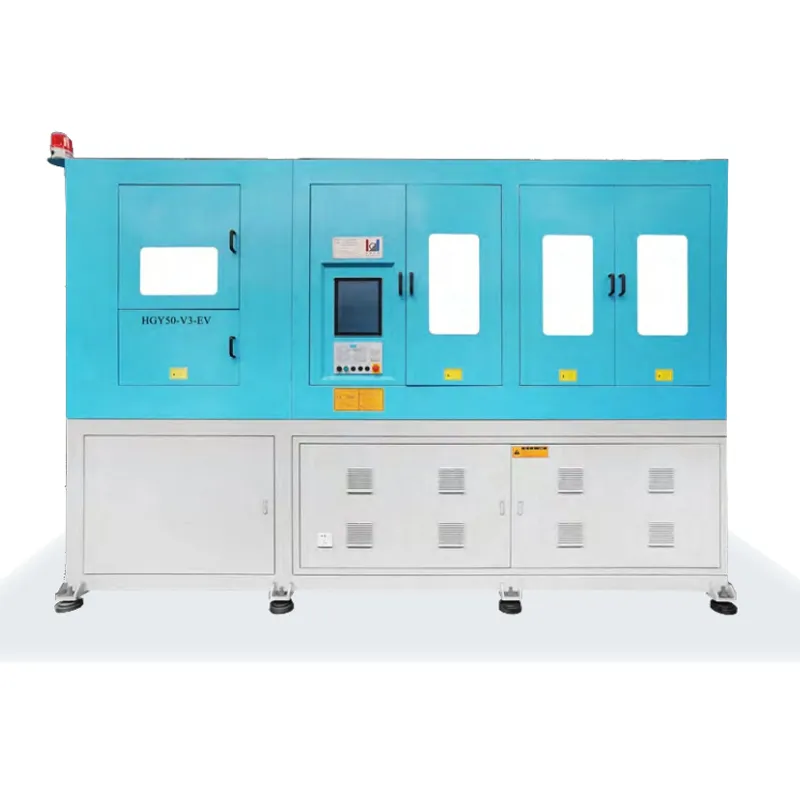
EP-HGY50-V3-EV One-Step Injection Stretch Blow Molding Machine ISBM Machine (three-station)
EP-HGY50-V3-EV ISBM Machine Specifically engineered for high-end container manufacturing, the EP-HGY50-V3-EV delivers exceptional performance for narrow-neck and wide-mouth bottles. Its one-step technology prevents scratches and ensures consistent wall thickness, which is critical for infant feeding bottles, medicine containers, and premium cosmetic jars. With its V3 technology upgrades, it offers a reliable, all-in-one manufacturing platform for modern smart factories.
Revolutionary One-Step ISBM Technology
The EP-HGY50-V3-EV represents a quantum leap in plastic bottle manufacturing technology, combining injection molding and stretch blow molding into a single, seamless process. This three-station fully servo-controlled system has been engineered to meet the demanding requirements of modern packaging industries, where precision, efficiency, and sustainability are paramount. As global markets shift toward lightweight, high-quality PET containers for beverages, cosmetics, pharmaceuticals, and food products, manufacturers require equipment that delivers consistent results while minimizing energy consumption and material waste.
Traditional two-step blow molding processes require preform production and subsequent reheating before final bottle formation, leading to increased energy costs and extended production cycles. The one-step ISBM technology eliminates these inefficiencies by integrating preform injection, conditioning, and stretch blow molding within a single automated production line. This integration reduces production time by approximately forty percent compared to conventional methods while maintaining superior bottle quality and dimensional accuracy.
Our EP-HGY50-V3-EV machine incorporates advanced servo motor technology across all critical motion axes, providing unprecedented control over injection speed, stretch rod movement, and blow timing. The three-station rotary configuration ensures continuous production flow, with simultaneous operations occurring at injection, conditioning, and blow molding stations. This parallel processing capability maximizes output while maintaining the compact footprint essential for modern production facilities where floor space comes at a premium.
The machine has been specifically designed to handle multiple materials including PET and PETG, making it exceptionally versatile for manufacturers serving diverse market segments. Whether producing crystal-clear water bottles, chemically resistant pharmaceutical containers, or aesthetically sophisticated cosmetic packaging, the EP-HGY50-V3-EV delivers consistent wall thickness distribution, excellent clarity, and superior surface finish. The fully servo-controlled system enables precise parameter adjustments for different bottle designs without requiring extensive mechanical changeovers, significantly reducing downtime between production runs.
Technical Specifications
| Parameter | Unit | Specification |
|---|---|---|
| Model Name | - | HGY50-V3-EV |
| Manufacturer | - | Ever Power |
| Applicable Material | - | PET/PETG |
| Screw Diameter (Optional Range) | MM | 40 / 50 / 55 |
| Theoretical Injection Volume | CM³ | 239 / 315 / 442 |
| Screw Rotational Speed (RPM) | r/min | 240 / 180 / 150 |
| Injection Clamping Force | KN | 50 |
| Blowing Clamping Force | KN | 100 |
| Motor Power | KW | 34.8 |
| Heating Power | KW | 10.4 |
| Blowing Air Pressure | Mpa | 2.0-3.5 |
| Cooling Water Pressure | Mpa | 0.4-0.6 |
| Machine Voltage | V | 370-400 |
| Machine Size (L×W×H) | MM | 3800×1200×2500 |
| Machine Weight | T | 3.5 |
Product Capacity Range
| Bottle Specification | 1 Cavity | 2 Cavity | 3 Cavity | 4 Cavity | 5 Cavity | 6 Cavity |
|---|---|---|---|---|---|---|
| Bottle Diameter (BD) mm | 100 | 90 | 62 | 45 | 35 | 28 |
| Bottle Height (H) mm | 100 | |||||
| Neck Diameter (E) mm | 60 | 38 | 30 | 27 | 20 | 17 |
| Max. Bottle Volume (ml) | 2500 | 1500 | 900 | 400 | 250 | 100 |
| Max. Bottle Weight (g) | 130 | 65 | 43 | 32 | 26 | 22 |
Distinguished Features
Full Servo Control System
Five sets of servo systems control all critical movement axes including injection, mold clamping, and stretch rod operations. This delivers exceptional accuracy in positioning and timing, eliminating the inconsistencies inherent in traditional hydraulic systems and resulting in superior bottle quality with significantly reduced reject rates.
Three-Station Rotary Design
The rotary turret configuration with Japanese YASKAWA servo motors and Taiwan SUNTIEN reducers enables simultaneous injection, conditioning, and blow molding operations, maximizing production efficiency while maintaining a compact machine footprint. This parallel processing architecture significantly increases output compared to linear configurations.
Advanced Thermal Management
Precision temperature control across barrel zones, nozzles, and molds ensures optimal material flow characteristics and preform conditioning. The integrated control system maintains temperatures within narrow tolerances, critical for producing bottles with consistent wall thickness and optical clarity across different production runs.
Intelligent PLC Control
Equipped with Inovance or WEICHI PLC and large touchscreen HMI interface providing intuitive access to all machine parameters, production monitoring, and diagnostic functions. Recipe management allows storage of multiple product configurations, enabling rapid changeovers between different bottle designs with minimal operator intervention.
Energy Efficiency
Servo-driven systems consume energy only during active movements, reducing power consumption significantly compared to conventional hydraulic machines. The integrated one-step process eliminates the energy-intensive preform reheating required in two-step systems, with heating power of just 10.4KW, further enhancing overall efficiency and reducing operational costs.
Premium Component Integration
Features American Parker high-pressure valves for reliability, AIRTAK air cylinders for consistent performance, integrated control systems for precise temperature management, and NSK lead screws from Japan for durability. The dual servo motor mold clamping system with high-pressure compensation ensures consistent quality output.
Three-Station ISBM Working Process
Understanding the precise sequence of operations reveals the technological sophistication behind one-step injection stretch blow molding
Station 1: Injection Molding
The process begins as virgin or recycled polymer pellets enter the plasticizing unit, where they undergo controlled heating within the extruder barrel. The reciprocating screw mechanism with diameters ranging from 40mm to 55mm simultaneously melts the material and builds injection pressure. Once the required shot volume accumulates at the screw tip, the servo-controlled injection system drives the molten polymer through the hot runner manifold into the preform cavities. The preform design incorporates the final bottle's neck finish with complete threading, while the body portion contains excess material that will be stretched and expanded during blow molding.
Mold cooling begins immediately after injection, with chilled water at 0.4-0.6 Mpa pressure circulating through precisely machined cooling channels. The 50KN injection clamping force ensures proper cavity sealing while the preform solidifies sufficiently to maintain dimensional stability when ejected from the injection mold, yet retains enough core temperature to facilitate stretching without requiring external reheating. This thermal balance represents one of the critical advantages of single-step processing.
Station 2: Thermal Conditioning
After the turret indexes to position two, the freshly molded preform enters the conditioning station where thermal profiling occurs. This intermediate step addresses the reality that optimal injection molding temperatures differ from ideal stretch blow molding temperatures. The conditioning station employs carefully calibrated systems to adjust the preform's temperature gradient. The neck region, already formed to final dimensions, must remain relatively cool to preserve threading accuracy and prevent deformation. Meanwhile, the body section requires precise heating to achieve the temperature window where the polymer exhibits optimal stretch characteristics.
For PET applications, this typically means bringing the preform body temperature to the appropriate range where the material exhibits optimal flow and stretching properties. The conditioning duration must be precisely synchronized with the overall machine cycle to maintain production efficiency while ensuring every preform reaches the blow station at optimal temperature, ready for the final transformation into finished bottles.
Station 3: Stretch Blow Molding
At the final station, the conditioned preform undergoes transformation into the finished bottle through synchronized mechanical stretching and pneumatic expansion. The preform transfers into the blow mold cavity, which has been precision-machined to the exact bottle geometry. A servo-controlled stretch rod extends downward into the preform, mechanically elongating the material in the axial direction. This longitudinal stretching induces molecular orientation that significantly enhances the final bottle's mechanical properties, particularly impact strength and barrier characteristics.
Simultaneously with stretch rod extension, high-pressure air at 2.0-3.5 Mpa enters through the preform neck. The blow pressure forces the stretched material outward against the cooled mold surfaces. This radial expansion creates circumferential molecular orientation, resulting in biaxial orientation that provides optimal strength-to-weight ratios. The blow mold's integrated cooling system rapidly quenches the expanded material, freezing the molecular structure and setting the final bottle shape. The 100KN blowing clamping force ensures dimensional accuracy throughout the process. Once cooling is complete, the mold opens and the finished bottle is automatically ejected, ready for downstream operations such as filling, labeling, and packaging.
How to Manufacture Bottles Using ISBM Technology
Operating the EP-HGY50-V3-EV requires understanding both the machine capabilities and the material science principles governing thermoplastic bottle formation. The following comprehensive guide walks through the complete bottle manufacturing process from raw material preparation through quality control and finished product discharge.
Material Preparation and Loading
Begin by selecting appropriate grade polymer pellets suited to your application requirements. For beverage bottles, food-grade PET with an intrinsic viscosity around 0.80 dL/g typically provides the best balance of processability and final properties. Ensure the material has been properly dried to moisture content below 0.004 percent, as excess moisture causes hydrolytic degradation during processing, leading to reduced molecular weight and compromised mechanical properties. The material hopper feeding system maintains consistent flow into the extruder barrel, where controlled heating zones gradually raise the polymer temperature.
Parameter Configuration and Recipe Setup
Access the touchscreen control interface to configure all process parameters for your specific bottle design. Critical settings include barrel temperature profiles typically ranging from 260-290 degrees Celsius across the five heating zones, injection speed curves that balance cavity filling time against flow-induced stresses, holding pressure duration and magnitude to compensate for material shrinkage, and mold temperatures optimized for the desired cooling rate. The servo control system allows independent adjustment of each parameter with precision unavailable in conventional machines. Store these settings as a recipe for future production runs of the same bottle design, enabling changeovers to be completed within minutes rather than hours.
Production Start-up and Optimization
Initiate the heating sequence and allow sufficient time for all components to reach thermal equilibrium, typically thirty to forty-five minutes depending on ambient conditions. Once temperatures stabilize, begin a purging cycle to clear any degraded material from previous production and verify proper material flow. Execute several test cycles in semi-automatic mode, carefully examining each bottle for defects such as incomplete filling, surface blemishes, dimensional variations, or optical irregularities. Use these initial samples to fine-tune parameters, making small adjustments to injection speed, stretch rod timing, or blow pressure as needed. Modern machines provide real-time process monitoring that displays injection pressure curves, cavity temperature evolution, and cycle timing, enabling data-driven optimization rather than trial-and-error approaches.
Continuous Production Monitoring
During sustained production, maintain vigilant oversight of key performance indicators. Monitor cycle time consistency, as variations often indicate developing mechanical or thermal issues before they cause quality problems. Track reject rates and investigate any upward trends immediately. Verify dimensional stability through periodic sampling and measurement of critical features like wall thickness distribution, base concentricity, and thread engagement. The machine's diagnostic systems continuously monitor servo motor currents, hydraulic pressures, and temperature sensor readings, providing early warning of component wear or system malfunctions. Implement a regular sampling schedule, typically every thirty minutes during stable production, with samples tested for burst strength, top load compression, and drop impact resistance to ensure ongoing compliance with specifications.
Quality Control and Validation
Establish comprehensive quality protocols encompassing both in-process checks and finished product testing. Visual inspection should catch obvious defects like flash, sink marks, or surface contamination. Dimensional verification using calibrated gauges confirms bottles meet drawing specifications. Mechanical testing validates that bottles possess adequate strength for their intended application, with particular attention to failure modes relevant to end-use conditions. For pharmaceutical or food contact applications, additional testing may verify material compliance with regulatory requirements, absence of extractable or leachable compounds, and maintenance of barrier properties. Documentation of all test results creates the quality record necessary for traceability and continuous improvement initiatives.
Customer Testimonials
James Morrison
Production Manager - United States
"We purchased the EP-HGY50-V3-EV for our cosmetics packaging line last year and it has exceeded our expectations in terms of reliability and output quality. The servo control system provides remarkable consistency across production runs, which is critical for our high-end products. Setup time between different bottle designs has been reduced dramatically compared to our previous equipment. The technical support team was responsive during installation and provided thorough training to our operators. Energy consumption is noticeably lower than our older hydraulic machines, which contributes to better profit margins."
Sophie Bernard
Quality Director - France
"The machine performs well for our pharmaceutical bottle production where dimensional accuracy and cleanliness are paramount. Wall thickness distribution is very uniform which ensures consistent barrier properties across our product range. We particularly appreciate the recipe management system that allows us to switch between different bottle specifications efficiently. The compact footprint was important for our facility constraints. Maintenance requirements have been minimal during our first year of operation. Some initial learning was needed to optimize parameters for our specific materials, but the documentation provided was helpful."
Rajesh Kumar
Plant Engineer - India
"This machine has been a good addition to our beverage bottle manufacturing facility. The three-station design allows continuous production which maximizes our capacity utilization. We've found the PLC interface to be user-friendly after initial training, and our operators adapted to it quickly. The quality of bottles produced meets our specifications consistently. Power consumption is reasonable for a machine of this capacity. We did experience some minor issues during the first few months which were resolved by the service team. Overall, the machine delivers acceptable performance for our production requirements and the price point was competitive."
Maria Castello
Operations Manager - Brazil
"We selected the EP-HGY50-V3-EV for producing our line of edible oil bottles and it has proven to be a reliable workhorse. The servo motors provide precise control which translates to consistent bottle weights and dimensions. This consistency helps reduce our material costs while maintaining quality standards. The machine's footprint fits well in our existing production floor without requiring significant layout modifications. Changeover procedures are straightforward once operators understand the process. We've been satisfied with the uptime percentage and the availability of spare parts through the distributor network has been adequate for our maintenance planning."
Thomas Weber
Technical Supervisor - Germany
"From an engineering perspective, the machine demonstrates sound design principles with quality components in critical areas. The servo drive system offers better repeatability compared to traditional hydraulic systems we've operated previously. Temperature control across the barrel and mold zones is stable which helps maintain process consistency. The control system provides good diagnostic capabilities for troubleshooting. Build quality appears solid with appropriate material selection for wear components. We appreciate the modular design approach which facilitates maintenance activities. Performance metrics align with the technical specifications provided. The machine represents reasonable value considering the feature set and production capabilities."
Yuki Tanaka
Production Coordinator - Japan
"Our company produces specialty bottles for the food industry and required equipment that could handle frequent product changes while maintaining quality standards. The EP-HGY50-V3-EV has met these requirements adequately. The recipe storage function is particularly useful for managing our diverse product portfolio. Bottle clarity and surface finish quality are good, which is important for our customer requirements. We've noticed improved energy efficiency compared to older equipment in our facility. The learning curve for operators was manageable with proper training. Machine documentation could be more detailed in some areas, but overall functionality is satisfactory for our production needs."
Project Case Studies
Premium Cosmetics Packaging - International Beauty Brand
Application: High-end serum and lotion bottles
Volume Range: 30ml - 120ml
Material: PETG for chemical resistance
Production: 4-cavity configuration producing 1,800 bottles per hour
Client required exceptional optical clarity and precise dimensional control for luxury product packaging. The EP-HGY50-V3-EV delivered consistent wall thickness distribution and superior surface finish, enabling the brand to maintain premium positioning while reducing production costs by fifteen percent compared to their previous supplier.
Pharmaceutical Eye Drop Containers - Healthcare Manufacturer
Application: Sterile eye drop bottles with integrated dropper tips
Volume Range: 5ml - 15ml
Material: Medical-grade PET
Production: 6-cavity mold achieving 2,200 bottles per hour
Stringent pharmaceutical industry requirements demanded complete traceability and validated processes. Machine qualification included IQ, OQ, and PQ protocols. The servo control system's repeatability ensured batch-to-batch consistency critical for regulatory compliance. Clean room compatible design facilitated integration into controlled manufacturing environment.
Edible Oil Bottles - Food Processing Company
Application: Cooking oil containers for retail market
Volume Range: 500ml - 2000ml
Material: Food-grade PET
Production: 2-cavity configuration with 900 bottles per hour output
Large bottle production required maximum injection volume capability and robust mechanical performance. The machine's 442 cm³ injection capacity with 55mm screw diameter handled the application efficiently. Barrier properties of biaxially oriented bottles prevented oxidation of oil contents, extending shelf life and maintaining product quality throughout distribution.
Beverage Bottles - Regional Bottling Operation
Application: Carbonated soft drink and water bottles
Volume Range: 350ml - 600ml
Material: PET optimized for gas barrier
Production: 3-cavity mold producing 1,500 bottles per hour
High-volume beverage production demanded maximum uptime and minimal material waste. Single-step processing eliminated preform handling and reheating costs. The machine's energy efficiency contributed to operational cost savings while maintaining the mechanical strength necessary for carbonated beverage containment and distribution stress resistance.
Frequently Asked Questions
What are the main advantages of one-step ISBM compared to two-step blow molding?
One-step ISBM integrates preform injection and bottle blowing in a single machine, eliminating the need for separate preform production, storage, and reheating. This reduces energy consumption by approximately thirty to forty percent, decreases production cycle time, minimizes material handling, and reduces facility space requirements. The integrated process also ensures optimal preform temperature control without the degradation risks associated with reheating in two-step systems.
Can this machine produce bottles with different neck finishes and thread designs?
Yes, the machine accommodates various neck finish designs through mold changes. Common thread specifications including 28mm, 38mm, and custom designs can be produced. The neck diameter range from 17mm to 60mm supports applications from small pharmaceutical bottles to wide-mouth containers. Changing neck finish requires mold replacement, which can typically be completed within two hours using the quick-change mold mounting system.
What is the typical production output and how does cavity number affect it?
Production output varies with cavity configuration and bottle size. For mid-range bottles around 500ml, a 4-cavity mold typically produces 1,800-2,200 bottles per hour depending on cycle time. Smaller bottles allow higher cavity counts and faster cycles, potentially reaching 2,400+ bottles per hour with 6-cavity configurations. Larger bottles may require 1-2 cavity molds with proportionally lower output rates but still maintaining efficient production for their size category.
What maintenance requirements should be expected with this equipment?
Regular maintenance includes daily cleaning of mold surfaces and blow pins, weekly inspection of servo motor operation and belt tensions, monthly lubrication of guide rails and mechanical components, and quarterly replacement of filter elements. The servo-driven system requires less maintenance than hydraulic equipment, with no hydraulic oil changes needed. Annual maintenance should include detailed inspection of screw and barrel wear, calibration verification of temperature controllers and pressure sensors, and examination of electrical connections.
Can recycled PET material be used in this machine?
The machine can process recycled PET content, though the percentage depends on application requirements and material quality. For non-food contact applications, up to fifty percent post-consumer recycled content is often feasible. Food-contact applications typically limit recycled content to FDA-approved post-consumer recycled grades. Recycled material must be thoroughly dried and may require adjusted processing temperatures. Some testing is recommended to optimize parameters when introducing recycled content into your production.
What utilities are required to operate the machine?
The machine requires three-phase electrical power at 370-400V with total connected load of 68KW. Compressed air supply at 2.0-3.5 Mpa is necessary for blow molding operations, typically requiring a compressor capacity of 2-3 cubic meters per minute. Cooling water at 0.4-0.6 Mpa pressure with temperature around 15-20 degrees Celsius is essential for mold cooling and barrel temperature control. Adequate ventilation should be provided to remove heat generated during operation.
How long does operator training typically take?
Basic operational competency can be achieved in three to five days of intensive training for operators with prior plastics processing experience. Training covers machine setup, parameter adjustment, routine troubleshooting, and quality inspection procedures. Technicians responsible for advanced troubleshooting and maintenance benefit from extended training of one to two weeks. Ongoing skill development continues during initial production runs as operators gain familiarity with specific bottle designs and material behaviors.
What is the expected lifespan of the machine and major components?
With proper maintenance, the machine structure and framework should provide fifteen to twenty years of service. Servo motors typically operate for ten to fifteen years before requiring replacement or rebuild. The screw and barrel are wear components with lifespan depending on processing conditions and material abrasiveness, generally requiring replacement after three to seven years of continuous operation. Molds are separate tooling with longevity dependent on production volume and maintenance, often producing several million bottles before requiring refurbishment.
Can the machine be integrated with downstream equipment like fillers and labelers?
Yes, the machine is designed for integration into complete packaging lines. Bottle discharge can be configured with conveyor systems that transfer finished bottles directly to filling equipment. The control system can communicate with upstream and downstream equipment through standard industrial protocols, enabling coordinated operation and production monitoring. Proper integration planning during installation ensures smooth material flow and maximizes overall line efficiency.
What quality control features are built into the machine?
The control system monitors critical process parameters in real-time, including injection pressure curves, barrel temperatures, blow timing sequences, and cycle consistency. Deviation from programmed parameters triggers alarms alerting operators to potential quality issues. Process data logging enables traceability and statistical process control analysis. Some configurations can incorporate automated rejection systems that remove defective bottles based on weight deviation or vision inspection results, though these typically require optional equipment additions.
What support and spare parts availability can be expected after purchase?
Ever-Power maintains comprehensive spare parts inventory for critical wear components and provides technical support through phone, email, and remote diagnostics. Common wear parts like seals, heating elements, and sensors are typically available for immediate shipment. More specialized components may require several weeks for delivery depending on location. Extended warranty and preventive maintenance contracts are available to ensure ongoing support. Technical documentation including electrical schematics, pneumatic diagrams, and parts lists facilitates troubleshooting and maintenance planning.
About Ever-Power
Ever-Power has dedicated more than twenty years to the research, development, manufacturing, and sales of blow molding equipment, accumulating extensive industry experience in production, operation, and management. Through continuous improvement and systematic upgrades of our blow molding production systems, we have secured multiple national patents and developed specialized equipment covering diverse applications including cosmetics, water, edible oils, beverages, wide-mouth food containers, pharmaceutical packaging, and infant care products across multiple material platforms including PET, PETG, PC, PCTG, and PP.
Our position as an industry leader is particularly evident in specialized machinery for high-end cosmetics, food, and pharmaceutical applications. This expertise has been recognized by prestigious brand partnerships including C'estBon, Haitian, Luhua, Walch, Blue Moon, Proya, Liby, Estée Lauder, Walmart, and numerous other renowned names in their respective industries. These collaborations demonstrate our capability to meet the stringent quality requirements of market-leading companies while delivering reliable production performance.
Creating packaging machinery with optimal cost-performance ratios and comprehensive service support has remained Ever-Power's consistent business objective. We follow production philosophies centered on professionalism, focus, innovation, and mutual success. Our company has cultivated a professional service team composed of industry-leading talent whose excellent service has earned unanimous recognition and praise from customers worldwide. This commitment to customer success extends throughout the entire equipment lifecycle from initial consultation through installation, training, production optimization, and ongoing technical support.
Particularly important is Ever-Power's establishment of a complete blow molding machine supply chain. We infuse our equipment with qualities of solidity, stability, and energy efficiency, providing comprehensive one-stop service to our global customer base. This vertically integrated approach ensures consistent component quality, reduces lead times, and enables rapid response to customer requirements. Our manufacturing facilities employ advanced production technologies and quality control systems that verify performance at every stage of assembly. By maintaining direct control over the supply chain, we can guarantee the reliability and longevity that manufacturers depend on for continuous production operations in competitive markets.
Related products
-
EP-HGYS150-V4 One-Step Injection Stretch Blow Molding Machine ISBM Machine (Four-Station)
-
EP-HGYS280-V6 One-Step Injection Stretch Blow Molding Machine ISBM Machine (Six-Station)
-
EP-HGYS150-V4-EV Fully Servo-Controlled One-Step Injection Stretch Blow Molding Machine ISBM Machine (Four-Station)
-
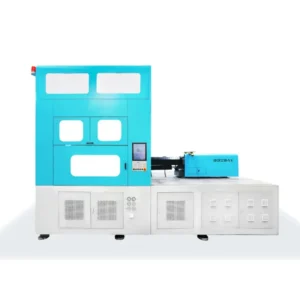
EP-HGY250-V4 One-Step Injection Stretch Blow Molding Machine ISBM Machine (Four-Station)
-
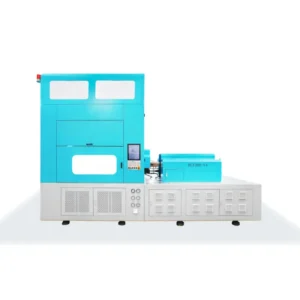
EP-HGYS200-V4 One-Step Injection Stretch Blow Molding Machine ISBM Machine (Four-Station)