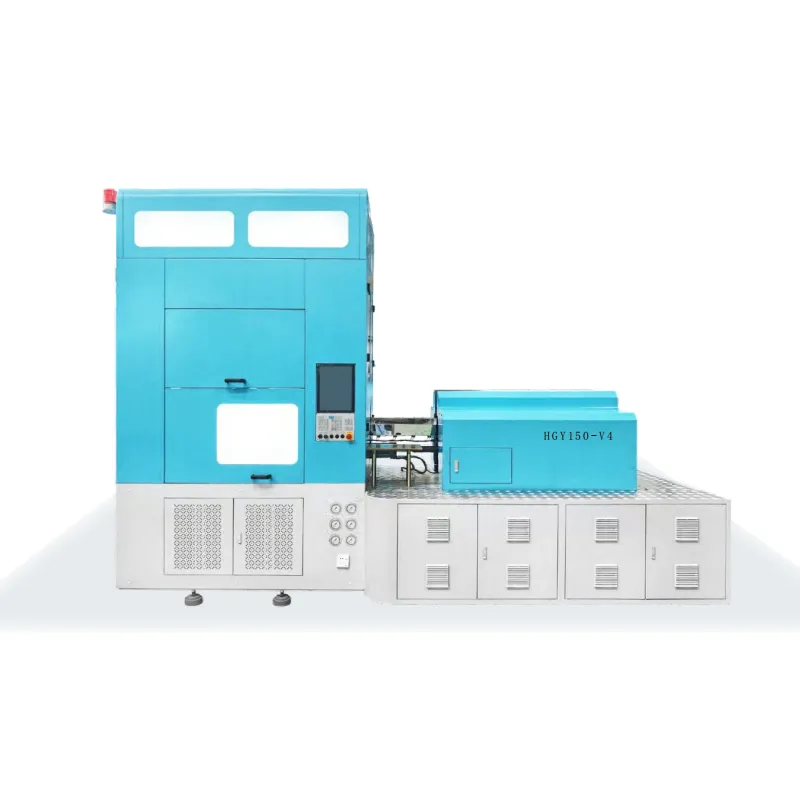
EP-HGYS150-V4 One-Step Injection Stretch Blow Molding Machine ISBM Machine (Four-Station)
EP-HGYS150-V4 High-Performance Four-Station One-Step ISBM Machine The EP-HGYS150-V4 is a cutting-edge, four-station one-step injection stretch blow molding machine designed for the high-volume production of premium plastic containers. Featuring an advanced four-station layout (Injection, Conditioning, Blowing, and Ejection), this machine optimizes the thermal distribution of preforms, ensuring superior bottle clarity and consistent wall thickness. Equipped with a high-precision servo-hydraulic system, the V4 series delivers exceptional energy efficiency, stable operation, and faster cycle times, making it the ideal choice for pharmaceutical, cosmetic, and high-end food packaging.
Product Overview
The EP-HGYS150-V4 represents the pinnacle of one-step injection stretch blow molding (ISBM) technology, engineered specifically for the production of high-quality PET, PETG, PC, PCTG, and PP bottles and containers. This four-station industrial machine integrates injection molding, conditioning, stretch blow molding, and product ejection into a single, continuous automated process, eliminating the need for preform reheating and significantly reducing production costs while maintaining exceptional quality standards.
Developed by Ever-Power's engineering team with over two decades of specialized expertise in blow molding machinery, the HGY150-V4 incorporates advanced servo motor technology, precision hydraulic control systems, and intelligent temperature management to deliver consistent, repeatable results across diverse applications. The machine's four-station configuration optimizes cycle times and throughput, making it ideal for medium to high-volume production environments in cosmetics, beverages, pharmaceuticals, food packaging, and household chemical industries.
Built upon a robust foundation of innovation and reliability, this ISBM system features Japanese Yaskawa servo motors for injection precision, American Parker high-pressure valves for superior hydraulic performance, and Airtac cylinders for dependable pneumatic operation. The integration of advanced control systems enables precise regulation of temperature, pressure, and timing parameters, ensuring optimal material distribution and crystallization for bottles ranging from small cosmetic containers to large-capacity beverage bottles up to 2.5 liters.
The HGY150-V4's design philosophy emphasizes energy efficiency, operational simplicity, and production versatility. Its nano-far-infrared heating system provides rapid, uniform preform conditioning while minimizing energy consumption. The machine's compatibility with Japanese ASB-12M molds expands application possibilities and facilitates quick changeovers for different bottle designs. Whether producing crystal-clear cosmetic bottles requiring exceptional clarity or robust beverage containers demanding superior barrier properties, this four-station ISBM machine delivers consistent excellence in every production cycle.
Technical Specifications
⚙️ Production Capacity Range
Bottle Diameter Range: 17mm - 118mm
Bottle Height Range: 100mm - 210mm
Neck Diameter Range: 15mm - 83mm
Maximum Bottle Volume: 2500ml
Maximum Bottle Weight: 130g
Distinguished Features
Triple Servo System Integration
Utilizes three sets of Japanese Yaskawa servo pump systems with WEICHI servo motors delivering 43.2kW combined power, ensuring precise injection control, rapid response times, and exceptional energy efficiency compared to traditional hydraulic systems.
Advanced Nano-Infrared Heating
Equipped with energy-saving nano-far-infrared heating ring (KKW) technology for uniform preform conditioning, eliminating hot spots and reducing crystallization defects while minimizing power consumption to just 10kW for the entire heating system.
Precision Hydraulic Control
Features American Parker high-pressure valves and Airtac cylinders, delivering stable clamping forces of 150kN for injection and 200kN for blow molding with exceptional repeatability and minimal pressure fluctuation throughout production cycles.
Intelligent Temperature Management
Integrated control system enables highly accurate temperature regulation across injection barrel, preform conditioning, and mold cooling circuits, maintaining ±0.5°C stability for optimal material flow characteristics and consistent product quality.
Multi-Material Compatibility
Engineered to process diverse materials including PET, PETG, PC, PCTG, and PP, accommodating applications from crystal-clear cosmetic bottles to heat-resistant pharmaceutical containers and food-grade wide-mouth jars with appropriate screw configurations.
Four-Station Efficiency
Four-station turntable configuration performs injection, conditioning, stretch blow molding, and ejection simultaneously, optimizing cycle times and maximizing throughput while maintaining exceptional product consistency across all stations with synchronized operation.
Italian Imported Oil Tube
High-quality hydraulic tubing imported from Italy ensures superior oil flow characteristics, resistance to pressure fatigue, and extended service life, contributing to the machine's renowned reliability and minimal maintenance requirements over years of operation.
Energy-Efficient Design
Servo-driven hydraulic system reduces energy consumption by 30-40% compared to conventional systems, while optimized heating zones and insulation minimize thermal losses, resulting in significantly lower operational costs and reduced environmental impact.
Japanese ASB Mold Compatibility
Compatible with industry-standard Japanese ASB-12M molds, facilitating seamless integration with existing production infrastructure and enabling rapid mold changeover for different bottle designs without extensive retooling or reconfiguration.
Working Principle & Process Flow
One-Step ISBM Technology Overview
The EP-HGYS150-V4 employs a sophisticated one-step injection stretch blow molding process that integrates all manufacturing stages within a single machine platform. Unlike two-step processes that require separate preform production and reheating, this system maintains the preform at optimal processing temperature throughout the entire cycle, resulting in superior material properties, reduced energy consumption, and enhanced production efficiency.
The four-station rotary configuration enables simultaneous execution of distinct process phases, with each station performing a specialized function while the turntable indexes precisely between positions. This parallel processing architecture maximizes productivity while ensuring consistent quality through carefully controlled timing and environmental parameters at each station.
Injection Molding
Molten resin from the plasticizing unit is injected into the preform cavity under high pressure (150kN clamping force). The servo-controlled screw ensures precise shot volume and consistent material density. Preform geometry is carefully designed to provide optimal material distribution for subsequent stretching operations.
Conditioning
The preform rotates to the conditioning station where nano-far-infrared heating maintains optimal temperature distribution (typically 95-110°C for PET). Temperature profiling along the preform length ensures uniform molecular orientation during stretching. The 250mm conditioning stroke provides adequate thermal soak time.
Stretch Blow Molding
A stretch rod extends 250mm vertically while high-pressure air (2.0-3.5 MPa) inflates the preform against the cooled blow mold cavity. Biaxial orientation strengthens molecular structure, enhancing clarity, barrier properties, and impact resistance. The 200kN clamping force contains inflation pressure reliably.
Ejection & Output
The mold opens and the finished bottle is extracted via the 170mm take-out stroke mechanism. Automated ejection delivers bottles to the collection conveyor while the turntable indexes, bringing the next station into position. The continuous cycle maintains steady production flow without manual intervention.
🔬 Technical Advantages of One-Step Process
- Superior Material Properties: Maintaining preform temperature eliminates thermal cycling stress, producing bottles with enhanced mechanical strength and optical clarity
- Reduced Energy Consumption: Eliminating the reheating phase saves 20-30% energy compared to two-step systems
- Minimized Contamination Risk: Preforms never leave the controlled environment, critical for pharmaceutical and food applications
- Lower Production Costs: Consolidated equipment footprint reduces facility requirements, labor, and handling expenses
- Faster Time-to-Market: Streamlined workflow enables rapid prototyping and small-batch production for market testing
- Exceptional Consistency: Integrated process control eliminates variables introduced by preform storage and transportation
Three-Station vs Four-Station Configuration
Understanding the fundamental differences between three-station and four-station ISBM configurations is essential for selecting the optimal system for specific production requirements. While both architectures utilize one-step injection stretch blow molding technology, their operational characteristics, throughput capabilities, and application suitability vary significantly.
⚙️ Three-Station System
Process Configuration
Three-station systems combine the conditioning and ejection functions at a single station, resulting in injection → conditioning/ejection → blow molding sequence. This consolidated approach requires careful timing coordination to prevent interference between thermal and mechanical operations.
Production Characteristics
- Cycle time: Generally 8-15 seconds depending on bottle complexity
- Best suited for smaller bottles (≤500ml) with simpler geometries
- More compact footprint (approximately 15% smaller)
- Lower initial capital investment (10-15% cost reduction)
- Ideal for low to medium volume production runs
Application Focus
Optimal for cosmetics, pharmaceutical samples, trial production, specialized small-batch manufacturing, and applications where flexibility outweighs maximum throughput requirements.
🚀 Four-Station System
Process Configuration
Four-station architecture dedicates individual stations to each process phase: injection → conditioning → stretch blow molding → ejection. This separation enables parallel processing optimization and eliminates potential interference between sequential operations.
Production Characteristics
- Cycle time: Optimized to 6-12 seconds for most applications
- Handles full bottle size range including large containers (up to 2.5L)
- Extended conditioning dwell time improves thermal uniformity
- Higher throughput capacity (20-30% productivity increase)
- Superior for medium to high volume continuous production
Application Focus
Preferred for beverage bottling, household chemicals, edible oils, large-volume cosmetics, and any application requiring sustained high-output production with consistent quality across extended run times.
📊 Comparative Performance Metrics
💡 Selection Recommendation
The EP-HGYS150-V4's four-station configuration represents the optimal choice for manufacturers requiring sustained high-volume production, superior product consistency, and operational flexibility across diverse bottle designs. The dedicated ejection station ensures completed bottles cool adequately before handling, reducing defect rates and enabling higher indexing speeds. For operations prioritizing maximum throughput, minimal cycle time variability, and the capability to produce larger container sizes, the four-station architecture delivers measurable advantages that justify the modest incremental investment over three-station alternatives.
Customer Experiences
We've been running the HGY150-V4 for eight months producing PET cosmetic bottles ranging from 50ml to 250ml. The machine's repeatability is remarkable - we're seeing less than 0.3g weight variation across production runs of 50,000 bottles. The servo system provides excellent injection precision, and the nano-infrared heating delivers uniform preform conditioning without the hot spots we experienced with our previous equipment. Changeover between different bottle designs takes approximately 45 minutes, which is acceptable for our production schedule. The Parker hydraulic components have proven reliable with zero failures to date.
Our facility utilizes this machine for pharmaceutical-grade PET bottles from 100ml to 500ml capacity. The integrated temperature control system maintains excellent stability, which is critical for our FDA compliance requirements. We appreciate the machine's cleanliness and minimal particulate generation. The four-station design provides good throughput for our needs, typically producing 400-450 bottles per hour depending on size. Initial operator training required about three weeks to achieve proficiency, which is reasonable given the system's capabilities. The documentation could be more comprehensive regarding advanced parameter optimization, but Ever-Power's technical support has been responsive to our questions.
We selected the HGY150-V4 for producing specialty beverage bottles with complex geometries requiring precise material distribution. The machine's stretch rod control and blow pressure modulation allow us to achieve wall thickness uniformity within ±5% across challenging bottle shapes. Energy consumption averages 28% lower than our previous two-step system when producing equivalent volumes. The Yaskawa servo motors have demonstrated excellent reliability over 12,000 operating hours with only routine maintenance. We particularly value the machine's ability to process PETG material for our heat-resistant applications - the temperature control precision prevents material degradation while maintaining optimal flow characteristics.
This machine handles our edible oil bottle production running two shifts daily. The 200kN blow molding clamping force adequately contains pressure for our 1-liter wide-mouth designs. We've experienced good uptime reliability, averaging 94% availability across six months of operation. The hydraulic system operates quietly and maintains stable performance. One observation: the mold cooling circuit requires careful water quality management to prevent scale buildup in the channels. We implemented a filtration system that resolved this issue. The machine's compact footprint compared to equivalent-capacity equipment was a deciding factor for our facility layout constraints. Overall production costs have decreased approximately 18% versus our previous process.
We operate the HGY150-V4 for premium cosmetic packaging production where optical clarity and surface finish are paramount. The one-step process eliminates the crystallization issues we encountered with reheat-blow systems. Bottle clarity meets our stringent specifications with haze values consistently below 2%. The conditioning station's temperature uniformity is exceptional - we measure less than 2°C variation along the preform length using thermal imaging. Mold changeover procedures are well-engineered, though we invested in a second set of molds to minimize downtime between product runs. The machine's digital control interface provides good process monitoring capabilities, allowing real-time parameter adjustment to maintain optimal conditions.
Our company produces household cleaning product bottles using this ISBM machine. The equipment performs well for our application requirements, producing bottles from 500ml to 1.5 liters. The servo-hydraulic system provides good energy efficiency - our electrical consumption data shows approximately 32% reduction compared to our conventional hydraulic machine. The machine requires regular preventive maintenance to maintain optimal performance, which we schedule monthly. Training our operators on the system's control interface took reasonable time. We've successfully processed both PET and PP materials with appropriate screw and temperature parameter adjustments. The technical support from Ever-Power during installation and commissioning was helpful in optimizing our process parameters.
Global Project References
Deployment of HGY150-V4 for luxury skincare packaging requiring exceptional optical clarity and surface finish. The system produces bottles with haze values below 1.5% and surface gloss exceeding Ra 0.3μm, meeting premium cosmetic brand specifications. Average production: 380 bottles/hour across multiple SKUs.
Installation supporting wide-mouth condiment bottle production with emphasis on barrier properties and drop impact resistance. The ISBM process delivers biaxially oriented bottles with oxygen transmission rates below 0.12 cc/package/day, ensuring extended product shelf life. Production capacity: 450 bottles/hour for 1L format.
Multi-cavity production line for household disinfectant and cleaning solution containers. The machine's chemical-resistant configuration prevents material degradation from aggressive formulation contact. Handles bottles from 300ml to 2L with consistent wall thickness distribution. Operational uptime: 96% over 18-month period.
Large-format edible oil bottle manufacturing with integrated handle design. The system's 200kN blow clamping force reliably forms complex geometries including integral handles and bottom reinforcement structures. UV barrier additive processing maintains oil quality during shelf display. Average cycle time: 9.5 seconds for 2L bottles.
Precision molding for international prestige beauty brands requiring flawless surface aesthetics and tight dimensional tolerances (±0.15mm). The nano-infrared heating system prevents surface defects while maintaining material transparency. Production validated for cosmetic GMP compliance with full traceability documentation.
Pharmaceutical-grade small-format bottle production in cleanroom environment. The machine's enclosed processing minimizes particulate contamination risk critical for ophthalmic applications. Produces bottles meeting USP Class VI biocompatibility standards with validation documentation for regulatory submissions. Clean-in-place capability reduces changeover contamination.
Frequently Asked Questions
❓ What is the typical cycle time for the HGY150-V4, and how does it vary with bottle size?
Cycle time ranges from 6 to 12 seconds depending on bottle complexity, wall thickness requirements, and material type. Small cosmetic bottles (50-100ml) typically achieve 6-8 second cycles, medium bottles (200-500ml) require 8-10 seconds, while large containers (1-2.5L) need 10-12 seconds. Variables affecting cycle time include preform cooling duration, stretch blow timing, and mold cooling efficiency. The four-station configuration optimizes throughput by executing process stages in parallel.
❓ Can the machine process materials other than PET, and what modifications are required?
Yes, the HGY150-V4 handles PET, PETG, PC, PCTG, and PP materials with appropriate configuration adjustments. Different materials require specific screw designs (compression ratios), barrel temperature profiles, and mold cooling parameters. For example, PC processing demands higher barrel temperatures (280-310°C) versus PET (270-290°C), while PP requires modified stretch ratios due to its lower crystallization tendency. Ever-Power provides material-specific parameter sets and can supply alternative screw configurations optimized for your target resin.
❓ What utilities infrastructure is required for machine operation?
The machine requires: electrical supply of 370-400V three-phase with 53.2kW total connected load; compressed air at 2.0-3.5 MPa with minimum 1.2m³/min flow capacity and -40°C dewpoint; cooling water at 0.4-0.6 MPa pressure, 20-25°C temperature, with approximately 15 GPM flow rate; and machine oil cooler water at 0.3-0.4 MPa. Water quality should meet <25 ppm hardness to prevent scale formation in cooling circuits. Floor loading capacity requirement is approximately 1.2 tons/m².
❓ How long does mold changeover typically take, and what is involved in the process?
Experienced operators can complete mold changeover in 30-60 minutes depending on bottle design similarity. The process involves: shutting down and purging the injection system, removing the existing injection and blow molds, installing new molds with precision alignment, adjusting stretch rod positioning, configuring blow pin settings, and performing test cycles to verify parameters. Having pre-heated backup molds and standardized tooling interfaces reduces downtime. Ever-Power provides detailed changeover procedures and can supply quick-change mold base systems for facilities requiring frequent format changes.
❓ What preventive maintenance schedule is recommended, and what are the critical service items?
Daily maintenance includes hydraulic oil level checks and air filter inspection. Weekly tasks involve lubricating guide rails and checking cooling water quality. Monthly procedures include hydraulic oil filtration analysis, heating system element inspection, and servo motor encoder verification. Every 2000 operating hours requires complete hydraulic system service, screw and barrel wear assessment, and valve seal replacement. Annual maintenance involves comprehensive electrical system testing and precision calibration. Critical wear items include hydraulic seals, heating elements, and turntable bearings. Ever-Power supplies maintenance kits with OEM-quality components.
❓ What training and support does Ever-Power provide for operators and technicians?
Standard installation packages include on-site commissioning with 5-7 days of operator training covering machine operation, parameter adjustment, quality control procedures, and basic troubleshooting. Advanced technical training for maintenance personnel addresses hydraulic systems, servo motor configuration, control programming, and systematic fault diagnosis. Training materials include comprehensive operation manuals, maintenance schedules, spare parts catalogs, and troubleshooting flowcharts. Remote technical support is available via phone, email, and video conferencing. Ever-Power maintains regional service centers with trained technicians and spare parts inventory.
❓ Can the machine be integrated with downstream automation systems?
Yes, the HGY150-V4 features standard industrial communication protocols (Modbus TCP/IP, Profinet) enabling integration with MES systems, robotic handling equipment, vision inspection systems, and automated packaging lines. The control system provides digital I/O signals for conveyor synchronization, reject ejection, and production counting. Ever-Power can supply customized interface modules for specific automation requirements. The machine's PLC architecture supports recipe management for multi-product operations and real-time production data logging for quality systems compliance.
❓ What quality control capabilities are built into the machine?
The integrated control system monitors critical process parameters including injection pressure and velocity profiles, mold temperature at multiple zones, preform conditioning temperature distribution, stretch rod force, blow pressure sequence, and cycle timing. Statistical process control functions track parameter trends and trigger alarms when deviations exceed preset tolerances. The system logs production data for traceability and can interface with external quality measurement devices such as weight scales, wall thickness gauges, and vision systems. Recipe-based parameter management ensures consistent setup for different products.
❓ What is the expected service life of the machine and major components?
With proper maintenance, the machine framework and mechanical structure provide 15-20 years of service life. Major components have varying replacement intervals: servo motors (30,000-50,000 hours), hydraulic pumps (20,000-30,000 hours), heating elements (8,000-12,000 hours), screw and barrel (15,000-25,000 hours depending on material abrasiveness), and hydraulic valves (15,000-20,000 hours). Turntable bearings typically require replacement after 40,000-60,000 hours. Component life significantly depends on operating conditions, maintenance quality, and material characteristics. Ever-Power provides long-term spare parts availability to support equipment throughout its operational lifetime.
❓ How does the one-step ISBM process compare economically to two-step systems?
One-step systems offer significant economic advantages for certain production scenarios. Capital investment is consolidated into a single machine versus separate injection and blow molding equipment. Energy consumption reduces 20-30% by eliminating preform reheating. Floor space requirements decrease by approximately 40% compared to two-step configurations. Labor costs are lower with single-machine operation. However, two-step systems provide flexibility for very high-volume standardized products where preform production can operate continuously. The break-even point typically occurs around 8,000-15,000 hours annual operation depending on bottle complexity and production volume. One-step systems excel for product diversity, smaller batch sizes, and applications requiring minimal material handling.
❓ What customization options are available for specific application requirements?
Ever-Power offers extensive customization including: alternative screw diameters (40/50/55/60mm) for different shot sizes, specialized screw designs for engineering resins, enhanced cooling systems for rapid cycle applications, cleanroom-compatible configurations for pharmaceutical production, integrated label insertion systems, multi-layer coextrusion capability for barrier applications, automated color change systems, vision-based quality inspection integration, and custom electrical specifications for international installations. Mold engineering services develop optimized preform and bottle geometries for specific product requirements. Contact Ever-Power's application engineering team to discuss your specific needs.
About Ever-Power (HENGGANG)
For over two decades, Ever-Power has dedicated itself to the research, development, manufacturing, and commercialization of advanced blow molding machinery. Our engineering team's accumulated expertise spans the complete spectrum of bottle production technology, from fundamental material science to sophisticated process control systems. This depth of knowledge enables us to deliver solutions that consistently exceed industry performance standards.
Through continuous innovation and systematic refinement of our production systems, Ever-Power has developed a comprehensive portfolio of ISBM machines optimized for diverse materials including PET, PETG, PC, PCTG, and PP. Our equipment serves critical applications across cosmetics, beverages, edible oils, pharmaceuticals, food packaging, and household chemical industries. Multiple national patents protect our technological innovations, demonstrating our commitment to advancing blow molding capabilities.
Our specialized expertise in high-end cosmetic, food-grade, and pharmaceutical packaging machinery positions Ever-Power as an industry leader in applications demanding exceptional quality standards. We maintain preferred supplier relationships with prestigious brands including C.Banner, Haitian Flavoring, Luhua Group, Walch, Blue Moon, Estée Lauder, Walmart, and Rohto Pharmaceutical, among numerous other recognized names in their respective sectors.
Our Mission
Delivering the highest value packaging machinery through exceptional performance and comprehensive service, establishing Ever-Power as the preferred partner for quality-conscious manufacturers worldwide.
Core Philosophy
Professional expertise, focused dedication, continuous innovation, and mutual success define our approach to equipment development and customer relationships, ensuring sustainable value creation.
Quality Commitment
Every machine embodies principles of robust construction, stable performance, and energy efficiency, backed by rigorous testing protocols and comprehensive quality documentation throughout production.
Competitive Advantages
🔧 Technical Excellence
Industry-leading talent pool with specialized expertise in precision mechanical engineering, advanced materials processing, and intelligent control systems development.
🌐 Supply Chain Integration
Complete vertical integration from component sourcing through final assembly ensures quality control, delivery reliability, and competitive pricing throughout the value chain.
🛠️ Comprehensive Support
Full-service capability including installation commissioning, operator training, preventive maintenance programs, rapid spare parts delivery, and lifetime technical consultation.
⚡ Proven Performance
Thousands of successful installations globally demonstrate exceptional reliability, operational efficiency, and production quality across diverse applications and operating environments.
Partner With Ever-Power
Whether you're establishing new production capability or upgrading existing infrastructure, Ever-Power's application engineering team collaborates with you to develop optimized solutions matching your specific technical requirements, production volumes, and quality objectives. Contact us to discuss how our HGY150-V4 four-station ISBM machine can enhance your manufacturing operations.
Related products
-
EP-HGYS200-V4 One-Step Injection Stretch Blow Molding Machine ISBM Machine (Four-Station)
-
EP-HGY650-V4 One-Step Injection Stretch Blow Molding Machine ISBM Machine (Four-Station)
-
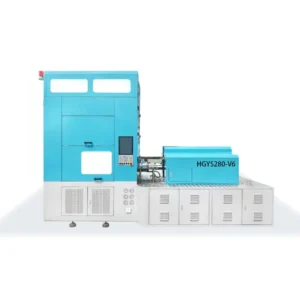
EP-HGYS280-V6 One-Step Injection Stretch Blow Molding Machine ISBM Machine (Six-Station)
-
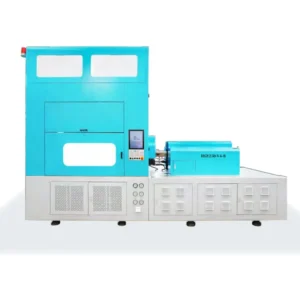
EP-HGY250-V4-B One-Step Injection Stretch Blow Molding Machine ISBM Machine (Four-Station)
-
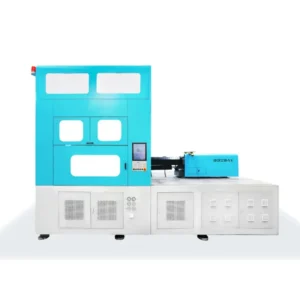
EP-HGY250-V4 One-Step Injection Stretch Blow Molding Machine ISBM Machine (Four-Station)