

The Smart Factory Era Has Arrived — And ISBM Technology Is Leading the Way
The global plastic container manufacturing industry is undergoing a profound transformation. As Industry 4.0 reshapes competitive dynamics across every sector of industrial production, procurement managers and plant directors in beverage, personal care, pharmaceutical, and food packaging are asking a critical question: can injection stretch blow molding equipment keep pace with the demands of connected, data-driven manufacturing?
The short answer is yes — and modern machines have advanced considerably further than most buyers expect. Today’s leading platforms support bidirectional data exchange, real-time sensor telemetry, remote diagnostics, energy consumption logging, and full integration with enterprise MES and ERP platforms. For B2B decision-makers evaluating capital equipment, understanding this connectivity is no longer optional: it is a core procurement criterion that directly affects long-term operational competitiveness.
De spuitrekblaasvormproces — which integrates preform injection, thermal conditioning, biaxial stretch-blowing, and container ejection in a single continuous automated cycle — is inherently precision-intensive. Every controlled parameter, from melt temperature to stretch rod travel speed, has a measurable impact on final container quality, weight consistency, and material distribution. This intrinsic complexity is precisely what makes ISBM technology an ideal candidate for Industry 4.0 enhancement: there are dozens of measurable, continuously controllable variables that, when managed through intelligent software and real-time sensor feedback, yield dramatic improvements in yield rates, energy efficiency, and unplanned downtime.
This article provides a comprehensive, technically grounded examination of how contemporary injection stretch blow molding machines integrate with Industry 4.0 frameworks and IoT monitoring infrastructure — information that is essential for any organization making strategic capital investment decisions in plastic packaging production.
Key Capabilities Covered
- ▸OPC-UA & IoT Protocol Support
- ▸Real-Time Sensor Networks
- ▸Predictive Maintenance Systems
- ▸Remote Access & Diagnostics
- ▸ERP / MES Integration
- ▸Energy Management & ESG Reporting
- ▸Legacy Equipment Replacement Strategy
What Does Industry 4.0 Integration Actually Mean
for Blow Molding Operations?
Industry 4.0 — the Fourth Industrial Revolution — refers to the integration of cyber-physical systems, the Internet of Things, cloud computing, and machine intelligence into manufacturing environments. For injection blow molding facilities, this translates into a concrete set of measurable operational capabilities that go far beyond simple touchscreen HMI improvements.
Machine Interconnectivity
All subsystems — injection barrel, clamping unit, mold conditioning, stretch-blow station — communicate through a unified digital backbone enabling holistic, closed-loop process control with no information silos.
Real-Time Data Acquisition
High-frequency sensors capture pressure, temperature, position, cycle time, and throughput data — typically at sub-second intervals — enabling immediate operator and system-level corrective responses.
Cloud & Edge Computing
Time-critical decisions are processed locally on edge controllers with sub-millisecond latency, while non-critical trend analysis, reporting, and predictive model training are offloaded to cloud platforms.
Intelligent Automation
Machine learning models analyze historical process datasets to automatically optimize parameters and flag quality deviations before they propagate into defective container production.
Voor een eentraps spuitgiet-rekblaasvormmachine, these capabilities deliver particular value because the entire production sequence — from raw resin pellet to finished, dimensionally inspected container — occurs within a single machine platform. Any parameter deviation at any process stage can propagate through the downstream sequence. Industry 4.0 integration provides the monitoring resolution and response speed needed to catch and correct such deviations before they affect finished product quality or yield statistics.
Core IoT Capabilities in Modern ISBM Machines
Modern ISBM platforms ship with a comprehensive suite of IoT-ready hardware and software components. Understanding what these systems actually do — in concrete, operational terms — is essential for evaluating machine vendors and comparing platform capabilities with confidence.
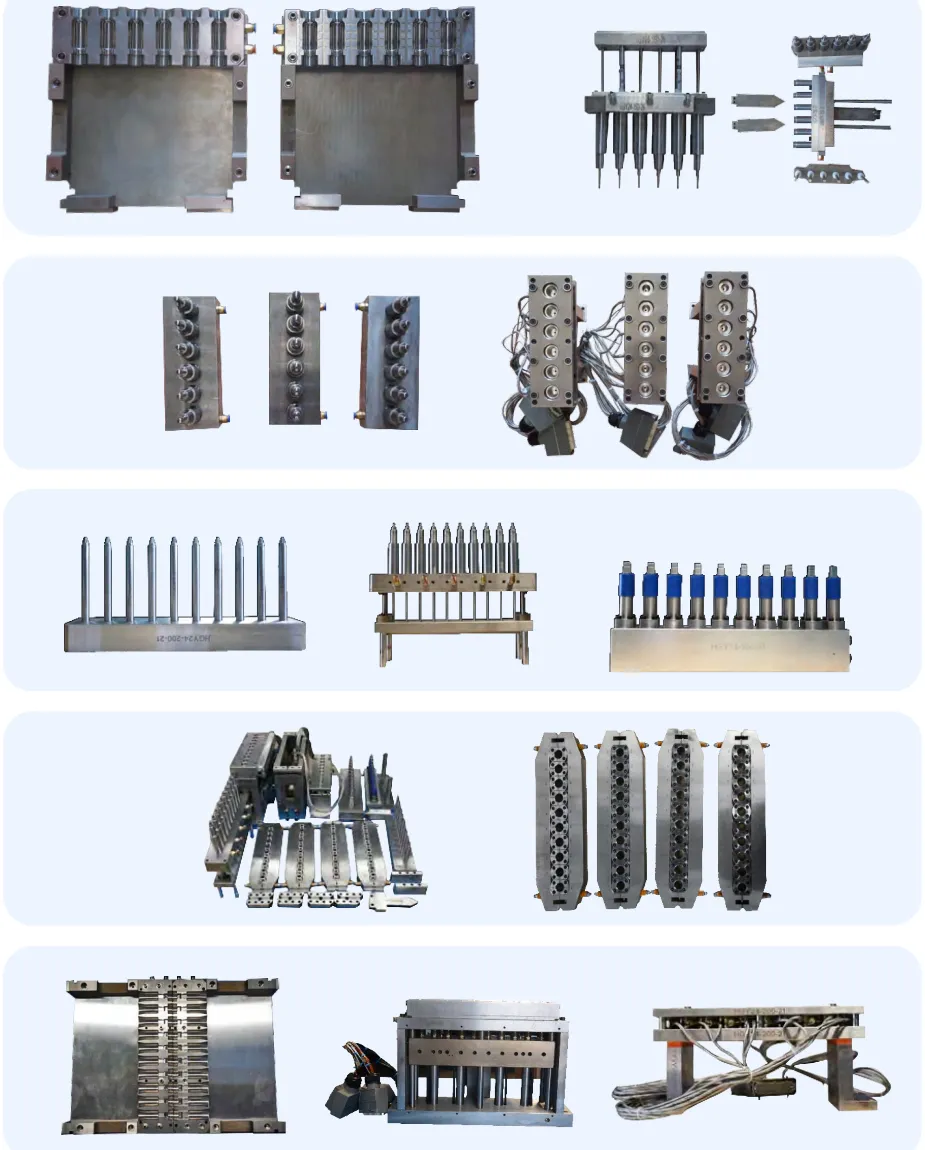
🔬Embedded Sensor Networks
Production-grade ISBM machines deploy distributed sensor arrays across every critical process zone. Injection barrel sensors monitor melt consistency at multiple longitudinal positions. Cavity pressure transducers track fill profiles in real time, shot by shot. Blow pressure sensors confirm that each container reaches its target stretch ratio. Mold surface thermocouples ensure consistent thermal conditioning across all cavities simultaneously. These sensors collectively generate a continuous, high-frequency data stream that forms the foundation of any effective IoT monitoring architecture.
🔌OPC-UA and Industrial Communication Protocols
The gold standard for industrial IoT interoperability is OPC-UA (Open Platform Communications Unified Architecture). Leading ISBM machine controllers now implement OPC-UA natively, enabling seamless bidirectional communication with SCADA systems, MES platforms, and third-party analytics software without proprietary middleware or costly integration projects. Machines also commonly support MQTT for lightweight telemetry to cloud brokers, Modbus TCP for legacy system integration, and Profinet or EtherNet/IP for shopfloor automation networks.
💻Advanced HMI with Remote Accessibility
Modern machine controllers feature high-resolution multi-touch displays with web-based HMI interfaces, enabling operators to monitor and adjust process parameters from tablets, smartphones, or remote engineering workstations. Role-based access control ensures that operator, technician, engineer, and plant manager roles have differentiated permissions appropriate to their responsibilities. Remote access capabilities are particularly valuable for multi-site manufacturing organizations where technical expertise is centralized in a single facility or engineering center.
📊Integratie van statistische procescontrole
Built-in SPC modules continuously calculate process capability indices (Cpk, Ppk) for critical quality parameters. Control chart alerts notify operators when any monitored variable exhibits statistical drift — well before the process exceeds specification limits. This closed-loop SPC integration transforms quality management from reactive inspection to proactive process control, systematically reducing scrap rates and rework requirements across high-volume production runs.
Real-Time Process Monitoring: From Raw Data to Operational Intelligence
The practical value of IoT integration lies in what organizations actually do with the data it generates. Real-time monitoring transforms raw sensor readings into actionable intelligence at three distinct operational levels — each delivering complementary value to different stakeholders within the manufacturing organization.
Level 1: Machine-Level Monitoring
Individual machine dashboards display cycle-by-cycle performance data including shot weight consistency, cycle time variation, cavity balance uniformity, and reject rates. SPC charts flag parameter drift before defects occur, and operators receive immediate push alerts when any monitored variable exceeds its statistically defined control limit — enabling intervention in seconds rather than hours.
Level 2: Production Line Monitoring
Where ISBM machines operate alongside downstream equipment — labeling, filling, capping, inspection — line-level IoT integration synchronizes data from all equipment into a unified production dashboard. Overall Equipment Effectiveness (OEE) calculations are generated continuously and automatically, enabling instant identification of the specific equipment, mold, or process condition currently constraining line throughput.
Level 3: Enterprise Plant Monitoring
Enterprise dashboards aggregate performance data from all machines across a facility — or across multiple facilities simultaneously — providing production directors with a live view of plant performance, order completion rates, scrap levels, energy consumption, and downtime events. This visibility level enables the informed, data-driven capacity allocation and scheduling decisions that differentiate high-performing manufacturing organizations.

Predictive Maintenance: The Highest-ROI Application of IoT in ISBM Manufacturing
Among all Industry 4.0 applications in ISBM manufacturing, predictive maintenance delivers the most immediate and quantifiable return on investment. Unplanned downtime in a single-stage blow molding operation can cost thousands of dollars per hour in lost throughput, wasted material, and unrecoverable labor costs. Predictive maintenance systems address this directly by identifying mechanical failure precursors weeks or months before they cause unplanned production stops.
Vibration Analysis and Rotating Component Health
Accelerometers mounted on key drive components — hydraulic pump shafts, servo motor bearings, gearboxes, and toggle mechanism pivot pins — continuously monitor vibration frequency spectra. Machine learning models trained on historical mechanical degradation data identify characteristic frequency signatures that precede bearing failures, gear wear, and hydraulic pump degradation. In well-documented industrial implementations, these systems consistently provide 2–6 weeks of advance warning — sufficient lead time to order parts and schedule maintenance during planned production shutdowns rather than as unplanned emergency events.
Thermal Anomaly Detection in Heating Systems
Resistance heater bands and temperature zone controllers are continuously monitored for response drift and asymmetric thermal profiles. Early detection of heater element degradation prevents barrel damage and material thermal degradation events that, undetected, can result in entire batch rejection. Mold temperature circuit monitoring identifies coolant flow restrictions and heat exchanger fouling that would otherwise cause inconsistent cavity-to-cavity thermal profiles and resulting wall thickness variation.
Hydraulic and Pneumatic System Health Monitoring
Pressure sensors and flow meters in hydraulic circuits track fluid delivery performance trends over time. Gradual pressure decay profiles reveal seal wear and pump volumetric efficiency degradation long before they cause clamping force inconsistency. Pneumatic circuit monitoring tracks valve response time trends, identifying pilot valve wear before degraded blow timing precision begins to affect container volume consistency. Collectively, these monitoring systems reduce unplanned maintenance events by 40–60% in documented industrial deployments.

Documented ROI Benchmarks
45–60%
25–35%
+80%
8–15%
Remote Access, Diagnostics, and Over-the-Air Software Updates
The shift toward remote machine access has accelerated across all sectors of industrial manufacturing. Today, leading fabrikanten van spuitrekblaasvormmachines offer secure remote access as a standard feature of their Industry 4.0 platforms, with tangible, measurable operational benefits that buyers can quantify before purchase.
Remote Diagnostics
Factory engineers can access full machine logs, alarm histories, and live sensor data remotely — reducing the average time from fault occurrence to confirmed resolution by up to 70% compared to on-site-only support models.
Mobile Monitoring
Production managers receive push notifications for alarms, shift performance summaries, and OEE reports directly on mobile devices — enabling informed management decisions without physical presence on the production floor.
OTA Software Updates
Over-the-air controller software updates allow machine capabilities to be enhanced without physical engineer site visits — delivering new features, security patches, and optimized process algorithms as soon as they are released.
Industrial Cybersecurity
VPN-encrypted tunnels, role-based access controls, and comprehensive audit logging ensure remote connectivity does not compromise operational security — a mandatory requirement for food, pharmaceutical, and regulated packaging environments.
Energy Management and Sustainability Reporting
Energy costs represent one of the largest variable operating expenses in injection blow molding, and one of the areas where Industry 4.0 integration delivers directly measurable financial returns. Modern ISBM platforms integrate power metering at machine, zone, and process levels, enabling precise energy attribution and systematic consumption optimization.
Fully servo-driven systems — which have replaced fixed-displacement hydraulic pumps in advanced machine designs — reduce energy consumption by 30–50% compared to conventional hydraulic architectures. IoT integration extends these gains further by enabling energy-aware production scheduling: machines automatically enter low-power standby modes during planned production gaps, and energy dashboards identify which product geometries, mold configurations, or process parameters are most energy-intensive, enabling engineering teams to optimize accordingly.
For organizations with ESG reporting commitments or carbon reduction targets, IoT-generated energy datasets provide the auditable, granular, time-stamped data required for Scope 1 and Scope 2 emissions reporting. Some platforms can generate ISO 50001-compatible energy performance reports directly from machine data, significantly reducing the administrative burden of sustainability compliance across large multi-site operations.
Compressed air consumption — a substantial cost in blow molding operations — is also continuously monitored through IoT integration. Blow pressure delivery, air recovery efficiency, and per-container air consumption are tracked at cycle level, with automatic trend alerts serving as reliable early indicators of seal degradation, valve wear, or process drift requiring intervention.
ERP and MES Integration: Connecting the Machine to the Enterprise Information Architecture
For large-scale manufacturing operations, the full value of machine-level IoT data is realized only when it flows bidirectionally into enterprise information systems. Modern ISBM machines support a range of integration pathways that enable seamless connectivity with SAP, Oracle, Microsoft Dynamics, Infor, and other ERP platforms, as well as leading MES solutions including Siemens Opcenter, Rockwell FactoryTalk, and custom manufacturing intelligence applications.
⚡ Production Order Management
Work orders issued from ERP are automatically pushed to machine controllers, loading the correct mold program, parameter recipe, material specification, and quality inspection plan without manual operator data entry — eliminating transcription errors and reducing product changeover time significantly.
📈 Real-Time Production Reporting
Actual production quantities, quality reject counts, and cycle time data are automatically reported back to ERP in real time — providing operations and finance teams with accurate live data for inventory management, cost accounting, and customer delivery commitment management.
🔍 Quality Data Traceability
Full batch and container-level traceability — linking finished products to specific machine parameters, material lot numbers, and operator sessions — is automatically maintained in the MES. This capability is increasingly mandatory for food, pharmaceutical, and cosmetics customers requiring documented process traceability.
🛠️ Automated Maintenance Scheduling
Predictive maintenance alerts generated by machine IoT systems are automatically converted into maintenance work orders in the CMMS or ERP module — complete with recommended spare parts, estimated labor, and scheduling priority based on production plan constraints and component criticality rankings.
Als toegewijde IBM-machinefabrikant, Ever-Power has engineered its current-generation machines with open API architectures specifically designed to support integration with the full spectrum of enterprise software environments — whether customers operate cloud-based SaaS ERP platforms, on-premise legacy systems, or hybrid architectures that span both deployment models.
Replacing Legacy Equipment: The Industry 4.0 Upgrade Imperative

Across the global ISBM industry, a significant proportion of the installed equipment base consists of machines manufactured 10–20 years ago that have no native IoT connectivity, limited diagnostic capabilities, and proprietary closed-loop control architectures that resist third-party integration. These machines represent a growing competitive liability as customer requirements for traceability, sustainability reporting, and flexible high-mix production intensify.
De vervanging van Aoki spuitgiet-rekblaasvormmachines has become an increasingly common evaluation project for manufacturers who invested in Japanese equipment through the early 2000s and 2010s. While Aoki machines established a strong market reputation for precision mechanical quality during their production years, their proprietary control architectures make meaningful Industry 4.0 retrofit technically complex and economically challenging. Current-generation alternatives offer equivalent or superior mechanical performance alongside fully open, IoT-ready digital platforms as standard — without the integration compromises inherent in proprietary legacy systems.
When evaluating whether to retrofit legacy ISBM equipment or pursue full replacement, decision-makers should rigorously assess: the realistic cost and scope of IoT retrofit kits versus new machine procurement; the remaining productive life of existing equipment given its current mechanical condition; spare parts and field support availability for legacy platforms; and the opportunity cost of operating without real-time monitoring, predictive maintenance, and ERP integration capabilities during the remaining asset life. In the majority of documented cases, for machines more than seven to eight years old, complete replacement with a current-generation smart ISBM platform delivers superior ten-year total cost of ownership — even accounting for the capital cost of replacement.
Manufacturers conducting a systematic replacement evaluation should work with an leverancier van IBM-spuitgietmachines who can support the full assessment process — from mold compatibility engineering through production qualification and operator training — ensuring a smooth transition with minimal disruption to ongoing production commitments.
How to Evaluate Industry 4.0-Ready ISBM Machine Vendors: A Procurement Due Diligence Framework
Not all Industry 4.0 integration claims are technically equivalent. When evaluating vendors, procurement teams should conduct structured due diligence across several dimensions to distinguish genuine digital manufacturing capability from marketing-level feature descriptions that do not survive technical scrutiny.
✦ Communication Protocol Standards
Confirm that machines natively support OPC-UA, not merely proprietary protocols requiring expensive middleware. Request documentation of available OPC-UA information model node configurations and information namespace structure.
✦ Data Ownership Architecture
Ensure all production data is owned by your organization and exportable in open formats. Some vendors lock production data into proprietary cloud platforms, creating ongoing subscription dependencies that effectively transfer operational data control to the equipment supplier.
✦ Verified Integration References
Request verifiable case studies and direct customer references who have successfully integrated the vendor’s machines with your target ERP or MES platform. Theoretical compatibility and demonstrated production integration represent fundamentally different levels of validation.
✦ Long-Term Software Support Policy
Understand the vendor’s committed policy for controller software lifecycle management, including update frequency, security patch response time, and backward compatibility commitments. Industry 4.0 software evolves rapidly; a machine purchased today should remain platform-current for a minimum of 10 years.
✦ Remote After-Sales Support Infrastructure
Evaluate the depth of the vendor’s remote support capability. True Industry 4.0-capable after-sales service means engineers can diagnose and resolve faults remotely — not merely dispatch replacement parts. Request measurable remote resolution rate statistics and contractually committed response time SLAs.
✦ Platform Scalability Architecture
Verify that the IoT architecture scales with production growth. Adding machines, lines, or facilities should not require fundamental platform redesign. Open, standards-based architectures built on OPC-UA and MQTT scale naturally; proprietary architectures typically do not.
Organizations currently evaluating IBM-machine te koop options with genuine, verifiable Industry 4.0 capability will find that Ever-Power’s current product range consistently meets or exceeds the due diligence criteria outlined above — with open communication architectures, comprehensive sensor packages, global remote support infrastructure, and a growing library of documented ERP integration deployments across multiple platforms and industrial sectors.
Industry 4.0 Integration Is No Longer Optional for Competitive ISBM Operations
The evidence across documented industrial deployments is unambiguous: injection stretch blow molding machines with comprehensive Industry 4.0 integration and IoT monitoring capabilities deliver substantially better operational outcomes across every measurable dimension of manufacturing performance — from quality consistency and uptime to energy efficiency, batch traceability, and total cost of ownership over the full asset lifecycle.
For B2B procurement decision-makers, this means that Industry 4.0 readiness must be treated as a non-negotiable specification requirement — not an optional feature to be evaluated separately or deferred. When evaluating machine platforms and vendor capabilities, the productive evaluation questions have fundamentally changed: it is no longer sufficient to ask whether a machine offers IoT connectivity. The questions that define long-term competitive outcomes are: what communication protocols does it natively support, what sensor data can it generate and at what resolution, how does that data integrate with existing enterprise systems, and what is the vendor’s documented commitment to keeping the software platform technically current across a 10–12 year operational horizon.
Ever-Power’s current-generation ISBM platforms represent the synthesis of precision mechanical engineering and comprehensive digital manufacturing intelligence — machines designed not merely for today’s production requirements, but built for the evolving connected factory ecosystem of the coming decade.
Ready to Evaluate?
Schedule a technical demonstration and integration consultation with our engineering team to see Industry 4.0 capabilities in action.
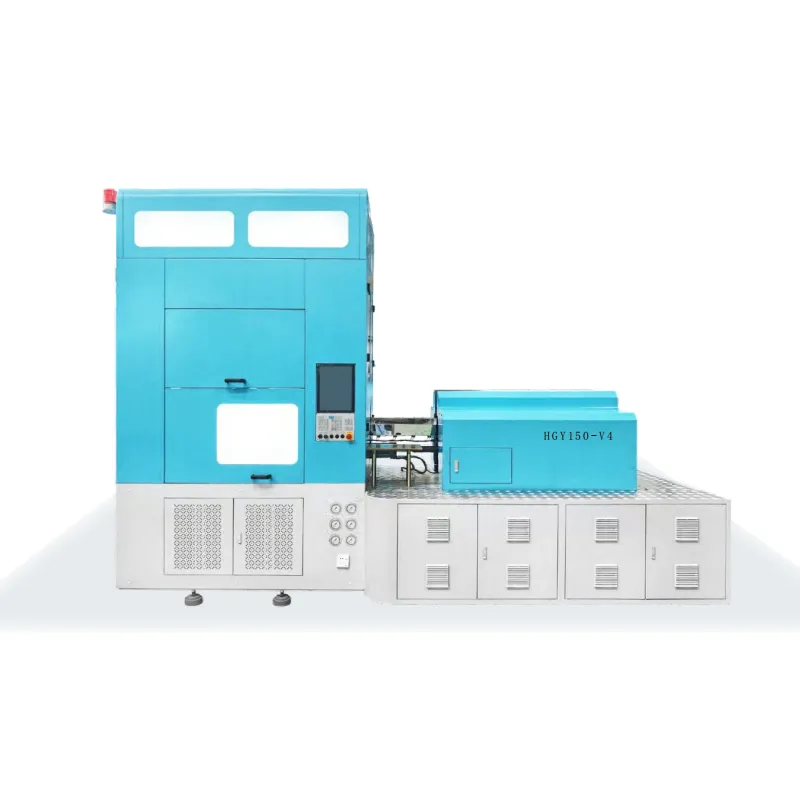
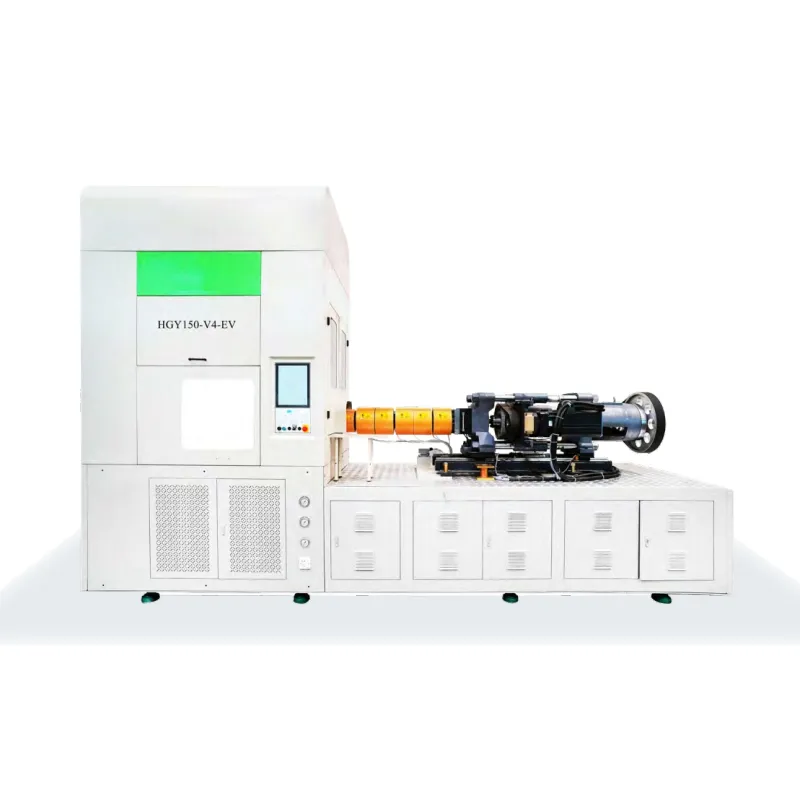
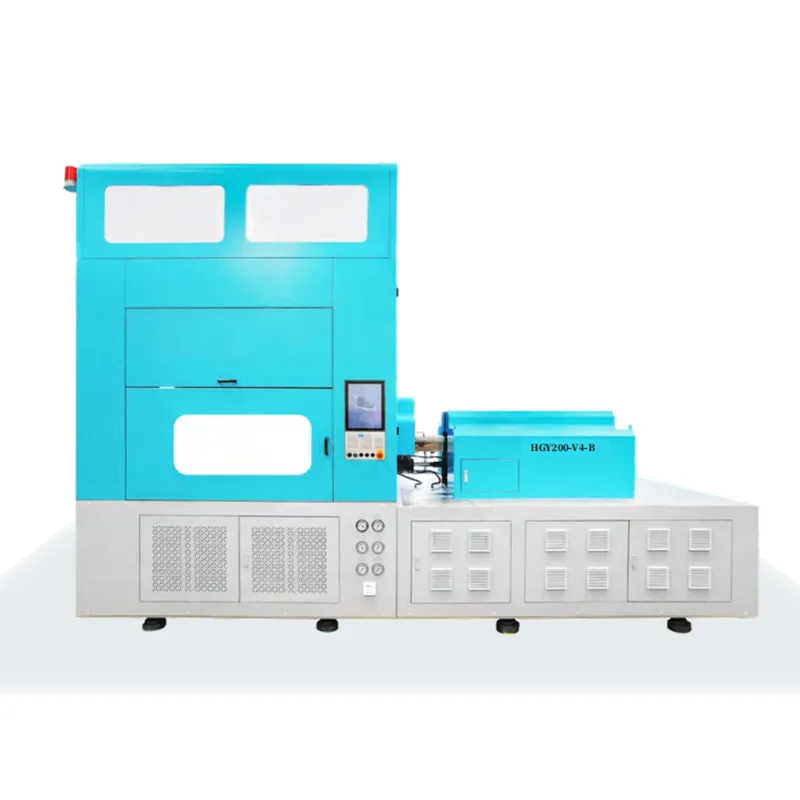
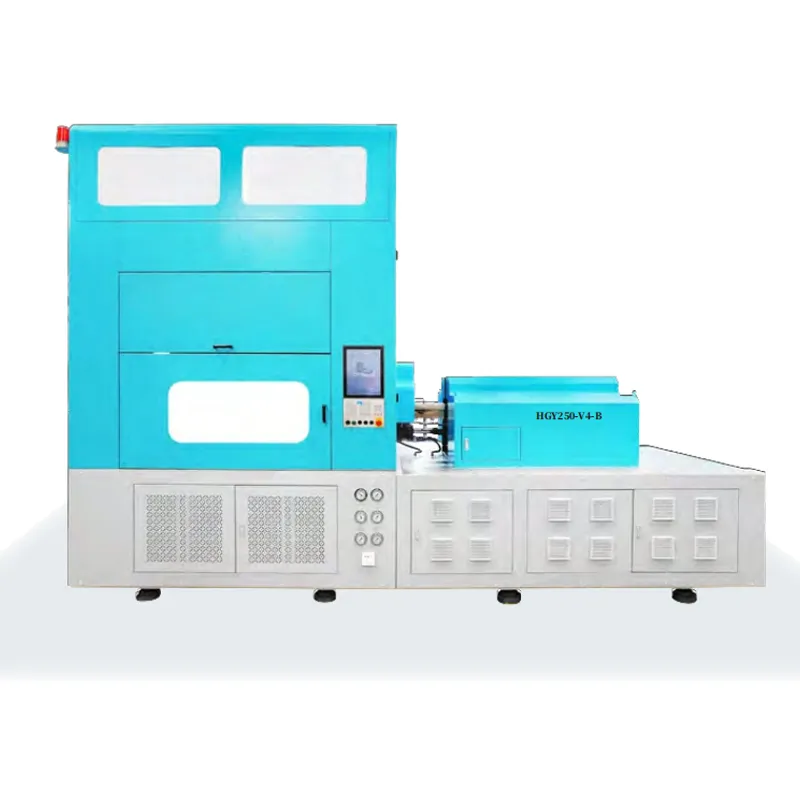
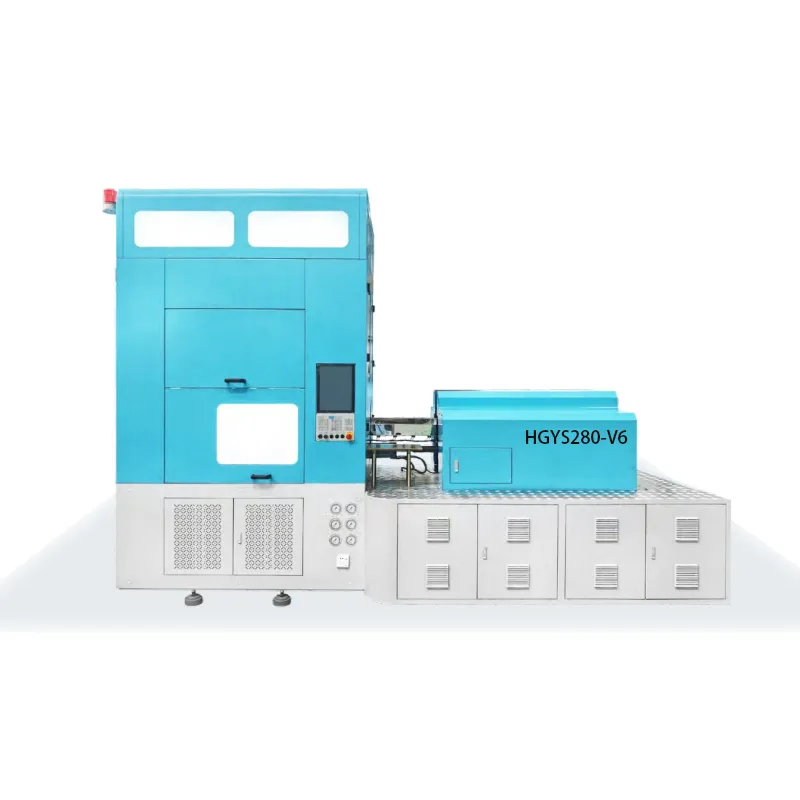
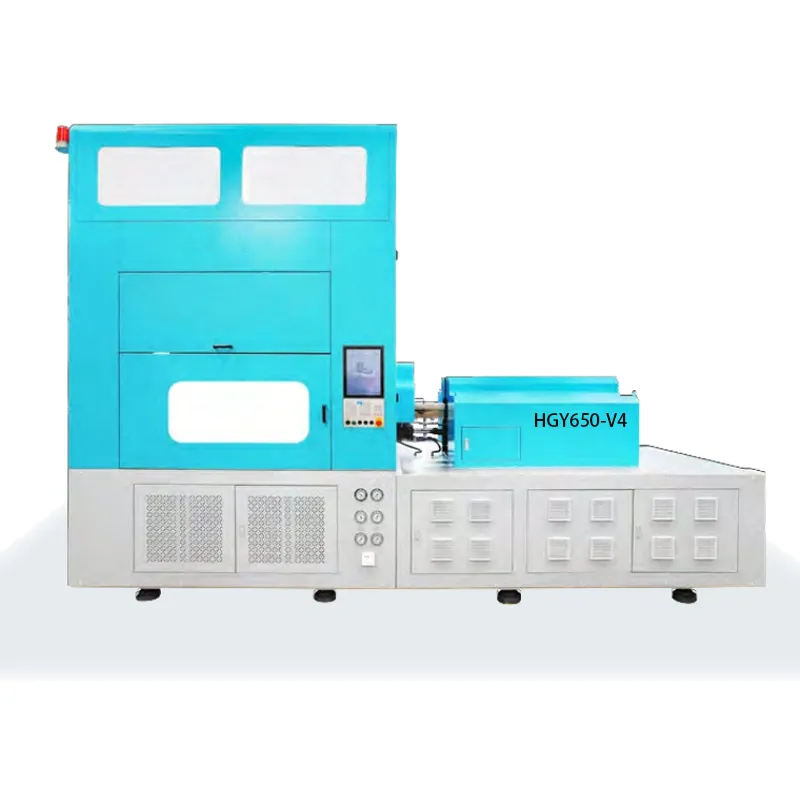
Our ISBM Machine Products
Industry 4.0-ready injection stretch blow molding machines engineered for performance, precision, and connected manufacturing
What Our Global Clients Say
Real feedback from B2B customers across six continents
“We replaced two aging machines with Ever-Power ISBM units. The OPC-UA integration with our SAP MES was completed in less than two weeks with full technical support. Machine stability is outstanding — we have been running three-shift production for eight months with zero unplanned downtime events.”
“Delivery was exactly on schedule — 14 weeks from order to factory acceptance test. The logistics coordination team was proactive with customs documentation for Mexico, which saved us considerable time. Machine installation and commissioning was completed in just five days. We are very satisfied with the entire procurement experience.”
“After-sales service has been exceptional. When we had a query about optimizing our blow parameters for a new PET grade, the remote engineering team connected to our machine within two hours and walked us through the adjustment process in real time. This level of support is rare in the industry. Highly recommended.”
“Product quality consistency has been impressive. We run pharmaceutical-grade HDPE containers and the shot-to-shot weight variation is consistently within ±0.3g across all cavities. The IoT monitoring dashboard made it easy to demonstrate process capability to our pharmaceutical customer during GMP audit — passed on the first review.”
“The IoT and Industry 4.0 features were the primary reasons we chose Ever-Power. Real-time energy reporting has been invaluable for our ESG compliance documentation. The predictive maintenance system flagged a hydraulic pump bearing issue six weeks before it would have caused a breakdown — saving us an estimated two days of lost production.”
“Technical support response time is excellent. Despite the time zone difference, our questions are answered within hours, and critical technical issues get remote diagnostics access within the same working day. The machine build quality is robust — ideal for our demanding climate conditions. We plan to order two additional units next year.”