
Why Stretch Rod and Mold Maintenance Defines the ROI of Your ISBM Investment
In the world of PET, PP, and PCTG container production, the procédé de moulage par injection-étirage-soufflage is the gold standard for producing crystal-clear, dimensionally consistent, and structurally robust bottles in a single integrated cycle. Yet even the most advanced machine de moulage par injection-soufflage à un étage will fall short of its rated output, scrap targets, and uptime KPIs if its two most critical wear groups — the stretch rods and the mold sets — are not maintained with the discipline they deserve. As an experienced fabricant de machines ISBM, Ever-Power has spent more than two decades observing how small differences in maintenance routines translate into very large differences in tooling lifespan, energy cost, and finished-bottle quality.
This in-depth technical guide is written for plant managers, maintenance engineers, and B2B procurement decision-makers who are responsible for safeguarding the long-term performance of their injection stretch blow molding fleet. Whether you are running a four-station EP-HGYS150-V4, evaluating fabricants de machines de moulage par injection-soufflage for a green-field expansion, exploring options for the remplacement des machines de moulage par injection-soufflage Aoki, or comparing offers for an Machine ISBM à vendre, the principles below will help you protect your tooling investment and lock in years of stable, high-margin production.
Section 1 — Understanding the Role of the Stretch Rod in the ISBM Cycle
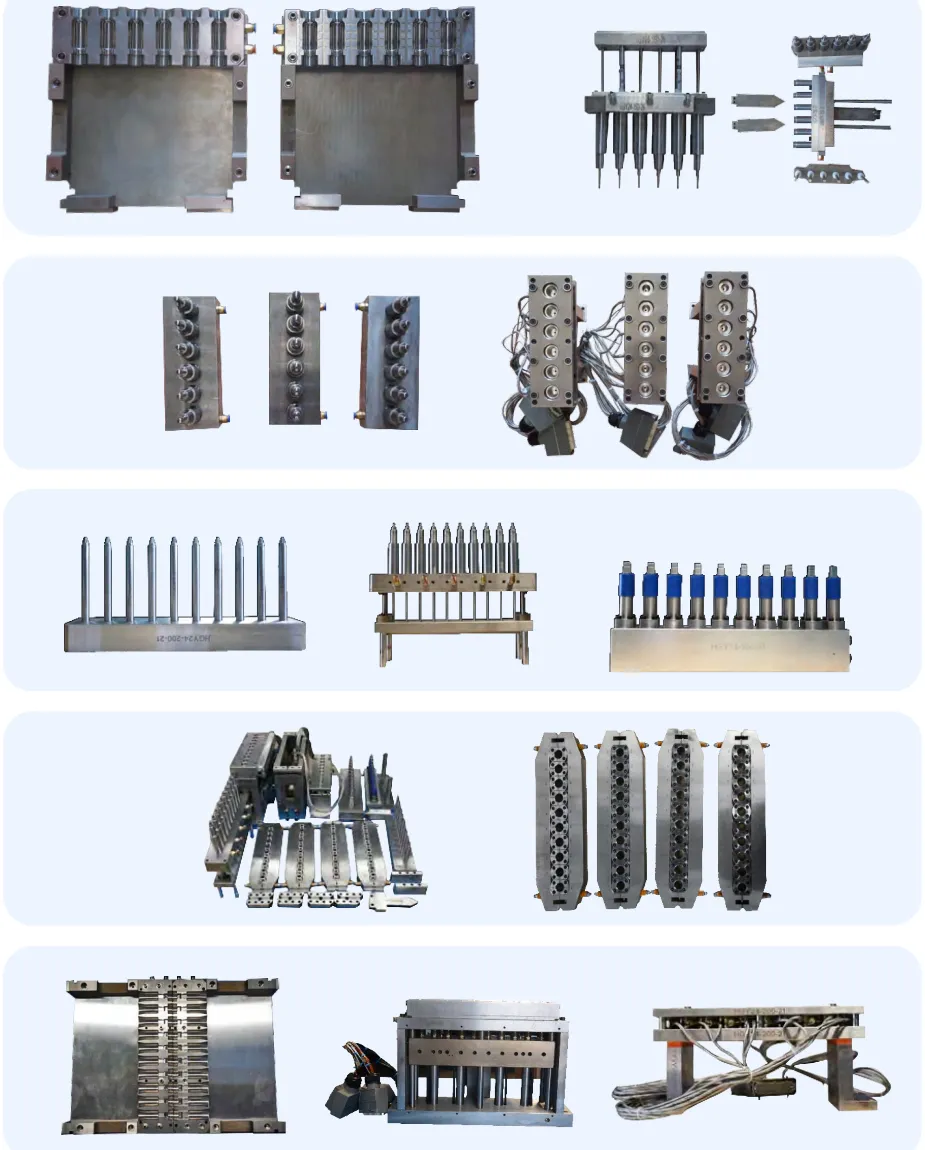
The stretch rod is arguably the most under-appreciated precision component in any injection stretch blow molding system. During the brief milliseconds between preform conditioning and final blow, the stretch rod descends along the centerline of the preform at a tightly controlled velocity profile, axially elongating the molten material before high-pressure air completes the radial expansion. Any deviation in straightness, surface finish, alignment, or stroke timing will print itself on every bottle that follows: thin spots in the base, off-center gates, uneven wall distribution, and increased base-stress whitening.
Because the stretch rod operates inside the preform at temperatures hovering around the PET softening window, it is exposed to a punishing combination of heat cycling, micro-abrasion from contact with the inner preform wall, and lateral side loads when the rod is even slightly misaligned. Over thousands of cycles per hour, these stresses accumulate. The good news is that with a structured maintenance regime, a high-quality nitrided or hard-chromed stretch rod will easily exceed 30 to 50 million cycles before requiring replacement — three to five times the life experienced by operators who treat the rod as a “fit and forget” component.
Axial Precision
Straightness tolerance must remain within 0.02 mm over the full rod length to avoid eccentric base distribution.
Thermal Discipline
Surface temperature should be monitored to prevent cold-rod marks or hot-rod sticking on PET preforms.
Surface Integrity
Hard-chrome or nitride coatings must be inspected for hairline cracks every 500,000 cycles.
Section 2 — Daily, Weekly, and Monthly Stretch Rod Maintenance Routine
A defensible maintenance plan is built on tiered intervals. Treating every task as a quarterly overhaul is wasteful; treating every task as a daily walk-around is unrealistic. Below is the framework Ever-Power recommends to its global customer base.
Daily Tasks (Every Shift Change)
- Wipe the exposed length of each stretch rod with a lint-free cloth dampened in food-grade isopropyl alcohol to remove PET fines and condensation residues.
- Visually inspect the rod tip for chipping, deformation, or color change, which often indicates incipient overheating or contact with a misaligned mold neck insert.
- Check the rod-position sensor signal in the HMI and confirm zero-point repeatability is within ±0.05 mm.
- Confirm there are no air leaks at the rod sealing bushing — even a faint hiss is a sign that high-pressure air is bypassing the bottle.
Weekly Tasks
- Remove the stretch rod from the carriage and clean the entire shaft with a non-abrasive solvent.
- Apply a thin film of high-temperature, food-contact-compatible lubricant to the dynamic sealing zone.
- Inspect the upper guiding bushing for wear scoring; replace bushings before they reach 0.1 mm of radial play to prevent rod side-load amplification.
- Verify servo motor drive parameters and stretch velocity profile against the original commissioning baseline stored in the controller.
Monthly Tasks
- Conduct a full straightness check using a dial indicator on V-blocks; reject any rod with deviation greater than 0.03 mm.
- Document surface roughness with a portable profilometer; the working surface should remain below Ra 0.2 µm.
- Cross-check stretch rod stroke length, return speed, and dwell time against the digital twin maintained by the OEM.
- Audit the spare-rod inventory to ensure at least one matched spare per cavity is on hand for unscheduled swap-outs.
Section 3 — Mold Anatomy and the High-Cost Failure Modes You Must Prevent
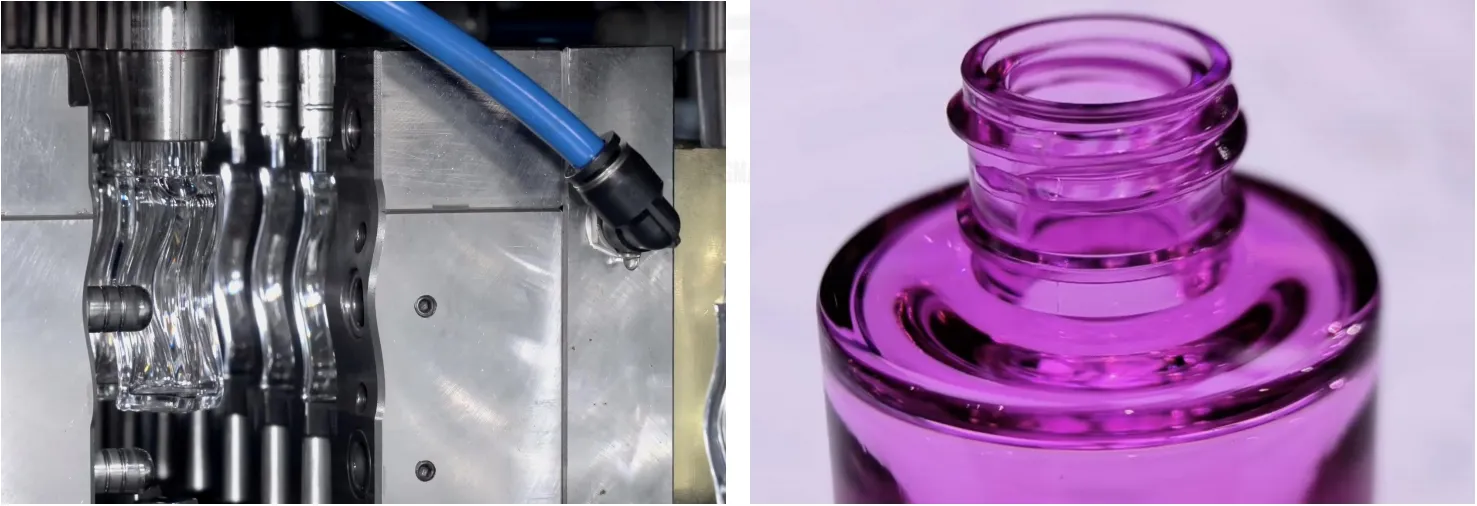
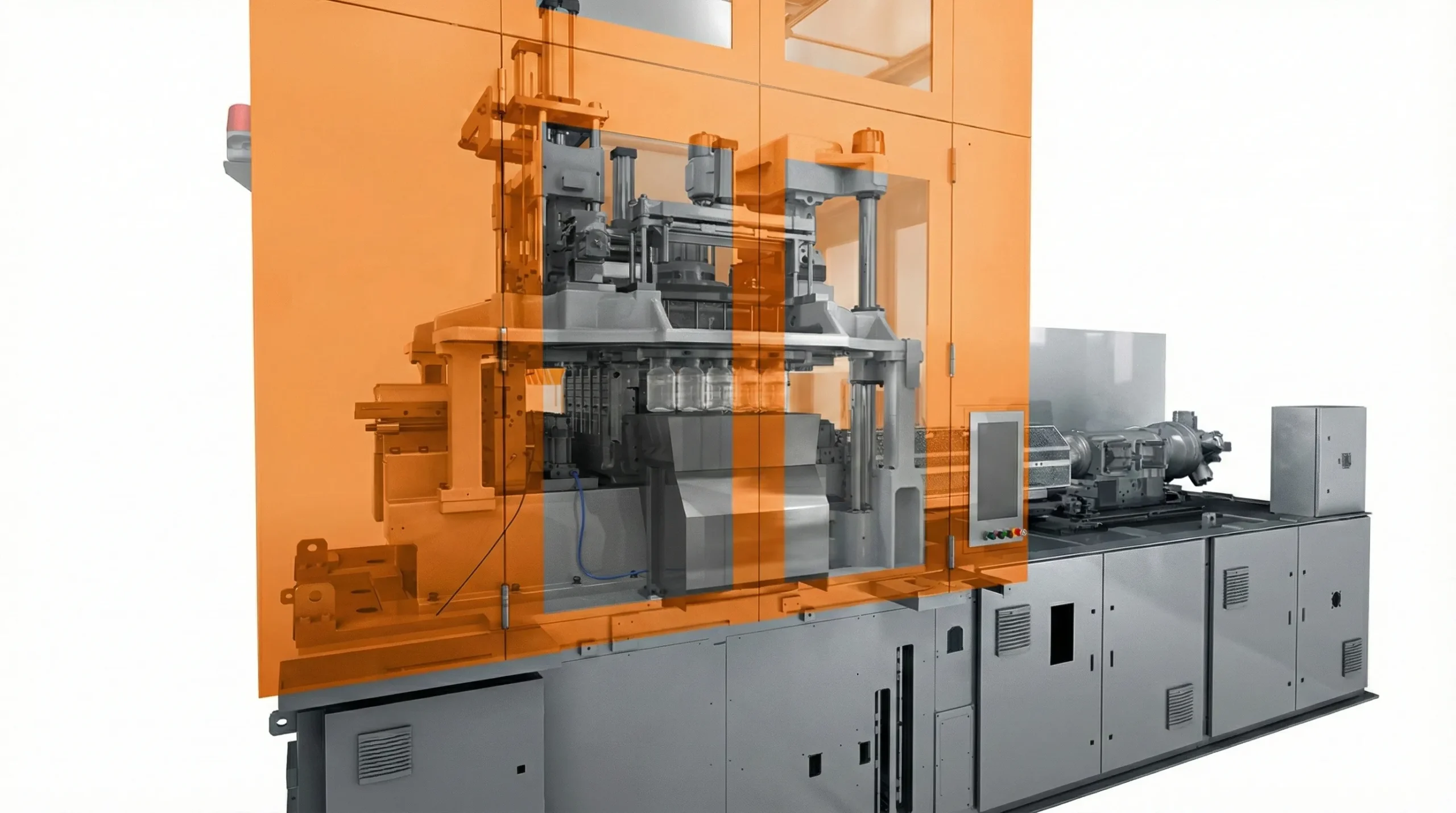
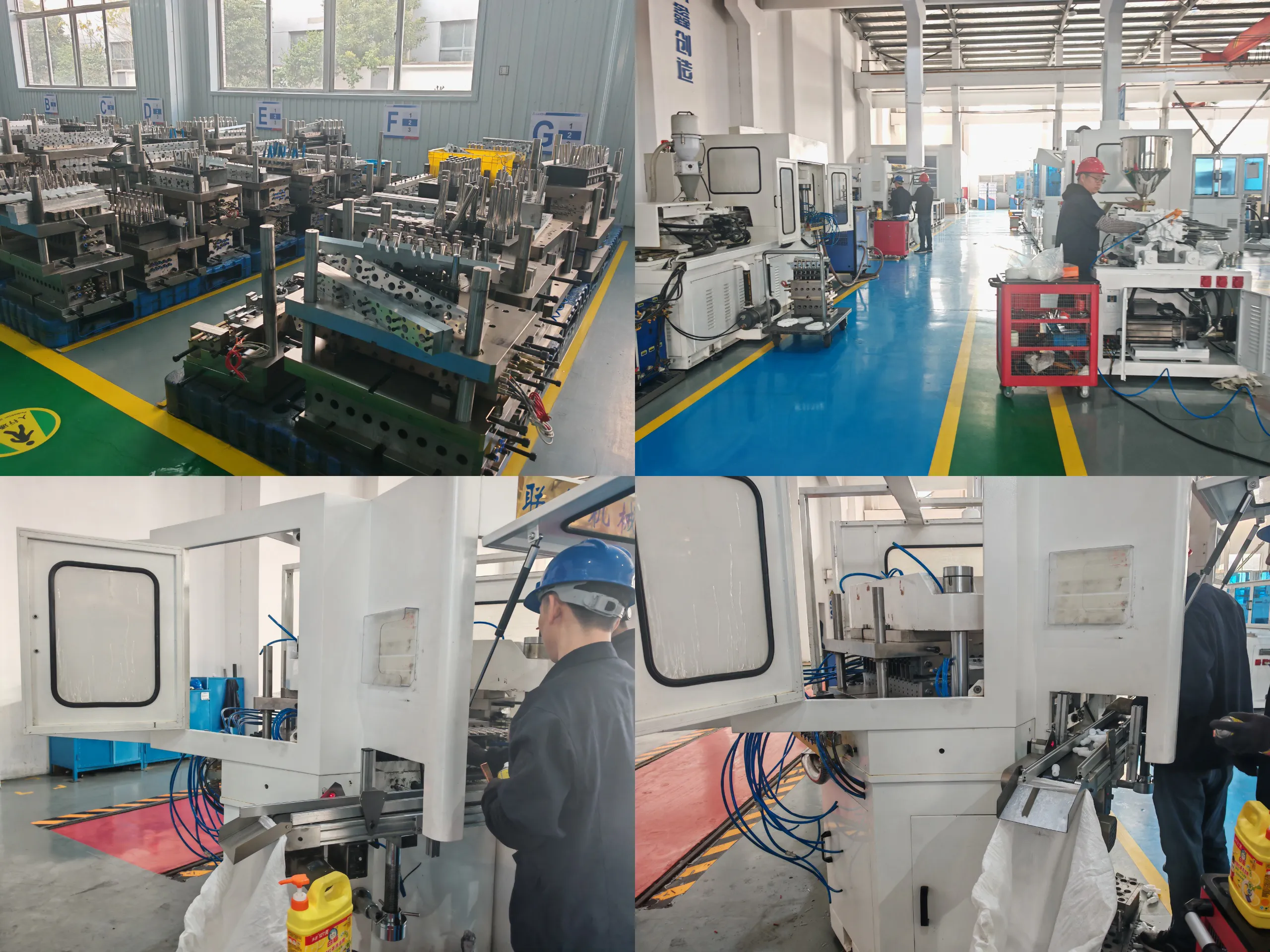
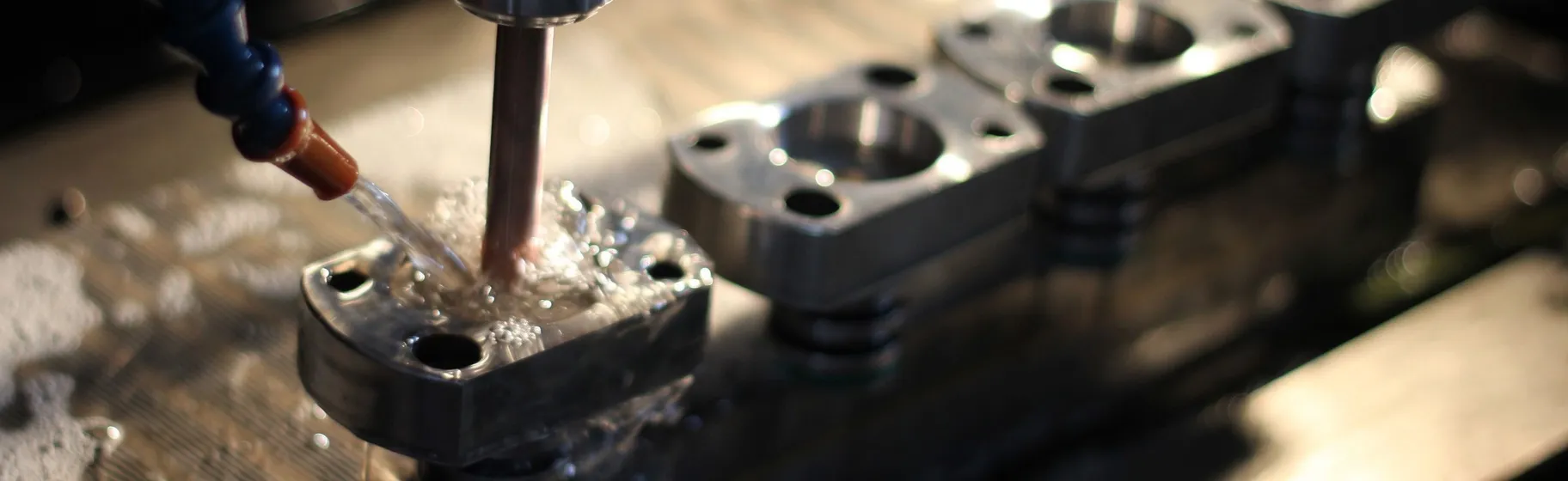
An ISBM tool set is a precision-engineered assembly that includes the injection mold (preform mold), the conditioning station tooling (where applicable), and the blow mold cavities with neck inserts and base pushers. On a four-station or six-station machine de moulage par injection-soufflage à un étage, these tools must work together with sub-millimeter coordination, cycle after cycle. The most common — and most expensive — failure modes we see in audits worldwide include:
- Cavity surface pitting caused by acidic PET degradation byproducts trapped against the steel during shutdowns without proper purging.
- Vent blockage from PET fines and lubricant migration, leading to incomplete bottle definition, especially at the base and shoulder transition.
- Parting-line flash created by progressive deformation of clamping surfaces when shimming or alignment has drifted.
- Cooling channel scaling, which silently raises mold-wall temperatures, slows cycle time, and can crack cores when thermal gradients spike.
- Neck insert mismatch, often introduced when neck rings from different vintages are mixed during preventive maintenance.
Every one of these failure modes is preventable. The decisive factor is whether the maintenance team treats the mold as a strategic asset — typically representing 12 to 25 percent of the total capital cost of the injection stretch blow molding line — or as a consumable. The OEMs that operators select also make a difference: working with a disciplined fournisseur de machines d'injection de moules ISBM ensures access to original specifications, certified spare parts, and remote diagnostic support that shortens fault isolation from days to hours.
Section 4 — A Field-Proven Mold Maintenance Protocol
The protocol below has been refined across hundreds of customer sites operating Ever-Power equipment in beverage, pharmaceutical, personal care, household chemical, and edible oil packaging applications. It is structured around three intervention layers: in-cycle care, planned shutdown service, and full overhaul.
Layer 1 — In-Cycle Care
During production, the goals are temperature stability, contamination prevention, and early anomaly detection. Operators should monitor the mold surface temperature uniformity using infrared spot checks at start-up and at minimum once per shift. Deviations greater than ±2 °C between cavities almost always trace back to scaled cooling channels or partially blocked manifolds. Vents should be vacuum-cleaned at every preform changeover, and a dry, lint-free wipe should pass over the cavity polishing surface to remove any condensation before resuming production.
Layer 2 — Planned Shutdown Service
Every 250,000 to 500,000 cycles — or earlier if the bottle quality KPIs trend negatively — schedule a planned shutdown. During this intervention, the cavity halves are separated, the cooling circuits are flushed with a descaling solution, vents are gauge-checked and re-lapped if necessary, neck inserts are removed and inspected for wear marks, and the parting line is examined under bright light for any sign of crush or flash. A torque-checked re-clamp following the manufacturer’s tightening sequence is essential; an over-torqued bolt distorts the cavity geometry just as surely as an under-torqued one.
Layer 3 — Full Overhaul
A full overhaul is typically performed annually or every 10 to 15 million cycles, whichever comes first. This is the moment to disassemble the mold completely, perform dimensional inspection on every component using calibrated CMM equipment, re-polish cavity surfaces to original Ra specifications, refurbish or replace any wear bushings, and validate the entire mold against its original drawing package. For high-value tooling, Ever-Power offers an OEM refurbishment service in which the mold is returned to a factory-equivalent condition with a documented inspection certificate — a service that customers exploring options for the remplacement des machines de moulage par injection-soufflage Aoki have repeatedly found valuable as part of their migration roadmap.
Section 5 — Lubrication, Cleaning Agents, and Materials Compatibility
The wrong lubricant on the wrong component is the silent killer of ISBM tooling. Many premature failures we have audited can be traced back to operators applying generic mineral grease to surfaces that contact PET preforms, or using chlorinated cleaning solvents on nitrided steel. The matrix of acceptable consumables should be documented in the maintenance SOP and posted at the machine.
Recommended Consumable Categories
- Stretch rod sealing zone: NSF H1-rated, high-temperature PFPE-based grease, applied sparingly.
- Cavity polishing maintenance: Cerium oxide micro-paste with felt buffer for re-polishing minor scratches.
- Cooling channel descaling: Buffered citric-acid descaler, neutralized and rinsed before restart.
- General cavity cleaning: Food-grade isopropyl alcohol or proprietary mold cleaner approved by the OEM.
- Long-term storage protection: Vapor-phase corrosion inhibitor packaging with desiccant control.
Plants that standardize their consumables and enforce supplier traceability typically see a 20 to 35 percent extension in mold life compared with peers that allow ad-hoc procurement at the shift-supervisor level.
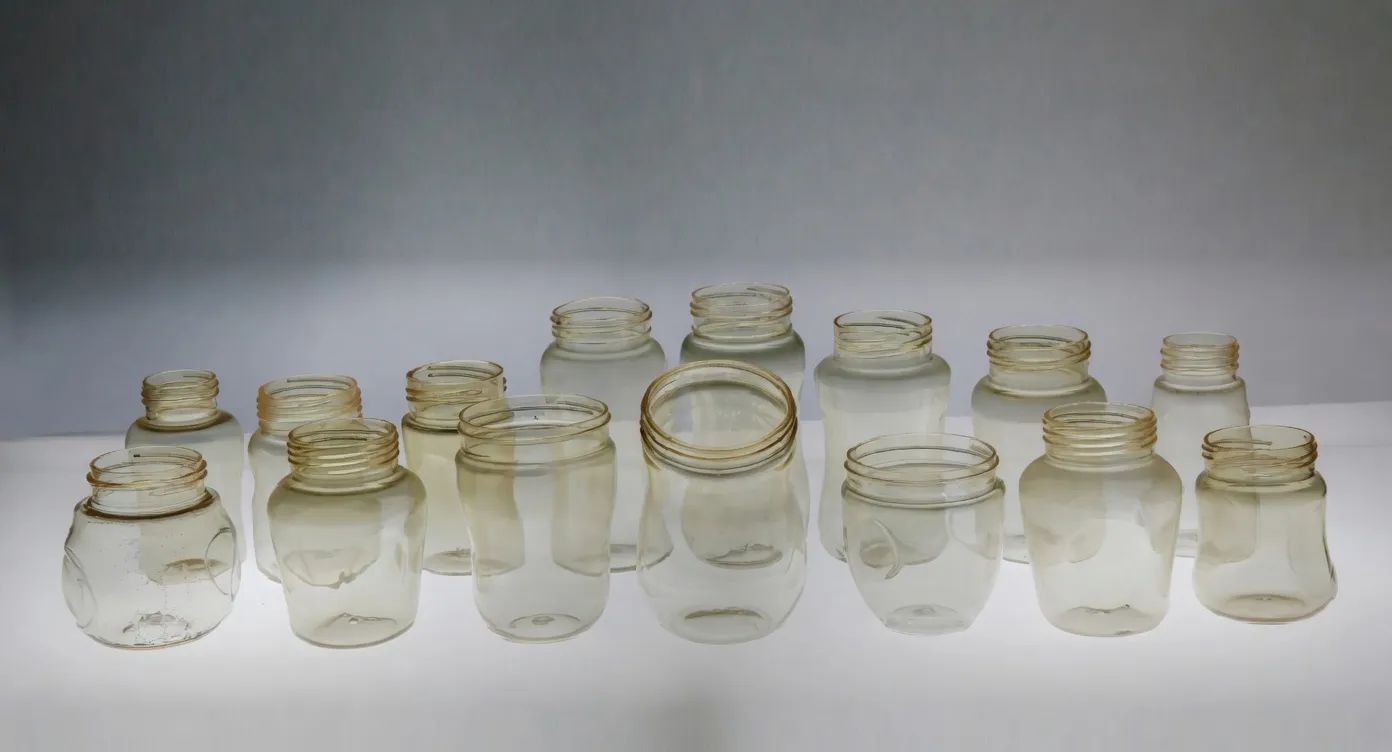
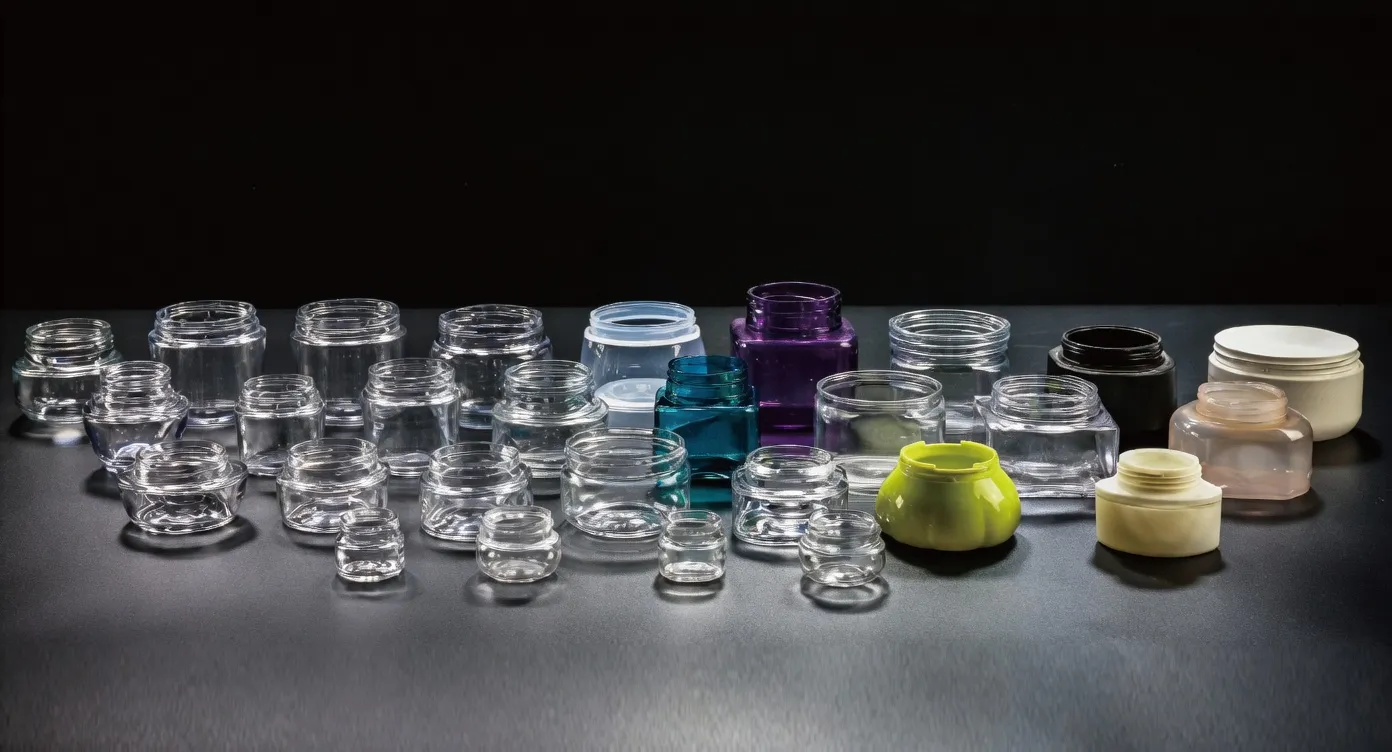
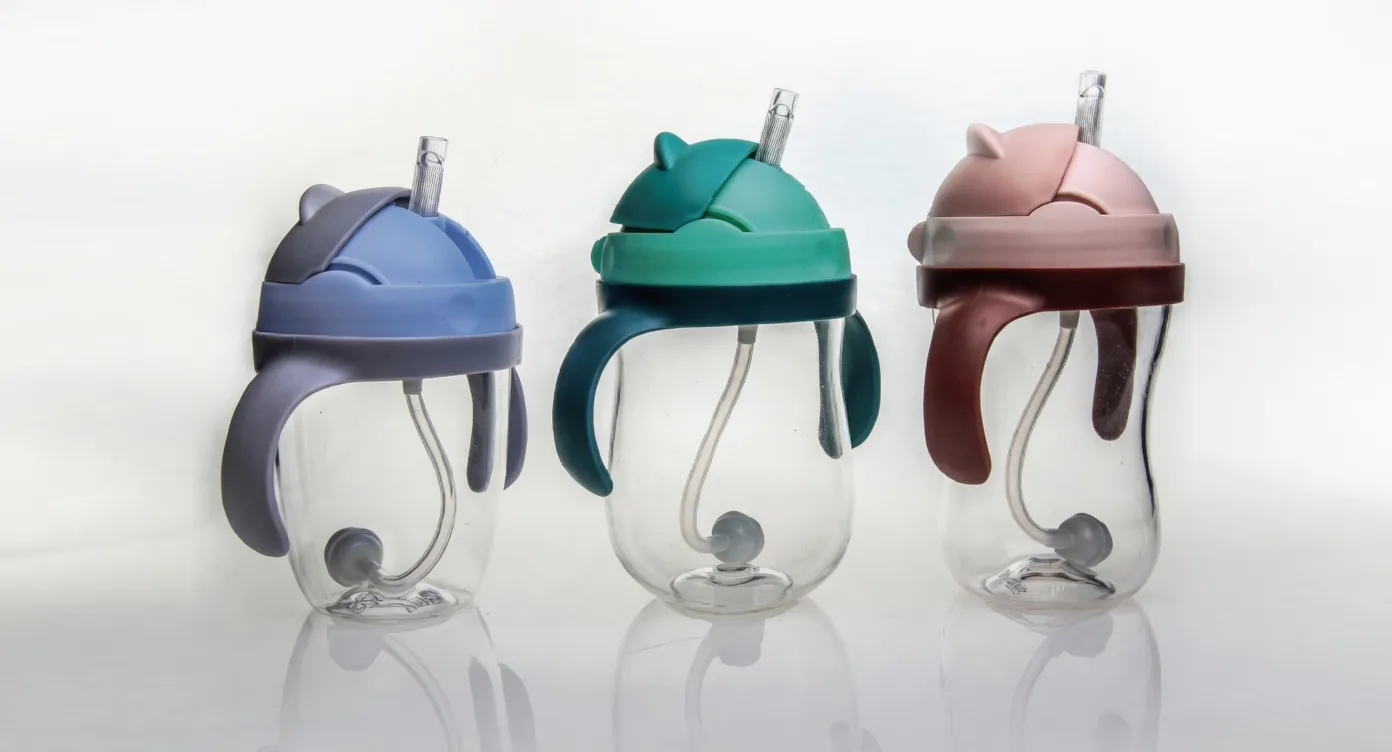
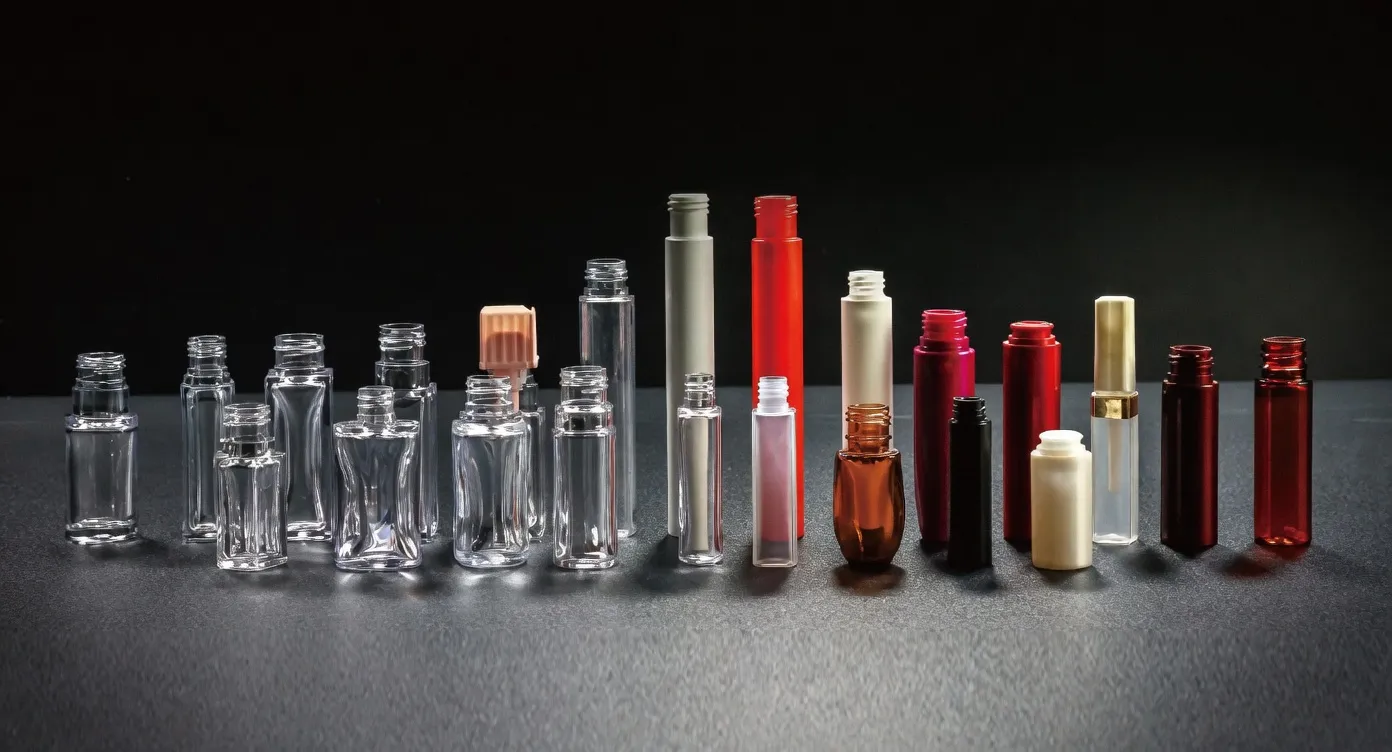
Bottle Showcase — The Output Quality Maintenance Protects
A well-maintained stretch rod and mold set translates directly into the visual and structural perfection of the finished bottle. The samples below were produced on Ever-Power ISBM machines operating in real customer environments.













Section 6 — Diagnostic Indicators That Tell You Maintenance Is Overdue
Reactive maintenance — the kind triggered by a noisy bearing or an obvious flash defect — is the most expensive maintenance there is. The objective is to read the early signals while corrective action is still inexpensive. The following diagnostic indicators, observable on any modern machine de moulage par injection-soufflage à un étage with proper instrumentation, function as a reliable early-warning system.
- Rising blow-air consumption: A steady increase of 3 percent or more over a stable baseline points to seal degradation around the stretch rod or to micro-cracks at the blow-air pin interface.
- Increasing scrap rate at start-up: If first-cycle bottles show base whitening or unfilled shoulders, suspect uneven mold temperatures from scaled circuits.
- Cycle time creep: A drift of even 0.2 seconds per cycle, multiplied across millions of cycles per year, represents lost output worth tens of thousands of dollars.
- Servo torque deviation on the stretch axis: Captured in the controller log, increasing torque points to bushing wear or rod scoring.
- Audible mold-close knock: A new metallic sound at the parting-line lock indicates clamp surface wear that must be addressed before flash escalates.
Procurement teams evaluating an Machine ISBM à vendre should always confirm that the controller exposes these data streams in a structured, exportable format. Machines that lock diagnostic data behind proprietary interfaces undermine the very predictive-maintenance practices that protect tool life.
Section 7 — Storage, Spare Parts, and the Procurement Discipline That Pays Off
A surprising share of mold and stretch-rod damage occurs not during production but during storage and changeover. Improper handling, inadequate corrosion protection, and incomplete documentation can ruin a tool that has barely been used. Best-in-class plants enforce the following storage and spare-part discipline:
- Every mold is stored on a dedicated cart with foam-lined cradles to prevent transit shock.
- Cavities are protected with vapor-phase corrosion inhibitor sleeves and a desiccant pouch is sealed inside the storage box.
- A printed inspection card travels with each tool, documenting cycle count, last service date, last polishing pass, and any open issues.
- Spare stretch rods, neck inserts, base pushers, and seal kits are kept in clearly labeled, climate-controlled cabinets with minimum/maximum thresholds.
- The plant maintains a digital twin of every active mold, including 3D models, polishing maps, and historical maintenance interventions.
Customers selecting between fabricants de machines de moulage par injection-soufflage should pay close attention to the spare-parts ecosystem each OEM provides. Lead time on a critical neck insert can be the difference between a six-hour line stop and a two-week production crisis. Ever-Power maintains regional spare-parts hubs and a 24/7 technical hotline precisely to compress that timeline.
Section 8 — Operator Training and the Human Factor
No checklist, however detailed, will deliver results if the people executing it lack the technical literacy to interpret what they see. The most successful Ever-Power customers invest in tiered training programs that match operator skill level to maintenance authority. Level-1 operators are certified to perform daily inspections and consumable replenishment. Level-2 technicians can disassemble and reassemble stretch-rod carriages and clean cavities under supervision. Level-3 specialists are authorized to perform mold overhauls, validate cavity geometry, and adjust the injection stretch blow molding process parameters.
Every new hire should complete a structured onboarding curriculum that includes safety, machine principles, the role of the stretch rod, mold anatomy, the SOP catalog, and a hands-on practical assessment. Annual recertification keeps standards high, and a digital learning record makes audit responses straightforward. Plants that take training seriously consistently report mold lifespans 30 to 50 percent longer than industry averages — a direct, measurable return on what is sometimes mistakenly perceived as a soft investment.
Our ISBM Machine Products
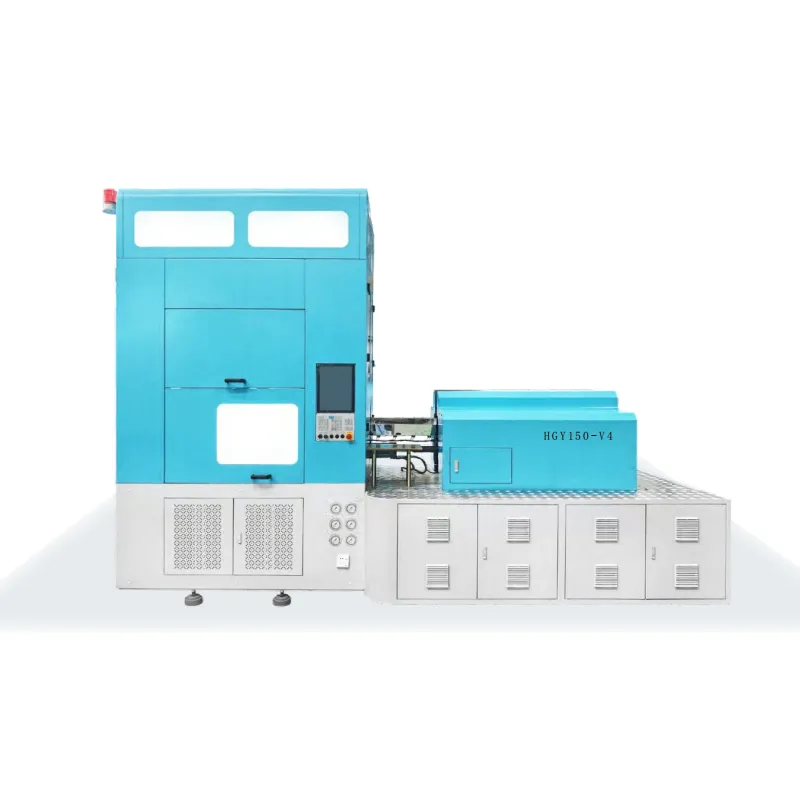
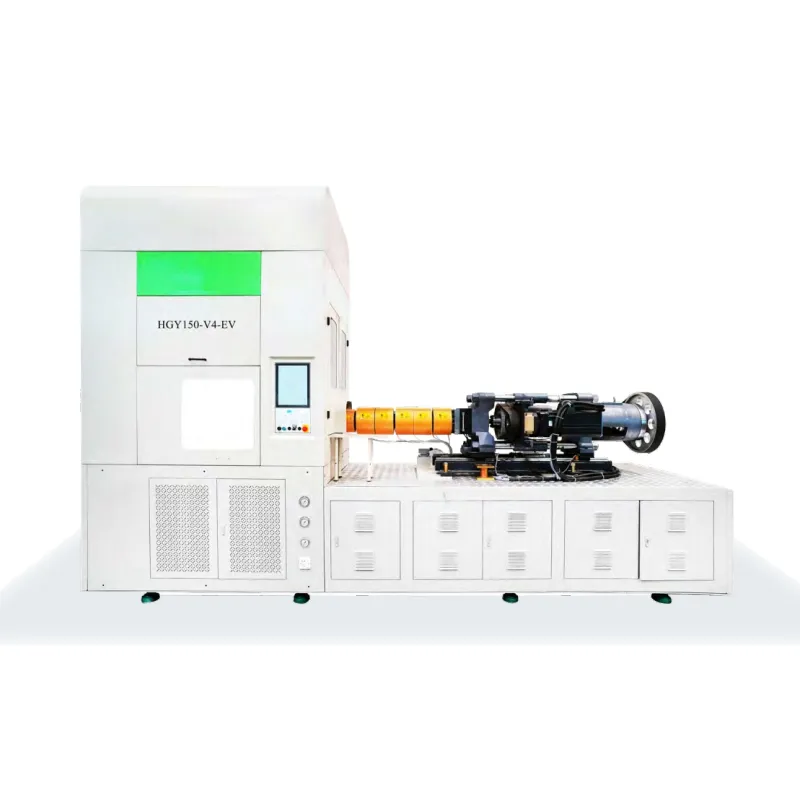
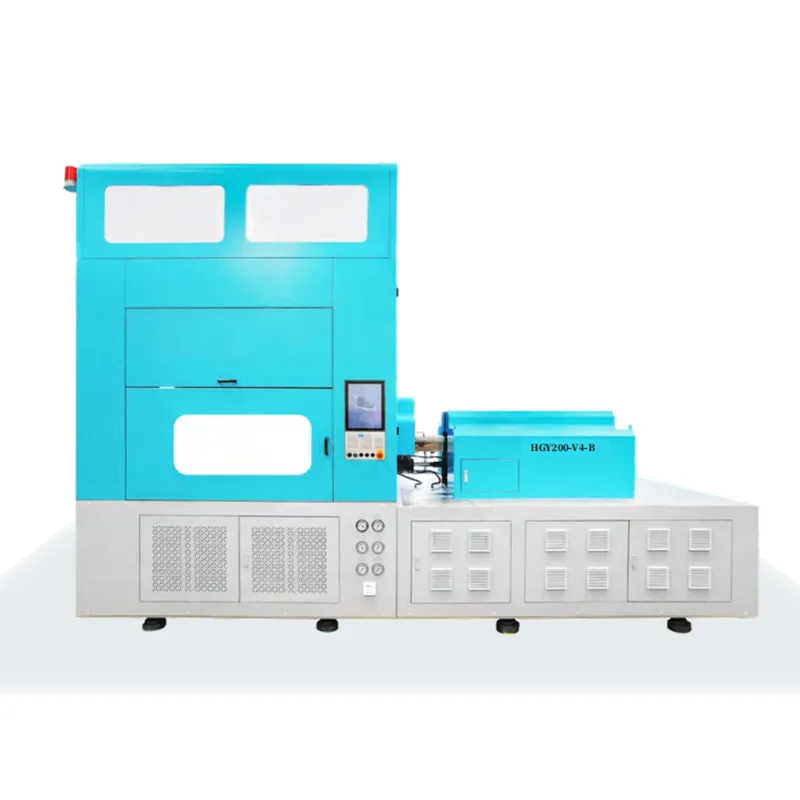
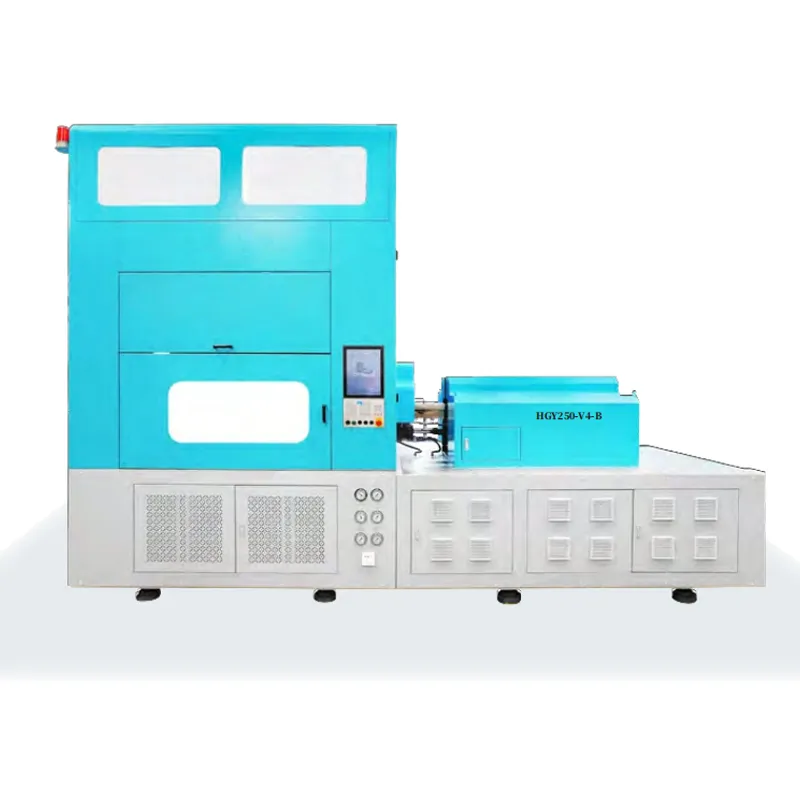
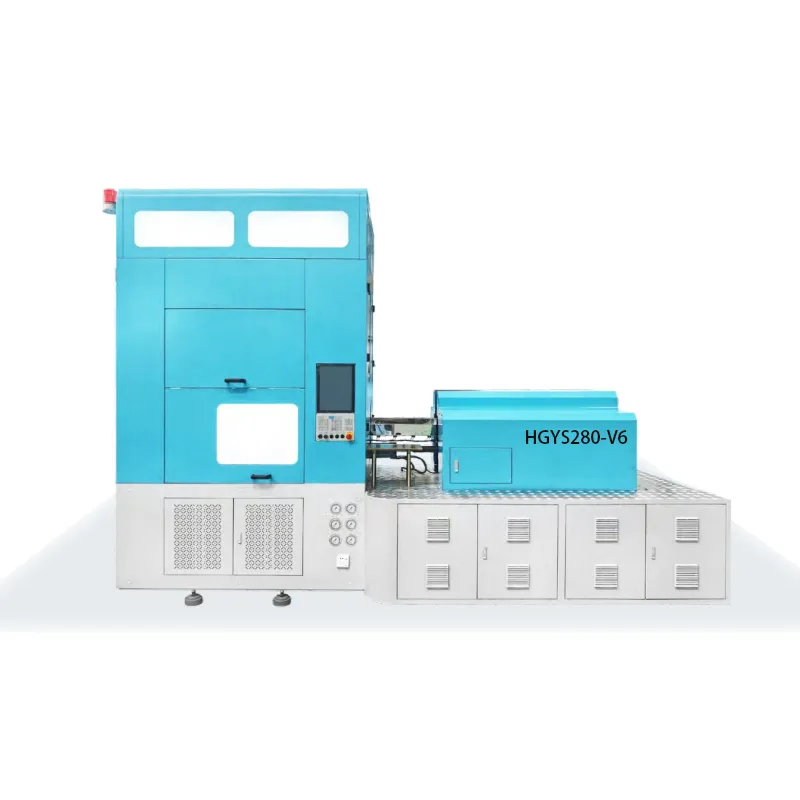
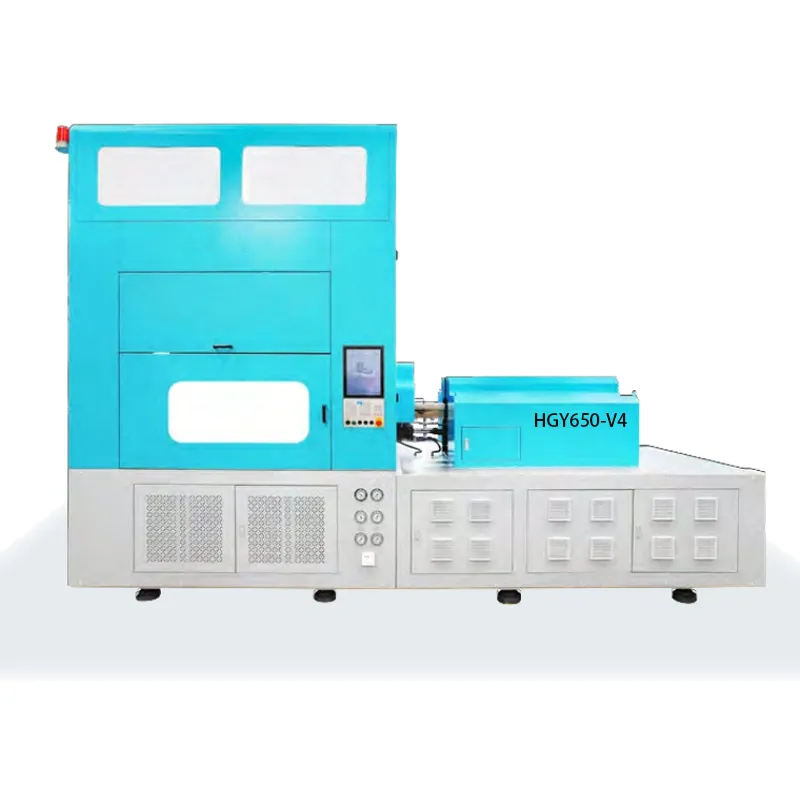
The maintenance principles outlined above are designed to maximize the productive life of every machine in our portfolio. As a vertically integrated fabricant de machines ISBM, Ever-Power engineers each model — from compact four-station systems to large six-station, fully servo-driven platforms — with serviceability and tooling longevity as first-class design objectives. Each machine is supported by certified spare parts, documented preventive-maintenance programs, and a global service network capable of responding to customers on every continent. Whether you are scaling up bottled-water capacity, launching a new cosmetic line, or executing a strategic remplacement des machines de moulage par injection-soufflage Aoki, the models below offer a configurable foundation for high-uptime, low-scrap production. Procurement teams seeking a reliable fournisseur de machines d'injection de moules ISBM with deep process expertise will find that each platform is delivered with full validation documentation, on-site commissioning, and operator-training support that translates directly into faster ramp-up and lower total cost of ownership.
Section 9 — Linking Maintenance Discipline to Total Cost of Ownership
When CFOs and procurement directors weigh the business case for a new ISBM line, they typically focus on capex and cycle time. The hidden lever, however, is maintenance. A typical four-cavity tool set on a mid-size machine can cost between 80,000 and 250,000 USD depending on bottle complexity. Extending its useful life from 8 million to 12 million cycles through disciplined maintenance is, in financial terms, equivalent to a 30 to 50 percent reduction in tooling capex amortization per finished bottle.
Combine that with the secondary benefits — lower scrap, fewer unplanned stoppages, more stable energy consumption, and reduced inventory of replacement parts — and the case for a structured stretch-rod and mold maintenance program becomes overwhelming. This is the analytical lens we encourage every customer to apply when evaluating offers from competing fabricants de machines de moulage par injection-soufflage: it is not the lowest sticker price that wins, but the lowest cost per million bottles produced over a defined ten-year horizon.
Section 10 — Frequently Asked Questions from Procurement and Engineering Teams
How often should a stretch rod be replaced under normal PET production?
Under disciplined daily and weekly maintenance, a high-quality nitrided or hard-chromed stretch rod typically achieves 30 to 50 million cycles. The rod should be replaced when straightness exceeds 0.03 mm, when surface roughness rises above Ra 0.2 µm, or when the protective coating shows hairline cracking under magnification.
What is the most common cause of premature mold cavity damage?
In our field audits, the leading cause is improper shutdown procedures that leave PET residue inside the cavity. The acidic byproducts produced during slow cooling pit the polished steel surface within hours. A dry, neutralized purge before any extended stoppage prevents the vast majority of these incidents.
Can existing molds be reused when replacing an aging Aoki-style line?
In many cases, yes. As part of the engineering scope for a remplacement des machines de moulage par injection-soufflage Aoki, Ever-Power evaluates legacy tooling and, where geometry and condition permit, designs adapter plates and conditioning interfaces that allow continued use of validated molds — preserving capex while modernizing the process platform.
What documentation should I receive with a new ISBM machine?
A reputable fournisseur de machines d'injection de moules ISBM will deliver a complete documentation package including mechanical and electrical drawings, mold drawings, recommended spare-parts list, preventive-maintenance schedule, lubrication chart, controller backup, and operator and maintenance training certificates. Insist on this package as a contractual deliverable.
How do I evaluate a used ISBM machine for sale?
When considering an Machine ISBM à vendre on the secondary market, request the full maintenance log, total cycle count, last mold-overhaul date, controller version, and a video demonstration of the machine running at rated speed. A pre-purchase inspection by an independent specialist almost always pays for itself.
Conclusion — Maintenance as a Competitive Advantage
Properly maintaining the stretch rods and molds on an ISBM machine is not a matter of routine housekeeping. It is the single most consequential operational practice that determines whether a plant achieves world-class output or simply average performance. The discipline is built on a foundation of clear SOPs, tiered training, the right consumables, structured diagnostic monitoring, and a partnership with an OEM that understands the long-term economics of the injection stretch blow molding process.
Ever-Power has built its global reputation on this exact principle. Every machine we ship leaves the factory with an integrated maintenance philosophy embedded in its design, documentation, and service program. Whether you are a long-time customer planning your next capacity expansion, a new buyer comparing offers from multiple fabricants de machines de moulage par injection-soufflage, or an engineering manager preparing the technical specification for a strategic replacement project, our team is ready to help you translate maintenance discipline into measurable financial returns. Reach out to our specialists for a tailored maintenance audit, a tooling-life optimization study, or a complete proposal for your next ISBM line.
What Our Global Customers Say
Real feedback from B2B partners across multiple continents who rely on Ever-Power ISBM machines and our maintenance support every day.
Carlos Hernández
Mexique
We replaced an aging line with two Ever-Power four-station machines and the difference in mold longevity has been remarkable. Their maintenance documentation is genuinely useful, the spare parts arrived ahead of schedule, and after two years of three-shift operation our scrap rate is the lowest in our group.
Aaliyah Okonkwo
Nigeria
The technical training Ever-Power delivered on site transformed our maintenance team. Stretch rod replacement intervals doubled within twelve months. Their engineers stayed until our operators were genuinely confident, and the after-sales hotline has answered every query within hours.
Tobias Lindqvist
Sweden
Delivery was exactly on the date promised, commissioning was completed three days ahead of plan, and the machine has run with stable cycle times ever since. We particularly appreciate the structured approach to mold storage and inventory that their team helped us implement.
Priya Ramanathan
India
Bottle quality on our cosmetic range is critical and Ever-Power understood that from the first technical meeting. The cavities have held their polish far longer than our previous supplier promised, and the predictive maintenance dashboard helps our engineers act on issues before they become defects.
Mateusz Kowalski
Pologne
We compared offers from several manufacturers before choosing Ever-Power, and the deciding factor was the depth of their maintenance program. Twenty months later our total cost per bottle is lower than originally modeled, and the relationship with their service team is the best we have ever had.
Sofia Almeida
Brazil
Our six-station unit has been running continuously for nineteen months with only scheduled maintenance. The stretch rods still measure within original tolerances and the molds look almost new. Ever-Power’s remote diagnostic support has saved us from at least three potential breakdowns this year alone.