How Does Servo-Driven Stretching Improve Performance in Modern ISBM Machines?
The Servo Revolution in ISBM Technology
For manufacturers operating in high-precision, high-output bottle production environments, the shift from hydraulic to servo-driven mechanical systems represents one of the most consequential engineering transitions of the past decade. Nowhere is this transition more impactful—or more technically nuanced—than in the stretching mechanism of a single stage injection stretch blow molding machine.
Traditional hydraulic stretching systems, while robust and field-proven, carry inherent limitations: energy waste during idle phases, velocity inconsistencies across cavities, and cumulative wear patterns that compromise long-term dimensional accuracy. Servo-driven stretching addresses all of these limitations simultaneously, delivering measurable gains in energy efficiency, cycle throughput, wall-thickness uniformity, and process repeatability.
This article unpacks the engineering behind servo-driven stretching, quantifies its production advantages, and provides practical guidance for manufacturers evaluating modern ISBM solutions—whether upgrading legacy equipment or investing in new capacity.
What Is Servo-Driven Stretching in ISBM Machines?
Understanding the mechanical distinction between hydraulic and servo-controlled stretch rod actuation is the starting point for any equipment evaluation.
Electric Servo Motor Actuation
In a servo-driven ISBM machine, the stretch rod is actuated by a closed-loop electric servo motor rather than a hydraulic cylinder. The servo motor receives real-time position and velocity feedback from a rotary encoder, enabling microsecond-level corrections to the rod’s travel path, speed profile, and terminal position throughout every production cycle.
Programmable Motion Profiles
Unlike hydraulic systems governed by fixed valve settings, servo drives execute programmable multi-segment motion profiles—acceleration ramps, constant-velocity zones, and controlled deceleration curves—all adjustable from the HMI without mechanical intervention. This enables bottle-by-bottle optimization of the stretching trajectory for every product recipe.
Closed-Loop Feedback Control
Every stroke of the servo-driven stretch rod is monitored and corrected in real time. If environmental temperature changes alter preform viscosity mid-run, or if tooling wear introduces slight mechanical play, the servo controller compensates automatically—maintaining consistent stretch ratios without operator intervention or production downtime adjustments.
This architecture transforms the stretch station from a passive mechanical step into an intelligent, data-driven process node—one that can log, report, and continuously self-optimize based on real production feedback integrated into quality management workflows.
Core Performance Advantages of Servo-Driven Stretching
Six interconnected improvements that collectively transform production economics and product quality in modern ISBM operations.
Superior Dimensional Consistency
Servo actuation eliminates the velocity variability inherent in hydraulic systems. Each stretch rod travels the same path with the same velocity profile on every single cycle—reducing bottle-to-bottle weight variation to below ±0.3% and axial wall-thickness deviation to under 0.05mm in high-precision applications.
Significant Energy Reduction
Servo motors consume power only during active motion, drawing near-zero current between cycles. Hydraulic pumps, by contrast, run continuously—circulating pressurized fluid even during mold-open and ejection phases. Servo-equipped ISBM machines routinely demonstrate 30–50% lower energy consumption per 10,000 bottles produced.
Faster Cycle Times
High-torque servo motors deliver instantaneous acceleration and deceleration that hydraulic valves cannot match. The resulting reduction in stretch-station dwell time shortens overall cycle time by 8–15% depending on bottle geometry, directly translating to proportional increases in annual output capacity without additional capital investment.
No Hydraulic Oil Contamination
Servo-driven machines eliminate hydraulic oil from the stretching mechanism entirely, removing a critical contamination risk in food-grade and pharmaceutical bottle production. This simplifies regulatory compliance, reduces PPE requirements, and lowers waste disposal costs associated with oil changes and periodic seal replacement maintenance.
Lower Maintenance Overhead
Electric servo drives have fewer wearing components than hydraulic assemblies—no seals under constant pressure, no pump impellers, no heat exchangers. Mean time between failures (MTBF) increases substantially, and when maintenance is required, servo drive diagnostics enable predictive scheduling rather than reactive emergency shutdowns.
Digital Process Traceability
Servo controllers generate rich process data—position logs, torque curves, cycle timing—accessible via OPC-UA or Ethernet/IP interfaces. This enables real-time SPC (Statistical Process Control), batch-level quality certification, and integration into Industry 4.0 manufacturing execution systems without additional sensor hardware.
Energy Efficiency: The Full Financial Case
When evaluating ISBM equipment on a total-cost-of-ownership basis, energy expenditure is often underestimated in initial capex calculations. For a mid-size operation running three shifts, the power differential between hydraulic and servo systems can represent $40,000–$80,000 USD annually in avoided electricity costs at typical industrial tariffs.
The financial equation is further strengthened by eliminating hydraulic oil replacement cycles (typically 2,000–4,000 operating hours), seal kit inventories, and the labor hours associated with hydraulic system inspection. In many deployment scenarios, the cumulative savings from servo-driven operation fully recover the equipment price premium within 18–30 months of commissioning.
For operations subject to ISO 14001 environmental management or carbon reporting obligations, servo-equipped machines also contribute meaningfully to Scope 2 emission reduction targets—an increasingly material consideration in supplier qualification processes for global FMCG brands.
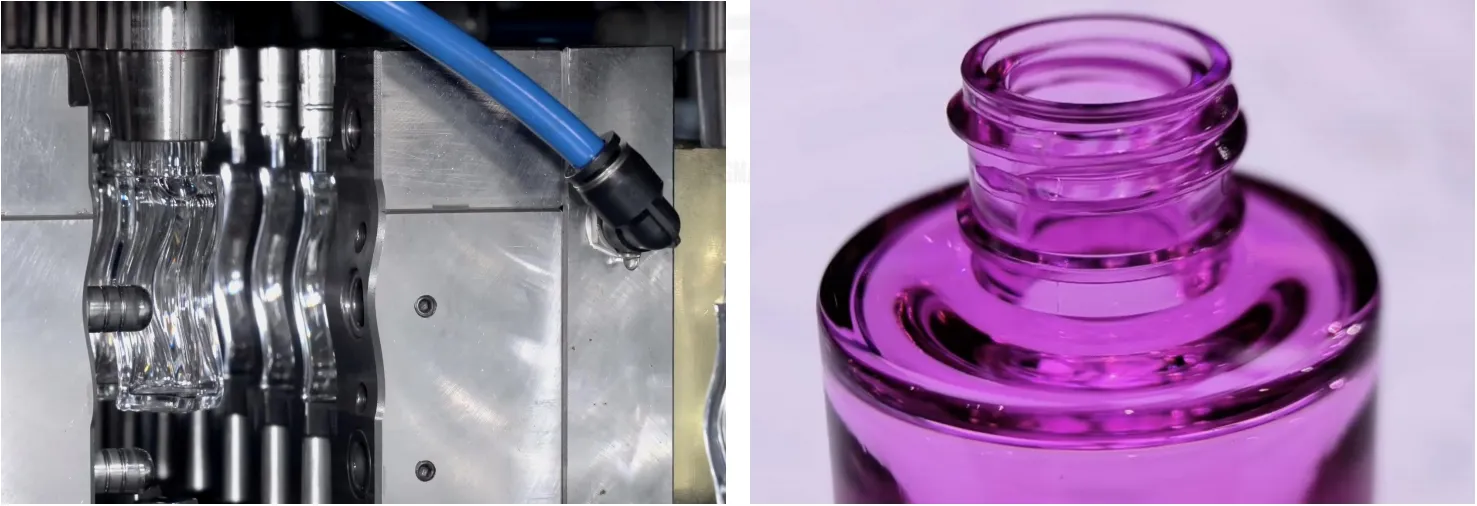
Precision Stretching and Wall Thickness Distribution
Wall thickness distribution is arguably the most technically demanding aspect of the injection stretch blow molding process. A bottle that looks dimensionally acceptable on the outside may conceal stress concentration zones caused by uneven material distribution—zones that become points of failure under drop impact, carbonation pressure, or thermal stress in hot-fill applications.
Servo-driven stretch rods address this directly through programmable velocity segmentation. The rod’s velocity profile can be configured as a multi-stage curve: slower initial engagement to manage preform neck crystallinity, a rapid mid-stroke acceleration to optimize biaxial orientation, and a controlled deceleration to prevent base material thinning. Each parameter is stored as a recipe and recalled instantly during product changeovers.
In multi-cavity configurations—common in production of 0.25L to 0.5L PET bottles—servo control ensures that all cavities execute identical motion profiles simultaneously. There is no hydraulic flow splitting variability between cavities, which is a persistent challenge in conventional ISBM systems and a primary driver of inter-cavity quality deviation.
For light-weighting projects—reducing PET material content by 3–8% while maintaining structural integrity—precise servo-controlled stretching is often the enabling technology. The ability to push material to the absolute minimum wall thickness without creating risk zones depends entirely on the repeatability and programmability that servo drives provide.
Multi-Stage Velocity Profile
Configure distinct speed zones across the stretch stroke—engagement speed, orientation speed, and terminal deceleration—each independently optimized per bottle design and resin grade for maximum material property development.
Inter-Cavity Uniformity
Servo systems eliminate hydraulic flow-splitting variability between cavities, ensuring all bottles in a multi-cavity shot receive identical stretching treatment—critical for statistical process control certification and downstream filling line compatibility.
Recipe-Based Changeover
Complete product changeovers—including stretch parameters, blow pressure timing, and mold temperatures—are stored as named recipes. Operators switch between bottle types in minutes with zero mechanical adjustment to the stretch assembly.
Light-Weighting Capability
Servo precision enables PET material reductions of 3–8% while maintaining structural specifications, delivering ongoing raw material cost savings that compound over the machine’s operational lifetime.
Cycle Time Optimization Through Servo Control
The cycle time of any ISBM machine is the sum of multiple sequential and partially overlapping operations: injection, conditioning, stretch-blow, ejection, and transfer. In hydraulic machines, the stretch station’s acceleration and deceleration ramps are governed by valve flow rates and fluid viscosity—both inherently sluggish compared to servo motor response times.
Servo motors achieve rated speed within milliseconds and can begin deceleration immediately upon receiving a position signal. This eliminates the “hydraulic lag” that typically adds 80–200 milliseconds to each stretch cycle. At a production rate of 4,000 bottles per hour, recovering 100ms per cycle represents approximately 400 additional bottles per hour—a significant output increase with zero changes to tooling, resin, or quality specifications.
Furthermore, because servo motion profiles can be overlapped with upstream and downstream operations (injection fill completion, blow air timing), experienced process engineers can further compress cycle time by optimizing the interlock logic between all servo axes—something impossible in fixed-sequence hydraulic architectures.
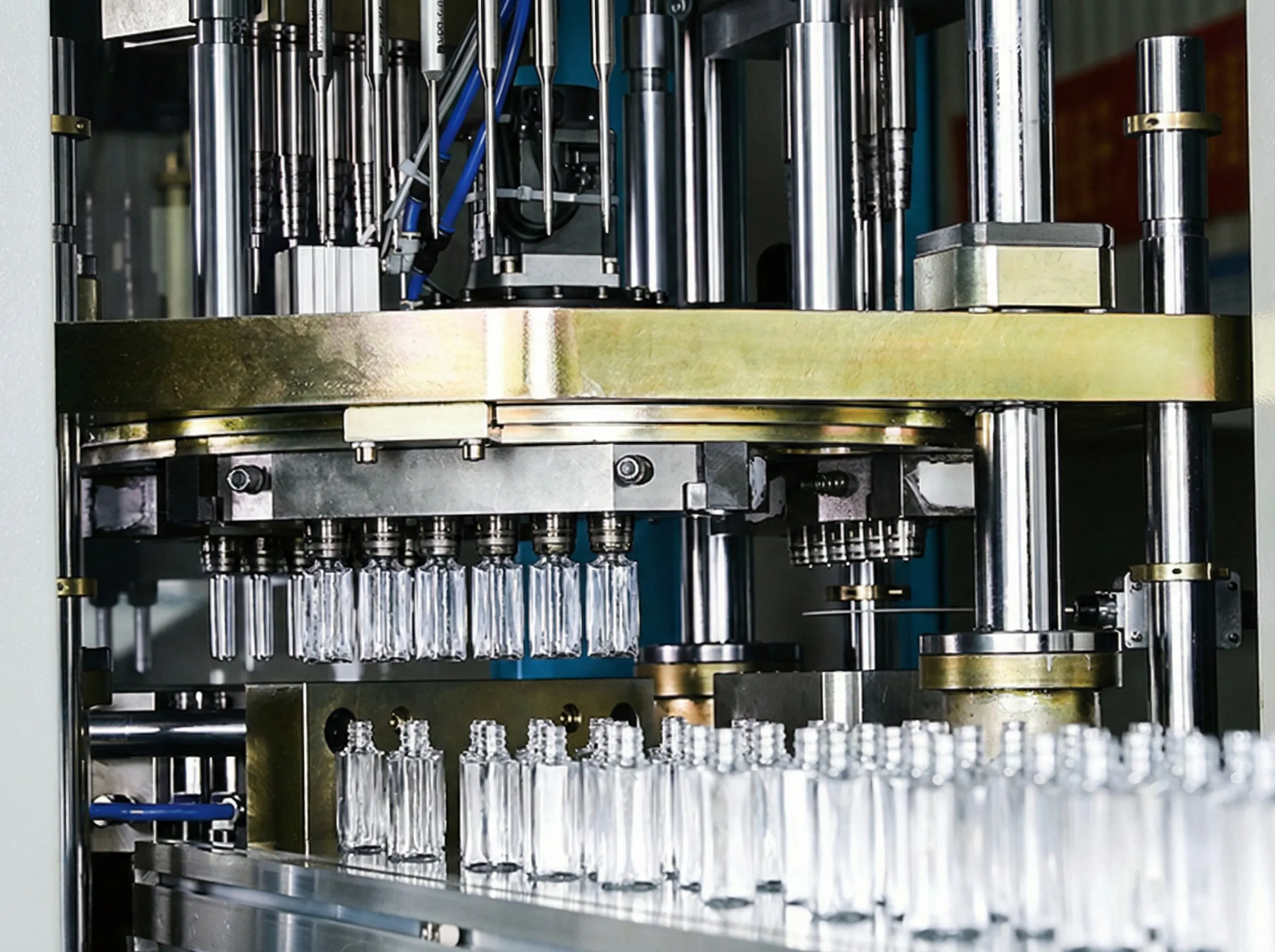
Understanding the Injection Stretch Blow Molding Process End-to-End
To fully appreciate where servo-driven stretching creates value, it is useful to map the complete injection stretch blow molding process and identify the touch points at which servo control applies.
Injection
PET resin is injected into preform cavities at controlled temperature, pressure, and fill speed. Servo injection units deliver precise shot weight repeatability.
Kondicioniranje
Preforms are temperature-conditioned to the optimal stretch window (90–110°C for PET). Uniform conditioning enables consistent biaxial orientation throughout the bottle.
Servo Stretching ★
Key servo zone. The stretch rod extends axially at a programmable velocity profile, orienting PET molecules along the bottle’s length before blow air expansion.
Blow Molding
High-pressure blow air (25–40 bar) expands the pre-stretched preform against the mold cavity walls, completing biaxial molecular orientation and final bottle geometry.
Izmet
Finished bottles are ejected, cooled, and transferred to downstream filling or labeling lines. Servo ejection minimizes transfer shock and cosmetic surface damage.
Process Integration Note: In a fully servo-controlled ISBM platform, the injection unit, conditioning station, stretch-blow station, and ejection mechanism all operate under coordinated servo control. This full-servo architecture enables motion overlap, reduces mechanical shock between stations, and provides a unified data stream for quality management systems—representing a meaningful competitive advantage over partial or hybrid servo implementations.
Servo vs. Hydraulic ISBM: Head-to-Head Comparison
A structured comparison across eight critical performance parameters to support objective equipment evaluation by procurement and engineering teams.
| Parameter | ✅ Servo-Driven ISBM | Hydraulic ISBM |
|---|---|---|
| Energy Consumption | 30–50% lower per unit produced | Continuous pump; high baseline draw |
| Stretch Repeatability | ±0.02mm positional accuracy | ±0.15–0.30mm; valve-dependent |
| Motion Profile | Fully programmable, multi-segment | Fixed valve-controlled; limited |
| Response Time | <5ms to rated speed | 80–200ms hydraulic lag |
| Contamination Risk | None (oil-free mechanism) | Seal failure = contamination risk |
| Maintenance Interval | 10,000+ hours MTBF | 2,000–4,000 hours (oil/seal) |
| Data Integration | Native OPC-UA / Ethernet/IP | Requires add-on sensors |
| Changeover Speed | Recipe recall: <5 minutes | Manual valve adjust: 20–60 min |
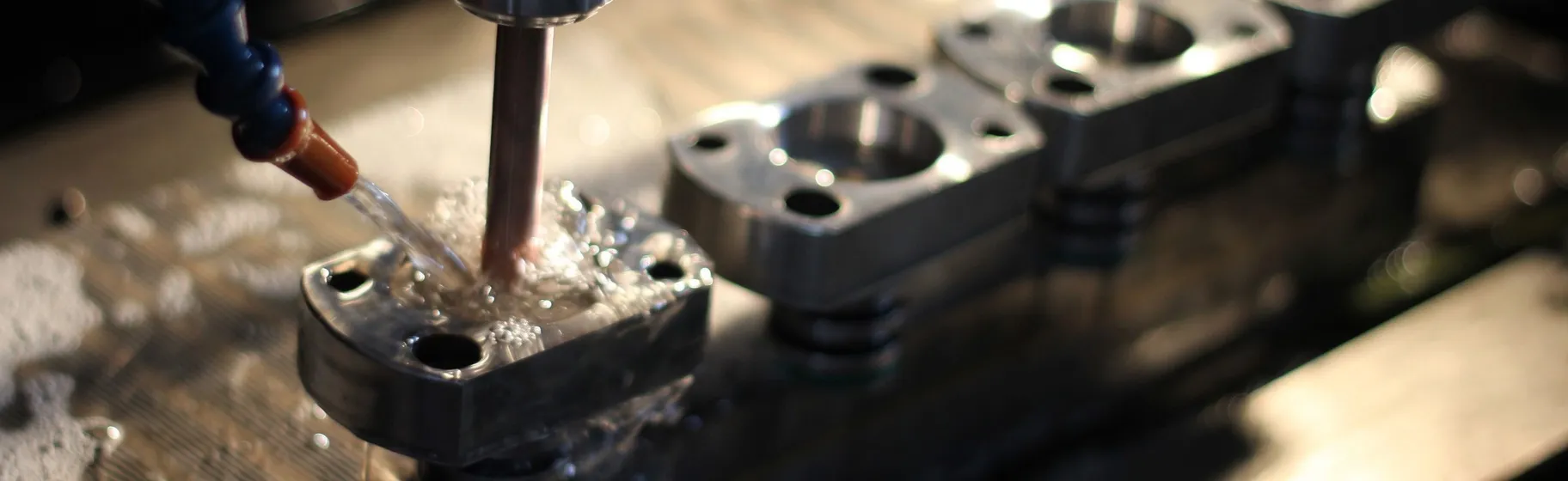
Modernizing Legacy Lines: Replacement of Aoki Injection Stretch Blow Molding Machines
Many beverage and packaging manufacturers worldwide are running Aoki-branded ISBM equipment installed 10–20 years ago. These machines have served reliably, but increasingly face two compounding pressures: escalating hydraulic maintenance costs as seals and pump assemblies age, and an inability to meet the efficiency, traceability, and changeover speed demands of modern FMCG supply chains.
The replacement of Aoki injection stretch blow molding machines with modern servo-driven alternatives is a well-established upgrade pathway—one that preserves existing mold investments in many cases (subject to interface compatibility review) while delivering the full performance portfolio of current servo technology. Manufacturers considering this transition should evaluate both machine-level specifications and supplier support capabilities, particularly local technical service availability and spare parts logistics.
When assessing injection stretch blow molding machine manufacturers for replacement projects, look beyond nameplate specifications to validated reference installations in comparable production environments, structured commissioning programs, and documented remote diagnostics capabilities—all of which directly influence transition risk and time-to-production-stability.
Selecting Your ISBM Equipment Partner
Six criteria that differentiate capable long-term partners from commodity machine suppliers in the global ISBM market.
Manufacturing Depth
Evaluate whether the supplier manufactures core servo components in-house or integrates off-the-shelf drives. In-house servo expertise directly correlates with customization capability and field support quality. As a committed proizvajalec strojev ISBM, Ever-Power maintains full servo integration capability across its complete product range.
Reference Installations
Request auditable references from comparable production environments—same resin type, similar bottle geometry, matching throughput targets. Reference site visits provide insight into machine longevity, maintenance reality, and operator experience that specification sheets cannot convey.
After-Sales Infrastructure
Confirm local or regional service engineer availability, remote diagnostics capability, and documented spare parts shipping times. Production downtime costs typically dwarf equipment price differences—after-sales responsiveness is a primary total-cost-of-ownership variable for any capital machinery decision.
Process Validation Support
For food-grade and pharmaceutical applications, suppliers should provide IQ/OQ/PQ validation documentation support, material contact compliance certificates (FDA 21 CFR, EU Regulation 10/2011), and traceable calibration records for all servo motion axes.
Export Track Record
A reliable dobavitelj strojev za brizganje kalupov isbm should demonstrate documented experience with international installation projects, including customs documentation management, sea freight packaging standards, and pre-installation site preparation guidance for overseas customers.
Technology Roadmap
Evaluate whether the supplier’s development roadmap aligns with your operational trajectory—Industry 4.0 connectivity, rPET processing capability, hot-fill optimization, and multi-layer bottle production are areas where leading ISBM manufacturers are actively investing through 2025–2027.
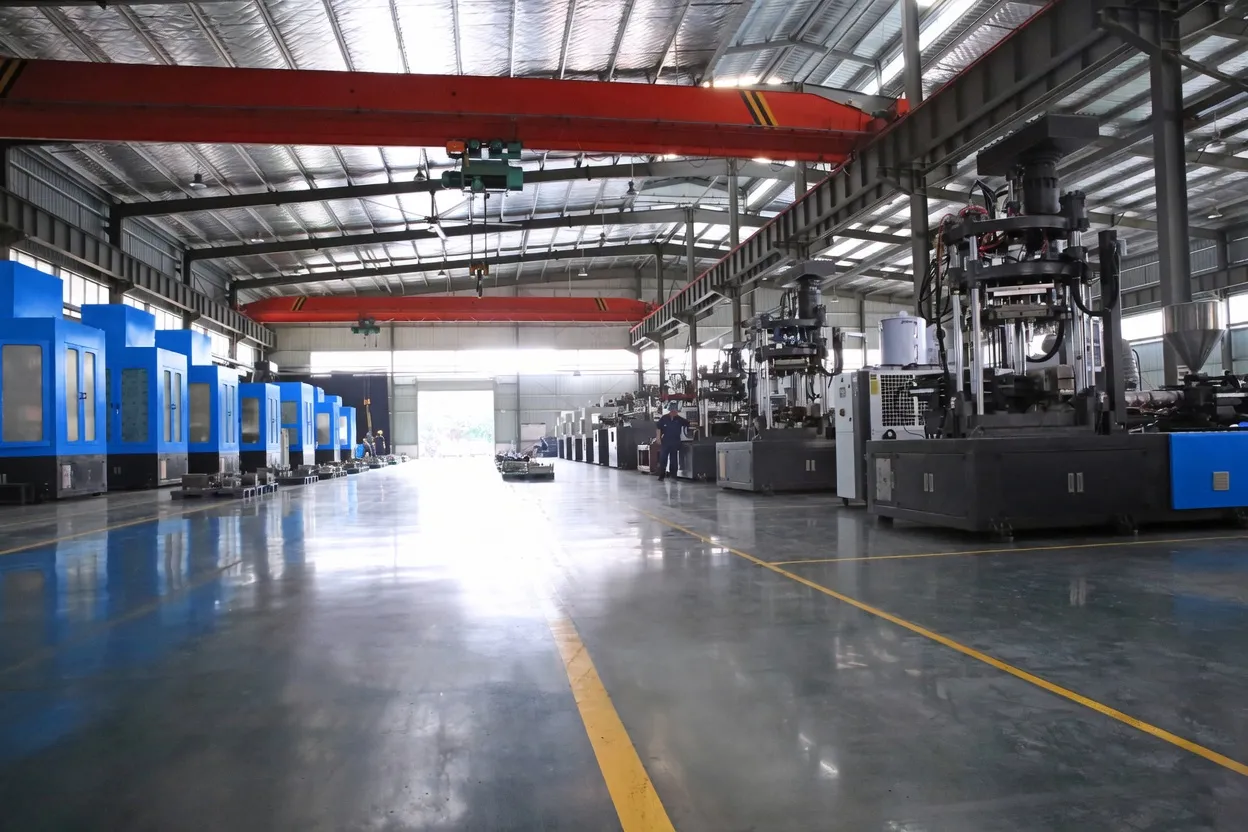
The Ever-Power Commitment
Ever-Power has built its reputation as a trusted partner for packaging manufacturers across more than 60 countries. Our servo-driven ISBM machines are engineered for 24/7 production environments, with each unit factory-tested under full production load before shipment. We combine in-house servo motor integration, proprietary PLC architecture, and a global after-sales network to deliver machines that perform on production floors, three shifts a day.
Whether you are expanding an existing line, replacing aging hydraulic equipment, or establishing greenfield bottle production capacity, our engineering team provides application-specific consultation from initial inquiry through to operator training and post-commissioning performance verification.
Our ISBM Machine Products
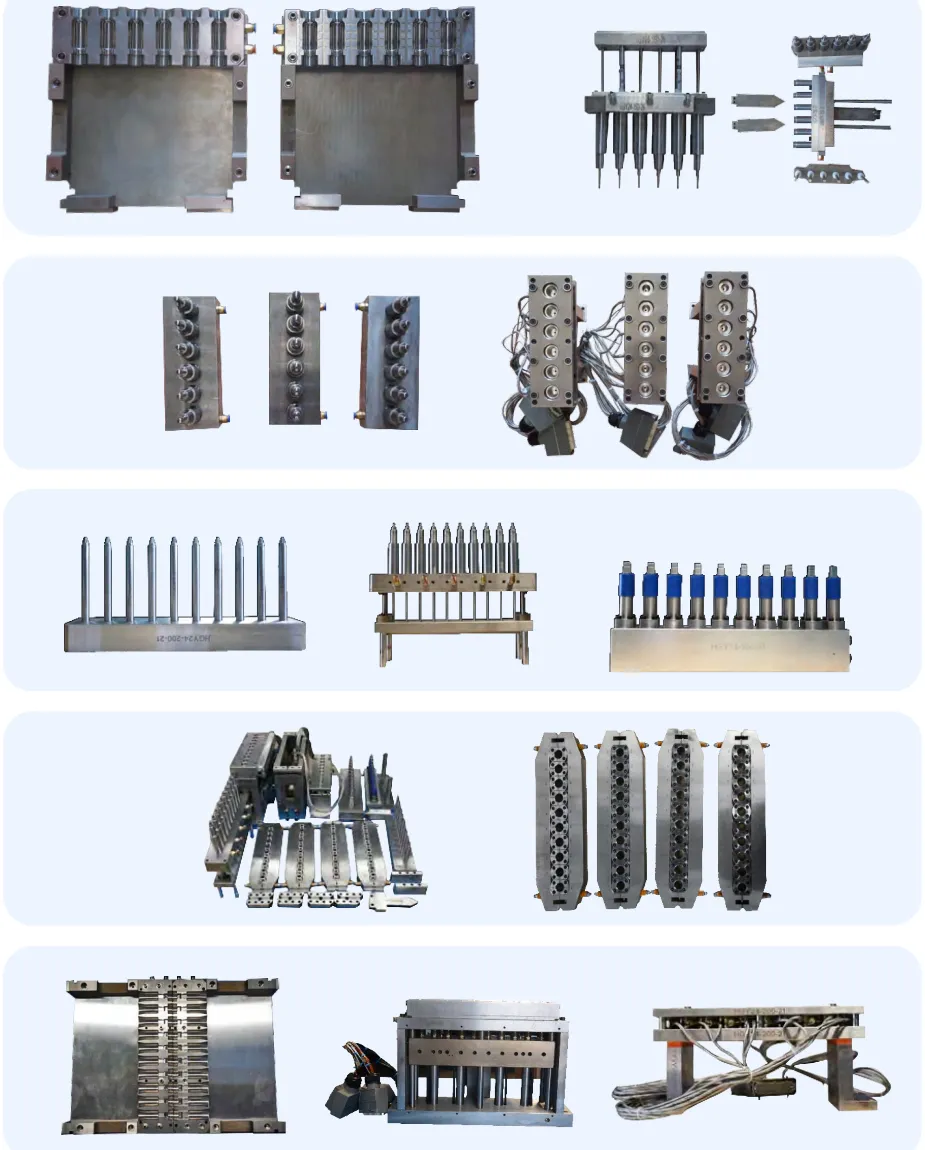
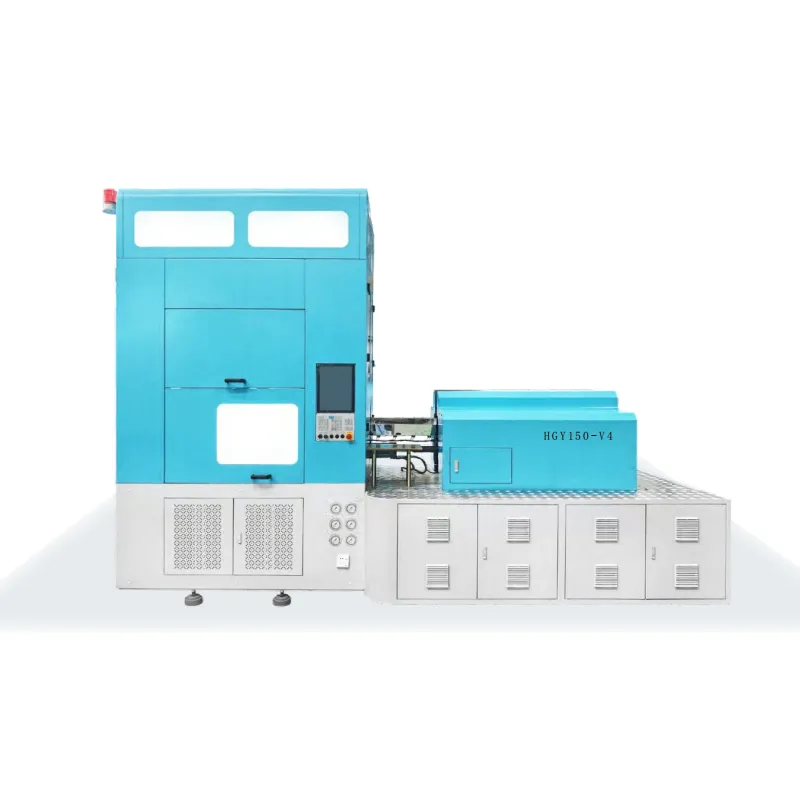
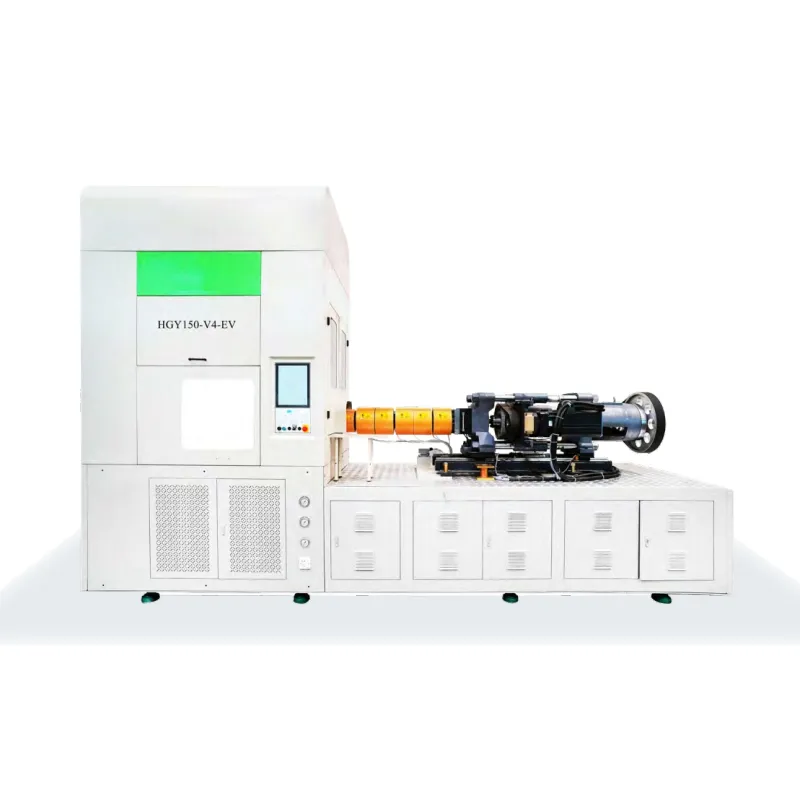
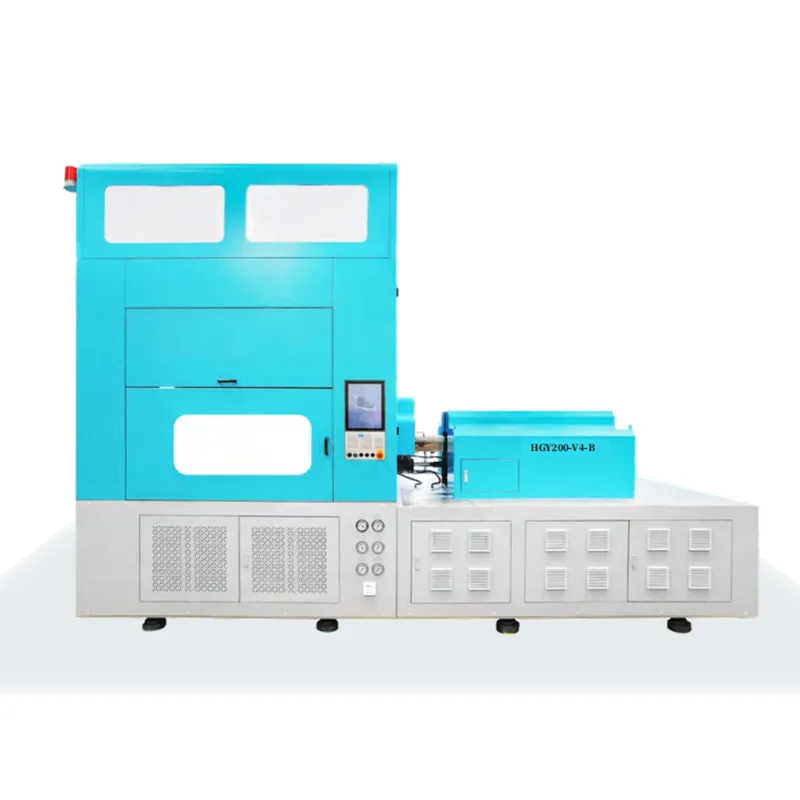
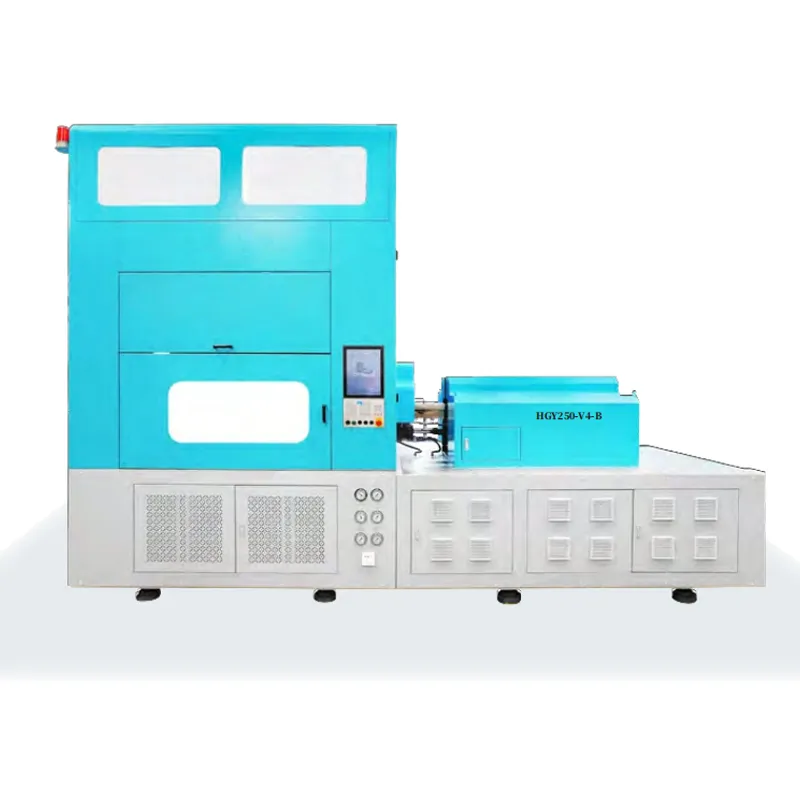
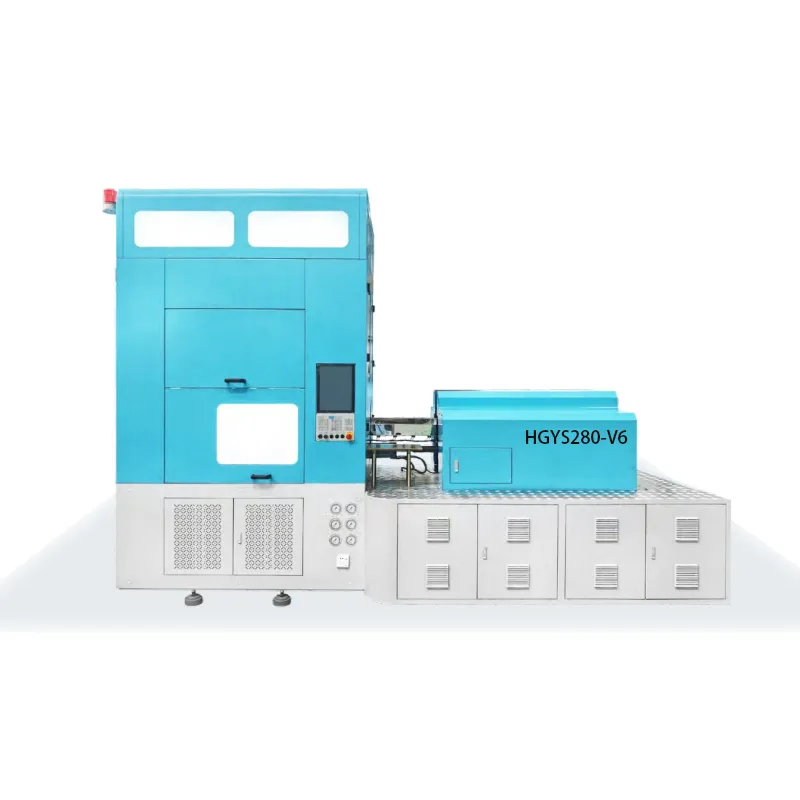
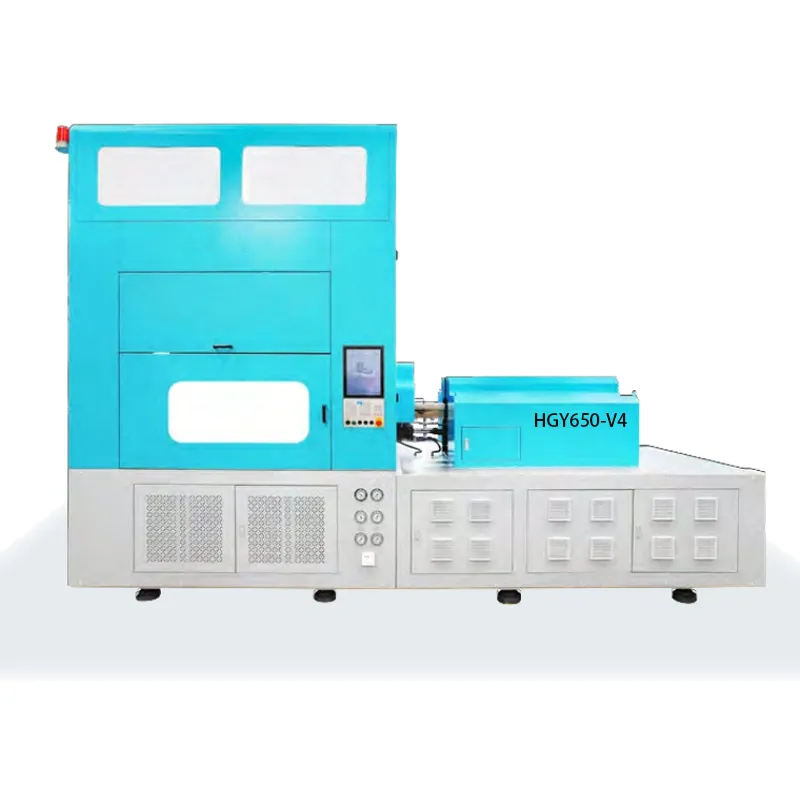
Ever-Power’s current ISBM machine portfolio spans compact four-station platforms for specialty bottle production through to high-output six-station configurations for mainstream beverage packaging. All models feature servo-driven core mechanisms, proprietary PLC control with intuitive touchscreen HMI, and are offered with our comprehensive global after-sales program. Each unit is individually factory-tested before shipment and supplied with full technical documentation packages. Browse our current isbm machine for sale offerings below to find the configuration best matched to your production requirements, output targets, and bottle geometry specifications.
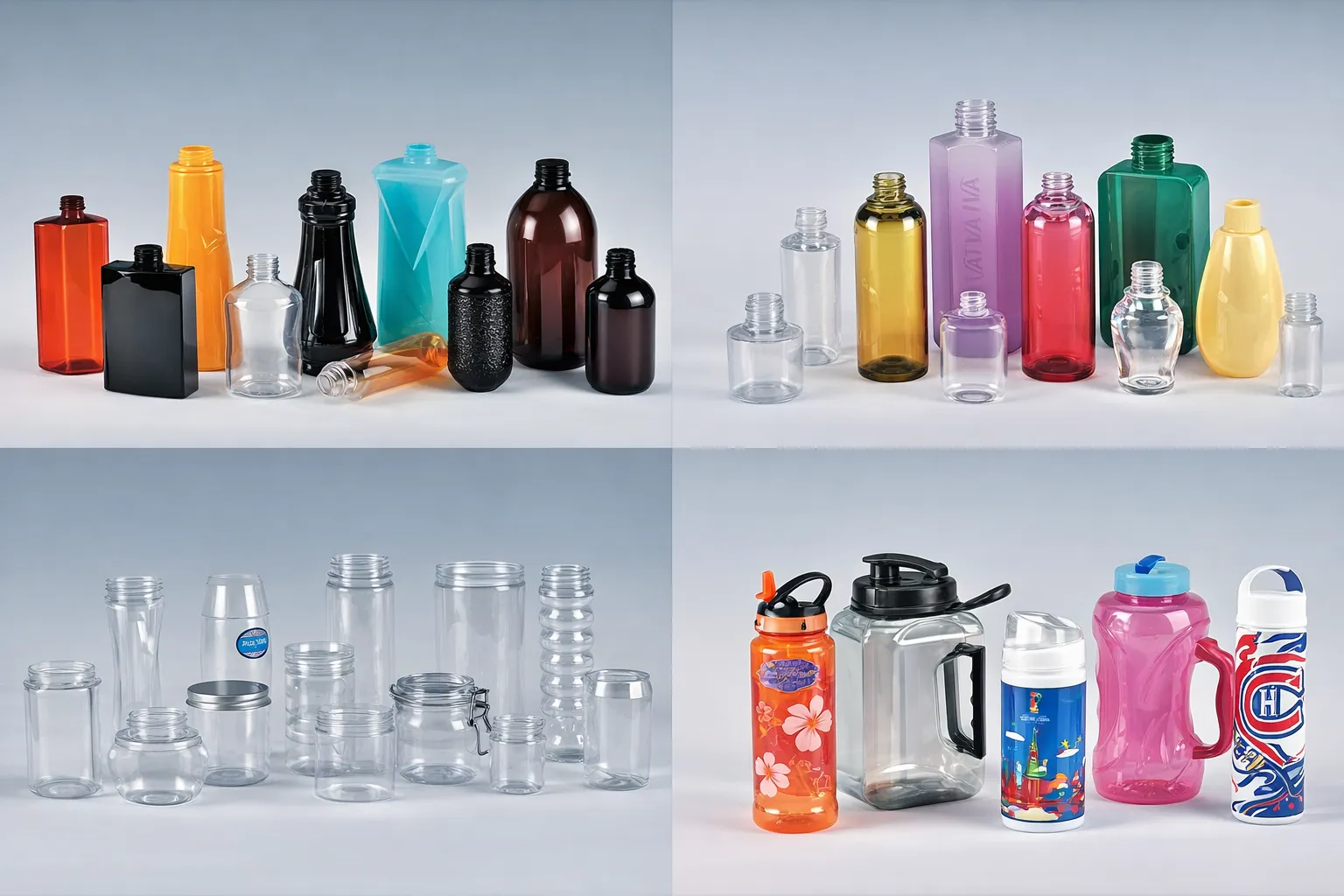
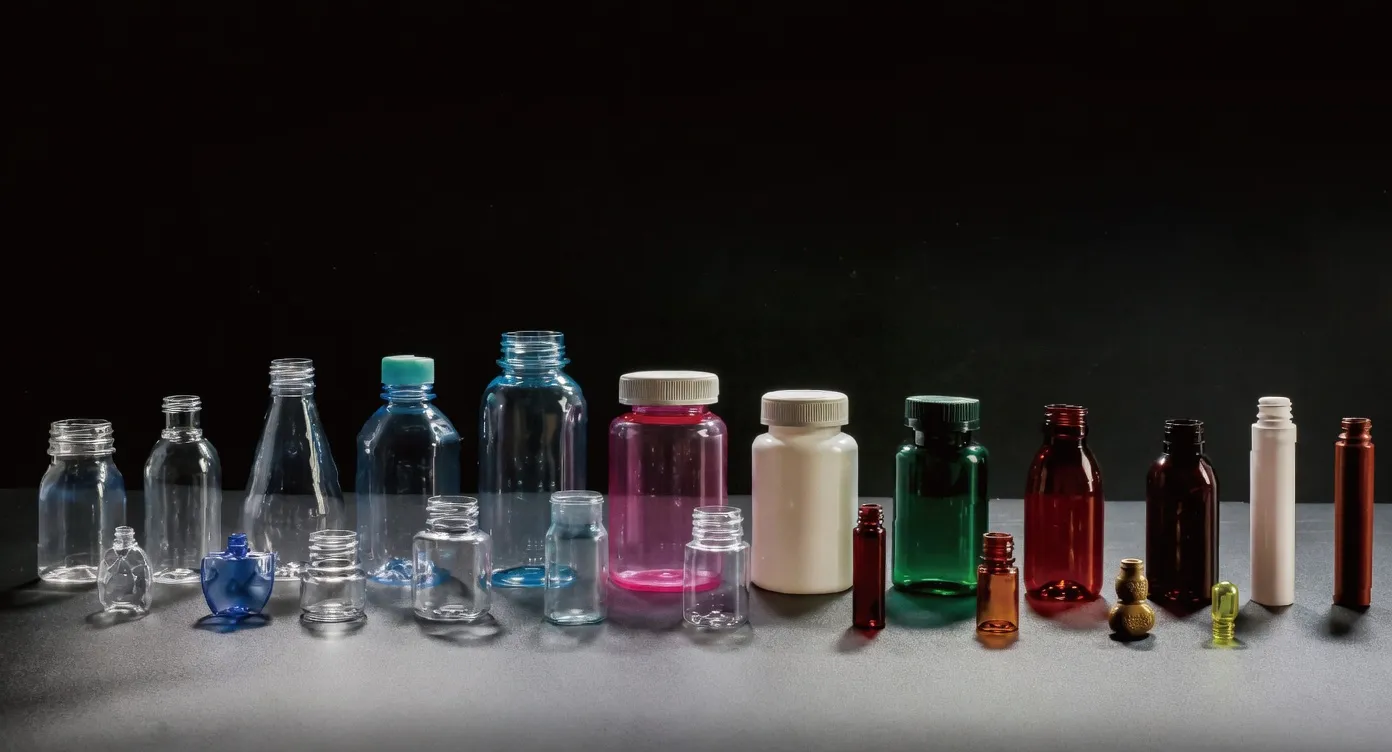
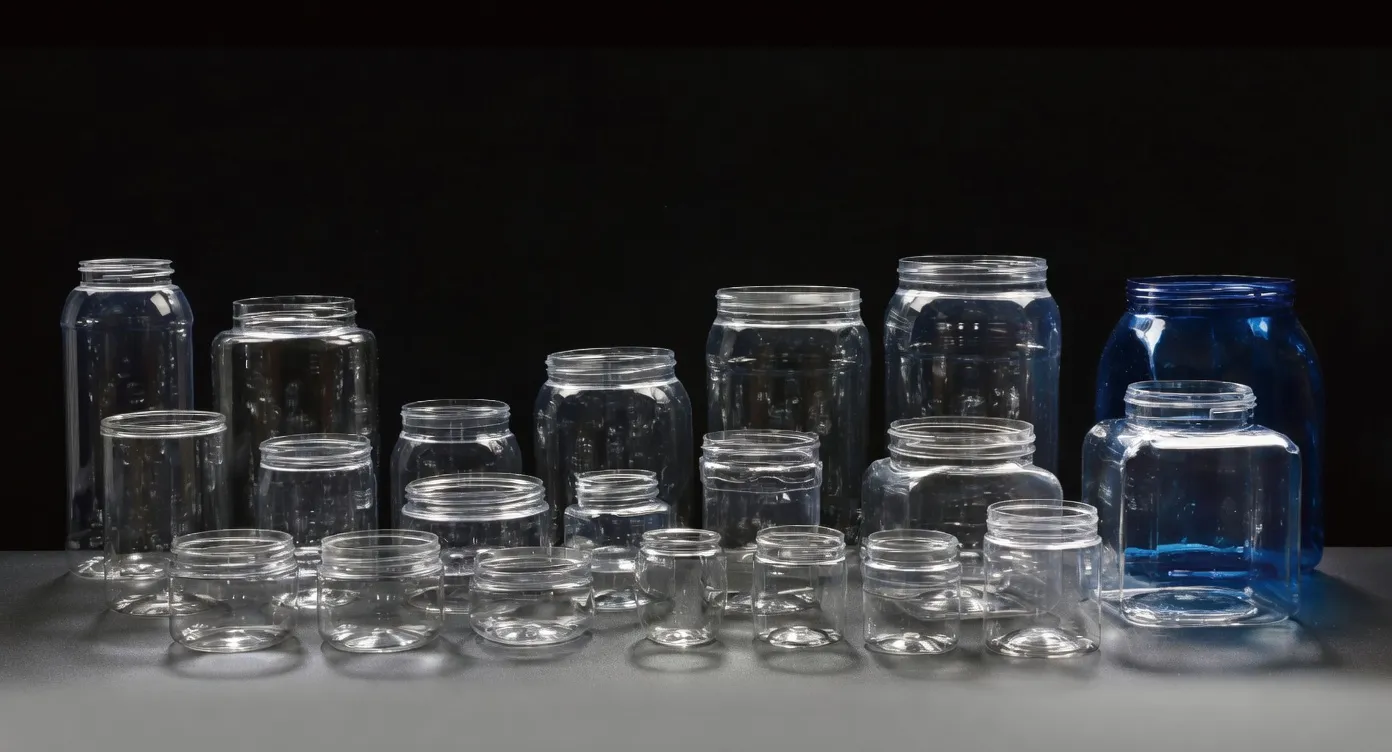
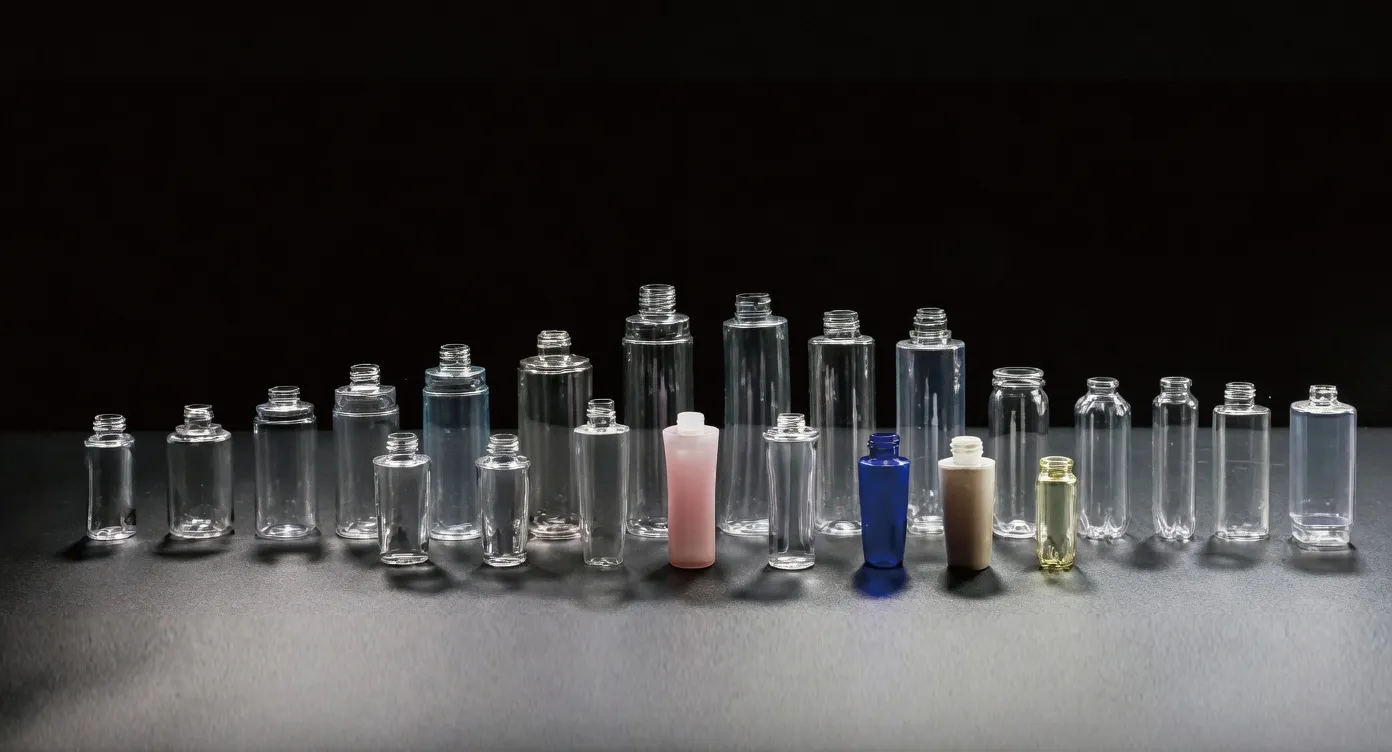
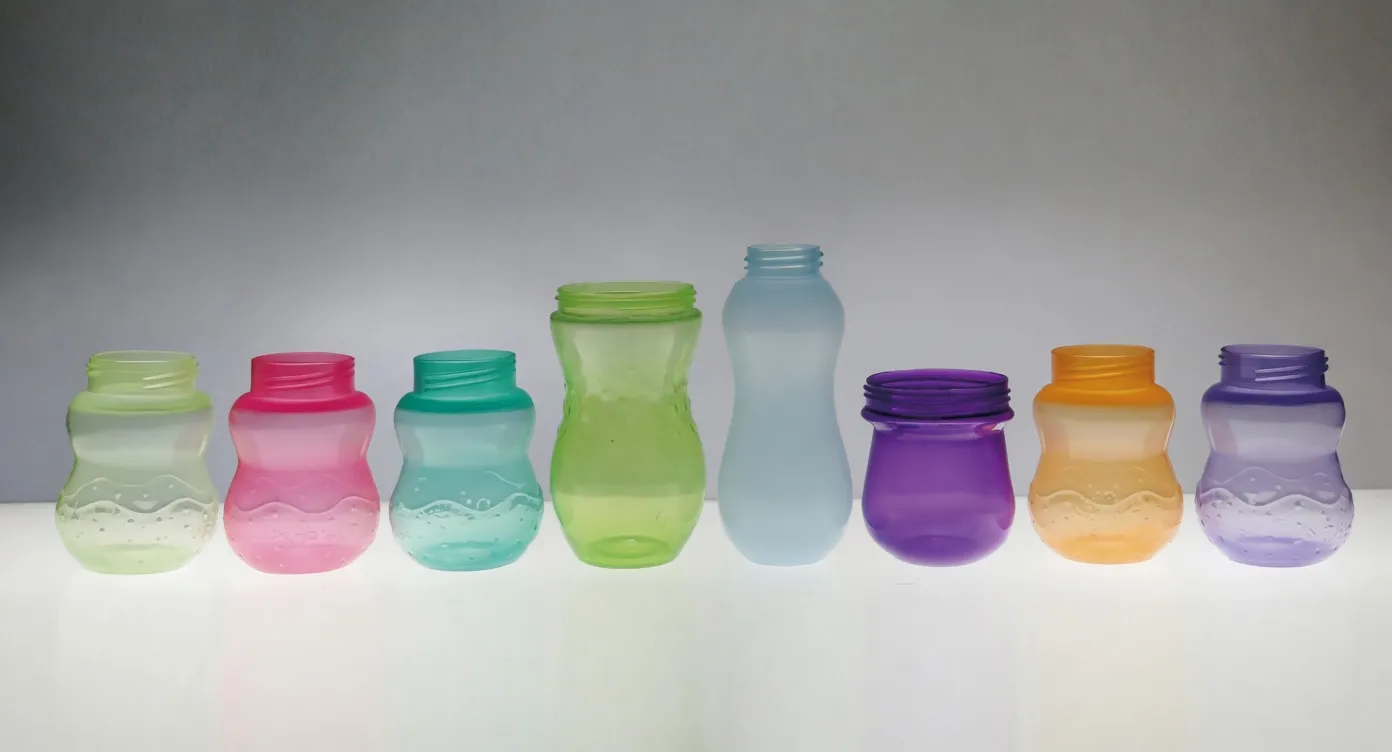
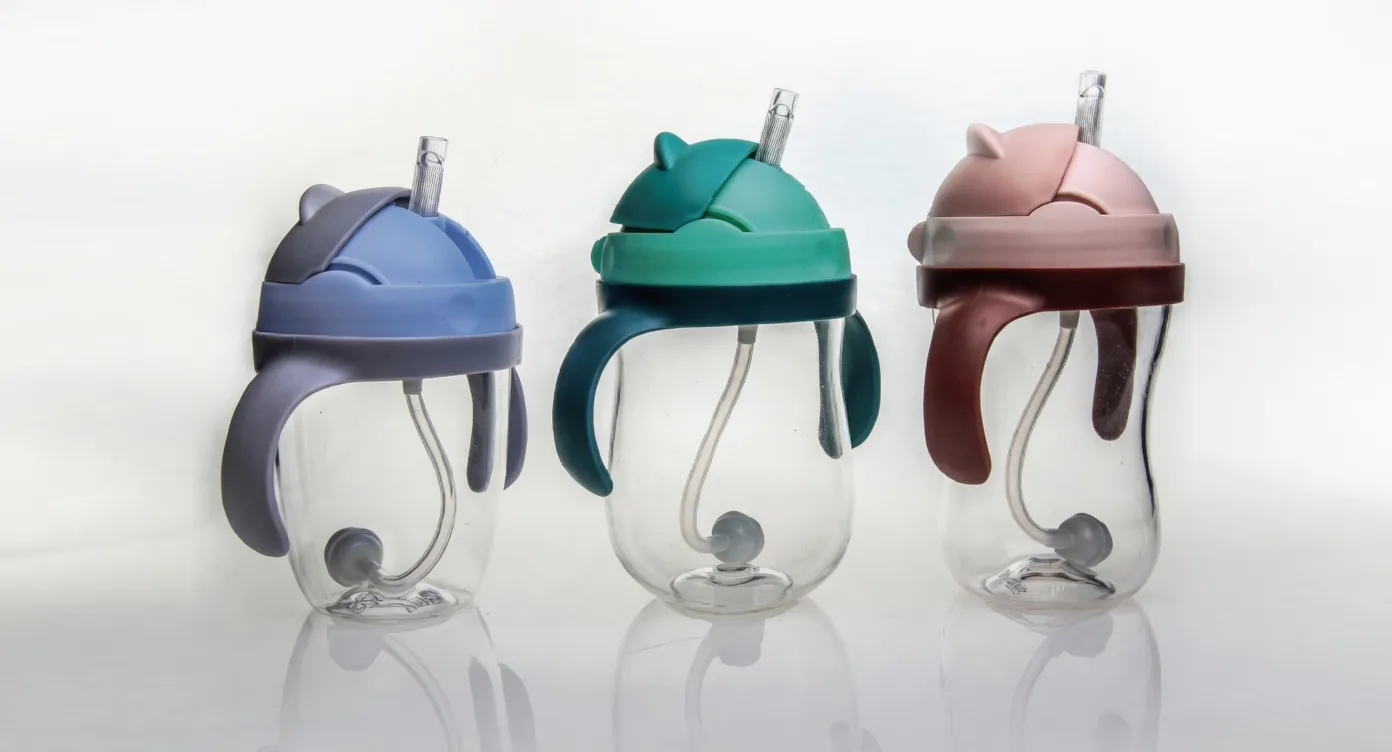
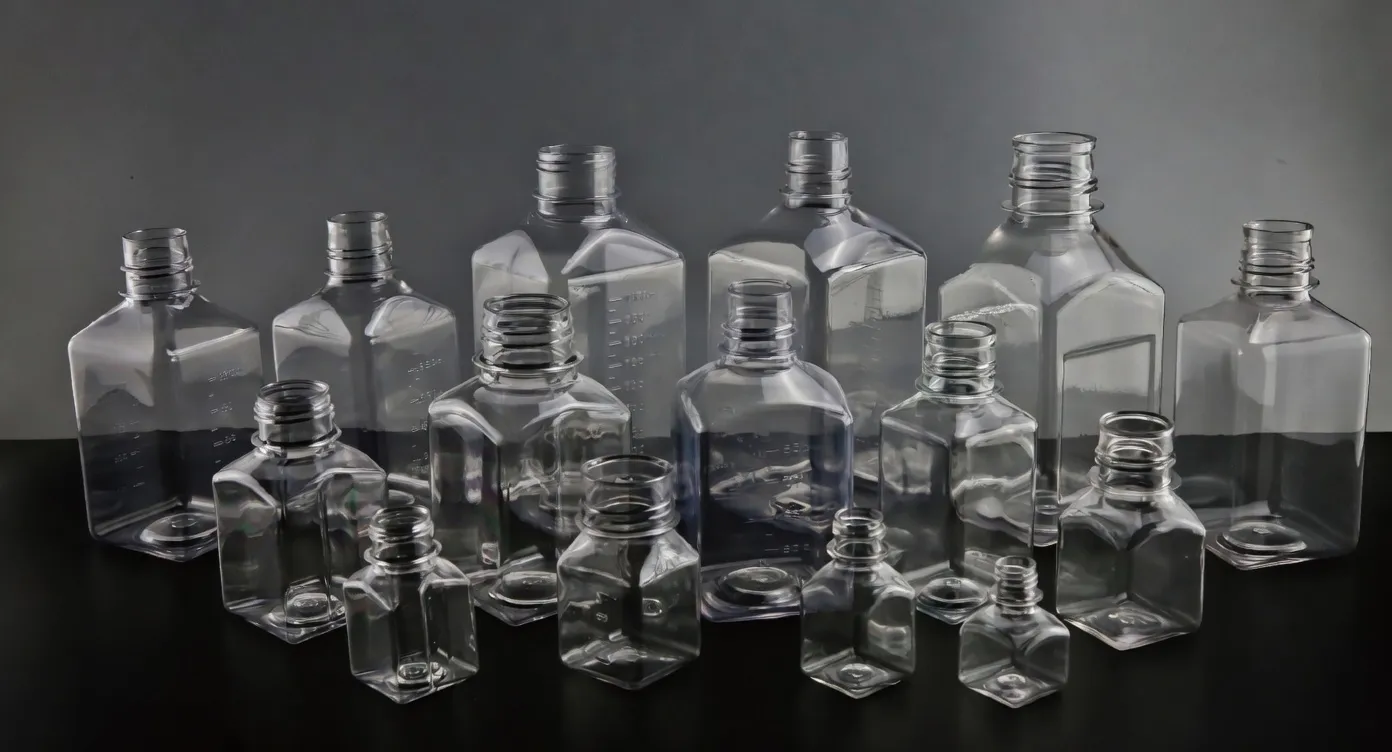
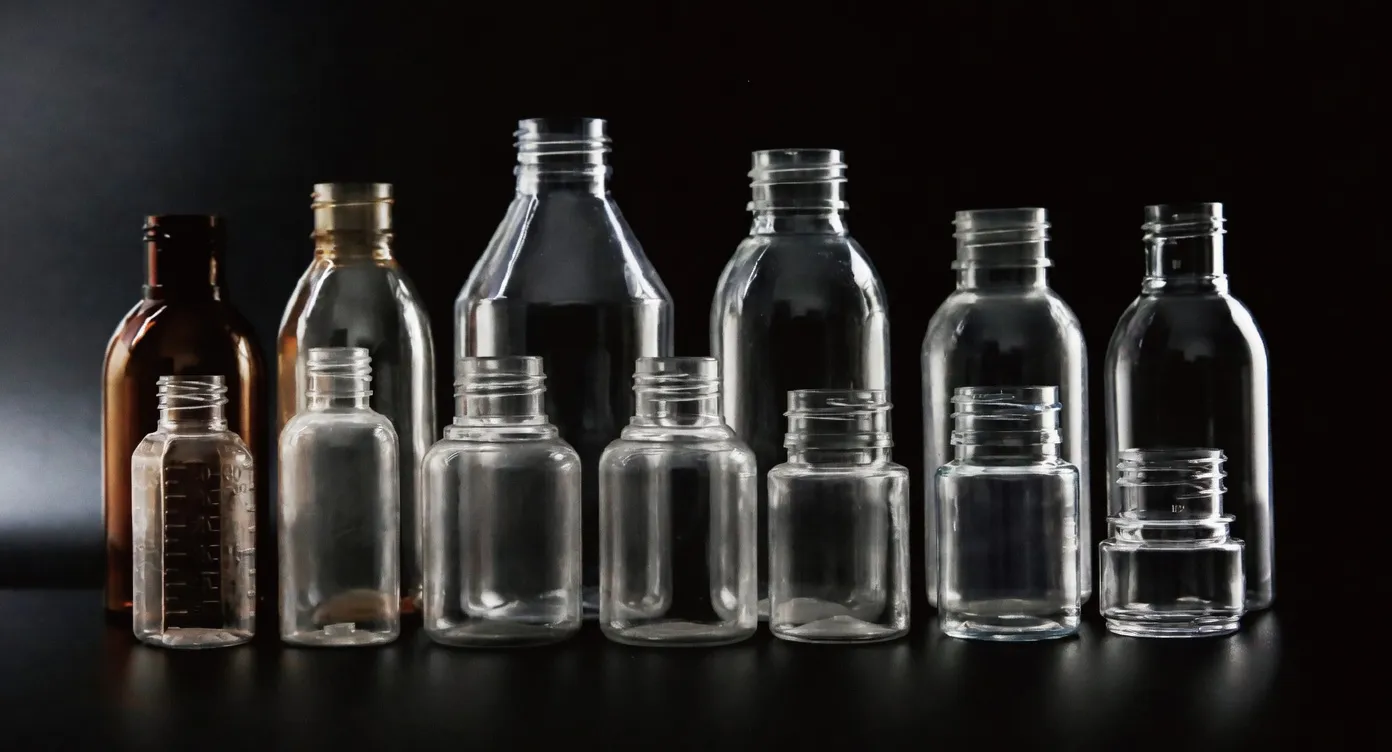
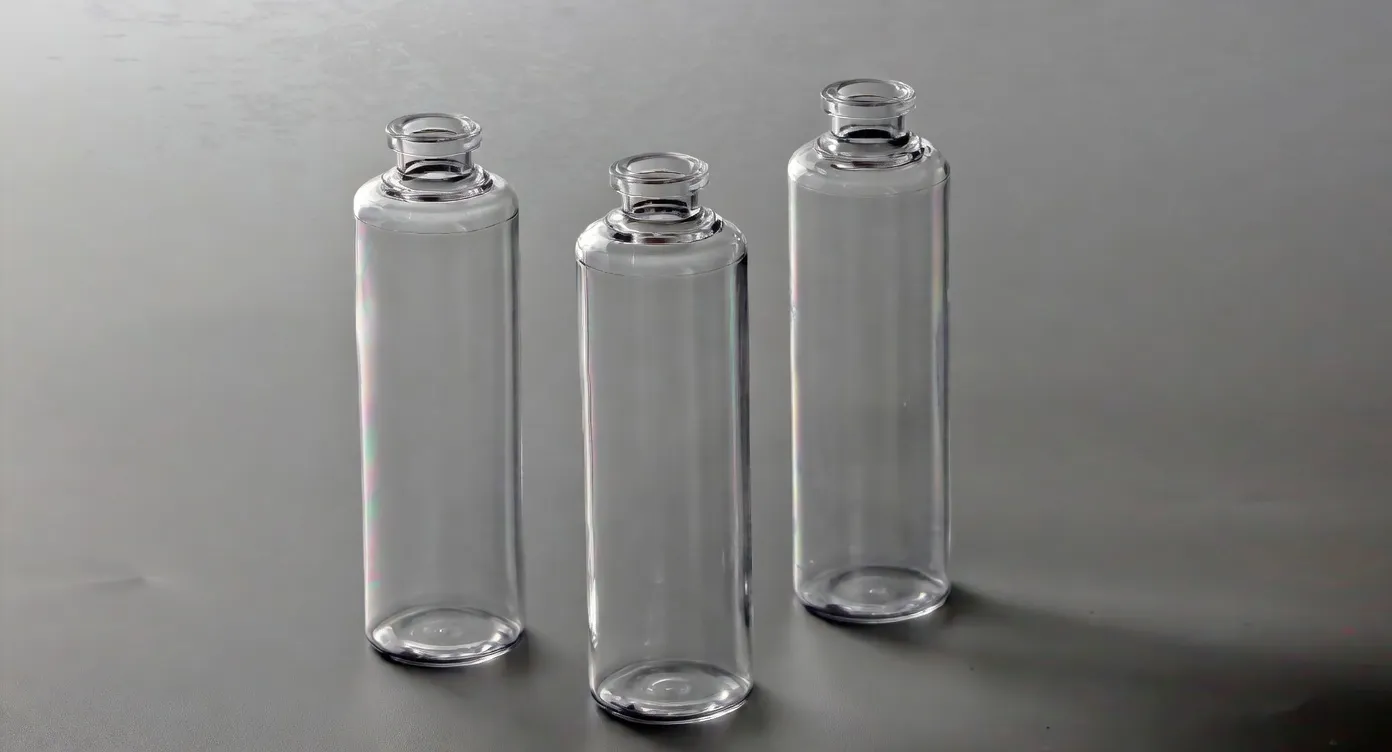
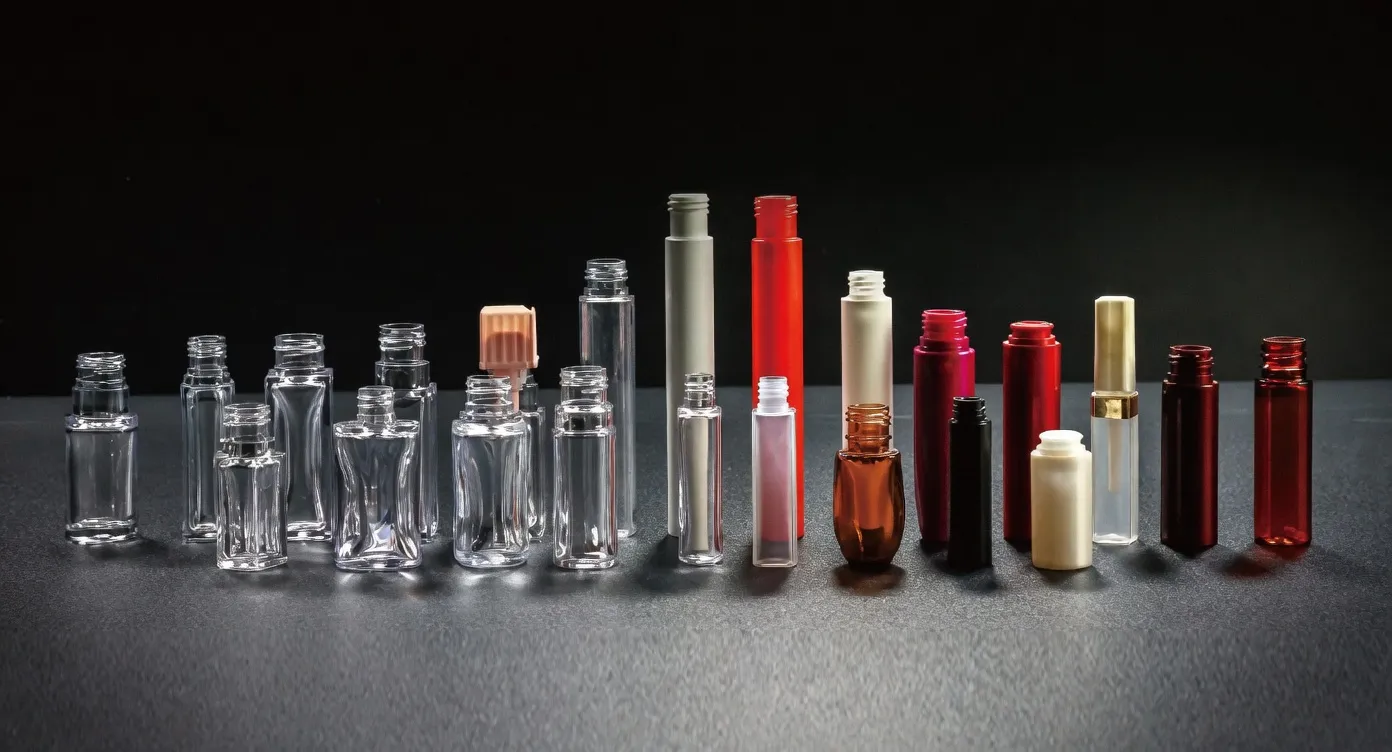
Bottle Sample Gallery
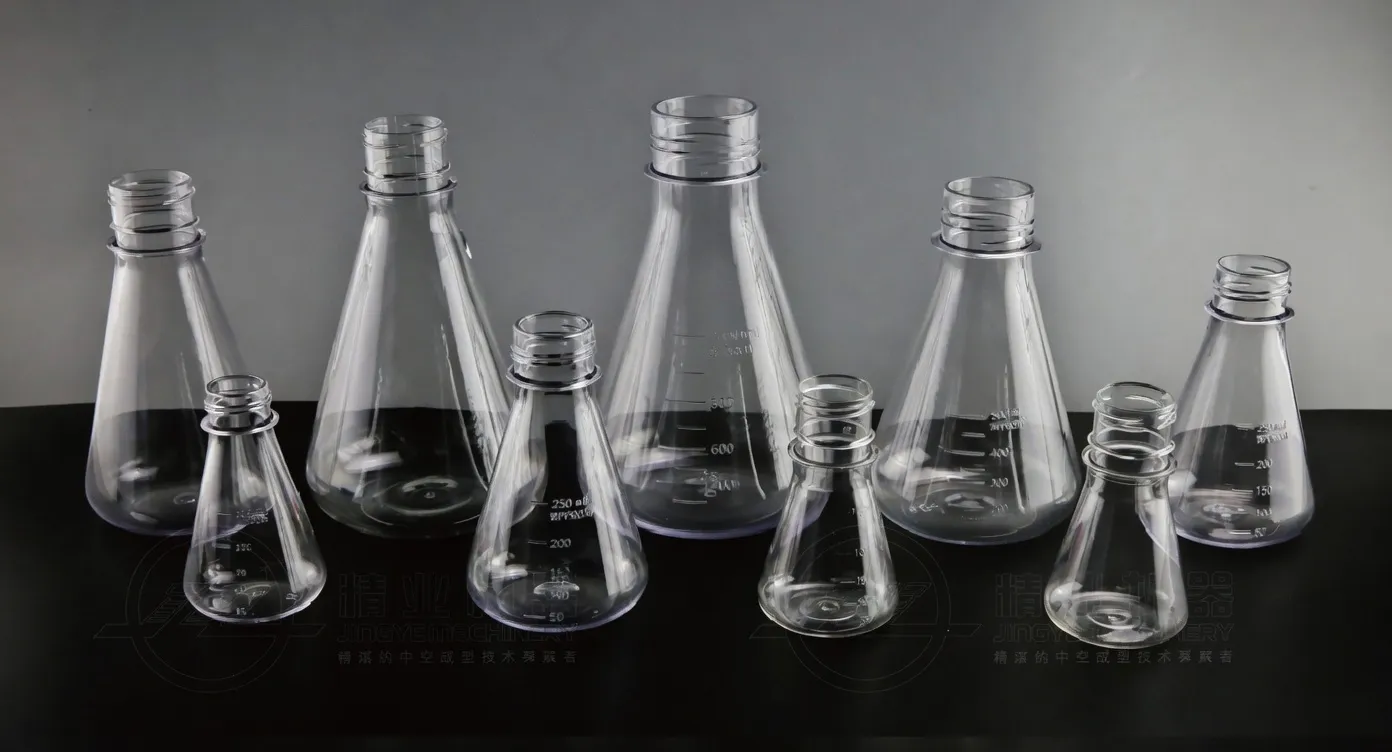
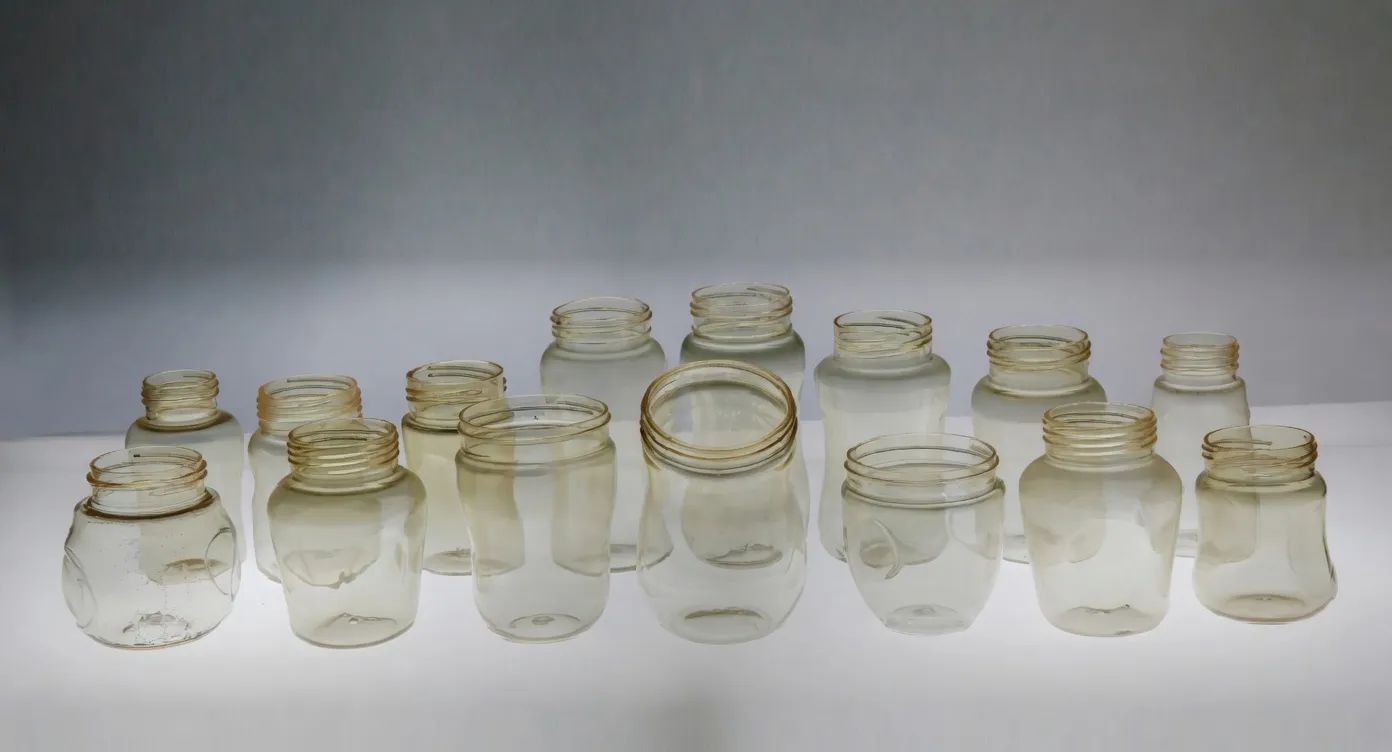
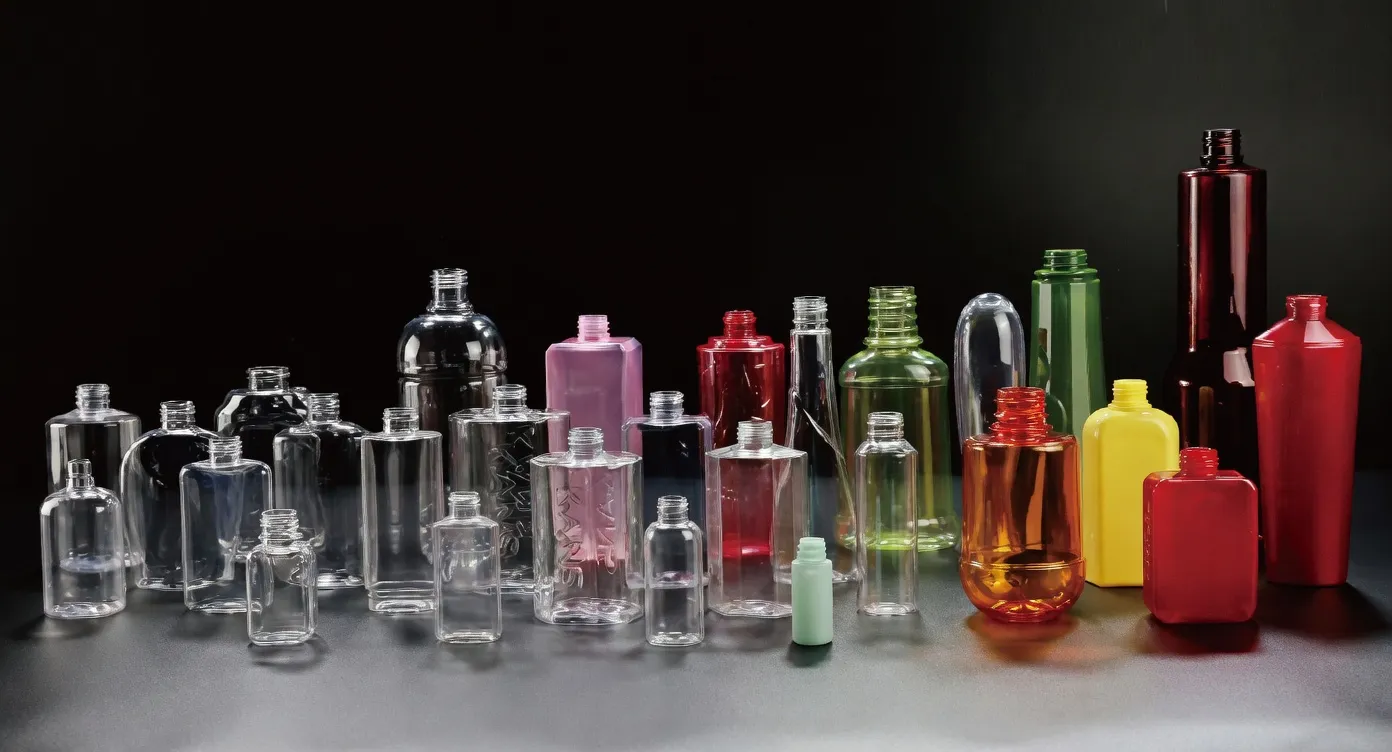
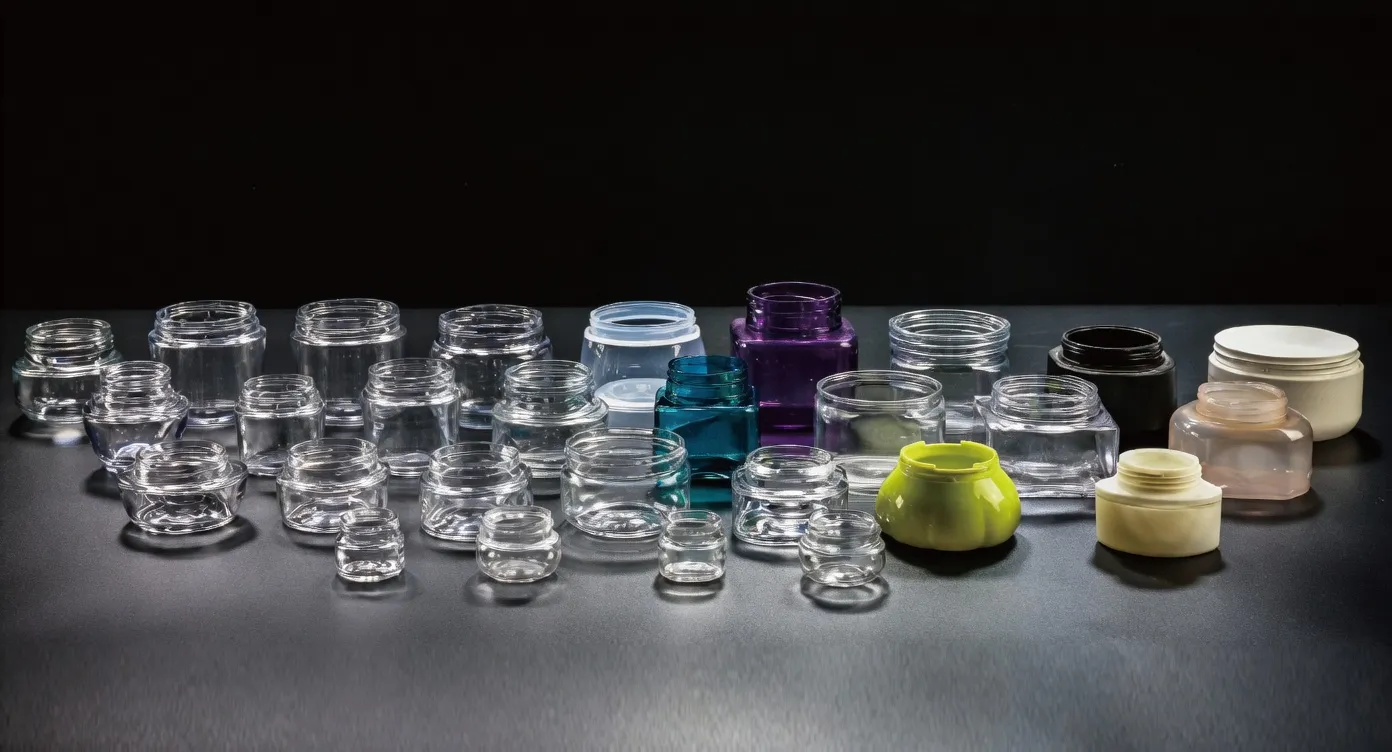
A representative selection of bottle geometries produced on Ever-Power ISBM machines—from 30mL cosmetic vials to 2L beverage containers, spanning PET, PP, and specialty resin grades.




Kaj pravijo naše stranke
Real feedback from packaging manufacturers across six continents who have deployed Ever-Power servo-driven ISBM machines in demanding production environments.
We replaced two aging hydraulic ISBM lines with Ever-Power servo models and immediately recorded a 38% reduction in electricity consumption. Wall thickness consistency on our 0.5L water bottles improved to levels previously unachievable. After 14 months of continuous operation, not a single unplanned stoppage. The build quality and process stability are genuinely impressive and have exceeded our initial expectations.
The after-sales support from Ever-Power has been outstanding throughout our experience. When we had a parameter query during ramp-up, their engineer connected remotely within two hours and guided our team through servo recipe optimization step by step. Delivery arrived on schedule and the machine came in perfect condition. We are already planning a second unit for our new facility expansion in Pune.
We produce cosmetic bottles for US and Canadian export where dimensional accuracy is non-negotiable for filling line compatibility. The EP-HGYS150-V4-EV has delivered bottle-to-bottle consistency that eliminated all downstream jamming issues we previously experienced. Product changeover between bottle types takes under four minutes. ROI has materialized faster than our original 24-month projection.
In our climate, hydraulic oil degradation was a constant maintenance challenge—viscosity changes with ambient temperature caused stretching inconsistencies throughout summer months. The all-electric servo system from Ever-Power performs identically at 18°C and 42°C ambient. Machine stability in our conditions is exceptional. Their team visited our facility both before the sale and after installation—professional at every stage.
I evaluated seven ISBM suppliers over six months. Ever-Power stood out for the clarity and completeness of their technical documentation, factory audit accessibility, and straightforward commercial terms. Machines have now run eight months with availability above 98.5%. Energy reporting data integrates cleanly with our sustainability dashboard—exactly what we needed for EU ESG compliance reporting requirements.
Japanese quality standards in bottle production are demanding. We were initially cautious about adopting a Chinese-manufactured ISBM system, but the EP-HGYS200-V4-B has exceeded expectations in every category. Servo motion profiles are programmable to a granularity our process engineers genuinely appreciate. Wall thickness Cpk on our 200mL bottles consistently exceeds 1.67. A genuinely high-quality machine.
The Case for Servo-Driven ISBM Is Decisive
The transition from hydraulic to servo-driven stretching in ISBM machines is not a marginal incremental improvement—it is a fundamental architectural advancement that redefines what is achievable in single-stage bottle production. Lower energy consumption, superior dimensional repeatability, faster cycle times, easier changeovers, cleaner operation, and richer process data are not trade-offs; they are simultaneous gains delivered by a single technology decision.
For procurement decision-makers evaluating new ISBM capacity—whether as greenfield investment, capacity expansion, or the replacement of aging hydraulic equipment—the evidence base for servo-driven systems is now comprehensive, validated across multiple geographies, resin types, and bottle application categories. The remaining question is not whether to invest in servo technology, but which machine platform and manufacturing partner best align with your specific production requirements, quality standards, and operational context.
Ever-Power invites procurement teams, plant engineers, and technical directors to engage directly with our application engineering team. We offer detailed technical consultation, reference installation access, and customized ROI modeling based on your actual production parameters—providing the factual foundation for a confident investment decision in servo-driven ISBM technology.