Executive Summary: The Rise of Asian ISBM Manufacturing
Over the past two decades, the global packaging industry has witnessed a profound shift in the procurement landscape for injection stretch blow molding (ISBM) equipment. Buyers who once relied exclusively on Japanese, German, or Italian suppliers are now increasingly turning to manufacturers based in Dongguan (mainland China) and Taiwan. This transition is not driven solely by cost. It reflects substantial advancements in engineering capability, component standardization, control systems, and after-sales infrastructure across Asian factories. For procurement managers, plant engineers, and operations directors evaluating capital expenditures in 2026 and beyond, understanding the genuine performance characteristics of Chinese and Taiwanese ISBM equipment is essential.
This article provides an evidence-based analysis of how a single stage injection stretch blow molding machine produced in Dongguan or Taiwan performs across the dimensions that matter most to industrial buyers: build quality, dimensional repeatability, energy efficiency, mean time between failures (MTBF), spare-parts logistics, technical support response time, and total cost of ownership over a typical seven-to-ten-year machine life. We draw from field data, customer testimonials, technical specifications, and direct comparisons with legacy Japanese platforms such as Aoki and Nissei.
The Evolution of ISBM Manufacturing in Greater China
From Imitation to Innovation
In the late 1990s, the first generation of Chinese ISBM equipment was largely reverse-engineered from Japanese and European designs. Tolerances were loose, control logic was rudimentary, and breakdowns were common. The picture today is fundamentally different. Leading injection stretch blow molding machine manufacturers in Dongguan and Taipei now operate ISO 9001-certified facilities, deploy CNC machining centers from Mazak and DMG Mori, and source critical components such as servo motors from Yaskawa or Mitsubishi, hydraulic valves from Yuken or Rexroth, and PLCs from Beckhoff or Omron. The result is a generation of machines that compete on engineering merit, not just price.
Taiwan’s contribution to this transformation deserves particular recognition. Taiwanese plastics-machinery firms inherited decades of precision-engineering expertise from the island’s broader machine-tool industry. They were among the first in Asia to integrate fully servo-driven clamping units, closed-loop temperature control across all preform cavities, and predictive-maintenance dashboards. Many Taiwanese designs have since been licensed, adapted, or refined by Dongguan-based manufacturers, who benefit from a vast supply chain and an engineering labor pool of more than 200,000 plastics specialists in Guangdong Province alone.
For buyers seeking a credible isbm machine for sale, the practical implication is clear: the geographic origin within Greater China matters less than the specific manufacturer’s engineering pedigree, component sourcing standards, and willingness to provide transparent factory acceptance testing.
Quality Benchmarks: How the Best Chinese and Taiwanese Machines Measure Up
Quality in ISBM equipment is not an abstract attribute. It is measurable across at least five quantifiable dimensions, and modern Asian-built machines now meet or exceed the benchmarks established by legacy European and Japanese platforms in each category.
1. Dimensional Repeatability of Finished Bottles
For cosmetics, pharmaceutical, and premium beverage packaging, neck-finish concentricity, wall-thickness distribution, and overall height tolerance are non-negotiable. Top-tier Dongguan-built four-station and six-station ISBM machines now hold neck-ring concentricity within ±0.05 mm and overall bottle height within ±0.3 mm across a continuous eight-hour production run. These figures match the published specifications of Aoki and Nissei machines costing two to three times as much.
2. Cycle-Time Stability
A reliable injection stretch blow molding process depends on the machine holding its declared cycle time across thousands of consecutive shots. Modern Asian platforms with fully servo-driven injection units typically demonstrate cycle-time deviation of less than 0.4 percent over a 50,000-shot validation run. This stability translates directly into predictable shift output and accurate cost-per-bottle calculations for the operations team.
3. Energy Consumption per Kilogram of Output
Servo-hybrid and fully servo-controlled platforms from leading Taiwanese and Dongguan suppliers now achieve specific energy consumption figures of 0.32 to 0.45 kWh per kilogram of PET processed. Older hydraulic machines, regardless of origin, typically consume 0.7 to 0.9 kWh per kilogram. For a plant running two shifts per day on a 200-tonne mold, the energy savings alone can exceed USD 35,000 annually, recovering a meaningful portion of the capital investment within the first three years.
4. Mean Time Between Failures (MTBF)
Field data collected from beverage and personal-care plants in Southeast Asia, the Middle East, and Latin America indicate that current-generation Chinese and Taiwanese ISBM machines, when properly maintained, achieve MTBF figures between 1,800 and 2,400 operating hours. This compares favorably with the 2,000-to-2,800-hour range typical of premium Japanese equipment from the same production era.
5. Mold Compatibility and Changeover Time
Standardized mold-mounting interfaces and quick-change preform-tooling systems have reduced typical mold-changeover time from eight hours to under two hours on the latest four-station and six-station platforms. This flexibility is critical for contract packagers who run multiple SKUs on the same machine.
Our ISBM Machine Products
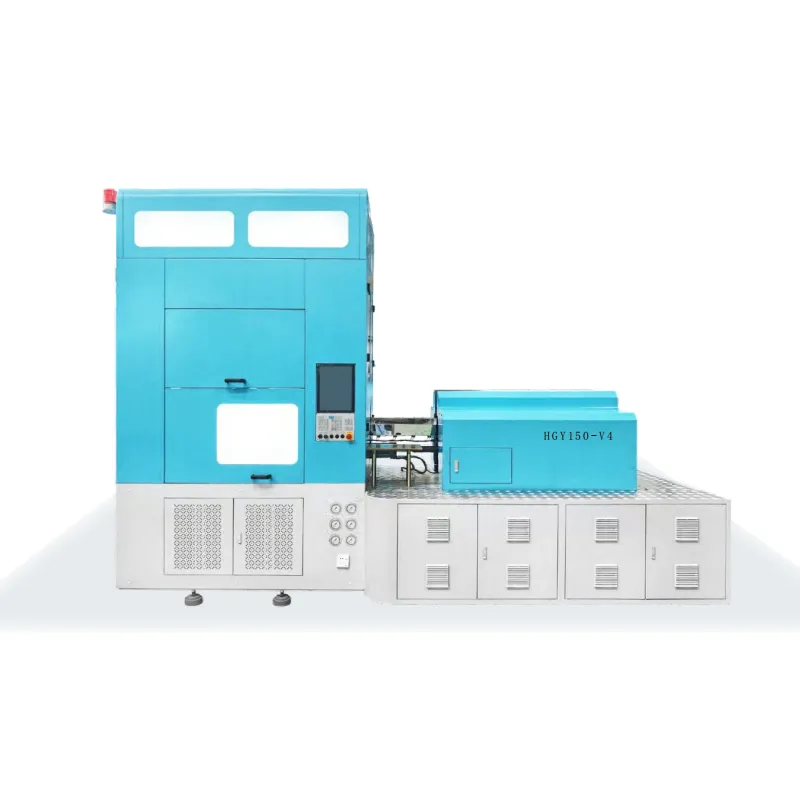
Ever-Power offers a comprehensive portfolio of one-step injection stretch blow molding solutions engineered for cosmetics, pharmaceutical, food, beverage, and industrial packaging applications. Each platform is designed for long service life, low energy consumption, and consistent output quality. As an established ISBM 기계 제조업체, we support customers from preform-design consultation through commissioning and lifetime parts supply. Below is an overview of our most widely deployed models.
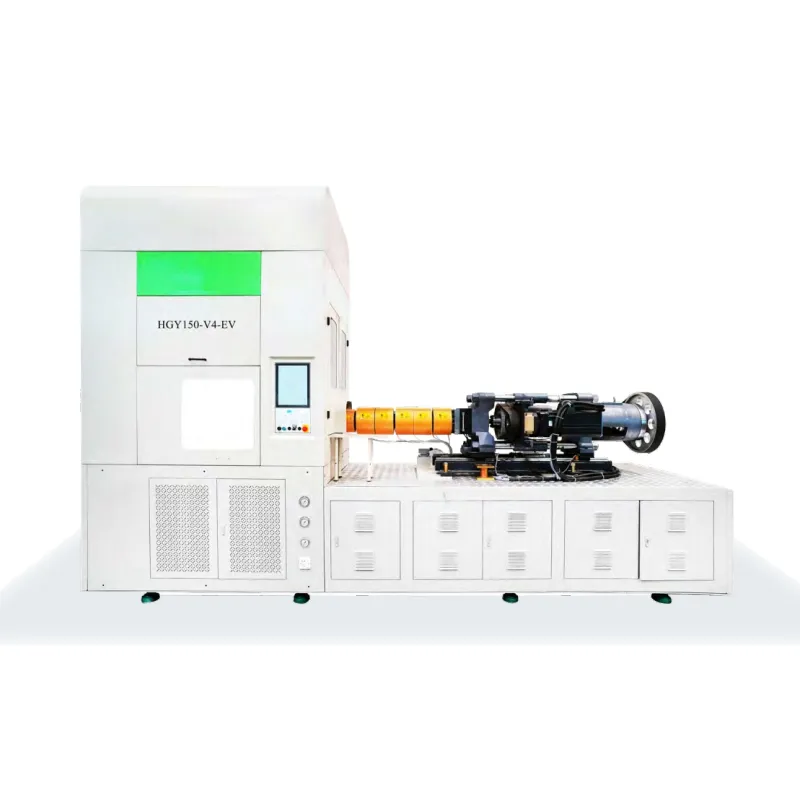
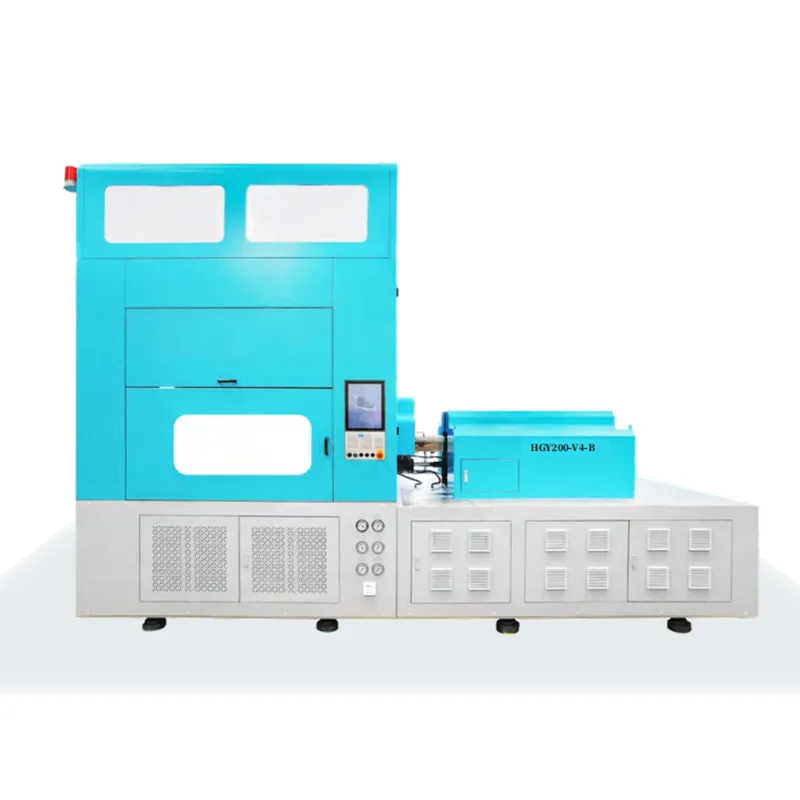
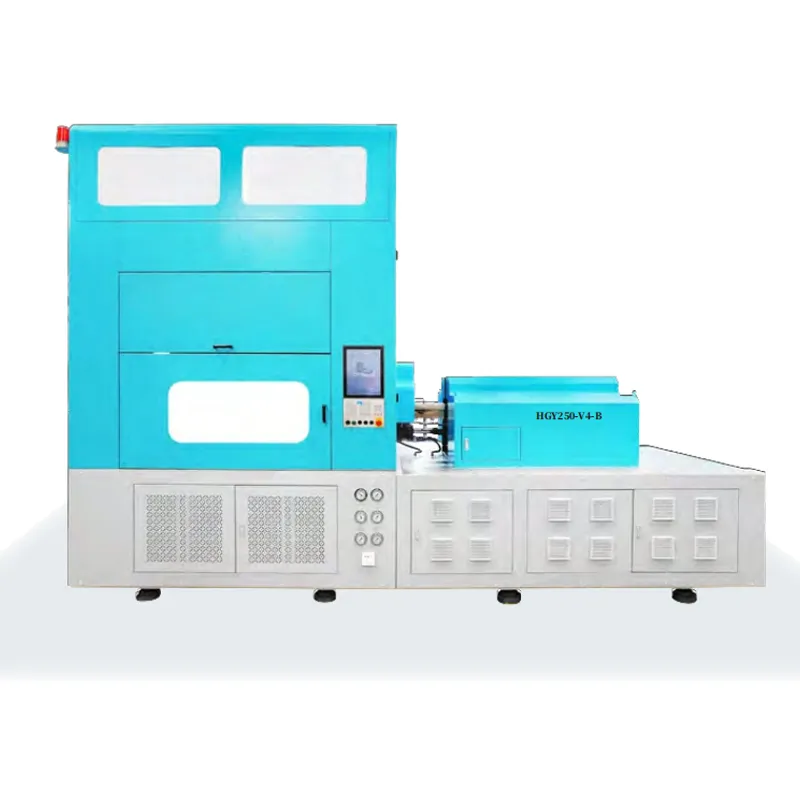
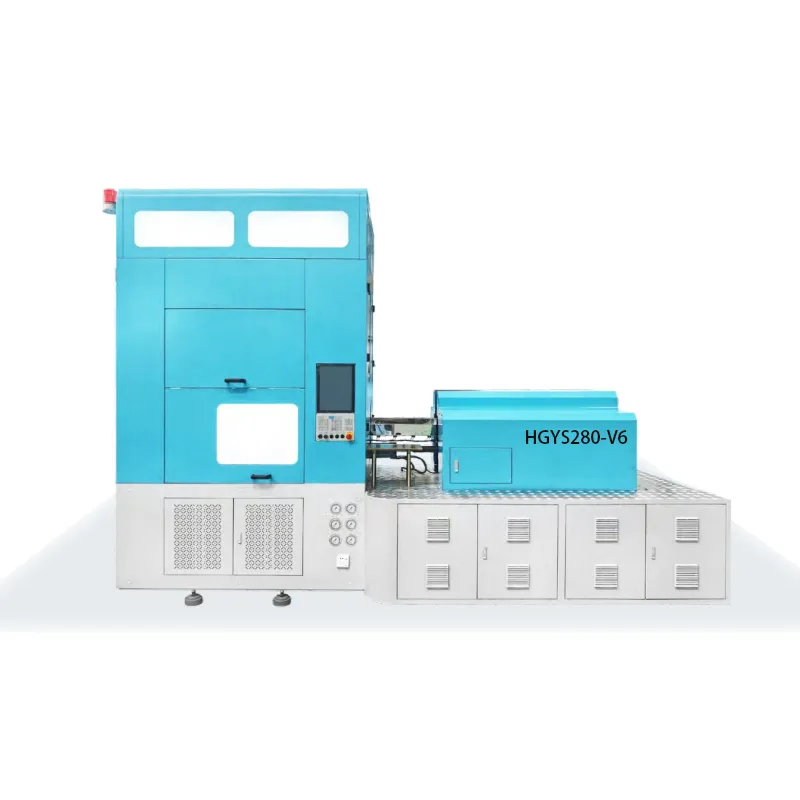
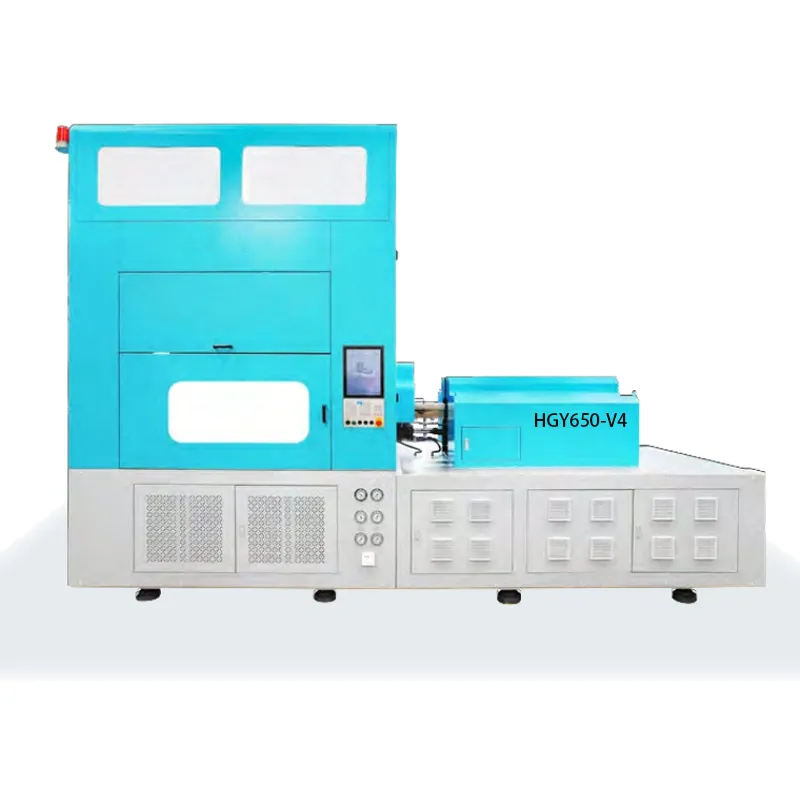
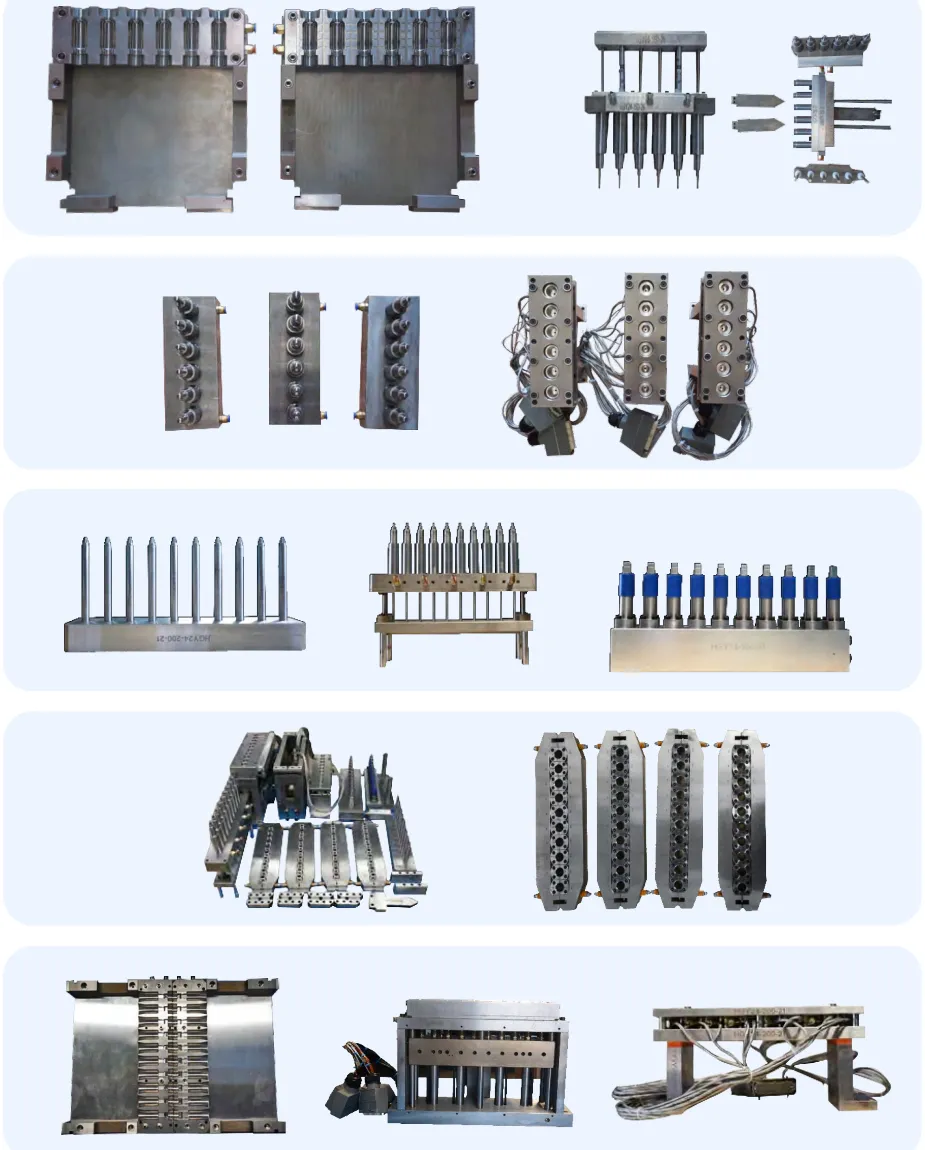
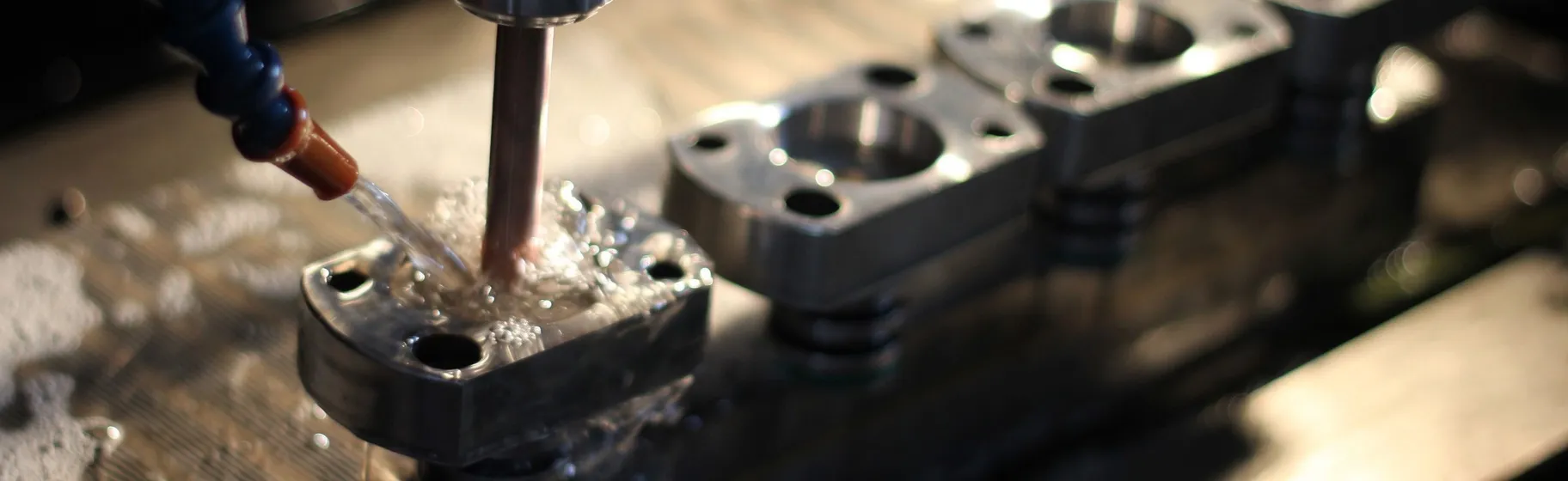
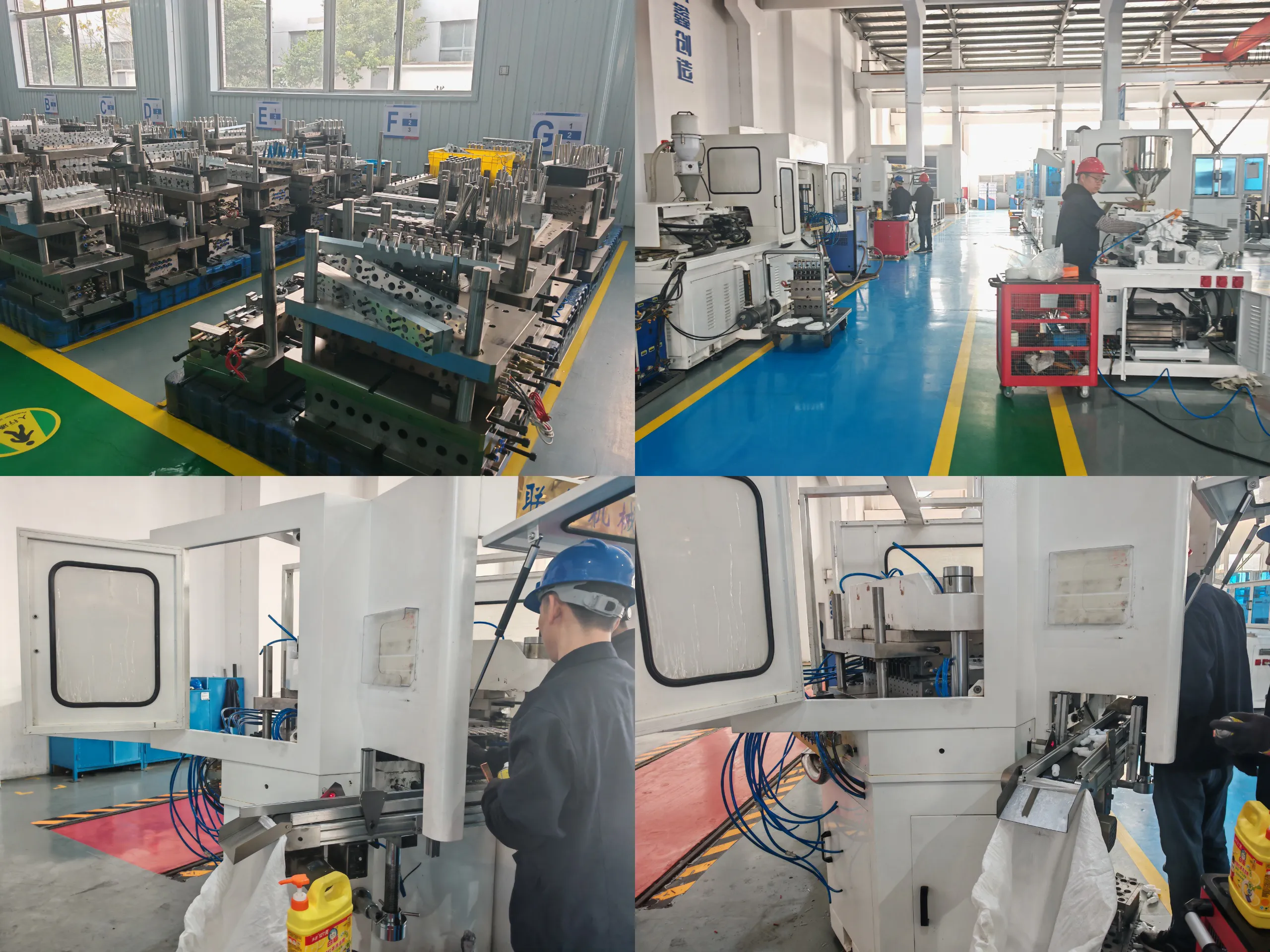
As a vertically integrated isbm 사출 금형 공급업체, Ever-Power maintains in-house mold-design, machining, and assembly capabilities. This integration enables faster lead times, tighter quality control, and the ability to deliver matched machine-and-mold packages that are pre-validated before shipment.
Reliability in Real-World Operating Conditions
Specification sheets tell only part of the story. Reliability must be assessed under the operating conditions that prevail in actual production facilities, where ambient temperatures fluctuate, power quality varies, and operators of differing skill levels run the equipment around the clock. Field reports from customers operating Asian-built ISBM machines in Nigeria, Vietnam, Mexico, India, the United Arab Emirates, and Brazil consistently highlight several reliability strengths.
Tolerance to Voltage Fluctuation
Machines deployed in regions with unstable grid power have demonstrated continuous operation with input voltage variations of ±15 percent, thanks to wide-input-range servo drives and integrated voltage-stabilization circuits. This is a meaningful advantage for plants in emerging markets where power quality cannot always be guaranteed.
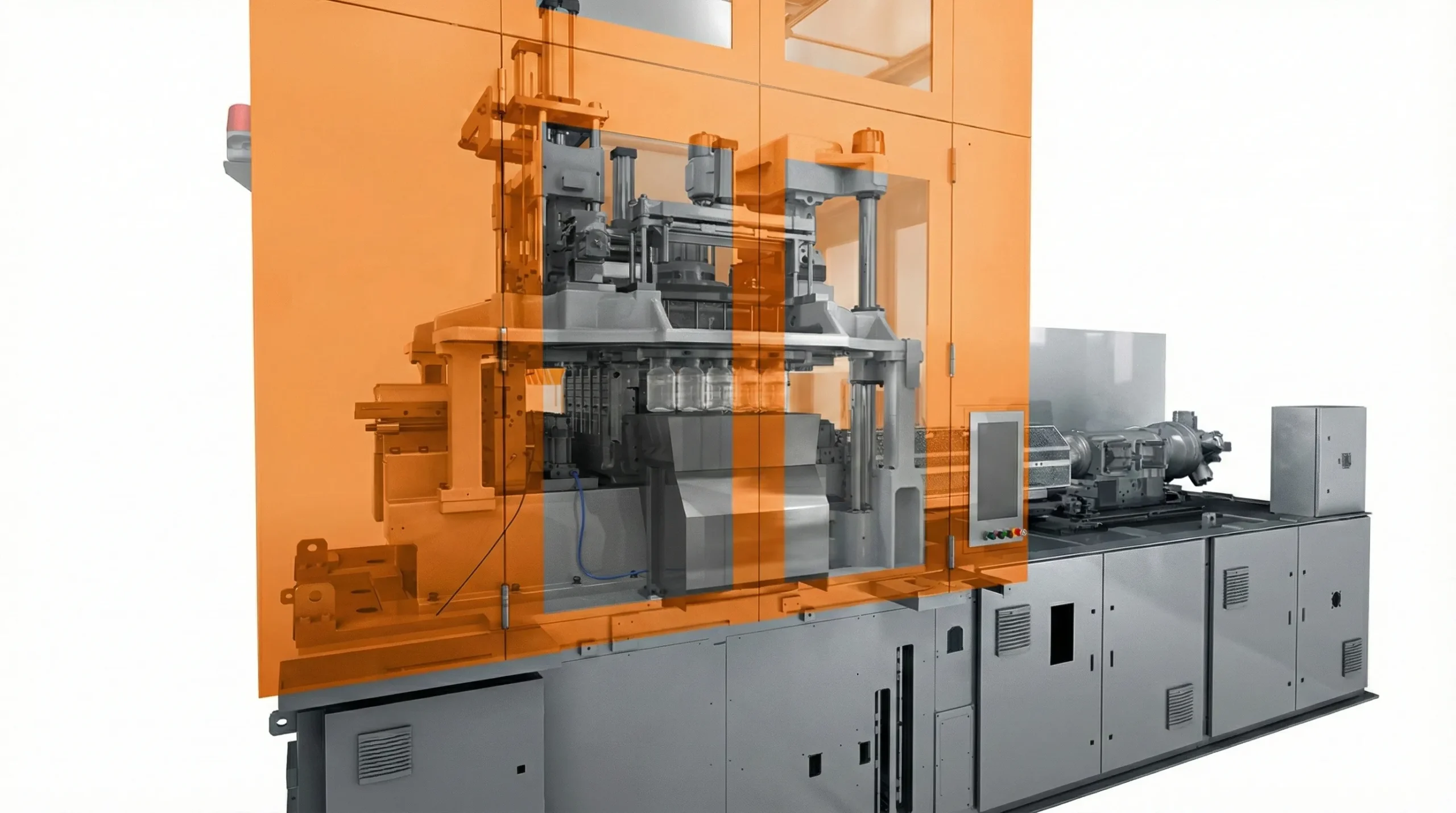
Component Standardization and Spare-Parts Availability
A frequent concern among first-time buyers of Asian equipment is the long-term availability of consumables and wear parts. Reputable Dongguan and Taiwan manufacturers have addressed this by standardizing on globally available components: Bosch Rexroth or Yuken hydraulic valves, SKF or NSK bearings, Beckhoff or Omron PLCs, and Yaskawa or Mitsubishi servo systems. These components can be sourced locally in virtually every industrialized country, dramatically reducing the risk of extended downtime due to a missing spare.
Predictive Maintenance and Remote Diagnostics
Newer-generation platforms now ship with integrated condition-monitoring sensors covering hydraulic-oil temperature and contamination, servo-motor torque signatures, and clamp-tonnage drift. Data is transmitted via secure VPN to the manufacturer’s engineering team, allowing remote diagnosis of emerging issues before they cause unplanned stoppages. For buyers replacing older Japanese machines that lack such capabilities, this represents a genuine generational leap in operational visibility.
A Practical Comparison: The Replacement of Aoki Injection Stretch Blow Molding Machines
For more than three decades, Aoki Technical Laboratory machines defined the gold standard in one-step ISBM. Many plants worldwide still operate Aoki SBIII or SBVI platforms purchased in the 1990s and 2000s. As these machines approach the end of their economical service lives, plant managers face a decision: invest in a new Aoki, or evaluate alternatives. The replacement of aoki injection stretch blow molding machines with current-generation Asian equipment has become a well-trodden path for cost-conscious operators who refuse to compromise on output quality.
What Replacement Looks Like in Practice
Most Aoki replacement projects involve matching the existing mold base and preform tooling to the new platform, training operators on the updated HMI, and re-validating the bottle to applicable standards (such as ISO 8611 for transit packaging or relevant pharmacopoeia requirements for medical containers). Lead-time from order to commissioning typically runs 14 to 18 weeks, including factory acceptance testing, sea freight, installation, and first-article validation.
Customers who have completed such replacements report capital-cost savings of 45 to 60 percent compared with a new Aoki, while achieving equivalent or superior cycle times, lower energy consumption, and dramatically improved control-system responsiveness. The HMI on a modern Asian platform typically offers recipe storage for 200 or more bottle programs, real-time SPC charting, and OEE dashboards that older Aoki platforms simply do not provide.
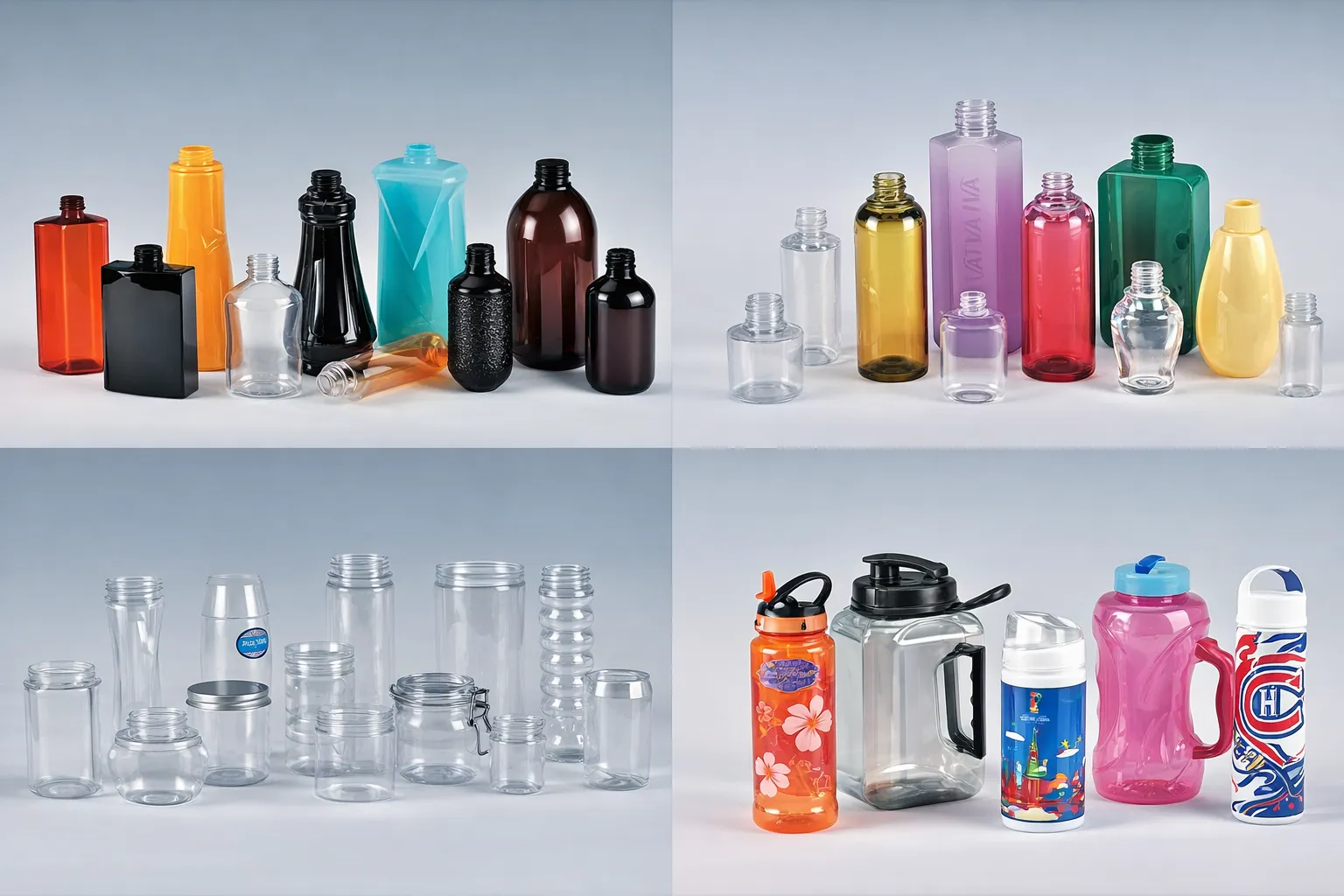
It is important to note that replacement is not always the right answer. For plants running highly specialized formats that were originally tooled around Aoki-specific kinematics, retrofitting may prove more cost-effective than full replacement. A reputable supplier should be willing to conduct a no-obligation site assessment and provide a transparent total-cost-of-ownership comparison before recommending either path.
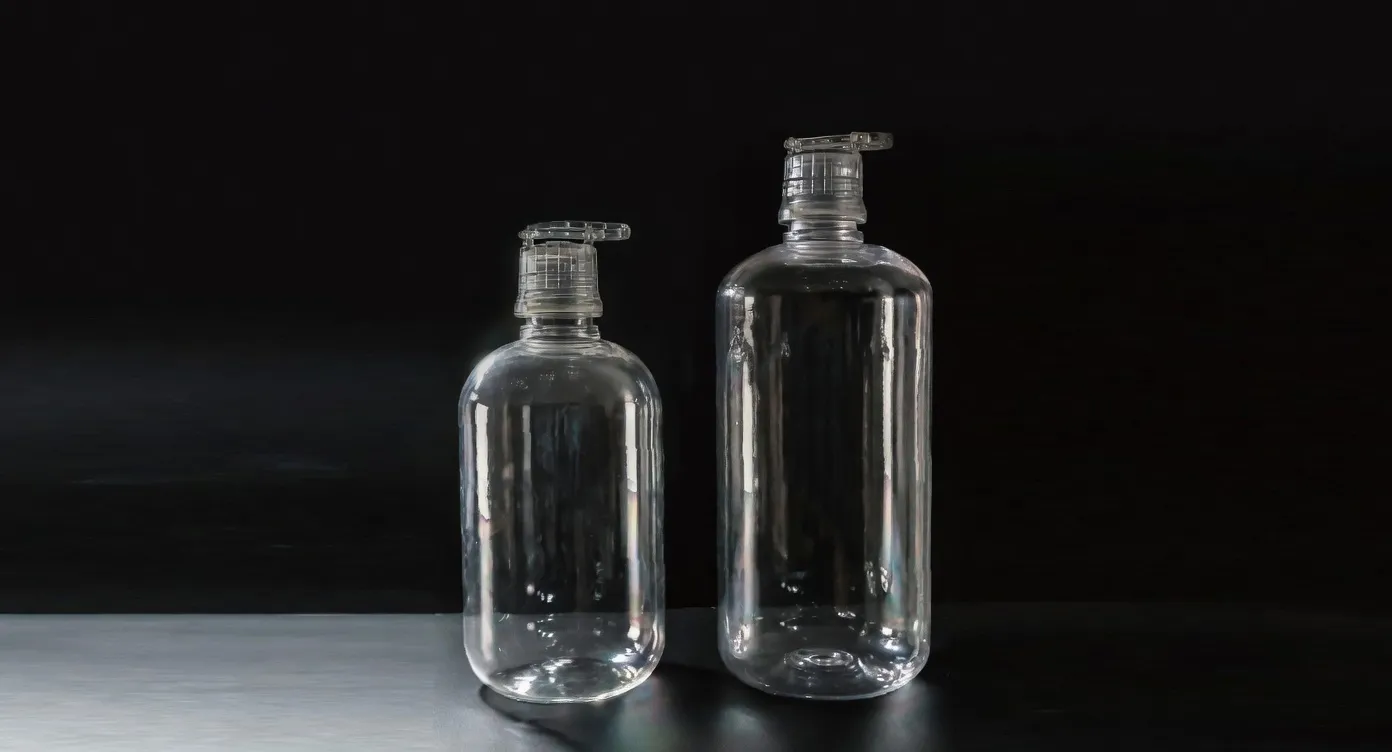
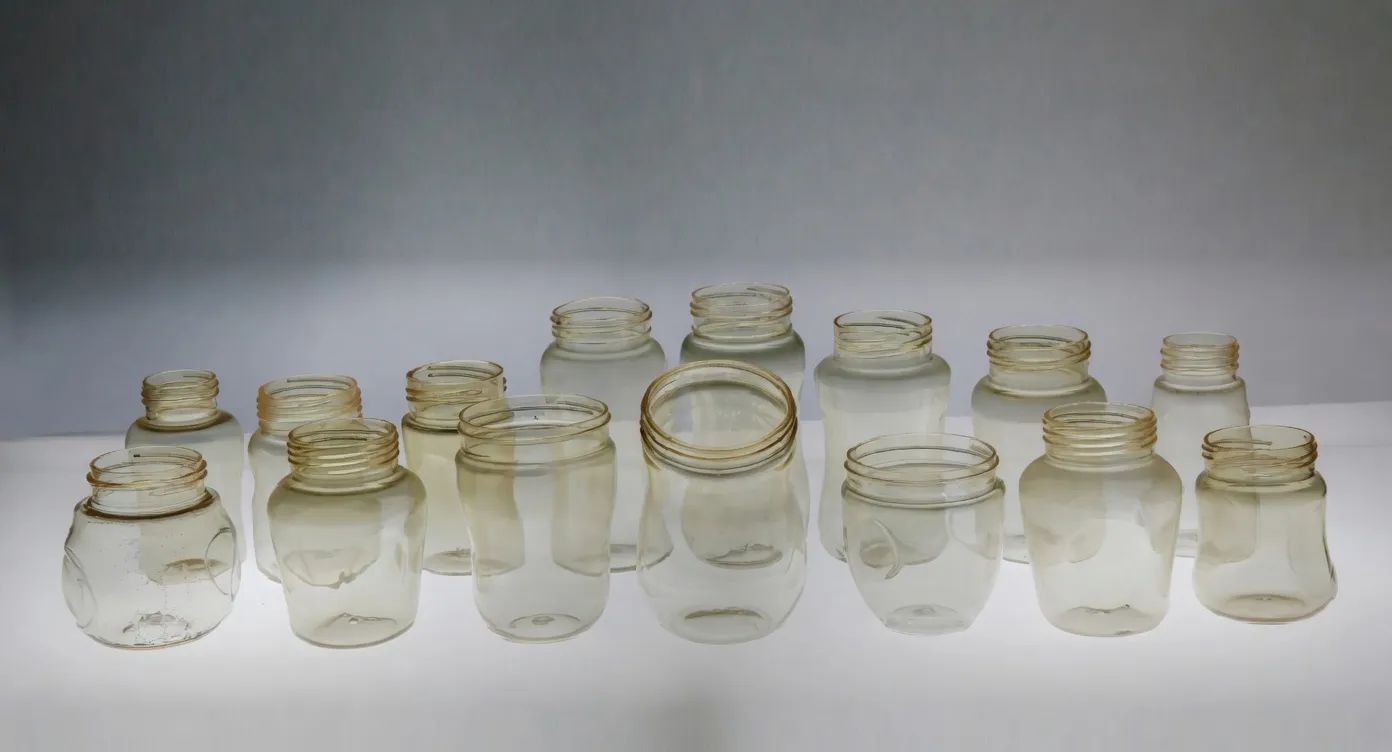
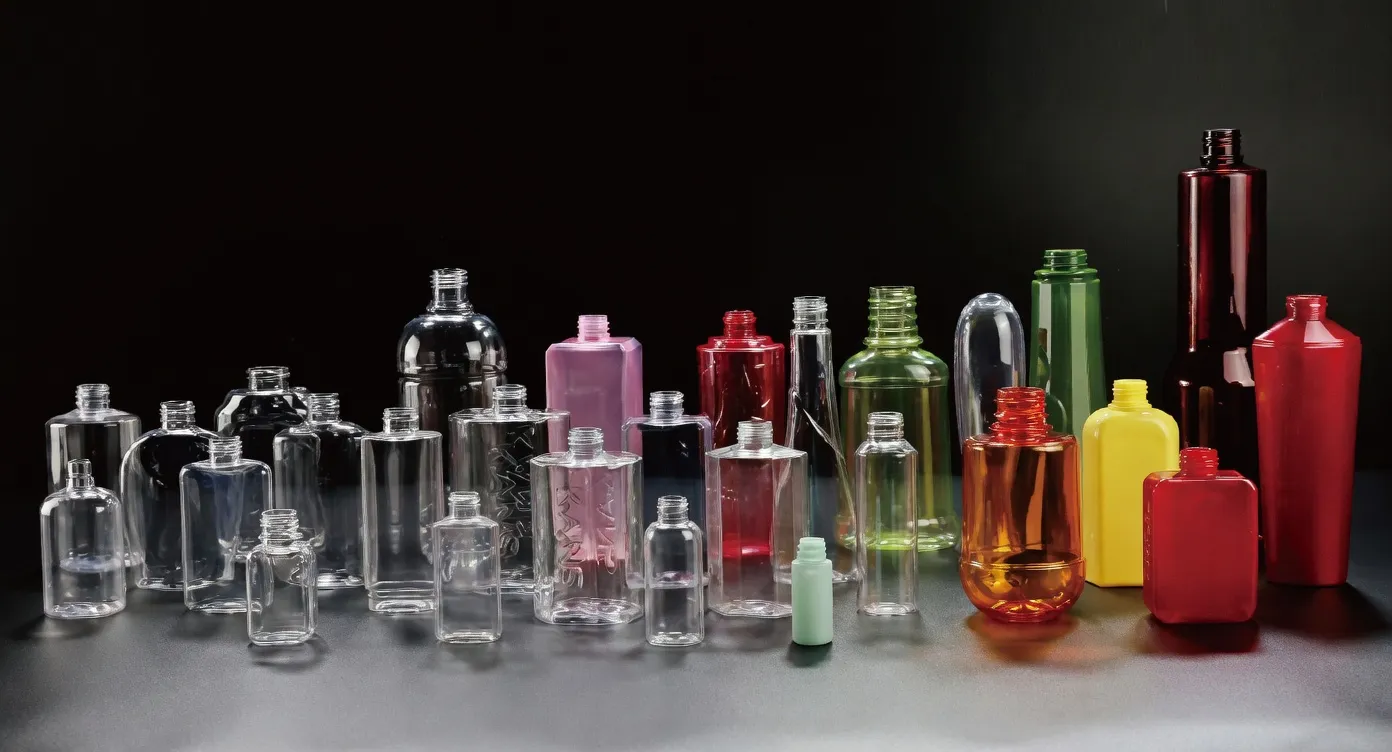
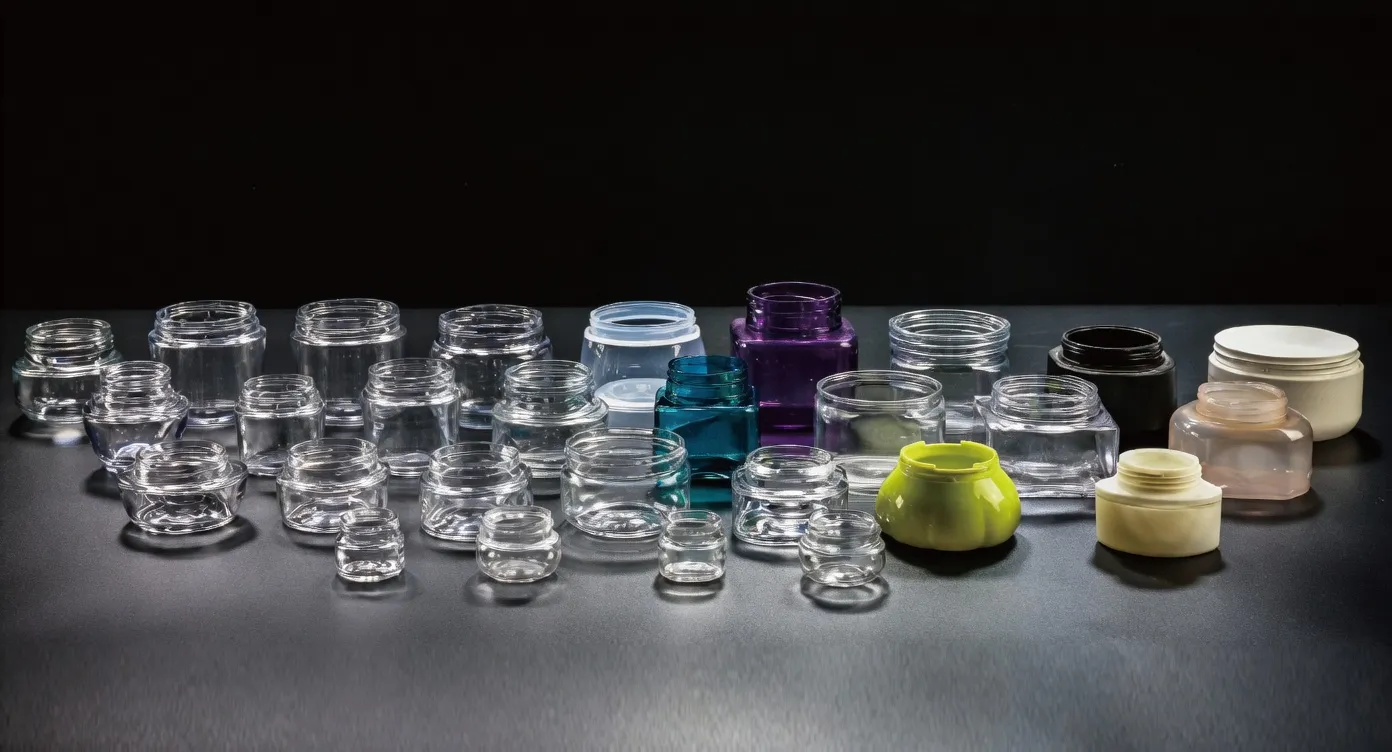
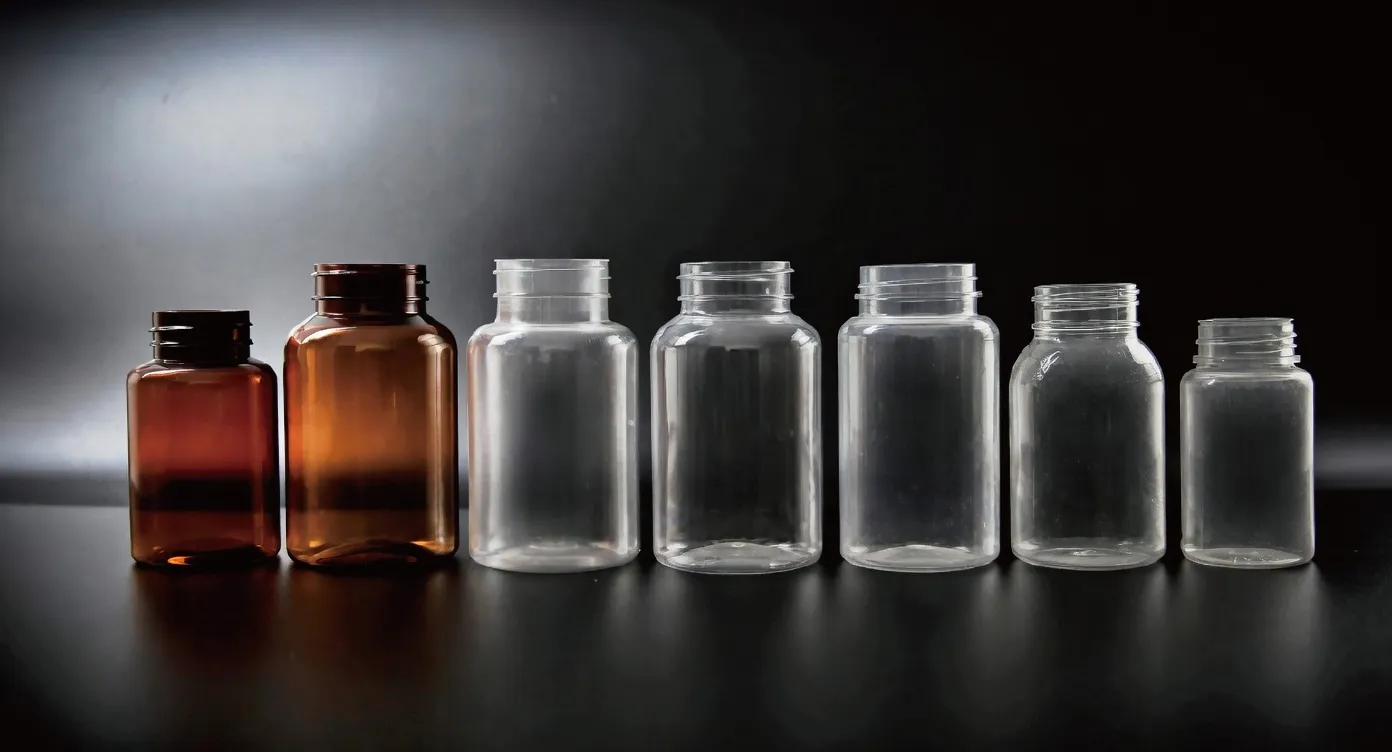
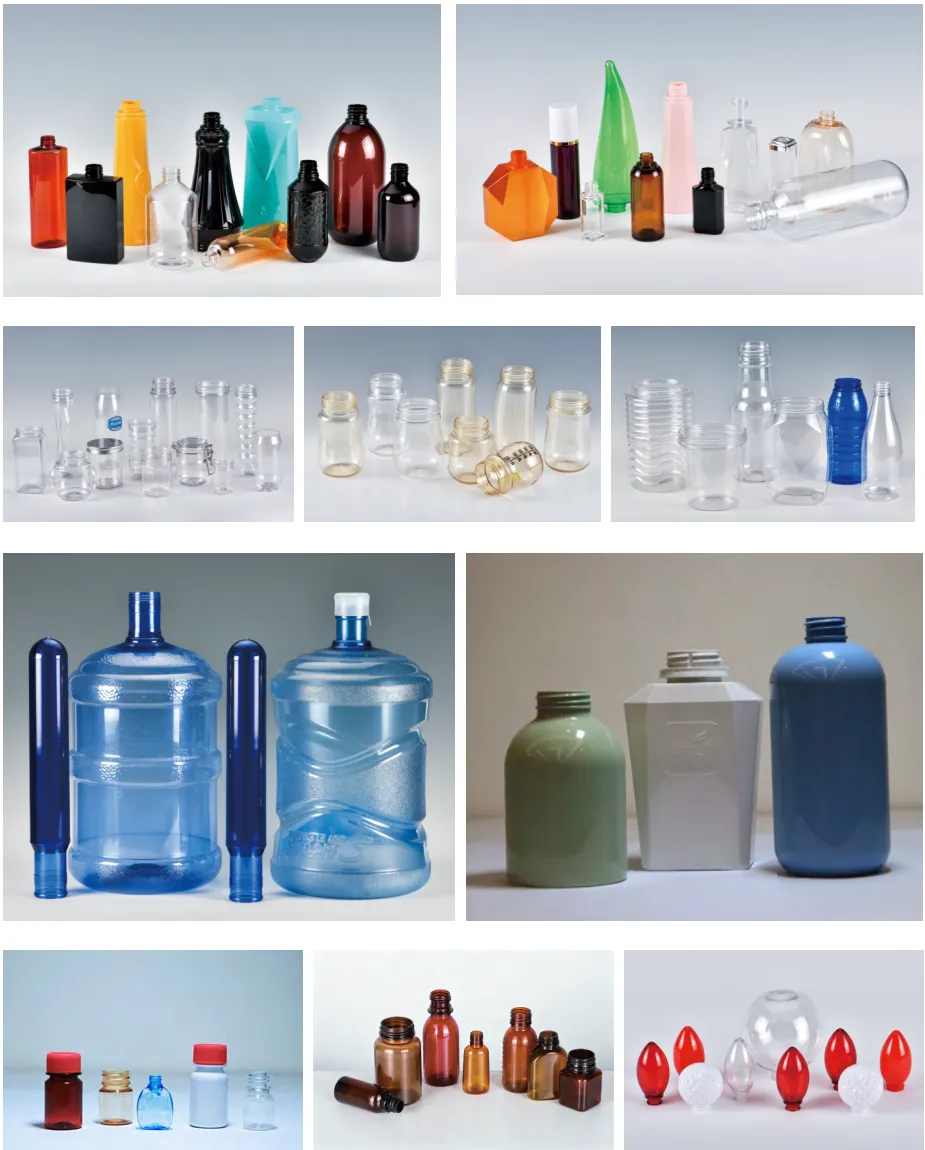
Bottle Sample Showcase
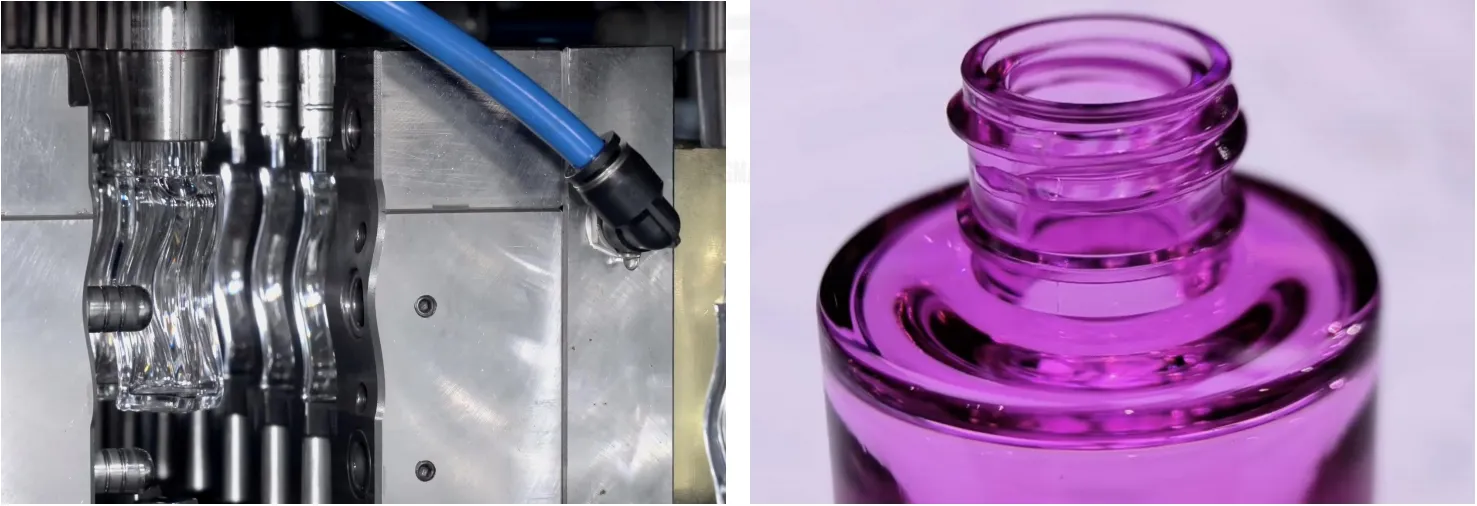
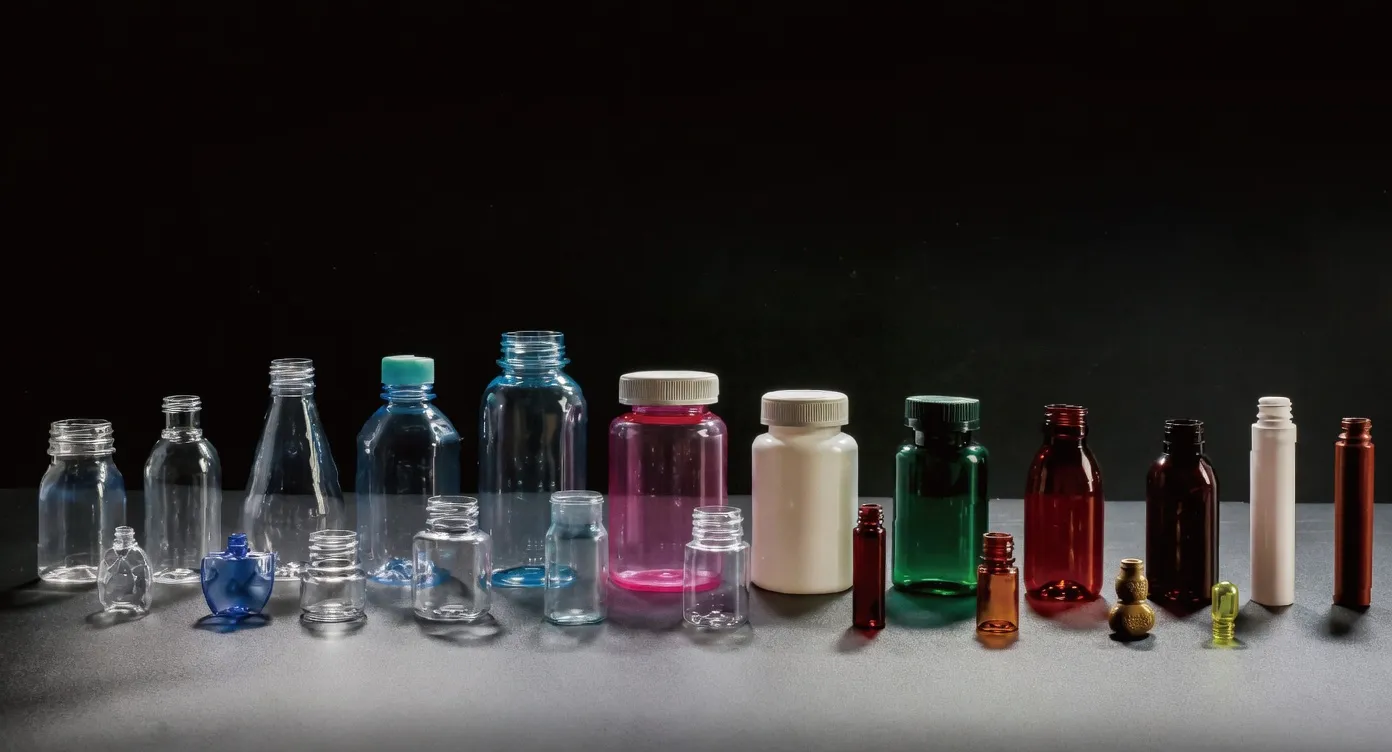
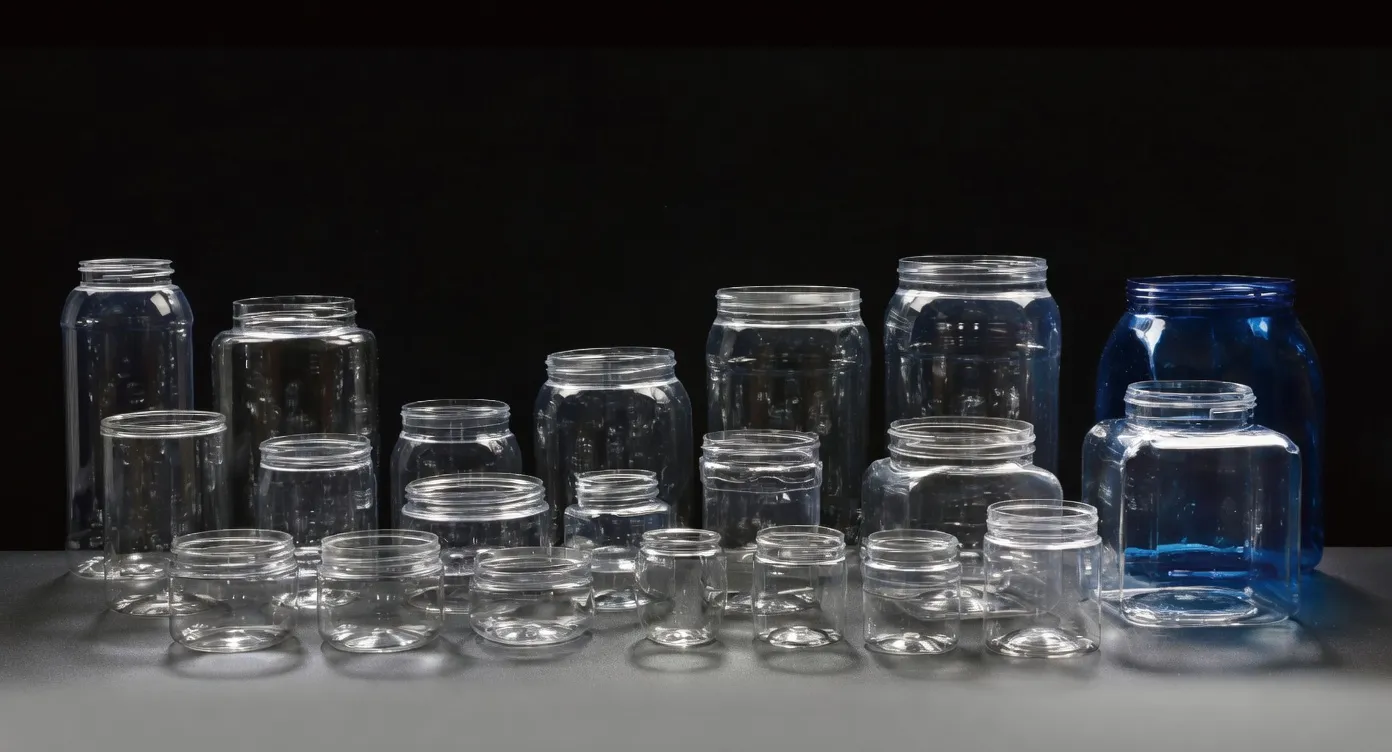
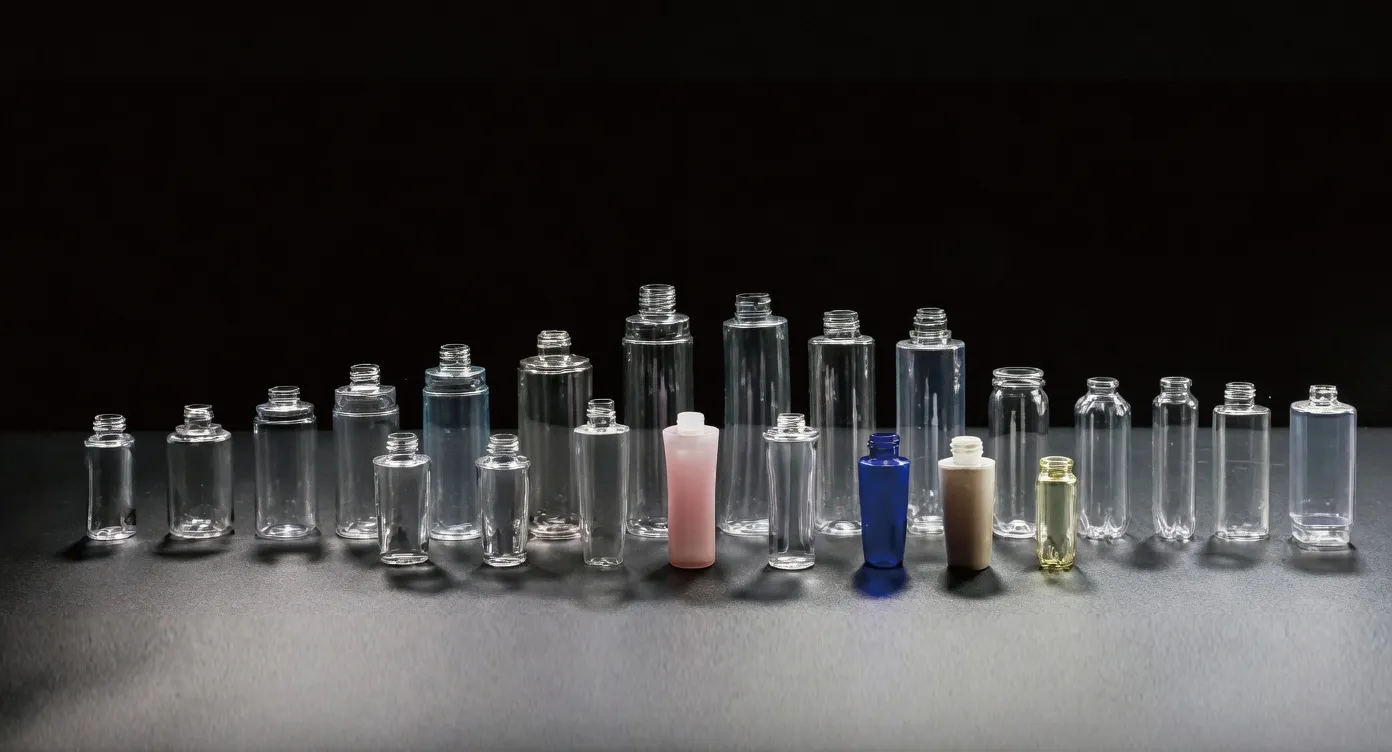
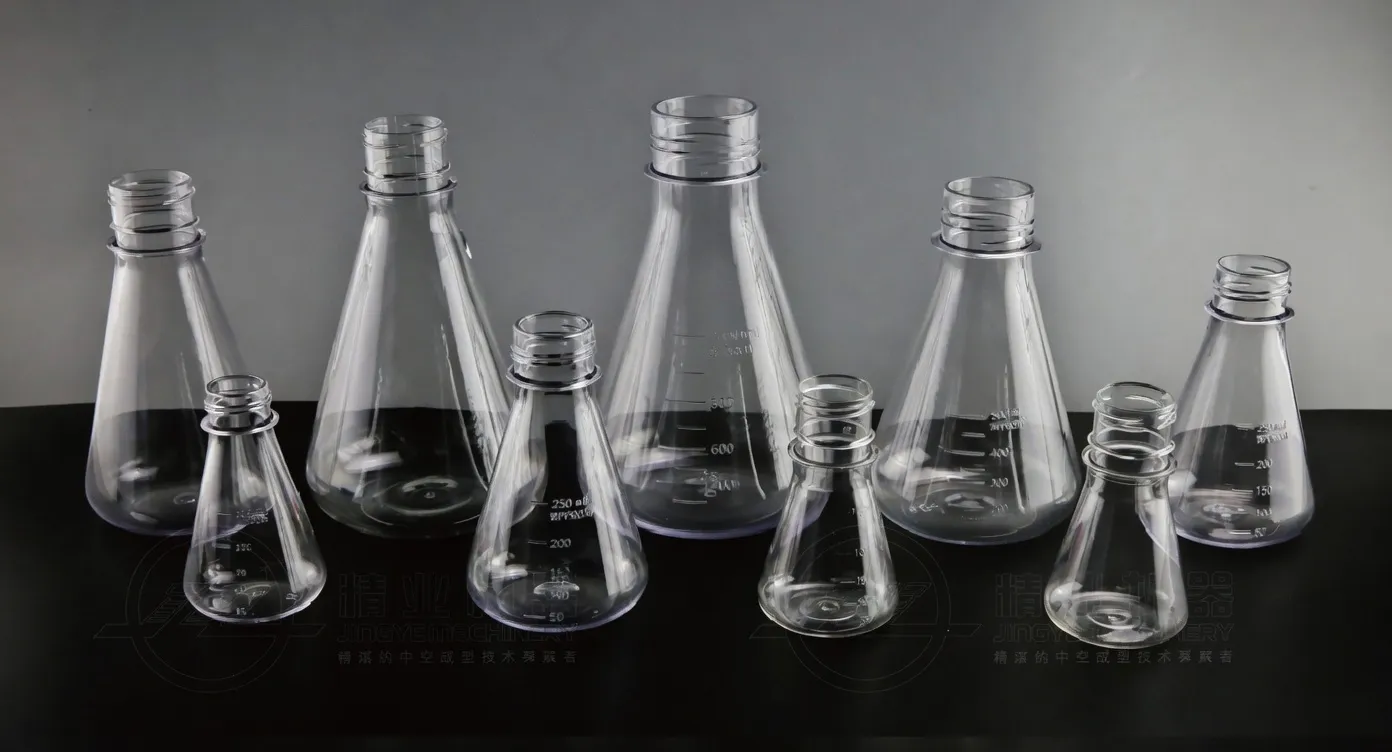
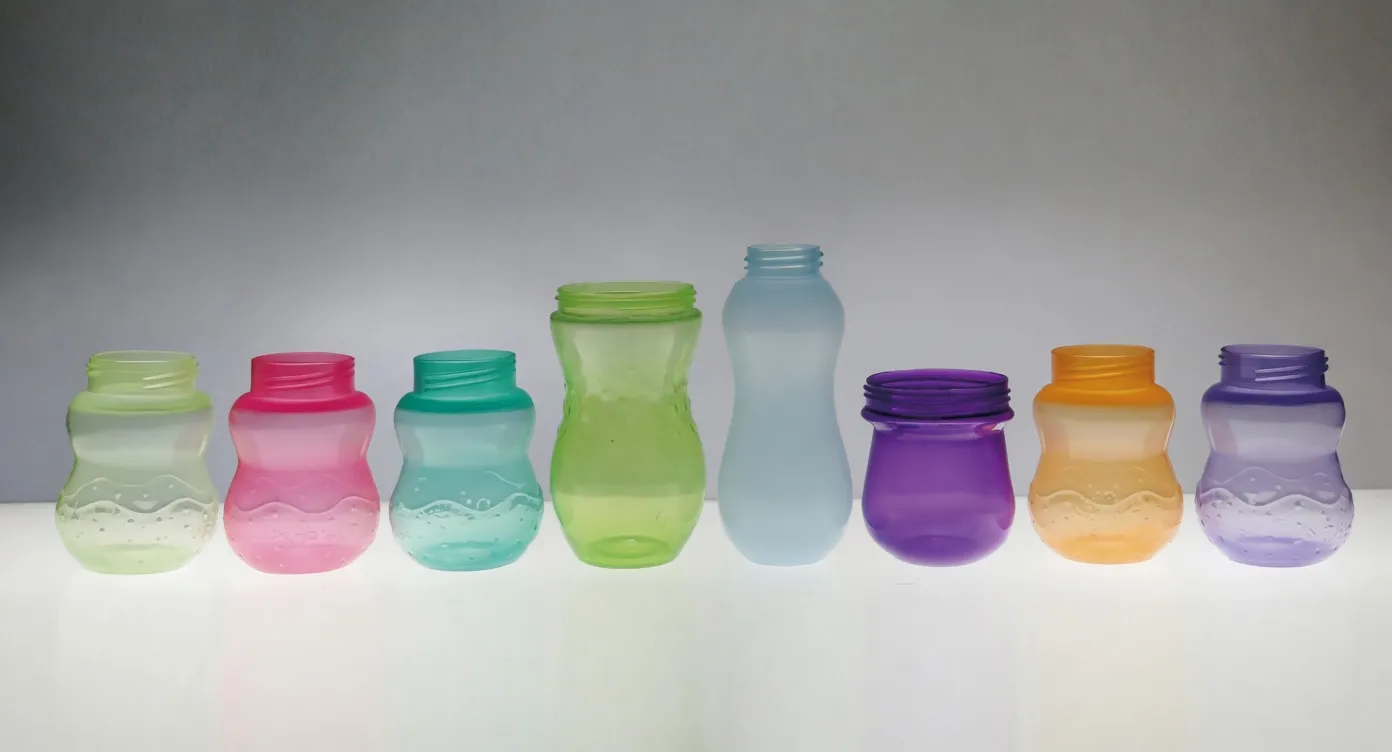
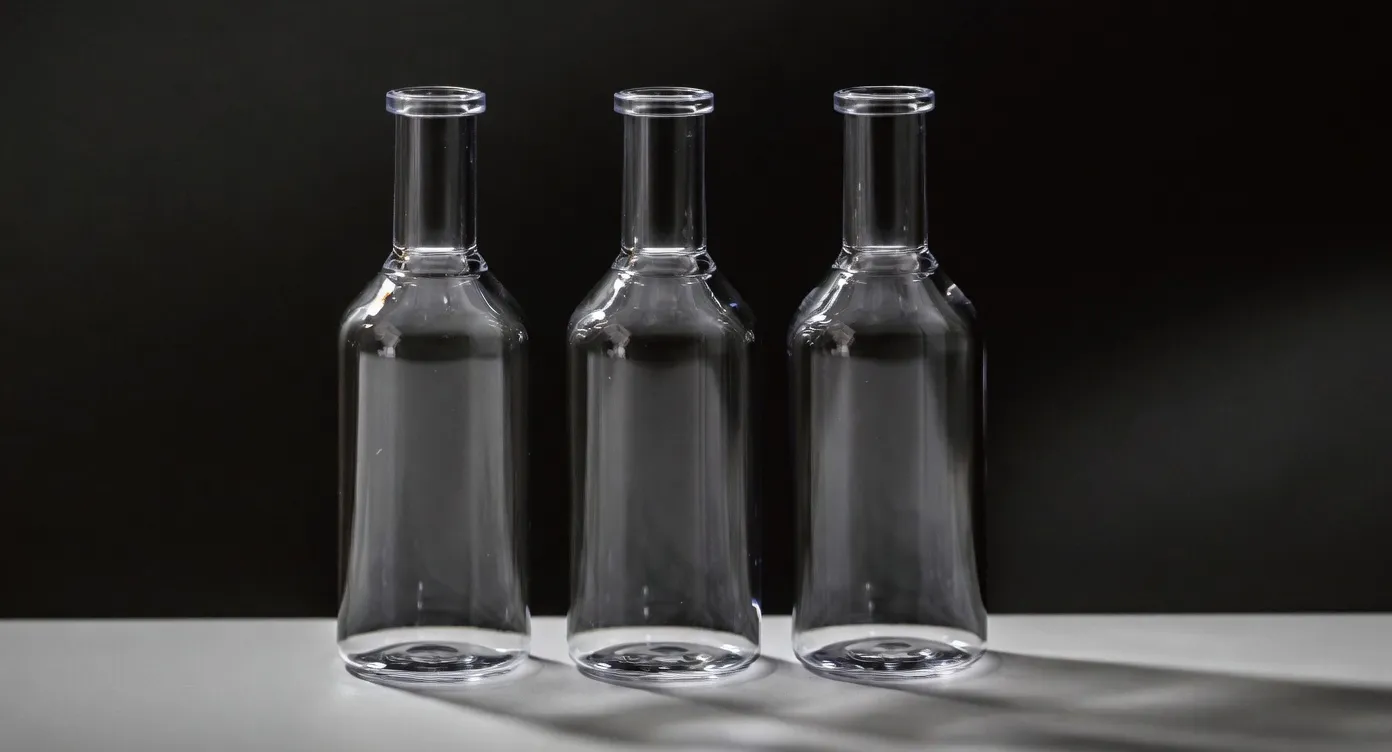
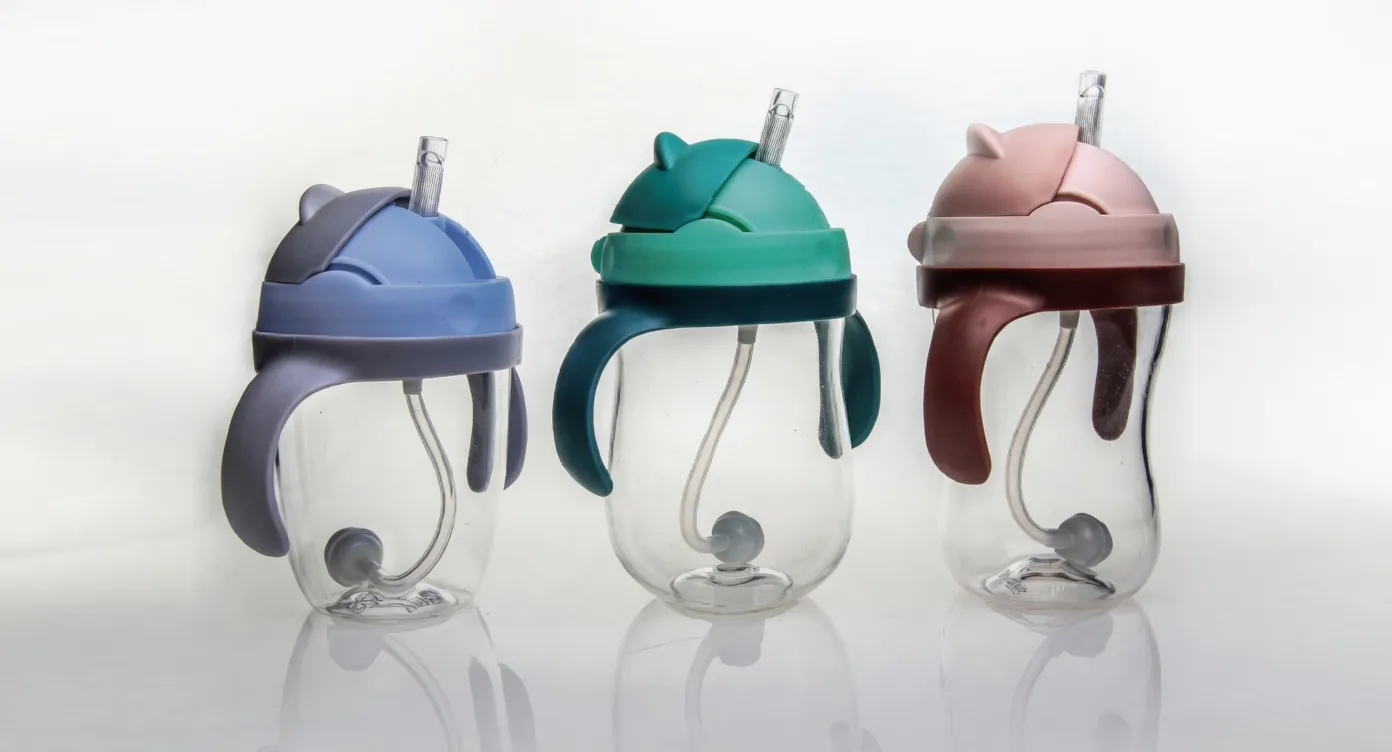
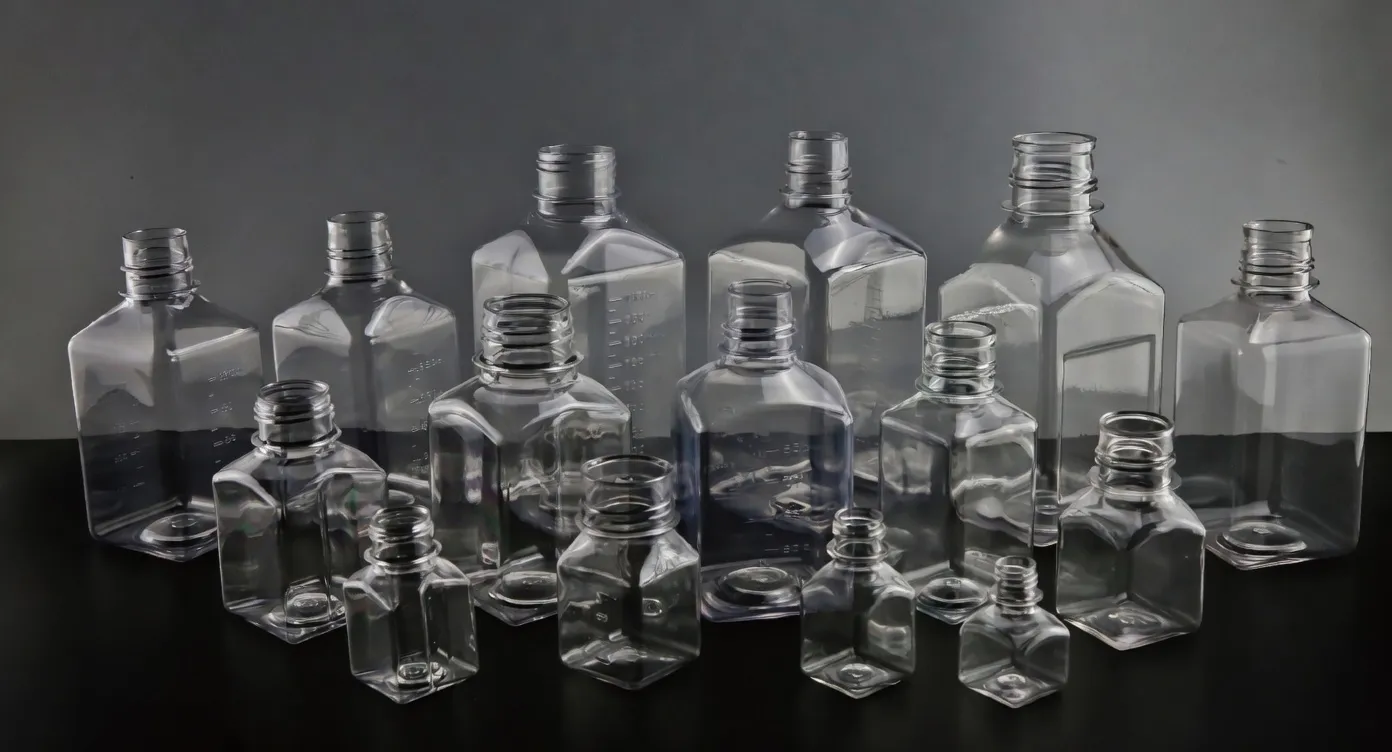
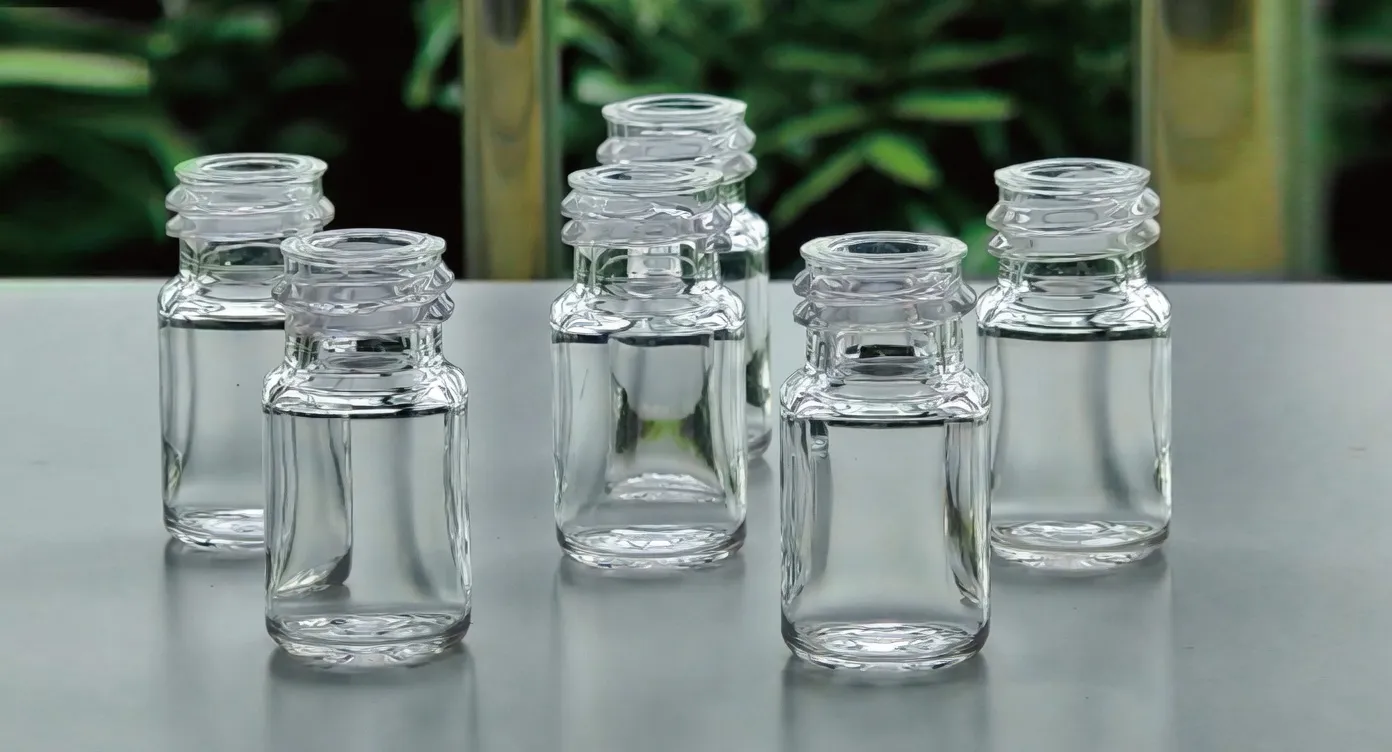
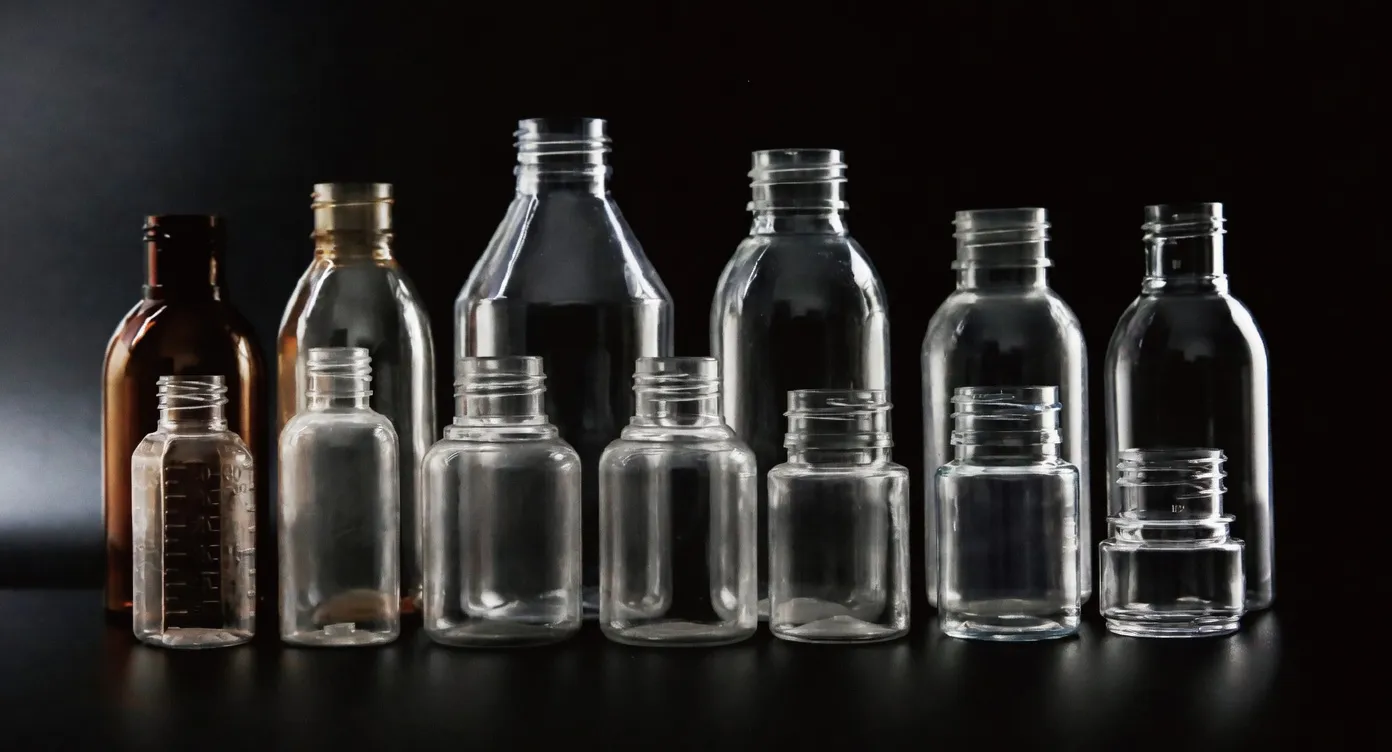
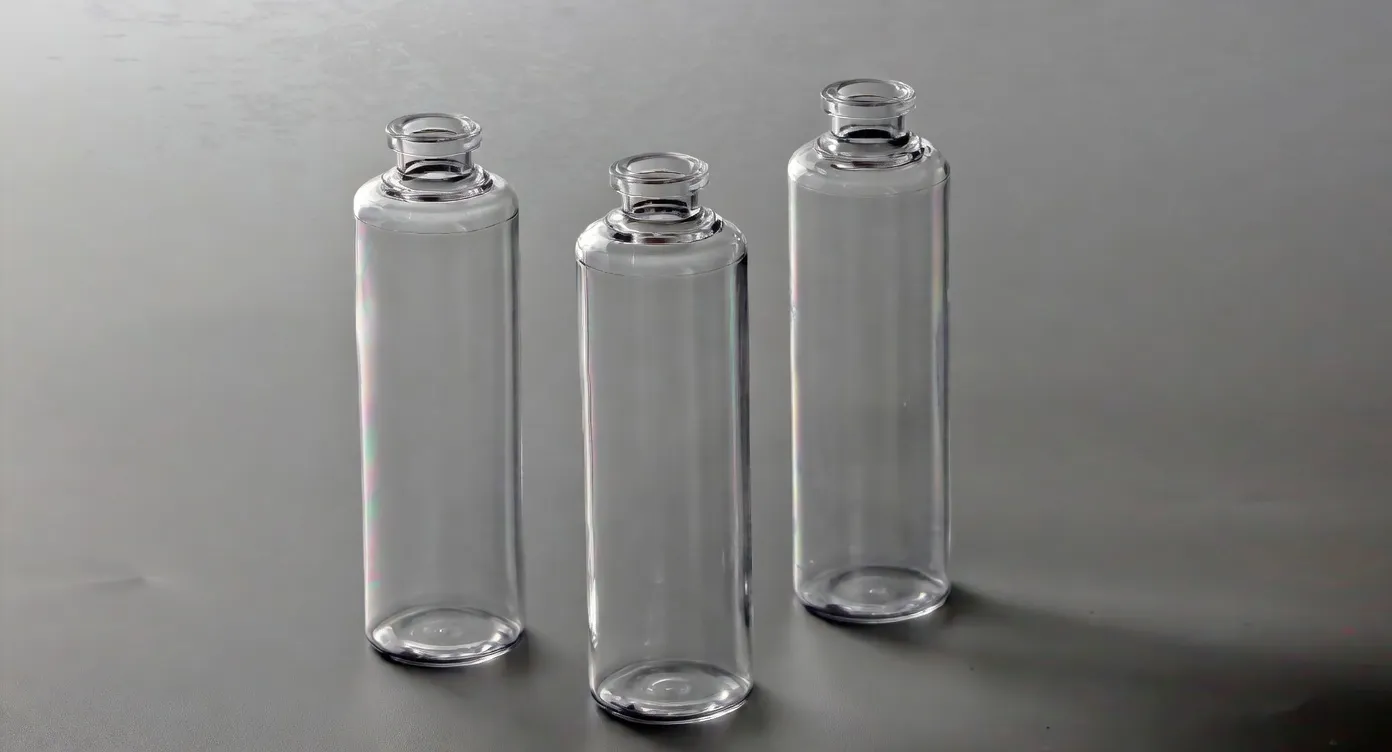
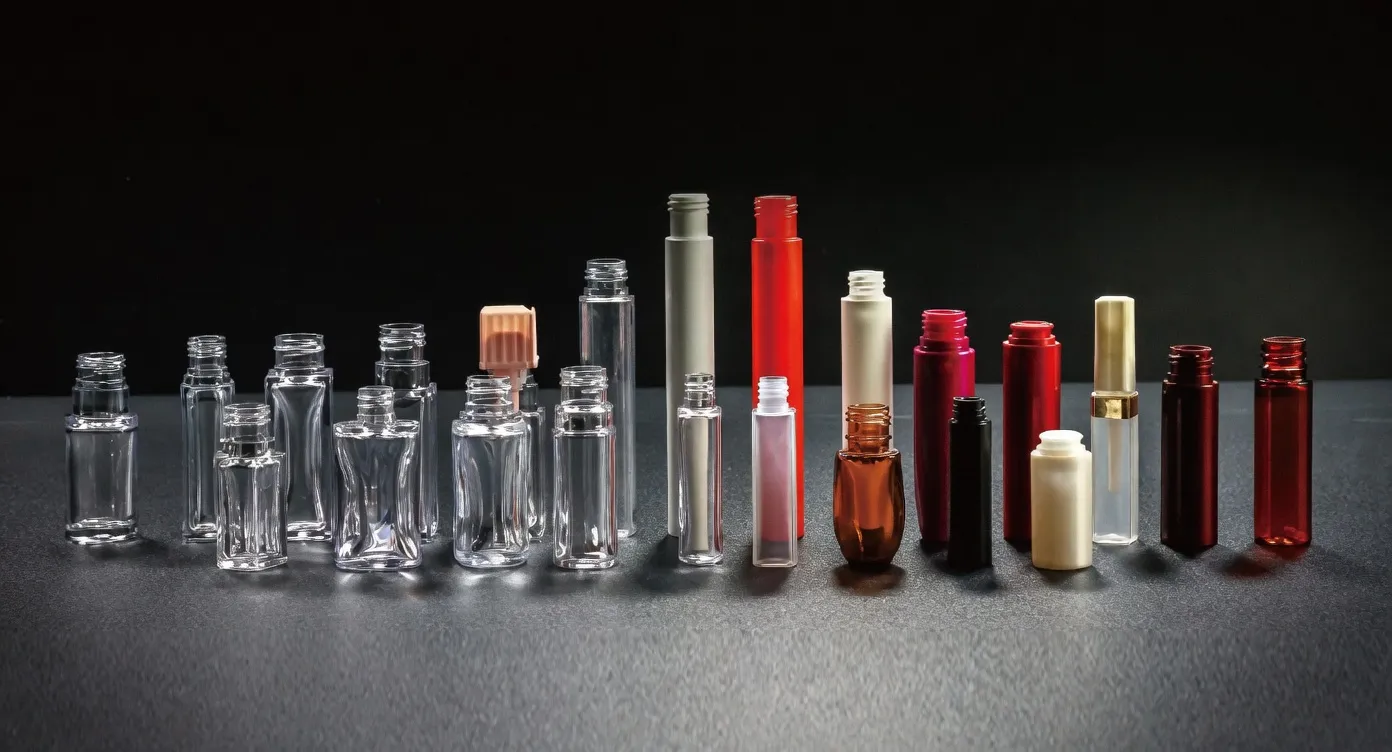
A glimpse of the diverse bottle formats produced on Ever-Power ISBM platforms across cosmetics, beverage, pharmaceutical, and household sectors.
사출 연신 블로우 성형 공정 이해하기
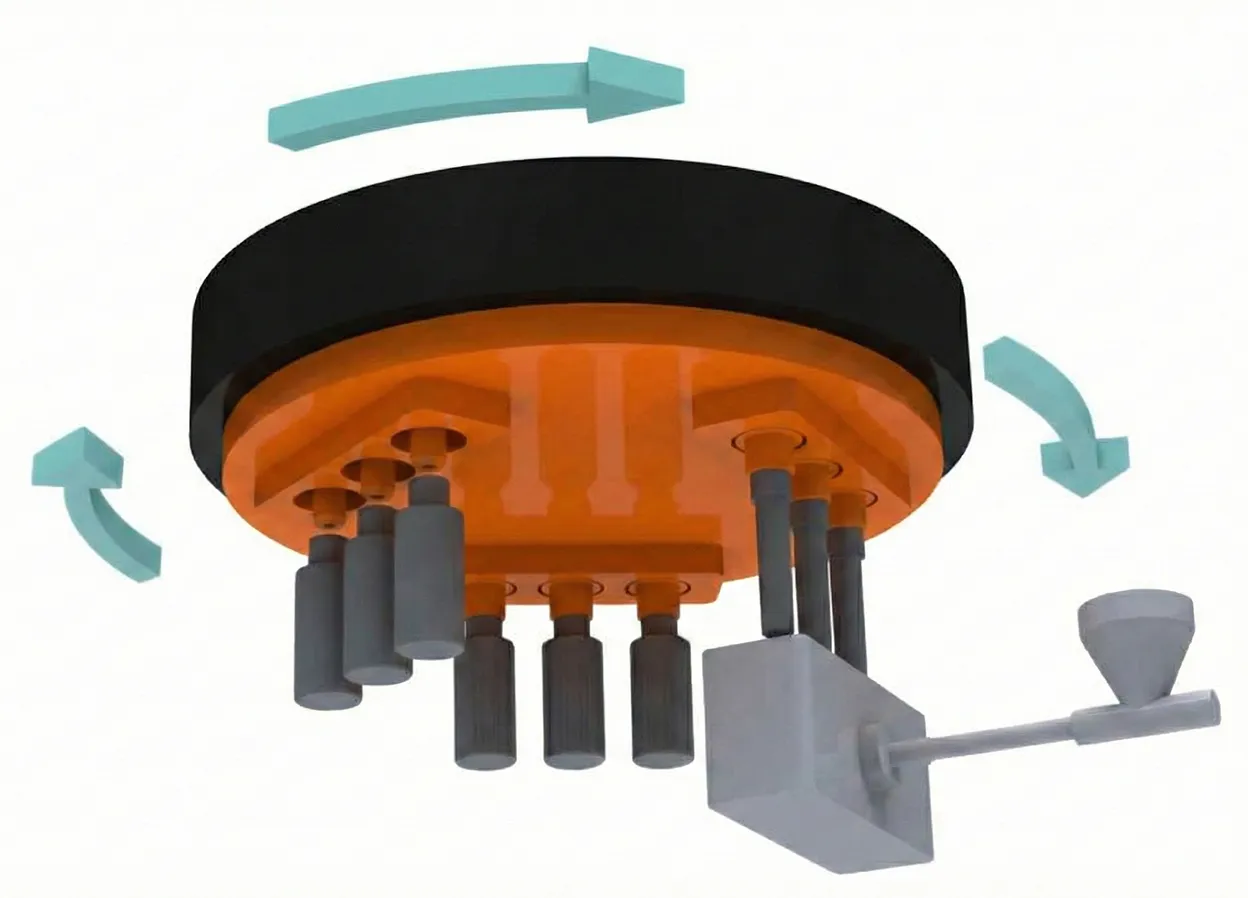
To evaluate the quality of any ISBM equipment, it helps to understand what the injection stretch blow molding process actually demands of the machine. In a one-step (single-stage) configuration, three sequential operations occur on a single platform: PET or PP pellets are melted and injection-molded into a preform; the preform is conditioned to its optimal stretch temperature; and finally it is mechanically stretched and pneumatically blown into the final bottle shape. All three steps must be tightly coordinated, with thermal, mechanical, and pneumatic parameters held within narrow tolerances.
Any deviation, even of a few degrees in preform conditioning temperature or a tenth of a second in stretch-rod timing, can produce visible defects: pearlescence, uneven wall thickness, base curl, or top-load failure. The mechanical and electronic systems of the machine must therefore operate as an integrated whole, not as a collection of independently controlled subsystems. This integration is where the best Asian manufacturers have invested most heavily over the past decade, and it is also where the gap between premium and budget machines becomes most visible to a trained engineer.
Buyers should ask suppliers for cycle-time breakdown data, conditioning-station thermal-uniformity reports, and stretch-rod kinematic profiles. Reputable manufacturers welcome these requests; less established ones often deflect them. The willingness to share detailed engineering data is itself a strong indicator of underlying machine quality.
After-Sales Support: The True Differentiator
In our experience working with hundreds of B2B buyers worldwide, the single most important factor separating successful capital investments from disappointing ones is not the day-one performance of the machine. It is the quality, speed, and depth of the after-sales support that follows. Equipment will eventually need adjustment, recalibration, software updates, and component replacement. The supplier’s ability to deliver these services rapidly and competently determines whether the machine is an asset or a liability over its operating life.
What Buyers Should Demand
A credible supplier should commit contractually to specific service-level agreements: response to an emergency support request within four hours, dispatch of a field engineer within 72 hours for major-market destinations, availability of all critical wear parts from local stock, and a minimum 12-month warranty on the complete machine with extended coverage available for servo and hydraulic systems. Suppliers unwilling to put these commitments in writing should be approached with caution.
Leading manufacturers in Dongguan and Taiwan have invested significantly in regional service infrastructure over the past five years. Many now maintain trained engineering teams in major customer regions, including Southeast Asia, the Middle East, North and West Africa, and Latin America. This regional presence has reduced average response times for on-site interventions from three weeks (the industry norm a decade ago) to under one week today.
Total Cost of Ownership: A Seven-Year View
Capital cost is only one input into the total cost of ownership. Over a typical seven-year operating life, energy consumption, scrap rate, planned-maintenance labor, unplanned-downtime cost, and end-of-life residual value collectively account for far more than the initial purchase price. When all factors are tabulated honestly, the gap between premium European or Japanese platforms and well-engineered Asian machines narrows to a small percentage in the buyer’s favor for the Asian option, particularly when the supplier offers strong after-sales support.
Sample TCO Comparison
For a 250-tonne four-station platform running a 500 ml personal-care bottle at 8,000 hours per year, our internal modeling indicates a seven-year TCO of approximately USD 1.05 million for a premium Japanese machine versus USD 720,000 for a comparably specified Asian-built machine. The difference is driven primarily by the lower acquisition cost, comparable energy efficiency, and equivalent scrap rates. This calculation assumes both machines achieve 92 percent OEE, which is realistic for properly maintained equipment of either origin.
A Buyer’s Checklist for Sourcing from Dongguan or Taiwan
For procurement teams approaching the Chinese or Taiwanese market for the first time, the following checklist captures the diligence steps that consistently separate satisfied buyers from disappointed ones.
- Factory audit: Visit the manufacturing facility in person or commission a third-party audit. Verify ISO certifications, observe assembly practices, and meet the engineering team.
- Reference customers: Request contact details for at least three operating customers in your region or industry. Speak with their plant engineers about real-world performance.
- Component traceability: Ask for a bill of materials identifying the brand and origin of every major subsystem, including servo motors, PLCs, hydraulic valves, and bearings.
- Factory acceptance testing: Insist on a multi-hour FAT at the manufacturer’s facility using your preform geometry and resin. Witness it personally if possible.
- Documentation in your language: Confirm that operating manuals, electrical schematics, and PLC source code (where licensed) are available in English or the local language of your operators.
- Warranty terms in writing: Negotiate a clear warranty document covering scope, duration, response time, and dispute resolution, governed by a commercially neutral jurisdiction.
- Spare-parts package: Order a recommended spare-parts kit covering at least 12 months of typical wear-part replacement at the time of machine purchase.
Conclusion: A Mature, Credible Supply Base
The question of how ISBM molding machines from China and Taiwan perform on quality and reliability no longer admits a simple, dismissive answer. The honest answer, supported by field data and customer outcomes across more than 60 countries, is that the best Asian manufacturers now produce equipment that matches or exceeds legacy Japanese and European platforms across every dimension that matters to a B2B buyer, while delivering meaningfully lower total cost of ownership.
The gap between the best and the worst Chinese or Taiwanese suppliers, however, remains very wide. The buyer’s responsibility is to identify the credible manufacturers, conduct thorough diligence, and structure the commercial relationship to incentivize long-term partnership rather than transactional opportunism. Done well, sourcing an isbm machine for sale from a leading Dongguan or Taiwan manufacturer is one of the highest-return capital decisions a packaging operation can make in 2026.
Ever-Power has spent more than 25 years refining the engineering, manufacturing, and service capabilities required to support customers across the full life cycle of an ISBM platform. Our portfolio spans single-cavity laboratory machines through 650-tonne high-output systems, and our installed base includes operators in Europe, North America, Africa, the Middle East, Southeast Asia, and Latin America. We invite serious buyers to engage us in a technical conversation about your specific bottle, resin, and output requirements.
고객들이 하는 말
Marcus Hoffmann
★★★★★
Germany
We replaced two aging Aoki machines with Ever-Power four-station platforms last year. Cycle times match our previous output exactly, energy bills dropped by 38 percent, and the engineering team responded to every commissioning question within hours. Build quality is genuinely on par with European equipment.
Adebayo Okonkwo
★★★★★
Nigeria
Power supply in our region is unstable, and we worried any modern servo machine would struggle. The Ever-Power EP-HGY250 has run continuously through voltage swings that would have tripped older equipment. Their local engineer arrived within five days when we needed a stretch-rod adjustment. Excellent reliability.
Priya Ramachandran
★★★★★
India
Delivery was 16 weeks from purchase order to commissioning at our Pune facility, exactly as promised. The fully servo-controlled EP-HGYS150-V4-EV has produced over 18 million pharmaceutical bottles with a scrap rate below 0.6 percent. Documentation in English is thorough and our operators picked up the HMI quickly.
Carlos Mendoza
★★★★★
멕시코
We compared three suppliers from Asia and Europe. Ever-Power was the only one who flew an engineer to our Guadalajara plant for a pre-sale technical review. That level of commitment convinced us. Two years in, the EP-HGYS280-V6 has held its cycle time to within half a percent of factory specification.
Fatima Al-Mansoori
★★★★★
United Arab Emirates
Our cosmetics line demands very tight neck-finish tolerances and perfect surface gloss. The EP-HGYS150-V4 delivered both from the first validation run. After-sales communication has been responsive in our time zone, and the spare-parts package they shipped with the machine has covered every issue we have encountered so far.
Lucas Pereira
★★★★★
Brazil
The EP-HGY650-V4 we installed for large jar production has exceeded our output projections by twelve percent. Stability across three-shift operation is remarkable. When we needed to add a new bottle program, their engineering team supported the trial via remote diagnostics within the same business day. Highly recommended supplier.