
What Causes Pearlescence or Haze in PET Bottles Produced by Injection Stretch Blow Molding?
A comprehensive technical analysis covering polymer science, process variables, machine design factors, and proven solutions — from the engineering team at Ever-Power.
Why Optical Clarity Is Non-Negotiable in PET Bottle Production
Crystal transparency is one of the first things a consumer notices about a PET bottle. Whether it contains still water, a carbonated soft drink, a pharmaceutical preparation, or a high-end cosmetic, visual clarity communicates purity, quality, and brand integrity before any other sensory cue. A single batch of hazy, cloudy, or pearlescent bottles can trigger costly production rejects, retailer complaints, and brand damage that far outweighs the value of the affected goods.
Pearlescence describes the milky, iridescent white appearance sometimes observed in PET bottle walls — a shimmering cloudiness reminiscent of a pearl’s surface. It results from light scattering off crystalline microstructures embedded in the bottle wall. Haze is the broader term for any measurable reduction in transparency, ranging from a faint bluish tinge to severe opacity. Both defects share a common molecular origin: uncontrolled crystallization in the PET material. Unlike surface defects, pearlescence and haze are bulk defects that run through the full thickness of the bottle wall, making post-production screening essentially ineffective. Prevention through process mastery is the only viable strategy.
Despite being a well-studied problem in the polymer processing industry, these defects remain among the most persistent quality challenges faced by PET bottle manufacturers worldwide. They can appear suddenly after a seemingly minor process change, emerge gradually as machine components wear, or remain stubbornly present even after extensive troubleshooting efforts. Their root causes are multiple, interrelated, and sometimes counterintuitive.
This in-depth technical guide from 에버파워 explores every documented cause of pearlescence and haze in PET bottles — from the molecular behavior of the polymer to practical, machine-level variables — and provides actionable guidance for both diagnosis and permanent resolution.
The Polymer Science Behind PET Optical Defects
Diagnosing haze and pearlescence requires a foundational understanding of PET’s molecular structure and how that structure determines optical behavior. Without this scientific grounding, troubleshooting becomes little more than educated guesswork.
Polyethylene terephthalate (PET) is a semi-crystalline thermoplastic polyester. Freshly injection-molded preforms, having been rapidly cooled in the mold, exist in a predominantly amorphous state — their molecular chains are disordered and randomly entangled. Amorphous PET is perfectly transparent: the structural disorder produces no periodic features large enough to scatter visible light (wavelengths 400–700 nm). This is the ideal starting state for a preform entering the blow molding station.
During stretch blow molding, the preform is reheated above its glass transition temperature (Tg ≈ 76–80°C) and then simultaneously stretched axially by a stretch rod and expanded radially by blow air pressure. Depending on the conditions under which this stretching occurs, one of three distinct crystallization outcomes results:
Strain-Induced Crystallization (Desirable)
When PET is stretched biaxially within the ideal processing window (~90–115°C surface temperature), molecular chains align along the stretch directions and form dense, highly oriented crystallites approximately 5–20 nanometers in size. These nano-scale crystallites are far smaller than visible light wavelengths and therefore do not scatter light. The result is a bottle that is simultaneously strong, thermally stable, and optically clear. This is the intended outcome of every blow molding cycle.
Thermal Crystallization (Harmful)
When PET is maintained above Tg without adequate simultaneous stretching — or when it cools too slowly from an elevated temperature — spontaneous thermal crystallization occurs. This produces large, spherulitic crystal structures typically 1–100 micrometers in diameter. These microstructures are directly comparable to visible light wavelengths and scatter light intensely, producing the characteristic white, hazy, or pearlescent appearance. Thermal crystallization is the primary molecular culprit behind almost all optical clarity defects in PET bottles.
Stress Whitening / Crazing
When PET is mechanically deformed below its optimal processing temperature, it can develop micro-voids or crazes at stress concentration points. These tiny voids scatter light independently of crystallization and produce a chalky, flat-white appearance — particularly in the shoulder, base, or gate area where bottle geometry creates high stress concentrations and temperature uniformity is hardest to achieve. Stress whitening is distinguishable from thermal crystallization haze by its characteristically sharp boundaries and location correlation with geometric features.
Every root cause of pearlescence and haze discussed in this article is ultimately a condition that promoted thermal crystallization or stress whitening while suppressing the desired strain-induced crystallization. Keeping this molecular framework in mind makes every troubleshooting decision more intuitive and effective.
Cause #1 — Temperature Deviations During Preform Conditioning
Temperature control is the single most influential process variable for PET bottle clarity. A deviation of just ±5°C from the optimal preform temperature profile can produce clearly visible defects — and the processing window is narrower than most producers appreciate.
Preform conditioning — the stage where preforms are reheated from ambient temperature to the stretch-blow processing window — is the primary determinant of optical clarity in PET bottles. The requirement is deceptively simple: heat the full wall thickness of the preform uniformly into the biaxial orientation window, typically 90–115°C at the outer surface with a slightly higher core temperature to ensure the full cross-section is processable.
Insufficient Preform Temperature (Below ~90°C): When the preform surface temperature is too low, PET is not adequately softened to allow proper biaxial chain orientation. Stretching occurs in a transition zone where molecular chains cannot flow and reorient freely. The result is high local stress, micro-void formation, and zones of poorly organized, unoriented crystallinity. Visually, this manifests as pearlescence concentrated in the shoulder and lower body — the zones experiencing the highest stretch ratios and therefore the most severe penalty for inadequate softening.
Excessive Preform Temperature (Above ~120°C): At temperatures above the optimal range, two parallel problems emerge. First, PET may begin thermal crystallization in the reheat oven or heat soak station before stretching has begun — particularly in the thick gate area where heat penetrates more slowly and the material lingers at elevated temperatures for longer. Second, if the material’s intrinsic viscosity (IV) has already been reduced by prior processing history or moisture degradation, the additional thermal exposure further accelerates crystallization kinetics. The resulting haze is typically concentrated in the gate zone and lower body.
Radial and Axial Temperature Non-Uniformity: Perhaps the most diagnostically challenging temperature problem is non-uniformity within the preform wall — cold spots created by uneven lamp intensity distribution, inconsistent lamp-to-preform spacing, or the shadowing effect of preform geometry. These cold spots do not stretch adequately, producing localized under-orientation and thermal crystallization at those specific zones. The result is reproducible, patterned pearlescence (e.g., banding, stripes, or gate-area concentrations) that repeats consistently from bottle to bottle.
In the injection stretch blow molding process, managing the transition from injection-residual heat to controlled blow-station temperature is uniquely challenging in single-stage systems, where the preform carries non-uniform residual heat from injection. The heat soak time, conditioning station settings, and blow-station timing must all be optimized in concert to achieve the uniform temperature profile required for consistent optical clarity.
Cause #2 — Insufficient or Unbalanced Biaxial Stretch Ratios
Biaxial orientation is the defining characteristic that distinguishes injection stretch blow molding from all other bottle manufacturing technologies. It is the mechanism by which a semi-crystalline polymer that would otherwise be opaque is converted into a clear, strong container. Achieving adequate and properly balanced orientation requires both the axial stretch (delivered by the stretch rod) and the hoop stretch (delivered by expanding blow air pressure) to fall within their effective ranges for the specific bottle geometry and resin grade.
Axial Stretch Ratio: For standard bottle-grade PET, the axial stretch ratio (the ratio of finished bottle body height to preform body height) should typically be 2.5–3.5×. Below this range, the axial molecular chains are insufficiently oriented, and bottle wall zones — particularly in the shoulder region, which undergoes the least axial deformation — will contain thermally crystallized material rather than oriented crystallites. Axial stretch ratio is controlled primarily by stretch rod travel distance and preform body length design.
Hoop Stretch Ratio: The hoop (radial) stretch ratio — determined by the ratio of bottle diameter to preform diameter — should typically be 3.0–4.5×. Under-blown bottles, where insufficient blow pressure prevents the material from fully contacting the mold wall, have zones with below-threshold hoop stretch ratios. These zones remain in a state that is neither adequately oriented (from strain crystallization) nor adequately cooled (the mold surface has not yet extracted heat), making thermal crystallization almost inevitable.
On a 단일 단계 사출 스트레치 블로우 성형기, the effective stretch ratios are determined by both the preform design (which controls available material volume for stretching) and the machine’s stretch rod travel distance, rod descent speed profile, pre-blow pressure, and main blow pressure. Insufficient rod travel, premature deceleration of the stretch rod before full axial extension, or inadequate pre-blow pressure will reduce effective orientation below the threshold required for consistent optical clarity across the full bottle height.
Pre-Blow and Main Blow Timing: The synchronization between stretch rod descent and air pressure introduction is critical. Pre-blow air introduced too early (before the rod has established axial orientation) allows the material to balloon outward before biaxial balance is achieved, producing poor orientation. Pre-blow introduced too late creates resistance against the descending rod, concentrating stress at the gate area and producing localized stress whitening. Regular calibration of timing parameters against reference process windows is an essential maintenance discipline for machines producing clarity-critical bottles.
Cause #3 — Moisture in PET Resin: The Silent Clarity Destroyer
PET is strongly hygroscopic. Moisture levels as low as 0.02% (200 ppm) at injection processing temperatures can initiate irreversible hydrolytic chain scission, reducing intrinsic viscosity and directly increasing crystallization tendency. Drying to below 50 ppm is absolutely mandatory for clear bottle production.
PET absorbs moisture from the atmosphere readily. Even properly stored pellets or granules will re-absorb ambient moisture within hours if exposed after drying. When moisture-contaminated PET is processed in an injection molding barrel at temperatures of 270–290°C, water molecules attack the ester bonds in the polymer backbone — a reaction known as hydrolytic chain scission. Each chain scission event reduces the average molecular weight and therefore the intrinsic viscosity (IV) of the material.
The Consequences of IV Reduction: Intrinsic viscosity is the most important single material parameter governing PET bottle quality. Bottle-grade PET is specified with IV typically between 0.72 and 0.85 dL/g. Hydrolytic degradation that reduces IV creates shorter polymer chains with less molecular entanglement, which significantly lowers the energy barrier to crystallization nucleation. Lower IV material crystallizes more readily under thermal stress, more completely under modest heating, and at lower temperatures — all of which translate directly into increased haze and pearlescence in blown bottles.
Required Drying Conditions: PET must be dried to below 50 ppm moisture content before injection processing. This requires desiccant dehumidifying dryers operating at 160–180°C for 4–6 hours, with supply air dew point maintained at -40°C or lower. Conventional hot-air dryers are categorically insufficient for PET — they cannot achieve the required dew point and will not dry adequately regardless of time or temperature. Investment in proper desiccant drying equipment is non-negotiable for clear bottle production.
Post-Drying Re-Absorption: Even properly dried PET will re-absorb moisture if the drying hopper is not sealed or if there is significant delay between drying completion and processing. In high-humidity environments — tropical regions, monsoon seasons, or cooled production halls with moisture infiltration — re-absorption to clarity-compromising levels can occur within 30–60 minutes of drying completion. Operating in these environments demands special attention to hopper sealing, processing throughput rates, and potentially nitrogen blanketing of the dried resin reservoir.
Cause #4 — Resin Grade, Intrinsic Viscosity, and Additive Contamination
Beyond moisture-related IV degradation, the starting material quality itself is a critical and frequently overlooked source of haze risk. Not all PET resins are equivalent in their optical clarity potential, even when processed under otherwise identical conditions.
Resin IV Specification: Clear bottle production demands bottle-grade PET with IV ≥ 0.72 dL/g. A common but costly mistake is using fiber-grade PET resin (IV 0.55–0.65 dL/g) for bottle production — the result is chronically hazy bottles that do not respond to process optimization because the fundamental material property is outside specification. Always verify resin lot IV certificates against grade specifications before releasing material to production.
Recycled PET (rPET) Incorporation: rPET typically carries lower, more variable IV than virgin bottle-grade resin, and may contain nucleating contaminants from prior processing history (residual pigments, incompatible polymers, inorganic particles). Even incorporating 20–30% rPET can produce measurable haze increases in clear bottle applications if rPET quality is not rigorously controlled. For clarity-critical applications, only certified food-grade rPET with verified IV ≥ 0.70 dL/g, low color, and documented processing history should be considered.
Colorants and Masterbatch Additives: Certain pigments function as heterogeneous nucleation sites that dramatically accelerate PET crystallization kinetics. Titanium dioxide (TiO₂), many inorganic mineral pigments, and some processing aids can reduce the induction time for thermal crystallization by orders of magnitude. When optical clarity is required, only colorant systems specifically formulated and validated for clarity-grade PET applications should be used. The masterbatch carrier resin must be fully compatible with PET — incompatible carriers create micro-inclusions that scatter light independently of crystallization effects.
Cause #5 — Preform Design, Injection Conditions, and Cooling
The preform’s physical design and the quality of the injection molding process that creates it establish the baseline condition from which stretch blow molding must work. Preform issues are often overlooked in troubleshooting because they are perceived as fixed variables, but they interact profoundly with every downstream process parameter.
Wall Thickness Distribution: Non-uniform preform wall thickness — typically caused by core pin misalignment (core shift) in the injection mold — produces uneven heating during preform conditioning. Thick zones heat more slowly than thin zones, creating a radial temperature gradient that causes differential orientation and crystallization behavior during stretch-blowing. Thick-walled zones that remain relatively cooler will be under-stretched and under-oriented, becoming prime sites for thermal crystallization and haze development.
Gate Design and Injection Stress: The gate area is the most mechanically stressed zone during cavity filling. High injection speeds, sharp gate geometry, undersized gate diameter, or excessive gate land length all introduce high residual stress and localized molecular orientation in the gate region of the preform. These residual stresses remain in the preform and create a zone that is predisposed to stress whitening during blow molding, especially when stretch rod contact forces are applied. The classic “starburst” or “gate haze” pattern at the bottle base is a direct fingerprint of gate-related injection molding defects.
Injection Mold Cooling Adequacy: The injection mold cooling system must remove heat from the preform rapidly enough to prevent thermal crystallization before ejection. PET begins thermal crystallization at an appreciable rate above approximately 120°C. If injection mold cooling is inadequate — due to worn or scaled cooling channels, insufficient chiller capacity, or cycle times shortened beyond the cooling time minimum — preforms may exit the mold above the crystallization threshold. These pre-crystallized preforms appear hazy or visually opaque and cannot be recovered by blow molding process adjustment. The root cause must be addressed in the injection molding step.
Cause #6 — Blow Mold Temperature and Cooling Effectiveness
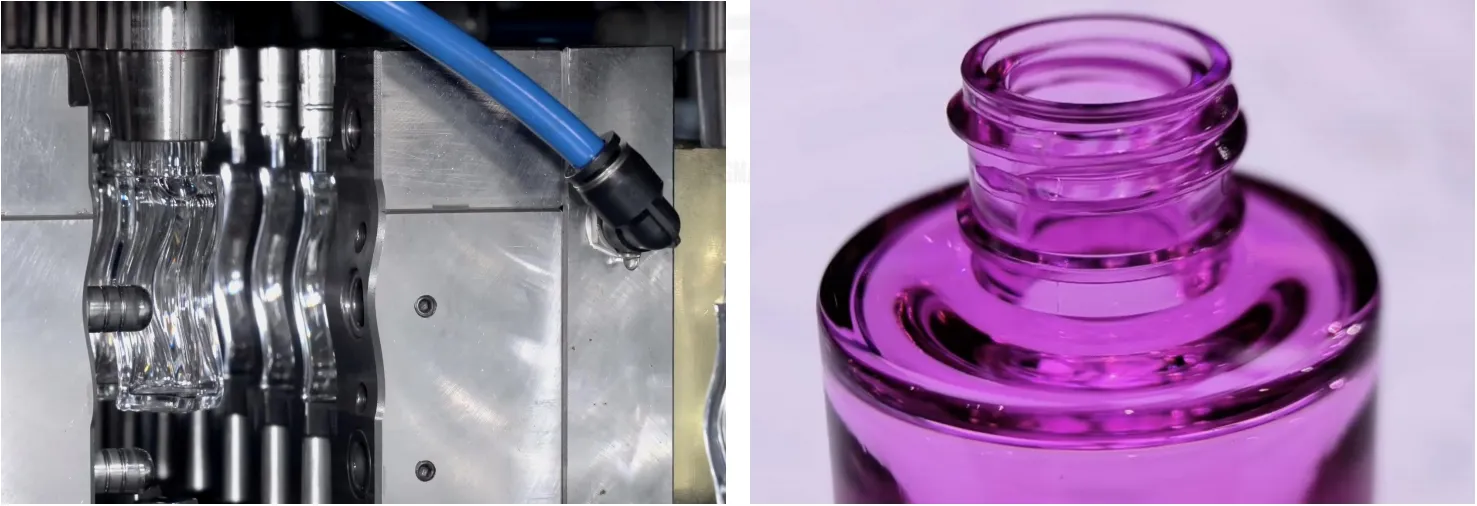
Once the PET has been successfully biaxially oriented and pressed against the blow mold wall, it must be cooled rapidly to lock in the amorphous, clear structure before molecular relaxation and thermal crystallization can occur. The blow mold’s temperature and cooling efficiency are decisive in this final phase of the process.
Mold Temperature Specification: Blow mold temperature for clear PET bottle production should be maintained at 5–15°C. Molds running at 20–30°C — a common practice adopted to avoid surface condensation in humid environments — cool the bottle wall significantly more slowly, extending the time the material spends passing through the thermal crystallization temperature range during cool-down. For thick-walled sections of the bottle (neck, base, handle grips), this slower cooling is often sufficient to initiate measurable levels of thermal crystallization and haze.
Blow Time (Hold Time) Adequacy: The blow cycle time must be long enough to cool the bottle wall below the glass transition temperature (Tg ~76°C) before ejection. If the bottle is ejected while the wall is still above Tg, molecular relaxation can occur in the immediate post-ejection period, allowing thermally induced crystallization to develop in material that appeared clear when still under the constraint of the blow mold. Extended hold time (even 0.5–1.0 seconds) can sometimes resolve persistent haze in thick-walled sections that are slow to cool below Tg.
Coolant Flow Rate and Circuit Integrity: Inadequate coolant flow rate — from partially closed or scaled cooling circuits, undersized coolant manifolds, or failing chiller capacity — reduces the heat transfer coefficient at the mold surface, effectively warming the mold even when the setpoint temperature is correct. Regular flow rate measurement at mold inlet and outlet, and annual inspection and cleaning of cooling circuits, is essential maintenance for consistently achieving the low mold temperatures required for clear bottle production.
Cause #7 — Machine Design, Equipment Precision, and Component Condition
Machine-related variability is the hidden factor behind many stubborn haze problems that fail to respond to material or process parameter adjustments. Equipment precision, component condition, and heating consistency collectively determine whether a theoretically correct process can actually be executed consistently in production.
Even with perfect material quality and well-optimized process parameters, an ISBM machine with worn components, inconsistent heating elements, or imprecise servo control will produce chronically hazy bottles. This is because process parameters are only as meaningful as the machine’s ability to execute them repeatably, cycle after cycle, cavity after cavity. Leading 사출 연신 블로우 성형기 제조업체 have made significant advances in all of the equipment-level variables that influence optical clarity.
Heating Lamp Output Consistency: Infrared heating lamp systems undergo gradual degradation — their IR output decreases over thousands of operating hours, often at different rates between individual lamps. This progressive degradation introduces slowly worsening preform temperature non-uniformity that is invisible to standard process monitoring but directly produces gradually increasing bottle haze. Proactive, scheduled lamp replacement based on operating-hours intervals (rather than reactive replacement after lamp failure) is essential for maintaining stable preform temperature profiles. Lamp output measurement using calibrated IR sensors should be part of routine preventive maintenance.
Stretch Rod Precision and Servo Control: The stretch rod must deliver a precisely controlled descent speed, travel distance, and timing profile to each preform, repeatedly and consistently across thousands of cycles per hour. Worn rod bearings, degraded servo drive calibration, or mechanical play accumulated over years of operation introduces cycle-to-cycle variation in axial stretch delivery. In multi-cavity machines, this often manifests as the frustrating “one cavity always hazy” problem, where a single cavity’s stretch mechanism is performing outside specification while the others remain within tolerance.
Blow Valve and Air Pressure Consistency: Blow air pressure drives hoop orientation and mold contact. Worn blow valve seats, insufficient air reservoir volume, or compressor instability all produce cycle-to-cycle and cavity-to-cavity pressure variation that directly translates into variable hoop stretch ratios — and therefore variable optical clarity. High-frequency pressure logging on individual cavities is the most effective diagnostic tool for identifying blow pressure-related clarity issues that are invisible at the machine’s primary monitoring level.
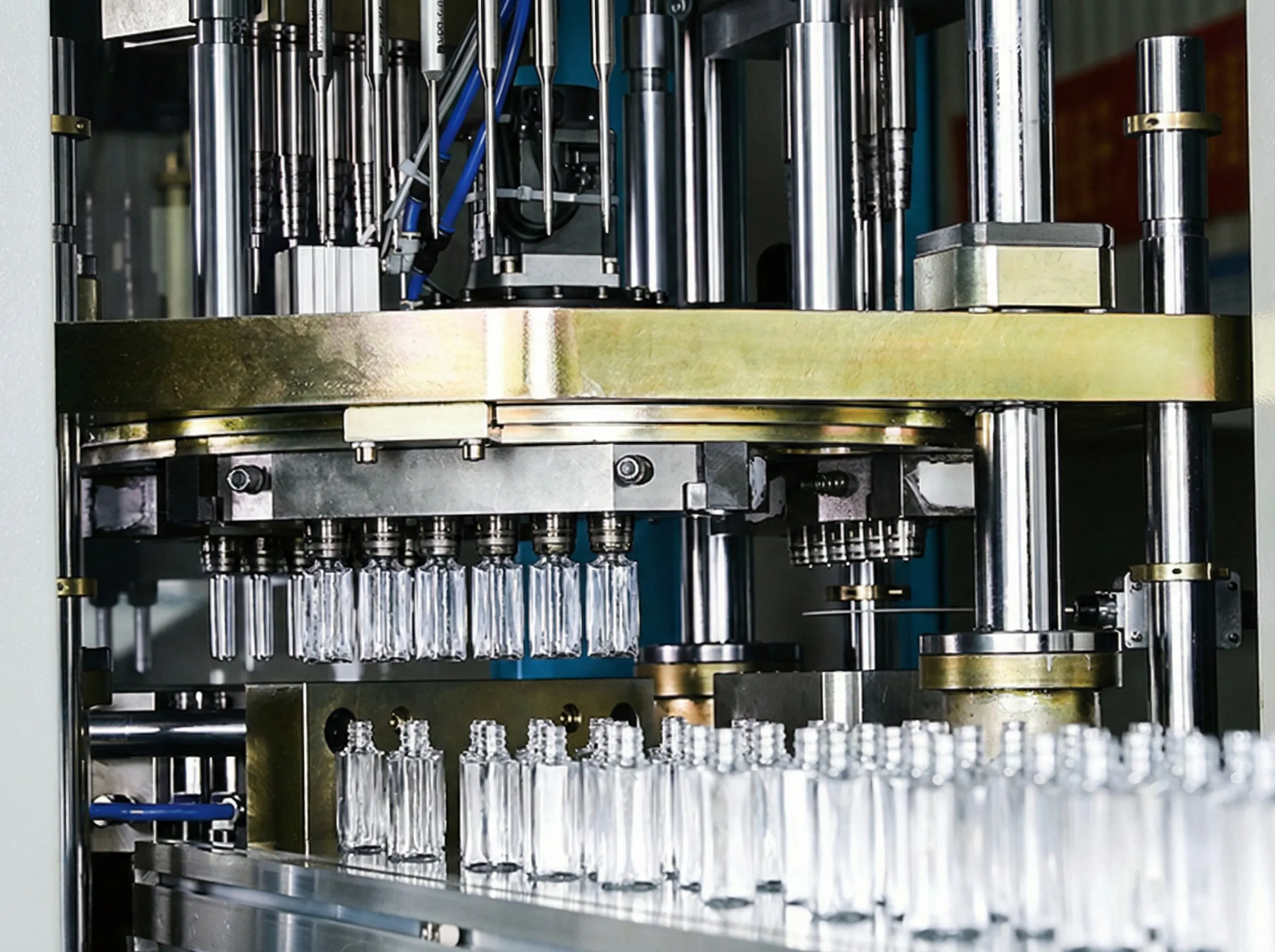
Many bottle manufacturers undertaking a 아오키 사출 스트레치 블로우 성형기 교체 with modern Chinese-engineered equipment have reported measurable improvements in optical clarity, not from parameter changes but from the improved heating uniformity, servo precision, and blow pressure consistency inherent in newer machine designs. Aging equipment with time-accumulated component degradation introduces process variability that is effectively invisible to conventional monitoring but creates reproducible, persistent clarity defects in specific cavities or specific bottle zones.
Clamping Consistency and Mold Condition: Insufficient or inconsistent clamping force allows mold parting surfaces to open marginally under blow pressure, creating flash at parting lines and disrupting the thermal contact between the bottle wall and the cooling surface in those zones. Worn or thermally distorted mold cavities produce dimensional inconsistencies that prevent uniform mold-wall contact, creating localized areas of poor cooling that develop haze independently of all other process variables. Regular mold inspection, surface refurbishment, and clamping system maintenance are integral to sustained optical clarity performance.
Systematic Troubleshooting Framework: From Symptom to Solution
When pearlescence or haze appears in production, random parameter changes without diagnostic evidence rarely resolve the problem and frequently introduce new defects. The following evidence-based troubleshooting sequence has been validated across hundreds of production scenarios by Ever-Power’s field engineering team.
Map the Defect Location Precisely
The geographic pattern of haze within the bottle is diagnostic. Gate-area haze (bottom center of base) points to injection conditions or gate design. Shoulder haze indicates temperature non-uniformity or stretch ratio shortfall. Banded or striped haze across the body suggests lamp degradation or rotation inconsistency. Uniform body haze throughout points to bulk material or systematic process problems. This mapping alone often narrows the root cause search to two or three candidates.
Verify Material Quality and Drying
Confirm resin lot IV against specification. Compare preform IV against resin IV — if preform IV is significantly lower (>0.03 dL/g drop), hydrolytic degradation during injection is confirmed. Verify dryer operation: temperature setpoint vs actual, dew point measurement, hopper residence time. Check colorant and masterbatch lot numbers against qualified approved list. This step rules out material as the primary variable before spending time on process adjustments.
Thermally Map the Preform
Use a calibrated non-contact IR thermometer or thermal imaging camera to measure preform surface temperature immediately before the stretch-blow station. Map temperature distribution both axially (top to bottom) and circumferentially (around the preform). Identify any zones below 90°C or above 115°C. Adjust lamp zone settings, heat soak time, or rotation speed to bring the full preform into specification. Confirm with a follow-up thermal map before producing sample bottles for haze measurement.
Audit Process Parameters Systematically
Compare current machine settings against the validated baseline parameters for the bottle design and resin grade. Focus particularly on pre-blow timing and pressure, stretch rod travel distance and speed profile, main blow pressure and timing, blow time (hold time), and mold cooling water inlet temperature and flow rate. Log these numerically against measured haze values from a standardized haze meter measurement protocol. Look for correlations between specific parameter deviations and haze severity or location.
Assess Machine Mechanical Condition
Measure heating lamp IR output against reference baseline. Inspect stretch rod bearings and seals for wear and confirm rod travel distance accuracy. Check blow valve seat condition and measure cavity-level air pressure profiles. Verify mold cooling water flow rate at individual mold circuit outlets. Review maintenance records for scheduled service items that are overdue. This step frequently identifies the hidden machine-level root cause that has been generating persistent haze despite correct nominal process parameters.
Implement and Validate Corrections
Based on the diagnostic evidence, implement one parameter change at a time and measure the effect on bottle haze using a standardized haze meter and measurement protocol. Document each change and its measured effect before proceeding to the next. Changing multiple variables simultaneously makes root cause attribution impossible and risks compounding problems. Once an improvement is achieved, confirm it is sustained over a full production run before closing the corrective action.
Frequently Asked Questions — PET Bottle Pearlescence and Haze
Why do my PET bottles come out white or milky immediately after blowing?
Immediate post-blow whitening indicates thermal crystallization during the blow cycle, most commonly caused by insufficient preform temperature (below 90°C outer surface), excessively short blow time resulting in ejection above Tg, or stretch ratios below threshold. Check preform temperature first — it is statistically the most frequent single cause. Use a thermal imaging camera to confirm and map preform temperature uniformity before making any other adjustments.
Why is only one cavity in my multi-cavity tool producing hazy bottles?
Single-cavity haze in a multi-cavity tool is a strong indicator of either a cavity-specific machine issue (stretch rod travel, blow valve performance, cooling circuit blockage) or a cavity-specific mold problem (damaged cavity surface, blocked cooling channel, worn blow pin seal). Swap mold positions if the machine design allows — if the haze follows the cavity position in the machine, the issue is in the machine; if it follows the mold cavity, the issue is in the mold. This test eliminates half the search space immediately.
What is the ideal preform temperature range for clear PET bottle production?
For standard bottle-grade PET (IV 0.72–0.85 dL/g), the optimal preform outer surface temperature immediately before stretch-blowing is typically 95–112°C, with core temperature slightly higher (100–118°C). The exact optimum depends on bottle geometry, wall thickness, stretch ratios, and specific resin grade. Systematic optimization using thermal imaging combined with haze meter measurement of resulting bottles is the most reliable approach — theoretical ranges are a starting point only.
Can recycled PET (rPET) content cause increased bottle haze?
Yes — rPET typically has lower, more variable IV than virgin bottle-grade PET and may contain nucleating contaminants from prior processing cycles. Even blending at 20–30% rPET can measurably increase haze in clear bottle applications if rPET quality is not rigorously controlled. For clear applications, use only certified food-grade rPET with verified IV ≥ 0.70 dL/g, documented processing history, and low contamination levels. Increase drying time for rPET blends and monitor finished bottle haze closely against a virgin PET baseline.
Does blow mold temperature significantly affect PET bottle optical clarity?
Yes, and the effect is often underestimated. Mold temperatures above 15°C slow the cooling rate, extending the time the bottle wall remains in the thermal crystallization range during cool-down. For clear bottles, target 5–15°C mold temperature with stable coolant flow. If condensation is a concern in humid production environments, use thermally insulated mold clamping plates and air-dry mold surfaces rather than raising mold temperature — the optical penalty for warm molds in clear bottle production is significant and measurable.
Related Products — Ever-Power ISBM Machines & Molds
As a trusted ISBM 기계 제조업체 with decades of engineering expertise, Ever-Power designs and builds single-stage injection stretch blow molding machines optimized for crystal-clear PET bottle production. Every machine in our lineup is engineered with precision heating systems, servo-controlled stretch mechanisms, and high-consistency blow air delivery — the three machine-level variables most directly responsible for optical clarity. As a premier isbm 사출 금형 공급업체, we also supply precision-engineered ISBM molds designed for uniform wall thickness distribution and optimal thermal contact, helping eliminate the preform-design-related root causes of haze described in this article. Whether you are establishing a new production line or evaluating ISBM 기계 판매합니다 options to upgrade aging equipment, Ever-Power’s engineering team provides full technical support including process optimization, operator training, and ongoing after-sales service. Explore our product range below.
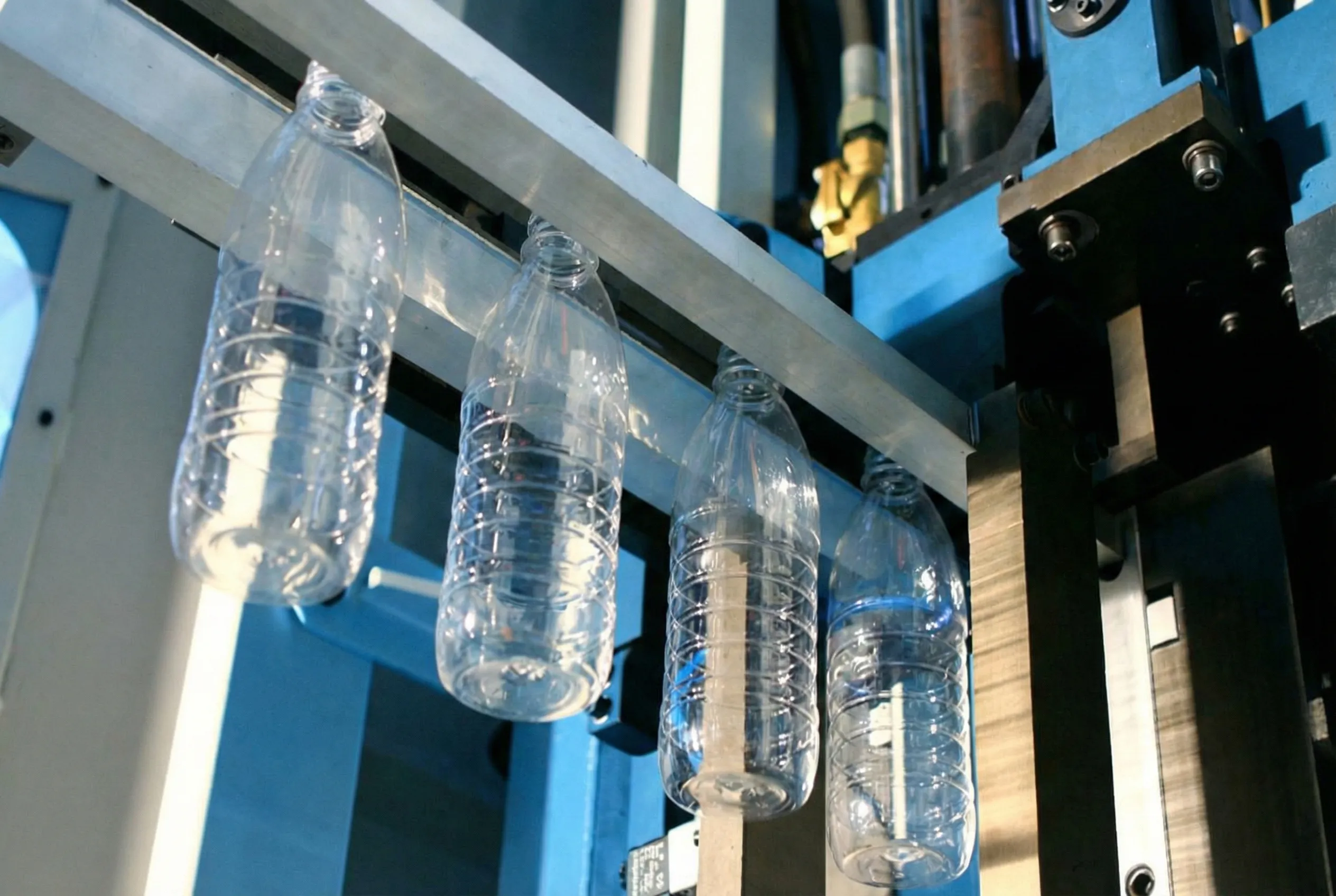
2-Station Single Stage ISBM Machine
Compact, energy-efficient design ideal for small-to-medium PET bottle runs. Servo-controlled stretch rod and precision IR heating for consistent optical clarity across all cavities.
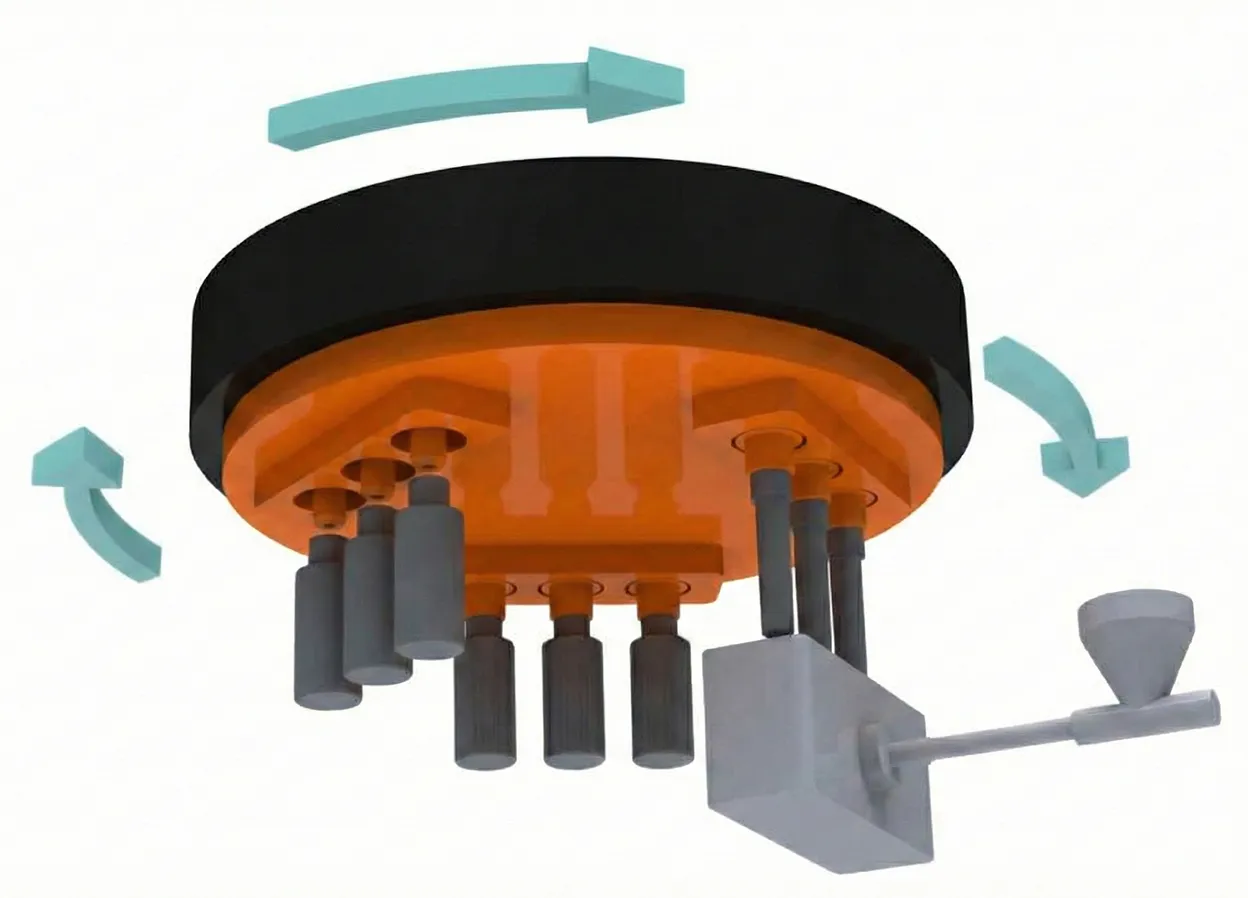
3-Station Single Stage ISBM Machine
High-output 3-station configuration with advanced conditioning zone management. Designed for demanding clarity applications including pharmaceutical and cosmetic PET bottles.
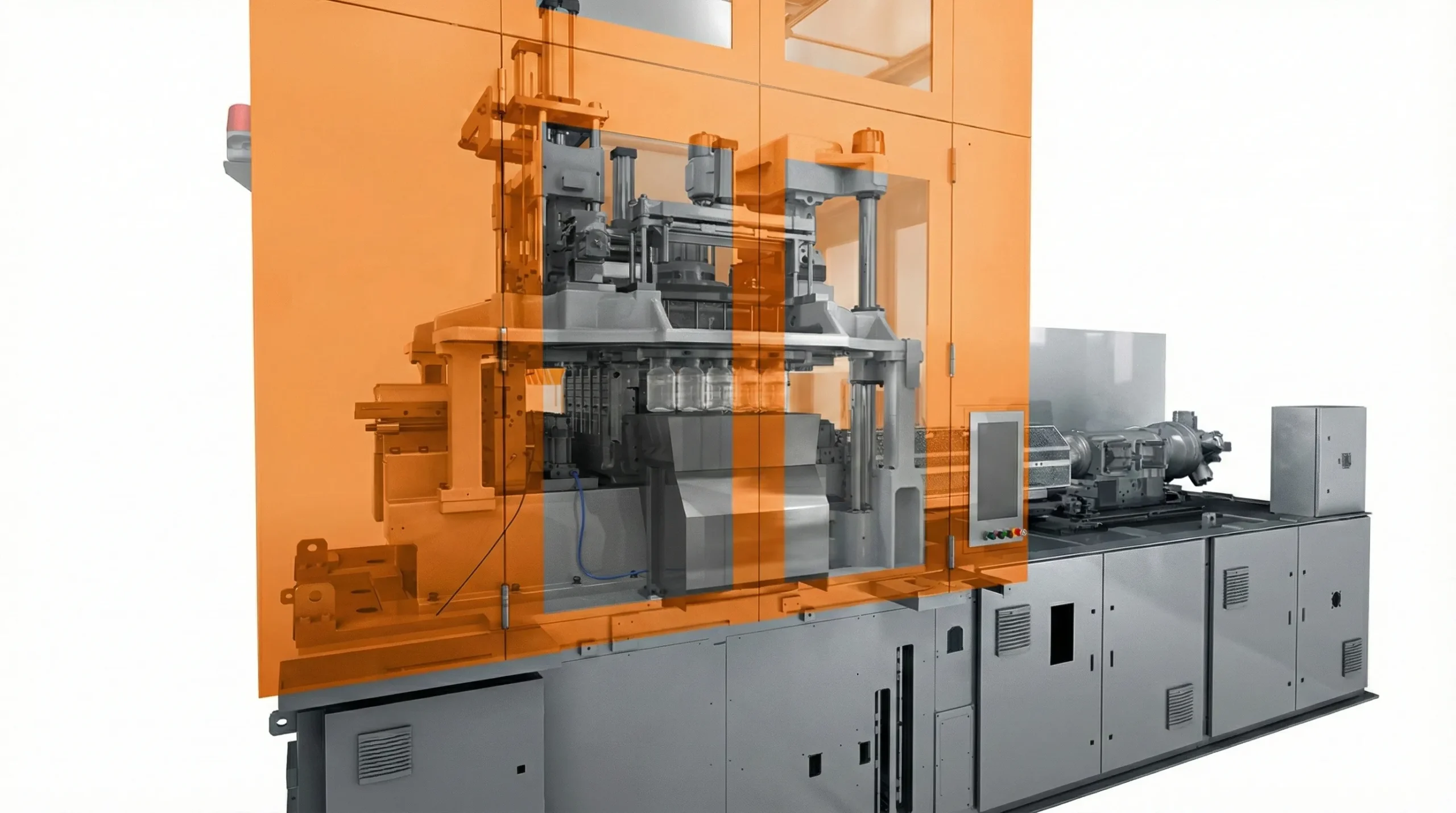
4-Station High-Output ISBM Machine
Maximum productivity 4-station platform with synchronized multi-cavity control. Consistent cavity-to-cavity performance for large-volume clear PET bottle production at lowest per-unit cost.
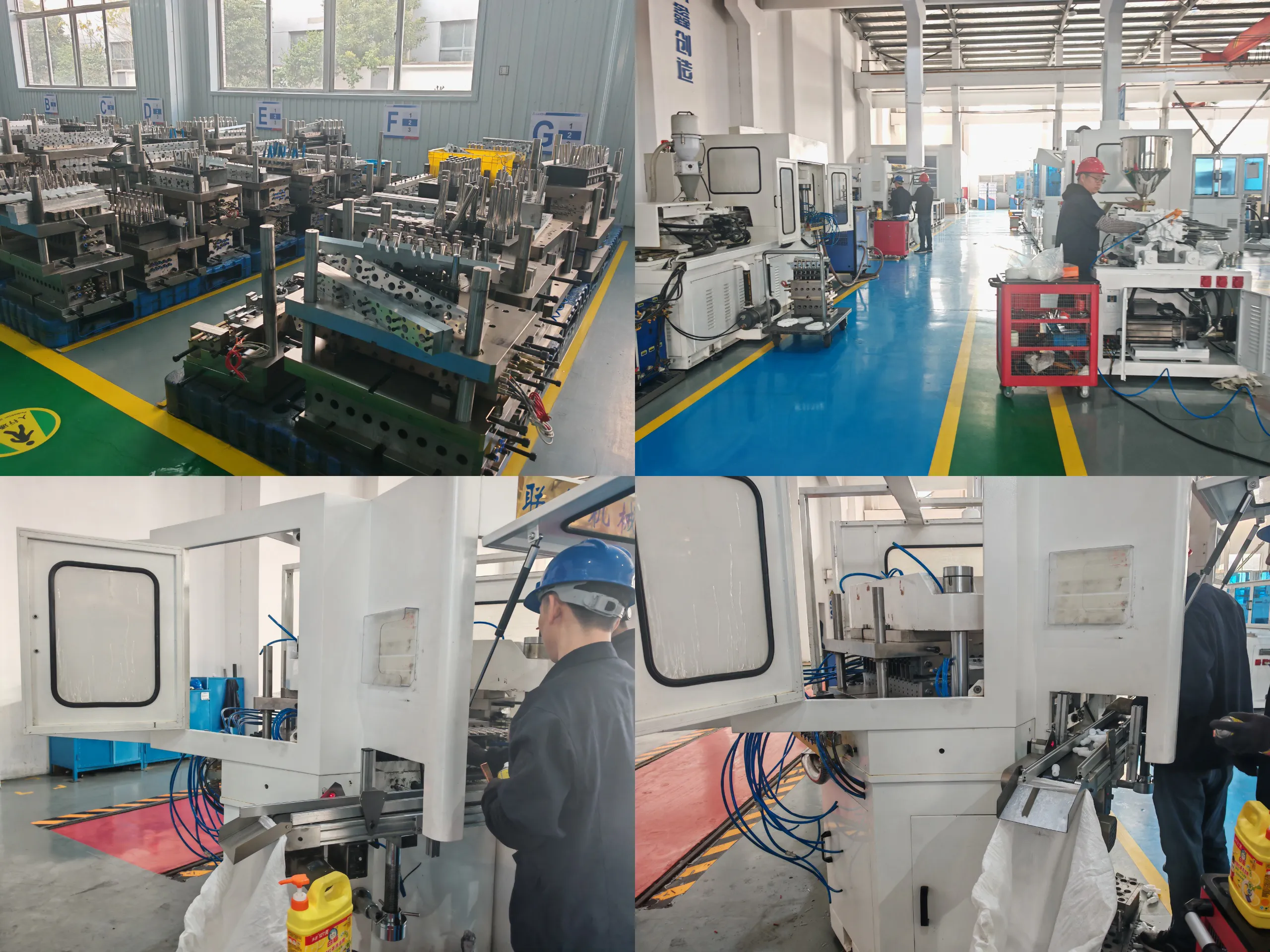
Precision ISBM Molds
Custom-engineered ISBM molds with optimized cavity cooling circuits, precision-ground cavity surfaces, and gate geometry designed to minimize residual stress and gate-area haze in PET bottles.
Ready to Eliminate Pearlescence and Haze From Your Production?
Ever-Power’s engineering team provides free technical consultation on haze troubleshooting, process optimization, and machine selection. Contact us to discuss your specific bottle clarity challenges and production requirements.