What Role Does the ISBM Molding Machine Play in Sustainable and Lightweight Packaging Trends?
Engineering the Future of Eco-Friendly PET Bottle Manufacturing
Introduction: The Convergence of Sustainability and Precision Molding
The global packaging industry stands at a pivotal crossroads. Brand owners, regulators, and end consumers are converging around a single demand: packaging that is lighter, more recyclable, and produced with a smaller environmental footprint—without sacrificing product integrity or shelf appeal. For B2B procurement leaders evaluating capital equipment for PET bottle production, the decision is no longer simply about throughput or unit cost. It is about future-proofing operations against tightening sustainability mandates, extended producer responsibility schemes, and rising raw material costs.
At the heart of this transformation sits the Injection Stretch Blow Molding (ISBM) machine—a piece of precision equipment that has quietly become one of the most strategic assets in the packaging value chain. Unlike traditional two-step systems that consume energy across separate preform manufacturing and reheating cycles, the modern máquina de moldeo por soplado y estirado por inyección de una sola etapa integrates injection, conditioning, stretching, and blowing into one continuous, energy-optimized process. The result: lighter bottles, lower scrap rates, reduced carbon intensity per unit, and dramatically improved economics for high-clarity packaging applications such as cosmetics, pharmaceuticals, food, beverage, and personal care.
This article examines, from an engineering and procurement perspective, exactly how ISBM technology contributes to sustainable and lightweight packaging trends—and why selecting the right partner among fabricantes de máquinas de moldeo por inyección-estirado-soplado can determine whether your sustainability roadmap succeeds or stalls.
1. Why Lightweighting Matters—and Why ISBM Wins
Lightweighting—the engineering practice of reducing the resin content of a bottle while maintaining its structural and barrier performance—is the single most cost-effective sustainability lever available to brand owners today. A 10% reduction in PET resin per bottle, multiplied across hundreds of millions of units annually, translates into thousands of tons of avoided plastic, reduced freight emissions, and significant raw-material savings.
However, lightweighting is only viable when the manufacturing process can hold extraordinarily tight tolerances. Wall thickness distribution, neck finish concentricity, base clearance, and orientation of PET molecules all become critical variables when grams of material are at stake. This is precisely where the proceso de moldeo por soplado y estirado por inyección demonstrates its superiority. Because the preform is injection-molded under controlled thermal and pressure conditions—then immediately conditioned and biaxially stretched within the same machine cycle—operators achieve exceptional repeatability, surface finish, and material distribution.
Up to 30% Resin Reduction
Precise preform design and biaxial orientation enable thinner walls without compromising top-load strength.
40–55% Energy Savings
Eliminating preform reheat cycles dramatically lowers kWh per thousand bottles versus two-step lines.
100% rPET Compatible
Modern ISBM systems process recycled PET reliably, supporting circular packaging commitments.
≤1% Scrap Rate
Closed-loop integrated cycle minimizes contamination, regrind, and rejected units.
For procurement teams benchmarking suppliers, the message is clear: machinery that combines servo-driven precision with thermal-cycle integration delivers sustainability outcomes that two-step lines simply cannot match at comparable bottle weights.
2. The One-Step ISBM Process: How Integration Drives Sustainability
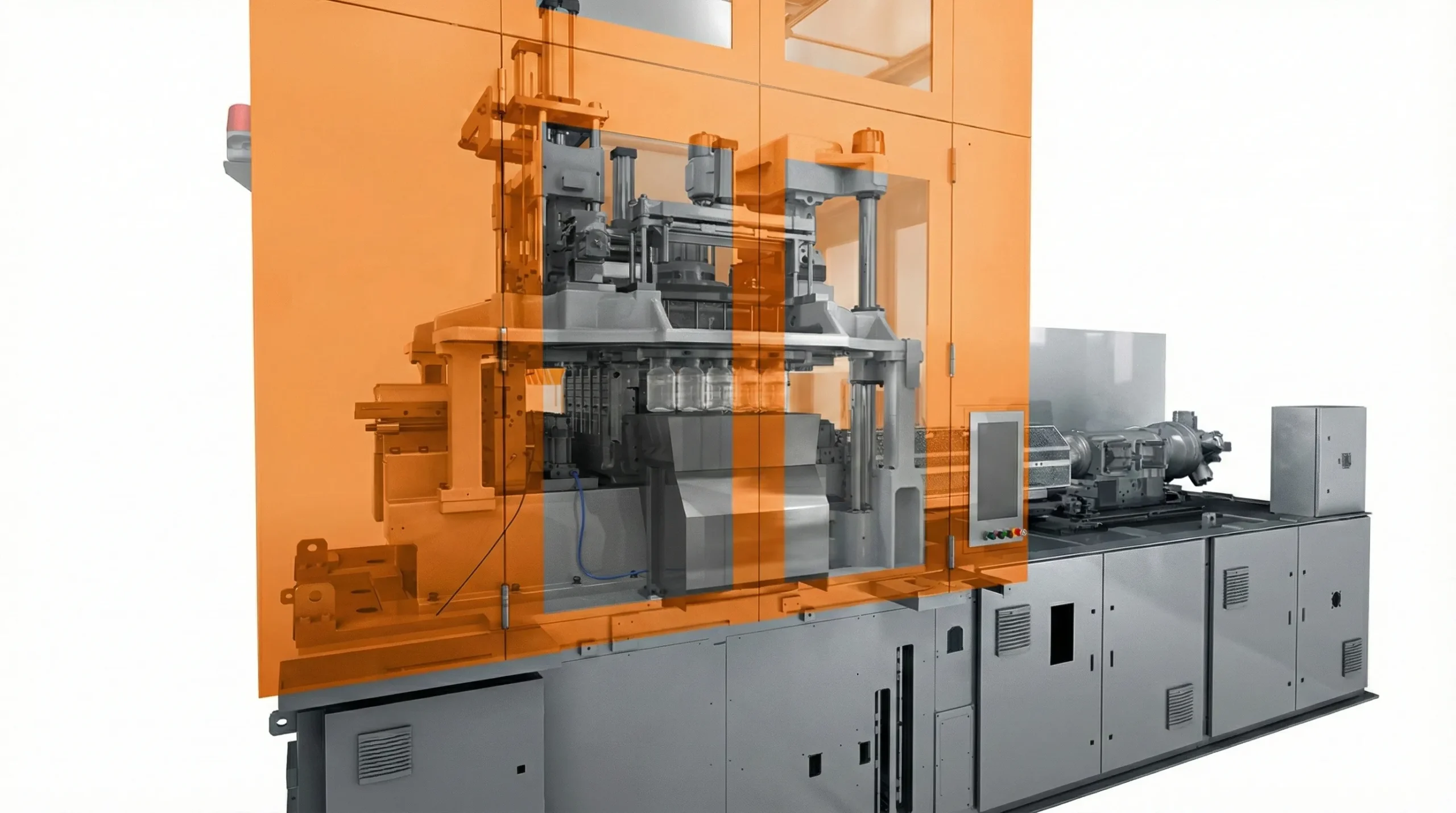
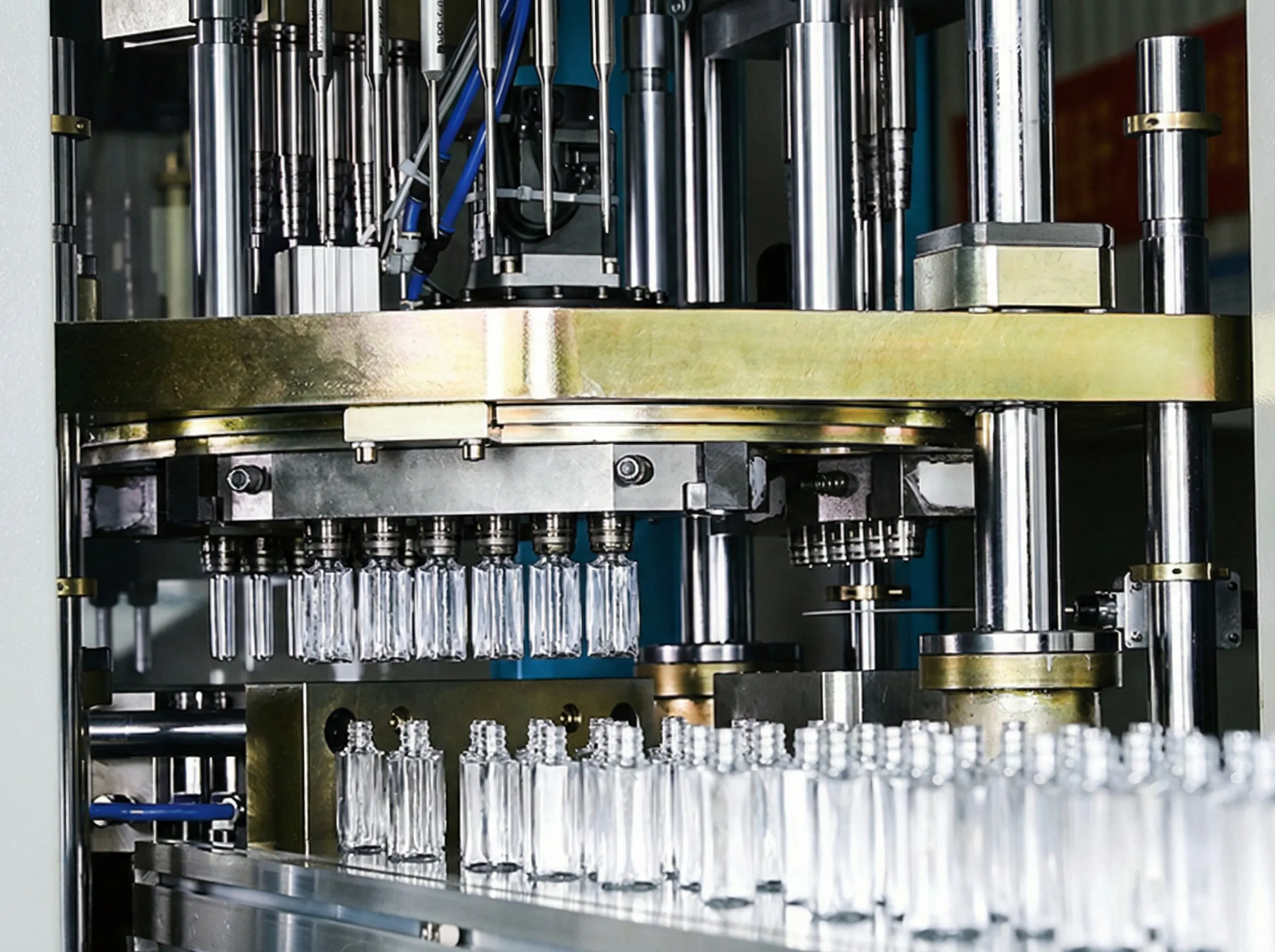
The one-step ISBM cycle is elegantly simple in concept yet sophisticated in execution. Within a single machine, four core stages occur sequentially on rotating stations:
- Injection Station: Molten PET is precisely injected into a preform cavity under controlled pressure, temperature, and dwell time. Material distribution is established here.
- Conditioning Station: The preform is held at an optimal stretching temperature—typically between 95°C and 115°C for PET—ensuring uniform crystallinity before deformation.
- Blow Station: A stretch rod elongates the preform axially while high-pressure air expands it radially against the blow mold cavity, producing the biaxial molecular orientation that gives PET bottles their strength and clarity.
- Ejection Station: Finished bottles are removed at controlled temperatures, eliminating the warpage common in less integrated systems.
Because the preform never cools fully and never requires external reheating, the entire cycle is energy-efficient by design. There is no intermediate handling, no warehouse of stockpiled preforms, no reheat oven, and no quality risk introduced through temperature shock or contamination during transport. From a Total Cost of Ownership (TCO) perspective, this matters: every kilowatt-hour saved, every gram of resin avoided, and every defective bottle eliminated translates directly into lower carbon intensity per packaged unit.
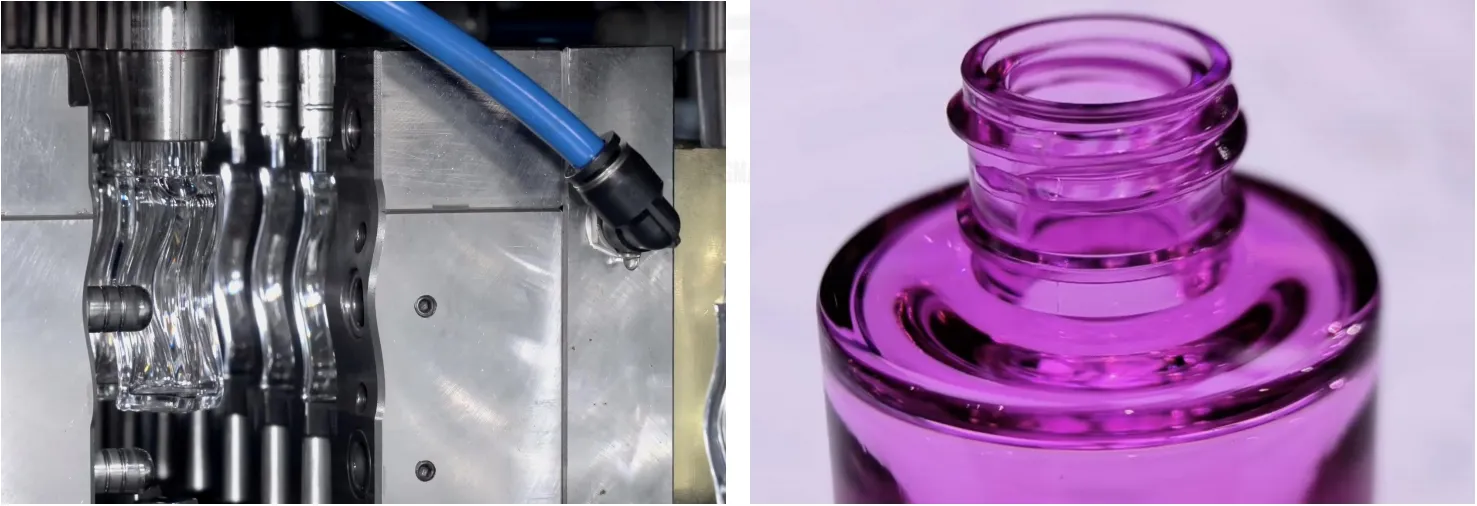
This is precisely the principle that has driven the rapid adoption of one-step systems in cosmetics, pharmaceutical, dairy, and edible-oil packaging—segments where bottle clarity, neck precision, and contamination control are non-negotiable, and where lightweighting must coexist with premium aesthetic standards.
3. rPET, Bio-PET, and the Circular Economy Imperative
Sustainability commitments from major brand owners now extend well beyond lightweighting. Targets such as 50% post-consumer recycled (PCR) content by 2030 are now standard across multinational consumer goods companies. Processing recycled PET (rPET), however, is technically demanding: rPET exhibits variable intrinsic viscosity (IV), trace contaminants, and color variation that can challenge less sophisticated machinery.
Modern ISBM machines address these challenges through advanced screw geometries optimized for shear-sensitive resins, multi-zone temperature control with closed-loop feedback, and servo-driven injection units that maintain dosing precision regardless of material variability. Equipment from a reputable fabricante de máquinas isbm will offer documented capability for processing 100% rPET, blends with virgin PET, and emerging bio-based PET formulations without compromising bottle properties.
For brand owners committed to closed-loop packaging, this capability is transformative. It enables the same production line to seamlessly handle sustainability-driven material transitions—virgin PET today, 30% rPET next year, 100% rPET in a future regulatory environment—without capital reinvestment. This flexibility is one of the most underappreciated economic advantages that ISBM technology delivers to forward-looking packaging operations.
4. Energy Efficiency: The Hidden Sustainability Multiplier
Scope 2 emissions—those associated with purchased energy—now feature prominently in corporate sustainability reporting. For packaging converters, electricity consumption per thousand bottles is no longer just a cost line; it is a disclosed environmental indicator scrutinized by customers and investors alike.
Fully servo-controlled ISBM machines reduce energy consumption through several converging engineering choices: servo-electric clamping eliminates hydraulic standby losses; servo-driven injection units consume power only during active motion; high-efficiency heating elements with PID control minimize thermal waste; and compressed-air recovery systems recycle blowing air back into low-pressure operations. Cumulatively, these features can reduce energy consumption by 35–50% compared to legacy hydraulic platforms.
5. Replacing Aging Equipment: A Strategic Decision
Many converters operating Japanese or European legacy systems are now approaching critical replacement decisions. Aging hydraulic platforms—however reliable mechanically—often fall short of contemporary energy, throughput, and sustainability benchmarks. The Sustitución de máquinas de moldeo por soplado y estirado por inyección Aoki and similar legacy units has become a recognized capital-improvement category, driven not only by mechanical end-of-life but by the substantial efficiency gap between machines designed in the 1990s–2000s and those engineered for today’s sustainability priorities.
Modern Chinese-engineered ISBM platforms now match or exceed Japanese performance benchmarks in cycle time, bottle quality, and uptime—while delivering substantially lower acquisition costs, faster spare-parts availability, and stronger after-sales engineering support. For procurement teams, this changes the economics of replacement: payback periods that once stretched to seven or eight years now compress to three or four, making replacement projects approvable under standard capital allocation thresholds.
Crucially, modern replacement platforms are designed for mold compatibility and footprint optimization, allowing converters to repurpose existing tooling investments and slot new equipment into existing factory layouts without disruptive plant reconfiguration. This is a vital consideration when evaluating Máquina isbm en venta options against full-line replacement scenarios.
Nuestros productos de maquinaria ISBM
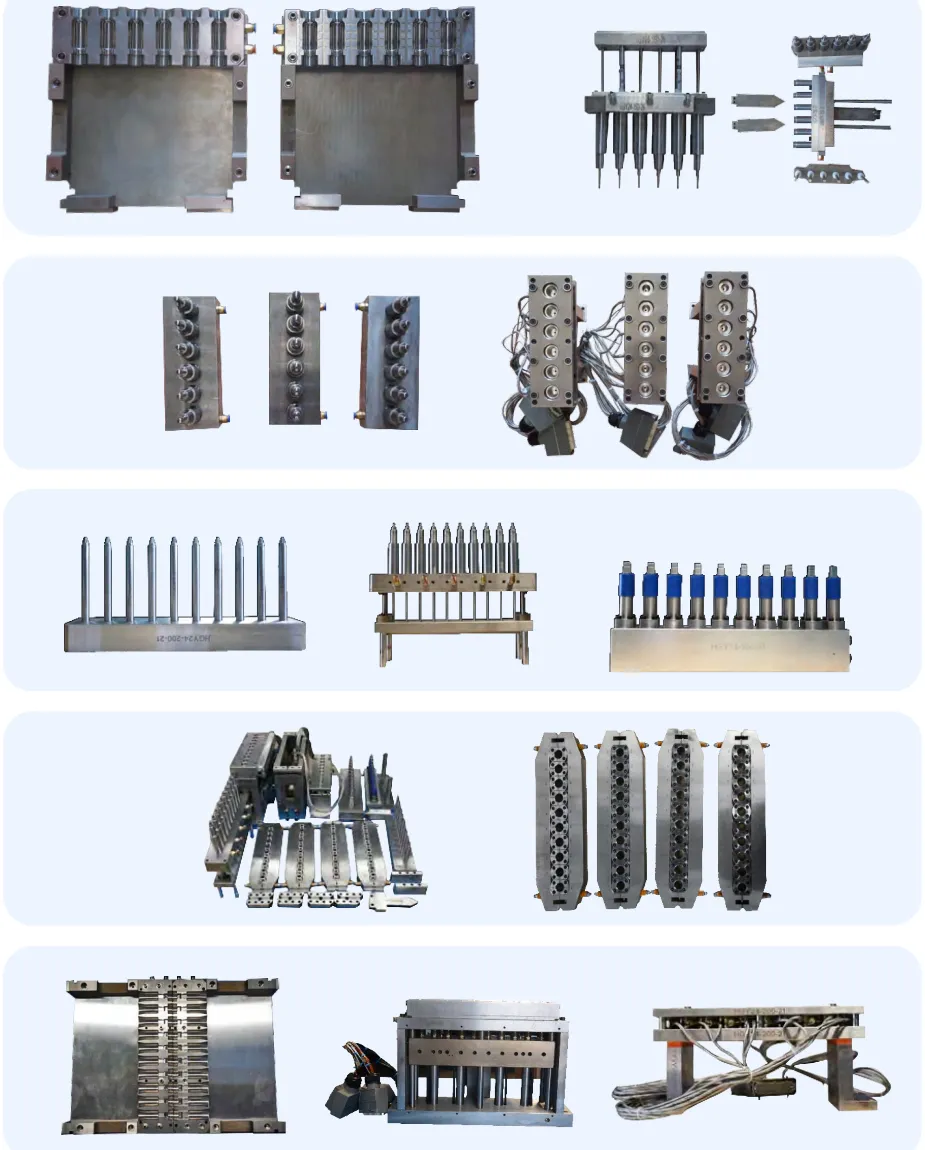
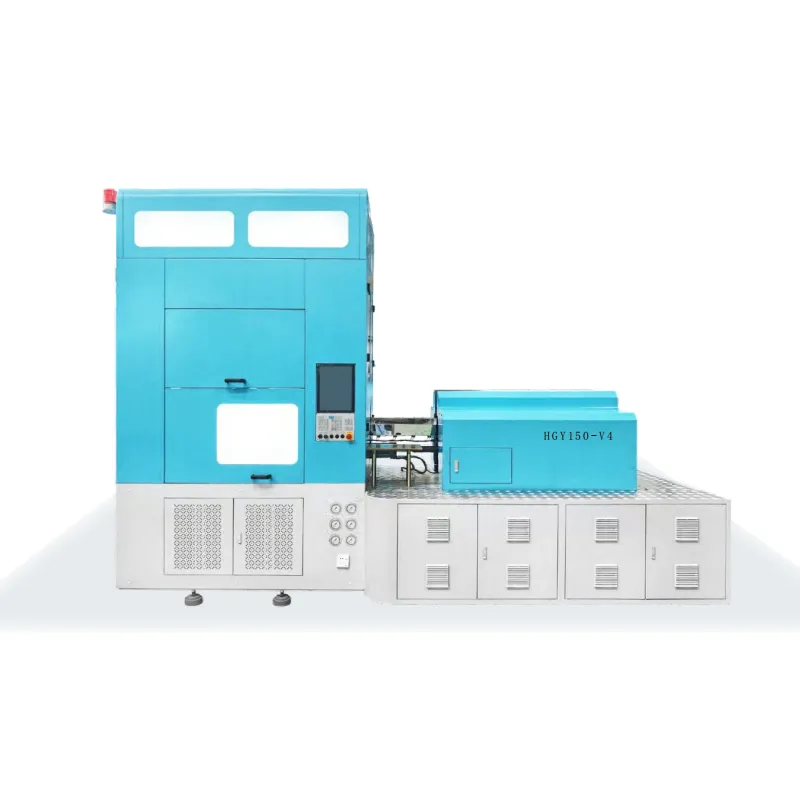
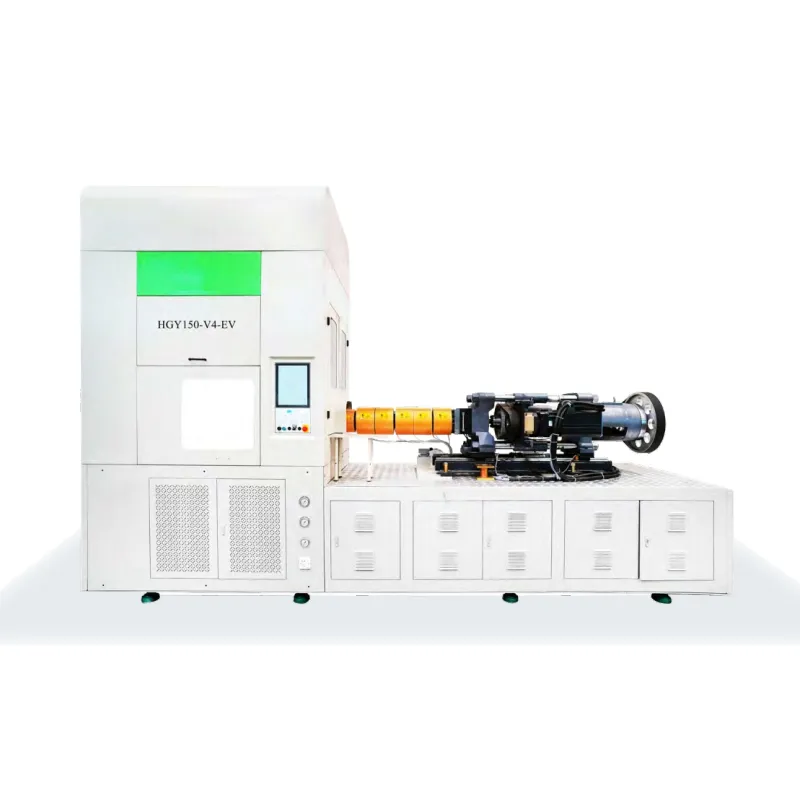
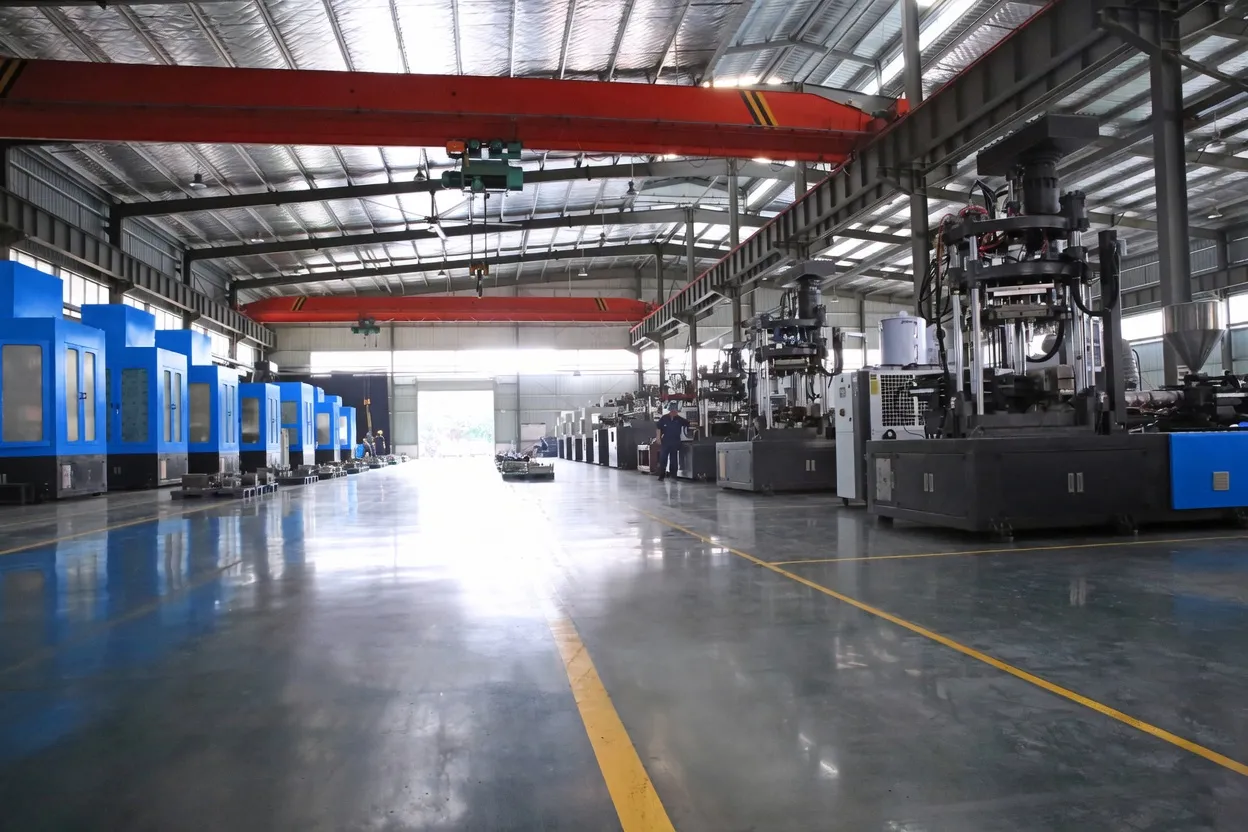
Como un proveedor de confianza Proveedor de máquinas de moldeo por inyección de moldes de la ISBM, Ever-Power engineers a comprehensive series of one-step injection stretch blow molding machines purpose-built for sustainable PET packaging applications. Each model is designed around modular four- and six-station architectures, servo-driven motion control, and precision tooling interfaces that accommodate lightweighting, rPET processing, and rapid mold changes. From compact four-station platforms ideal for cosmetics and pharmaceutical packaging through high-output six-station systems engineered for beverage and food markets, our product range supports cavity counts, shot weights, and bottle volumes spanning small specialty containers to large 5-gallon water bottles. Every machine integrates safety interlocks, energy-monitoring systems, and IoT-ready control architecture that supports remote diagnostics and predictive maintenance—reducing total downtime and accelerating return on investment for our global customers.
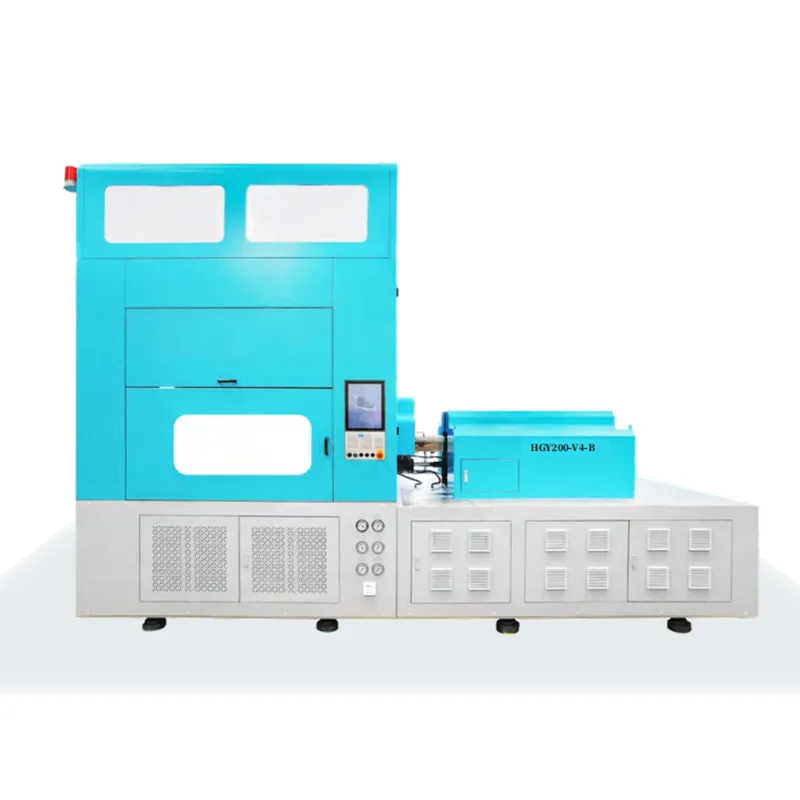
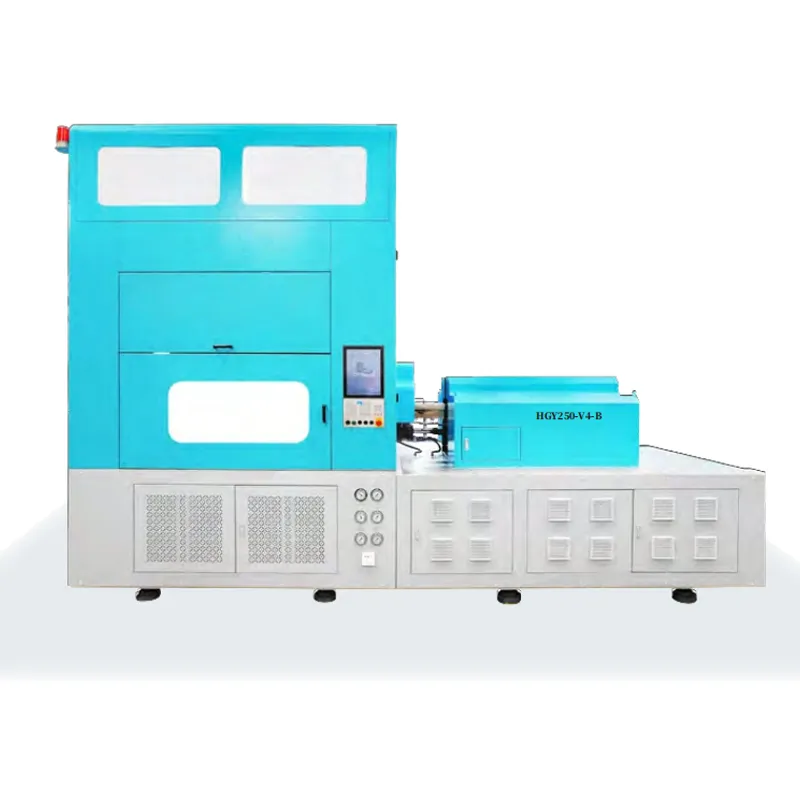
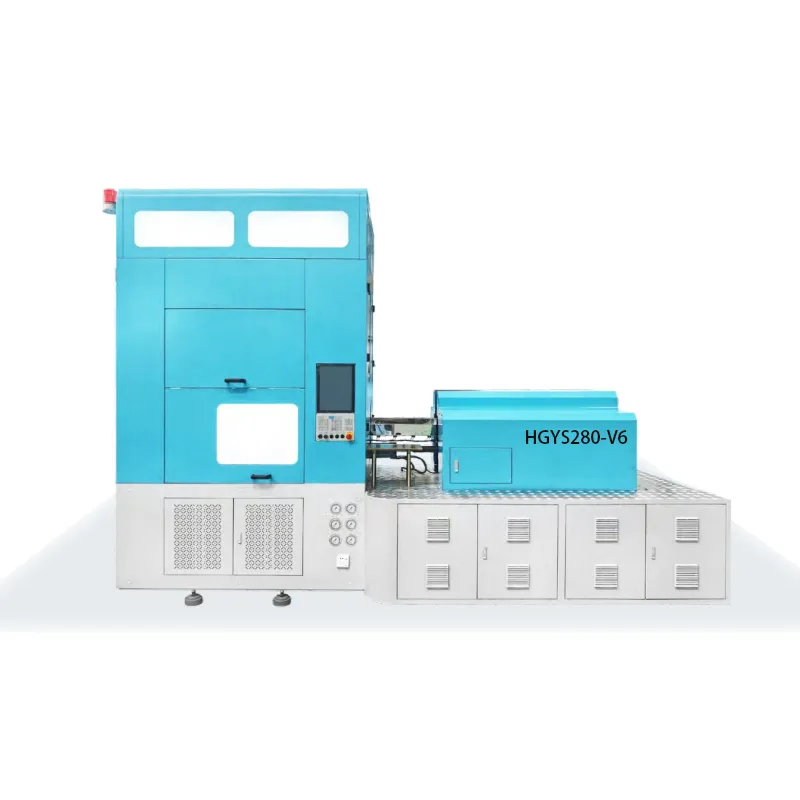
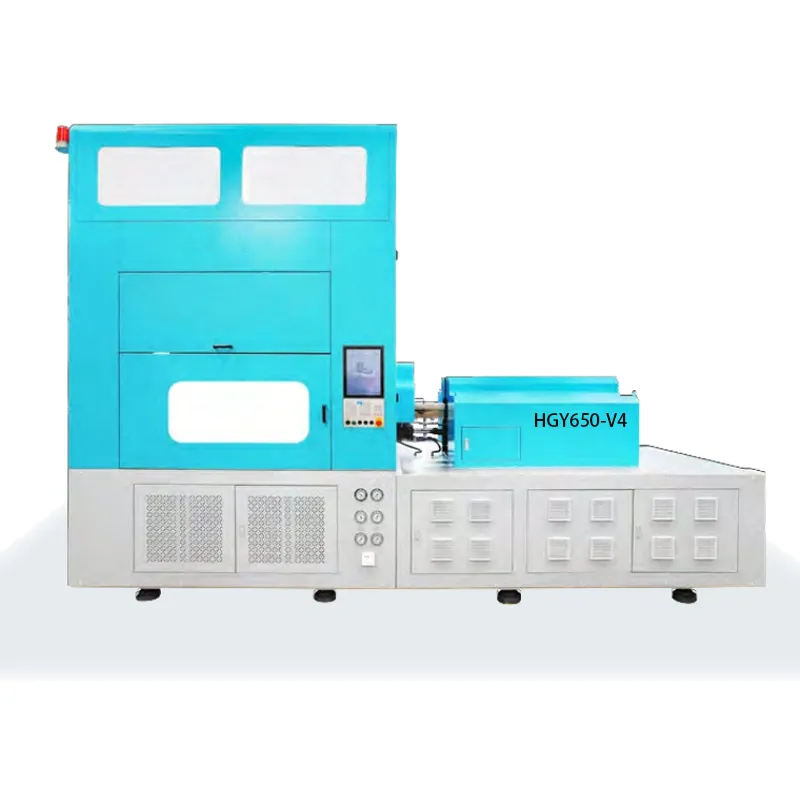
6. Versatility Across Packaging Categories
One of the most strategically valuable attributes of modern ISBM technology is its applicability across diverse packaging categories. The same machine platform—configured with appropriate molds and process recipes—can serve cosmetics, pharmaceutical, food, beverage, household chemical, and personal care markets. This adaptability is essential for contract manufacturers and brand-owner converters who must balance multiple SKUs against fluctuating demand patterns.
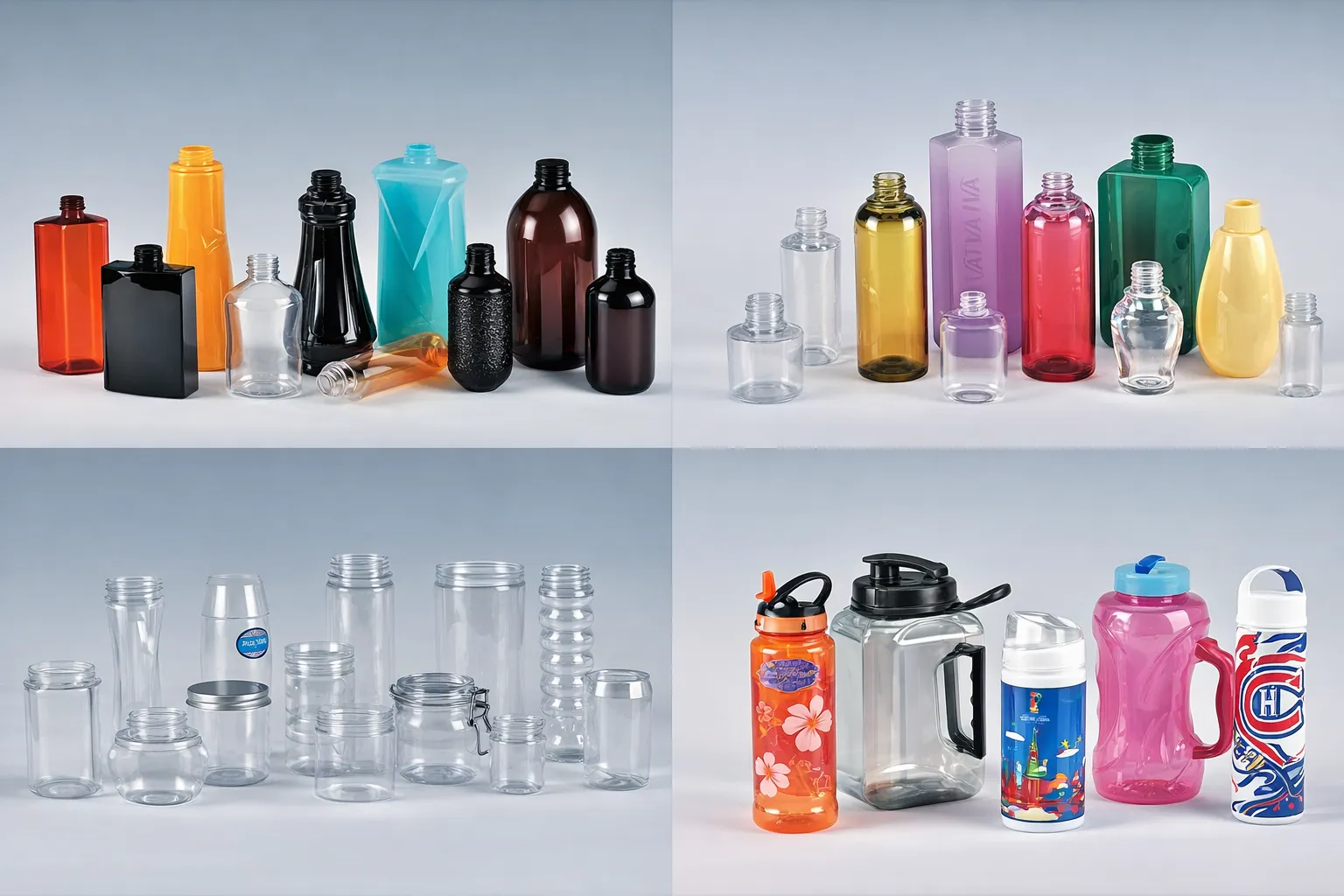
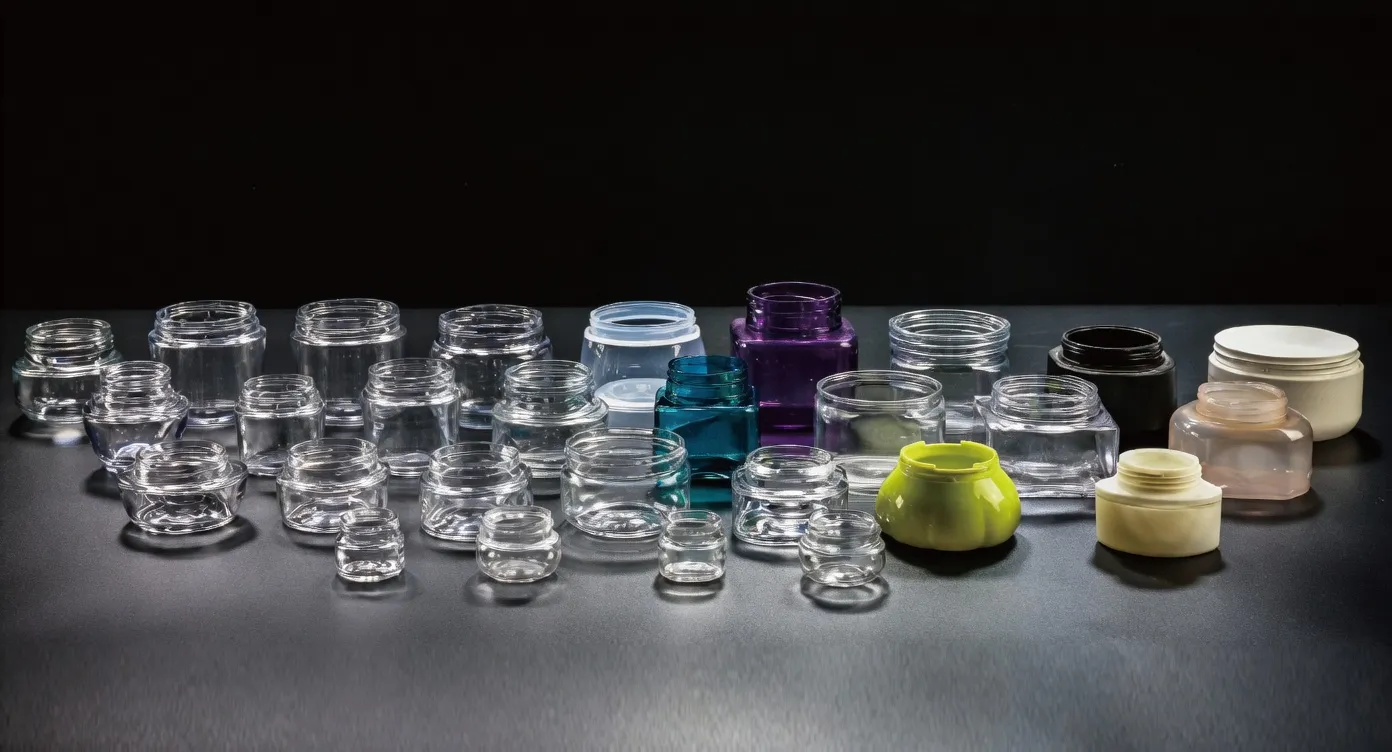
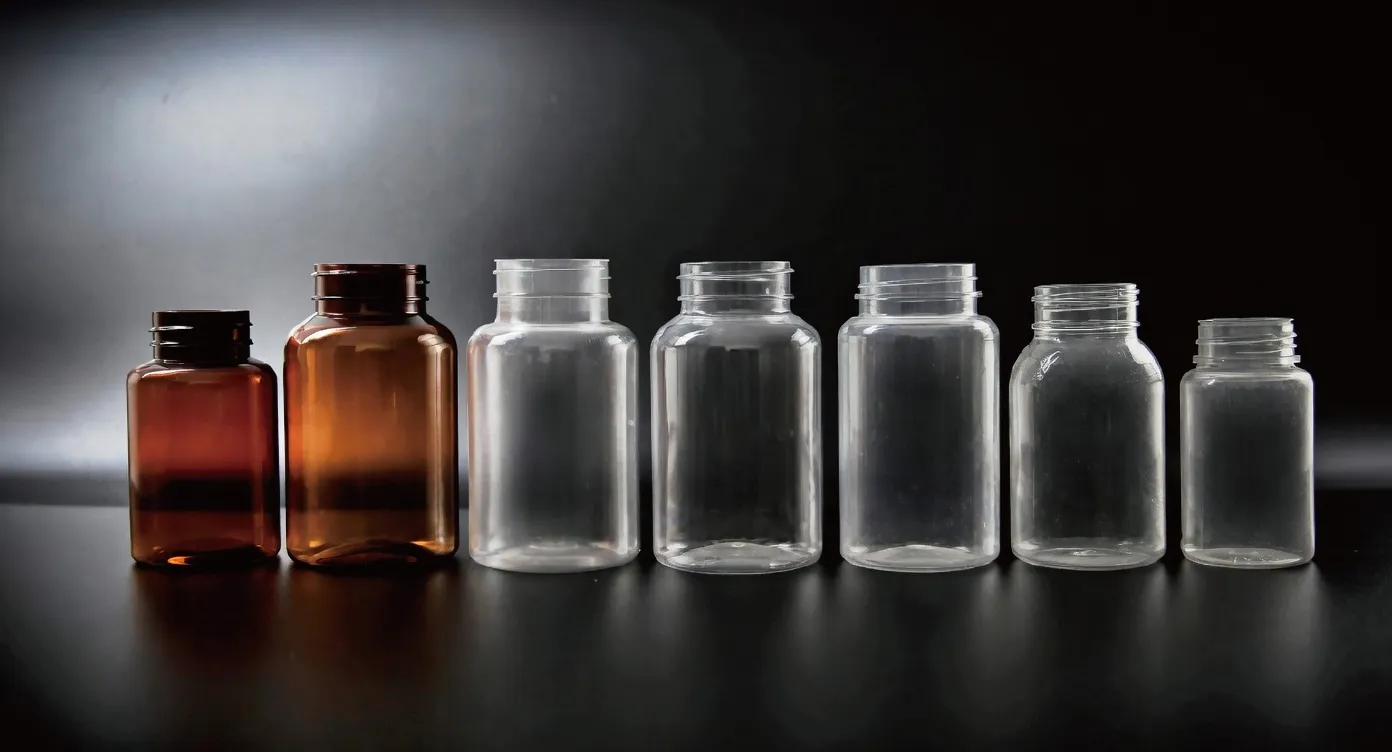
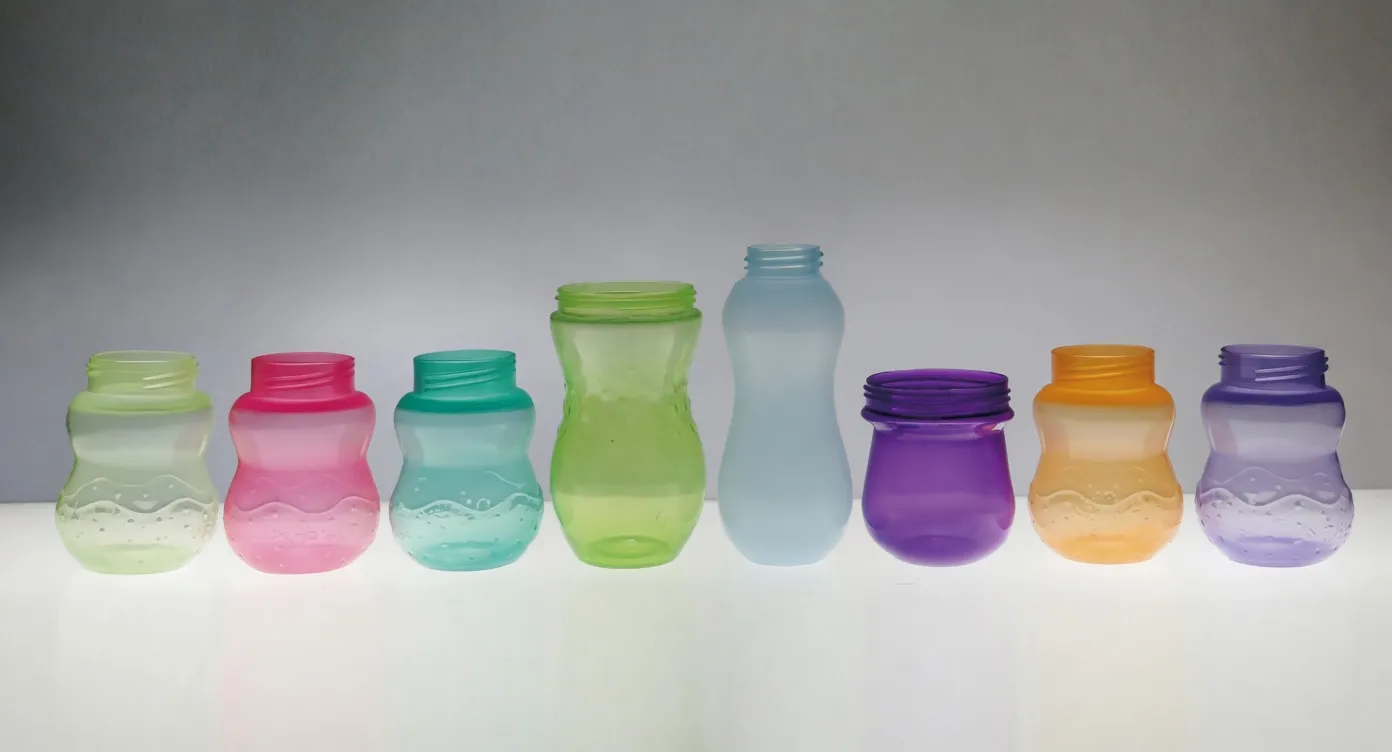
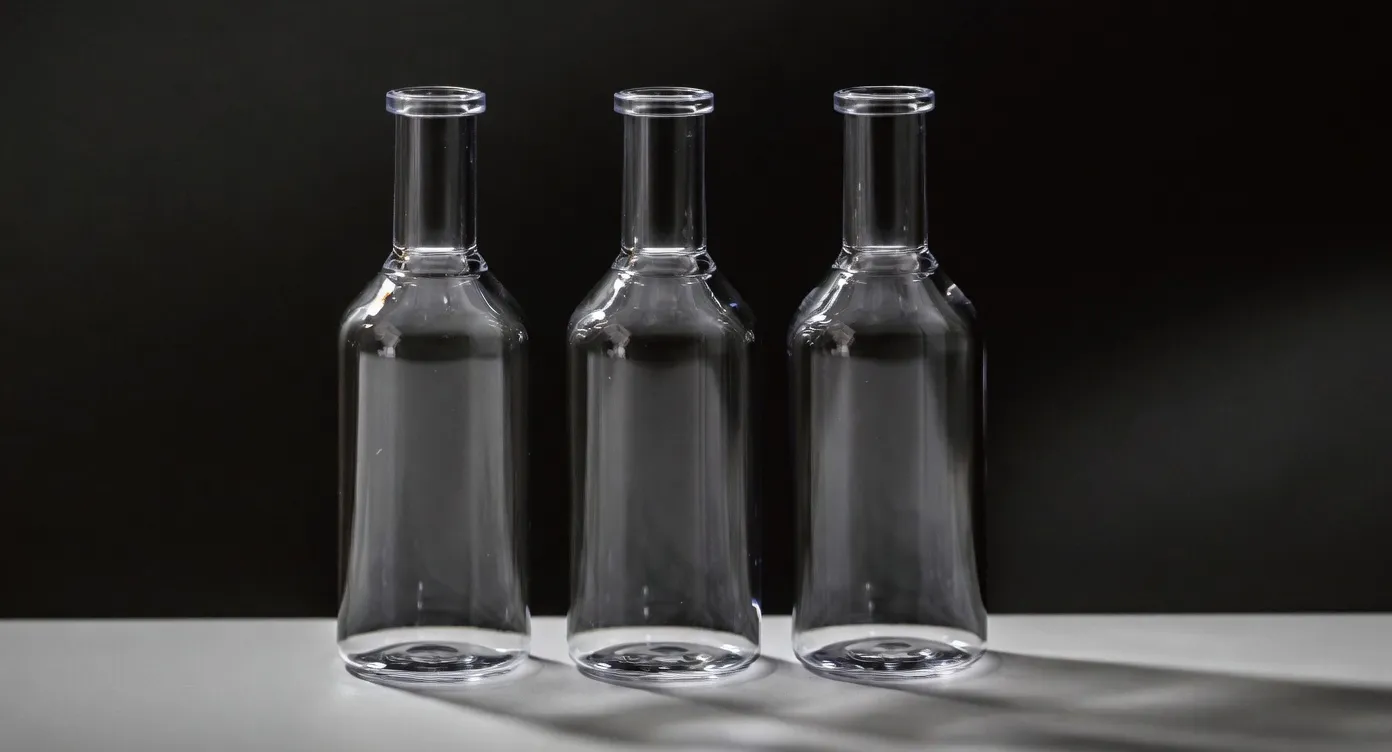
Vitrina de muestras de botellas
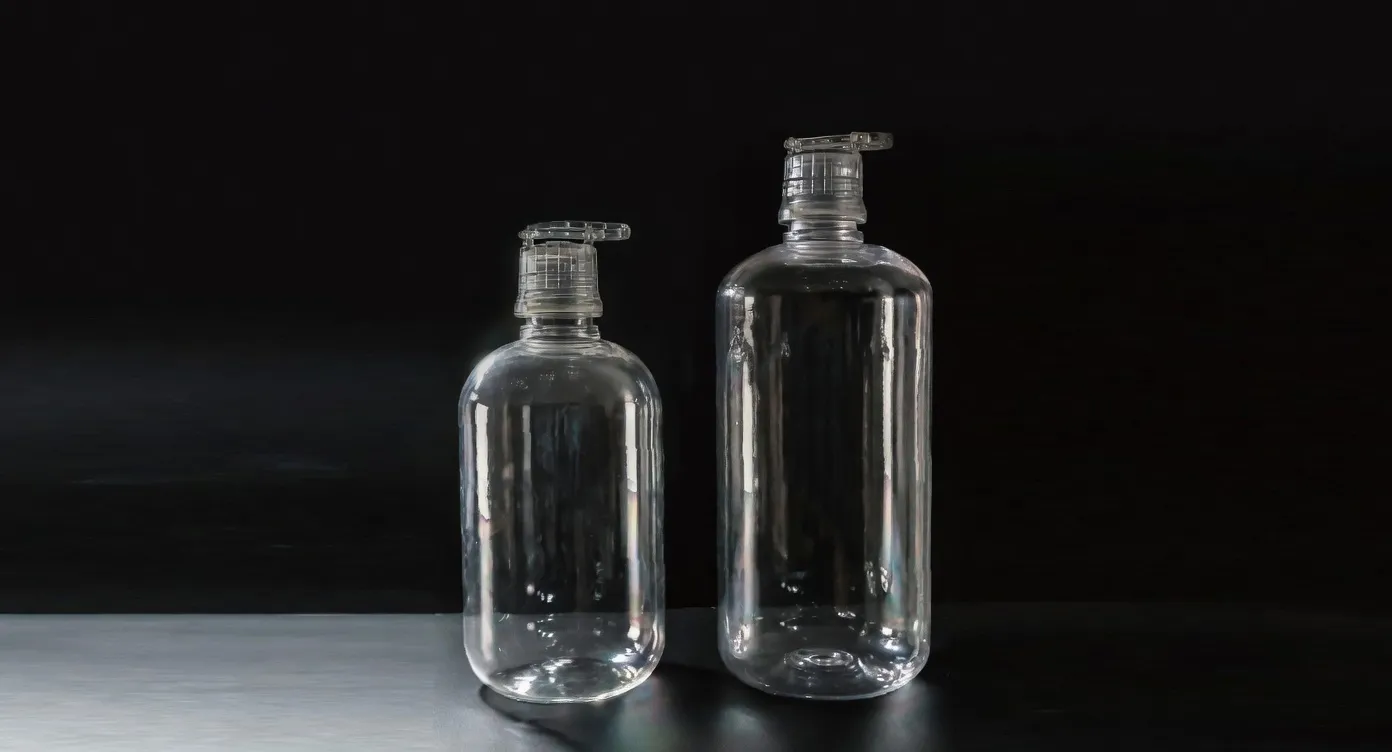
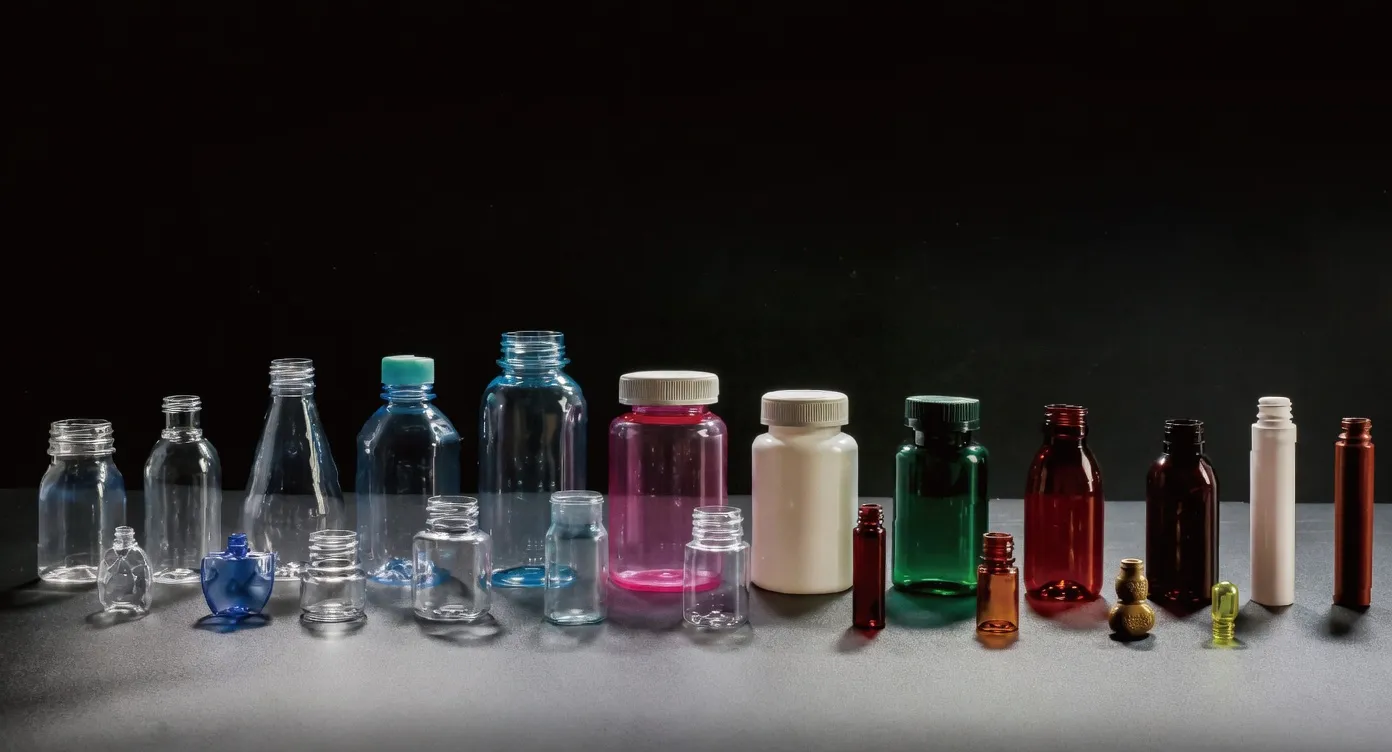
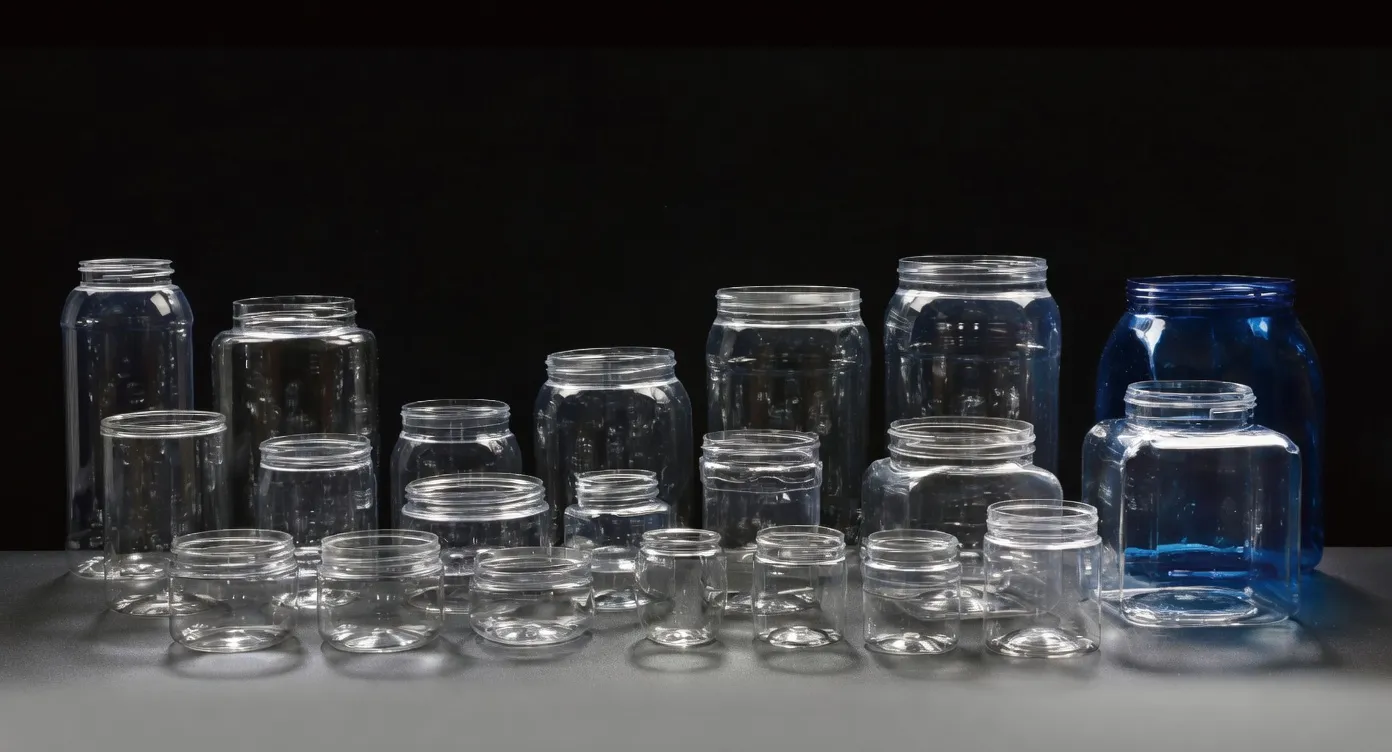
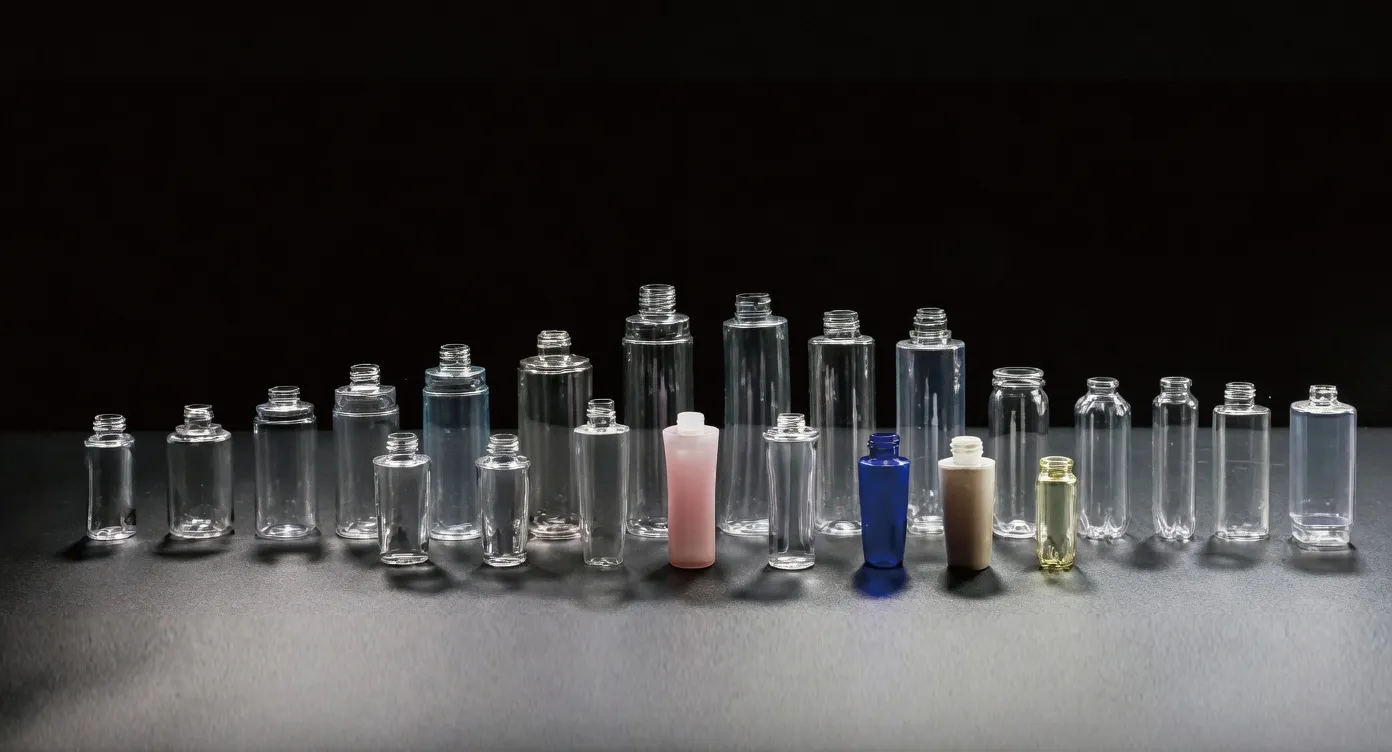
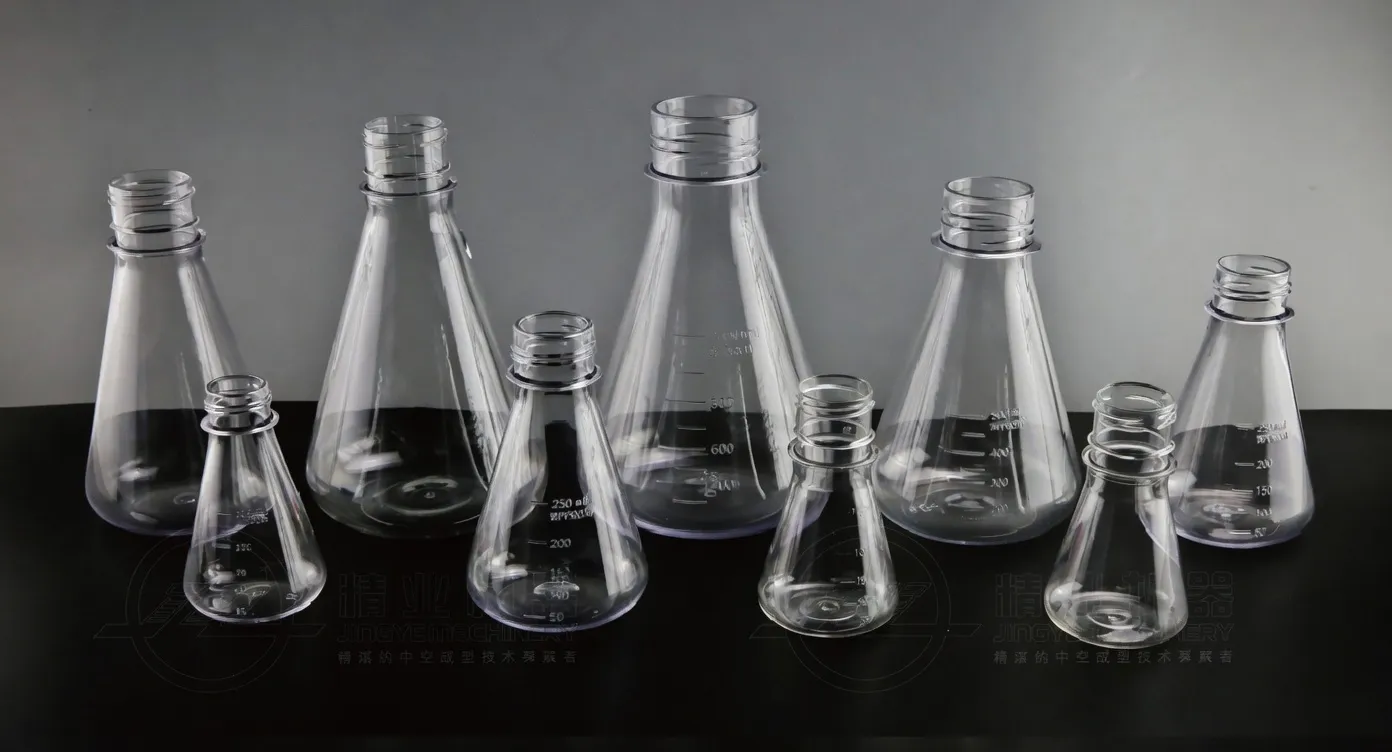
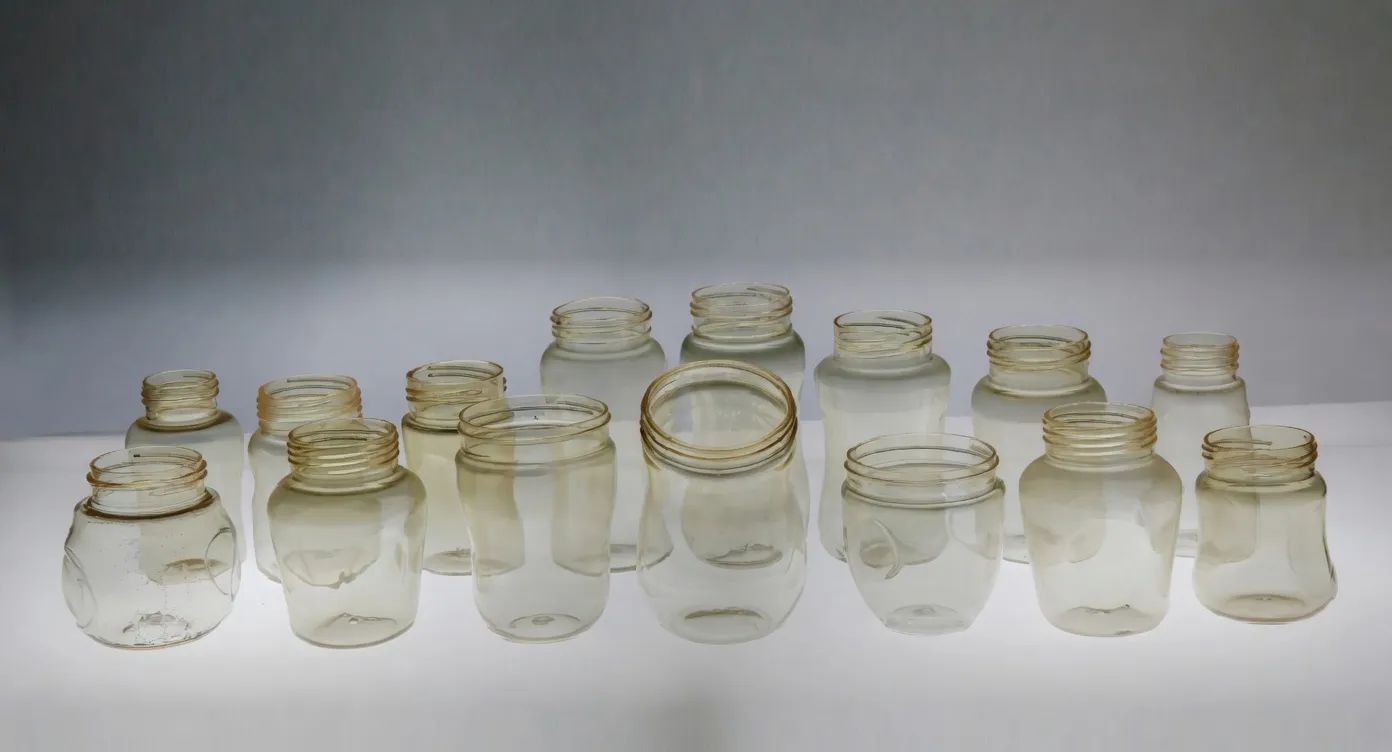
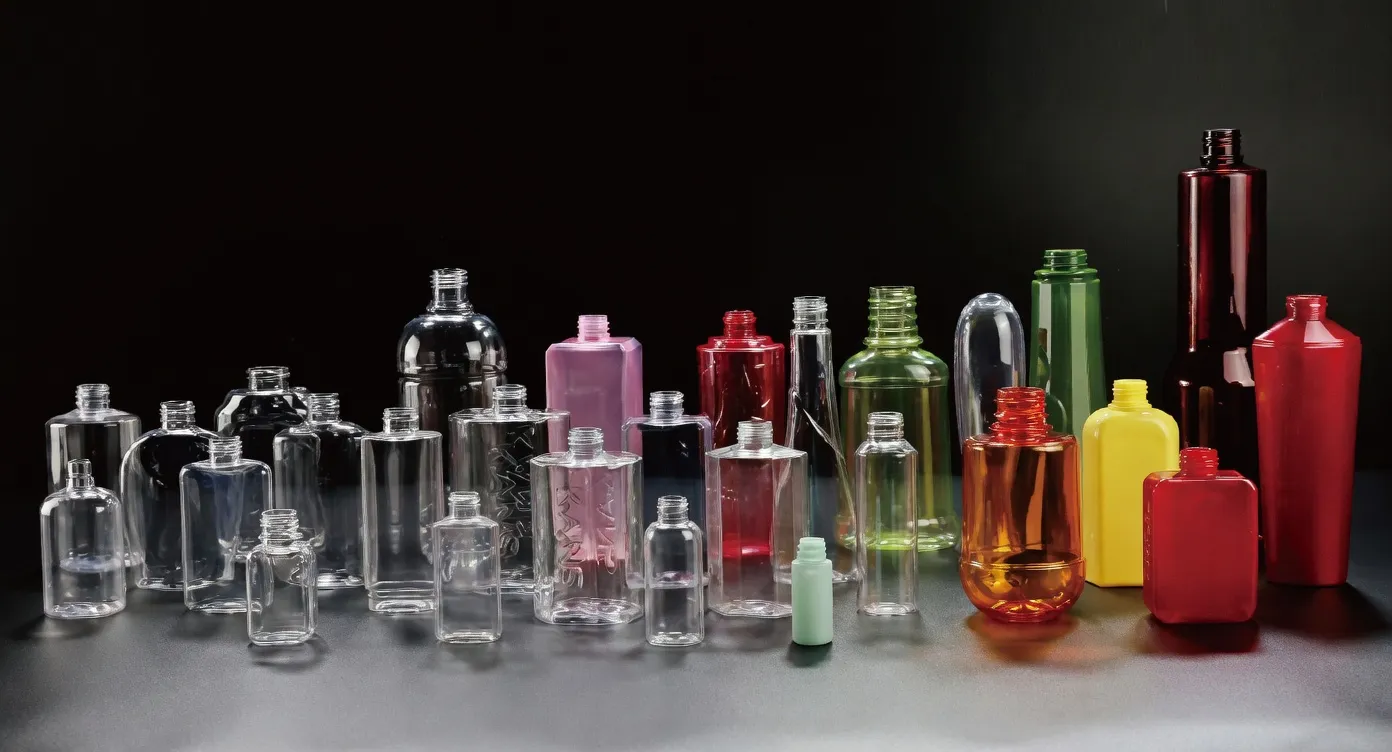
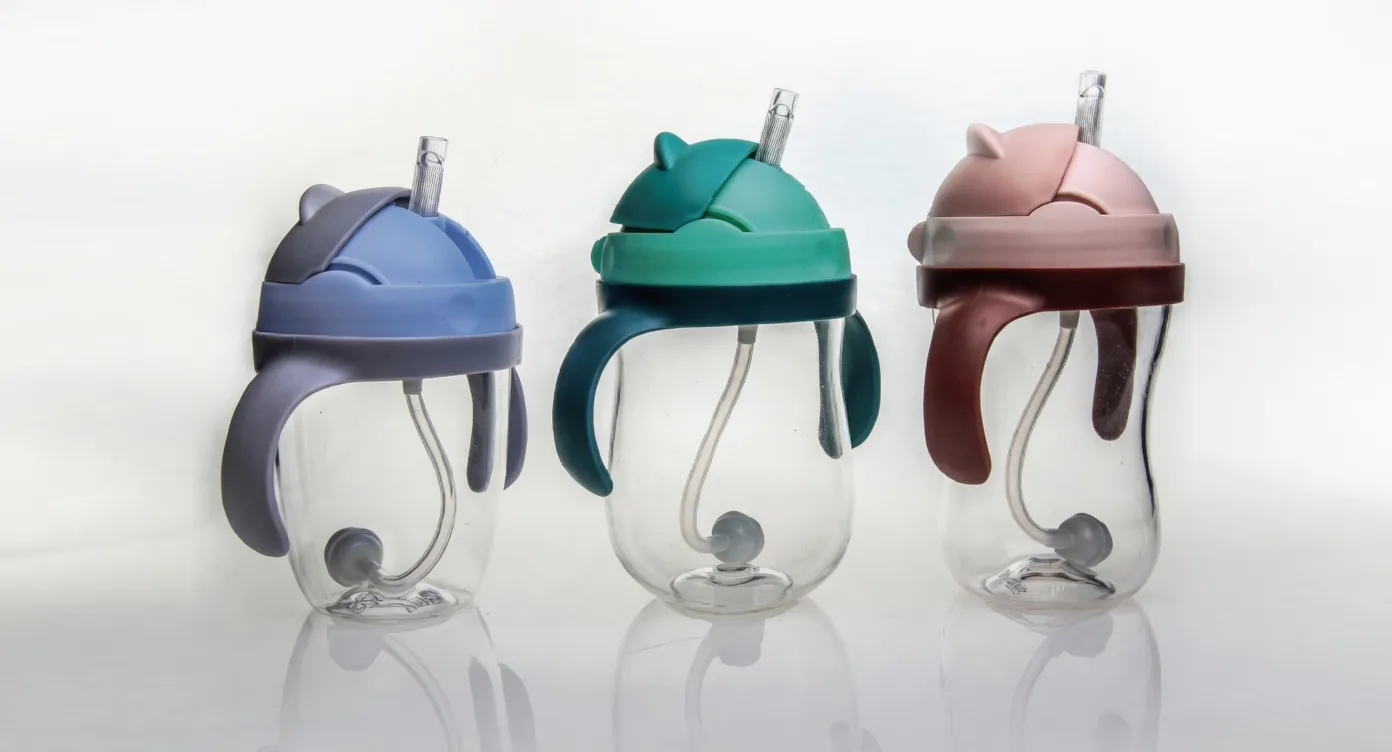
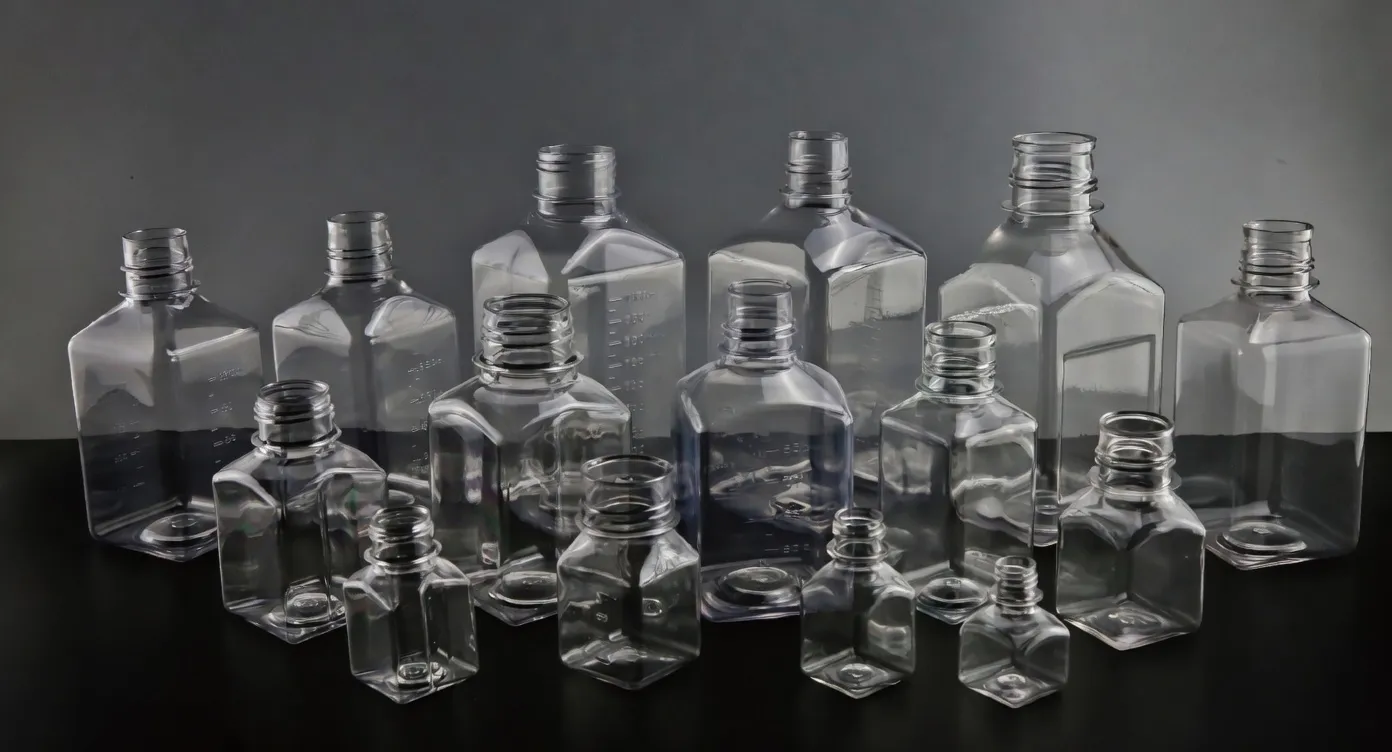
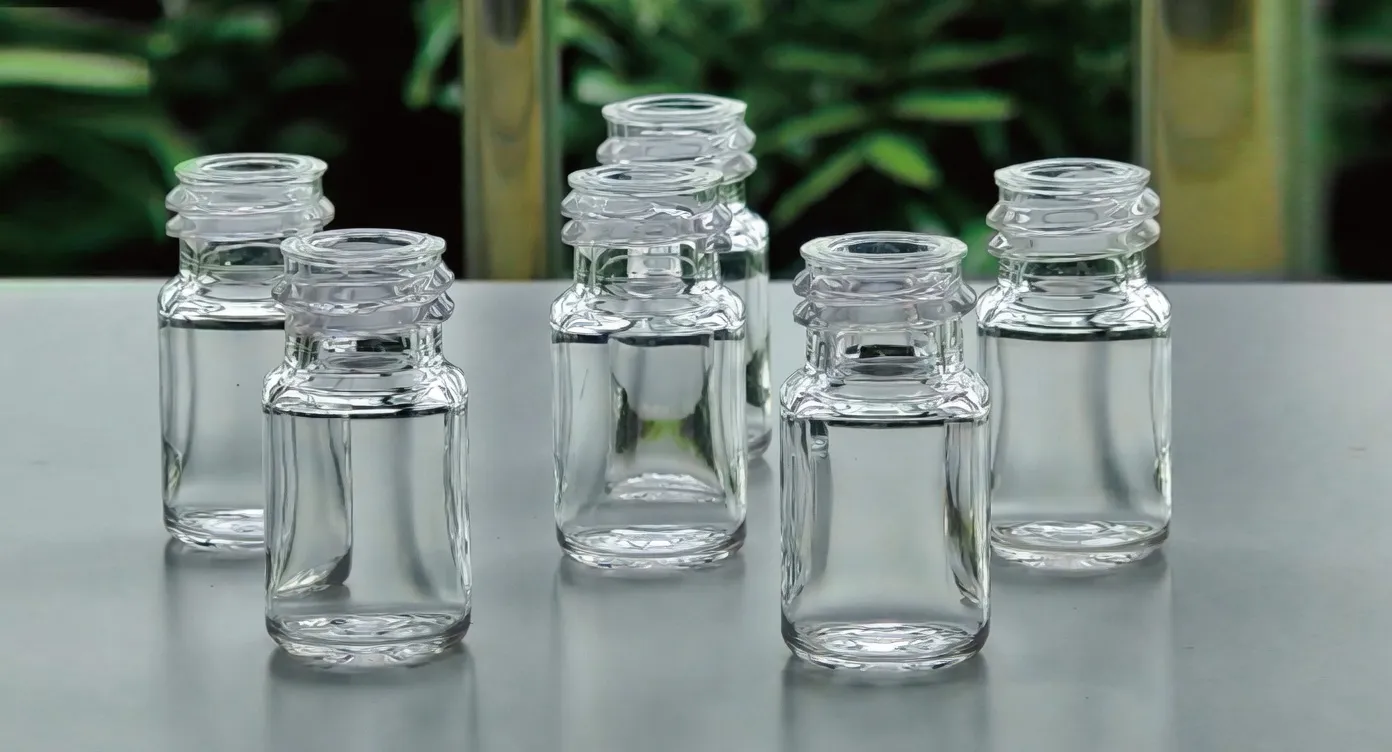
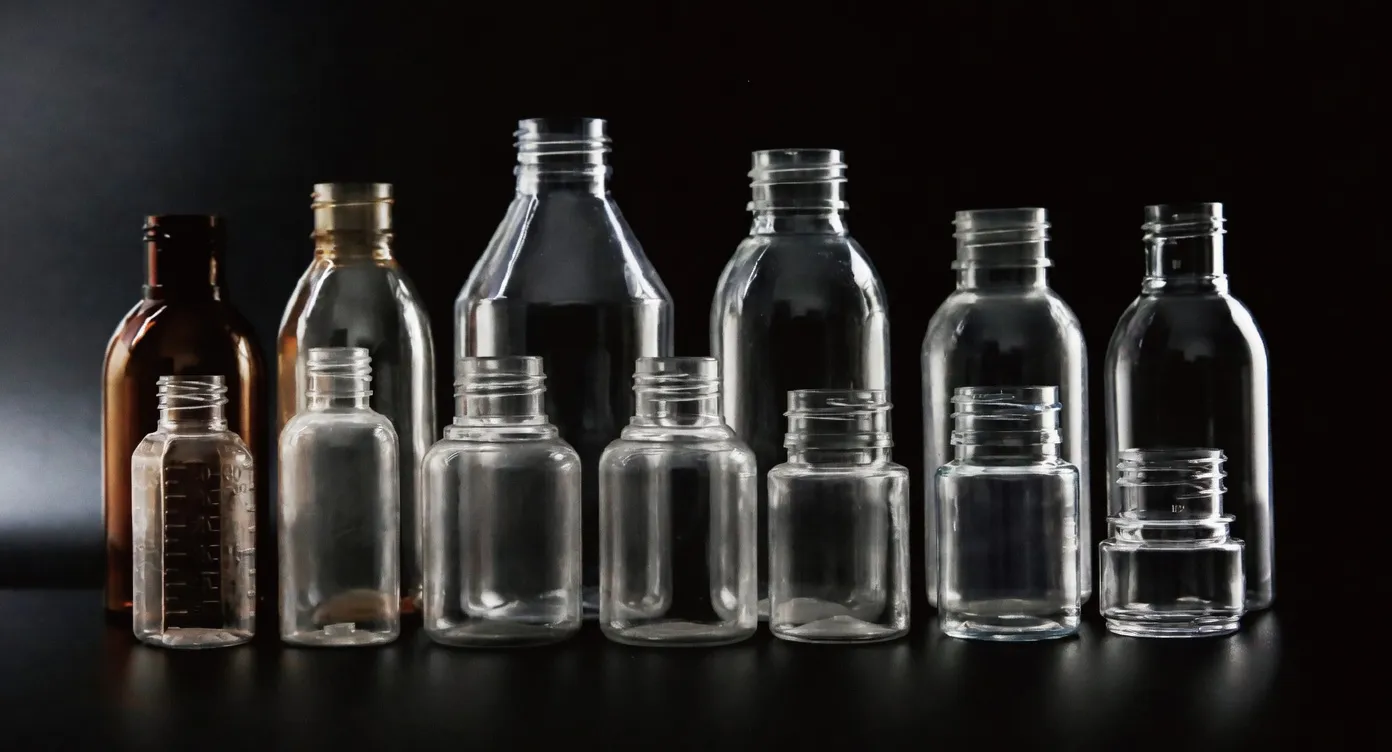
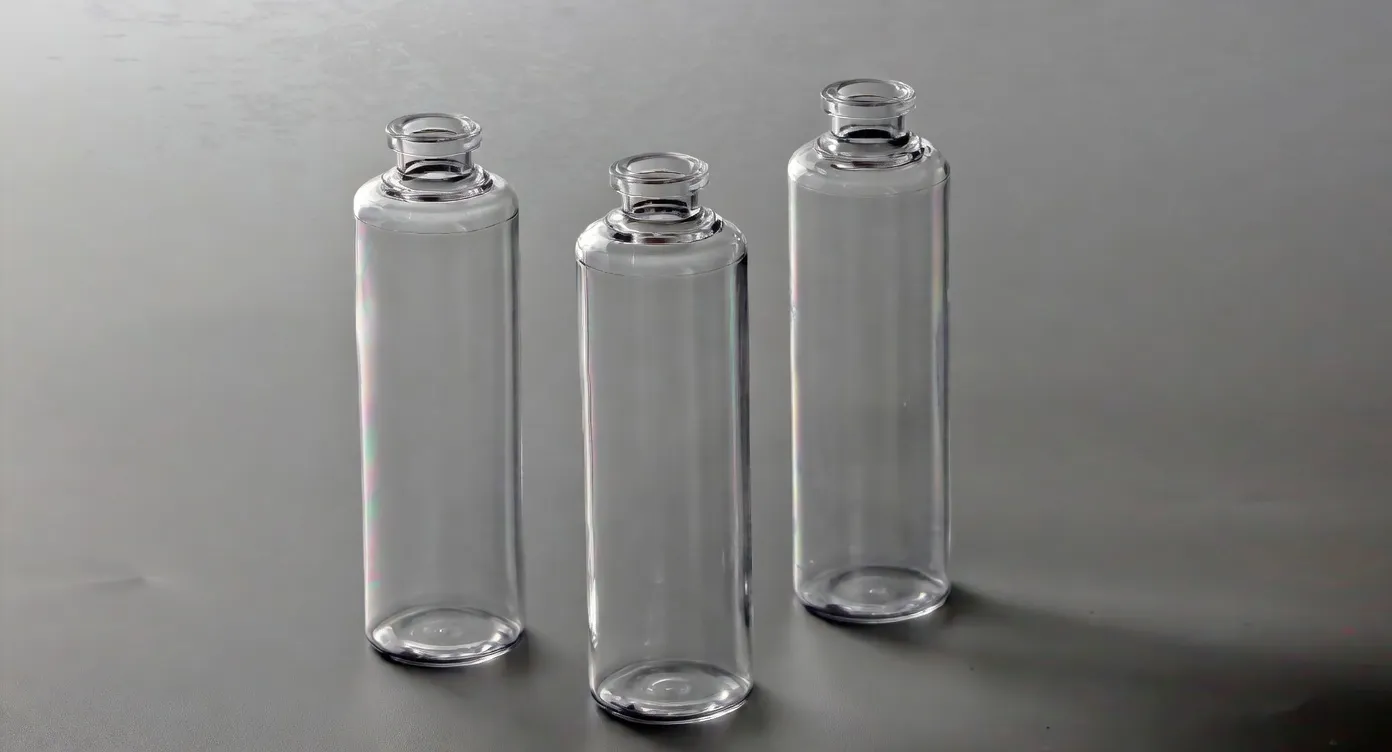
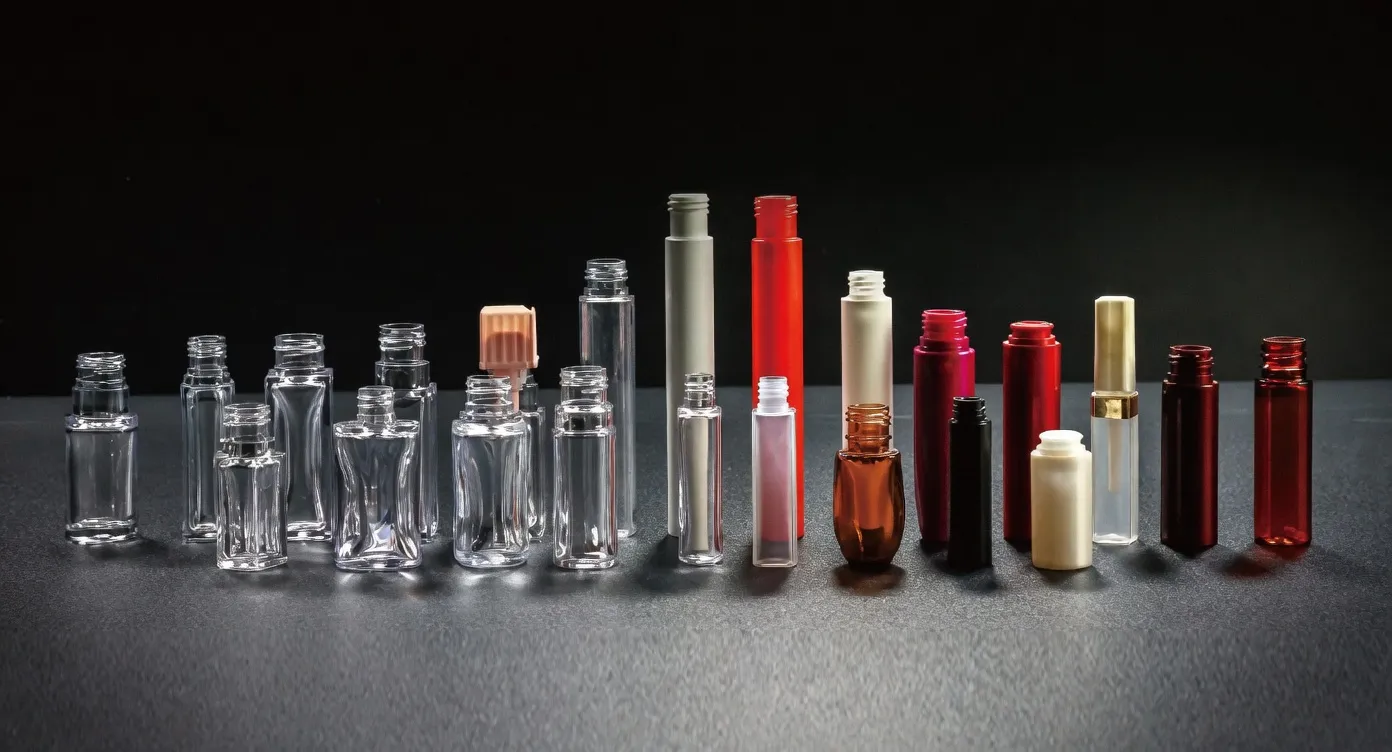
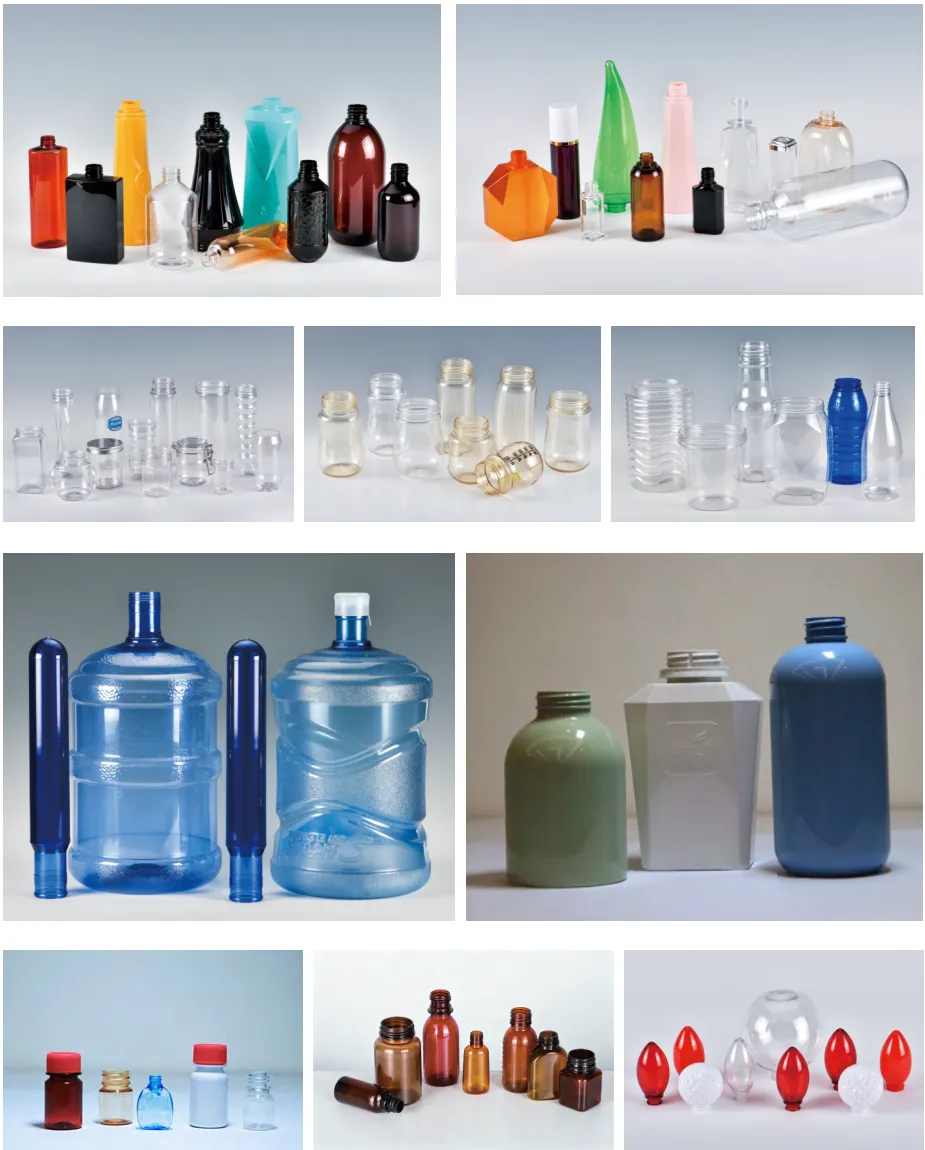
Our ISBM machines produce a vast range of bottle shapes, capacities, and aesthetic finishes. The gallery below illustrates the diversity of containers achievable on Ever-Power platforms—from compact cosmetics bottles to large industrial containers, each engineered with optimized weight and material distribution.
7. Procurement Considerations: Selecting the Right ISBM Partner
Selecting capital equipment is fundamentally a long-term partnership decision. Beyond the machine specification sheet, B2B procurement teams should evaluate suppliers across multiple dimensions: engineering depth, mold design support, after-sales responsiveness, spare parts availability, training programs, and demonstrated industry experience.
Procurement Evaluation Checklist
- Engineering Heritage: Years of experience designing PET processing equipment specifically
- Mold Compatibility: Ability to work with existing or third-party molds, reducing capital outlay
- Energy Documentation: Verifiable kWh-per-bottle data under typical production conditions
- rPET Validation: Documented success processing 30%, 50%, and 100% recycled content
- After-Sales Network: Local engineering presence or rapid-response remote diagnostics
- Spare Parts Logistics: Strategic inventory available within 48–72 hours globally
- Training & Commissioning: Operator training programs and on-site commissioning support
- Reference Installations: Verifiable customer installations in similar packaging segments
Established suppliers serving global packaging markets typically maintain dedicated R&D teams focused on ongoing efficiency improvements, sustainability validation, and integration with Industry 4.0 production environments. These capabilities translate directly into longer machine service life, more frequent firmware enhancements, and stronger alignment with evolving customer sustainability requirements.
8. The Future Outlook: ISBM in the Net-Zero Packaging Era
Looking forward, several converging trends will further elevate the strategic importance of ISBM technology. Plastic taxes and Extended Producer Responsibility (EPR) schemes are spreading rapidly across Europe, North America, and Asia-Pacific markets. Digital product passports will require granular traceability of resin sources, recycled content percentages, and manufacturing energy footprints. Brand-owner sustainability commitments are advancing from corporate disclosures into contractual specifications imposed on suppliers.
In this environment, the gap between sustainability-ready ISBM platforms and legacy hydraulic equipment will widen rapidly. Operators of modern servo-controlled, IoT-enabled, rPET-capable machines will find themselves preferred suppliers; those operating outdated equipment may struggle to meet contractual sustainability requirements at all. This is not a distant scenario—it is the procurement reality already unfolding in 2026.
Furthermore, emerging materials—chemically recycled PET, bio-based PEF resins, and barrier-coated PET formulations for oxygen-sensitive products—will require even more sophisticated process control. ISBM platforms with adaptive servo control, multi-zone thermal management, and recipe-based material switching will support these innovations without further capital investment, providing converters with crucial operational flexibility.
9. Total Cost of Ownership: The Sustainability ROI Calculation
Procurement teams increasingly evaluate capital equipment through a Total Cost of Ownership lens that incorporates sustainability metrics alongside traditional financial indicators. A modern ISBM platform delivers measurable returns across five distinct dimensions:
- Material Cost Reduction: Lightweighting reductions of 5–30% directly lower per-bottle resin spend, the largest variable cost in PET packaging.
- Energy Cost Reduction: Servo-electric architecture reduces kWh consumption by 35–50%, providing direct OPEX savings and Scope 2 emissions reductions.
- Quality Yield Improvement: Integrated single-step processing reduces scrap rates from 3–5% on legacy lines to under 1% on modern platforms.
- Labor Productivity: Higher automation, fewer interventions, and predictive maintenance reduce direct labor hours per thousand bottles.
- Sustainability Premium Capture: Brand owners increasingly pay premiums for verified low-carbon, lightweight, recycled-content packaging—a revenue opportunity unlocked by appropriate equipment.
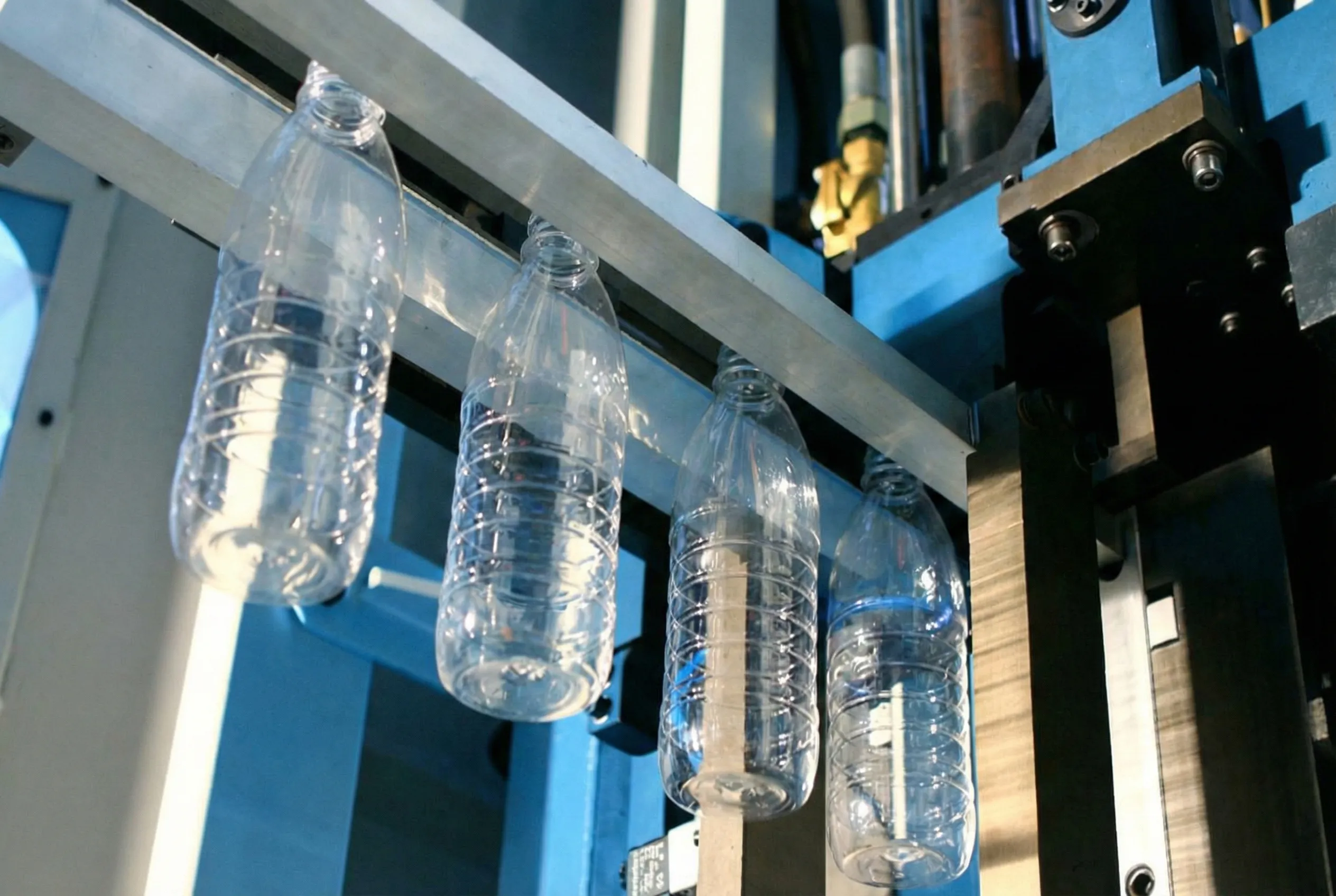
When properly modeled, modern ISBM investments typically deliver payback periods of 24–48 months, internal rates of return exceeding 25%, and ongoing competitive advantages that compound over the 10–15 year service life of the equipment.
10. Conclusion: ISBM as Strategic Sustainability Infrastructure
The role of the ISBM molding machine in sustainable and lightweight packaging trends is not incremental—it is foundational. By integrating preform injection, conditioning, stretching, and blowing into one continuous, energy-optimized cycle, modern ISBM platforms deliver simultaneously on the three priorities that define the future of packaging: lower environmental footprint, lower production cost, and higher product quality.
For B2B procurement leaders, the implications are clear. Investments in legacy hydraulic platforms will become increasingly difficult to justify against the sustainability commitments of brand-owner customers. Investments in modern servo-controlled, IoT-enabled, rPET-capable ISBM machines—sourced from engineering-driven manufacturers with proven global support networks—position operations for the next decade of packaging evolution.
At Ever-Power, we engineer ISBM platforms specifically for this transition: machines designed not for yesterday’s volumes but for tomorrow’s sustainability mandates, equipped with the precision, flexibility, and support infrastructure that demanding global customers require. Whether you are evaluating capacity expansion, legacy equipment replacement, or sustainability-driven retooling, our engineering team welcomes the opportunity to support your strategic packaging transformation.
Ready to Move Forward?
Connect with our engineering team for personalized consultation on lightweighting feasibility, rPET integration, energy benchmarking, and capital equipment selection tailored to your specific packaging program.
What Our Global Customers Say
We replaced two aging Japanese ISBM lines with Ever-Power EP-HGYS200 machines and the energy savings were immediate. The commissioning team was professional, the bottles meet our cosmetics customers’ clarity requirements, and after-sales response has been excellent. Highly recommended for serious converters.
The EP-HGYS150-V4-EV servo machine has been running consistently for fourteen months with minimal downtime. Bottle weight tolerance is excellent, and we successfully launched our 30% rPET cosmetics line. Delivery arrived on schedule and the engineering documentation was thoroughly prepared.
Working with Ever-Power on our pharmaceutical bottle program was seamless. They understood GMP requirements, mold compatibility was exactly as promised, and the EP-HGYS280-V6 six-station platform delivered the throughput we needed. Spare parts arrive within 72 hours every time we order.
For our edible oil packaging operation, the EP-HGY650-V4 has been transformational. Lightweighting reduced our PET consumption by nearly 18%, which translates to significant annual savings. The engineering team provided remote support during commissioning that exceeded our expectations completely.
We evaluated three Asian ISBM suppliers before selecting Ever-Power. Their technical depth in lightweighting and rPET processing was clearly superior. The EP-HGY250-V4-B has been operational for eight months with stability we did not see from previous suppliers. After-sales communication is consistently responsive and helpful.
As a contract manufacturer serving European brand owners, we have stringent requirements. The Ever-Power EP-HGYS150-V4-EV met every benchmark we tested—energy consumption, bottle weight precision, and rPET processing capability. Their documentation supports our customer sustainability audits and the machine has run reliably since installation.
Ever-Power Industrial — Engineering Sustainable Packaging Through Precision ISBM Technology